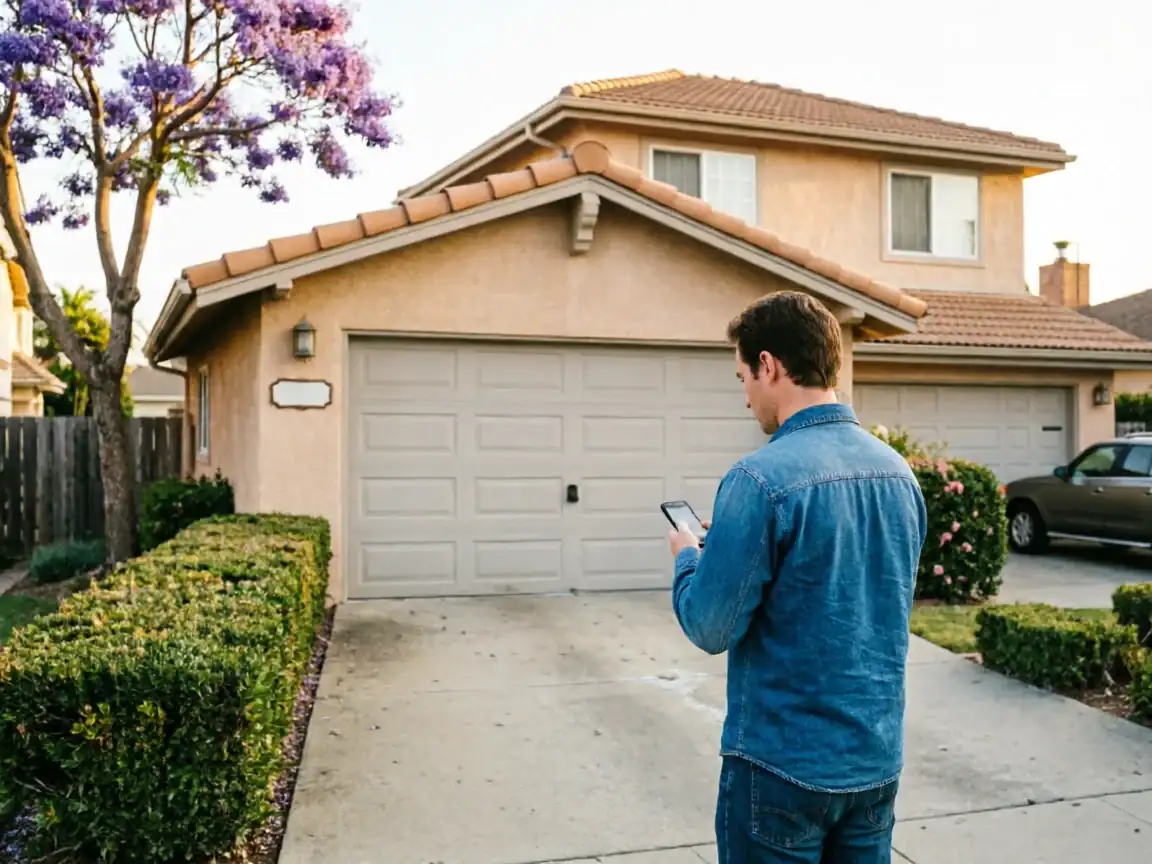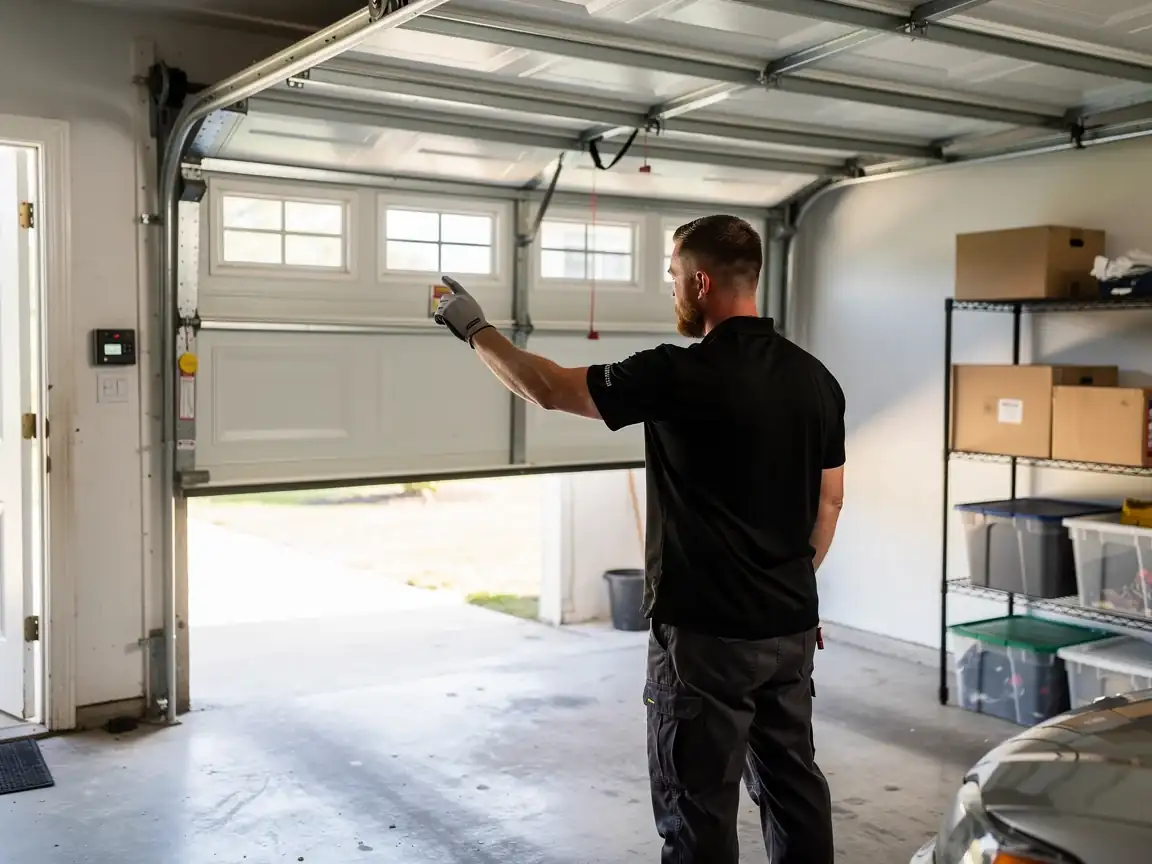
The Usual Work Here
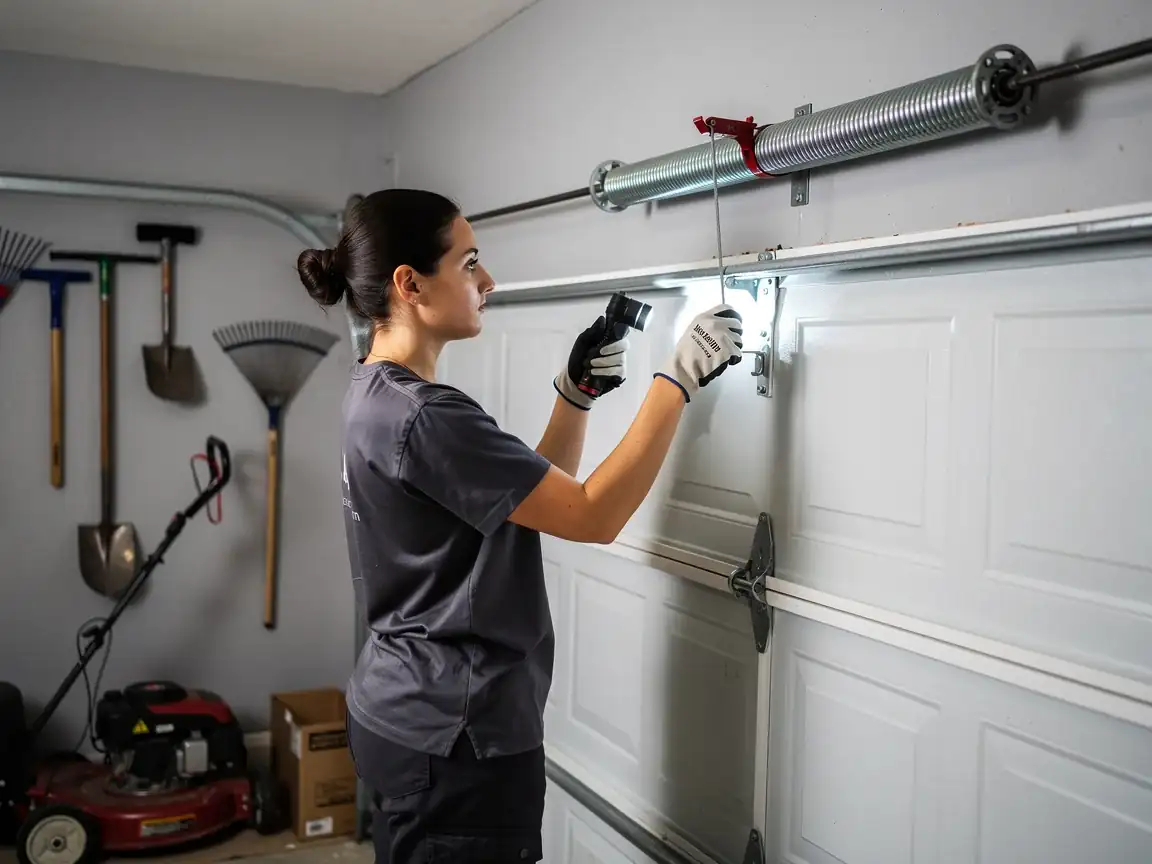
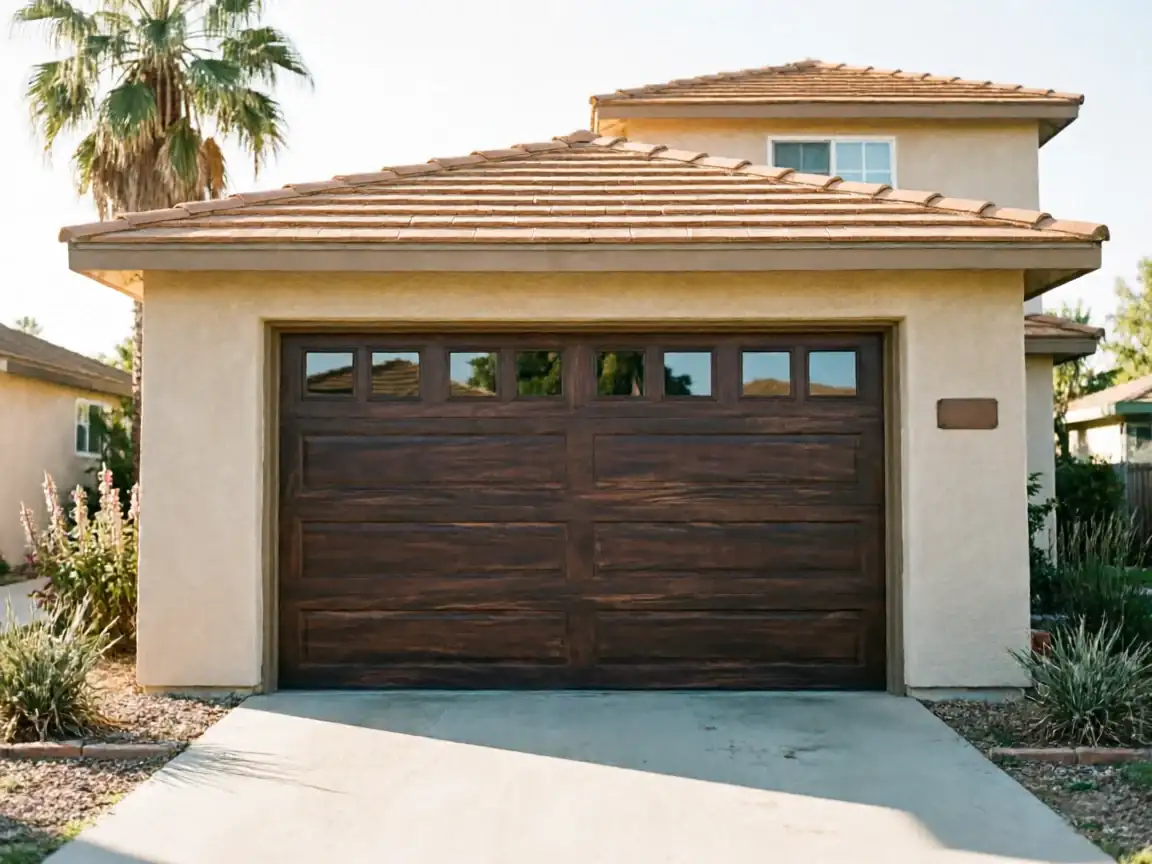
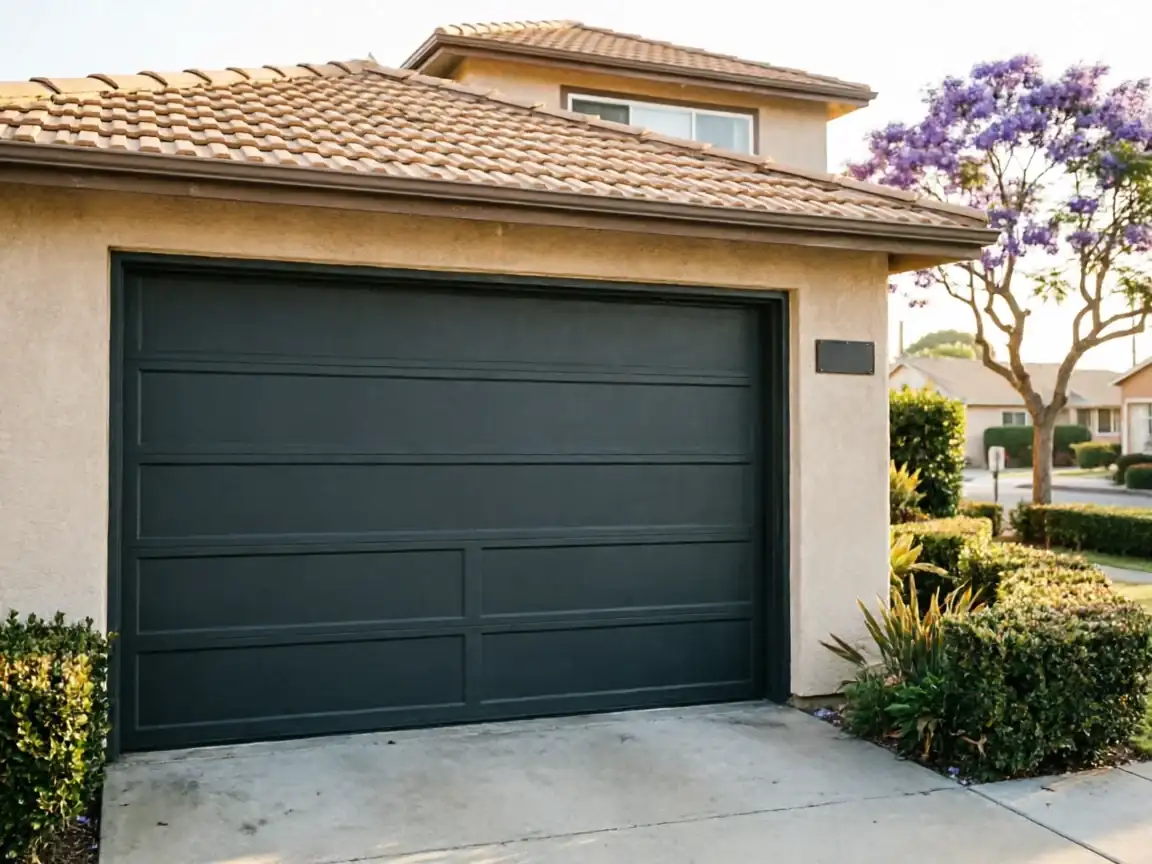
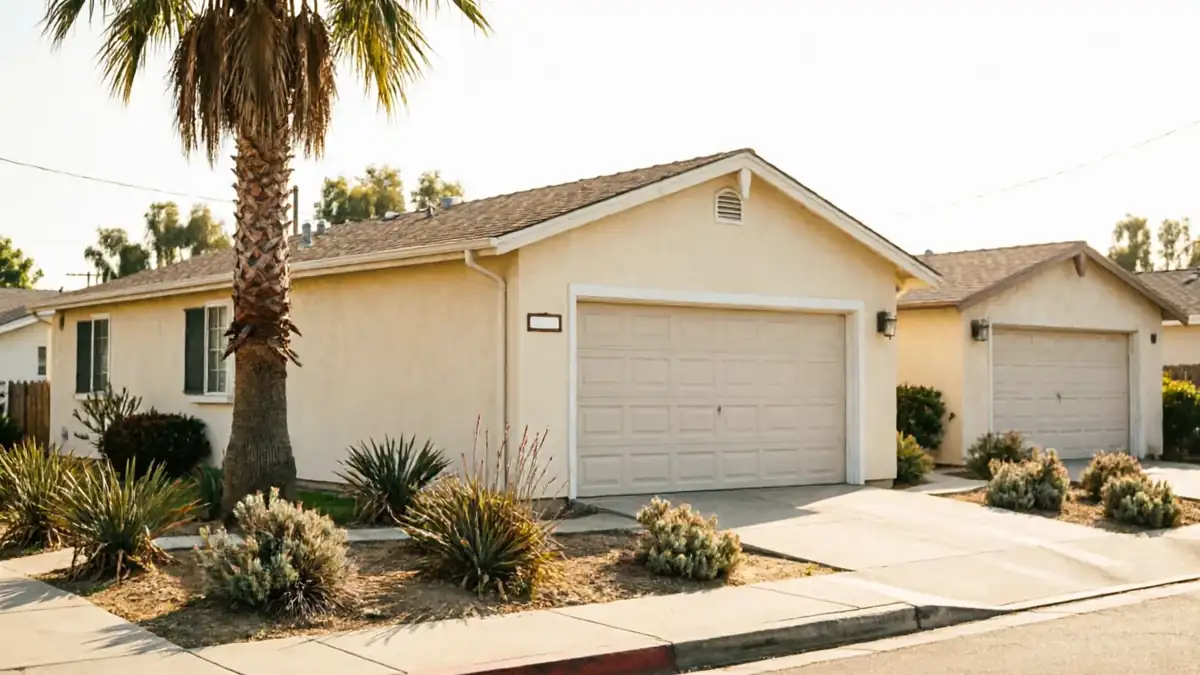
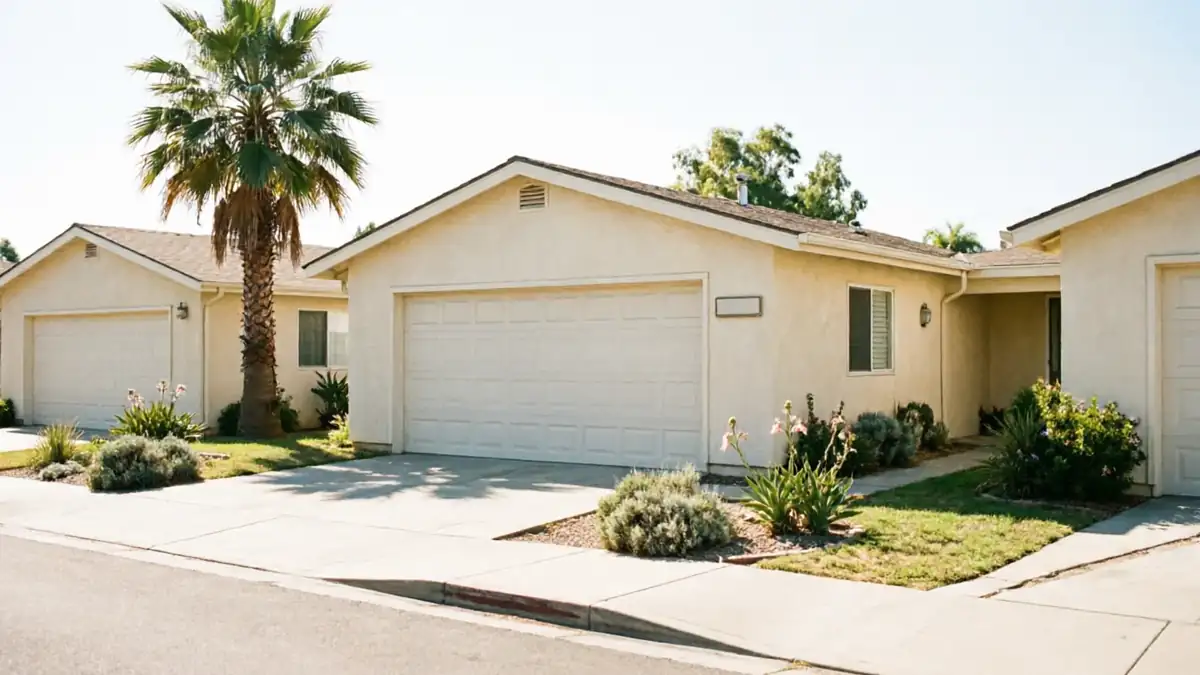
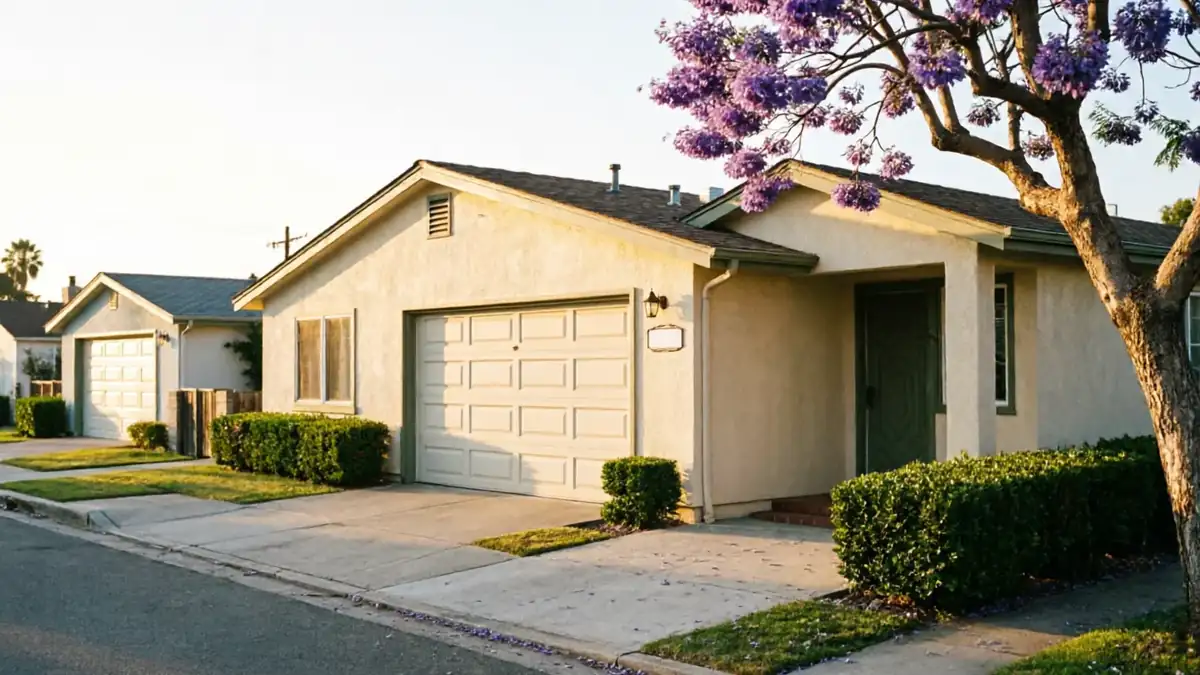
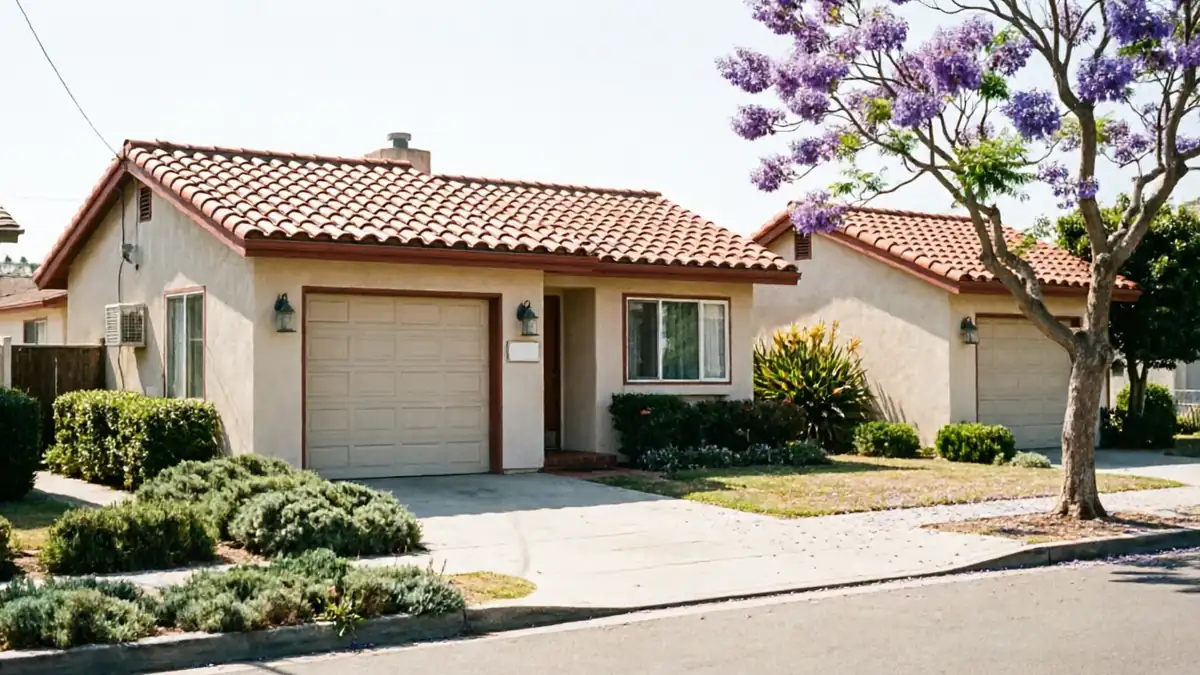
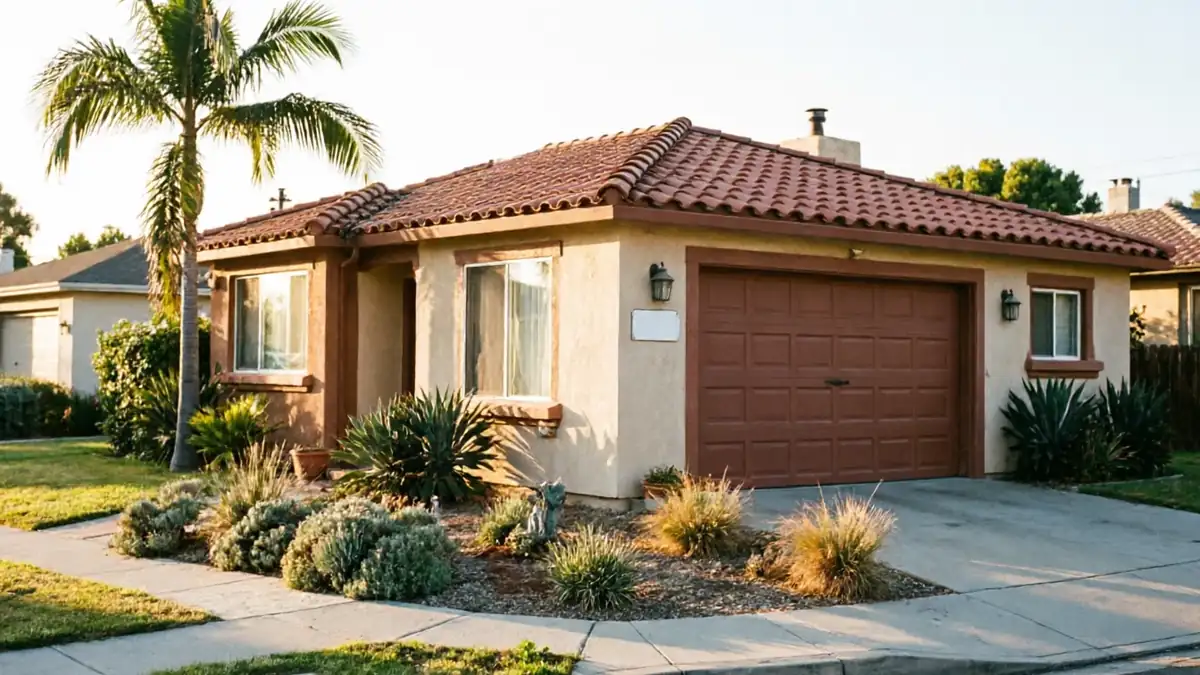
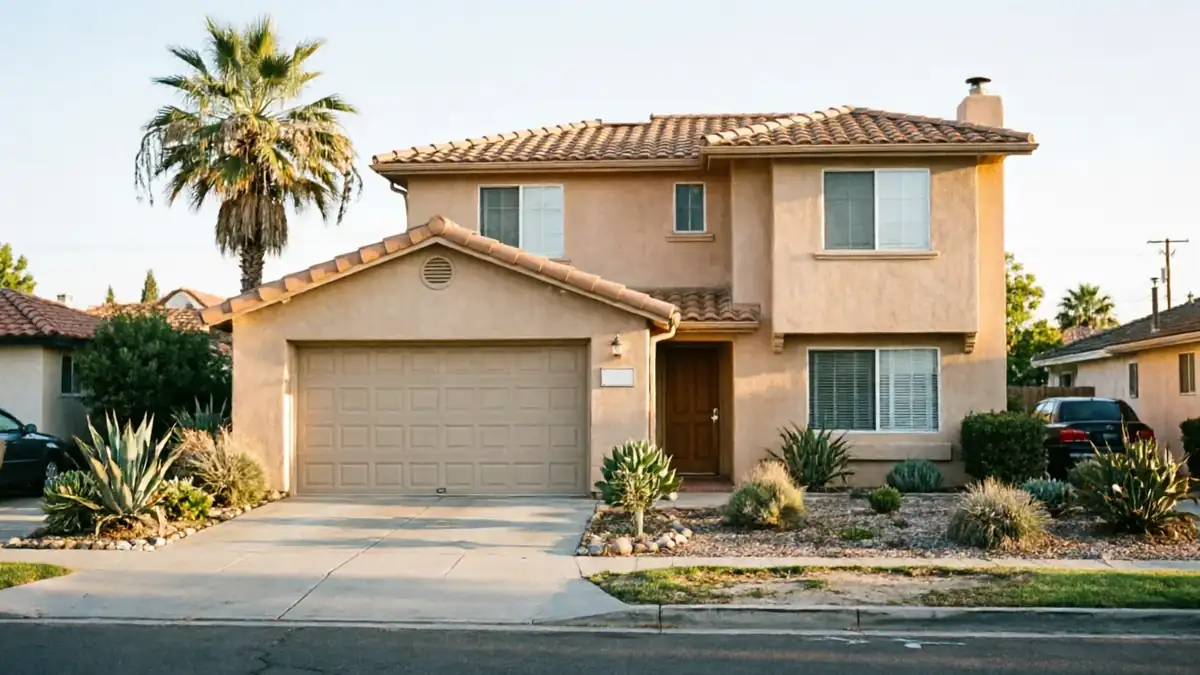
Casa de Oro-Mount Helix sits about 3 miles from our shop in El Cajon, and the calls we get from here skew a little older than what we see on newer streets closer in. Houses in this pocket went up around 1969, which puts a lot of the original garage doors and openers right at the edge of their working life. We see torsion springs that have cycled tens of thousands of times without ever being replaced, steel rollers worn oval instead of round, and openers from an earlier generation that don't have rolling-code security or a battery backup. None of that is unusual for a house this age - it's just what 50-plus years of daily use does to a door nobody's touched. We also see doors that were swapped once, in the 80s or 90s, and are now due again. Not every job here is a repair; sometimes the spring is fine and it's the cable or the bottom bracket that let go. We look at the whole system before we quote anything, because replacing one part on a door this old often exposes the next thing that's about to fail.
The Drive Over
El Cajon Garage Door Pros runs out of El Cajon, and Casa de Oro-Mount Helix is close - about 3 miles, generally a short drive along routes that don't see much freeway traffic. We don't keep a second location or a drop box out here; every truck comes from the same shop. That matters for scheduling more than anything else: a short drive means we can usually work a same-day call into the route without stacking it behind jobs clear across the county. It also means if a part isn't on the truck, the trip back to the shop and out again isn't a half-day event. We mention this because some companies advertise a presence in every neighborhood they touch, and that's not us - we're upfront that this is a service call from El Cajon, not a local depot, and the distance is short enough that it doesn't change how we work.
How That Shows Up in the Door
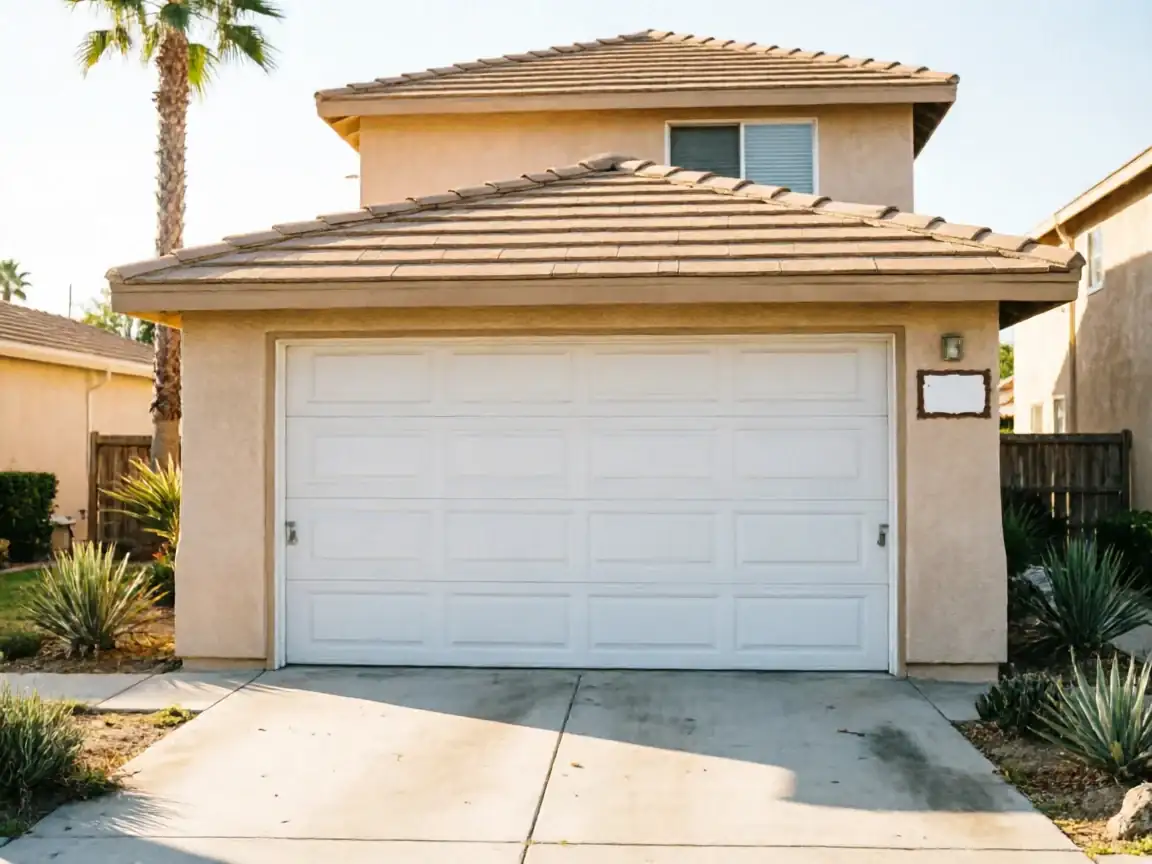
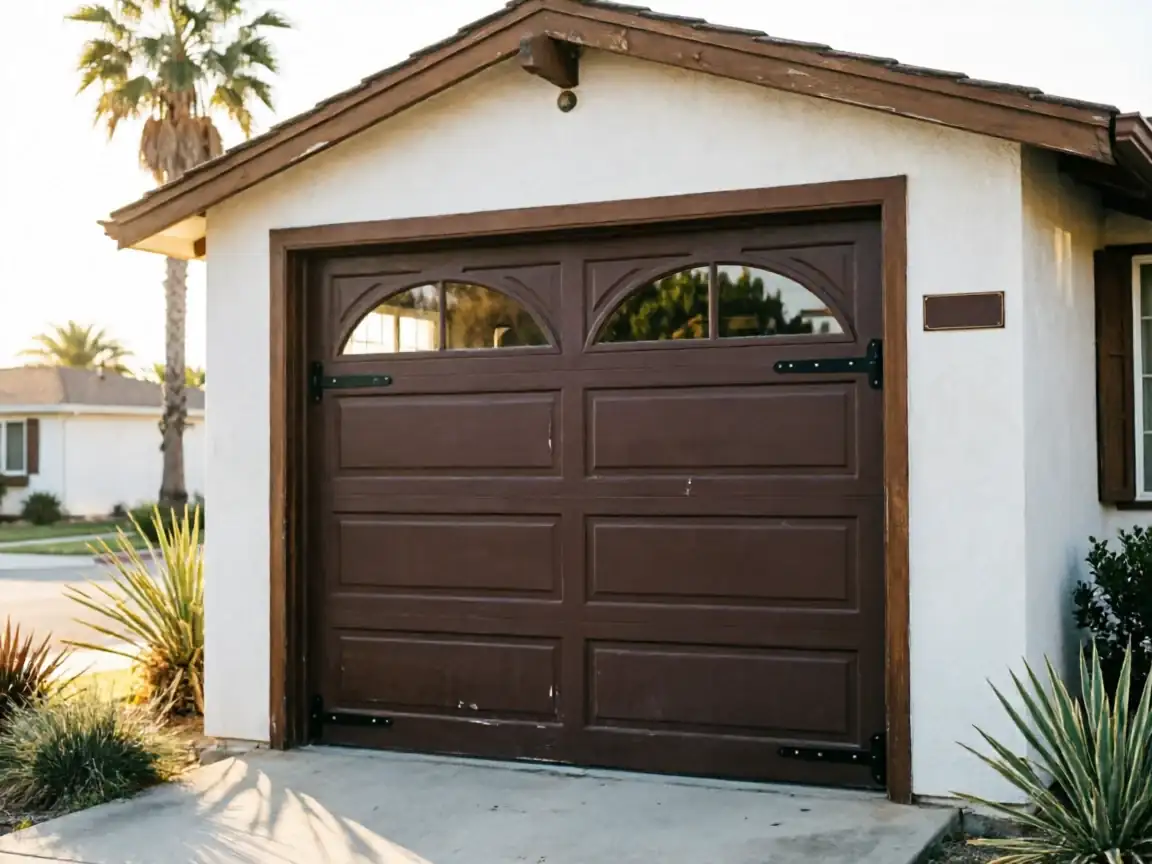
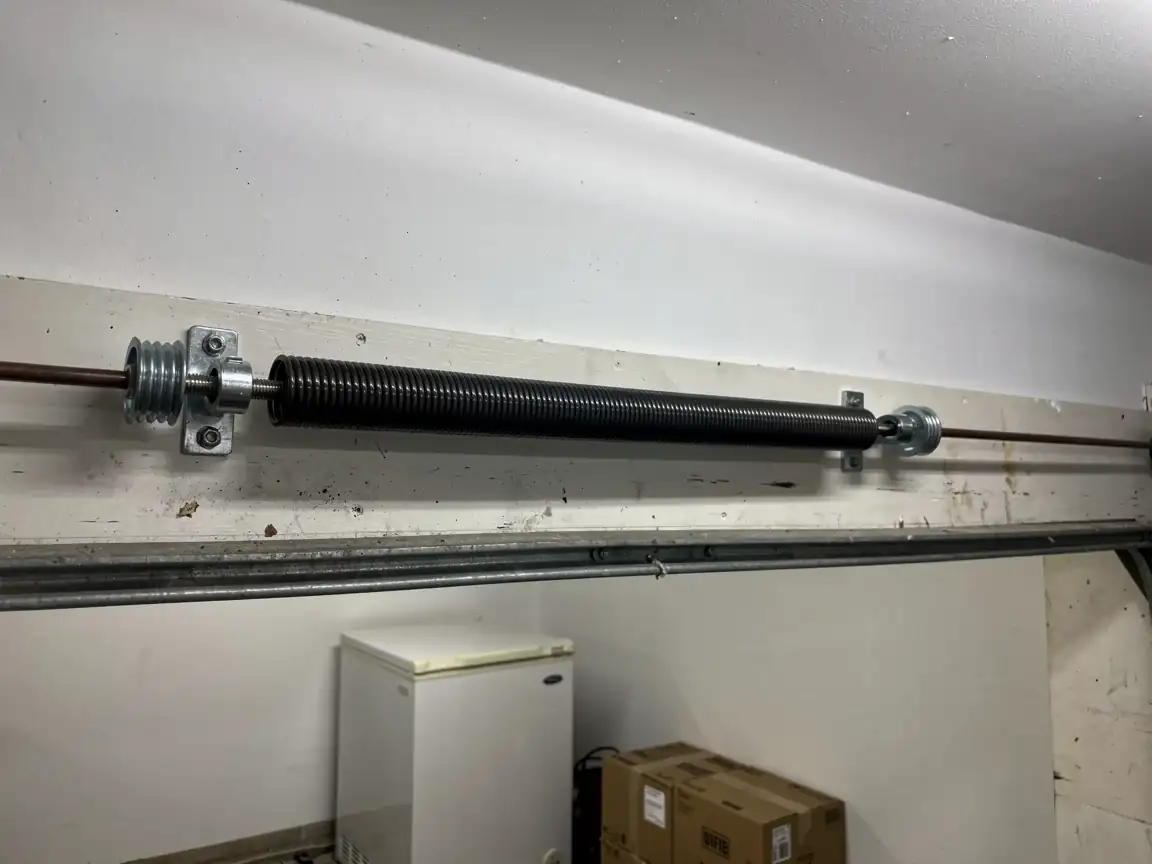
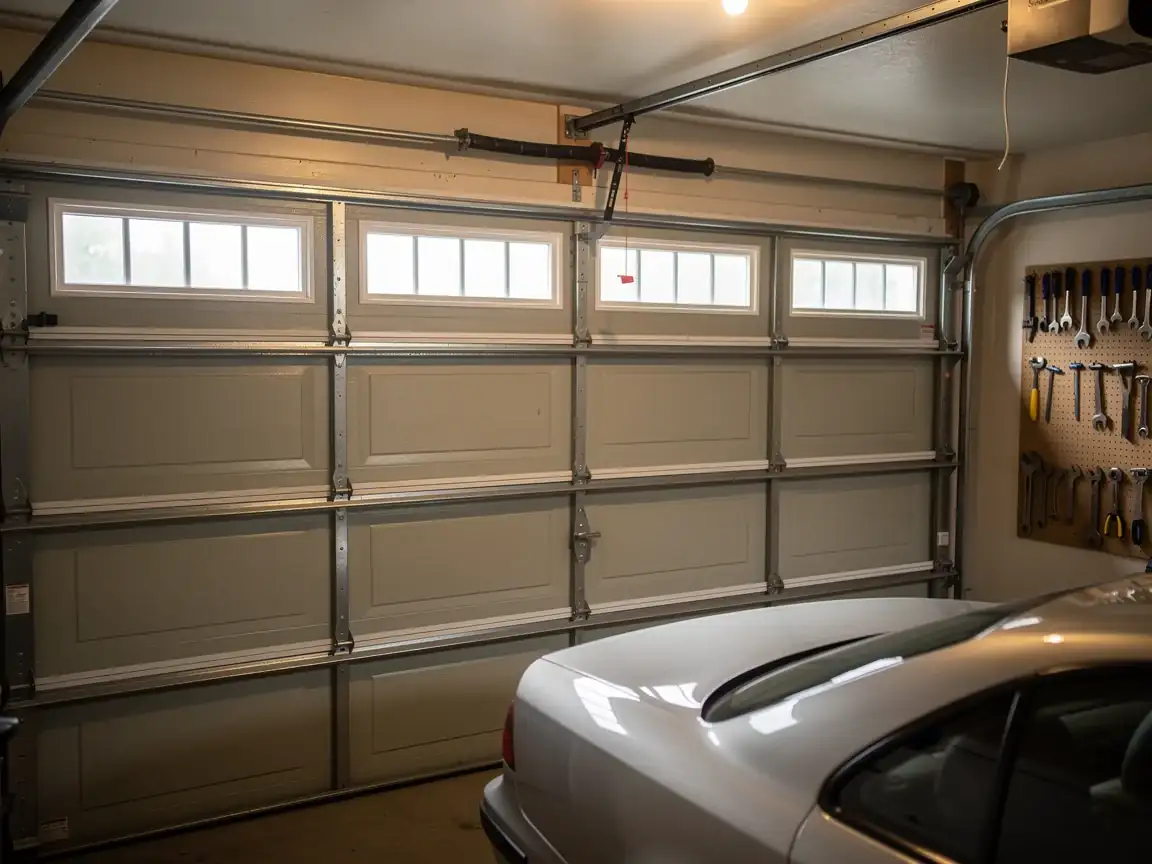
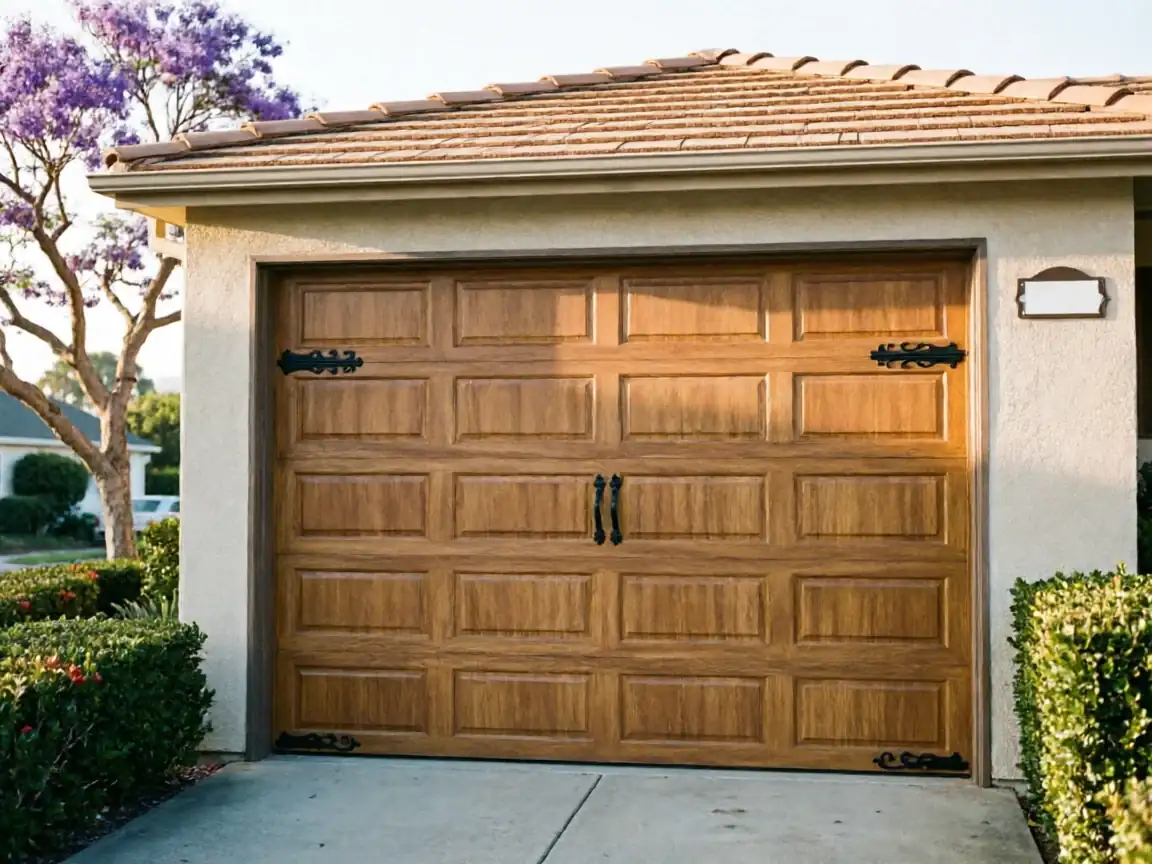
On a house built around 1969, the door you're looking at is more likely to be original or a first replacement from the 80s, and the track and spring hardware underneath it is sized accordingly. We find side-mounted torsion springs more often here than the center-mount setups common on newer builds, and extension springs on older single-door garages that were never upgraded when torsion became standard. Panels are heavier gauge steel, which is good for durability but hard on an opener that's been asked to lift that weight for five decades without a tune-up. The mild climate has been kind to the metal - we don't see the rust-through or warped track that shows up in wetter regions - but we do see dry, cracked weatherstripping and rollers that have never been lubricated. One honest limit: if the track or frame on a door this old is bent or badly out of square, patching it is a short-term fix, and we'll tell you straight when a new door makes more sense than chasing parts for one built before most openers had a safety reverse.