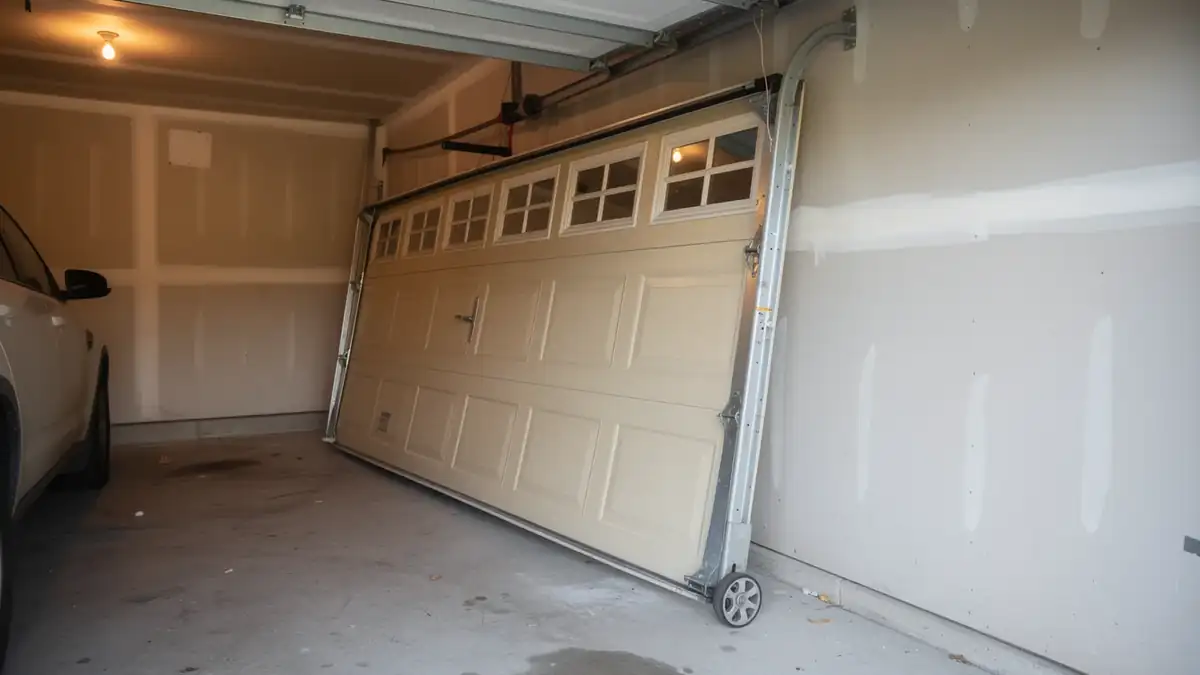
How Local Conditions Play In
Most houses in El Cajon's older pockets were built between 1967 and 1992, with the typical home dating to around 1975. That matters here more than people think. A door track installed during that run has had decades to work loose from the jamb, and the sheet-metal brackets that hold it in place were never meant to last fifty years without a re-torque. We see this across the 1960s-70s stock that makes up most of the neighborhoods out this way, not just one or two streets.
El Cajon sits in a mild temperate band, so we don't get the freeze-thaw cycles that crack slabs and shift tracks the way colder regions do. That's the good news. The bad news is this climate still runs hot enough in summer that garages see real heat swings day to night, and a door that gets baked all afternoon then cools fast after sundown will expand and contract at the rollers and hinges. Over enough cycles, that movement walks the track hardware out of alignment a sixteenth of an inch at a time, which is plenty to throw a roller off the rail.
A house with the original 1970s-era track and no hardware upgrades is the one most likely to show this problem first.
When It Stops Being a DIY Job
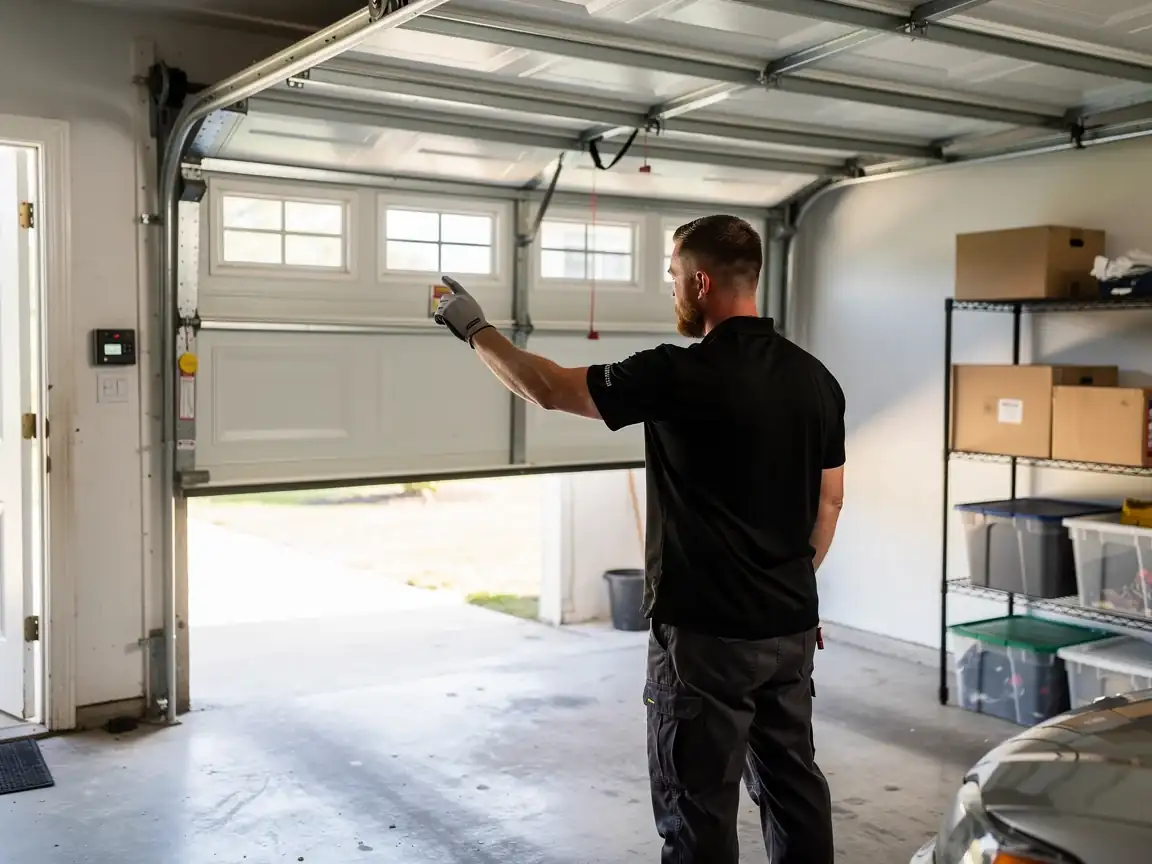
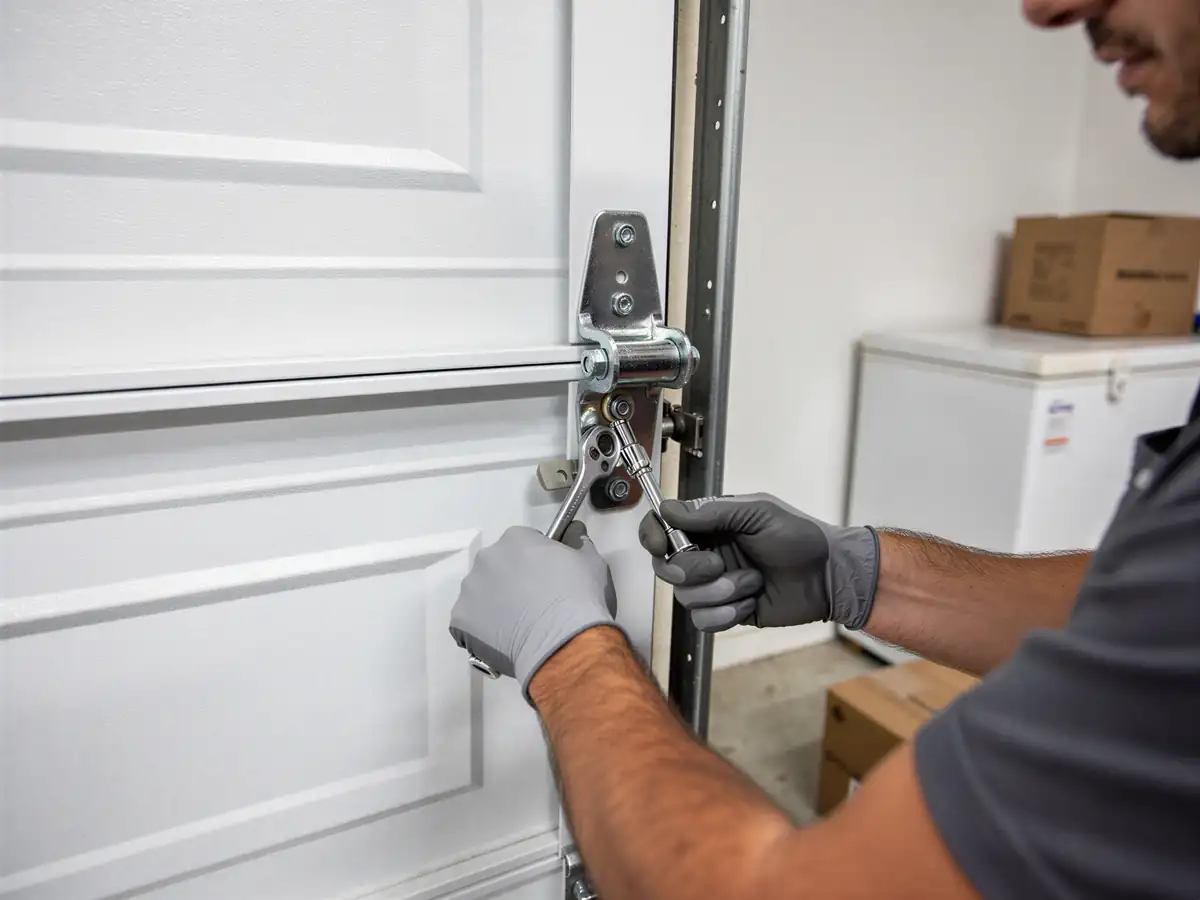
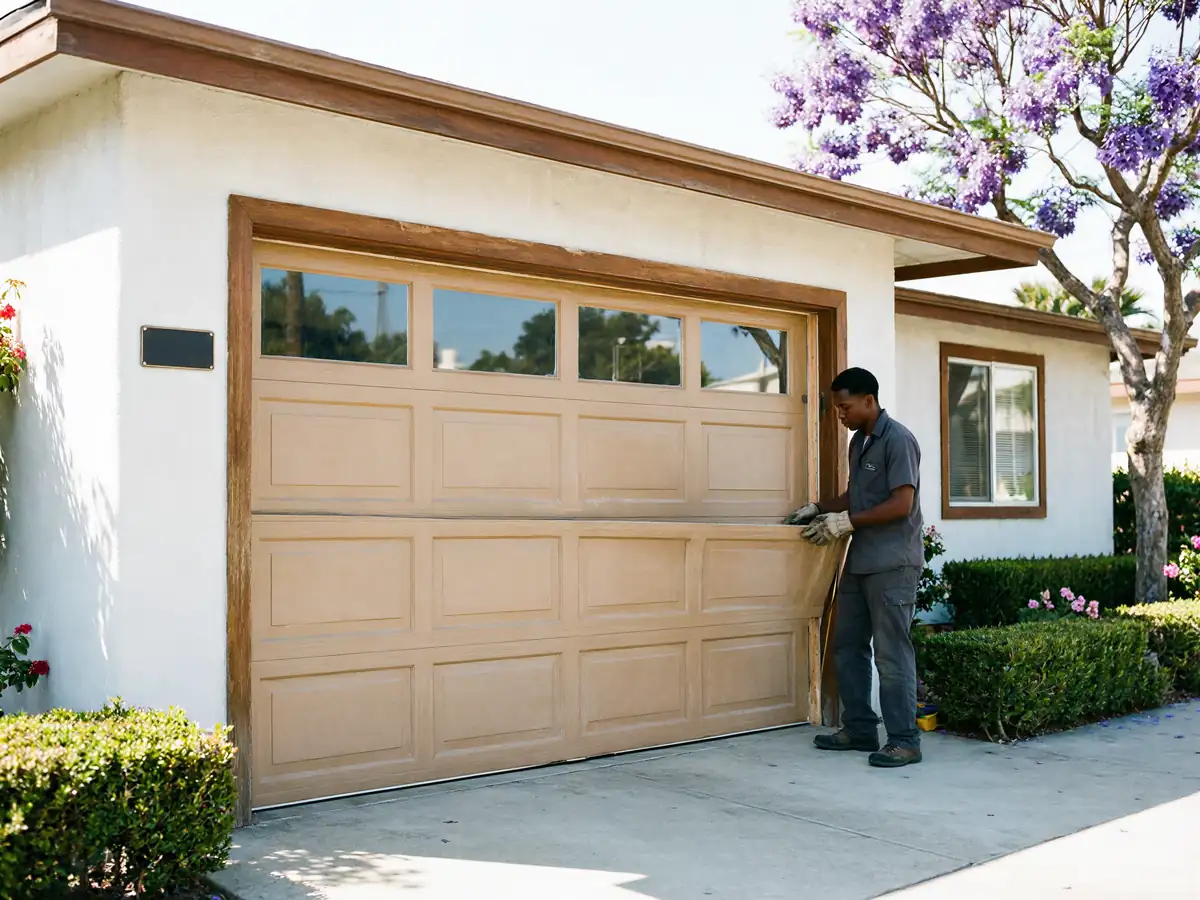
If the door is off the track but the panel isn't bent and the cables are still wound on the drums, you can sometimes walk it back manually with the opener disconnected. We won't pretend otherwise. But on a lot of the original 1967-1992 era doors still in service around El Cajon, the track brackets themselves are the problem, not just the alignment, and bending them back into place without the right clamps usually just moves the failure point six inches down the rail.
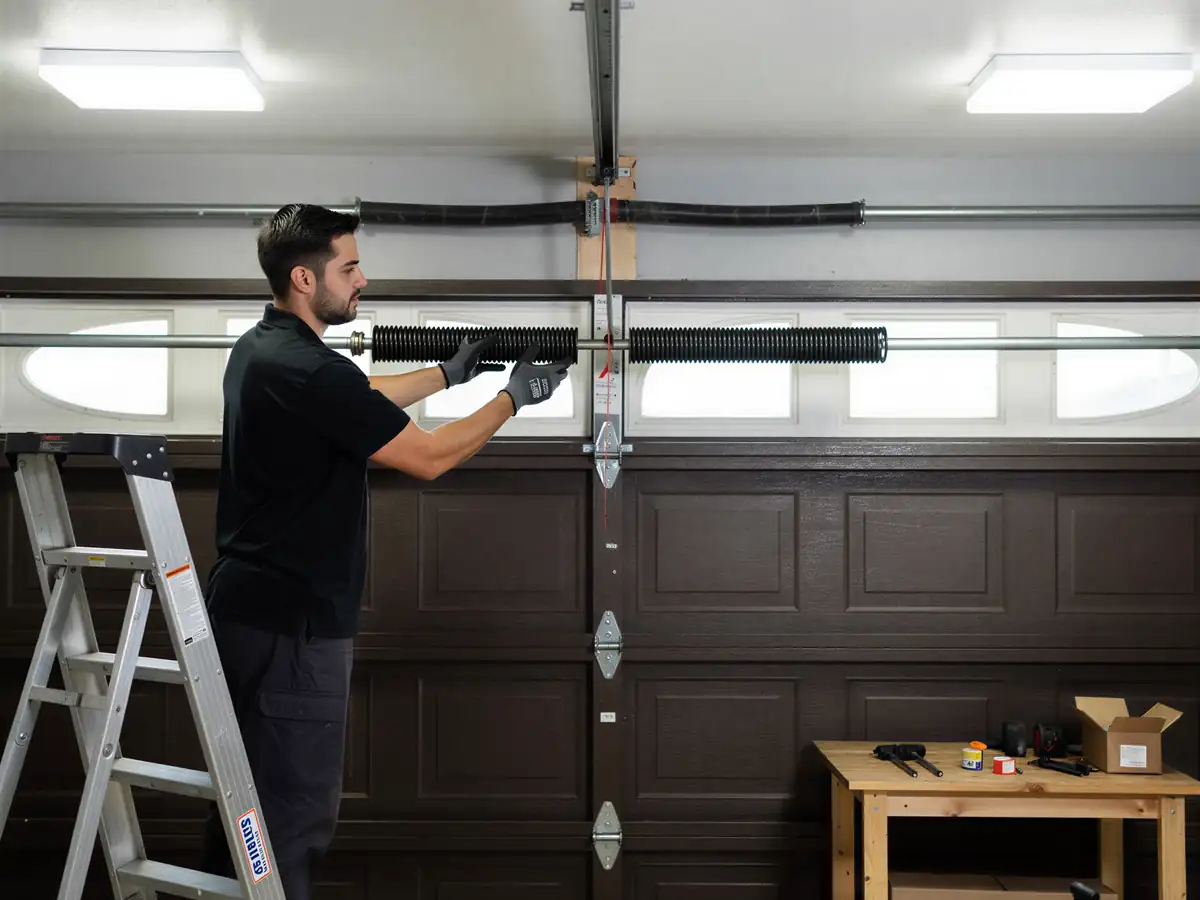
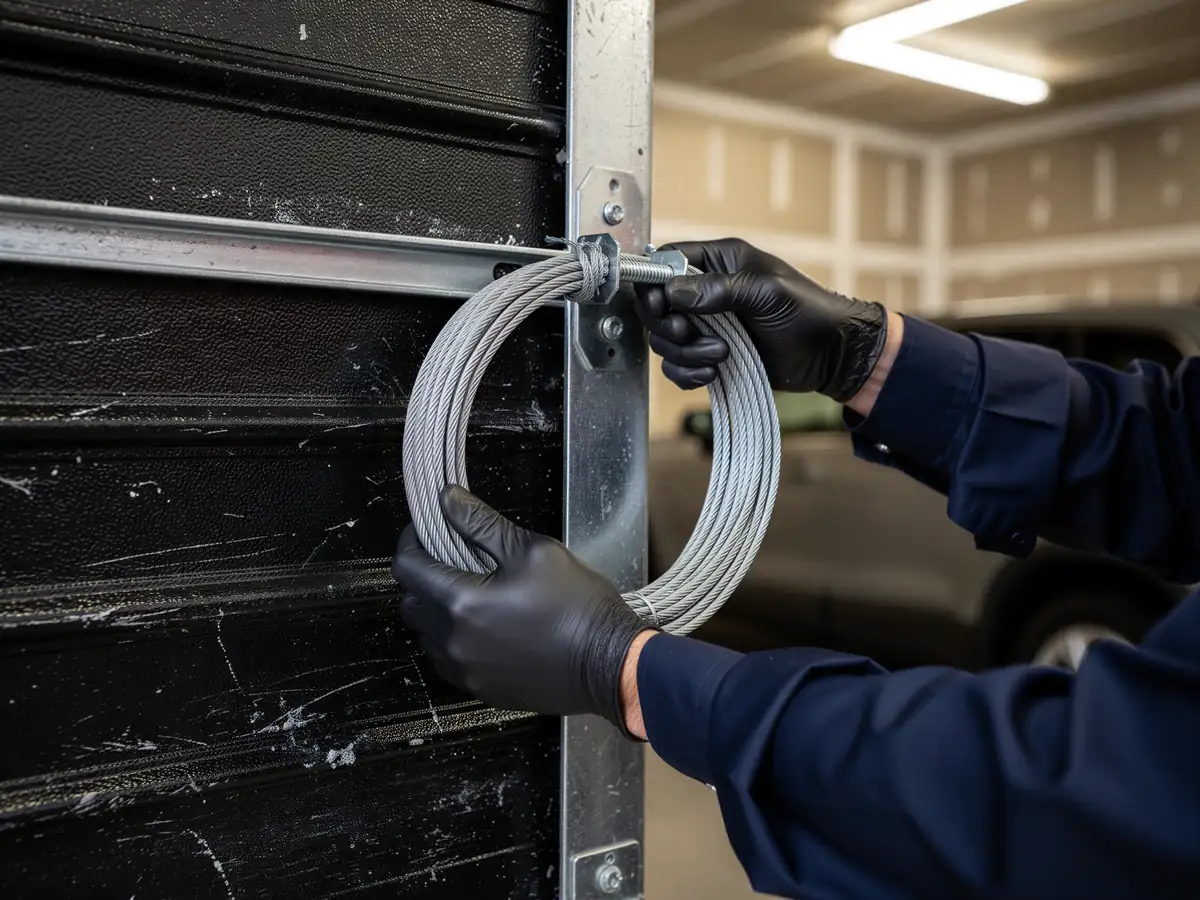
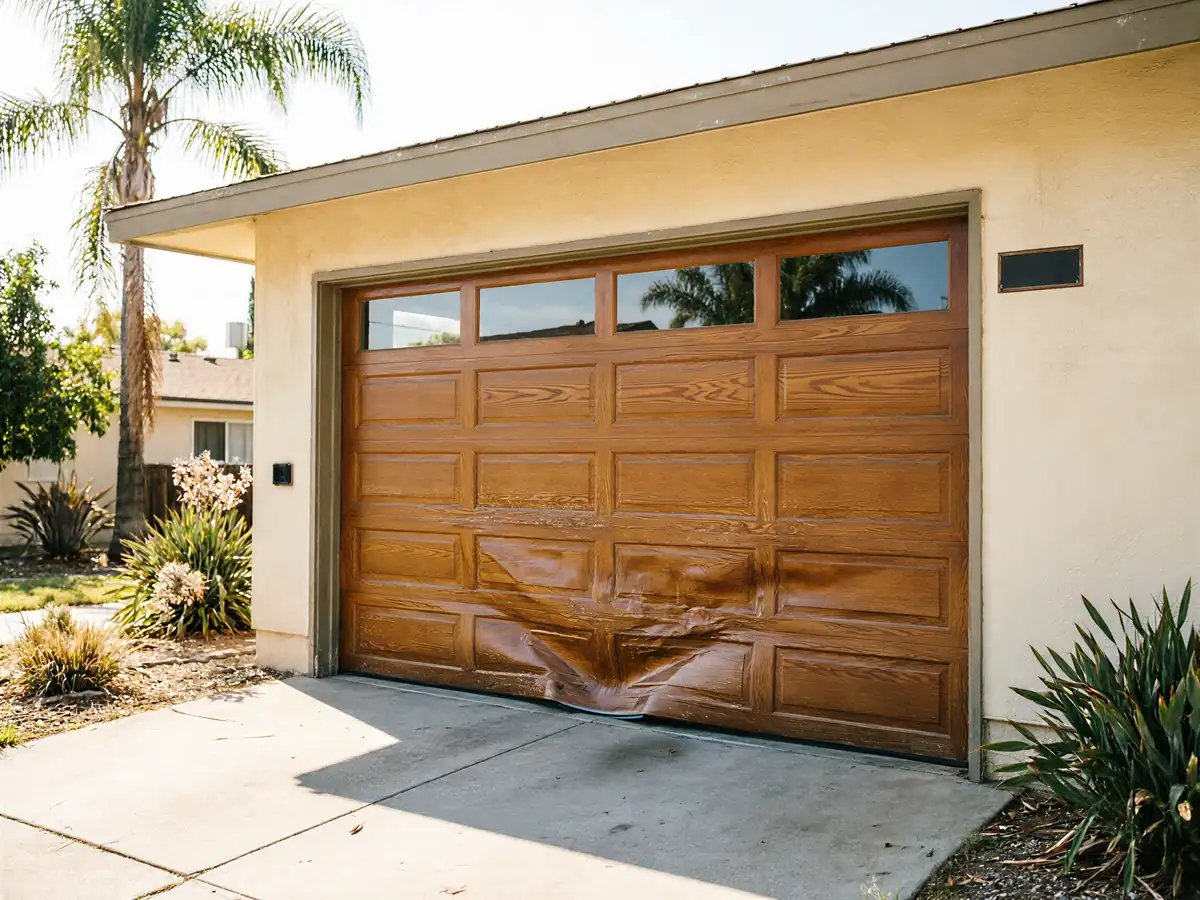
If a cable has come off a drum, if the bottom bracket is bent, or if the door came off during opener travel rather than by hand, stop. That's a spring-under-tension situation and it's not a bracket tap. We'd rather tell you that now than have you find out the hard way with a torsion spring still loaded.
What to Check
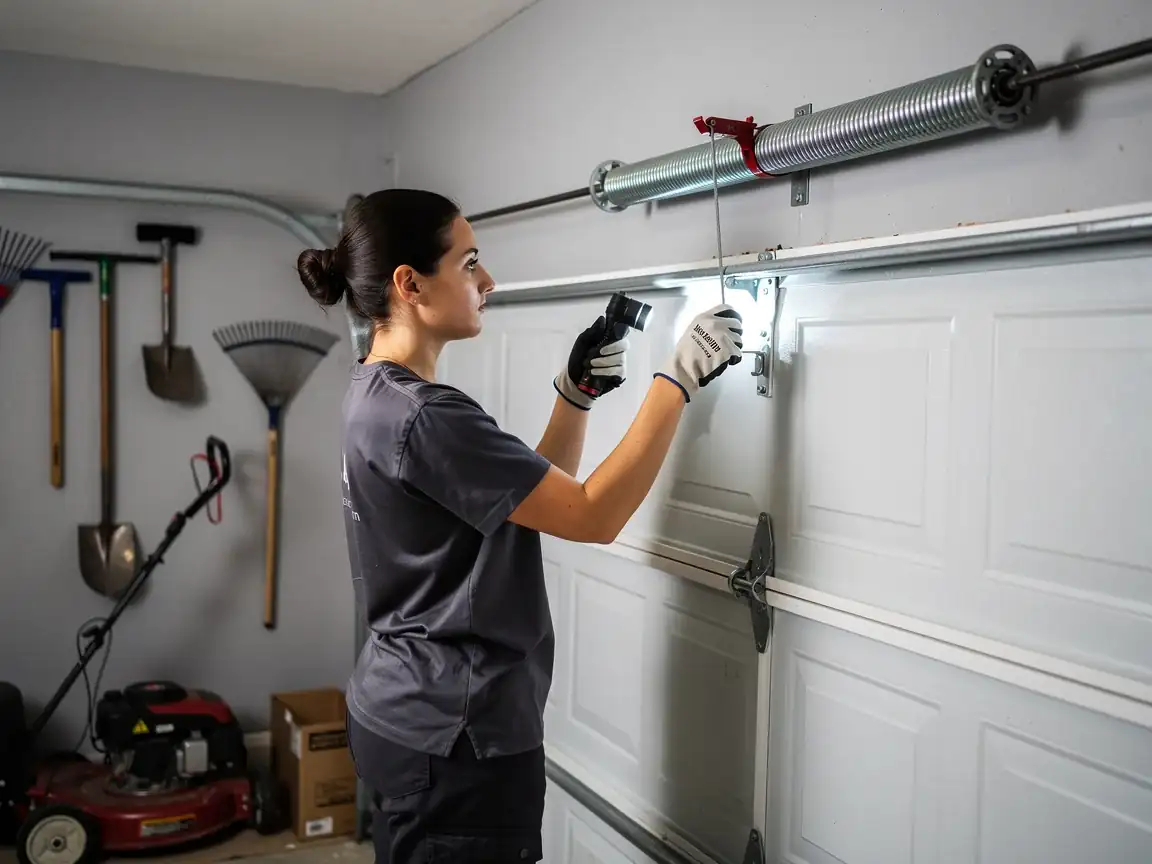
Before you call anyone, look at three things
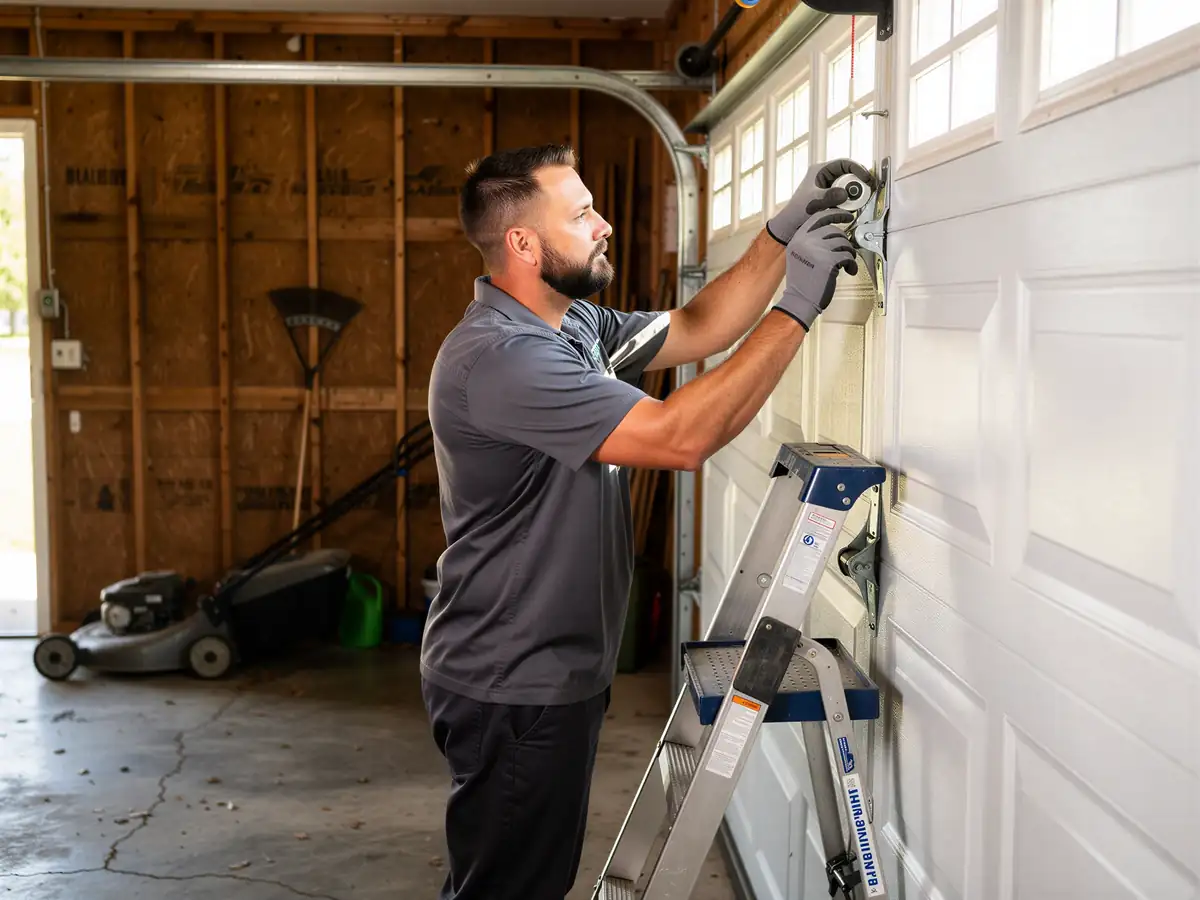
First, the rollers: on original hardware from the 1970s building run, these are often the original steel rollers, and a cracked or flat-spotted roller is a common first domino. Second, the track brackets where they bolt to the framing - on a door this age, wood screws backing out of a jamb that's shifted slightly over fifty years is a routine finding, not a rare one. Third, look for a gap between the track and the wall that wasn't there before; that's usually the bracket, not the door.
We won't tell you to check the opener's force settings here
Because that's a different failure mode than a track jump, and conflating the two wastes a service call.
The Problem
The honest answer for a lot of El Cajon homes is that the track hardware matches the house: it's original to a build from the 1967-1992 window, and nothing lasts that long without drifting out of true. We don't upsell a full track replacement when a bracket re-set and new rollers will do the job, and sometimes that's exactly the fix. But if the track itself is bent or pitted from age, patching it is a short-term answer and we'll say so rather than charge you twice.