The Symptom
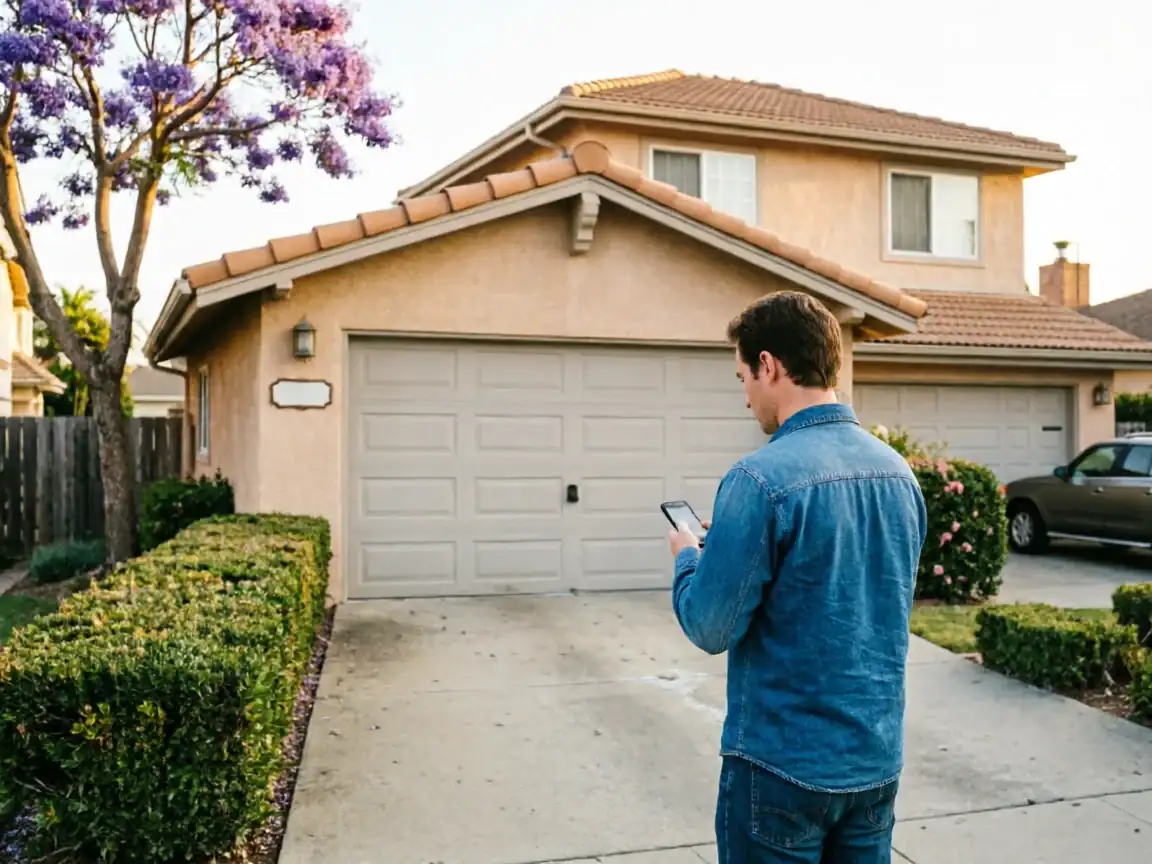
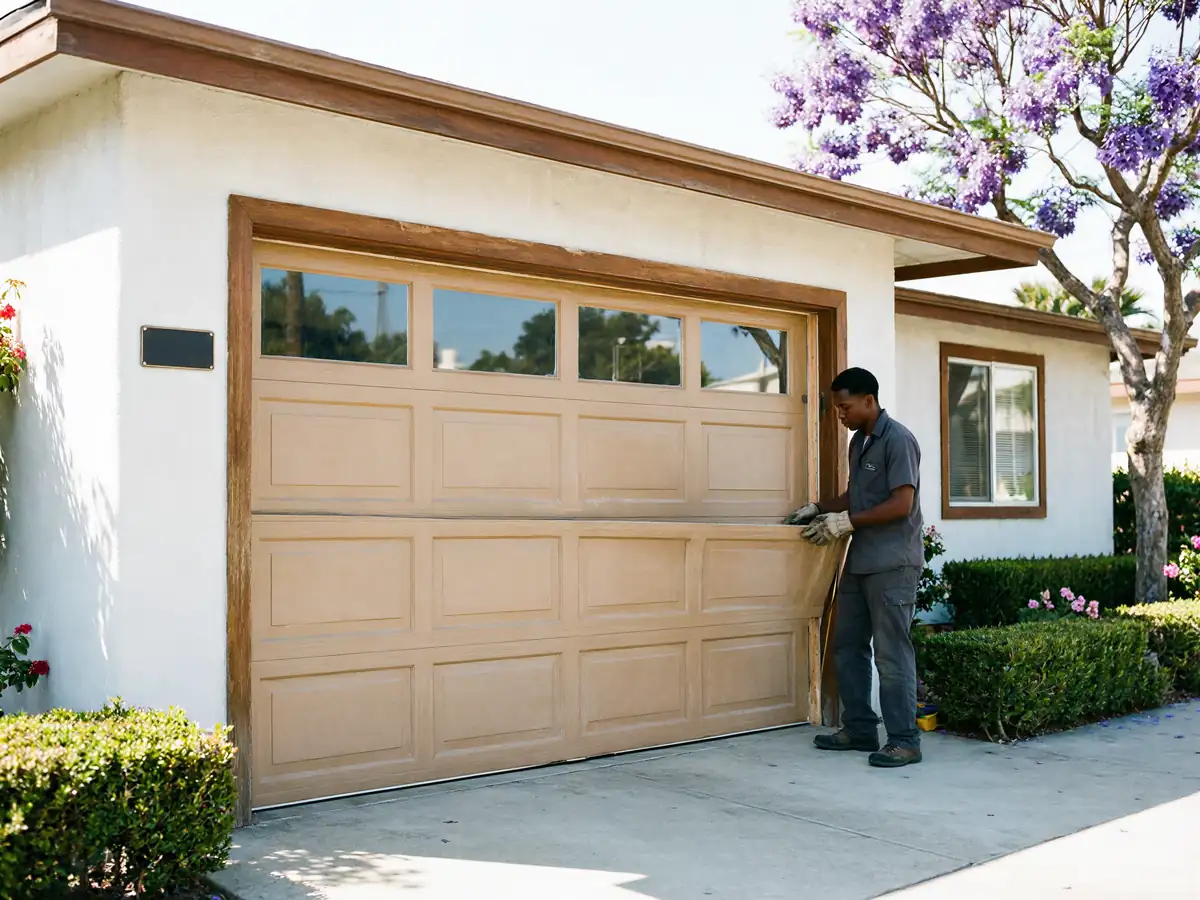
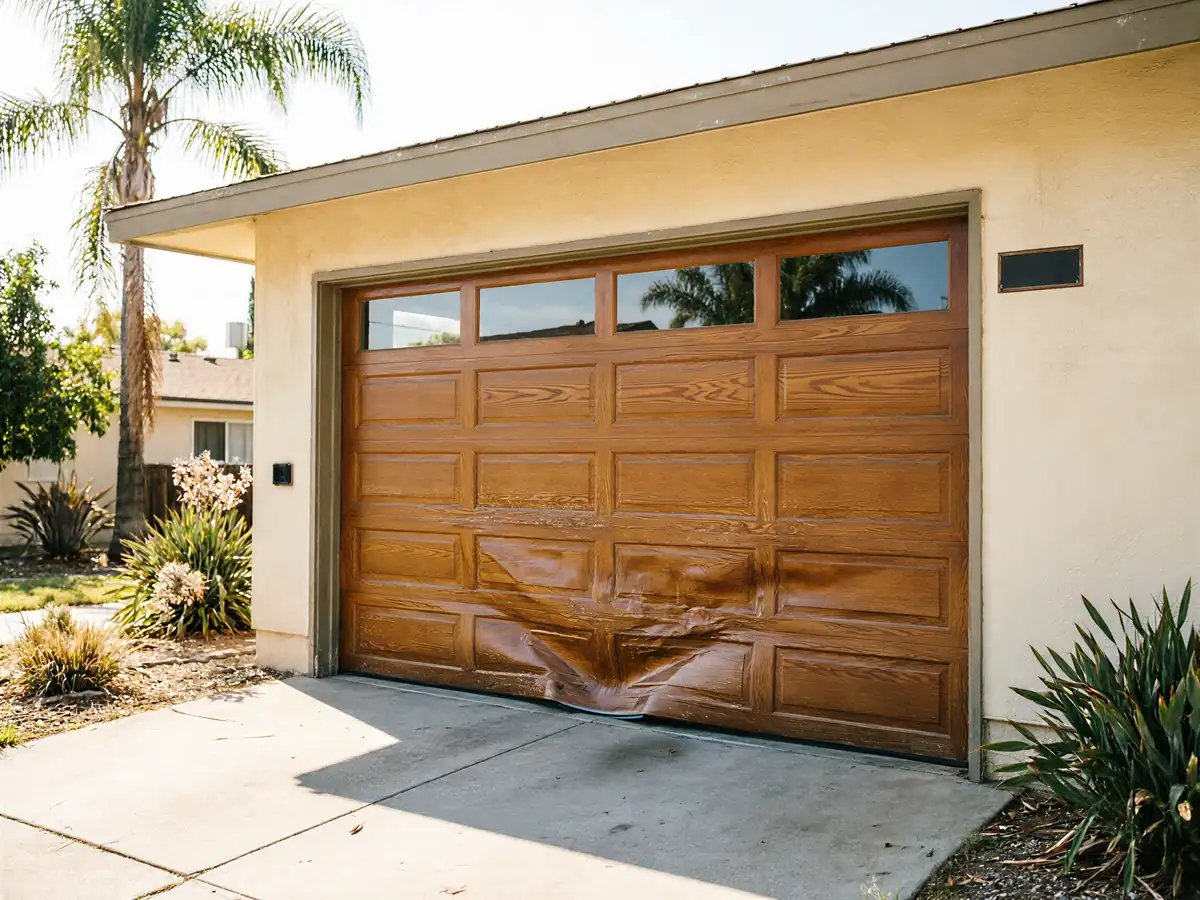
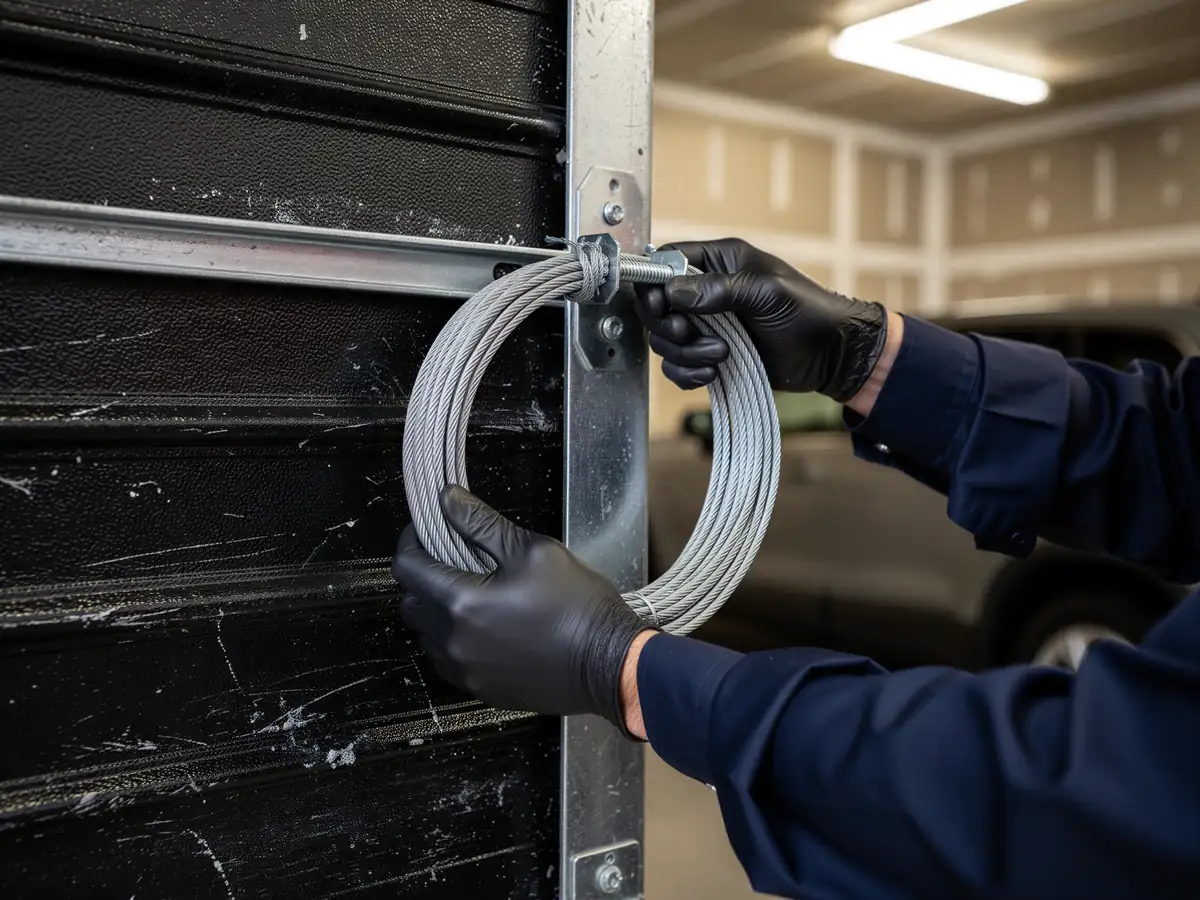
The door drops unevenly, one side sagging lower than the other, or it jerks and stops a foot off the ground. Sometimes you hear a snap first, a loud metallic crack, and the door won't move at all afterward. Other times a cable just frays slowly: you'll see thin wire strands sticking out near the bottom bracket or the drum at the top of the track, and the door starts riding rough before it quits completely.
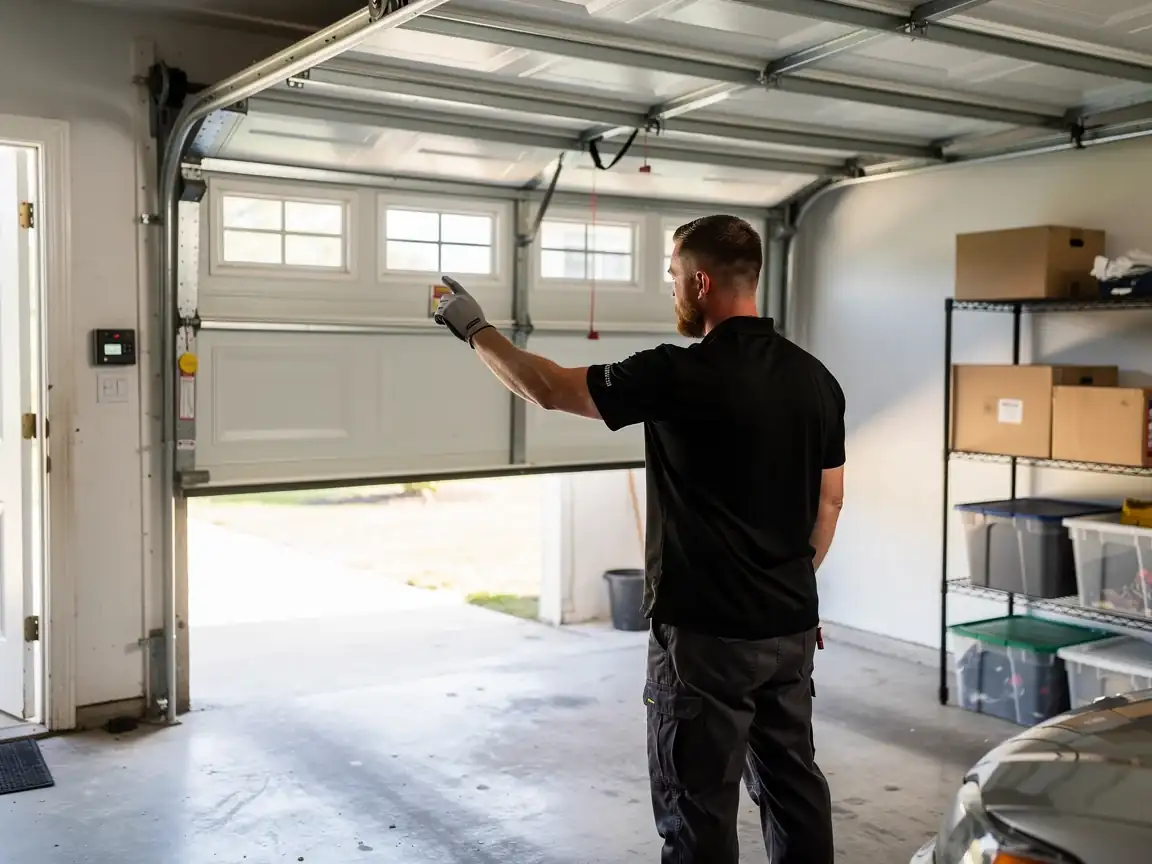
A broken lift cable is different from a broken spring, though owners often mix them up. With a snapped spring, the door feels impossibly heavy the moment you try to lift it by hand. With a broken cable, one side of the door physically falls out of line with the other, because that side has lost its connection to the drum. If your door is crooked in the opening, hanging at an angle, that's almost always a cable, not a spring.
Don't keep running the opener once you notice a crooked door or exposed wire strands. A cable under tension that finally lets go can whip and cause real damage to a vehicle, the track, or a person standing nearby.
Why It Happens Here
Most of the housing stock across the El Cajon service area went up between 1967 and 1992, with a lot of it clustering around the mid-1970s. That era of garage door hardware used galvanized aircraft cable on steel drums, and thirty to fifty years later a lot of those original cables are still on the door, never replaced, just slowly losing strands one at a time under daily tension cycles.
The mild temperate climate here doesn't put the kind of load on cables that you'd see in a place with heavy freeze-thaw cycles or road salt, so El Cajon cables don't usually rust through the way they might elsewhere. What gets them instead is plain fatigue: tens of thousands of open-close cycles on a cable that was never designed to last the life of the house. Across the 22 named areas in this service territory, from Bostonia and Granite Hills to Rancho San Diego and Lakeside, the pattern repeats because the building stock and the install dates are so similar.
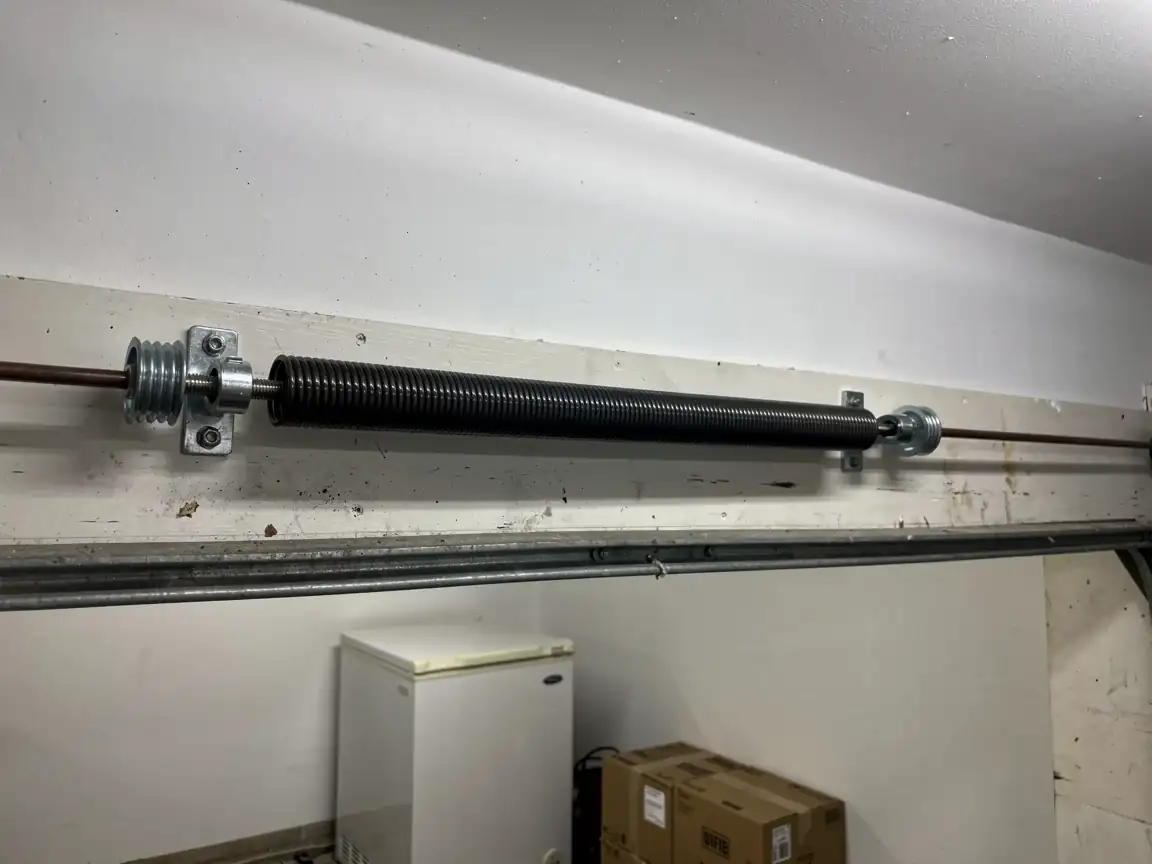
The other common cause is a cable drum or bottom bracket that was never upgraded when the door was. If a homeowner replaced panels or added an opener over the decades but kept the original drums and brackets, the cable is running over hardware that's outlived its spec.
What the Fix Involves
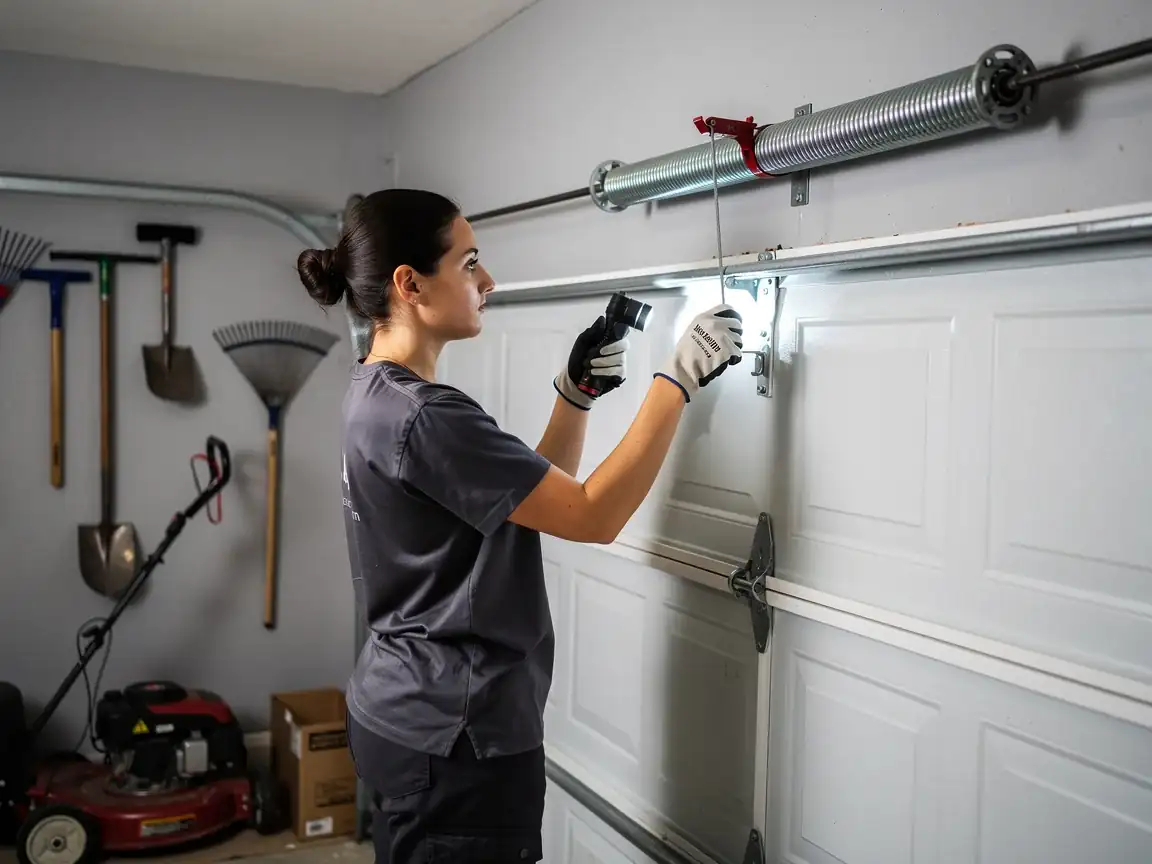
A proper cable repair starts with releasing the spring tension safely
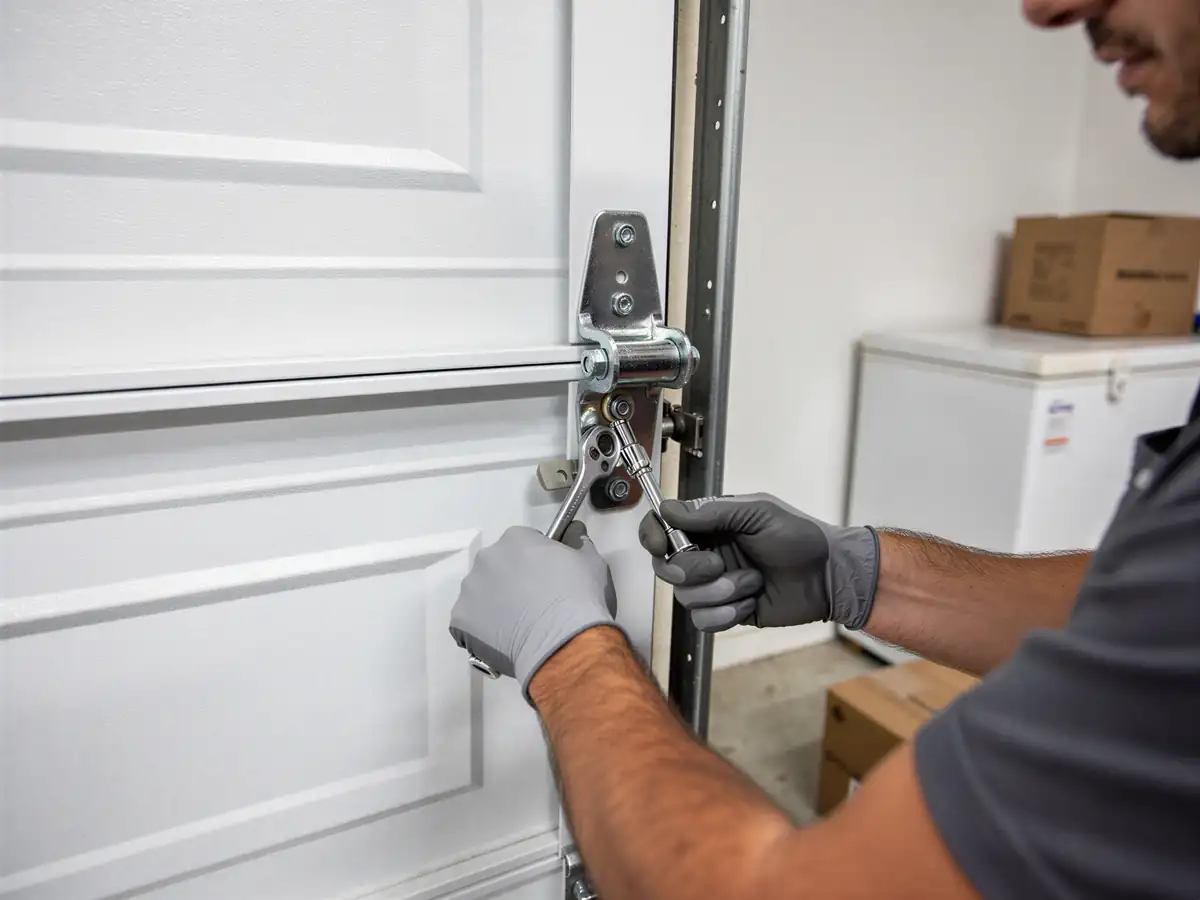
Because the cables run through a system that's under heavy load even when the door is sitting still. We lock the track, relieve tension on both springs, and only then pull the old cable off the drum and bottom bracket.
We check the drums for wear grooves and the bottom brackets for bent or stripped mounting holes before putting a new cable on
Because a new cable on a worn drum will fray again fast. Both cables get replaced together, even if only one broke, since the other side is the same age and under the same wear. After the new cable is seated and wound evenly on the drum, we reset spring tension and run the door through a full cycle, checking that it travels level and stops square in the opening.
One honest limitation
If the drums themselves are cracked, or the track is bent from the door running crooked for a while before the cable finally gave out, cable replacement alone won't fix it. That's a track or drum job on top of the cable, and we'll tell you that before starting rather than after.
Can You Do This Yourself
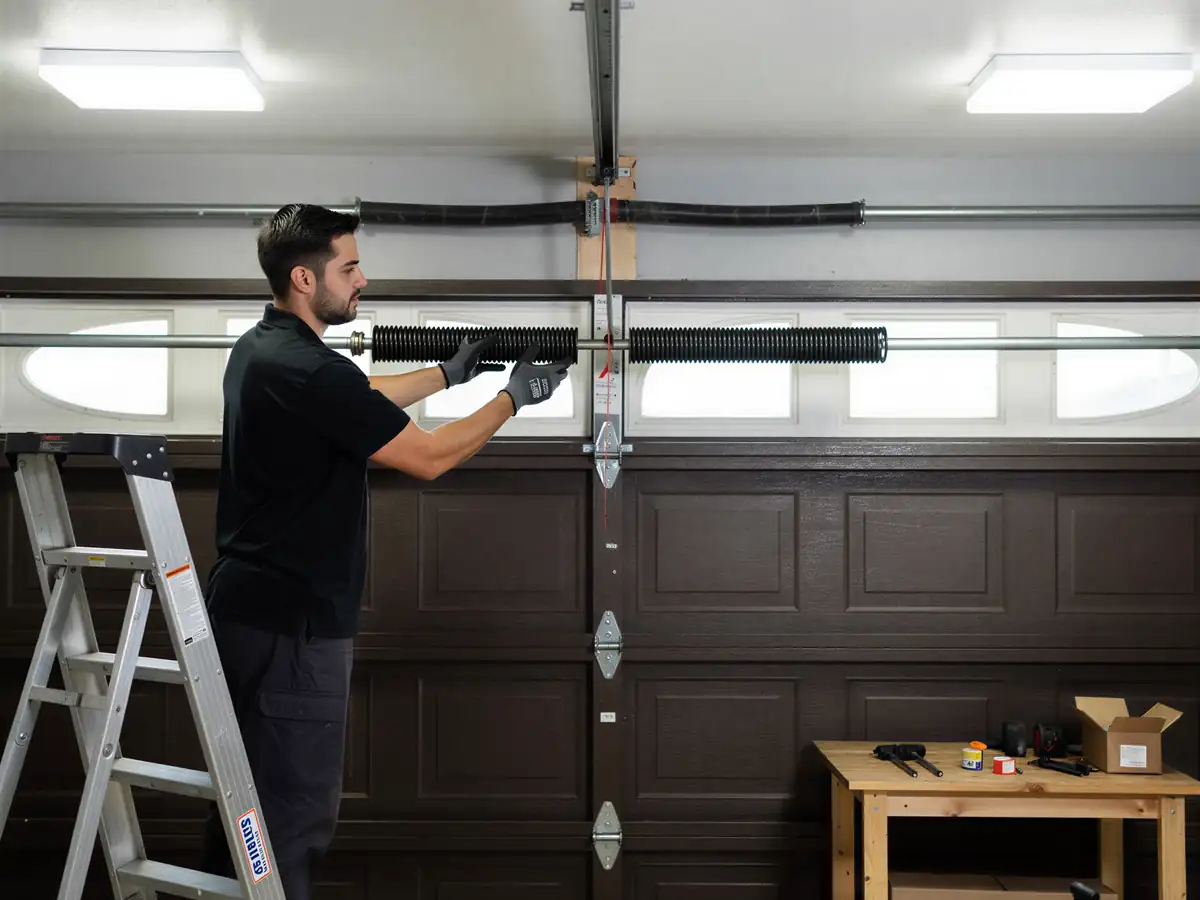
We'll say this plainly: don't. The cable and spring system on a residential garage door stores enough force to break fingers or worse, and there's no safe way to work on a cable without first dealing with spring tension correctly. This isn't like swapping a roller or a hinge.
If you're handy and want to do something safely while you wait for a tech, you can disconnect the opener and prop the door shut by hand, or just leave it down and use a side door until the repair is done. Don't try to force the door up on a broken cable to get a car out, and don't cut or loosen anything near the drums yourself.
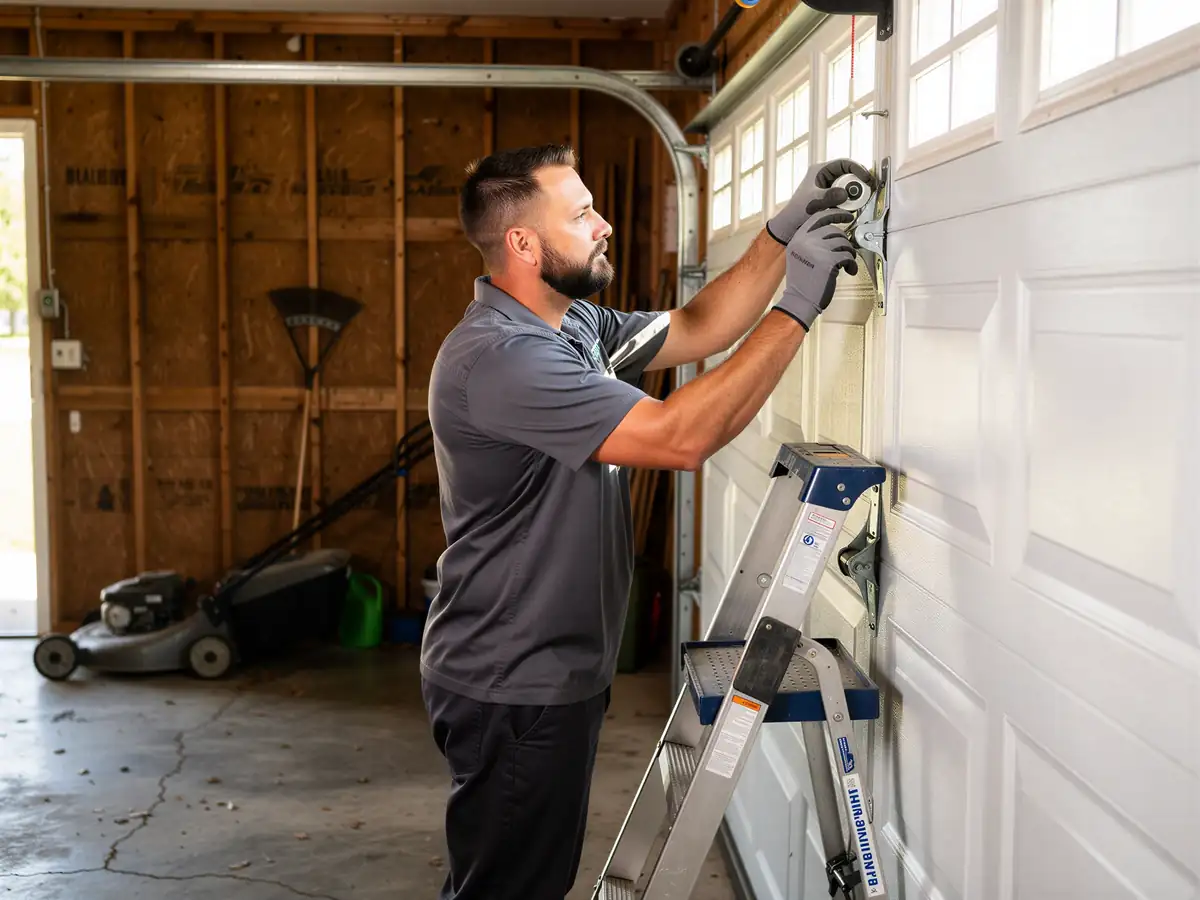
This is one of the jobs where the tools matter as much as the knowledge: winding bars, a properly rated ladder, and clamps to lock the track. Without them, the margin for a bad outcome is high. It's a same-day repair for a trained tech in most cases, and not one worth the risk of doing solo.