How Local Conditions Play In
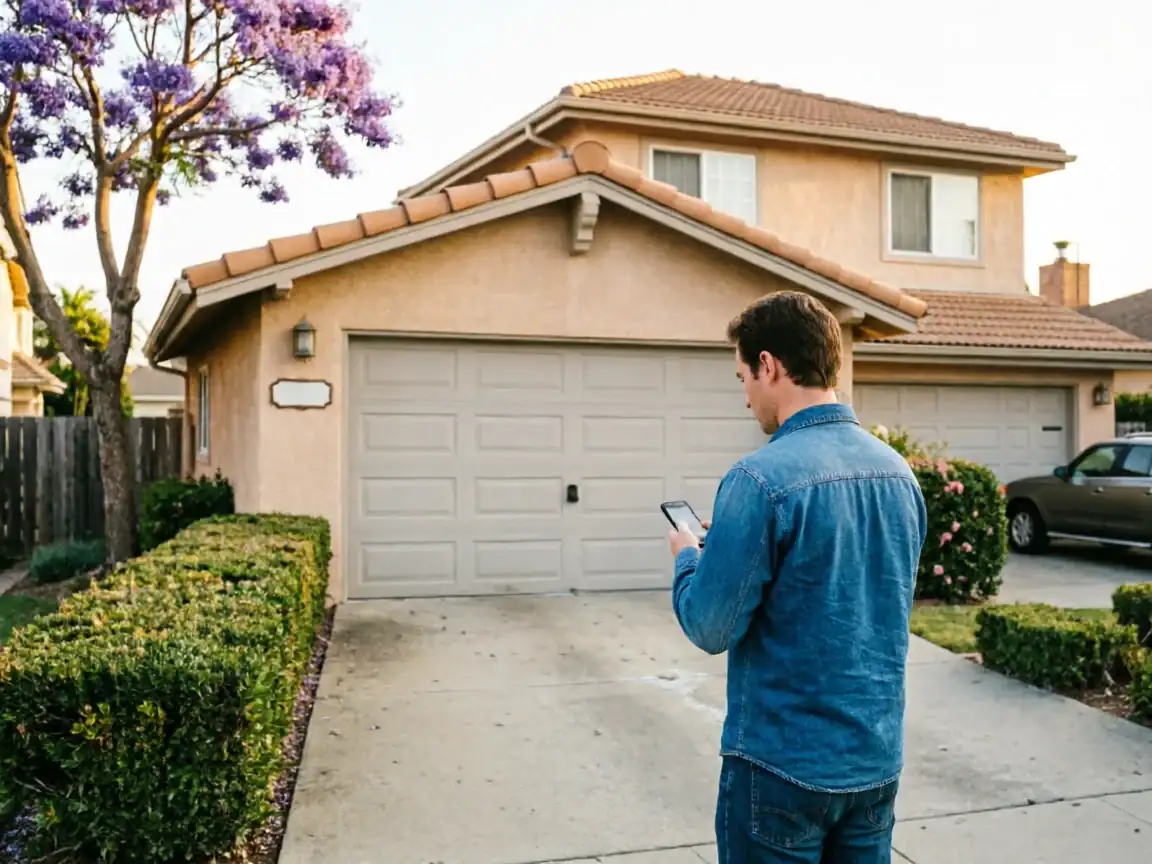
El Cajon sits in a mild temperate band, so you're not dealing with hard freezes most winters. But the valley still drops into the 30s and 40s on clear nights, and that swing matters more than people think once a spring has some age on it. Most houses across this service area - Bostonia, Casa de Oro-Mount Helix, Granite Hills, Winter Gardens, and the rest of the 22 named areas we work in - were built between 1967 and 1992, with a lot of that stock centered around 1975. A torsion spring from that era has already gone through decades of expansion and contraction. Steel gets brittle with fatigue long before it looks worn from the outside. Add a cold night on top of a spring that's near the end of its wind count, and the coil that's been holding is the coil that lets go. It's not that El Cajon gets dangerously cold. It's that a lot of our garage doors are old enough that a routine temperature dip is the last straw, not the cause.
When It Stops Being a DIY Job
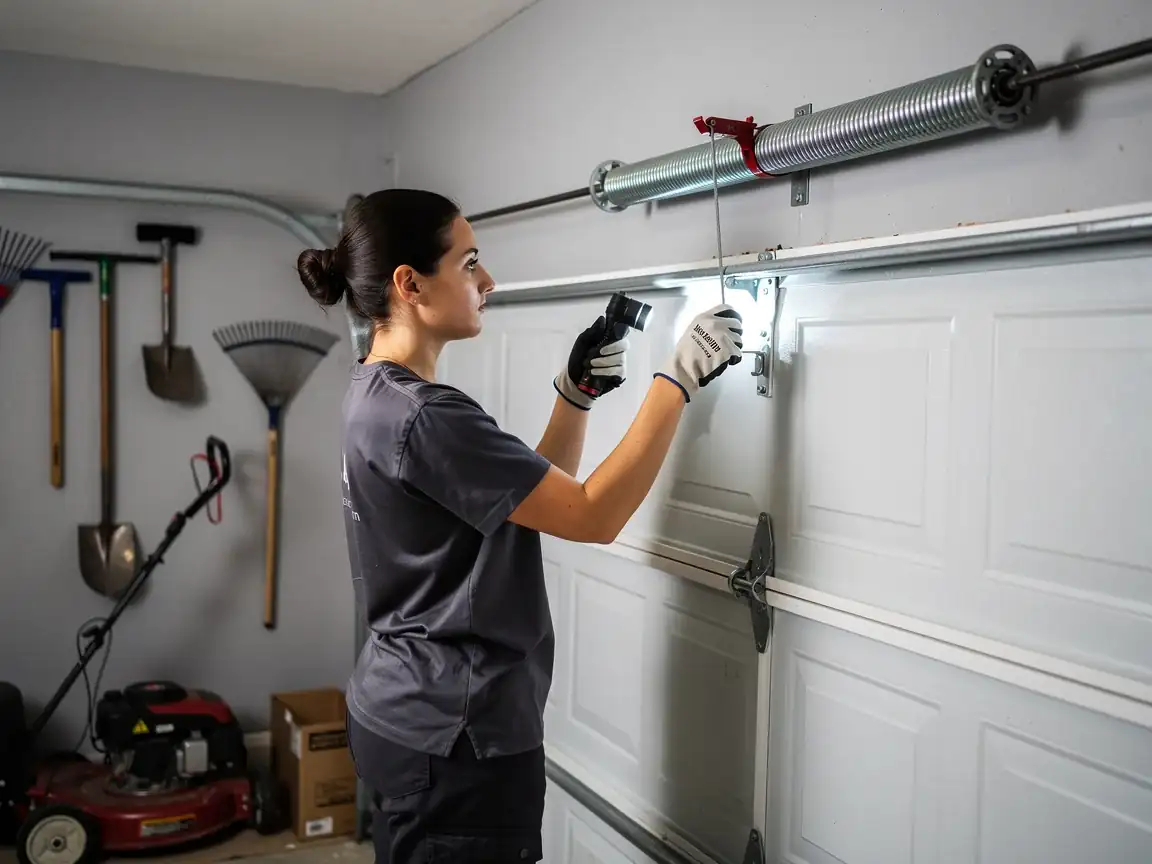
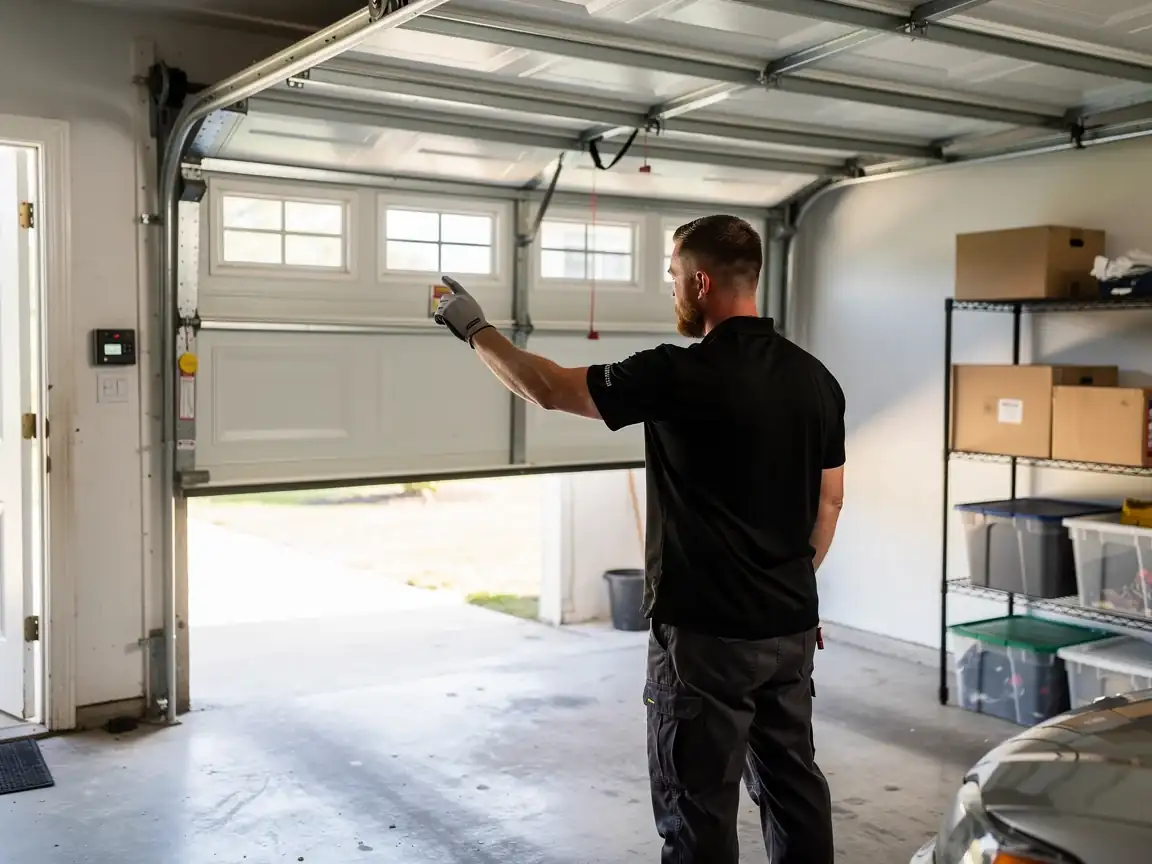
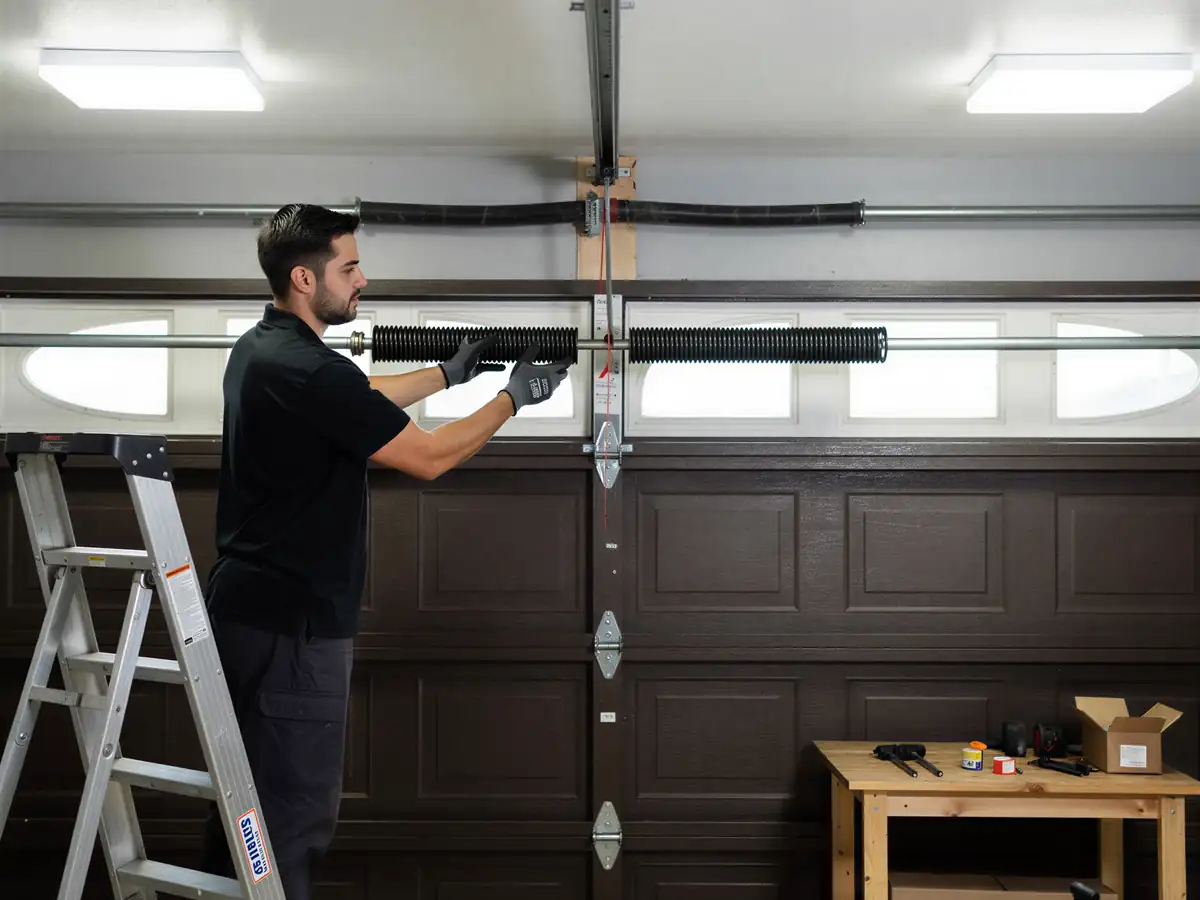
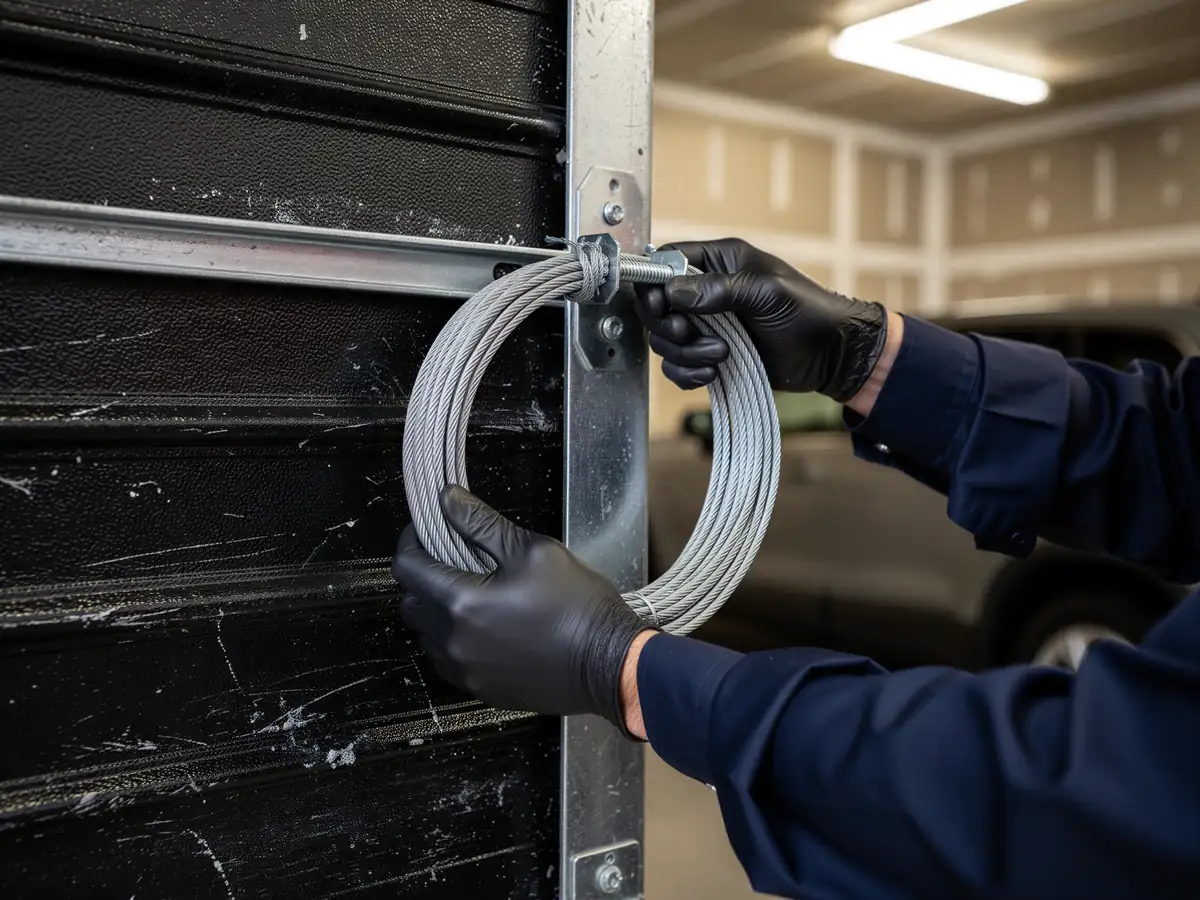
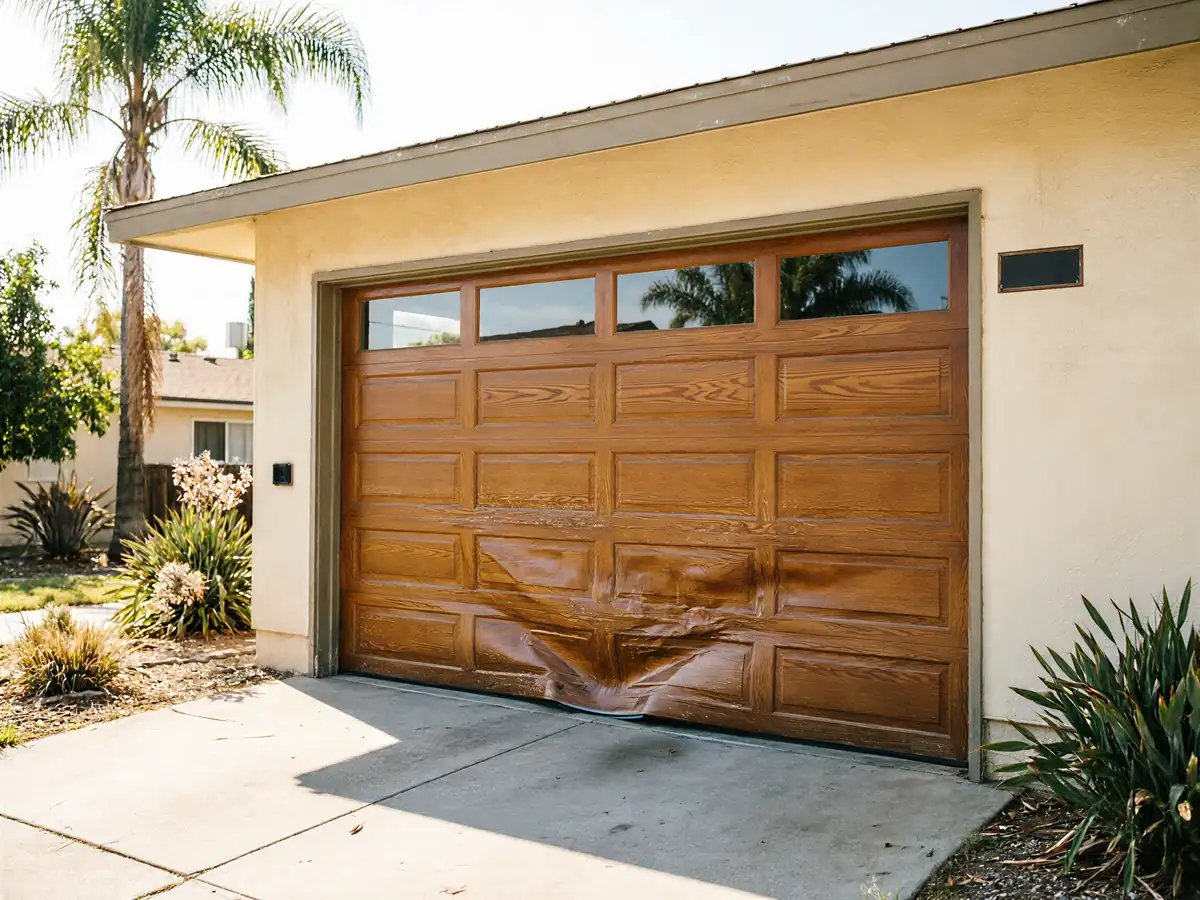
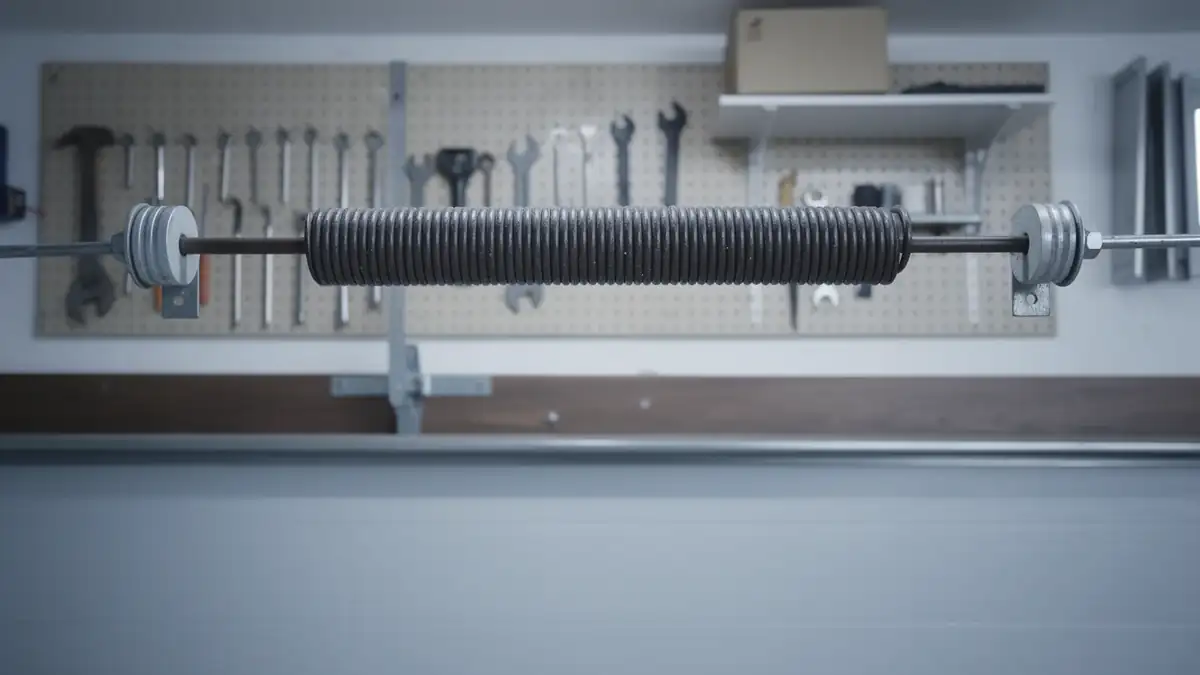
A torsion spring under tension is not a part to guess at, and that's true whether it broke on a mild morning or a cold one. If the spring let go while the door was down, the door is probably fine where it sits, but the moment you try to lift it manually or loosen the set screws, you're working against stored force that can take a finger. We don't walk customers through spring replacement over the phone, and we won't sell you a spring kit - that's a limitation on purpose, not a sales pitch. If the door came down hard, if cables are off the drum, or if you hear a bang followed by a door that won't move at all, stop there and call it in. On older 1970s-stock doors especially, the drums and bearing plates have usually never been replaced either, and a spring job is often the moment you find out the rest of the hardware needs attention too.
The Problem
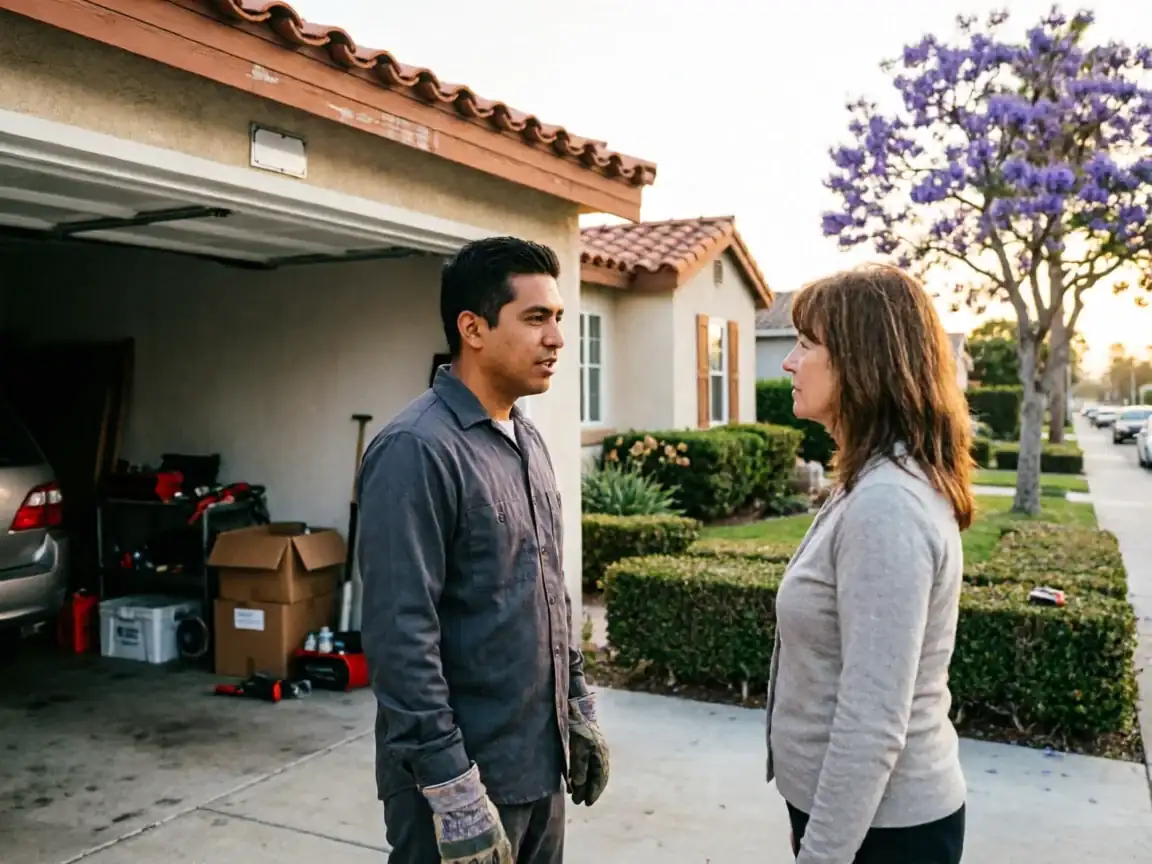
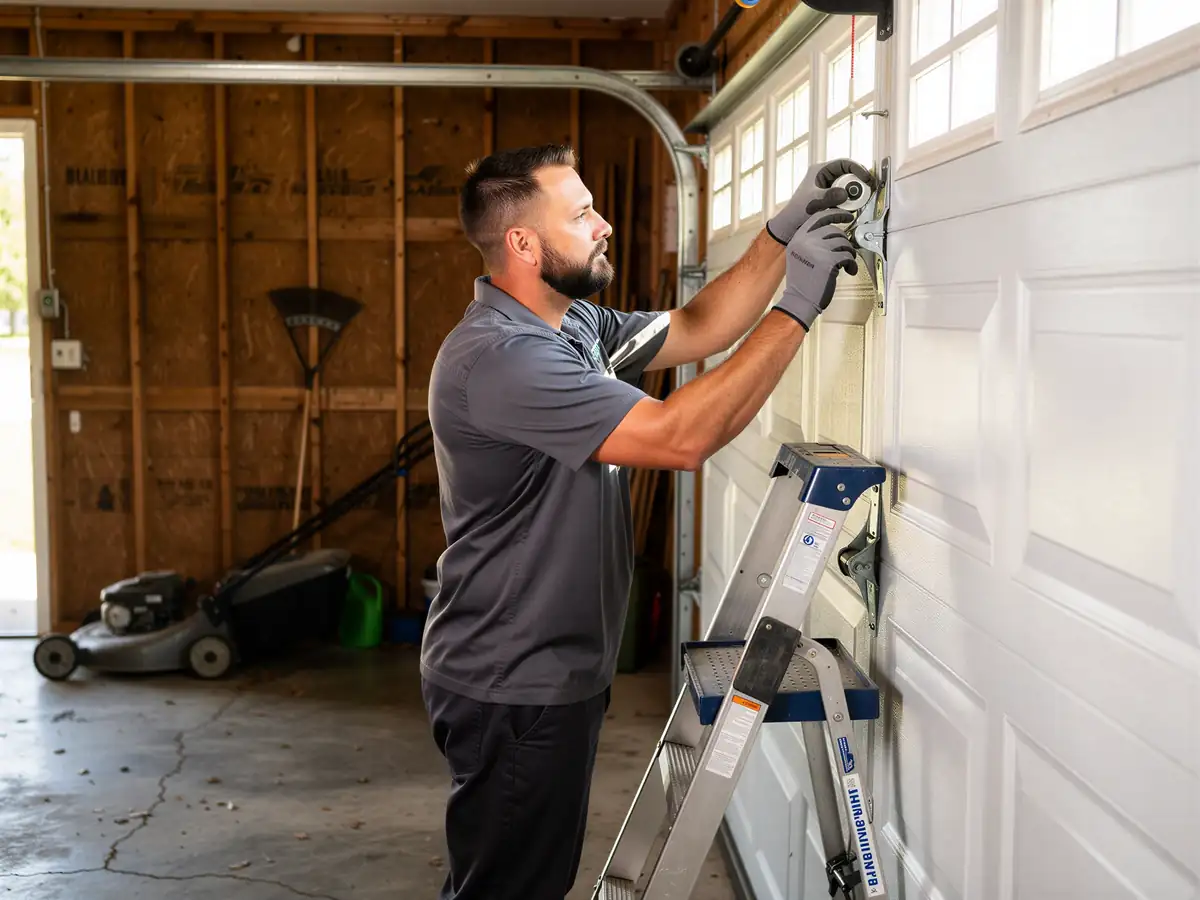
A broken spring doesn't care what the thermostat says, but cold mornings in El Cajon expose weak springs faster than warm ones do, and with most of the area's housing dating to the 1967-1992 window, we see a real bump in spring calls after a cold snap. The fix itself is straightforward for us - it's rarely the hardest part of the job. The harder conversation is when a homeowner's spring is original to a 1970s build and the drums, bearings, or even the door panels are past the point where a single part swap makes sense. With median household income across the area at $114,736, most owners can choose a full hardware refresh over a repeat repair, and for a door that old, that's often the more honest recommendation than patching one spring and waiting for the next cold night to take out the other side.