The Usual Work Here
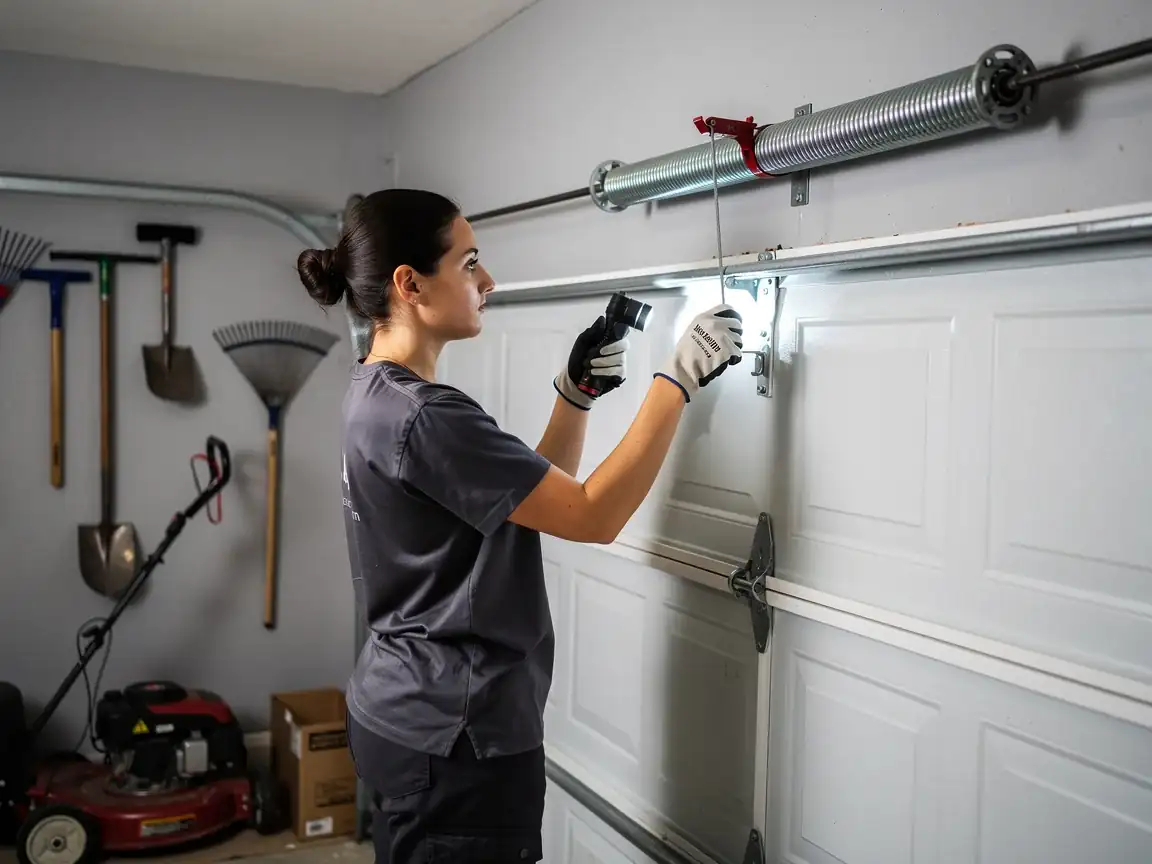
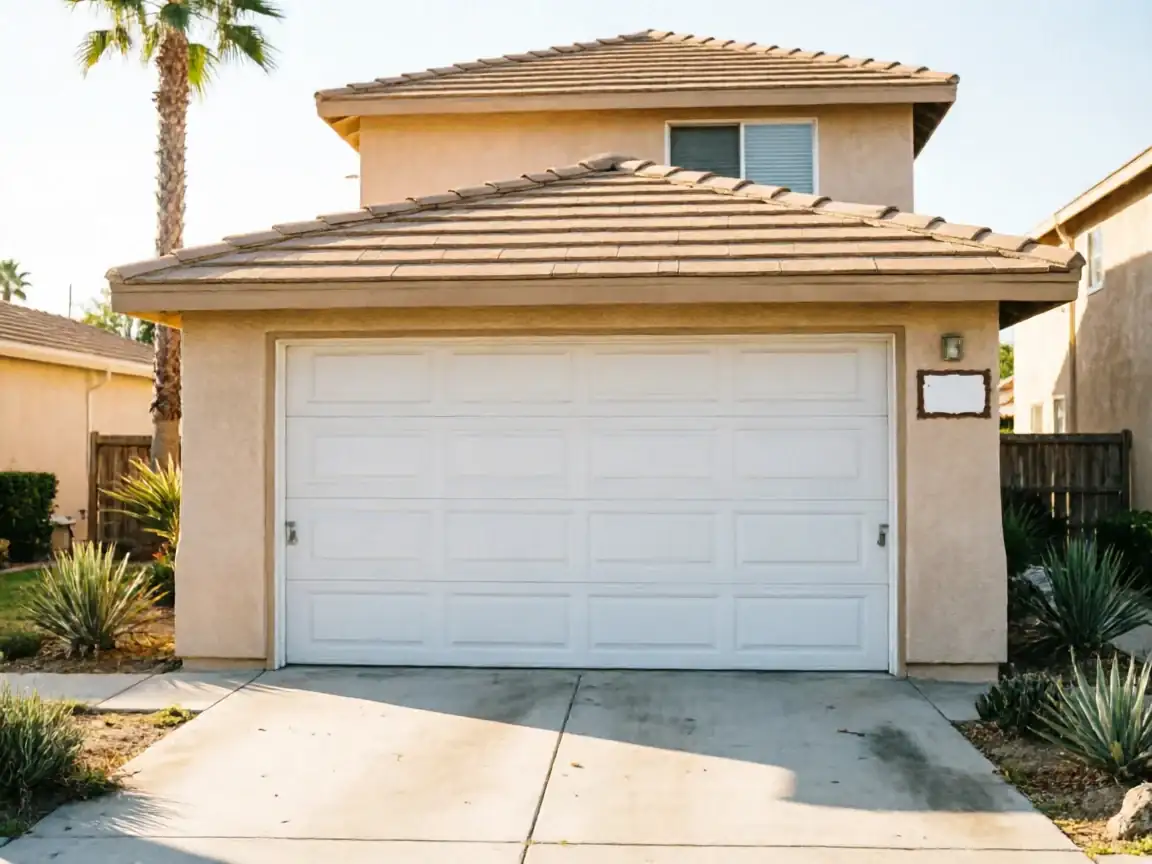
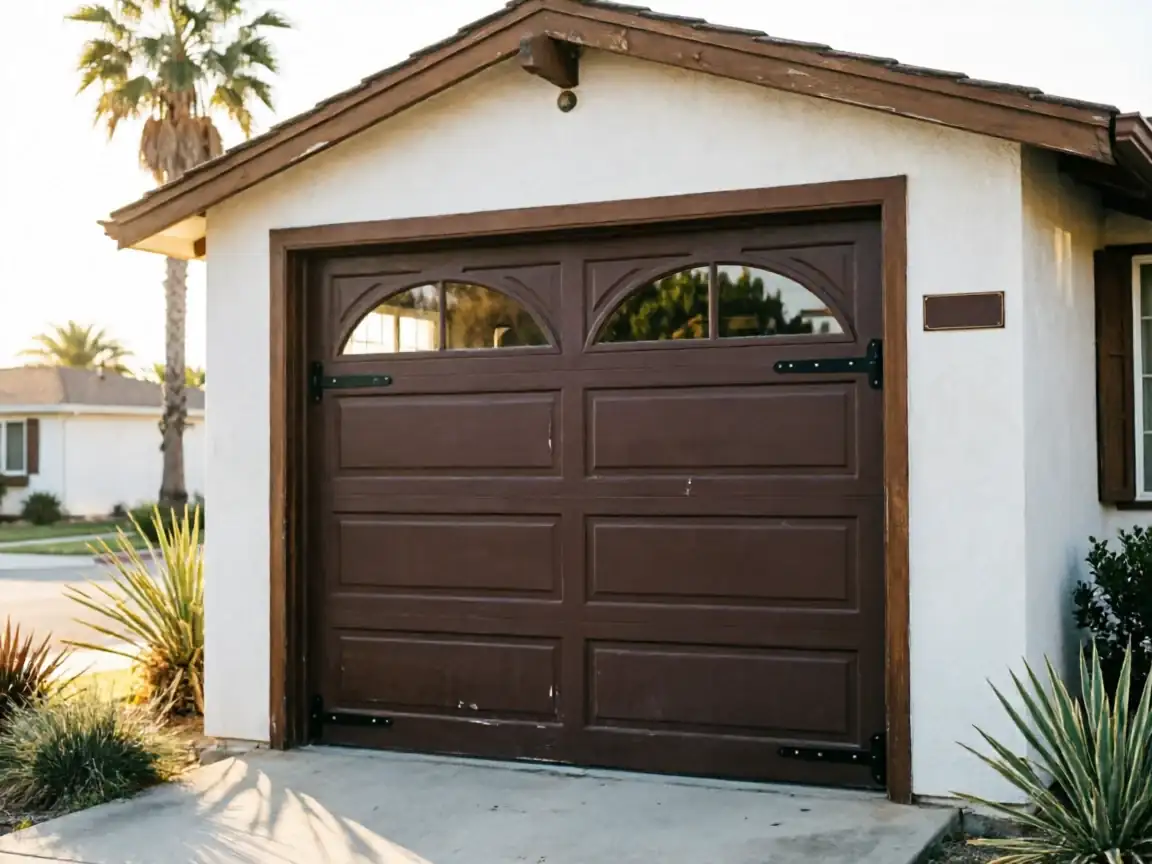
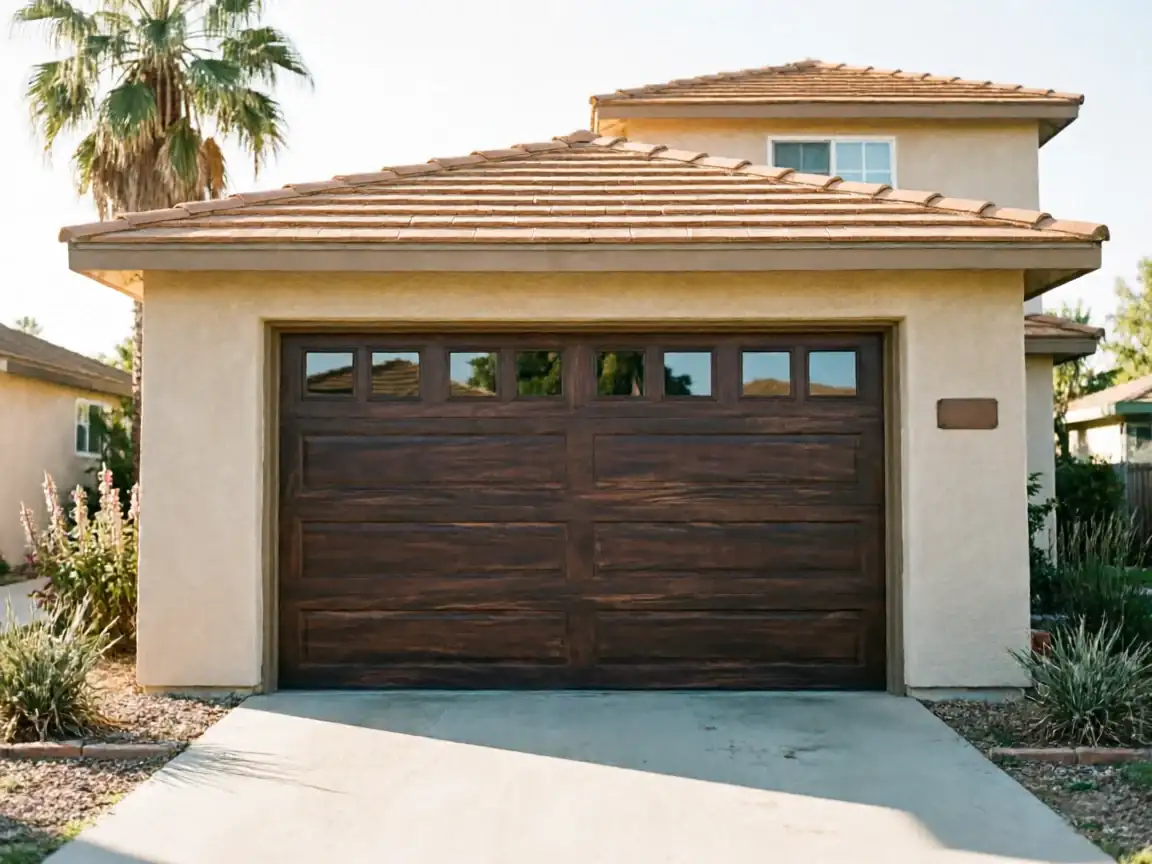
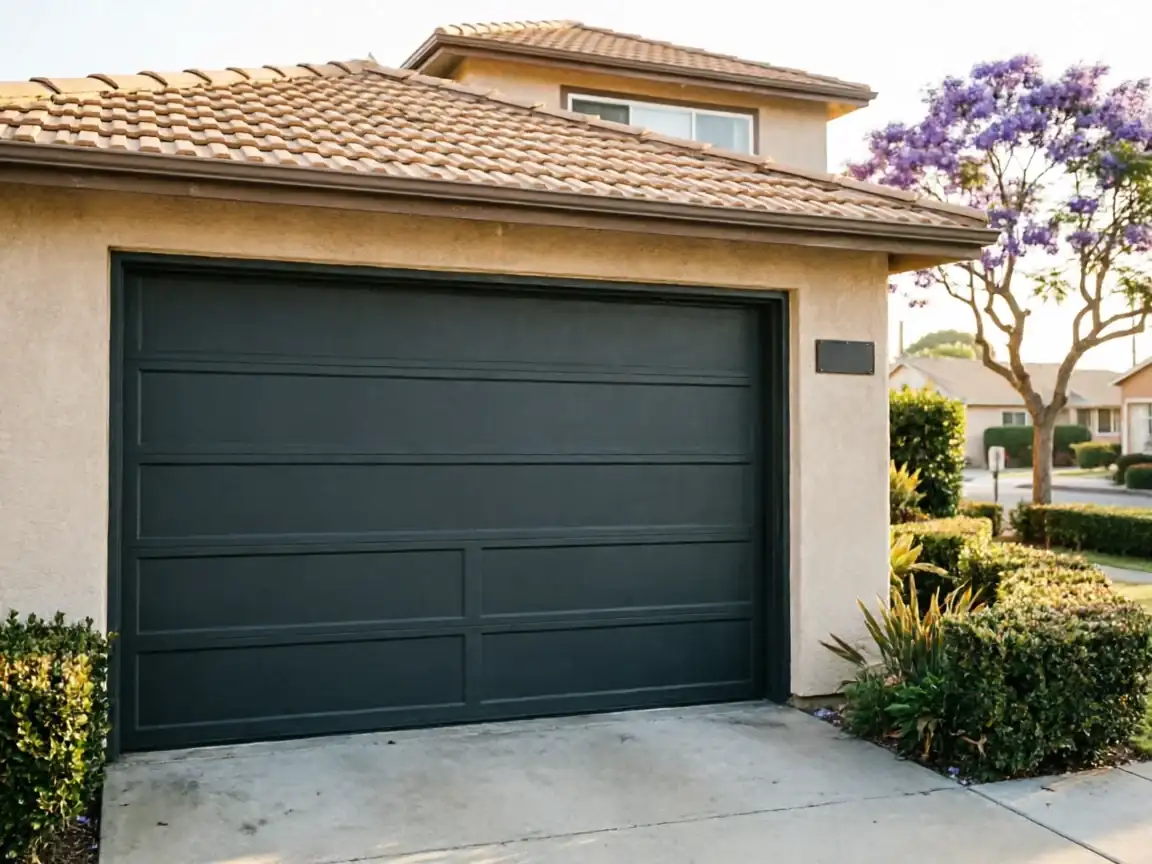
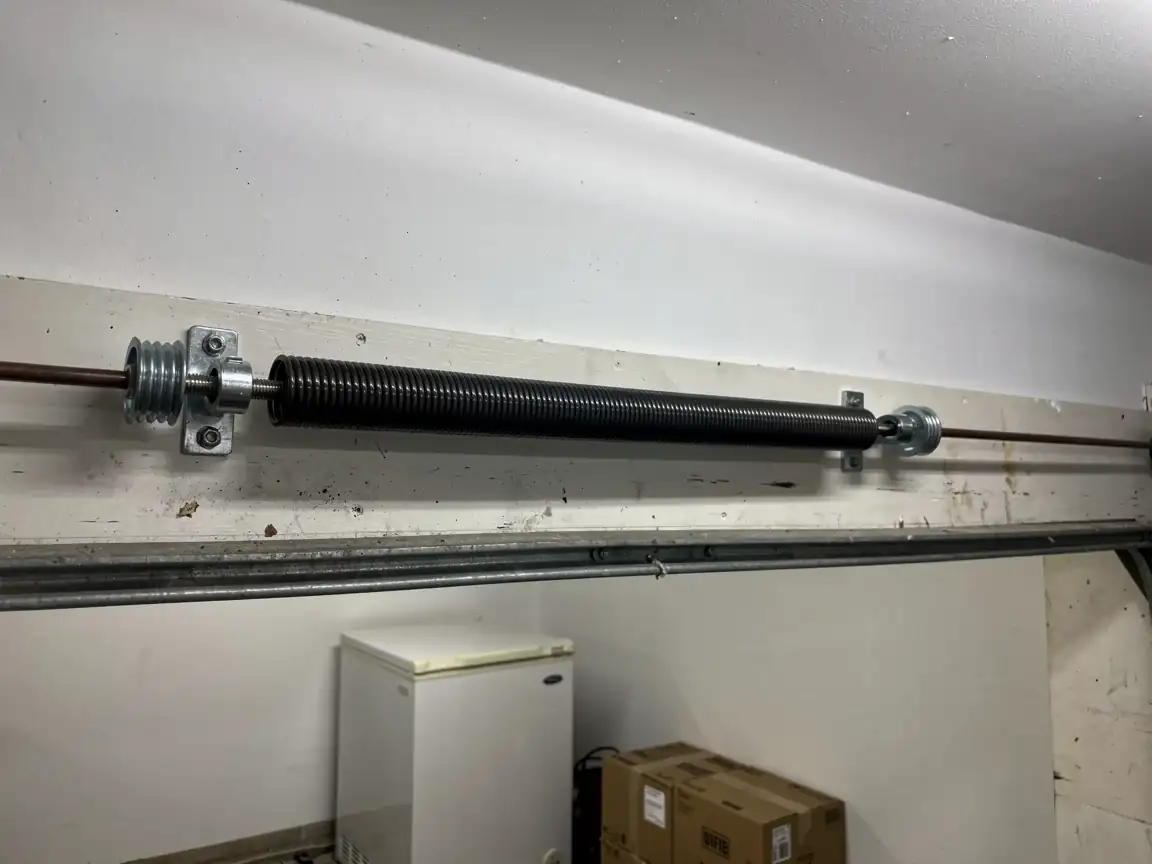
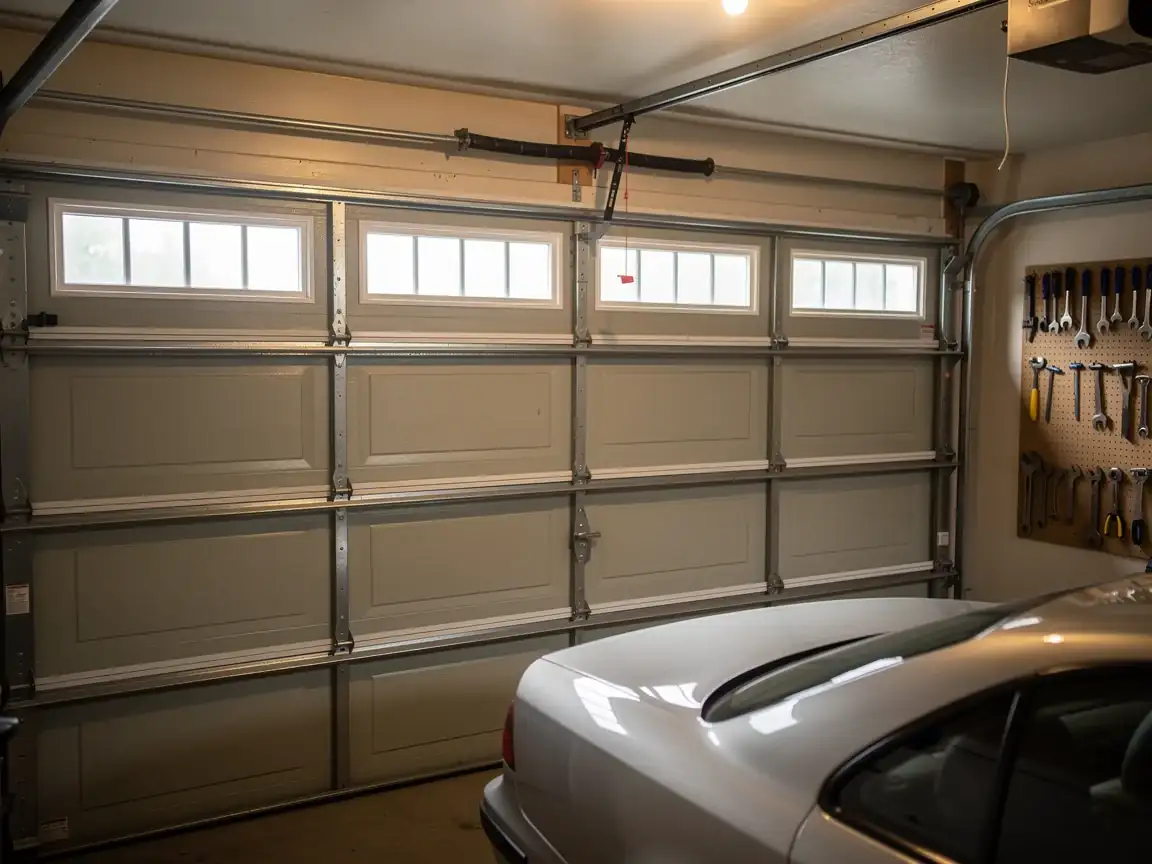
Most of the calls we get from La Presa are for doors that have been running on the same hardware since the house was built. With a median build year of 1975, that's close to fifty years on the original torsion spring, the original rollers, and in a lot of cases the original opener. Springs rated for that era weren't built for the spring counts or cycle life we'd spec today, so when one goes, it usually takes a cable or a bottom bracket with it.
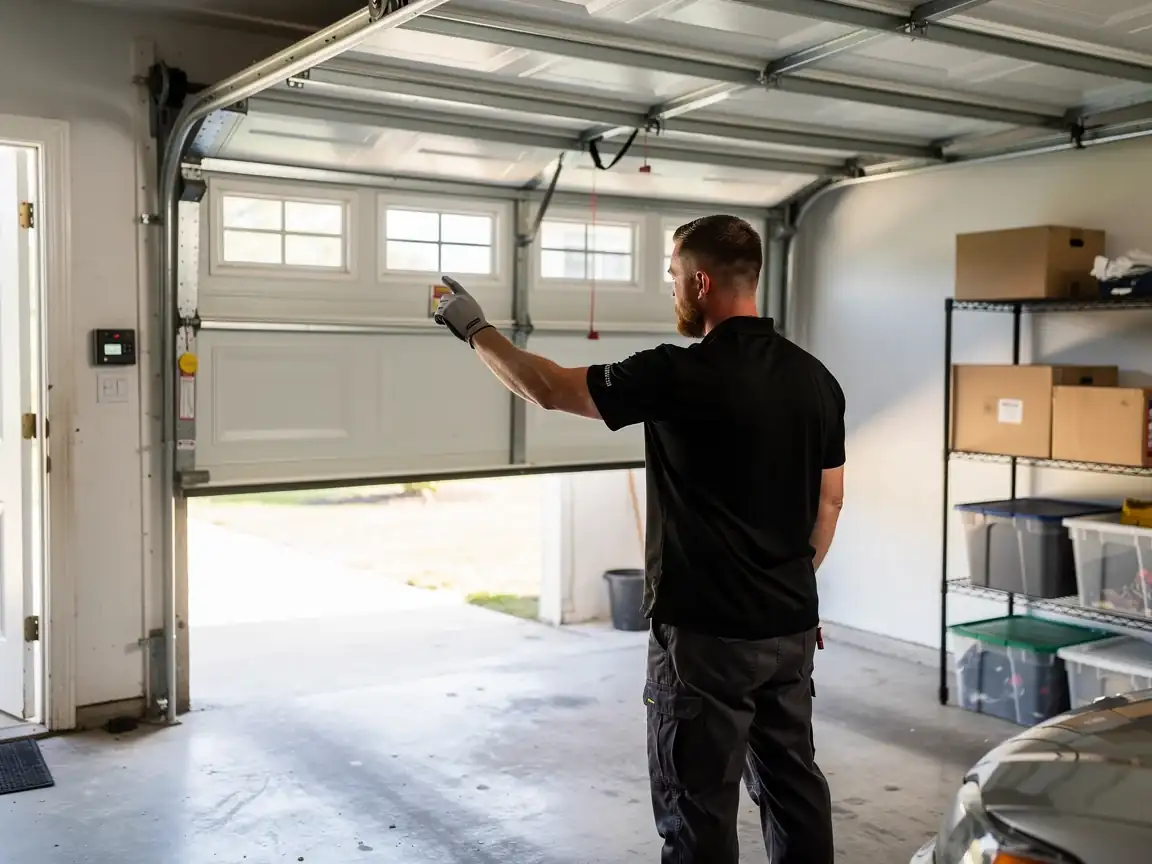
We also see a fair number of panel replacements on doors where the steel has started to show pinhole rust along the bottom section - not surprising for a door that's been in service since the Ford administration. On the opener side, chain-drive units from the 80s and 90s are still common, and parts for the oldest of those are getting hard to source. When that happens we're honest about it: sometimes the right call is a new opener rather than chasing a part that's been discontinued.
The Drive Over
La Presa sits about 7 miles from our shop in El Cajon. We don't keep a depot or a crew stationed in La Presa - every job here starts with a drive out, same as it would to Bostonia or Lemon Grove. That distance doesn't change what we bring or how we work, but it's worth saying plainly: we're not a local shop with a storefront on your street, we're the crew from El Cajon that comes to you.
What Was Built Here
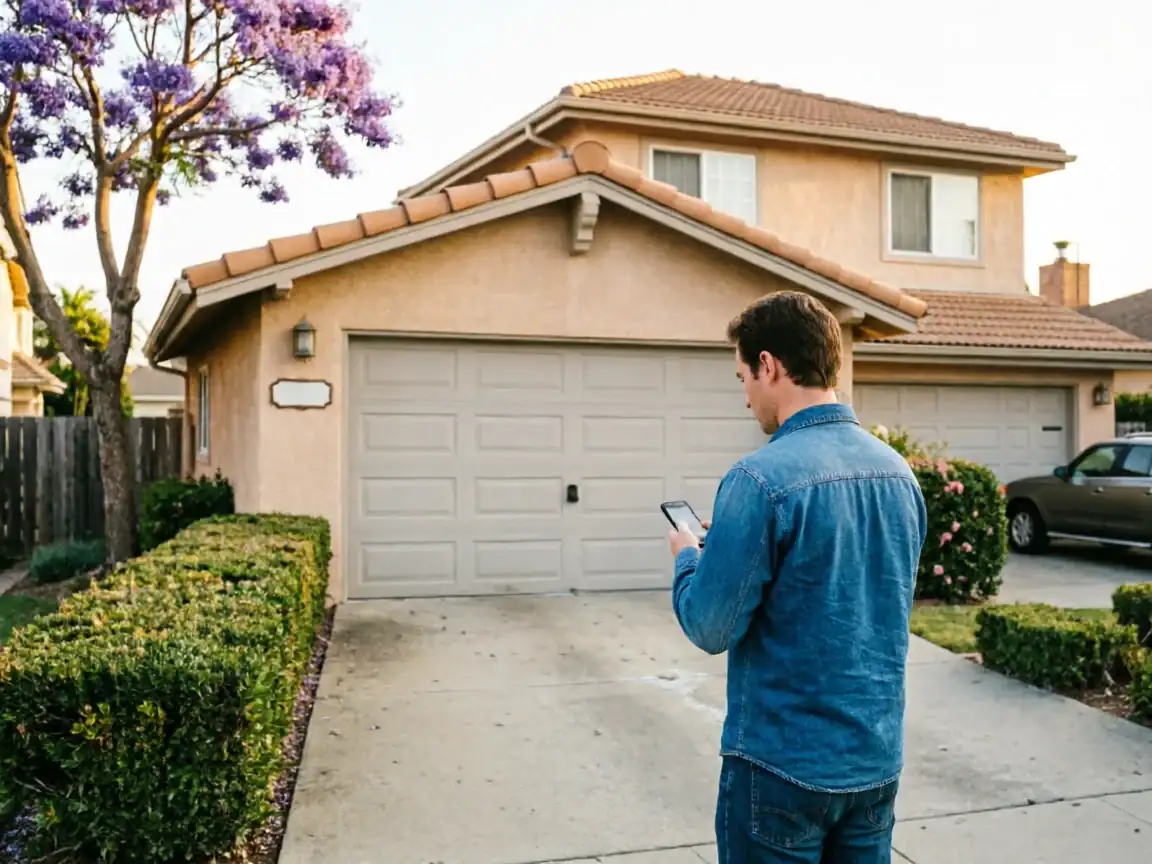
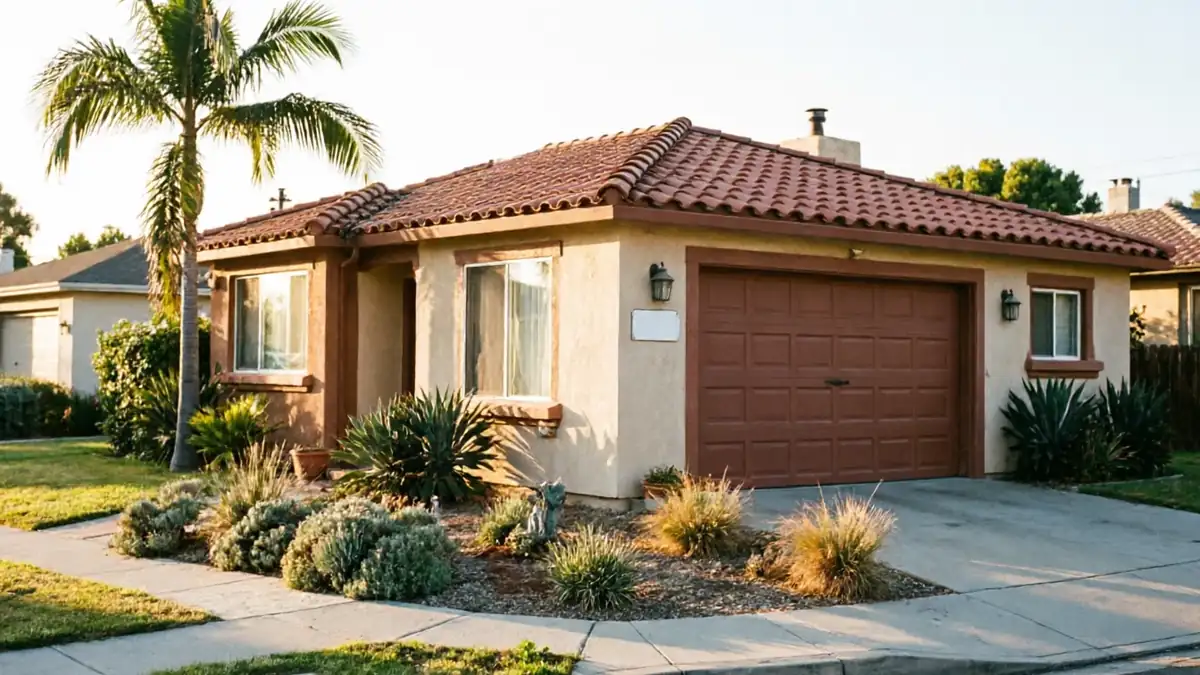
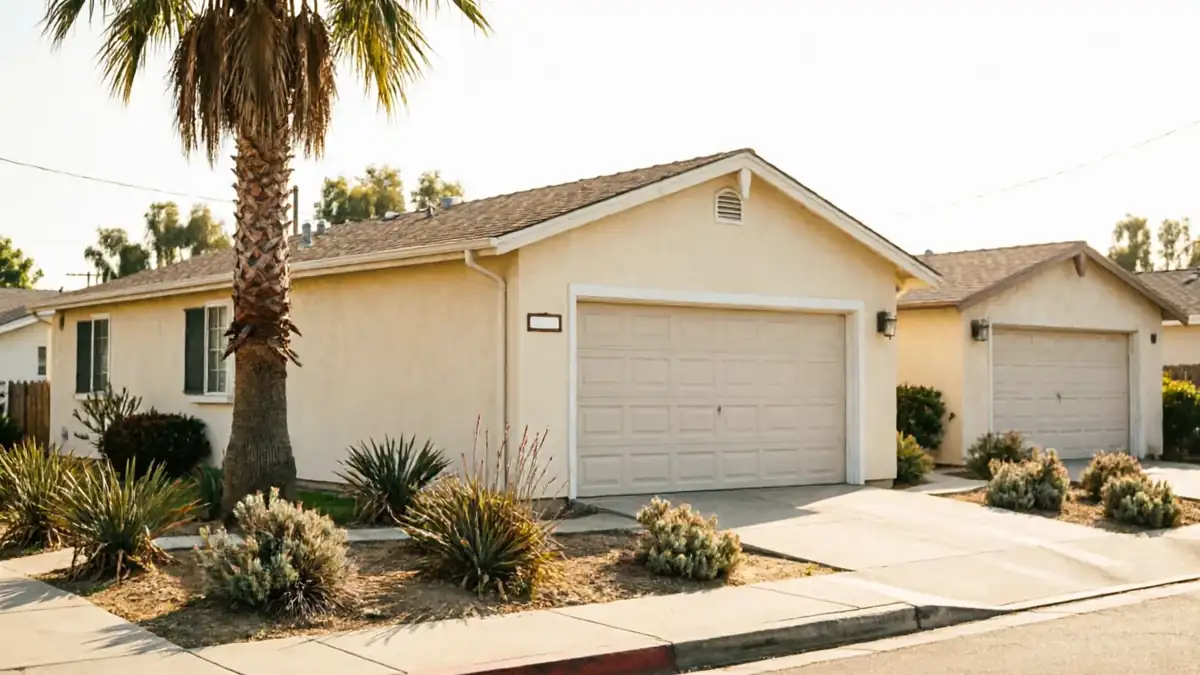
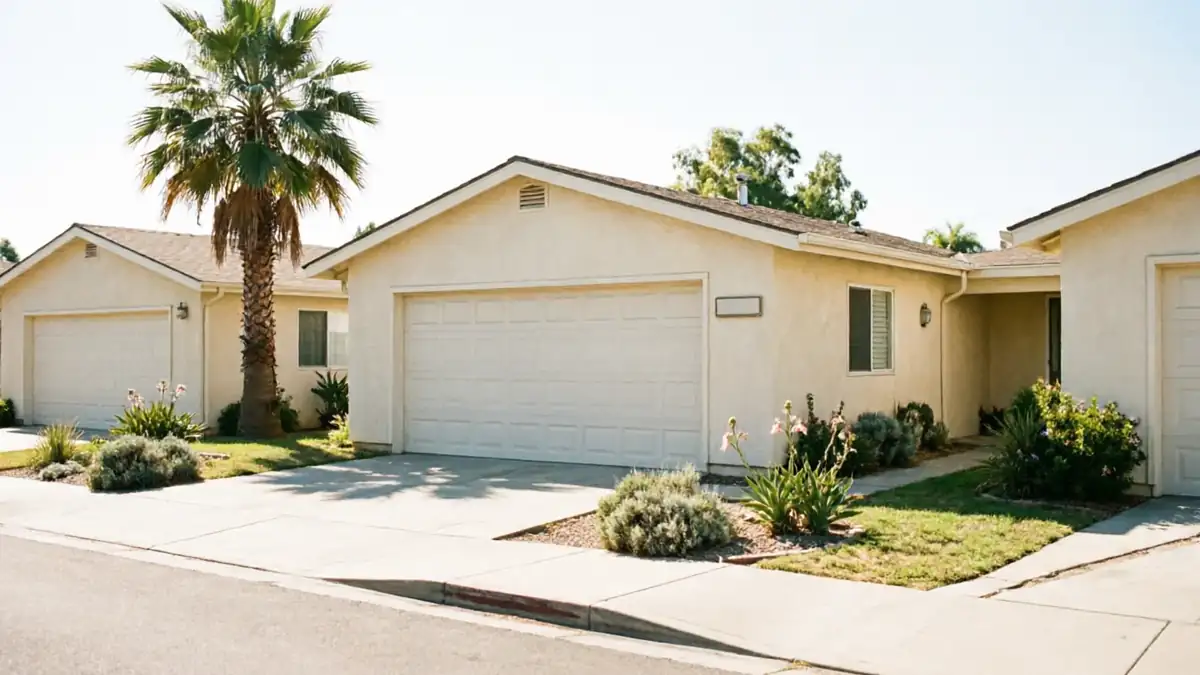
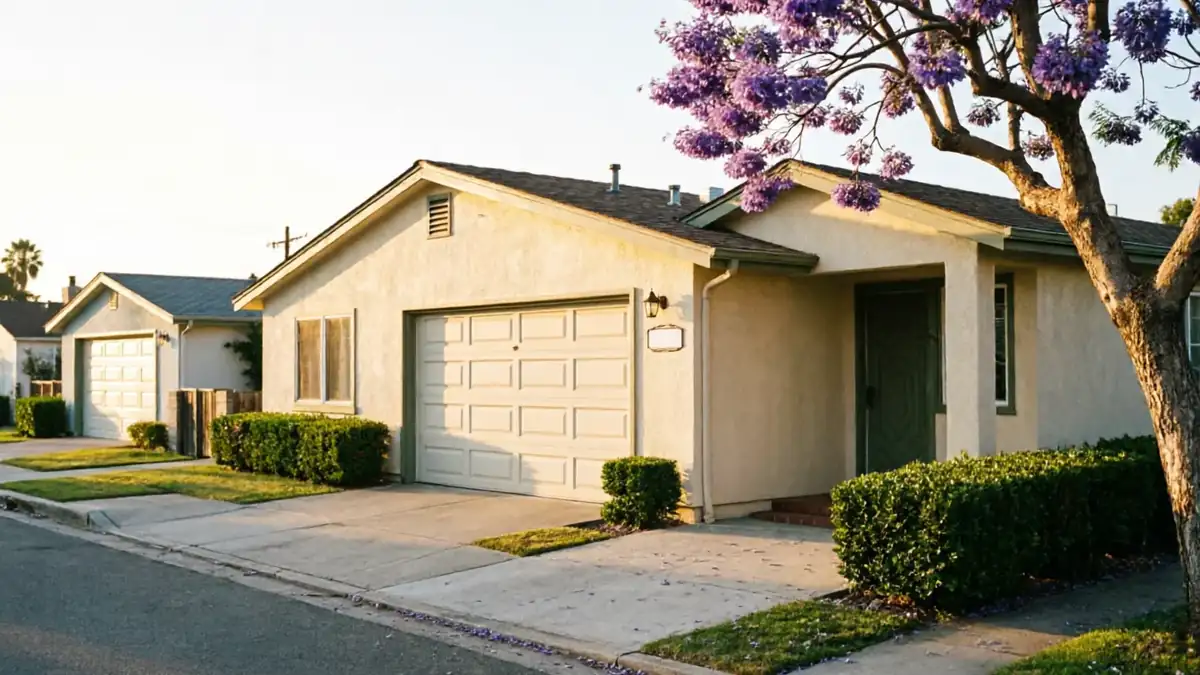
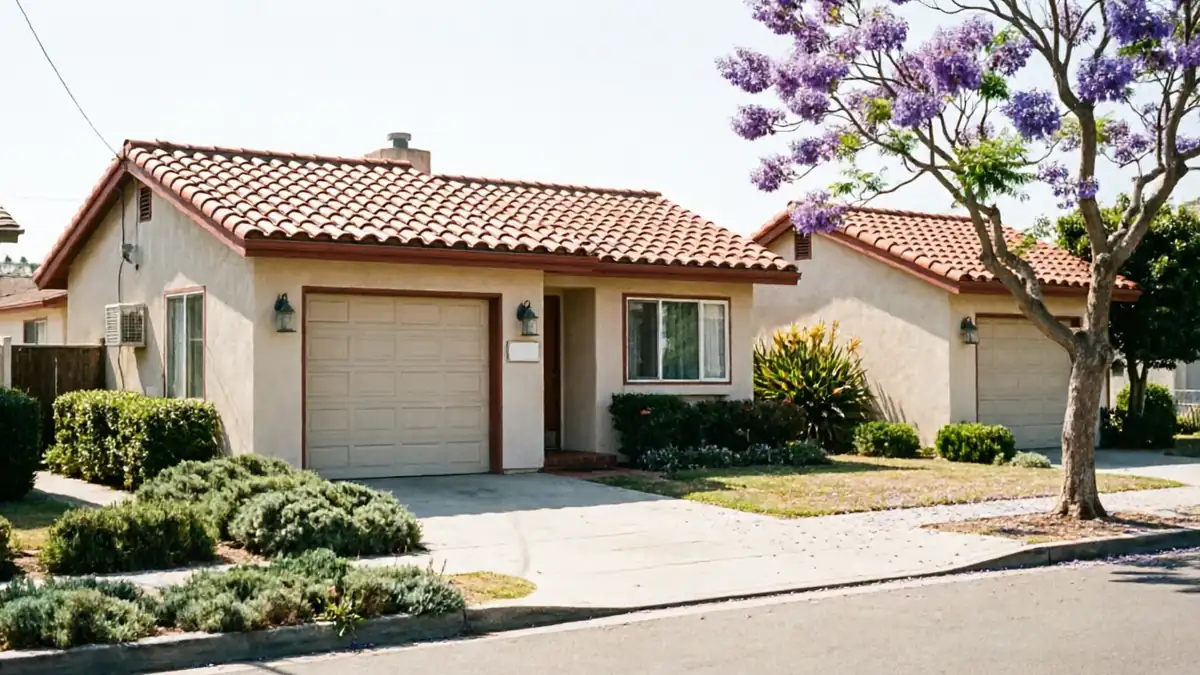
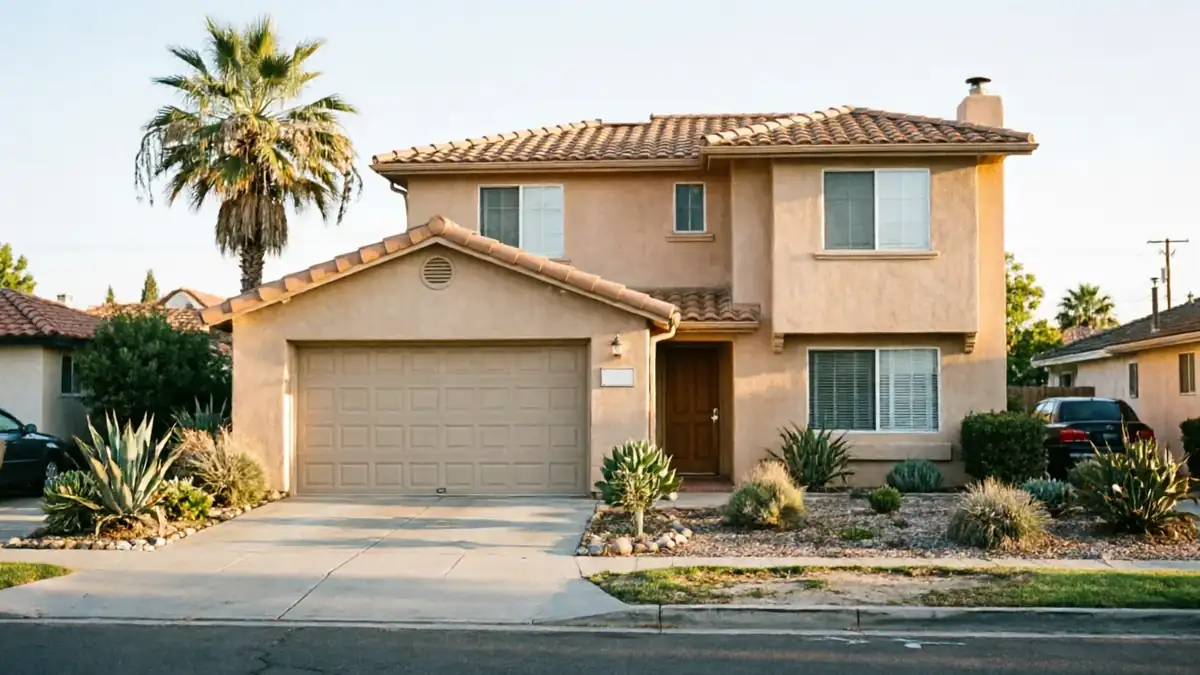
La Presa's housing stock runs mostly 1960s through 1970s construction
With a median build year of 1975 - squarely in the window when tract builders across this part of San Diego County were putting up single-story homes with attached two-car garages. That's consistent with the wider pattern across the service area, where most of the 22 named communities share a 1967-to-1992 build window, but La Presa lands right at the early end of that range.
With 11,155 households in the area and a median income of $88,479
This isn't a neighborhood where people are routinely gutting and rebuilding garages. Doors and openers tend to get fixed and kept running rather than swapped out on a whim, which is part of why original hardware is still so common here.
- 11,155 households
- $88,479 median household income
How That Shows Up in the Door
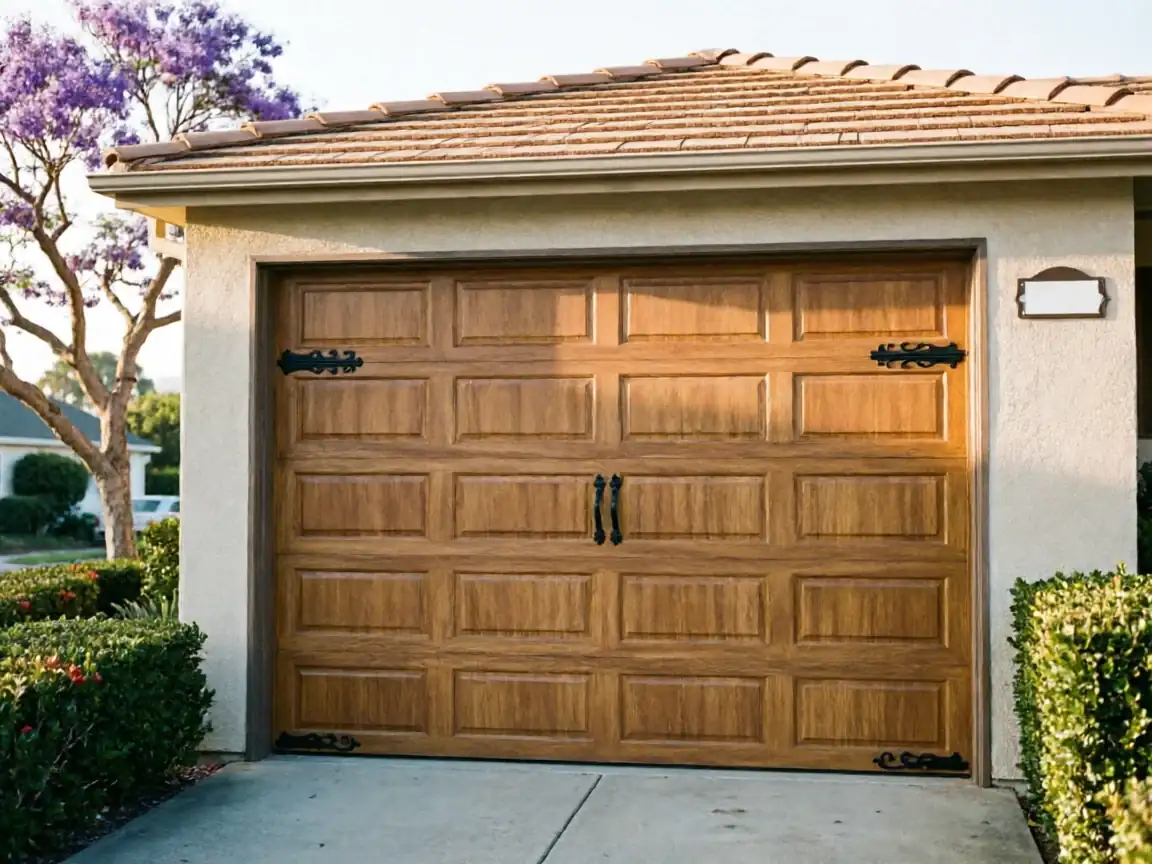
A door installed in the mid-1970s is almost always a steel sectional on a side-mounted torsion spring, not the newer center-mounted or extension-spring setups you'd find on houses built after 2000. That older torsion hardware uses different drum and cable sizing, so a universal spring off a truck shelf doesn't always fit without adapting the end bearing plate.
The mild coastal-influenced climate here has been kind to the steel itself - we don't see the rust-through failures you'd get in a wetter climate - but UV exposure over four or five decades still takes a toll on weatherstripping, seals, and the cheaper plastic idler pulleys that were standard on builder-grade doors of that era. Those are the first parts we check on a service call in this part of the service area, before we even get to the spring.