The Symptom
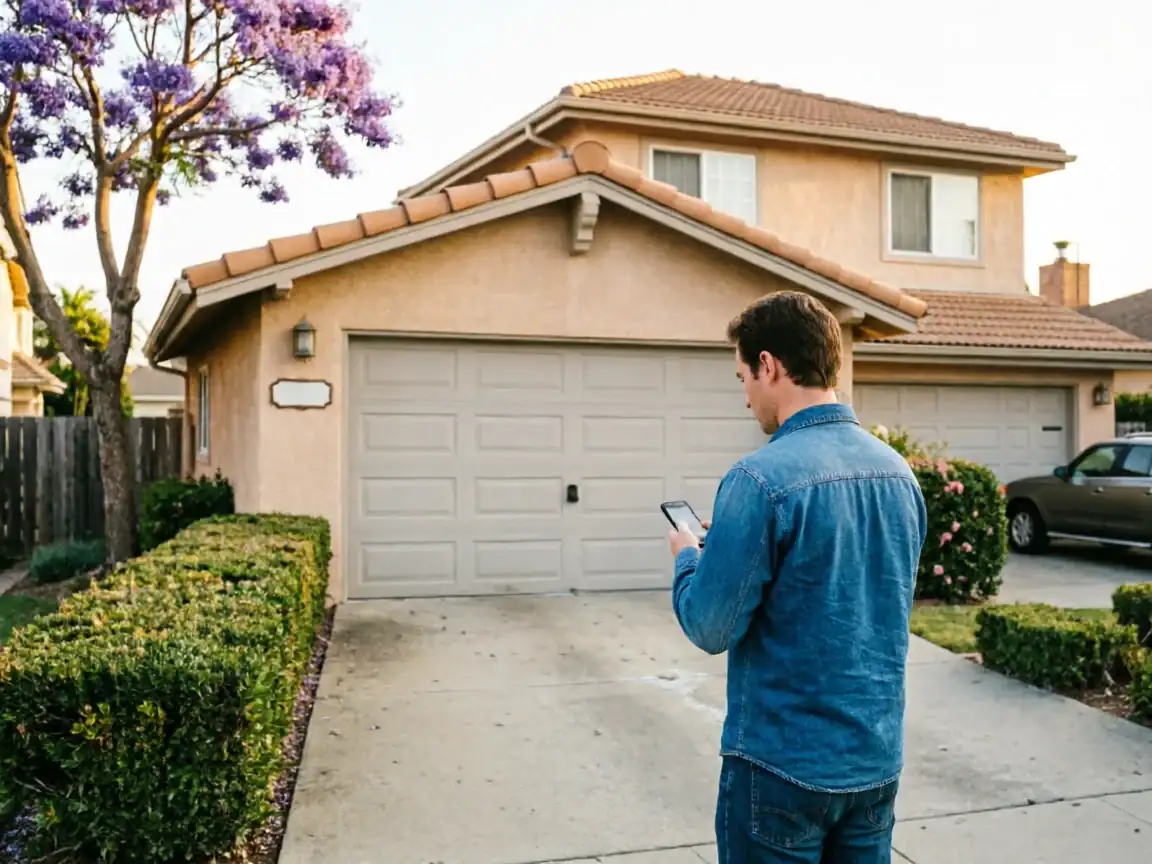
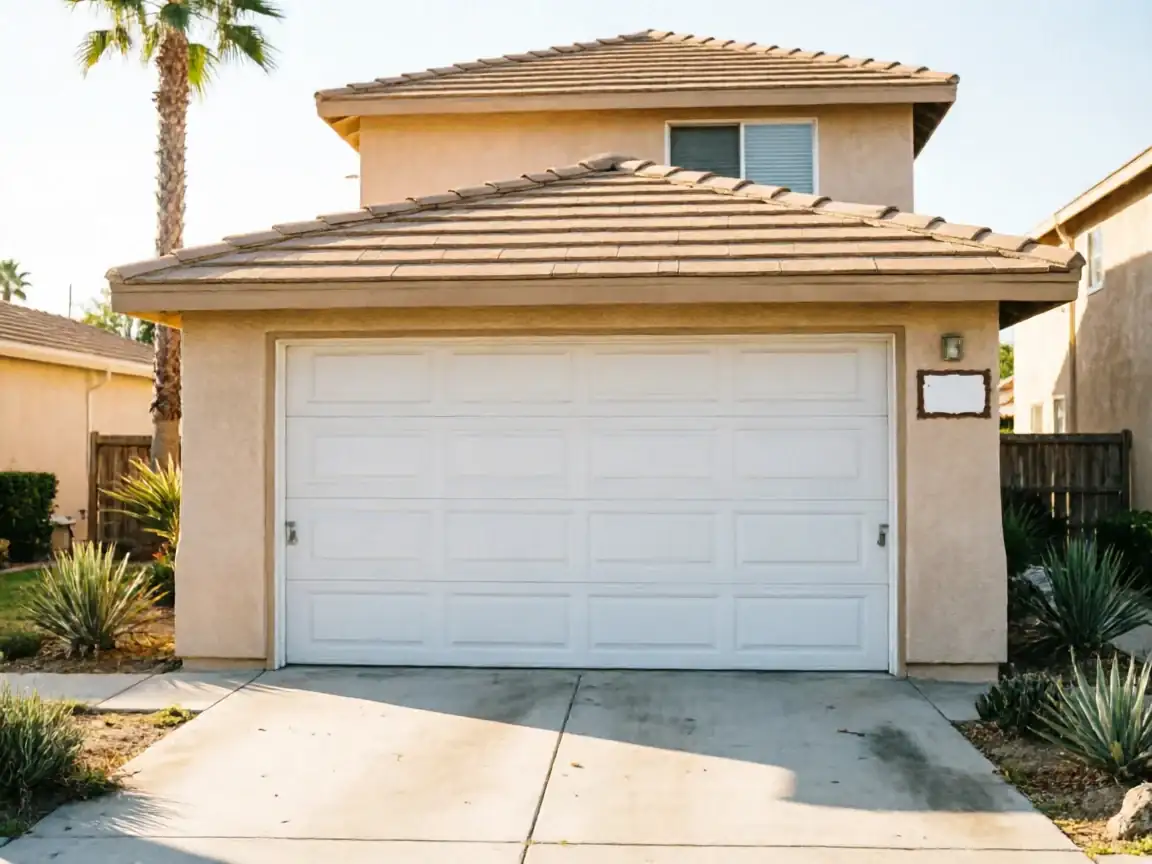
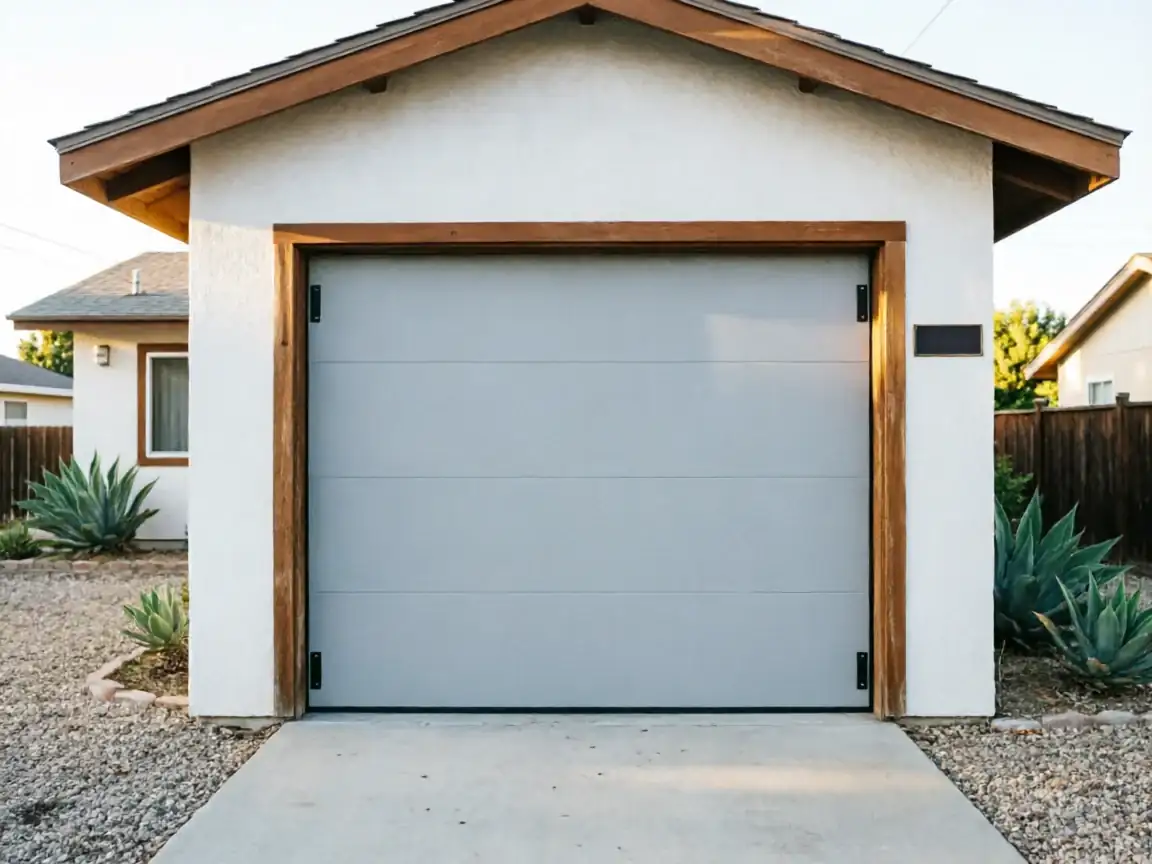
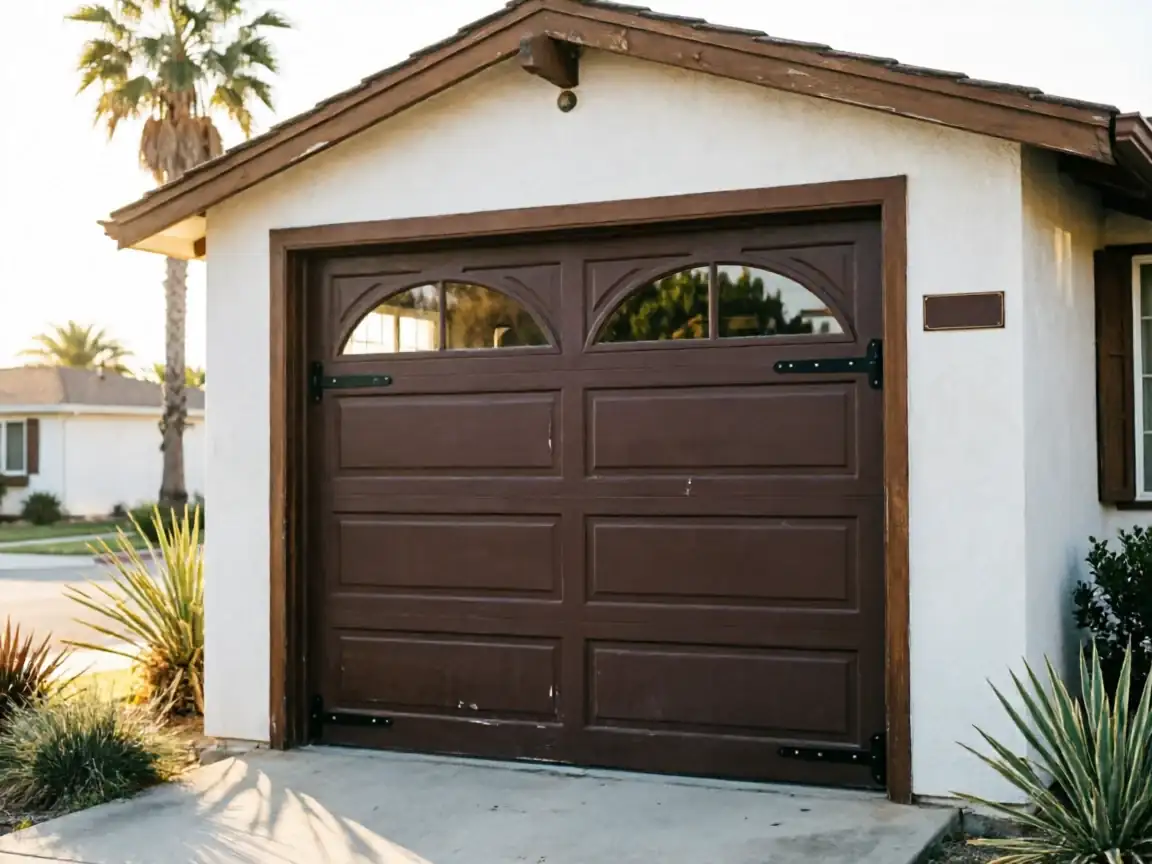
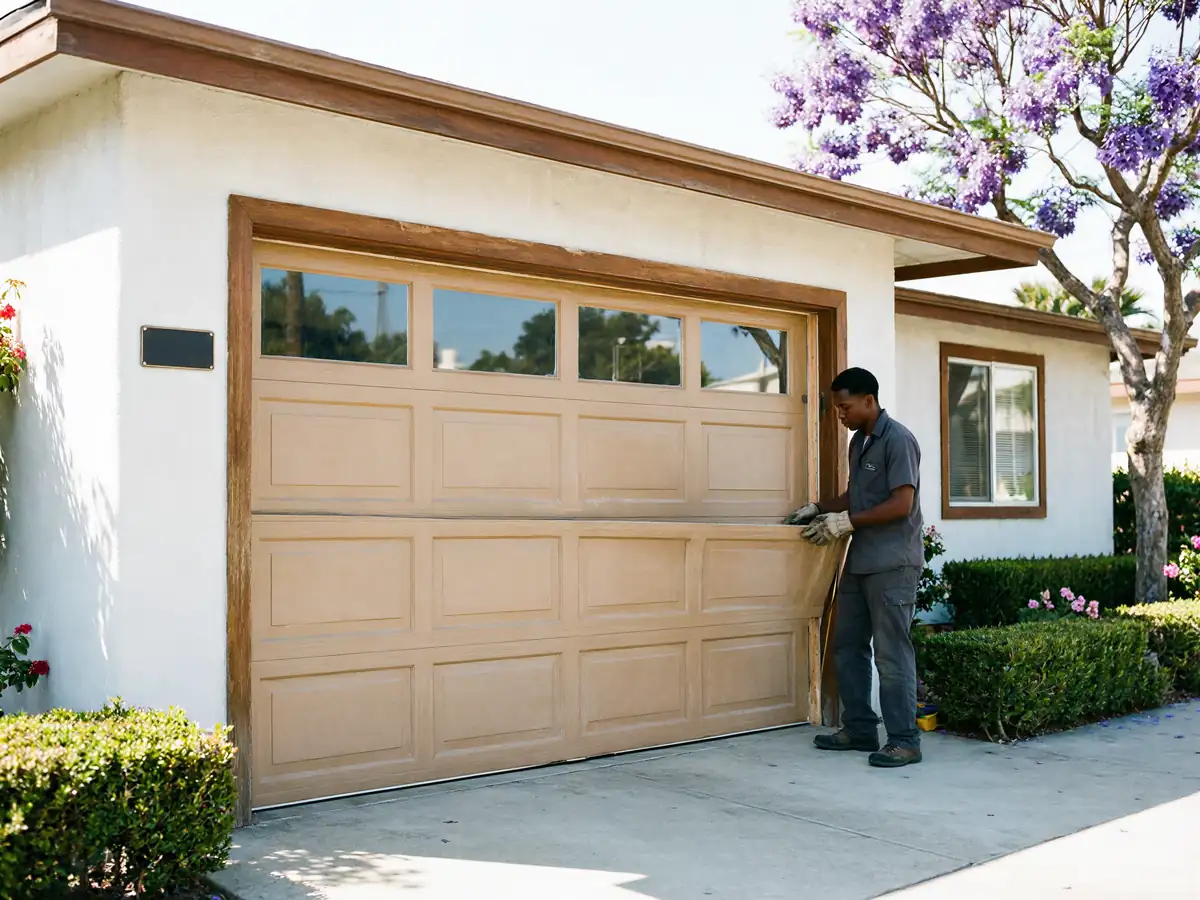
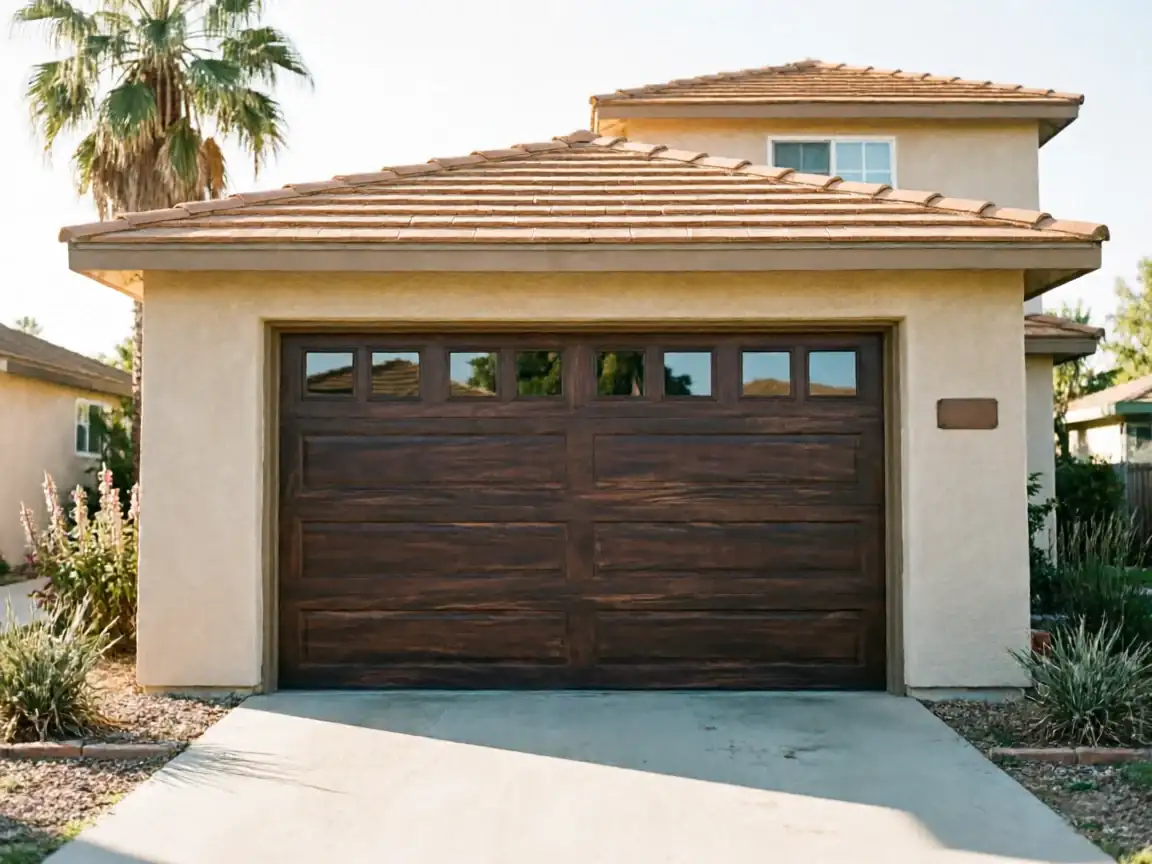
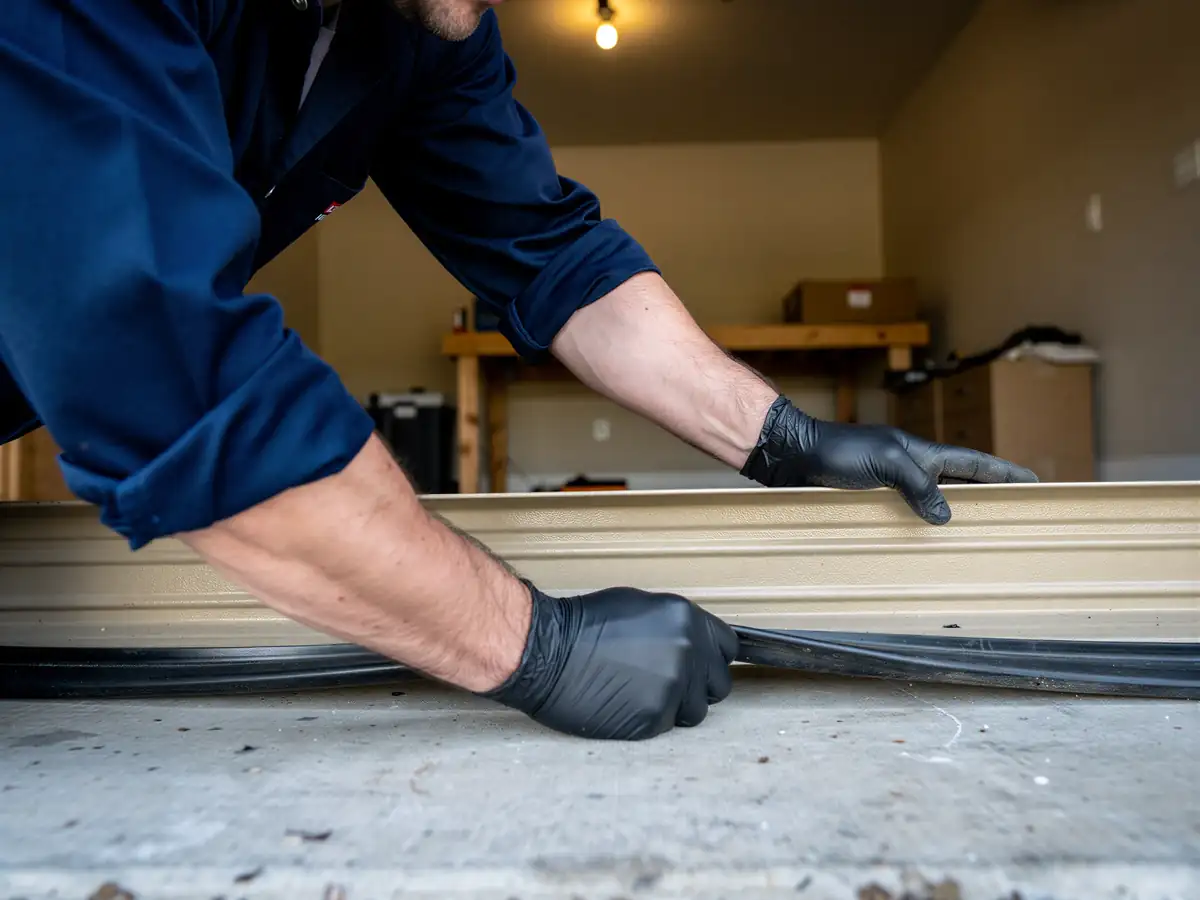
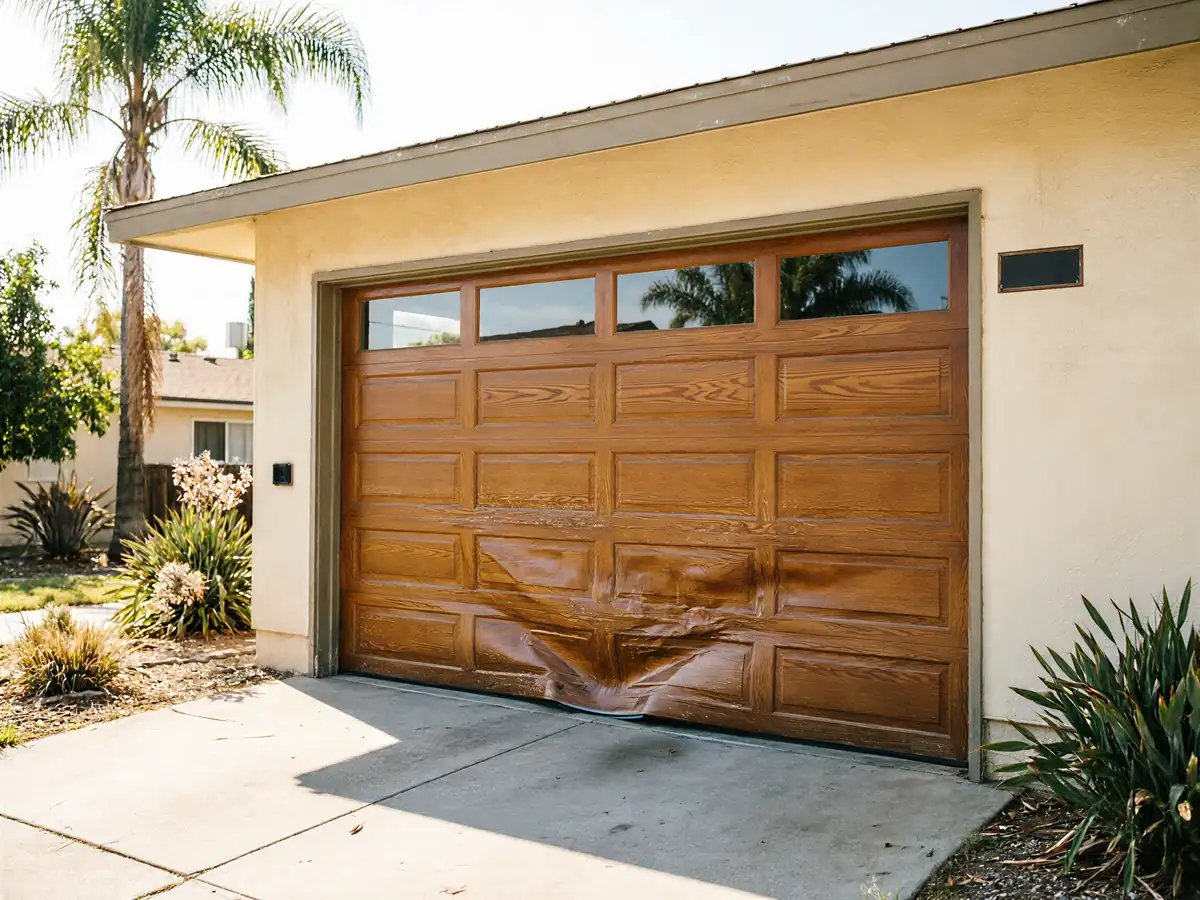
It's a short drive, three miles out from El Cajon, and that matters more than it sounds like it should. A job here isn't a half-day trip with a cold truck and a guess at what's behind the door - it's close enough that we can look at the dent, the crack, or the water-stained bottom panel, call the supplier, and usually be back out with the right piece before the homeowner's even decided whether to just live with it. What you're looking at is usually one of three things: a single panel caved in from a car bumper or a thrown object, a bottom panel gone soft and delaminated from years of ground moisture, or a seam that's split because the door's steel has thinned with age. On a lot of Casa de Oro-Mount Helix doors, the damage is isolated to one or two sections, which means you don't have to replace the whole door to fix it - as long as the manufacturer still makes that panel profile, or we can source a close enough match.
Why It Happens Here
Casa de Oro-Mount Helix's housing stock centers on 1969, which puts a lot of these garage doors squarely in the generation of steel sectional doors that predate today's insulated, foam-core panels. That older steel is thinner gauge than what's sold now, so a basketball, a trash can lid caught by wind, or a bumper tap leaves a crease that a newer door would shrug off. The area sits in a mild temperate band, so you're not dealing with the freeze-thaw cracking or snow-load bowing that wrecks panels elsewhere - what gets these doors is sun-driven warping on south-facing garages and the slow rust-through at the bottom panel where sprinkler overspray or runoff sits against the steel season after season. With 6,980 households in this pocket and a lot of them holding onto the original door from the build era, panel mismatch is the real headache: find one panel in the right color and rib pattern, and the rest of the door looks new again. Guess wrong on the match, and you've got a door that looks patched instead of fixed.
Can You Do This Yourself
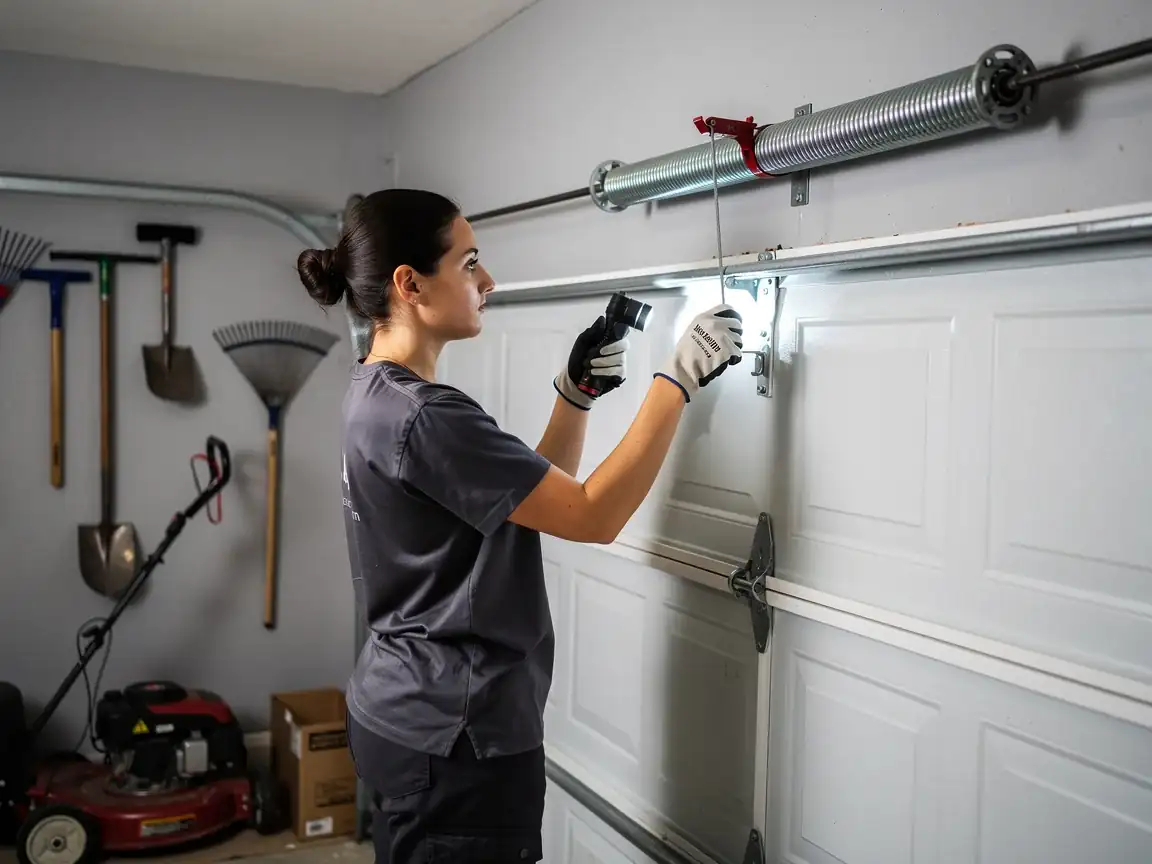
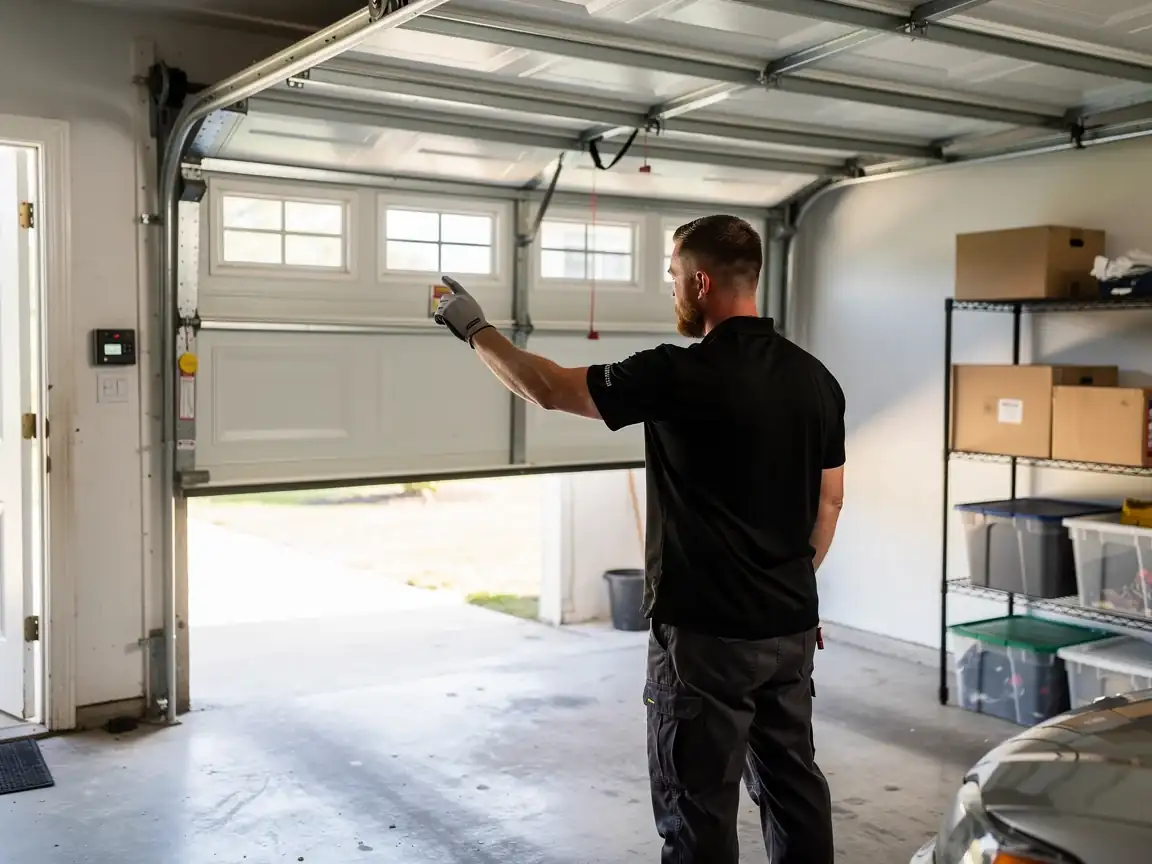
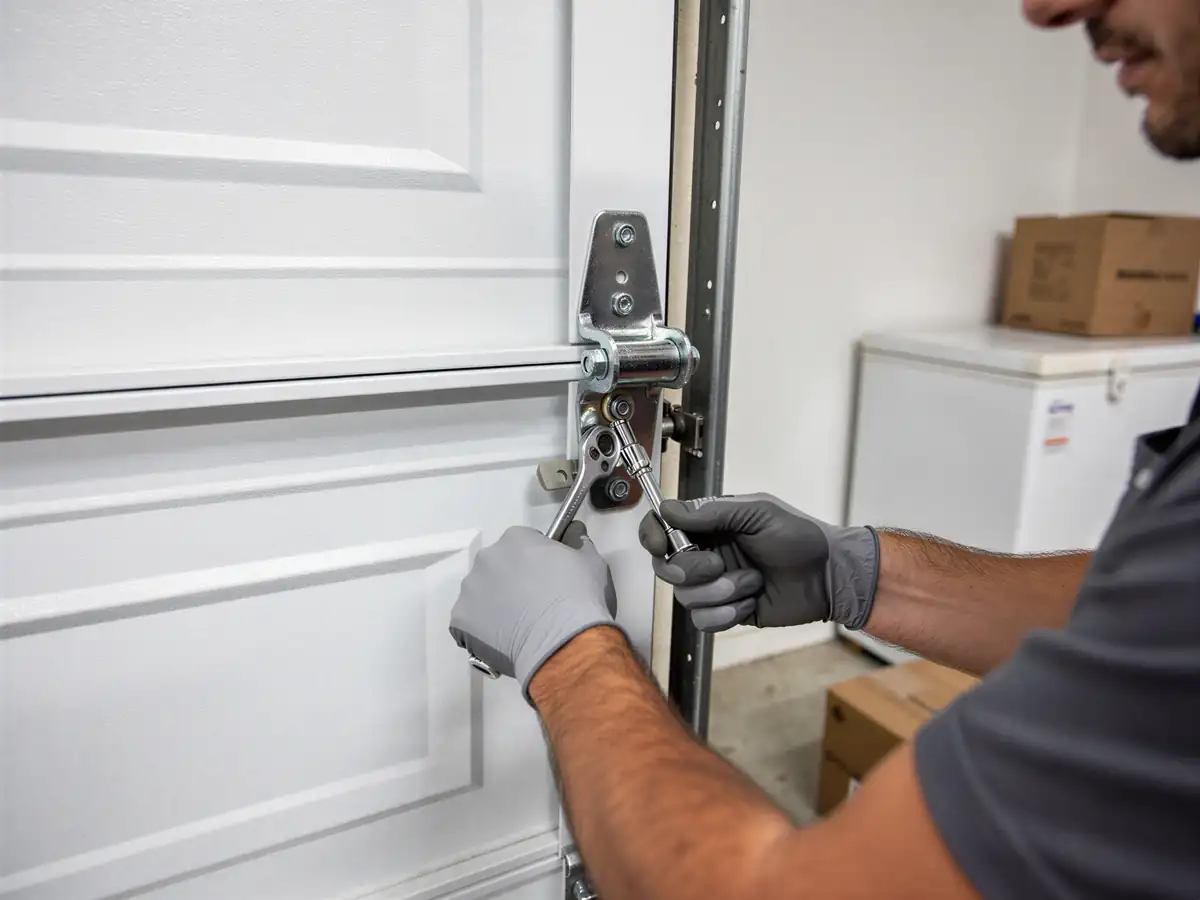
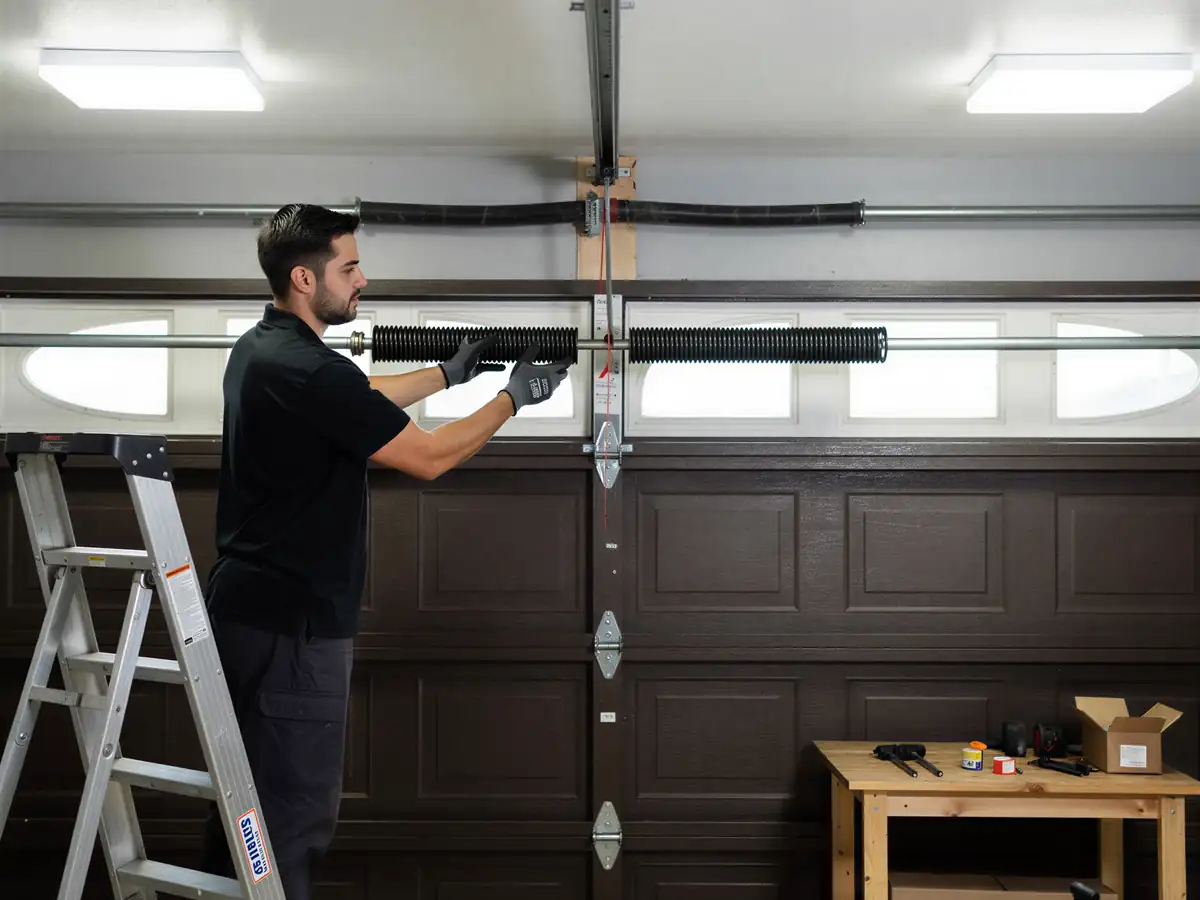
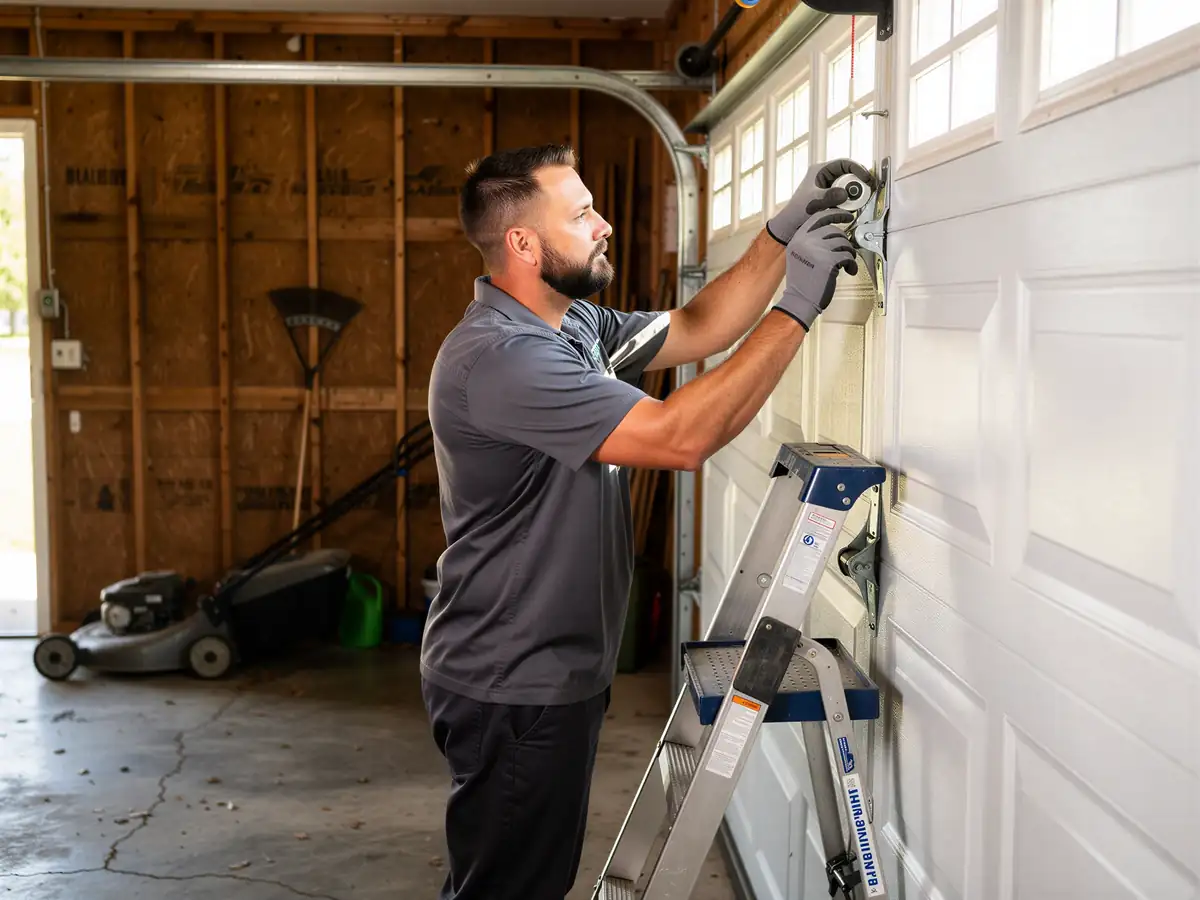
Swapping a single steel panel is more involved than people expect, mostly because the panel has to unbolt from the hinges and end stiles without throwing the door's balance off, and on an older 1969-era door those bolts are often rusted enough that they shear instead of backing out. If you've got the tools, the patience, and a second person to hold the door section steady, it's not impossible - but we won't pretend there's no risk of bending the track or cracking an adjacent panel in the process. Where we draw an honest line: if more than two panels on one side are damaged, or the door's track and hinges are as old as the panels, replacing the whole door usually costs less in labor and headache than chasing discontinued panel stock piece by piece. We'll tell you straight which side of that line your door is on before you spend money on parts that don't solve the real problem.