Serving El Cajon, CA & nearby
(619) 467-1116
El Cajon, CA

Why So Many El Cajon Garage Doors Have No Insulation at All

El Cajon's 1967-1992 housing stock means many garage doors predate insulation codes. Here's what that means for your door, your checks, and when to call it in.

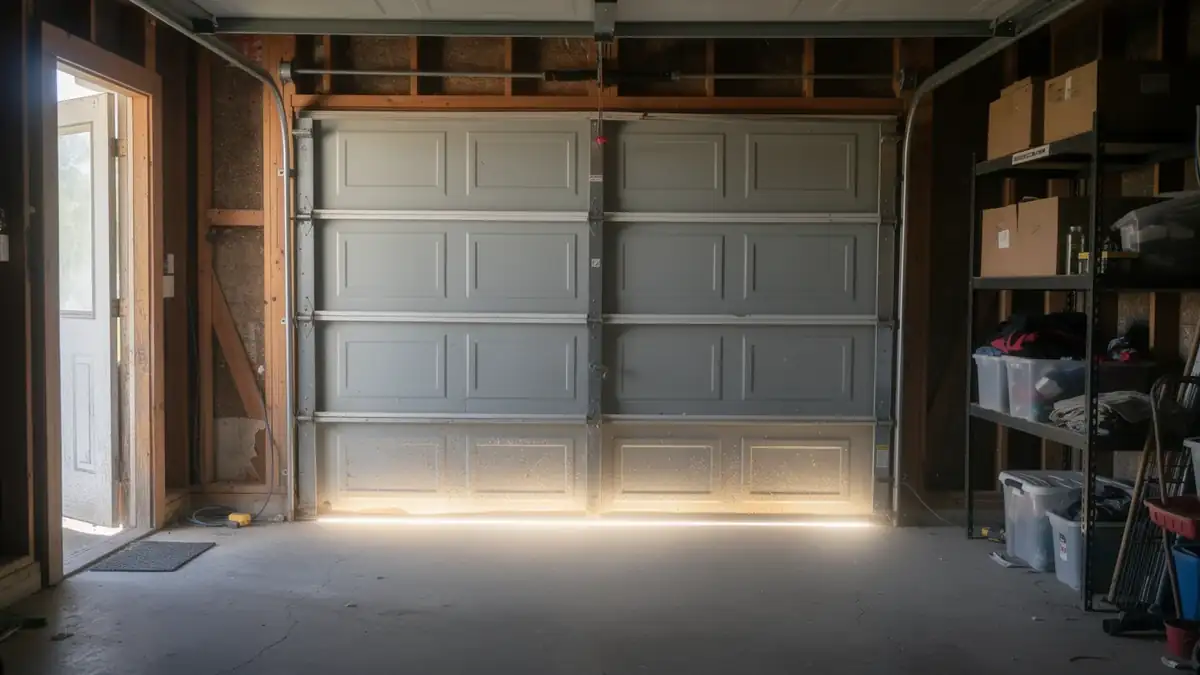
A closed gray garage door with a bright light shining underneath it.

How Local Conditions Play In

Most of El Cajon's housing went up between 1967 and 1992, with the median build year landing around 1975. That number matters more than it sounds like it should. Garage door insulation requirements didn't exist in any meaningful way when these houses were framed, so the door that came with the house was almost always a single layer of steel or a slab of wood - no foam core, no thermal break, nothing between the garage and the outside air but that one panel.

Across the roughly 22 named pockets of town that carry this same 1960s-and-'70s tract housing, that original door is still common. Nobody was required to upgrade it, and because El Cajon sits in a mild temperate band, nobody was forced to by weather either. A door with no insulation doesn't fail the way it would somewhere with hard freezes or triple-digit swings - it just sits there, doing its job poorly, for decades.

The catch is that mild doesn't mean irrelevant. A garage attached to a living space still bleeds heat and cold through an uninsulated door, and if a room sits above or next to the garage, that single layer of steel is the weak point in the whole wall. It's just a slow problem instead of a dramatic one, which is exactly why it gets ignored.

When It Stops Being a DIY Job

Swapping a worn weatherstrip or tightening a loose panel bolt is reasonable to do yourself. Replacing the door itself, or retrofitting insulation into a door that was never built for it, is a different job. A door built before insulation rules existed usually wasn't engineered with the extra weight of an insulated retrofit kit in mind - the springs are sized for the lighter original panel. Add insulation without recalculating the spring tension and you've got a door that slams down instead of lowering, or an opener straining on every cycle.

If the door is original to a house from the 1975 era, the hardware around it is probably original too - track, hinges, rollers, maybe the spring. At that point you're not insulating a door, you're replacing a whole aging system, and that's not a weekend project with a caulk gun and a roll of foam board.

What to Check

  1. Start with the obvious

    Hold a hand near the edges of the closed door on a cooler morning and feel for air movement. On a single-layer steel or wood door from this era, you'll usually find it at the bottom seal and along the side tracks first.

  2. Look at the panel itself

    A door from the 1967-1992 build window is often a flat or lightly ribbed steel slab with nothing visible on the inside face - no backing, no foam, just the painted interior of the same metal you see outside. That's your insulation status right there; you don't need to guess.

  3. Check the weight when you lift it manually with the opener disconnected

    If it feels heavy and awkward for one person, the springs were sized for that exact panel and nothing heavier. That's useful to know before anyone talks about upgrading to an insulated replacement, since the spring question comes up fast.

The Problem

The honest limitation here is that we don't carry a quick fix for retrofitting insulation into an original 1970s-era panel door. Foam board kits exist and they do something, but they don't turn a 50-year-old single-layer door into an insulated one in any way that holds up - the panel still conducts heat and cold through the steel itself, kit or no kit.

For a lot of these houses, especially ones where the garage backs onto a bedroom or laundry room, a full door replacement does more than any patch job will. We're not going to talk anyone into replacing a door that's still working fine just because it's old. But if the door is original to a house built in that 1967-1992 stretch and someone's chasing a temperature problem in the room next to it, insulation is very likely the actual gap, not the opener or the weatherstrip.
How it works

From “it’s stuck” to “it’s fixed”

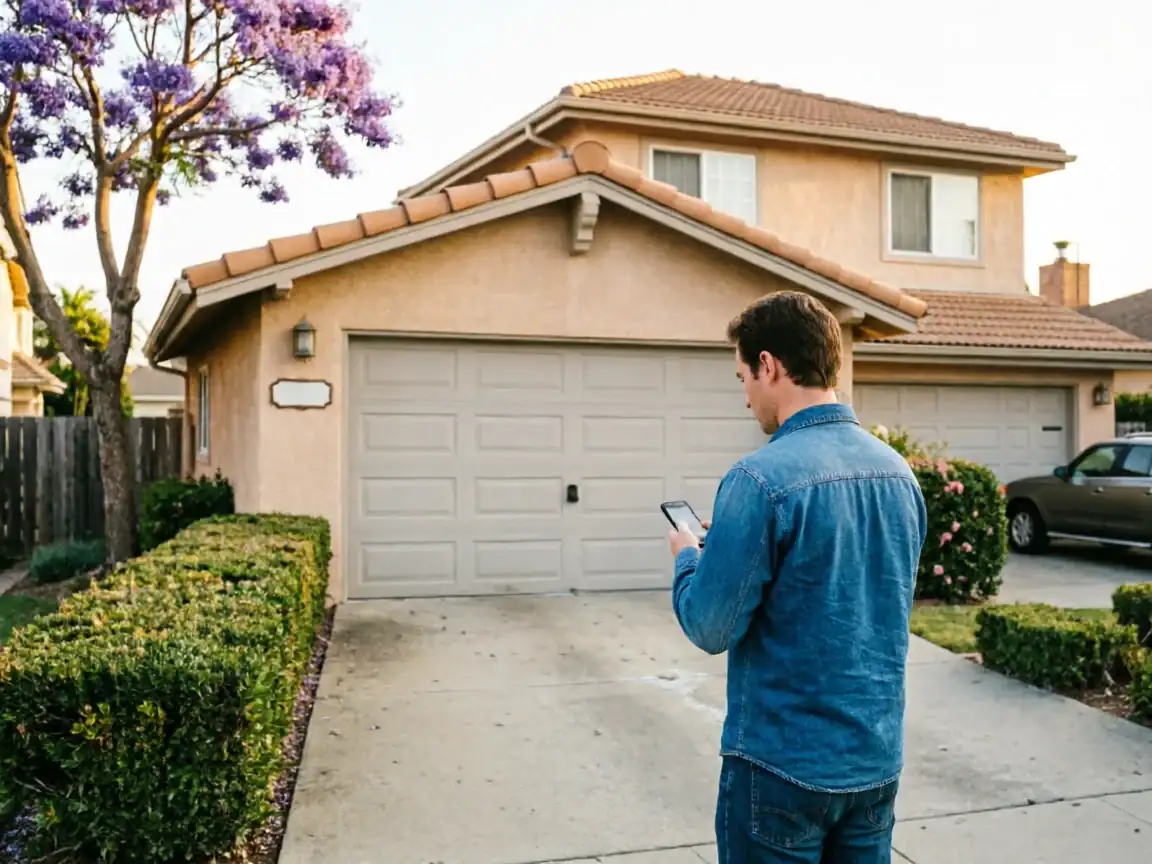
A man stands in a driveway looking at his phone, facing a two-car garage.

Tell us what’s wrong

Describe the symptom - won’t open, loud bang, opener runs but the door won’t move.

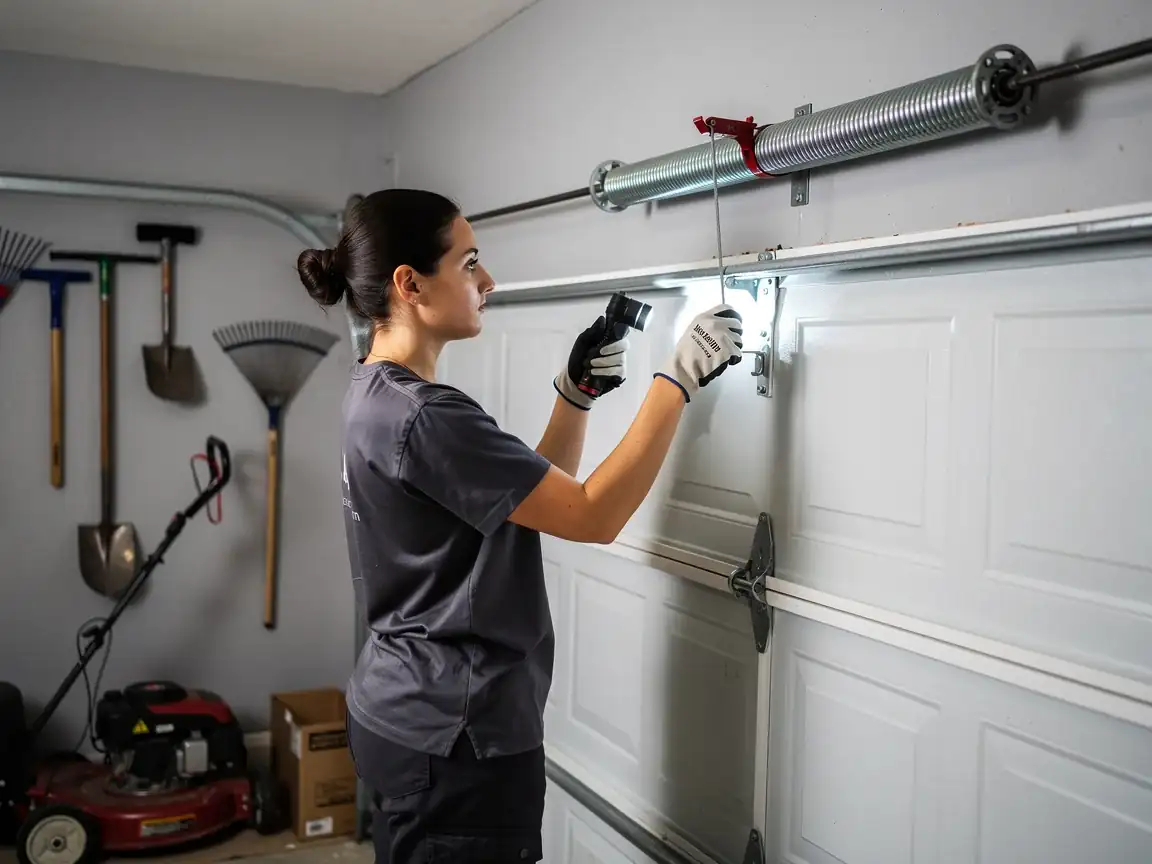
A technician shines a flashlight on a white garage door's top panel and roller.

On-site diagnosis

A technician tests the door under power and by hand and finds what actually failed.

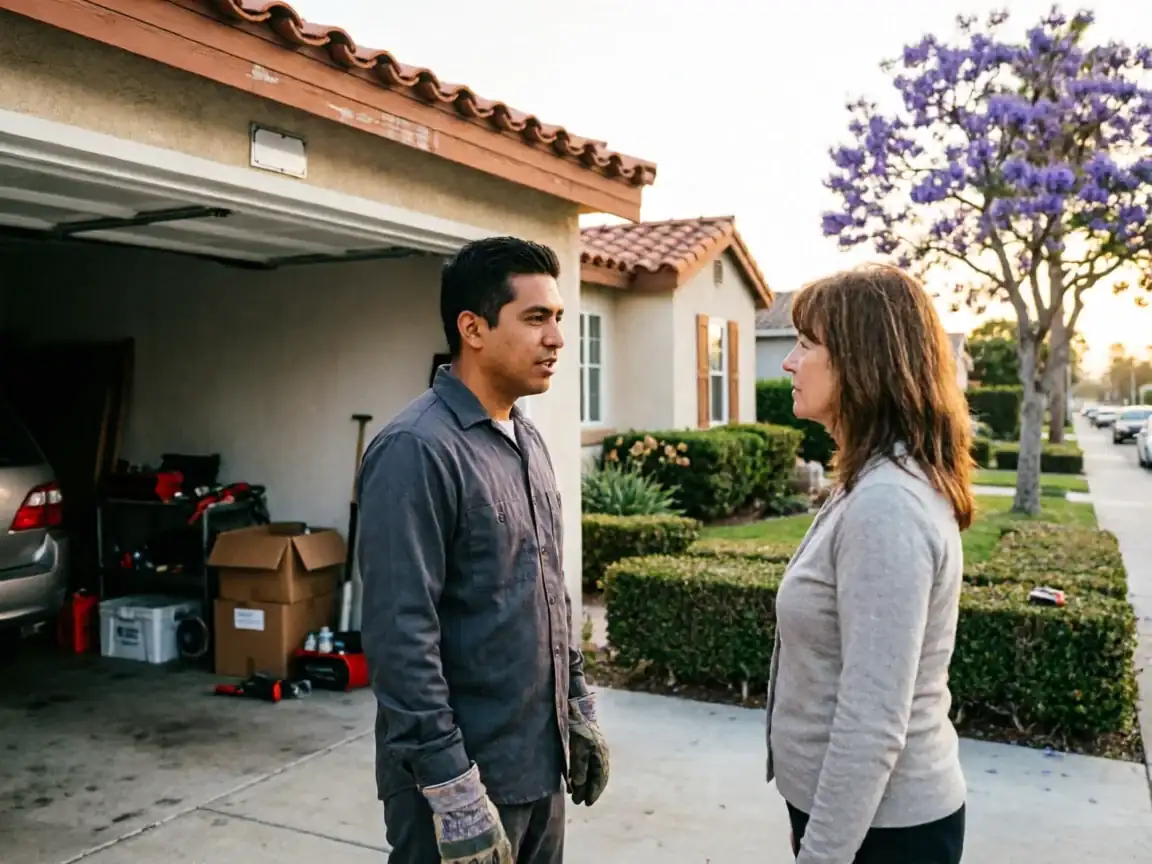
A technician in work gloves talks to a woman in front of a house with an open garage.

Clear, up-front plan

You get the fix that’s needed and what drives the cost - before any work starts.

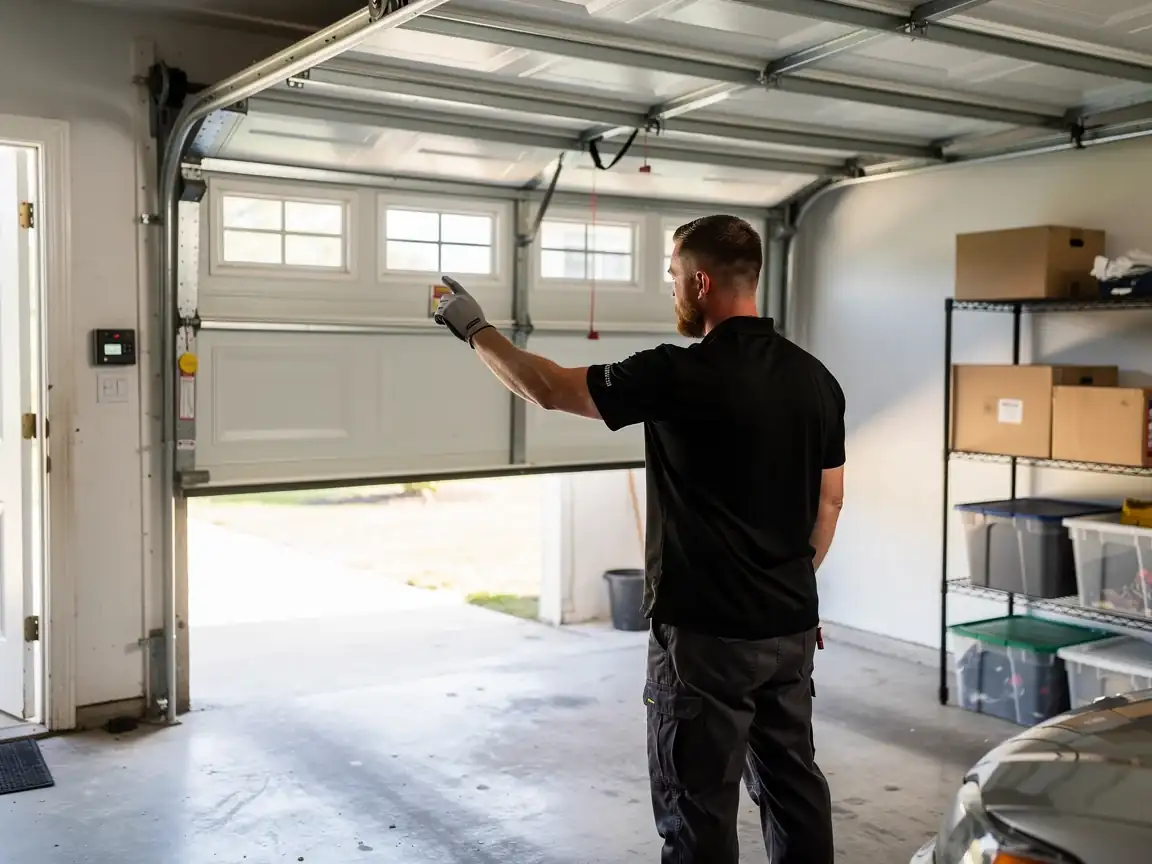
A technician points at an open white garage door with windows from inside a garage.

Repaired & tested

The repair is done, the door is set true and tested, and the work area left clean.

Not sure which repair your door needs in El Cajon, CA? Describe what it’s doing - every job starts with a diagnosis.

How we work

What to expect

Diagnosis firstEvery visit starts by finding what actually failed - not a pre-written parts list.
The right part for the doorSprings and openers matched to the door’s weight and age, so the fix holds up.
Straight answersWhen a repair makes more sense than a replacement - or the reverse - you hear it plainly.
Clean, careful workTension released safely, hardware set true, the door tested under power before we leave.
What we do

Garage Door Services

Repair and installation work for El Cajon homes and businesses.

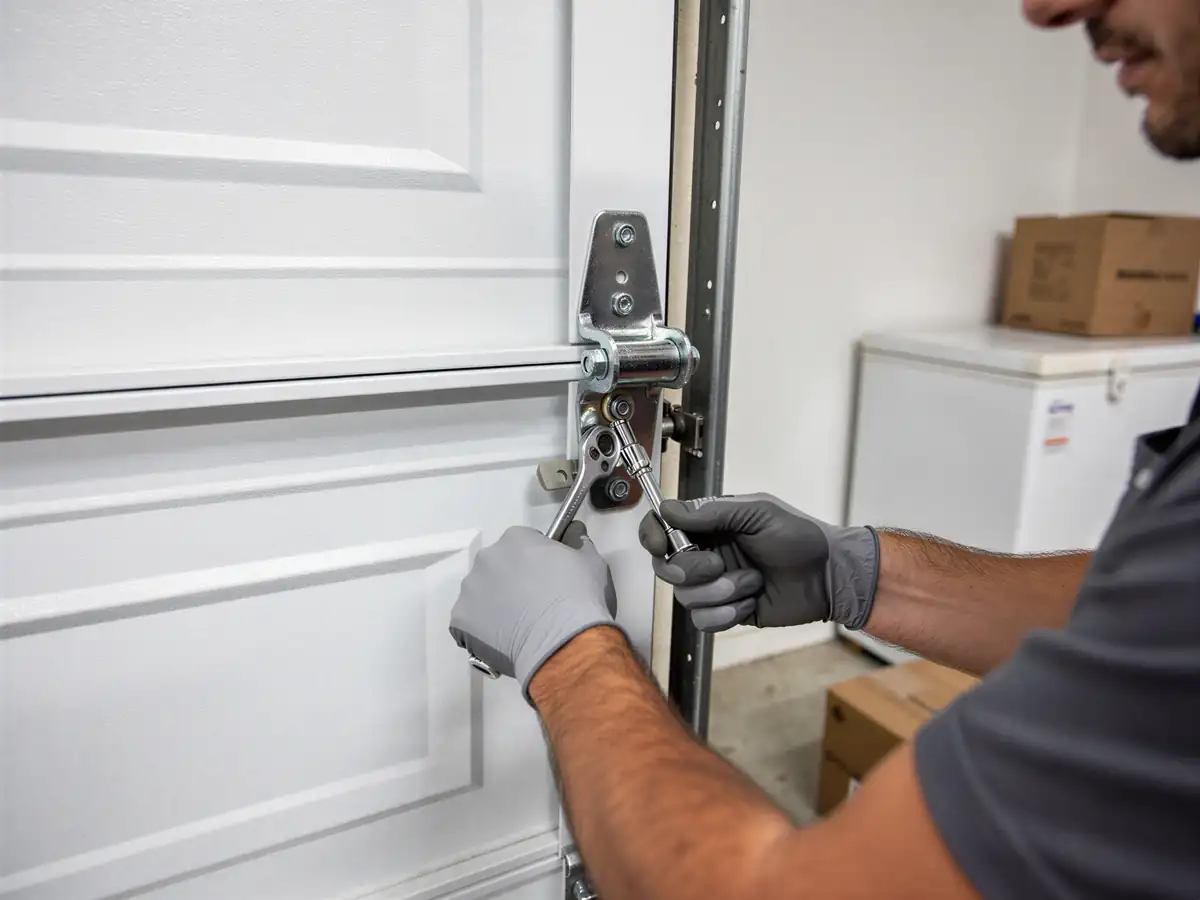
A technician tightens a garage door hinge with a wrench.

Garage Door Repair

Garage door repair for El Cajon homes built between 1967 and 1992 - broken springs, worn rollers, and original hardware that's finally giving out after decades.

Learn more
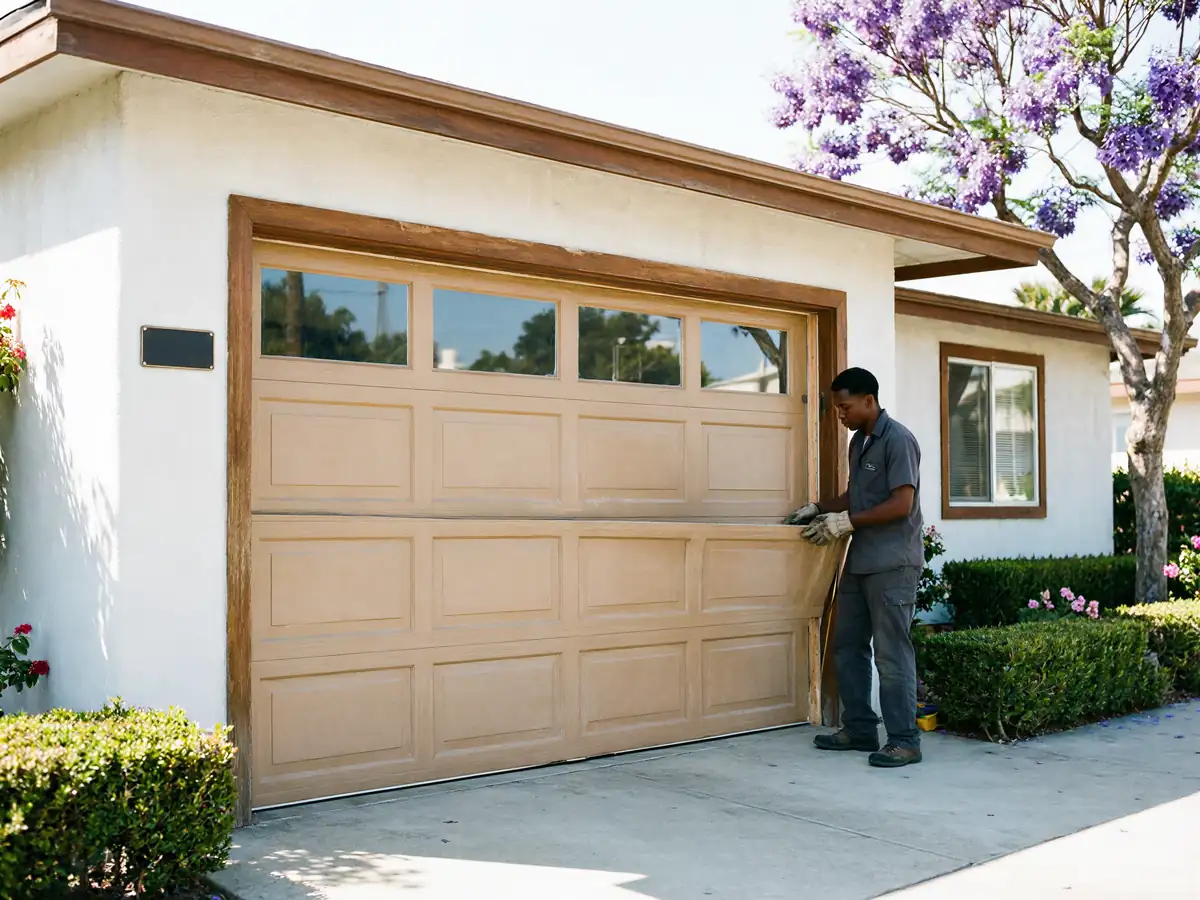
A technician in a gray uniform is working on a tan garage door.

Garage Door Installation

New garage door installation for El Cajon homes built 1967-1992, where original doors and hardware are reaching the end of their service life. Local, straightforward quotes.

Learn more
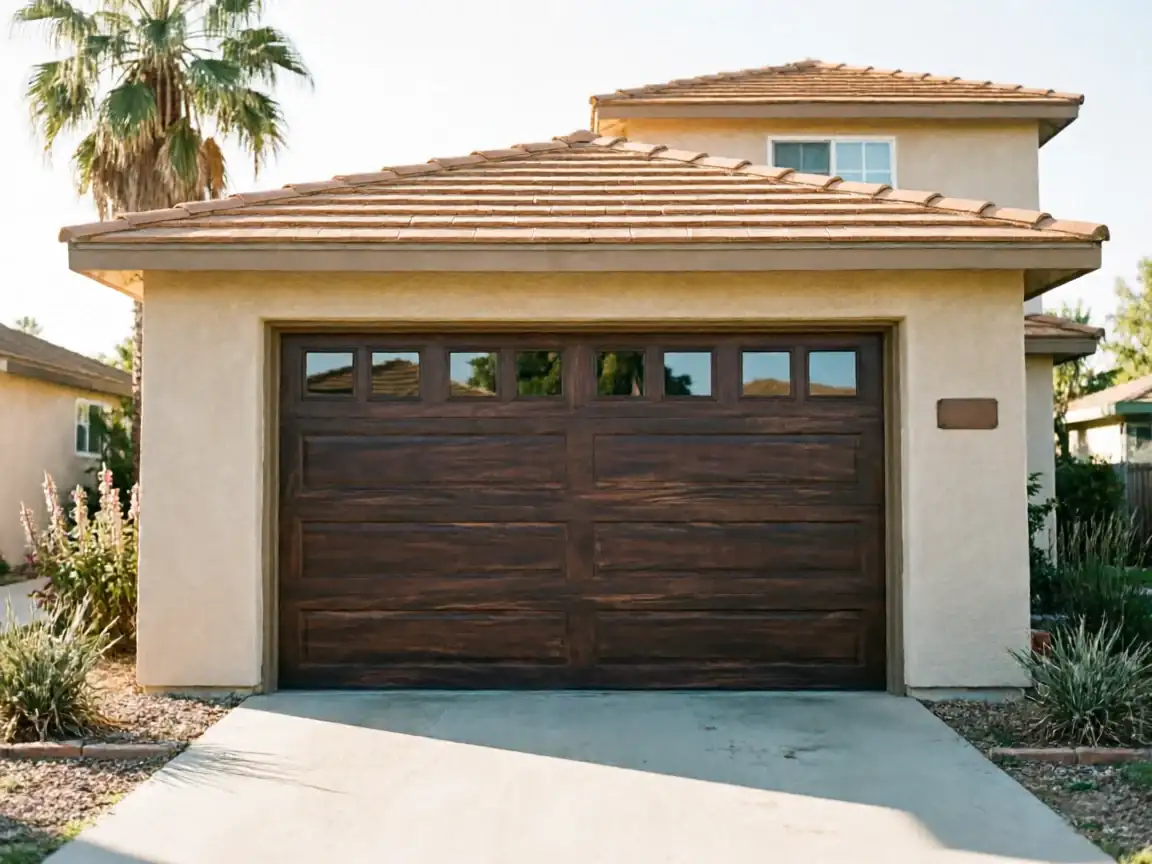
A dark brown garage door with windows is on a tan house.

Garage Door Service

Grinding, sagging, or slow-to-open garage doors are common in El Cajon's 1967-1992 housing stock. Here's why it happens and what the fix actually involves.

Learn more
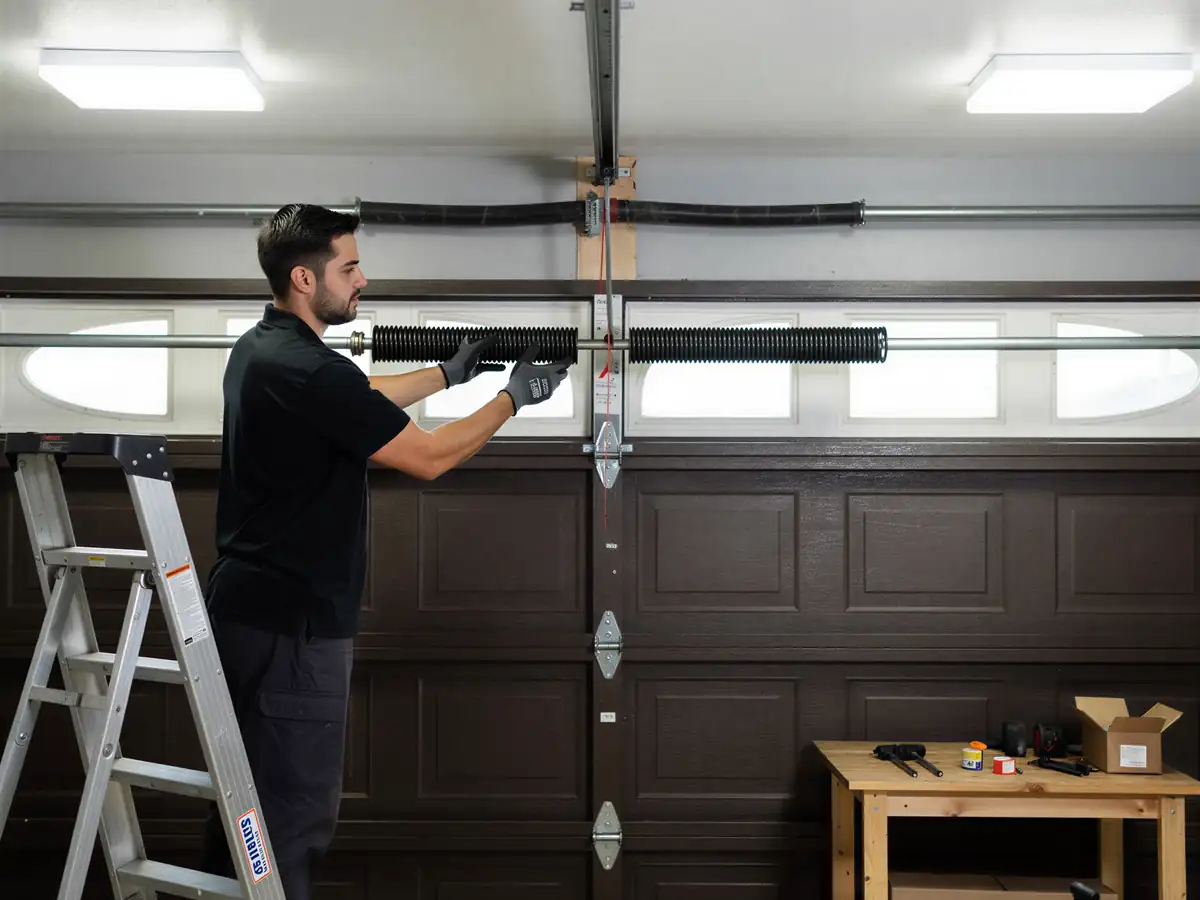
A technician installs a torsion spring on a brown garage door.

Spring Repair

Broken torsion or extension spring on your El Cajon garage door? We explain why it happens in this area's older housing stock and what the fix actually involves.

Learn more
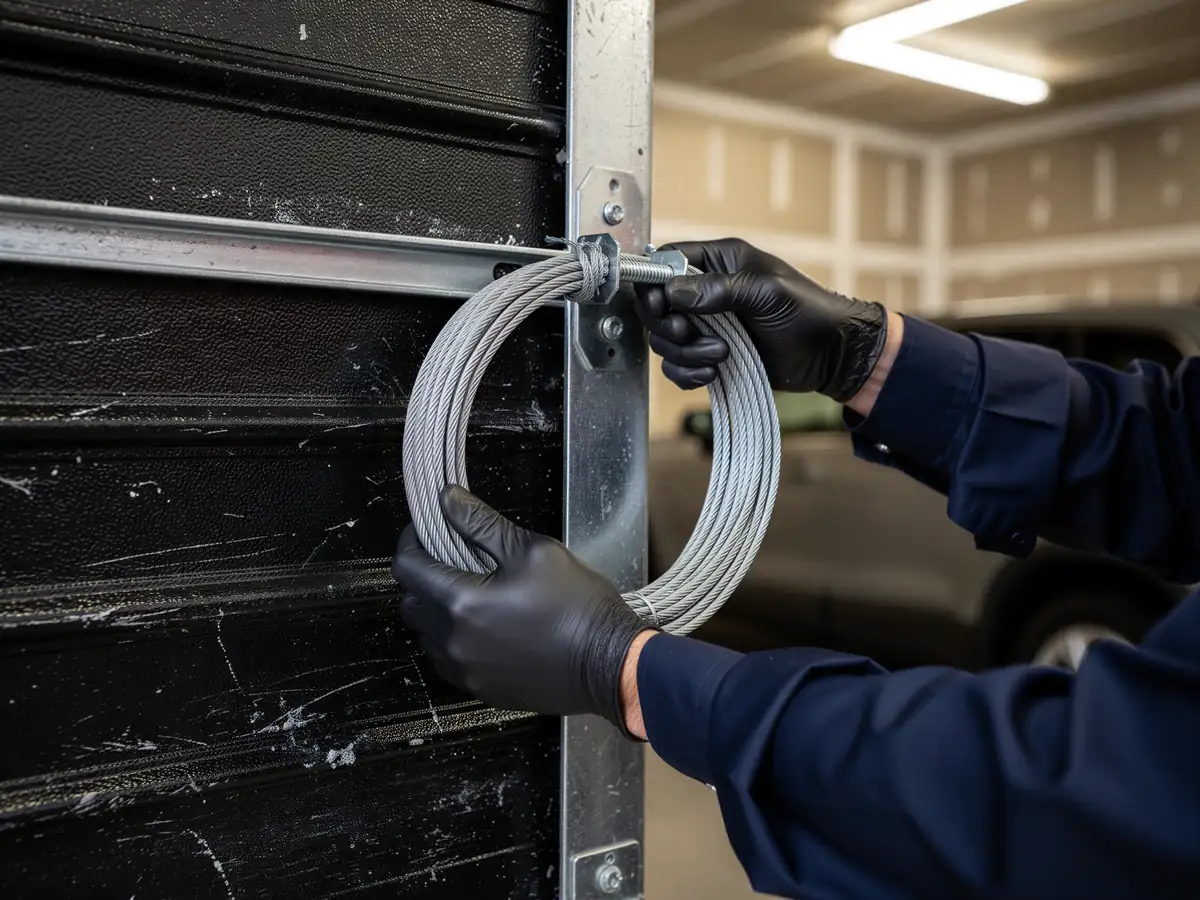
A technician in black gloves is installing a new garage door cable.

Cable Repair

Broken or fraying garage door cables on El Cajon's 1970s-era homes. What causes it, what the repair involves, and when to call a pro instead of doing it yourself.

Learn more
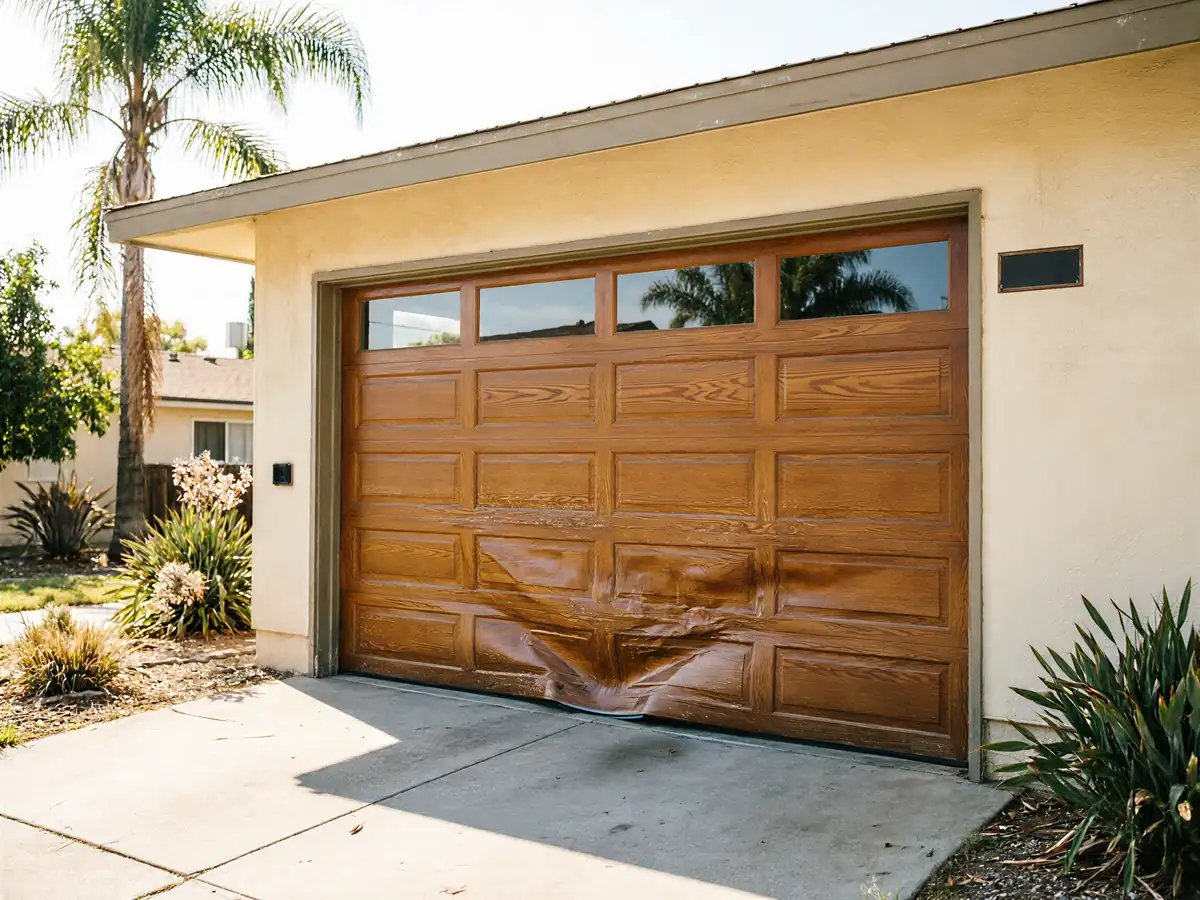
A damaged brown garage door with windows is on a tan house.

Panel Replacement

Dented or cracked panel on a 1970s-era El Cajon garage door? We match steel and aluminum sections on the original 1967-1992 door styles still common across the valley.

Learn more
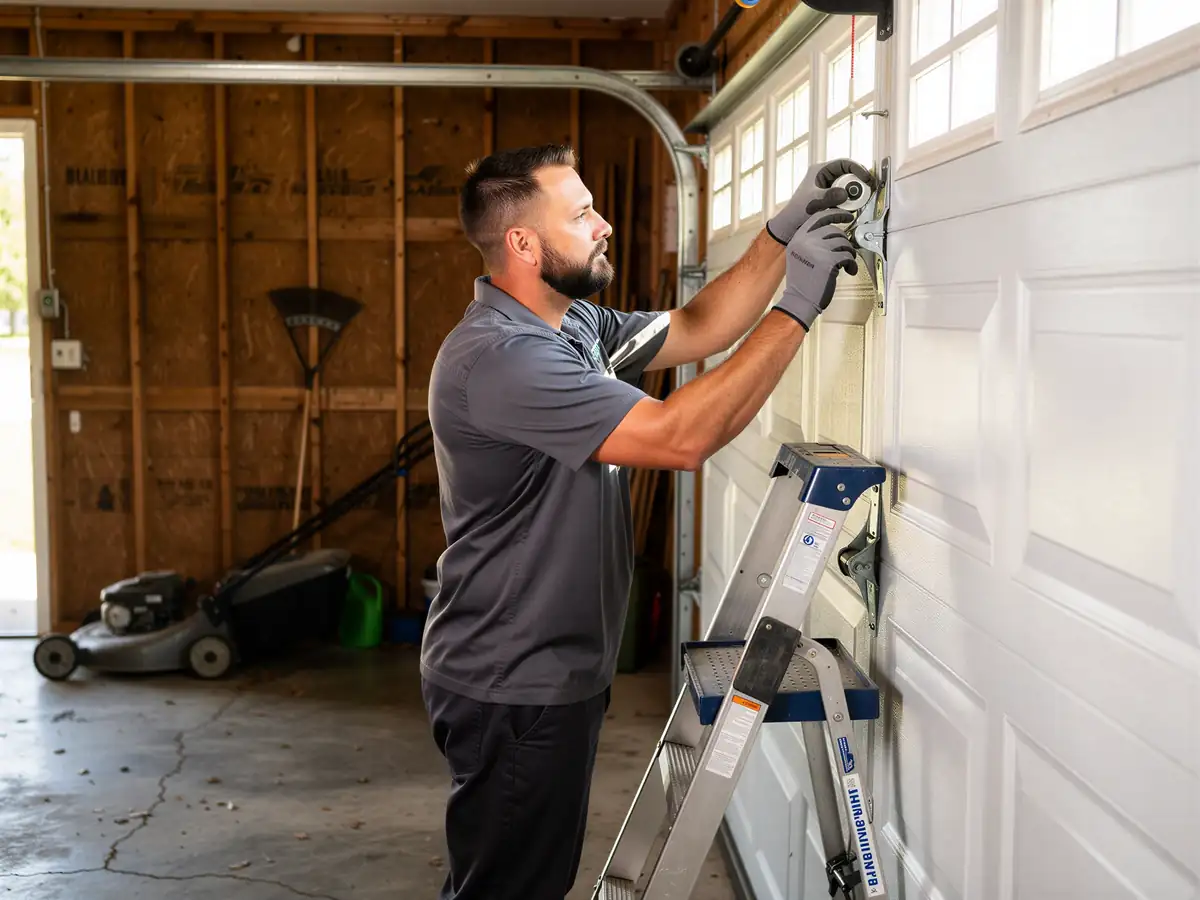
A technician on a ladder adjusts a roller on a white garage door.

Roller Replacement

Worn rollers on 1960s-70s El Cajon homes bind, grind, and jump track. See why this area's housing age drives roller failure and what a proper fix involves.

Learn more
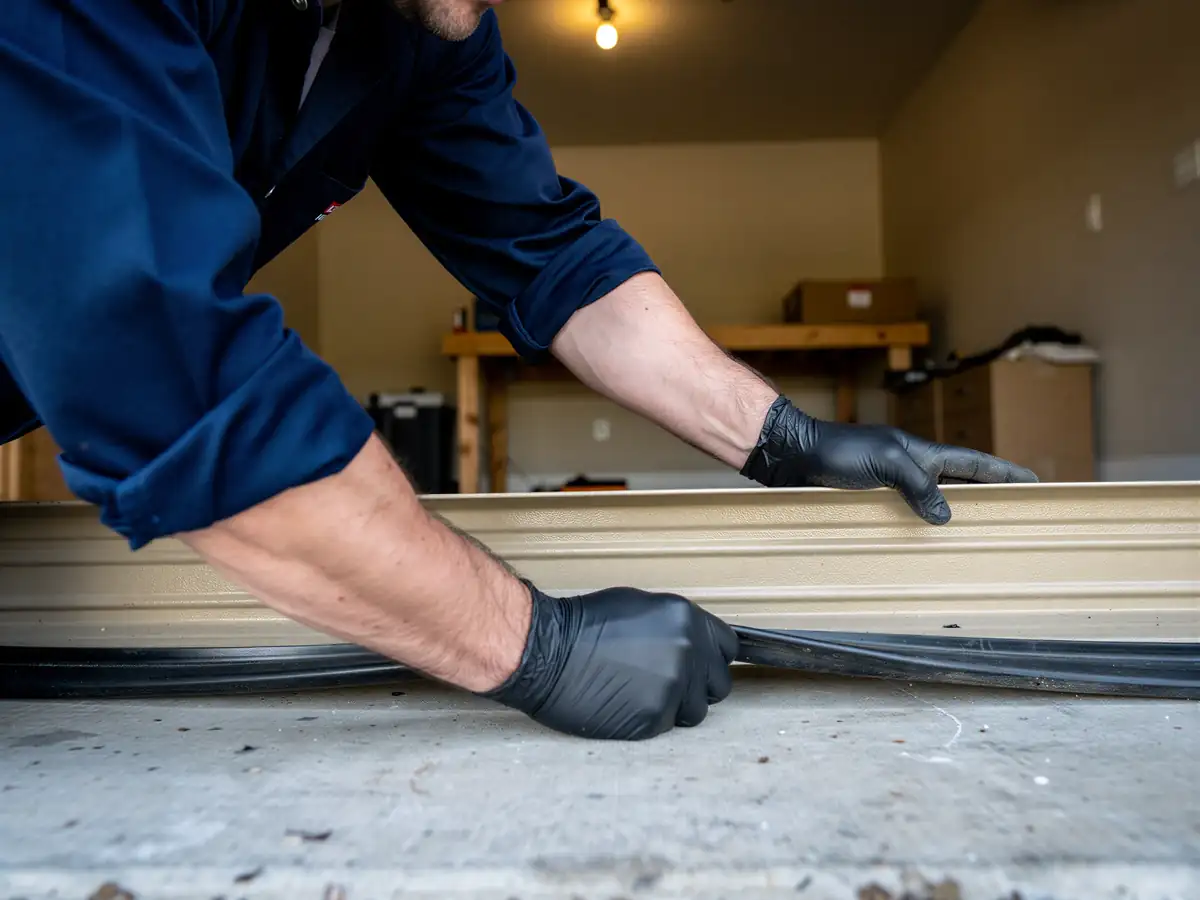
A technician wearing black gloves installs a new seal on the bottom of a garage door.

Maintenance

Garage door maintenance for El Cajon homes built mostly between 1967-1992. Spring, track, and roller service tuned to this area's housing stock and climate.

Learn more
Questions

Frequently asked

Straight answers about garage door repair in El Cajon. Still unsure? Ask us directly.

Is my garage door too old to have insulation?

If your house was built in the 1967-1992 window common across El Cajon, and you've never replaced the door, it almost certainly has none. That was standard for houses in this build era - insulation wasn't a code requirement, so builders used a single uninsulated panel by default.

Does El Cajon's climate make an uninsulated door a bigger problem?

Not in the dramatic way a harsher climate would. El Cajon sits in a mild temperate band, so an uninsulated door won't crack or jam from extreme cold. It still lets heat and cold transfer through, which matters most if a living space sits next to or above the garage.

Can I just add a foam insulation kit to my old door?

You can, and it helps a little with noise and minor drafts, but it doesn't match what a built-in insulated door does, and it adds weight your original springs weren't sized for. On a door this old, check the spring and hardware before adding anything to the panel.

Ready to get your garage door sorted?

Tell us what it’s doing and where you are in El Cajon - we’ll take it from there.

Request a QuoteCall