The Usual Work Here
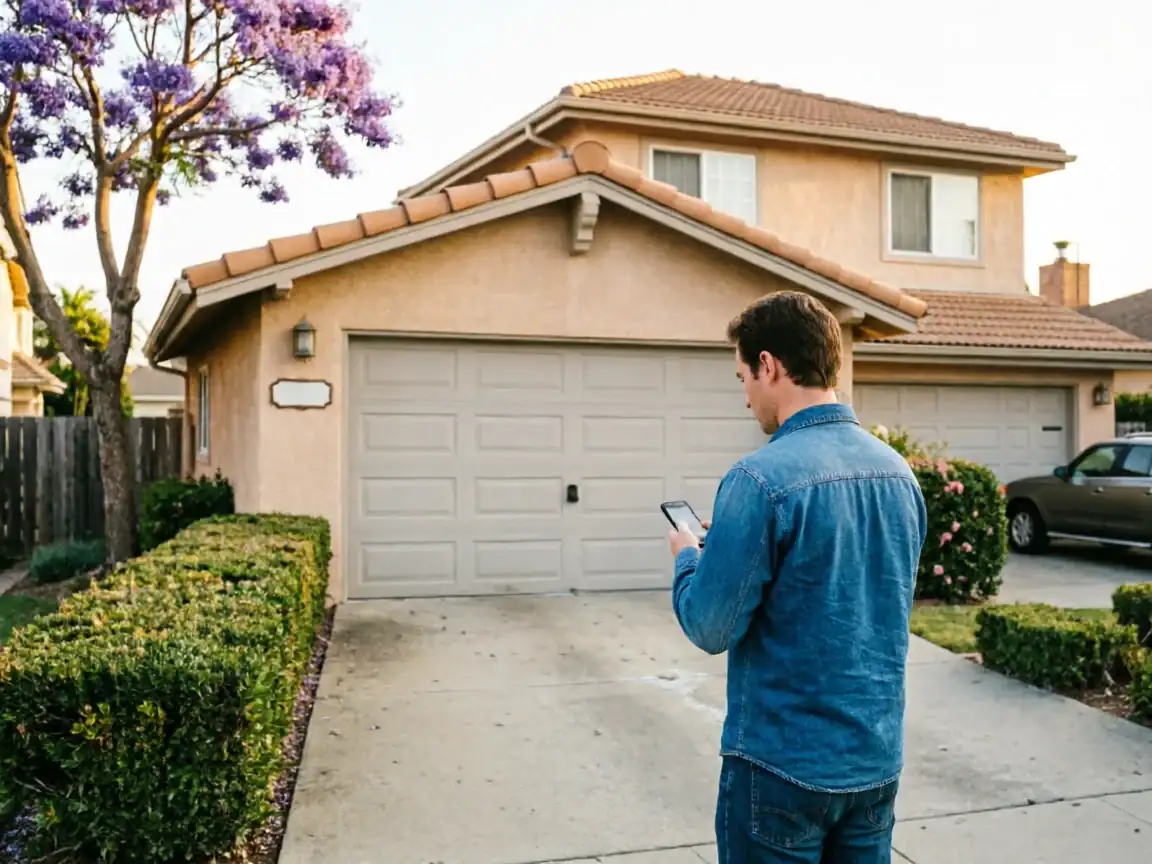
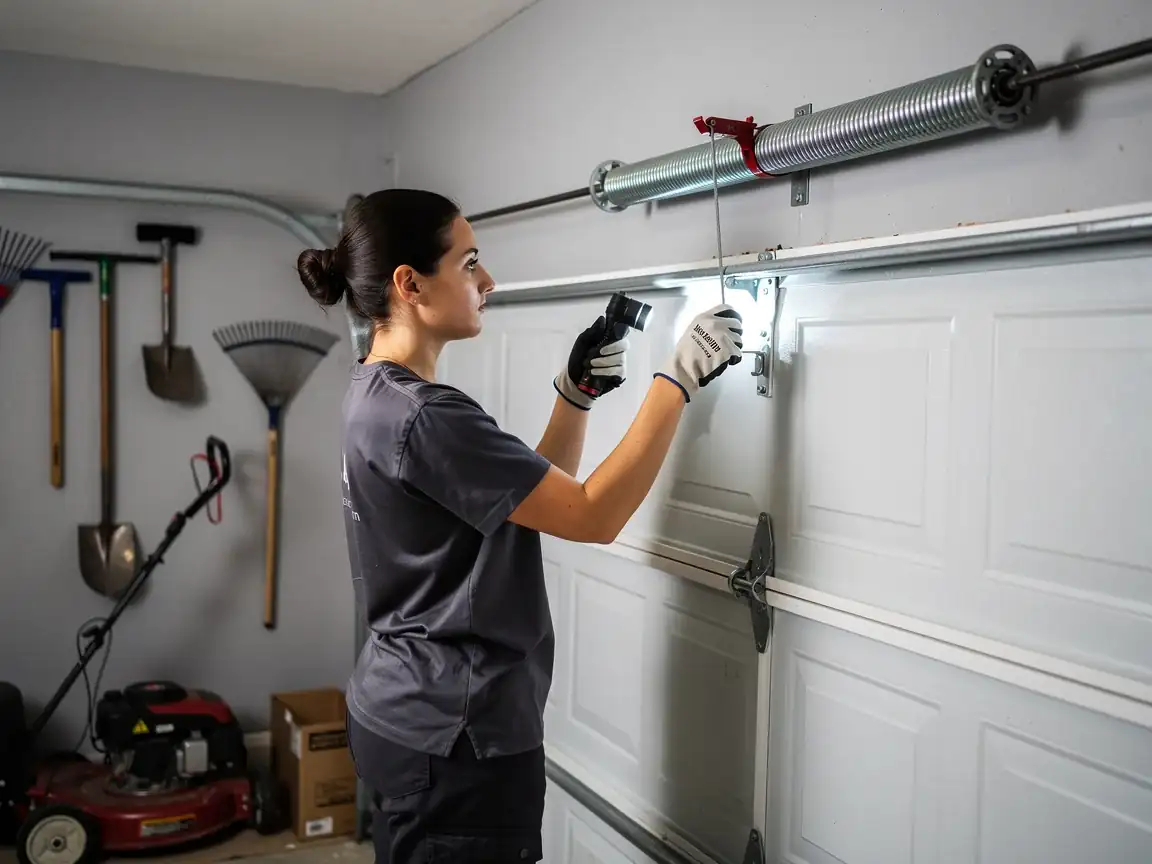
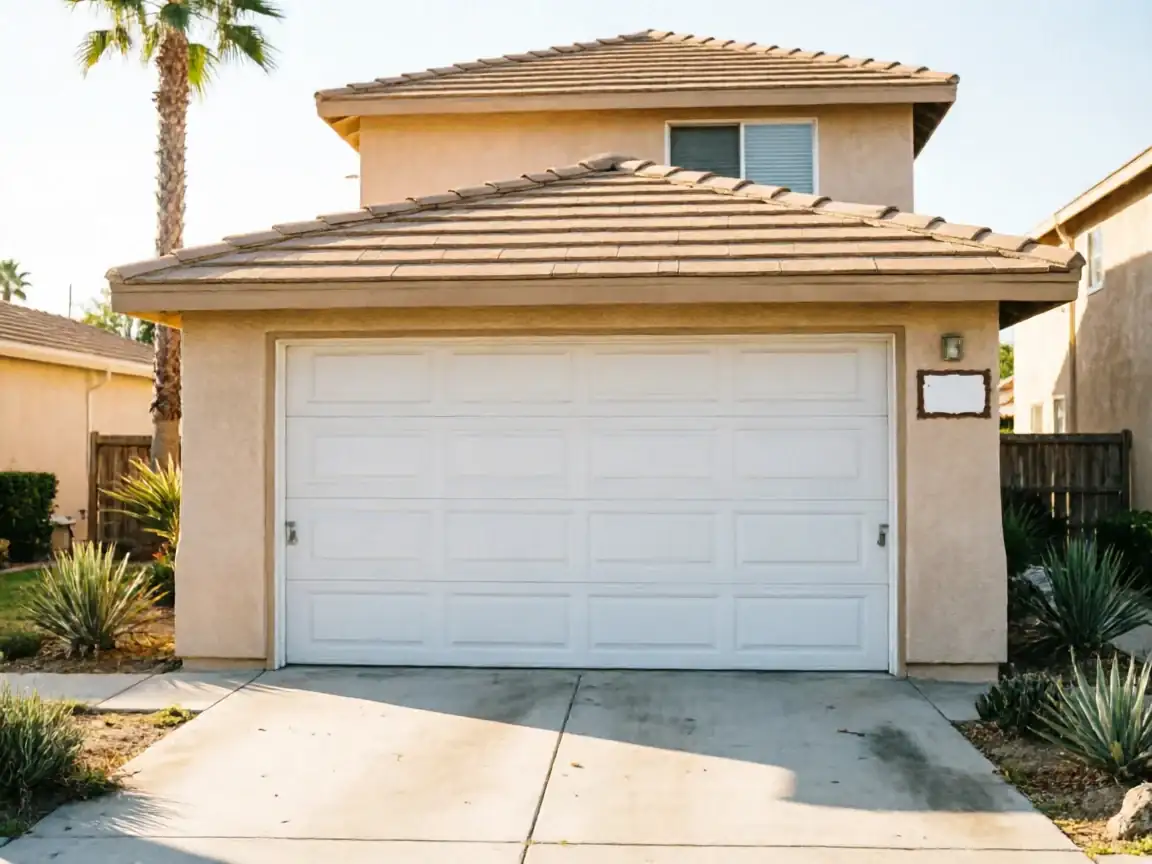
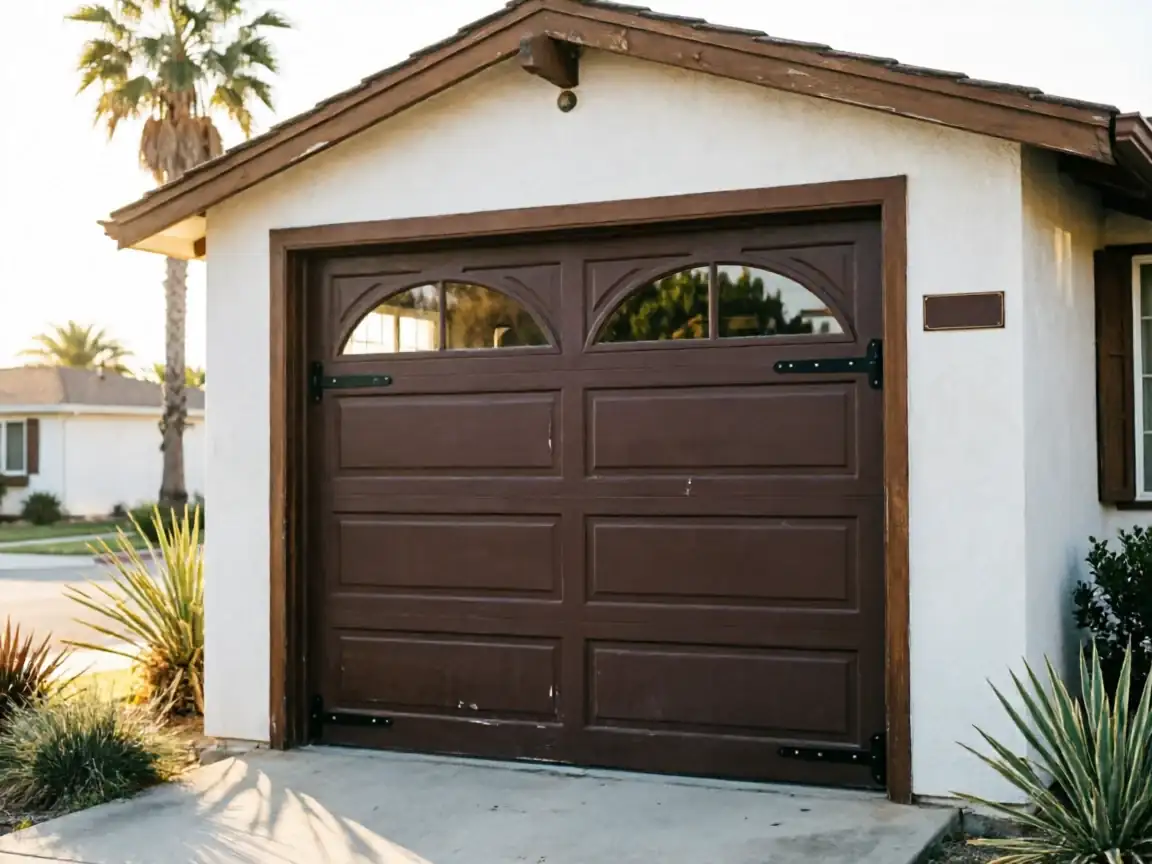
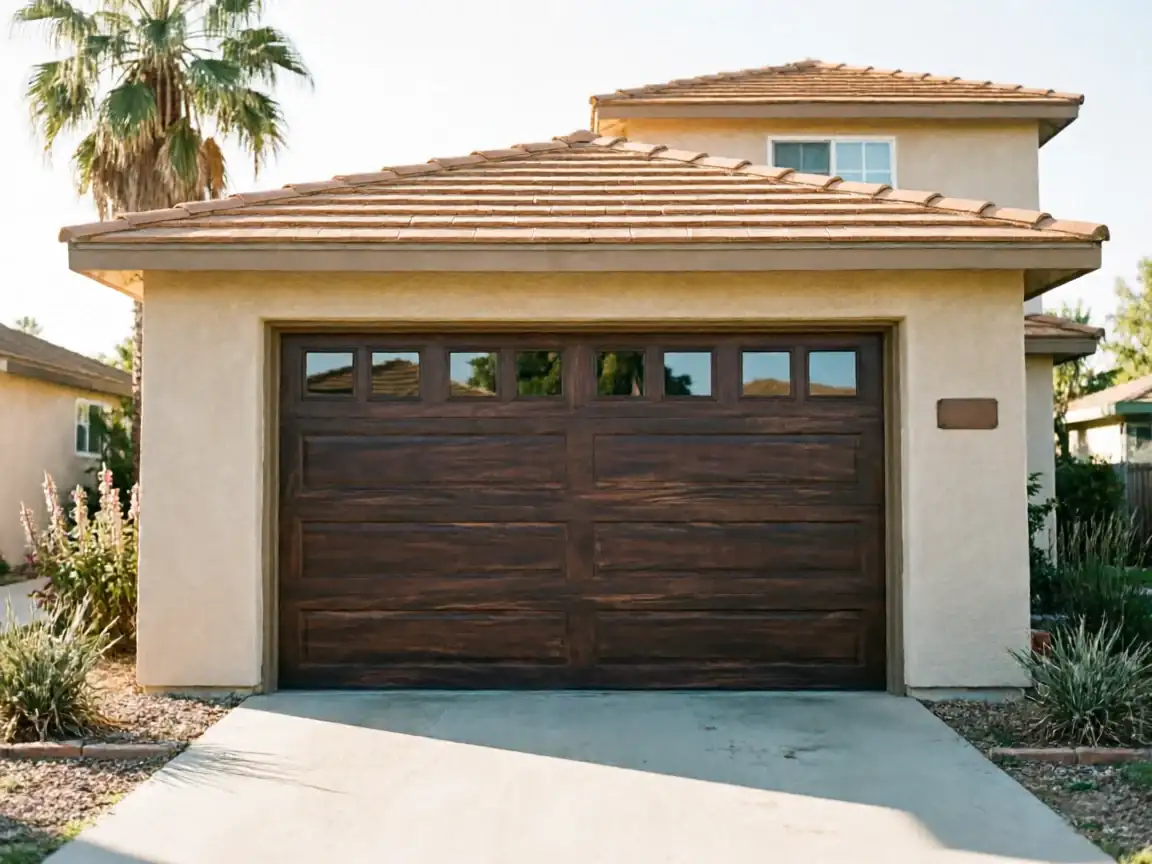
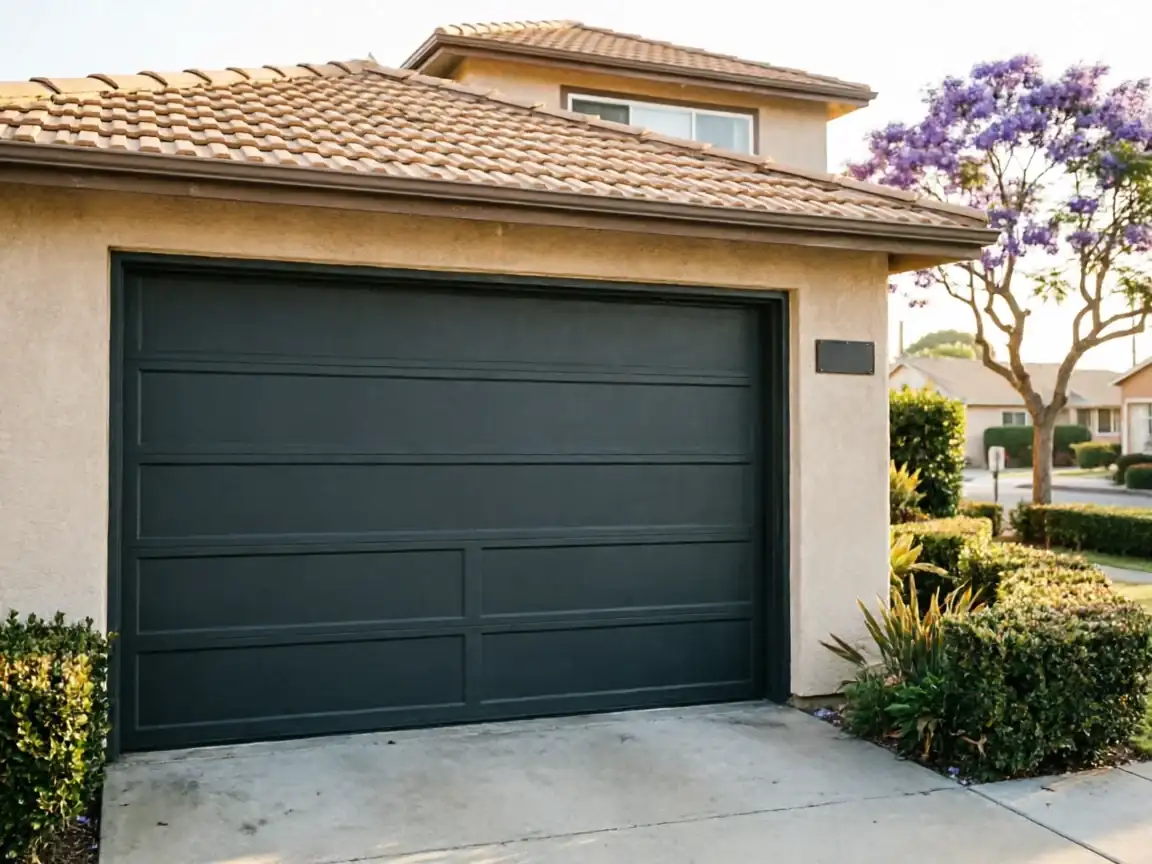
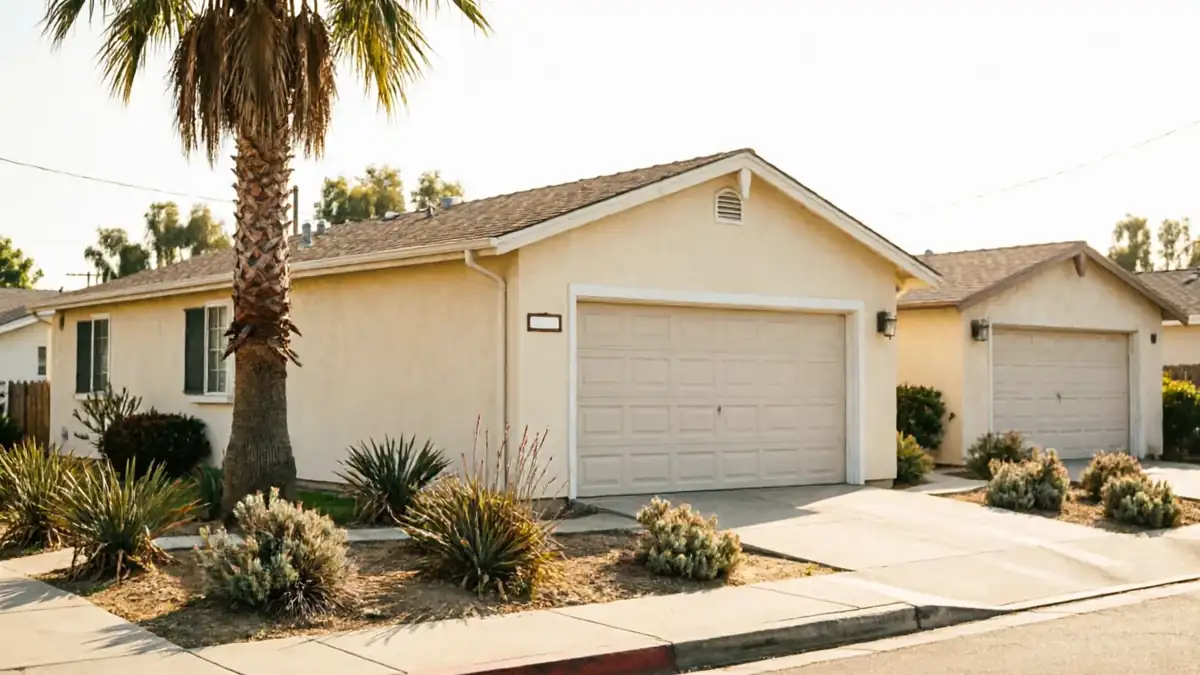
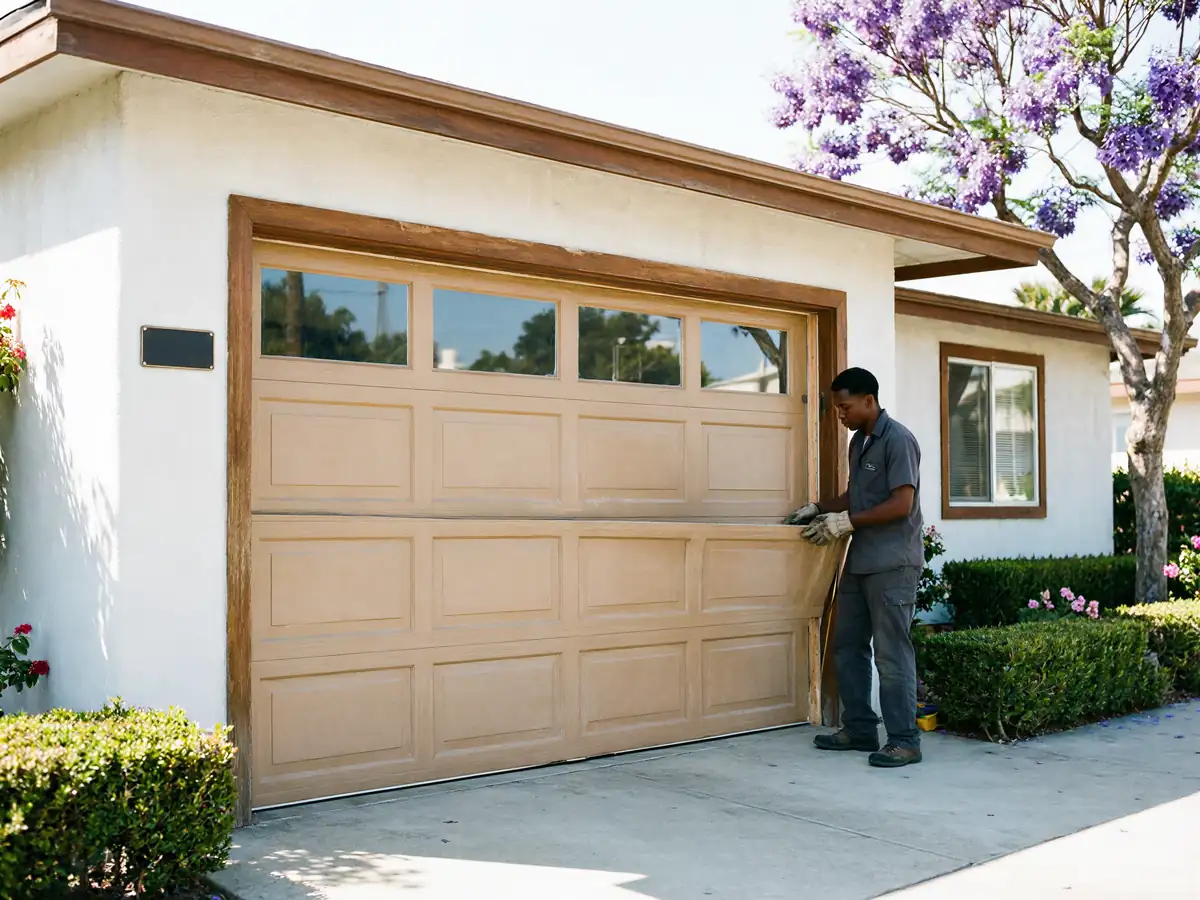
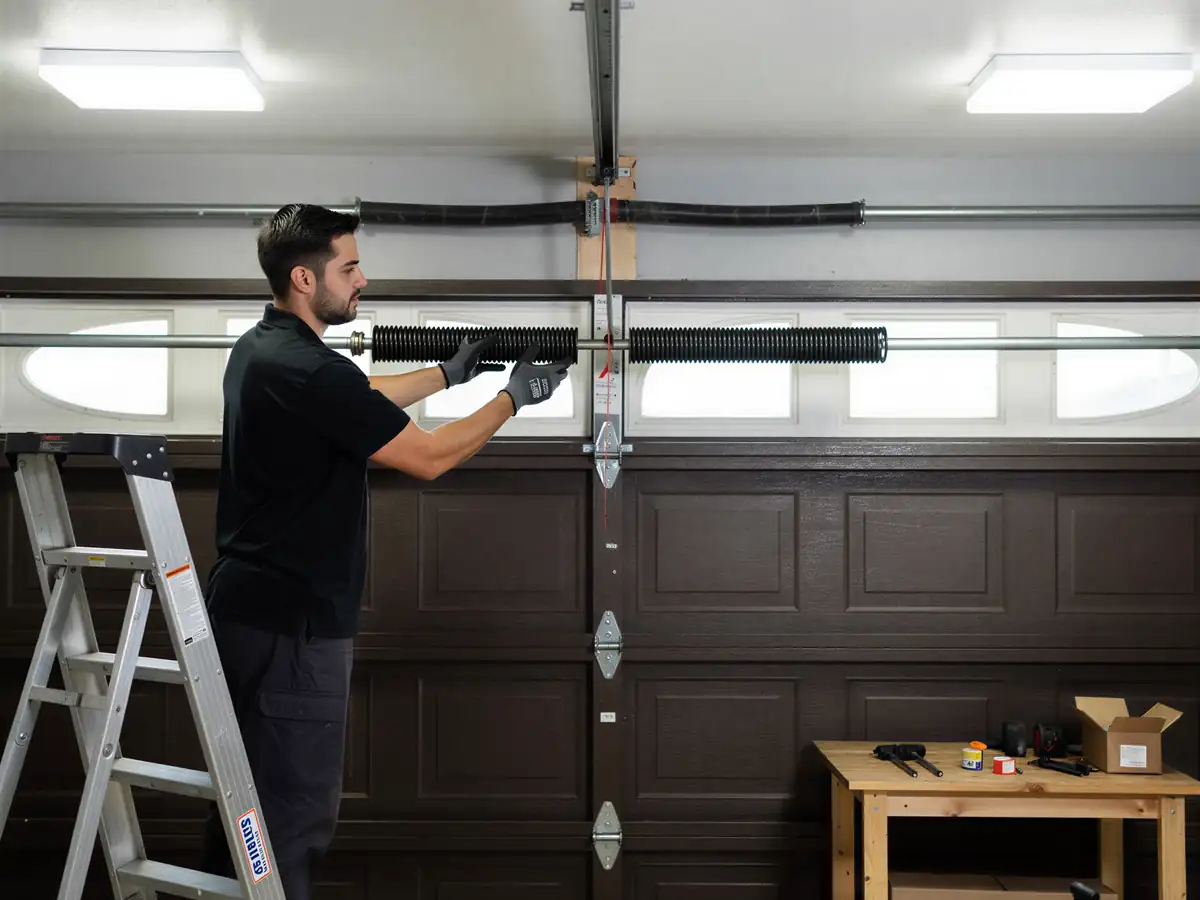
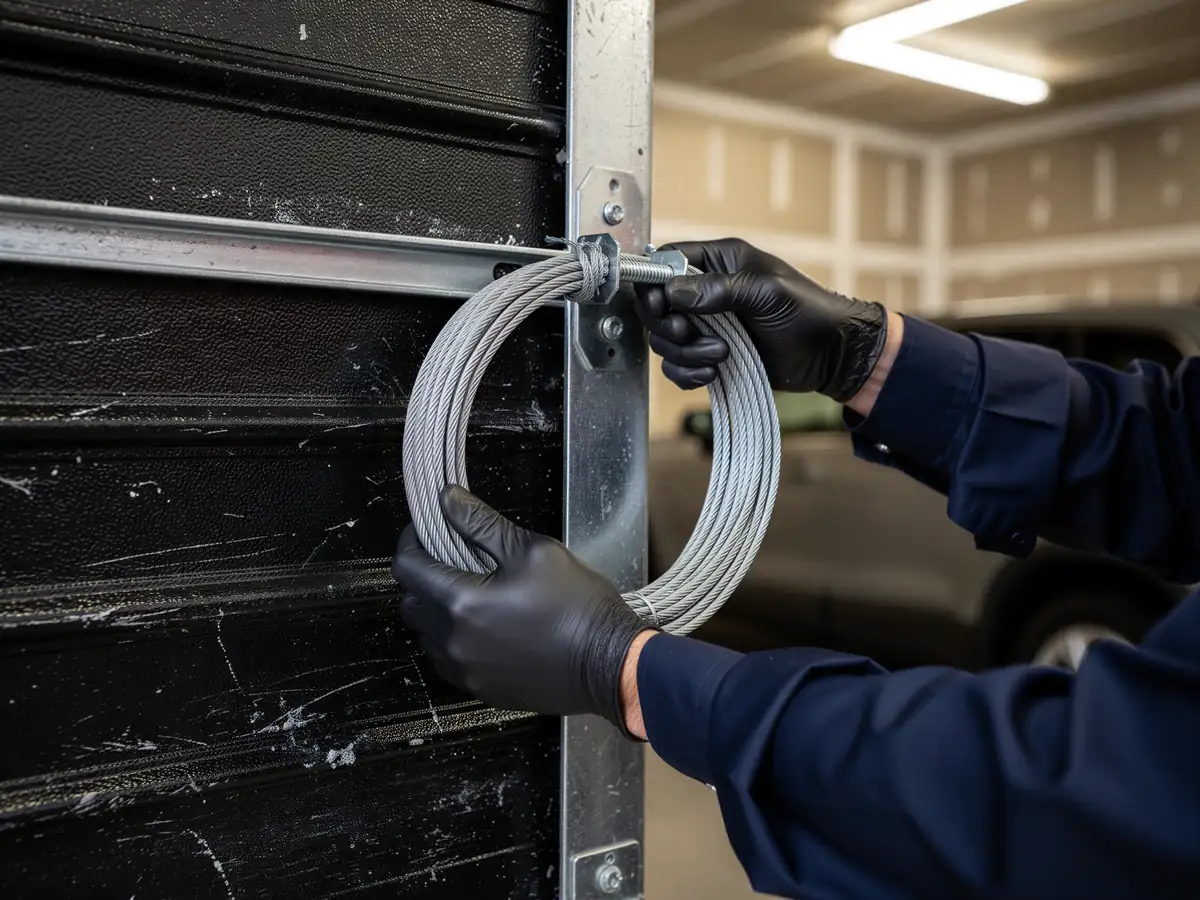
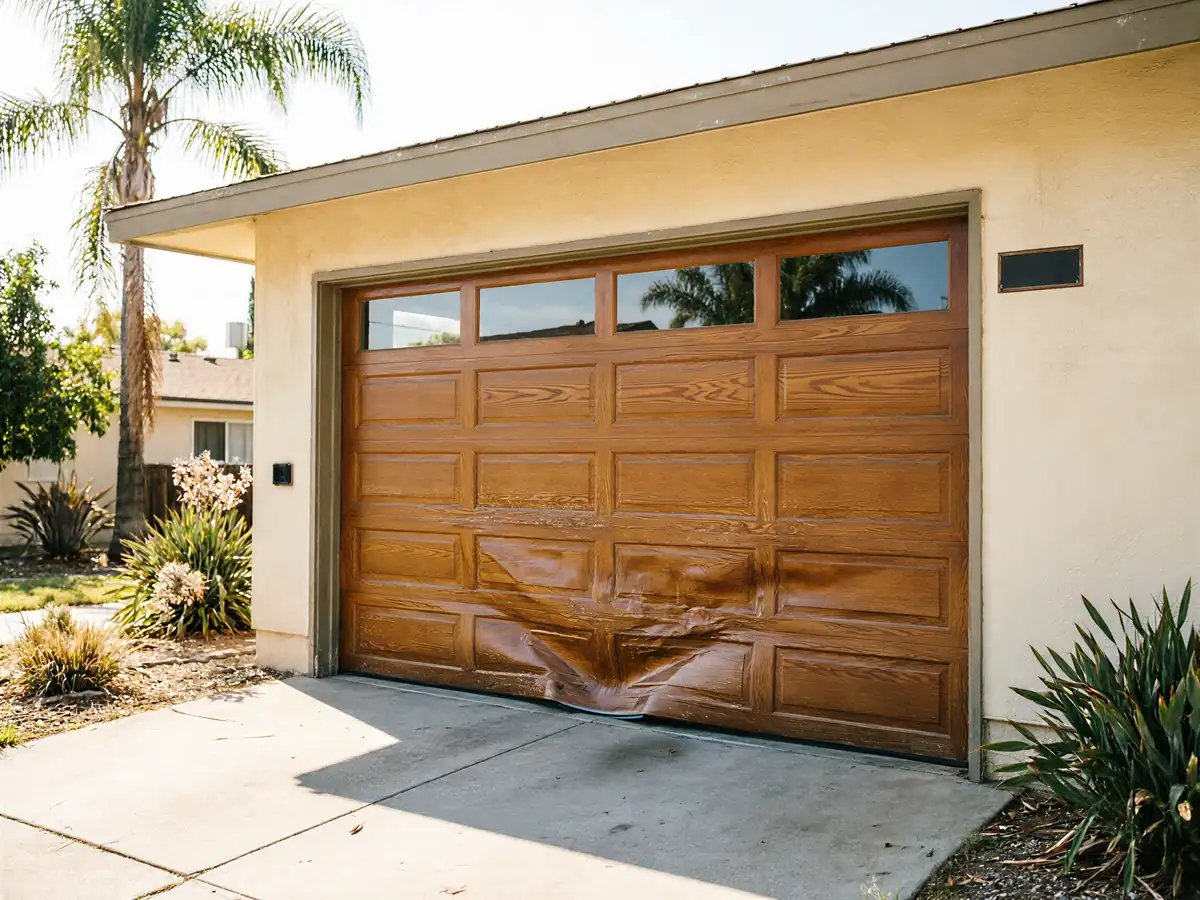
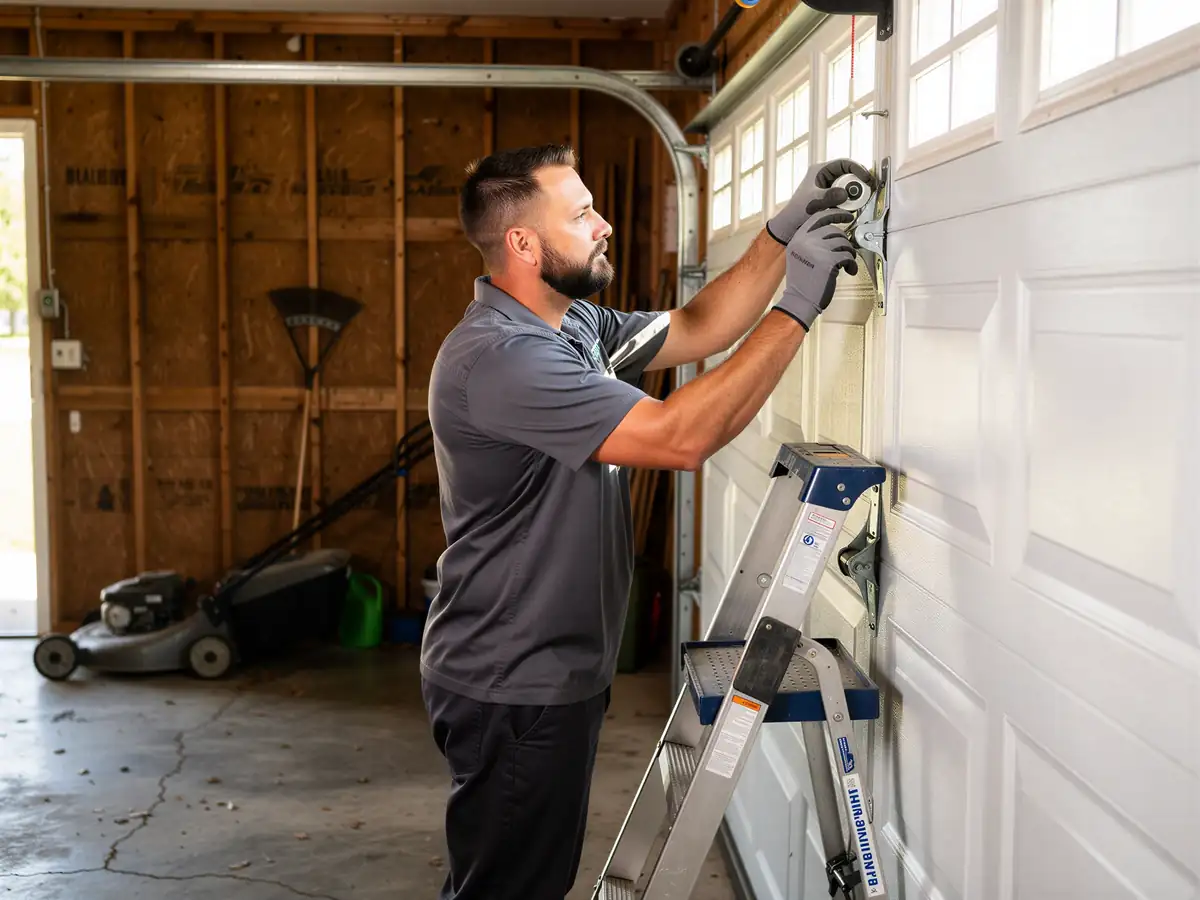
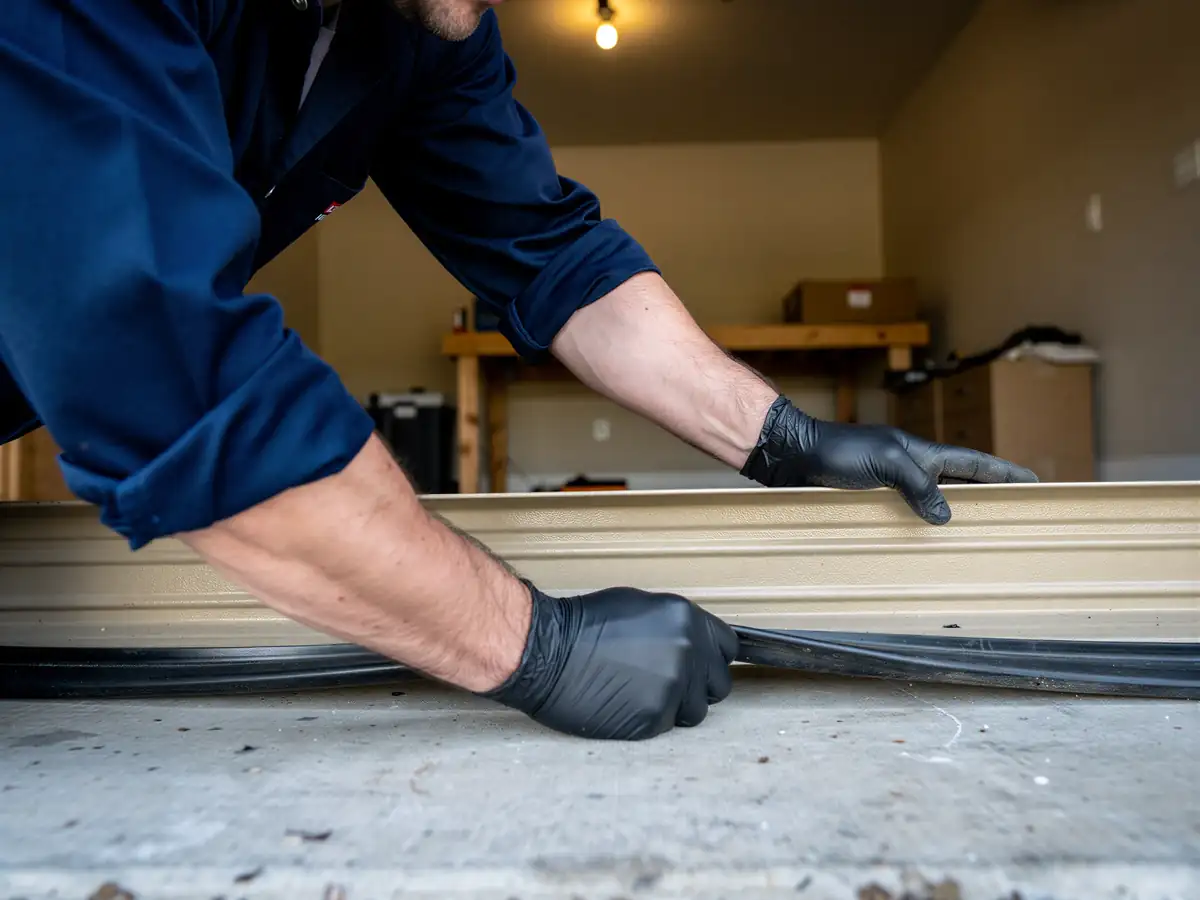
Rancho San Diego's housing is newer than a lot of what we see closer to El Cajon. With a median build year around 1985, most garage doors here are steel sectional units from the 80s building boom, not the older one-piece slab doors you find in the 1960s pockets of the wider service area. That means the common calls are different too. We see a lot of worn extension springs that were never swapped out for torsion conversions, nylon rollers that have gone brittle after close to four decades of sun, and chain-drive openers from that era with tired capacitors or logic boards that no longer hold a signal reliably. Cable fraying on the original drums shows up often, especially on doors that have never been serviced. We don't see much rust or weather damage here - the mild coastal-influenced climate across this part of the county is easy on steel panels and galvanized hardware compared to regions with real humidity swings or hard freezes. The failures we find tend to be mechanical fatigue, not corrosion. One honest note: if a door's opener is original to an 80s build and the logic board has failed, we'll often tell you replacement beats chasing down a part for a unit that old.
The Drive Over
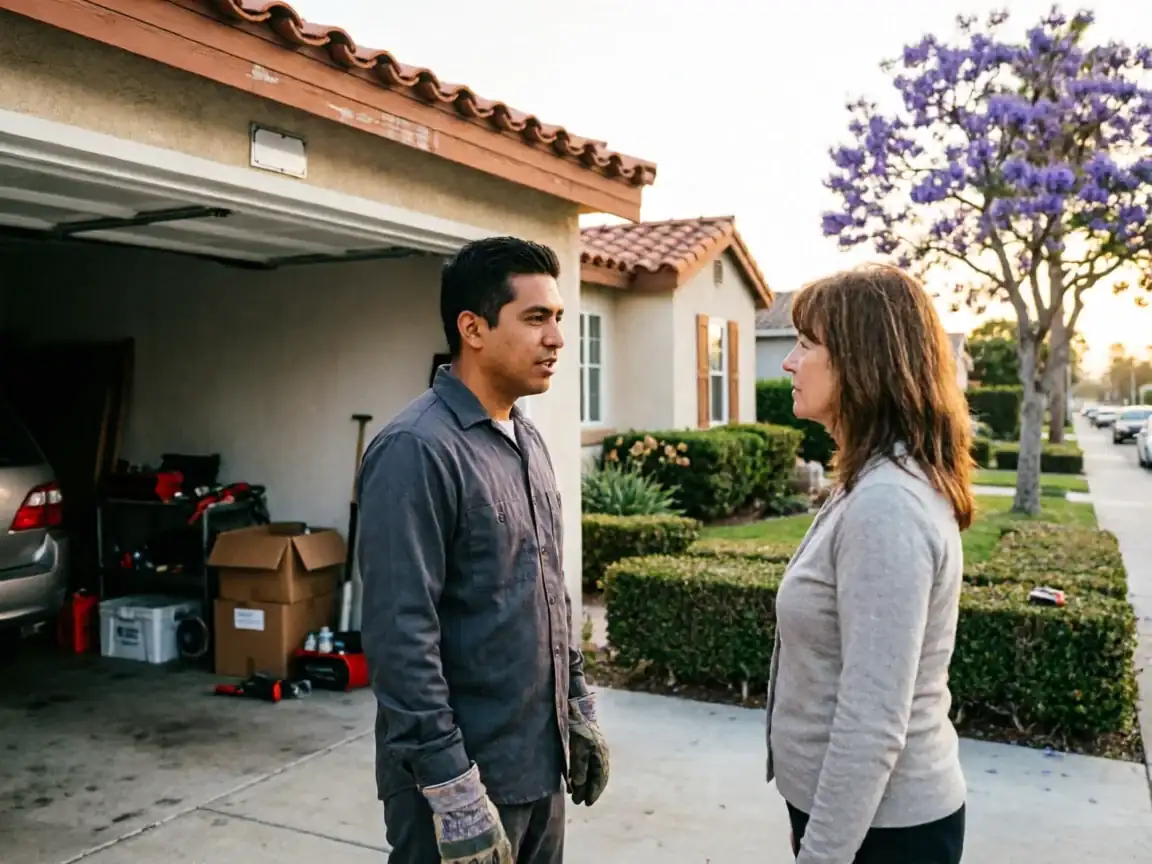
We run out of El Cajon, about 4 miles from Rancho San Diego. It's a short haul, not a long cross-county trip, so we're not juggling a full day's schedule to get a truck to your street. We don't keep a depot or a drop-in counter in Rancho San Diego itself - every job here is dispatched from the El Cajon shop. That's worth knowing if you're picturing a local storefront; there isn't one, but the distance is short enough that it doesn't change how we handle the call.
How That Shows Up in the Door
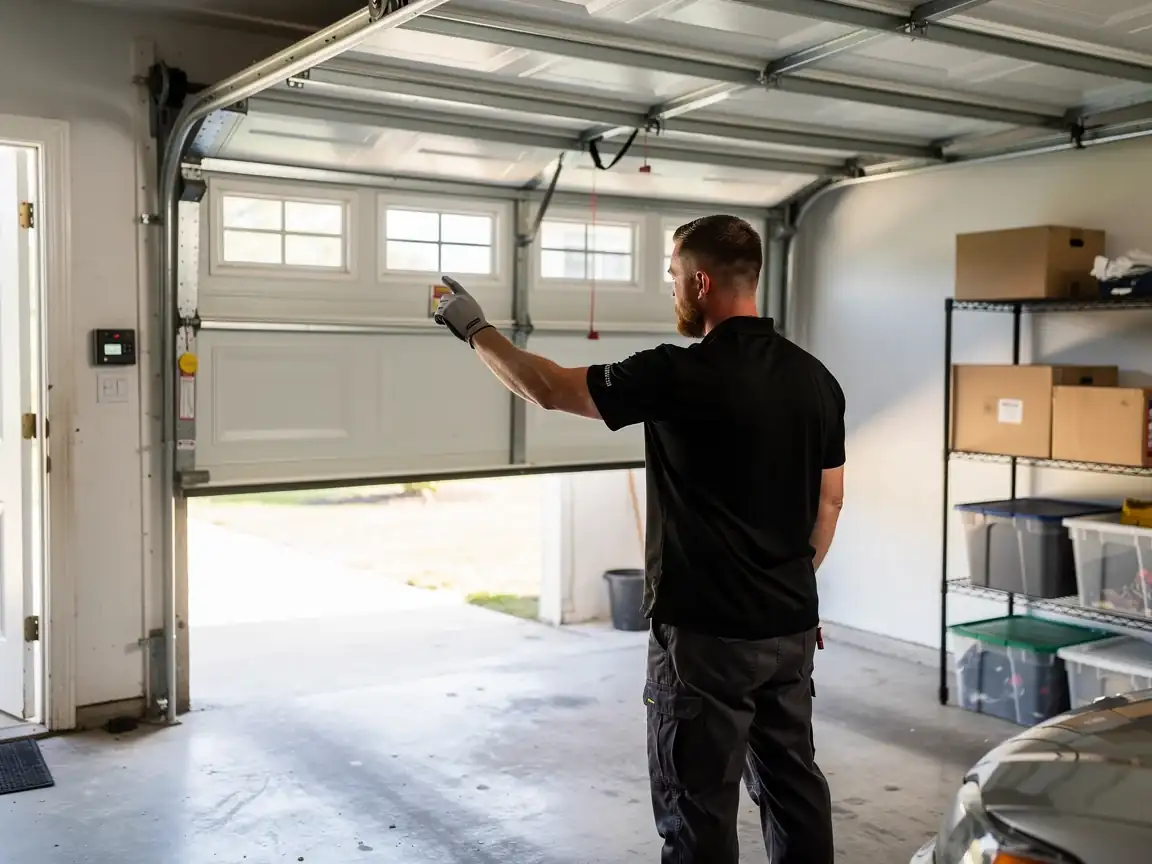
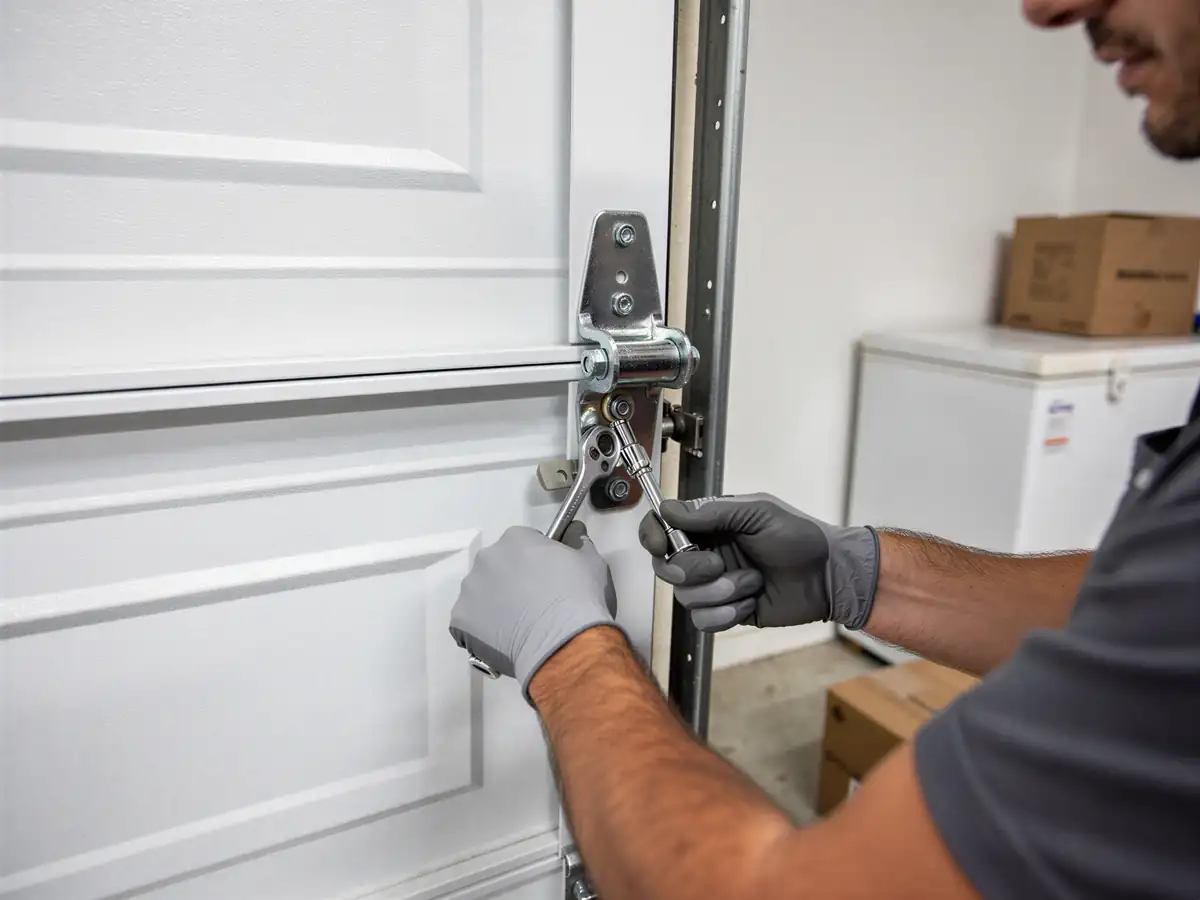
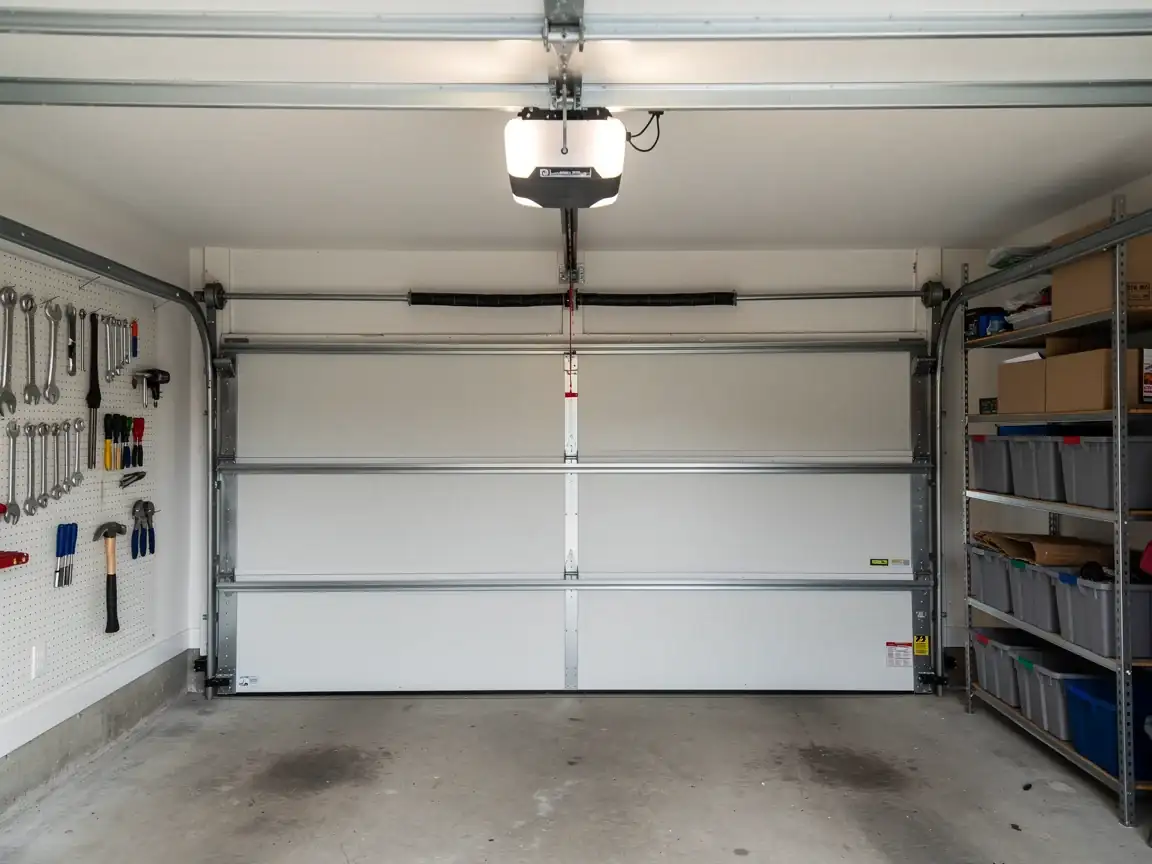
Because most Rancho San Diego garage doors came in during the 1985-era wave, the hardware you'll find behind the panel is fairly consistent from house to house, which makes diagnosis faster than in a mixed-era neighborhood. Extension springs mounted above horizontal track are common rather than torsion bars, and a lot of these original systems were never upgraded when the opener was replaced down the line. If your door is sagging on one side or the opener strains and reverses before it closes, that's often a spring or cable issue tied to original equipment, not a new problem. The mild temperate climate here means panels themselves hold up well - we rarely pull a Rancho San Diego door for rust-through or warping. What wears out first is almost always moving hardware: rollers, cables, spring coils, and aging opener electronics. If your house falls outside that 1985 window, the same logic applies in reverse - older or newer builds nearby will show different wear patterns, which is part of why we ask the build year before quoting a repair.