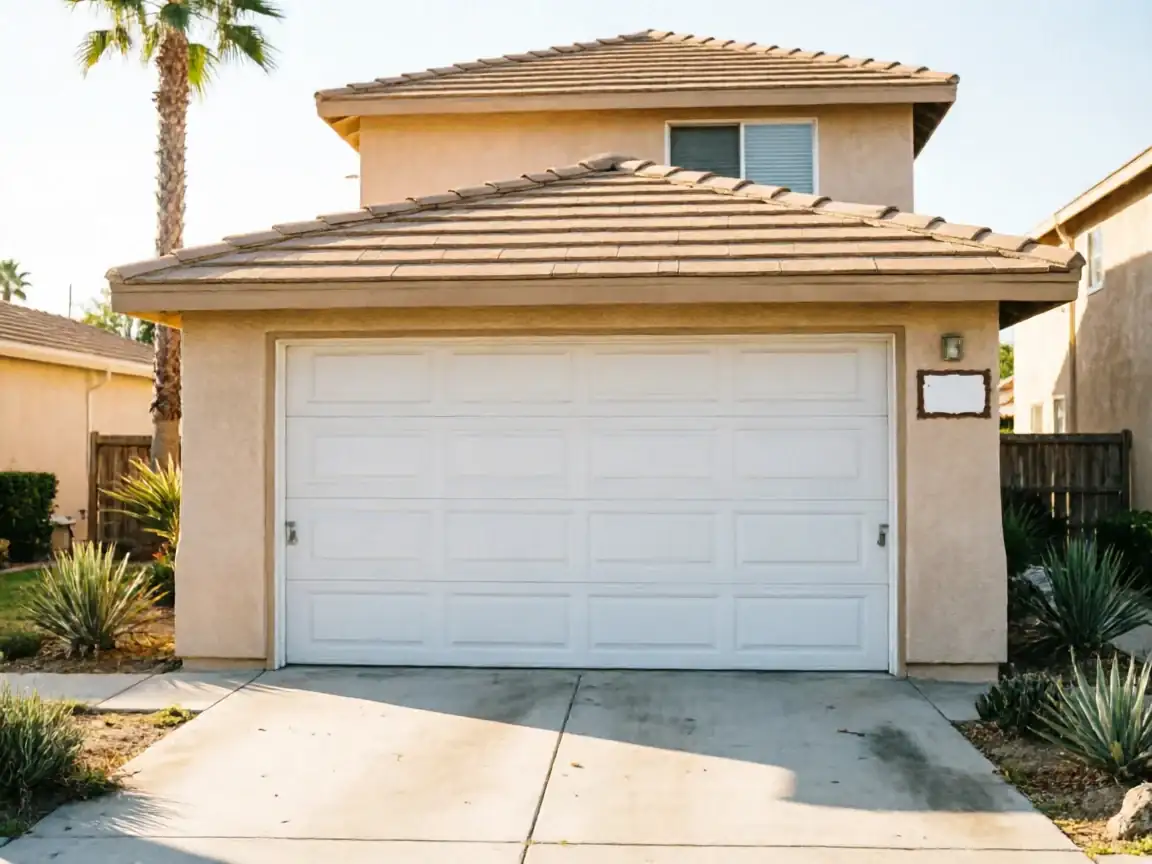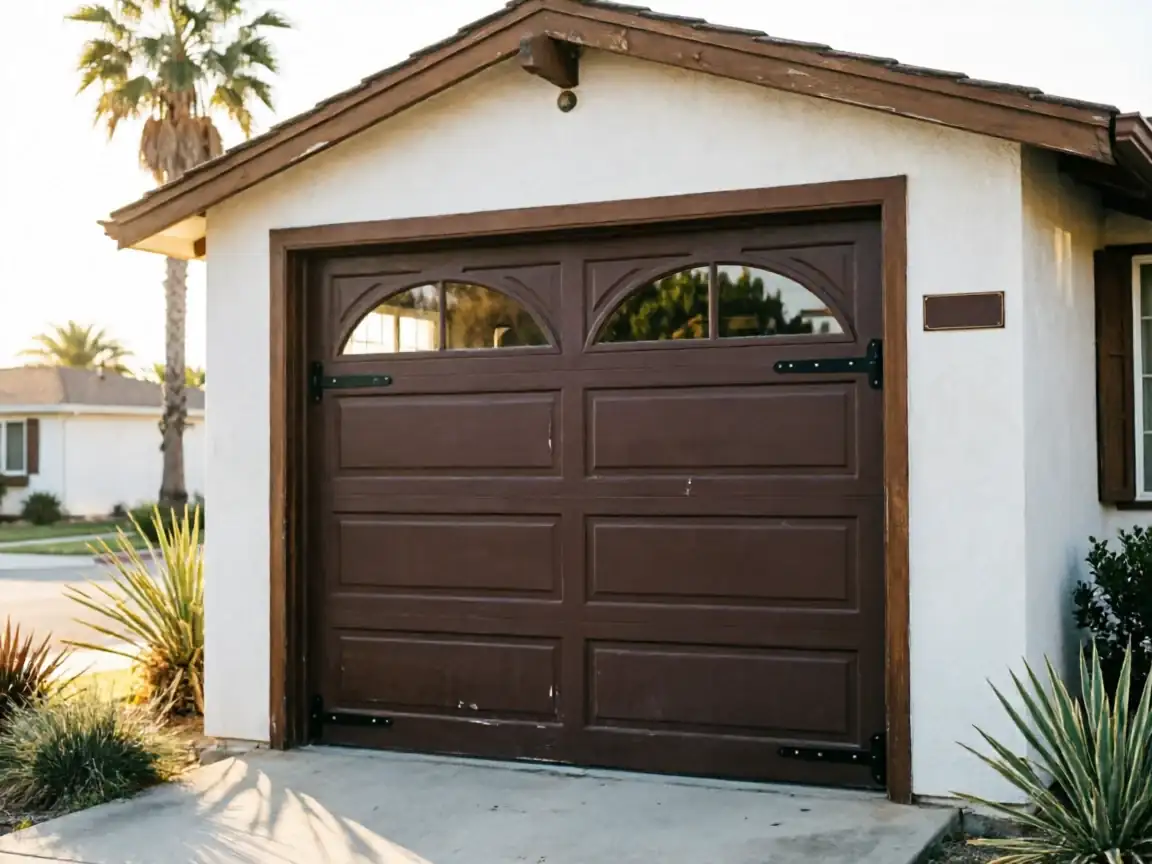
The Symptom
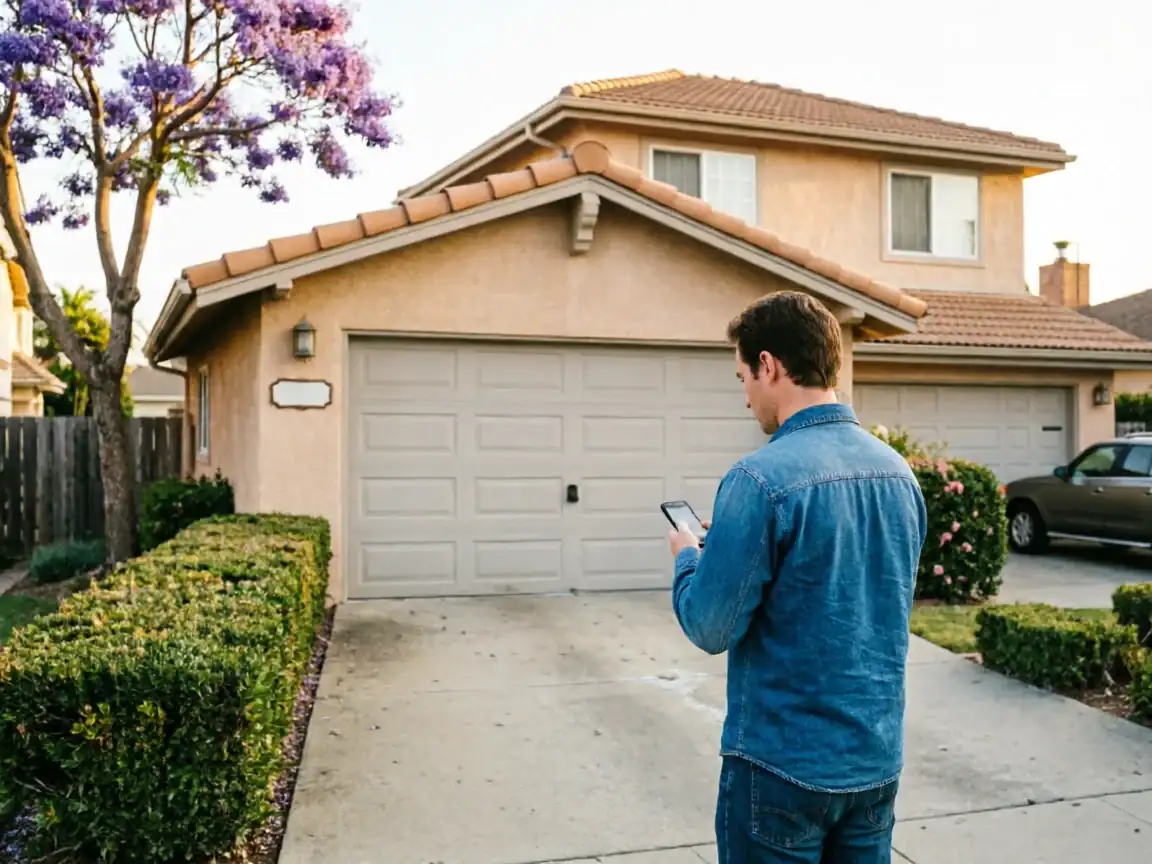
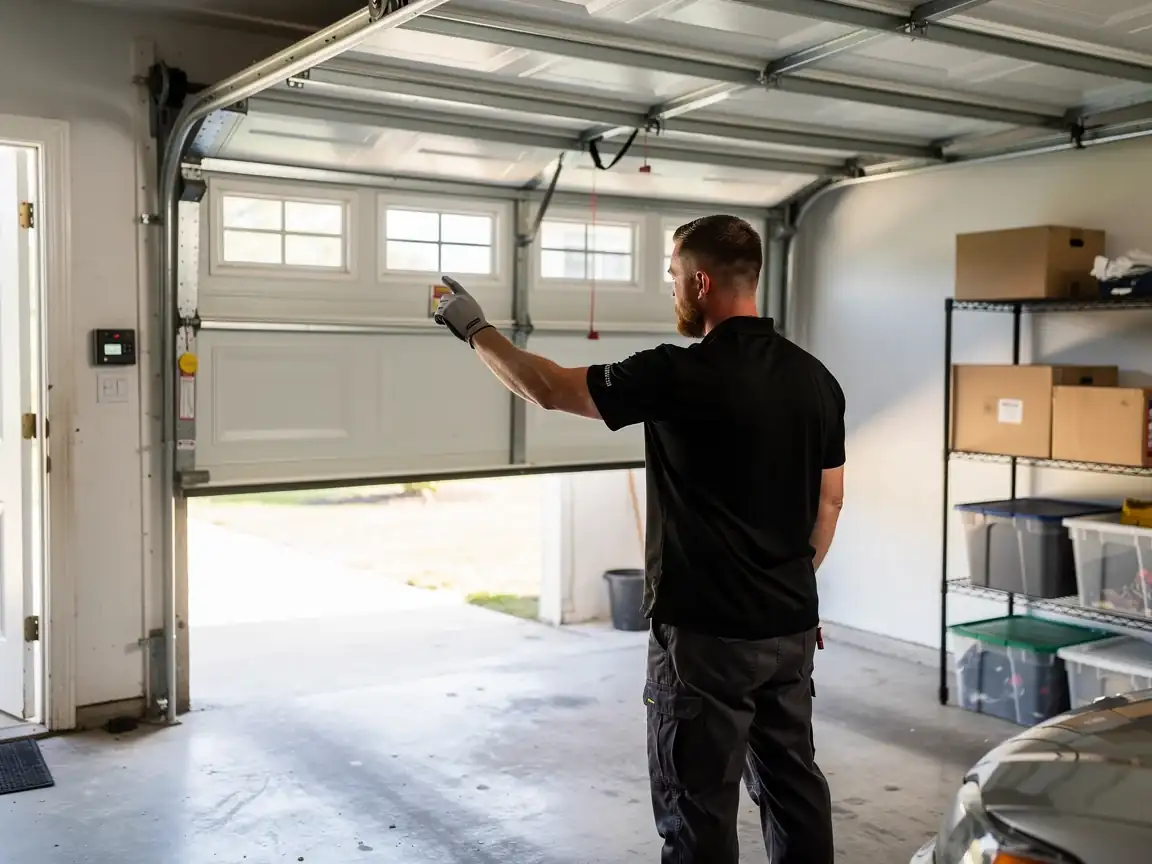
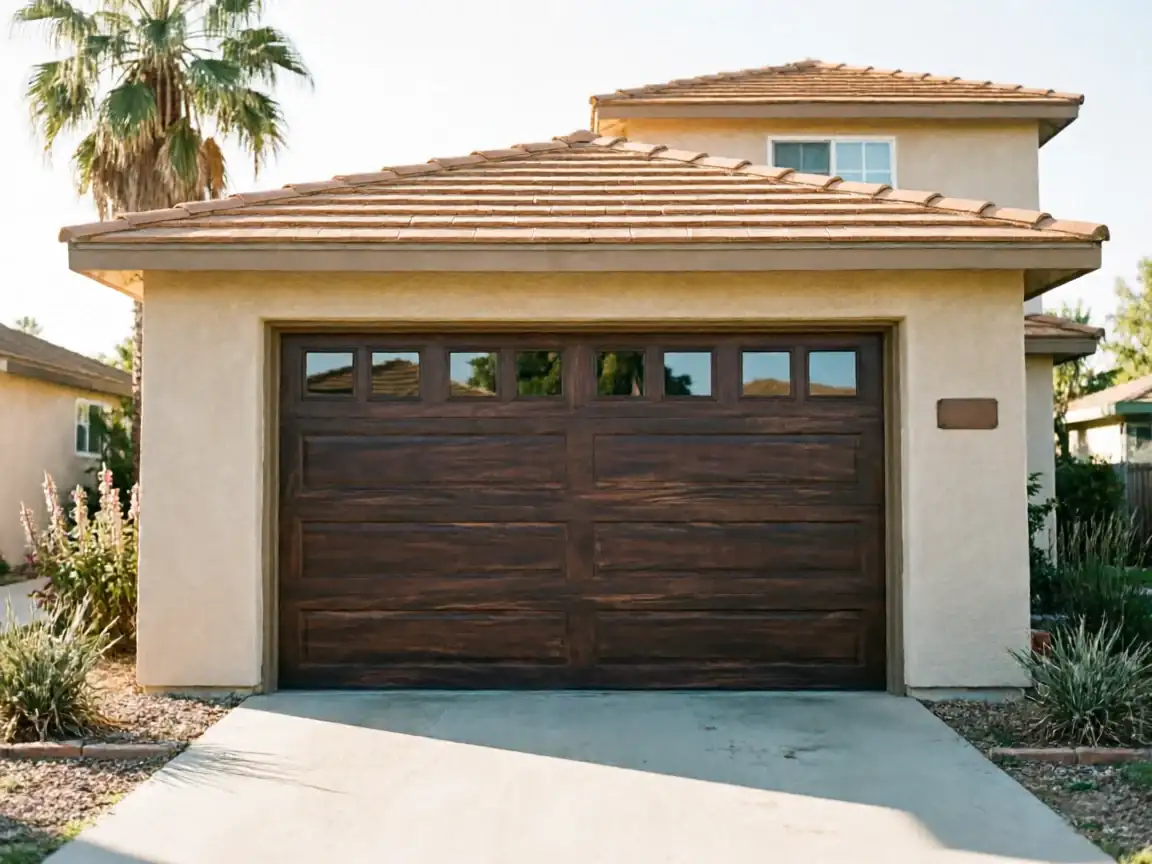
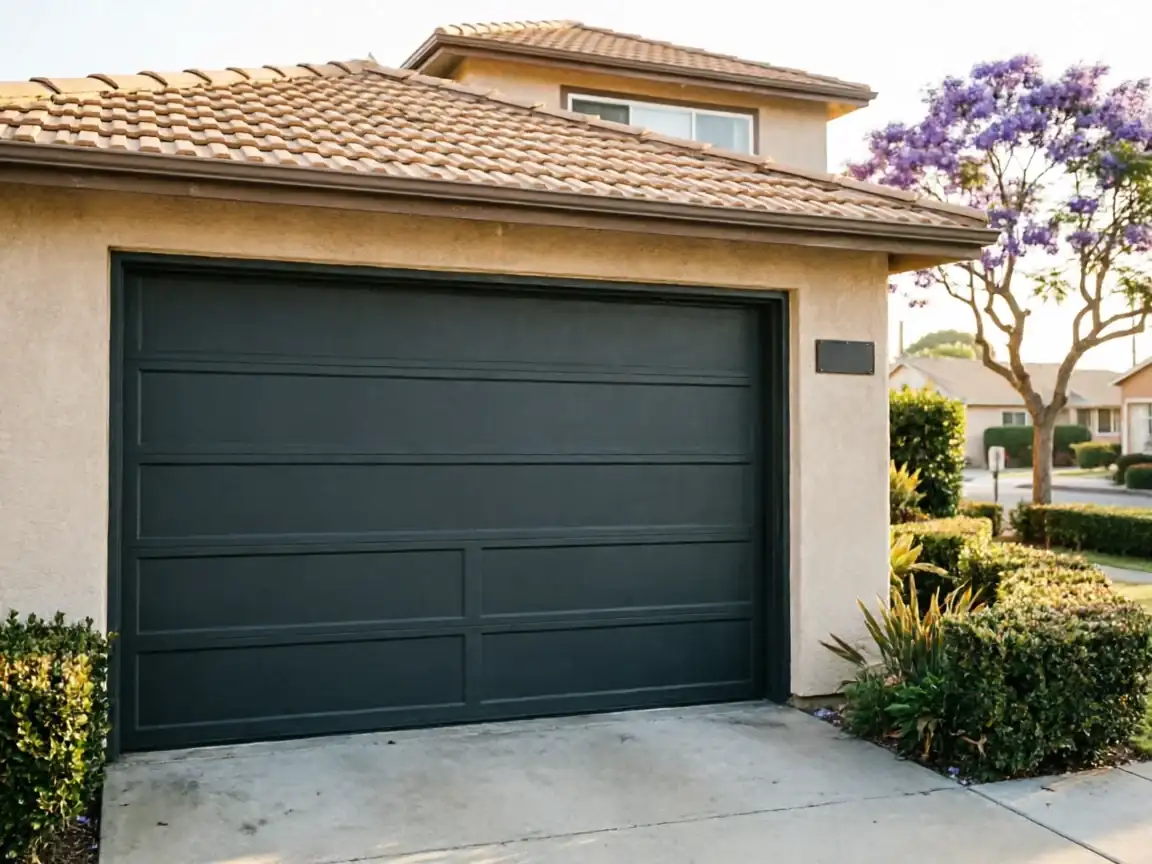
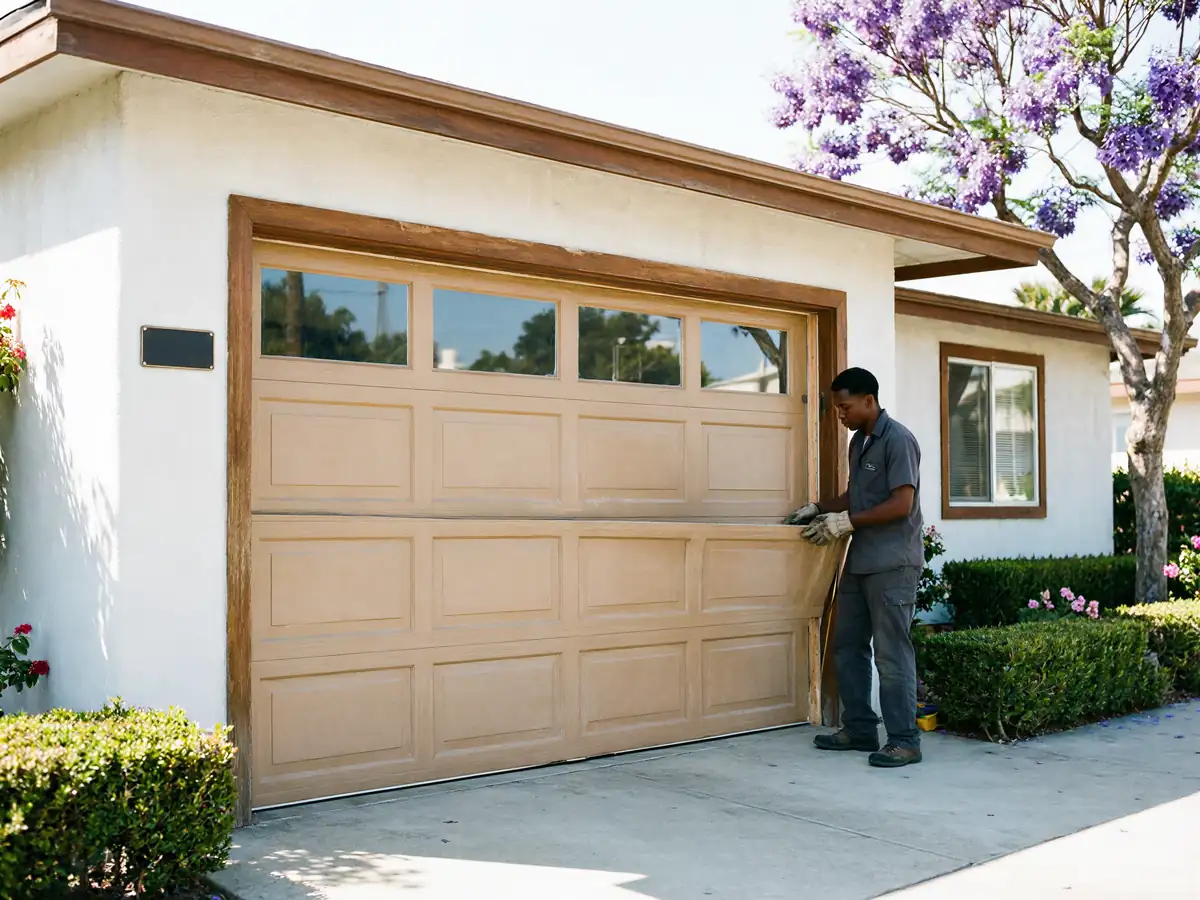
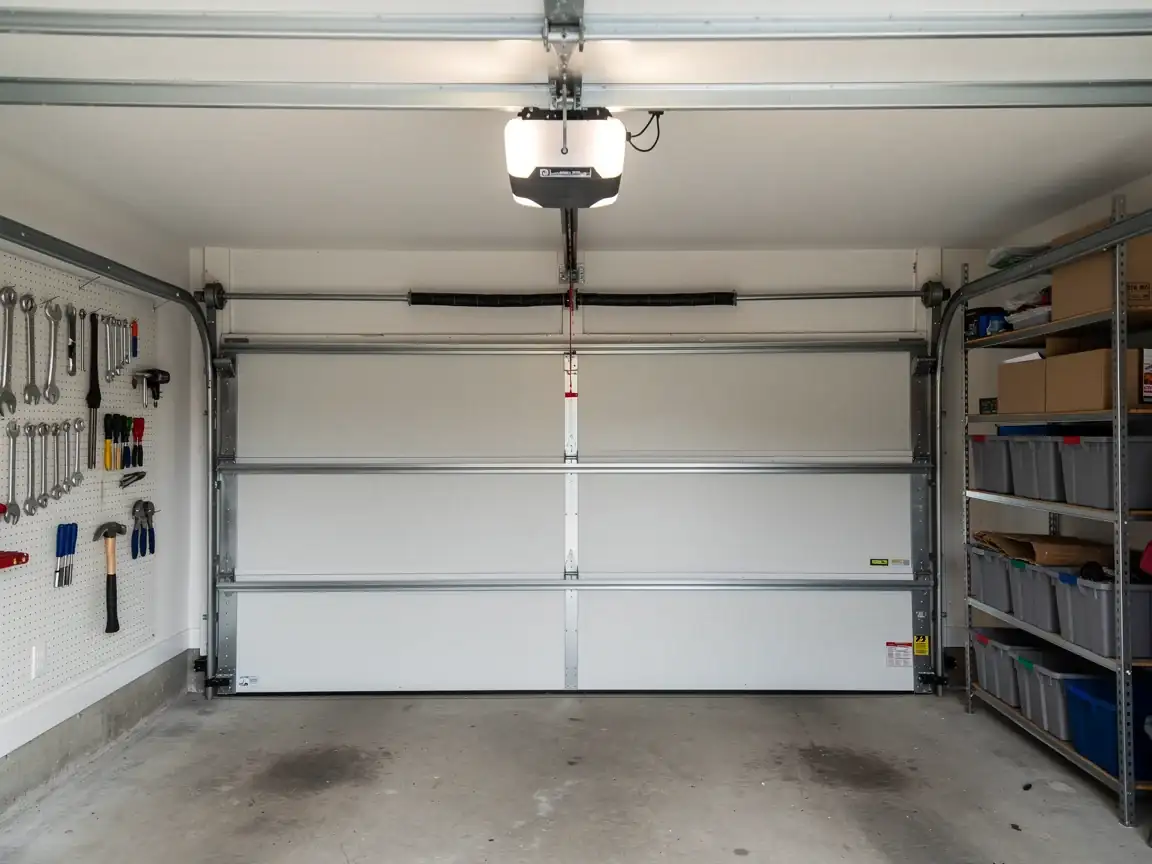
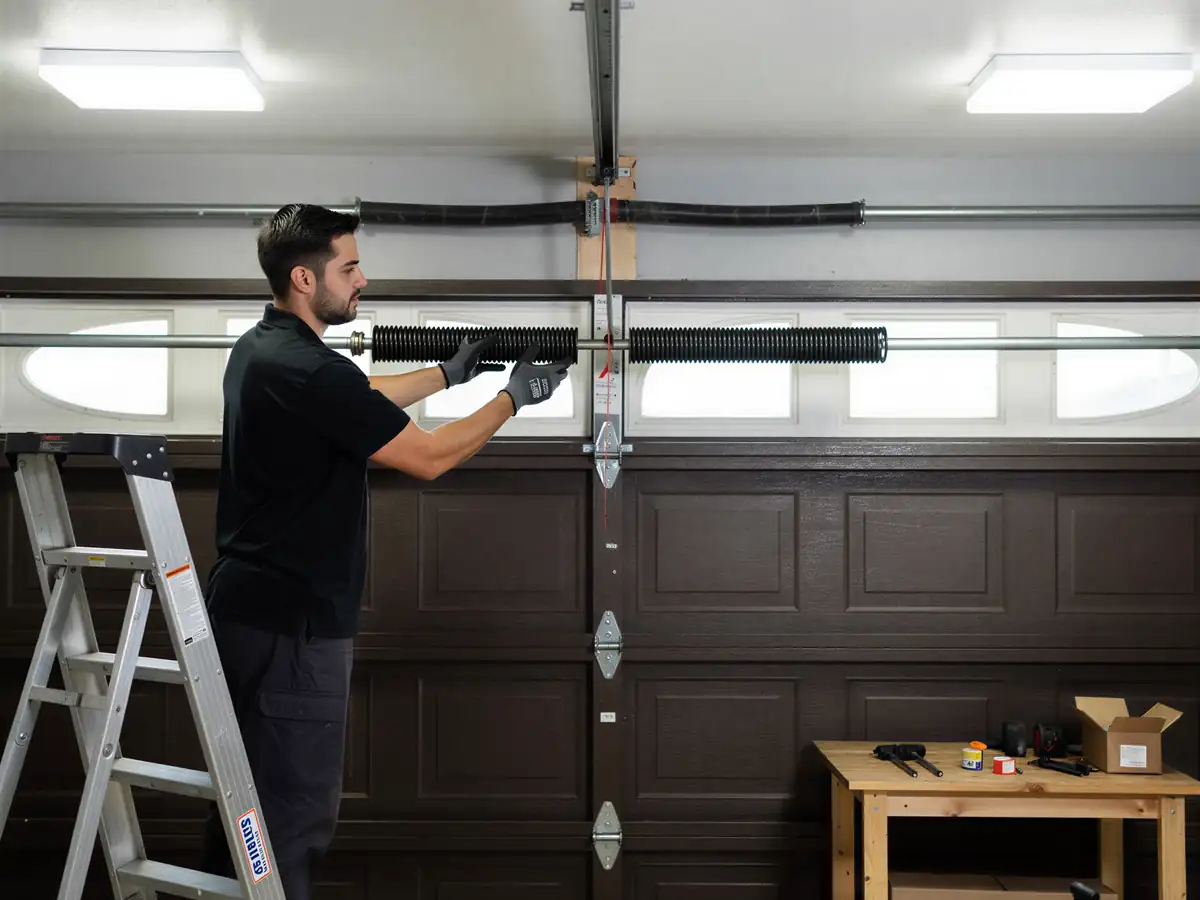
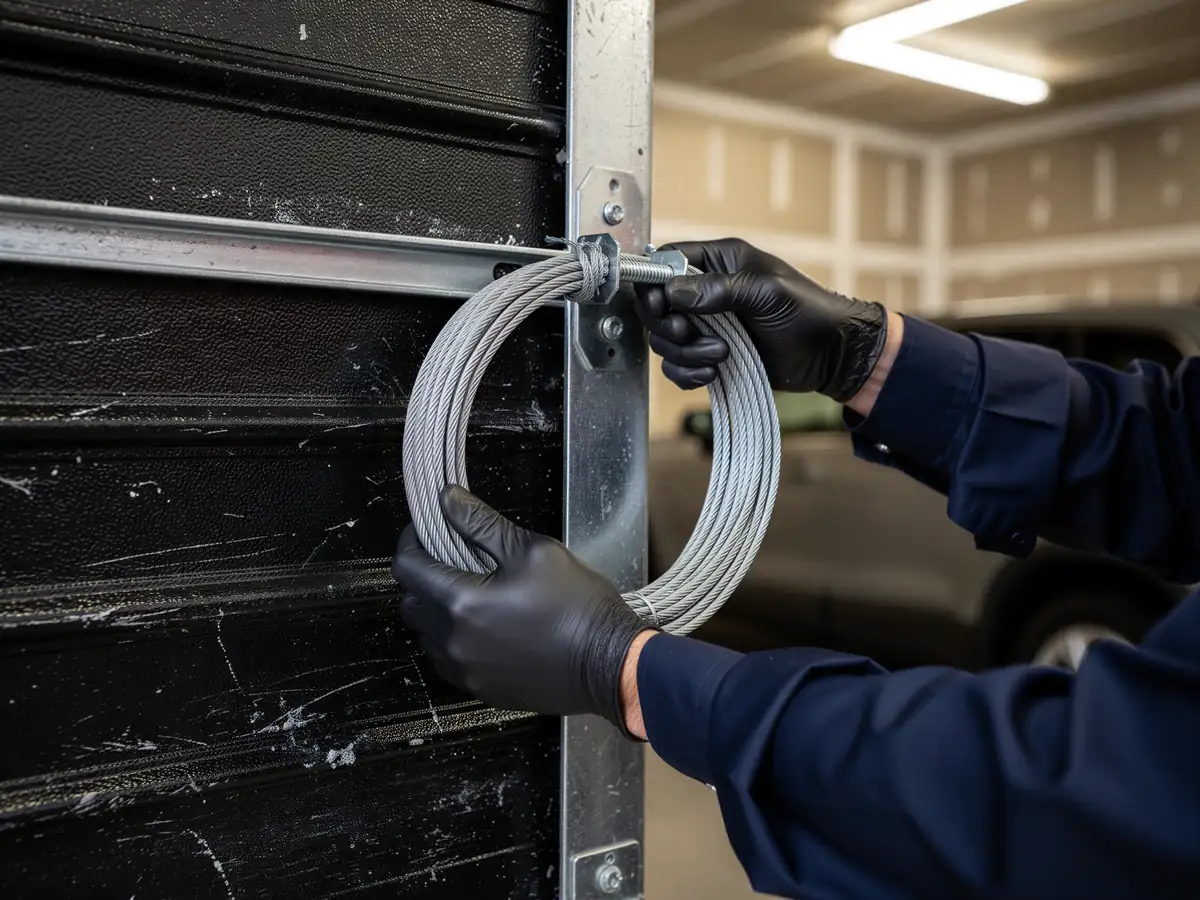
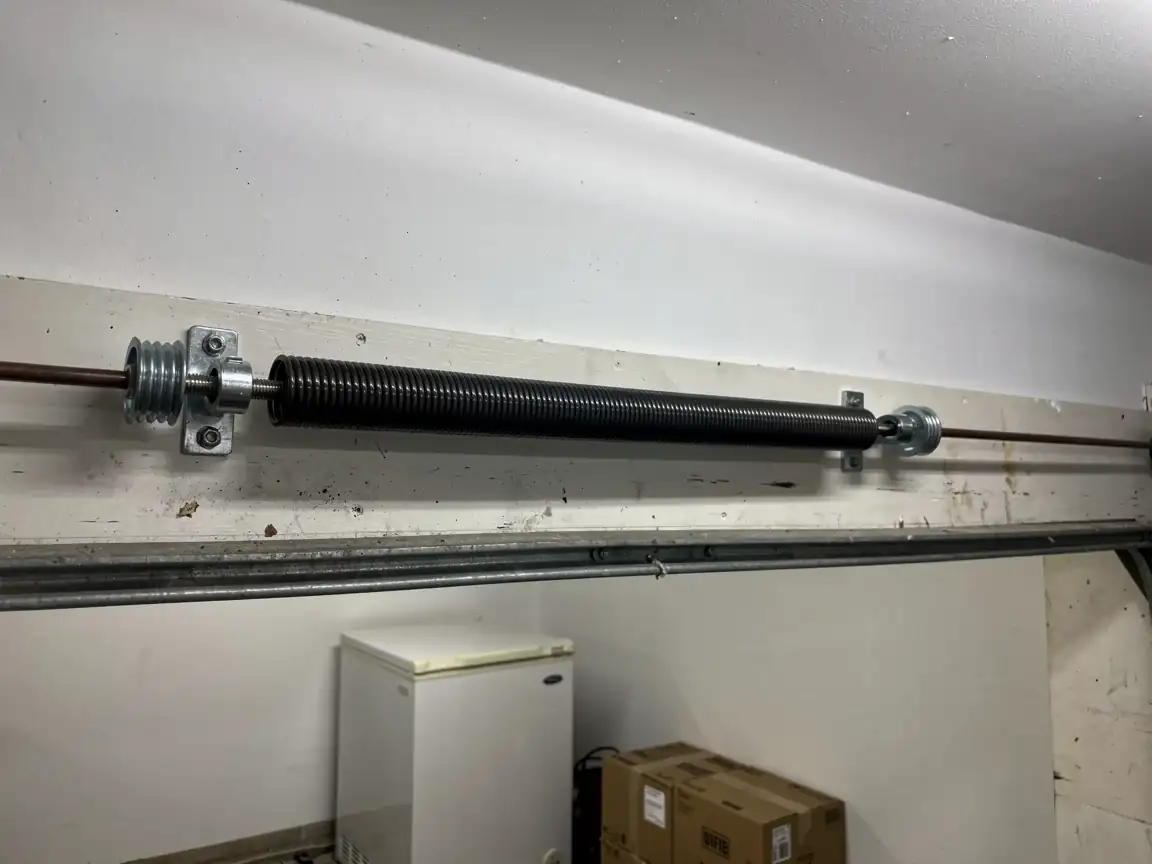
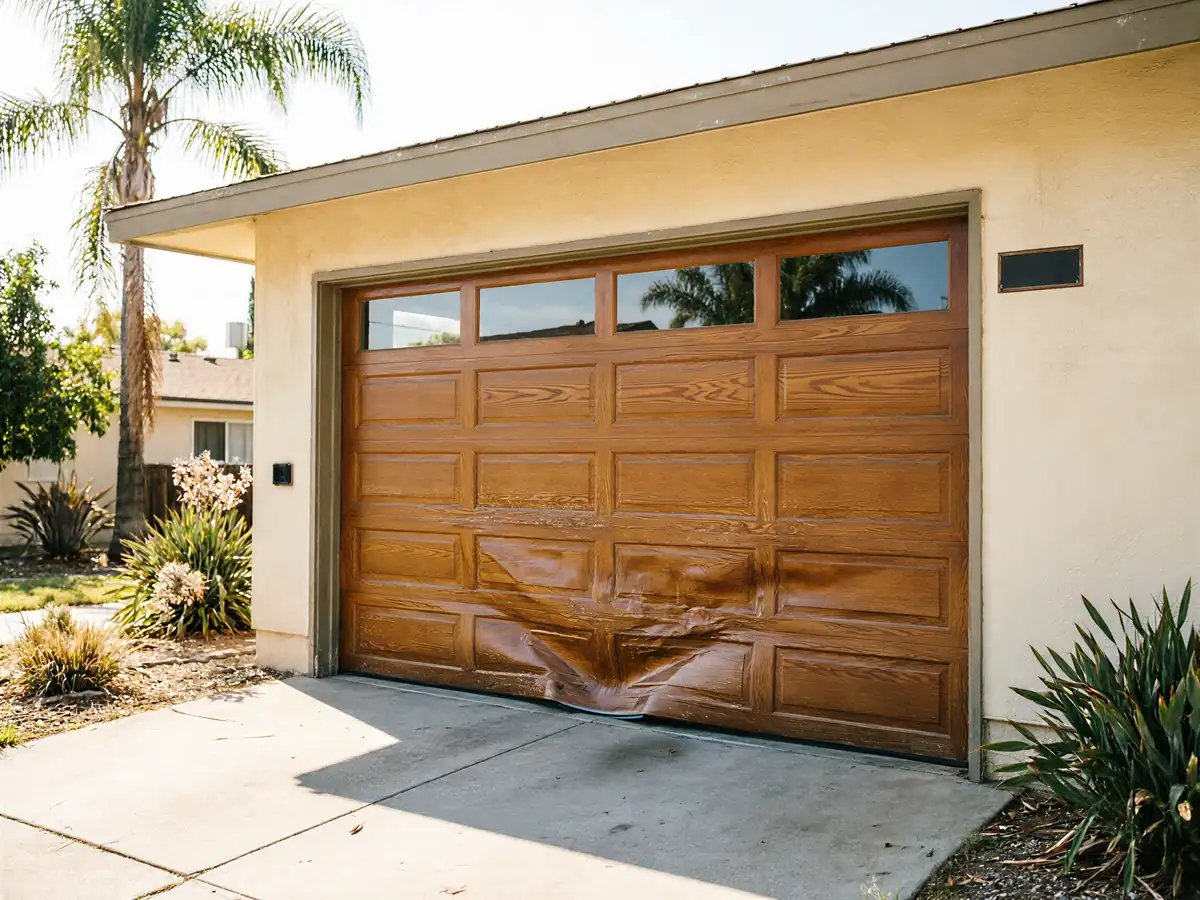
One section of the door is caved in, cracked, or hanging at a slightly different angle than the rest. Maybe a bumper took it out backing down the driveway, maybe a baseball found it, maybe it just rusted through at the bottom where water pools after a wash. The door still runs on the track, mostly, but it rattles where it never used to, and daylight shows through a seam that used to be flush. That's a panel problem, not a spring or opener problem, and it's one of the most common calls we get from houses built across El Cajon's older tracts.
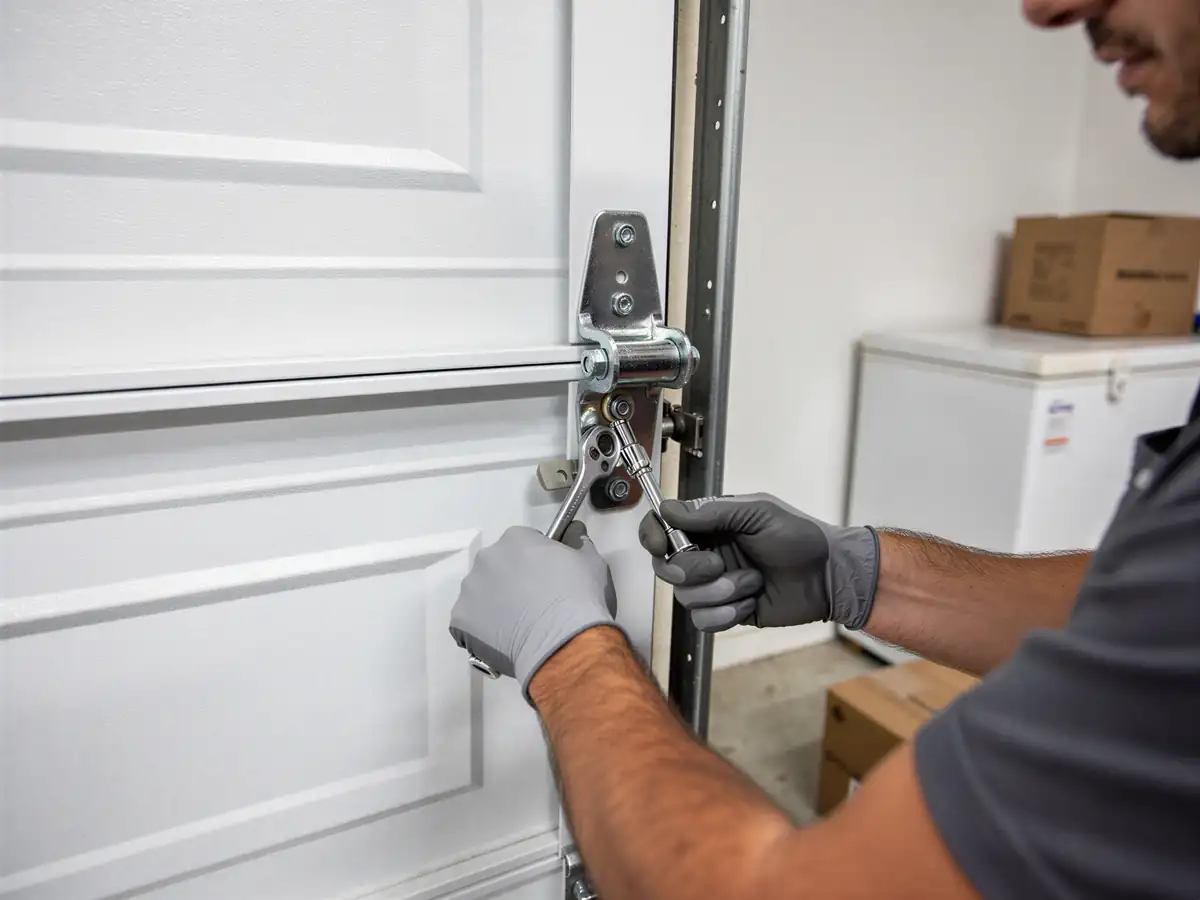
Sometimes it's one section out of four or five. Sometimes it's the bottom panel, which takes the most abuse from curbs, hoses, and kids' bikes leaned against it. Either way, the question homeowners ask is always the same: do I replace the whole door, or just the damaged piece. Most of the time, if the rest of the door is sound, you don't need a whole new door. You need a matching section, and that's a different job with a different price and a different timeline than full replacement.
Why It Happens Here
Across the 22 named areas we work in, most housing went up between 1967 and 1992, with a median build year around 1975. That means a lot of the doors still on these houses are steel sectional units from an era when galvanizing was thinner and insulation, if there was any, was a single layer of foil-backed foam. Steel from the 1970s dents easier than what's made today, and once a panel's skin is breached, the rust spreads from the inside out, usually starting at the bottom rail where water collects.
The climate here is mild temperate - we're not fighting hard freeze-thaw cycles or heavy snow load - but we get plenty of sun exposure and dry heat that bakes old paint and weather seal until they crack, and that lets moisture in at the panel seams during the rare heavy rain. The result is a door that looks fine for twenty years and then starts failing panel by panel once the finish is gone. On a house with original hardware from that build era, you're also dealing with panel profiles and track widths that newer stock doors don't always match without some adjustment.