How Local Conditions Play In
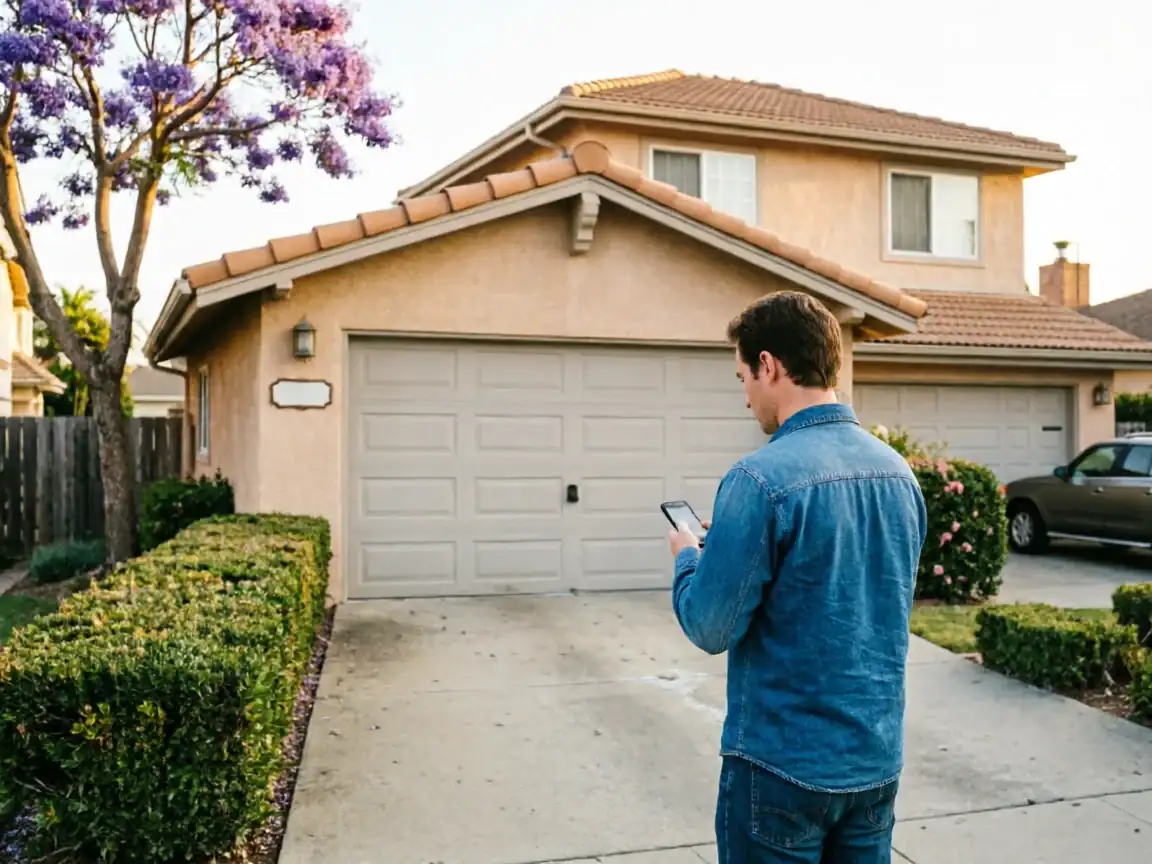
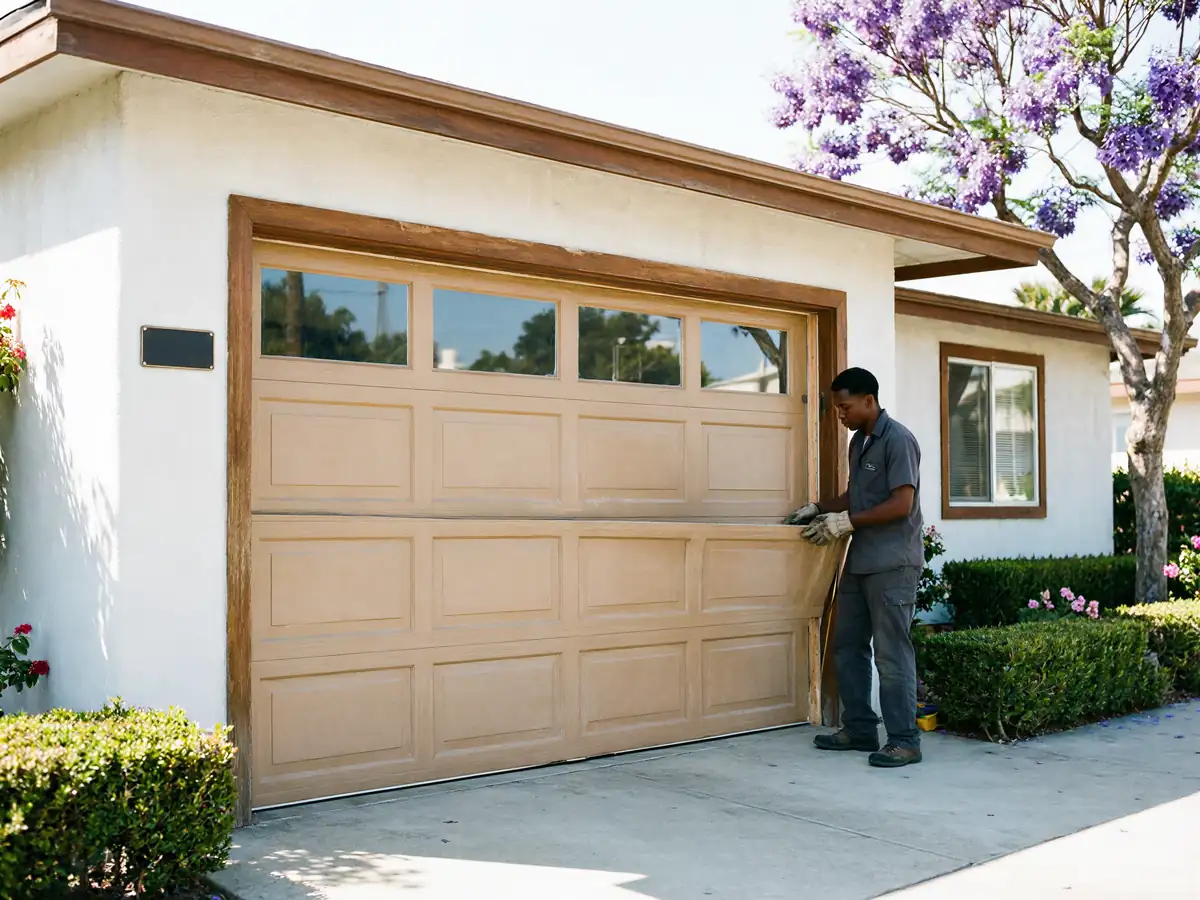
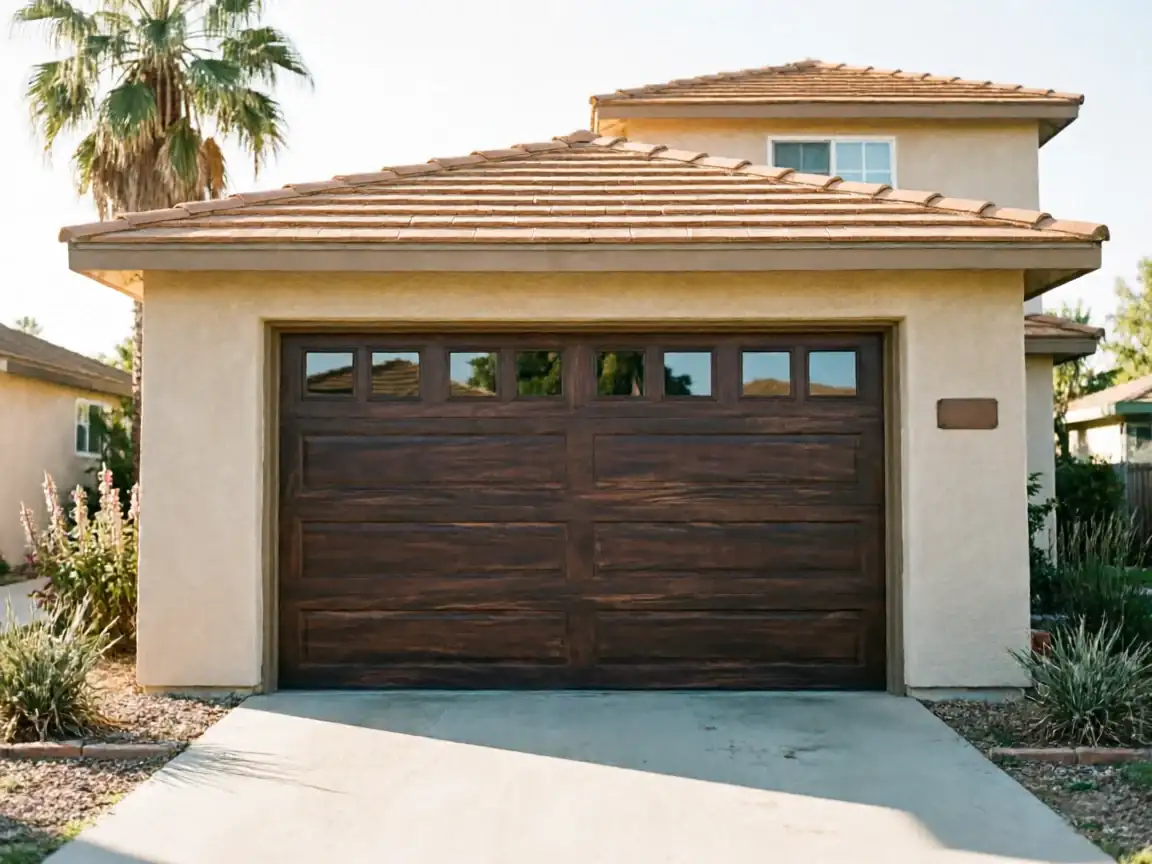
El Cajon's climate falls in the mild temperate band - no hard freezes, no monsoon season, nothing that cracks a rubber seal or seizes a track overnight. That changes what we look for on a service call here compared to colder or wetter climates: we're not chasing ice-damaged openers or rust-seized hinges. What we do find is wear that comes from age and cycle count rather than weather. Most of the housing stock in this part of El Cajon and the neighboring areas - Bostonia, Casa de Oro-Mount Helix, Granite Hills, Rancho San Diego - went up between 1967 and 1992, with a lot of it clustered around 1975. That means torsion springs, drums, and hardware that have been opening and closing for decades, often without a single lubrication or balance check in between. A garage door spring is rated for a number of cycles, not years, and a 1975 door that's gone up and down four times a day for fifty years has used up that rating a long time ago, mild weather or not. So a service call in El Cajon starts less with 'what broke today' and more with 'how old is this hardware, and what's it been doing all this time.'
When It Stops Being a DIY Job
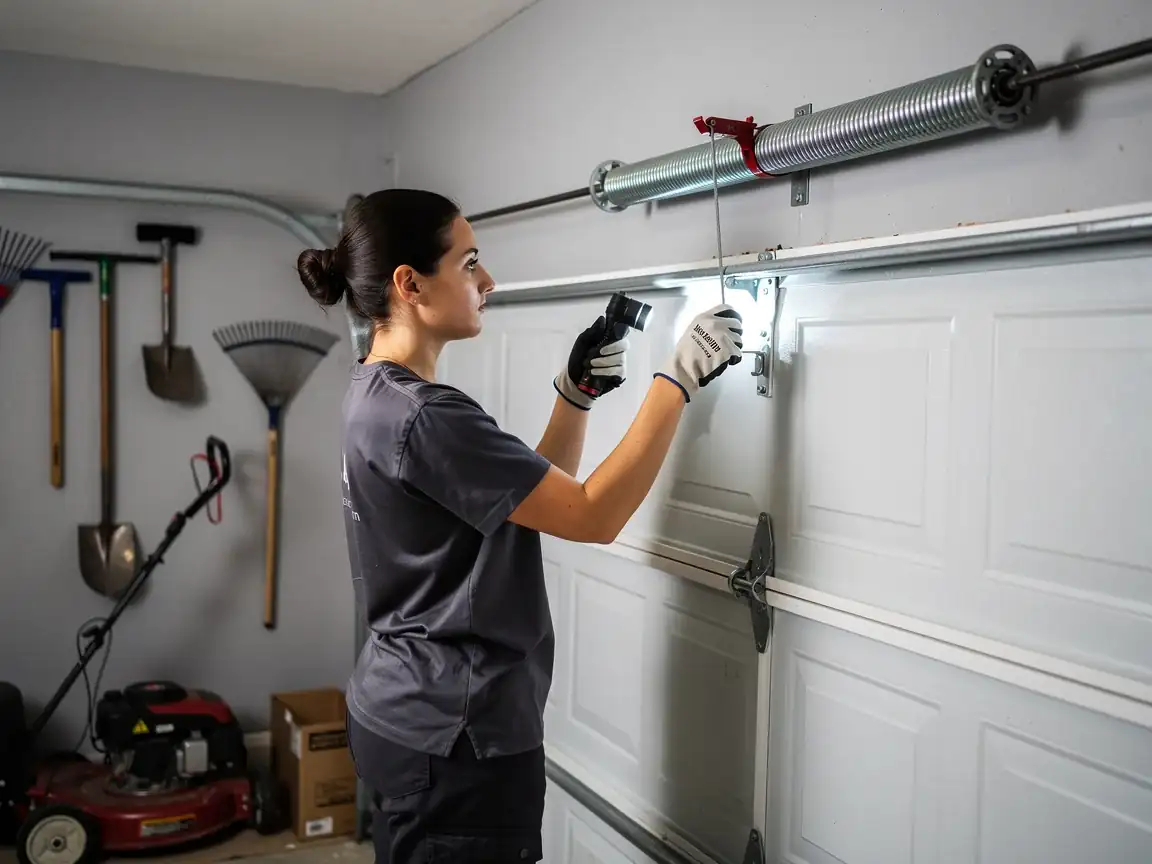
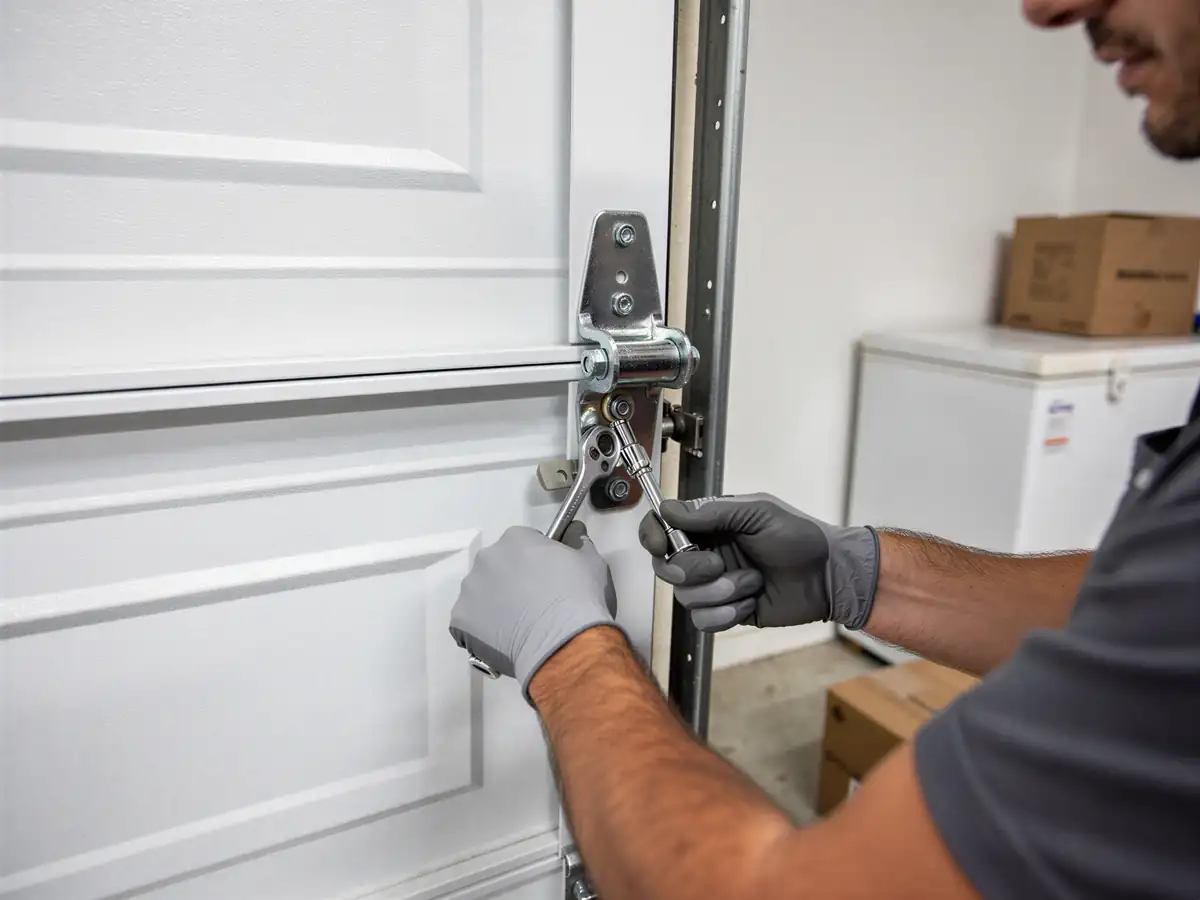
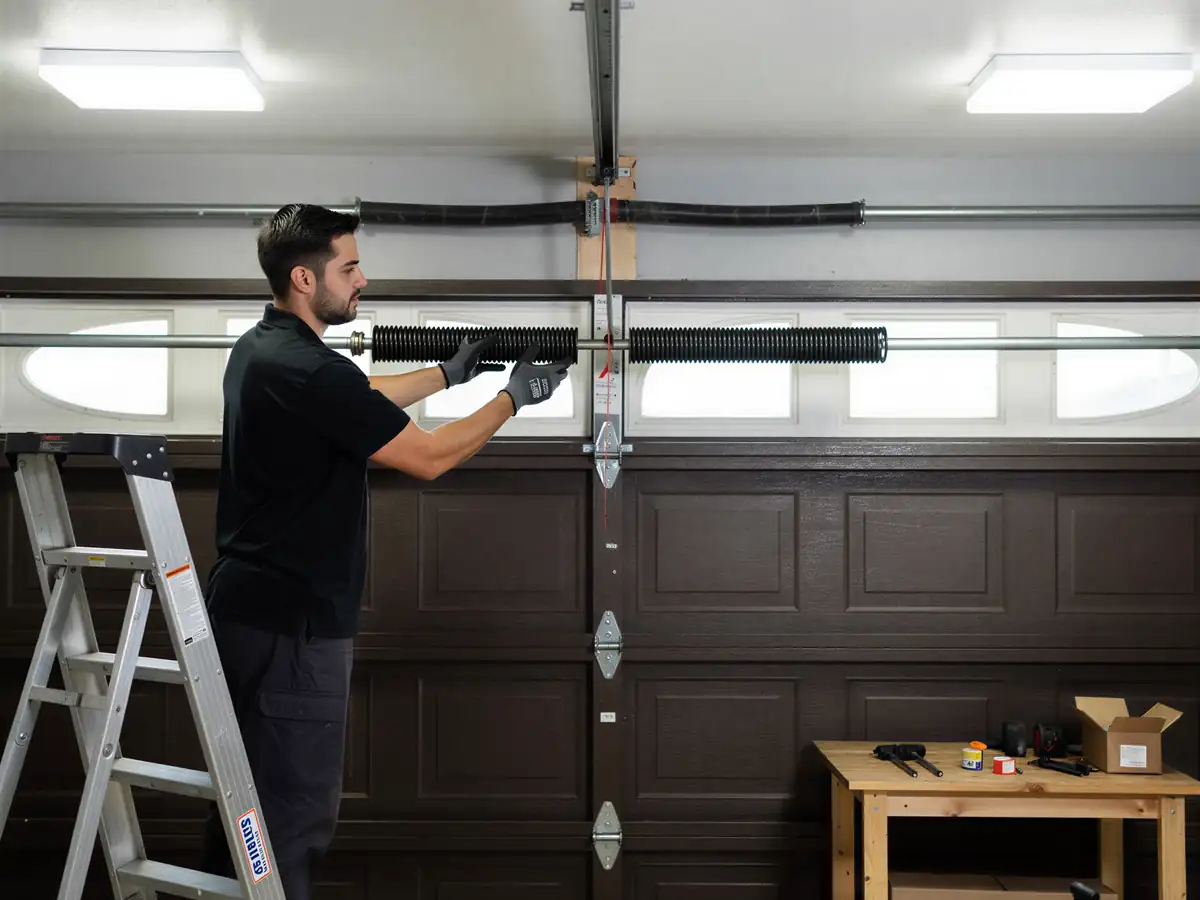
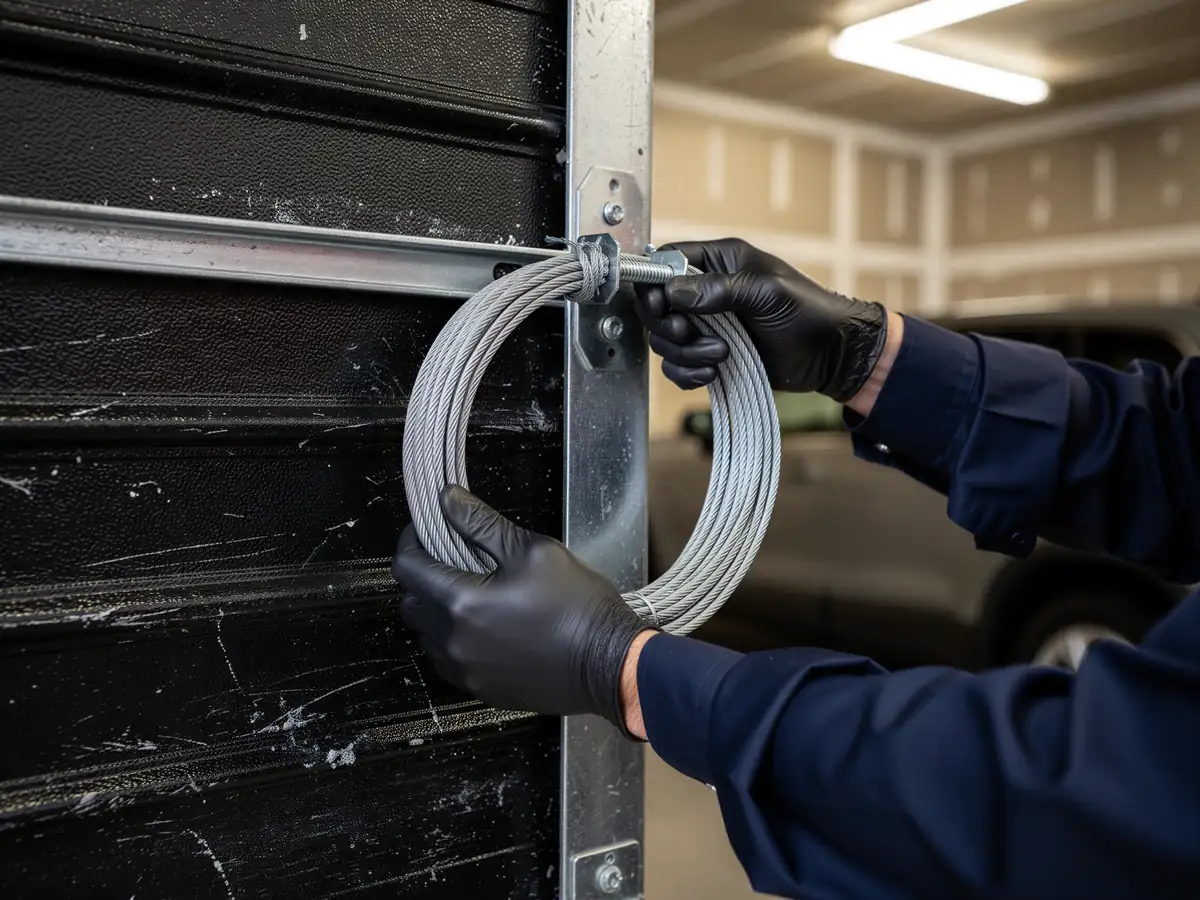
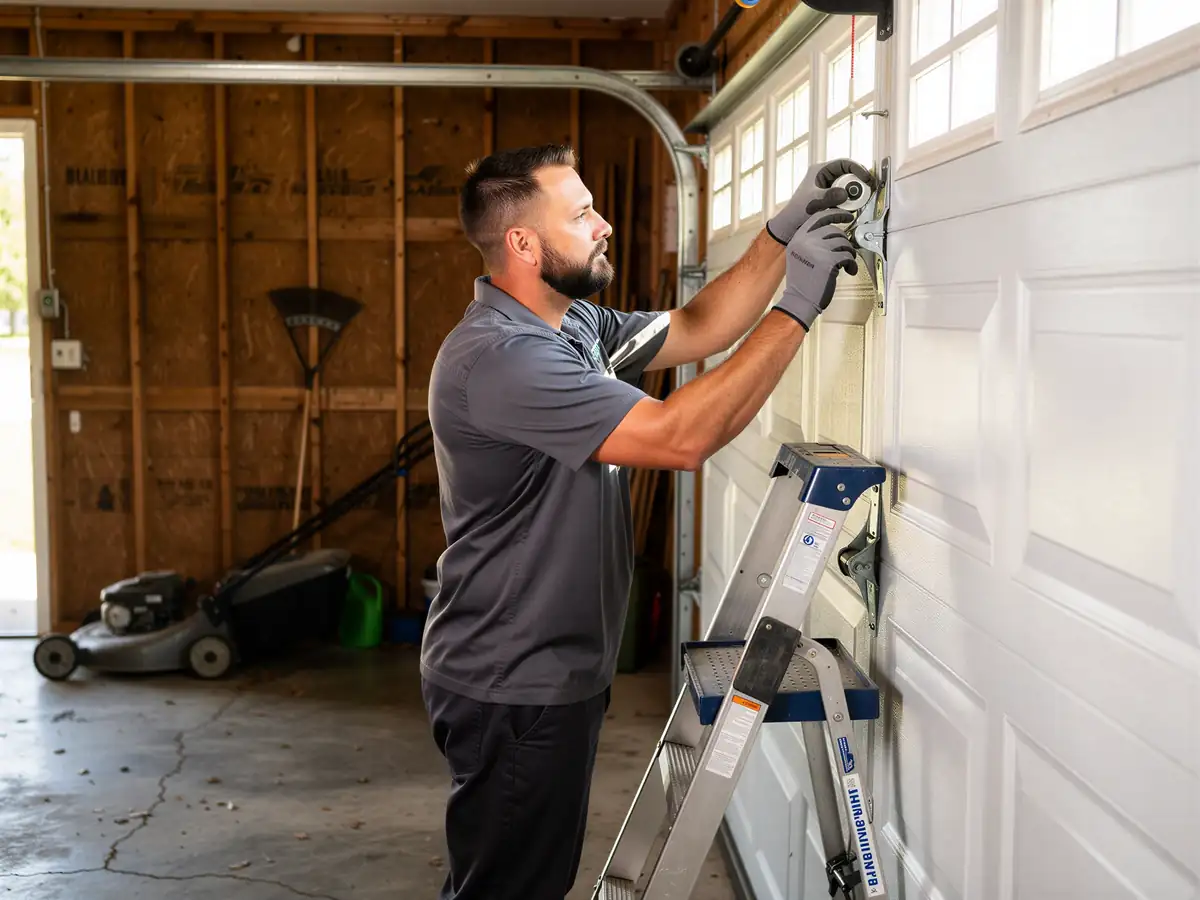
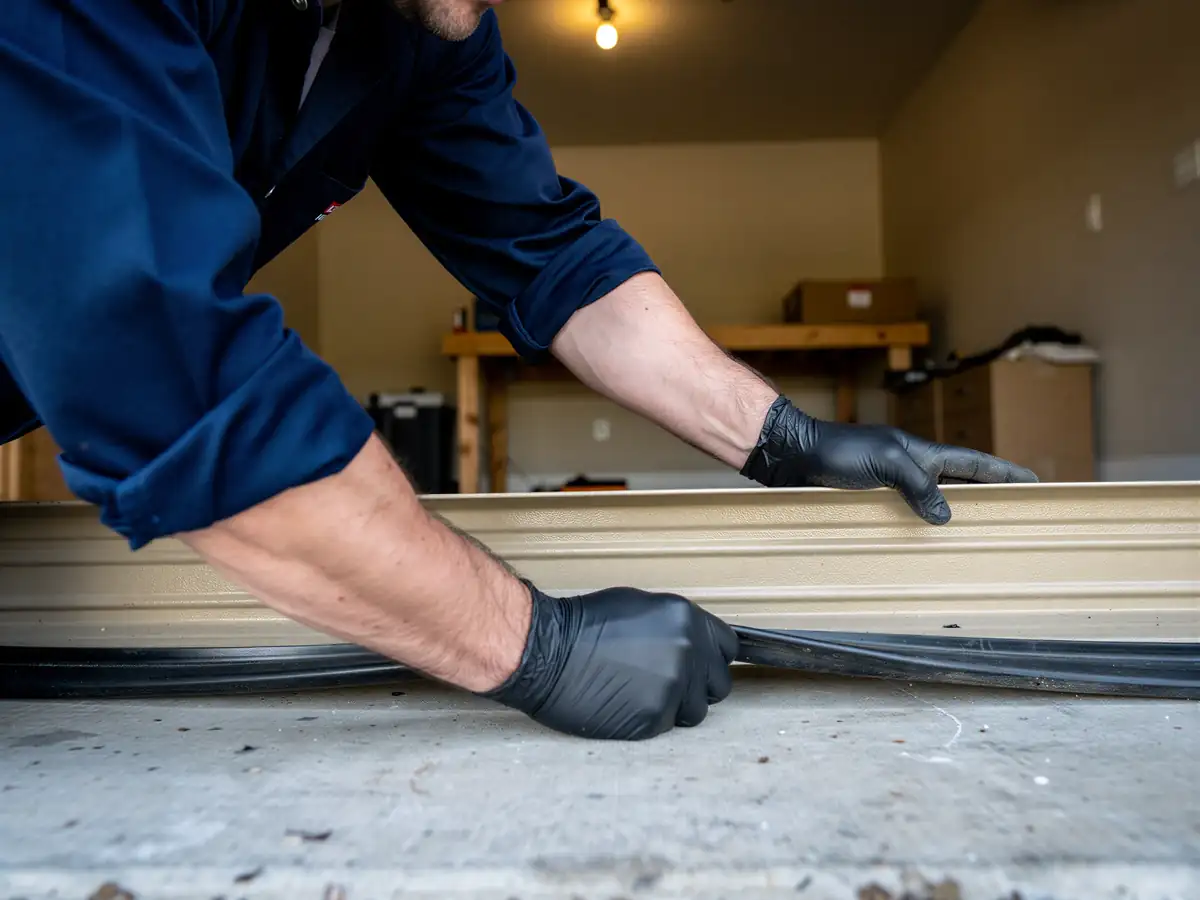
Tightening a loose roller bracket or swapping a worn weatherstrip is reasonable to do yourself. A torsion spring under tension is not - it's wound tight enough to break a hand or a face if it slips off a winding bar, and that doesn't change no matter how handy you are. Same goes for cables, since they're under that same spring load and store energy even when the door looks still. On houses from the 1967-1992 era common across this part of El Cajon, we also see galvanized torsion springs that were never rated for the door weight they're holding, or replacement springs installed years ago that don't match the original drum size - someone did a patch job at some point and it's been quietly wrong ever since. That's not a DIY fix, it's a mismatch that needs the whole assembly looked at. Our limitation here is straightforward: if the opener is a couple decades old and the circuit board is failing, we'll tell you replacement is usually cheaper than chasing parts for a motor that was discontinued years ago, rather than quote you repair after repair on something past its useful life.
The Problem
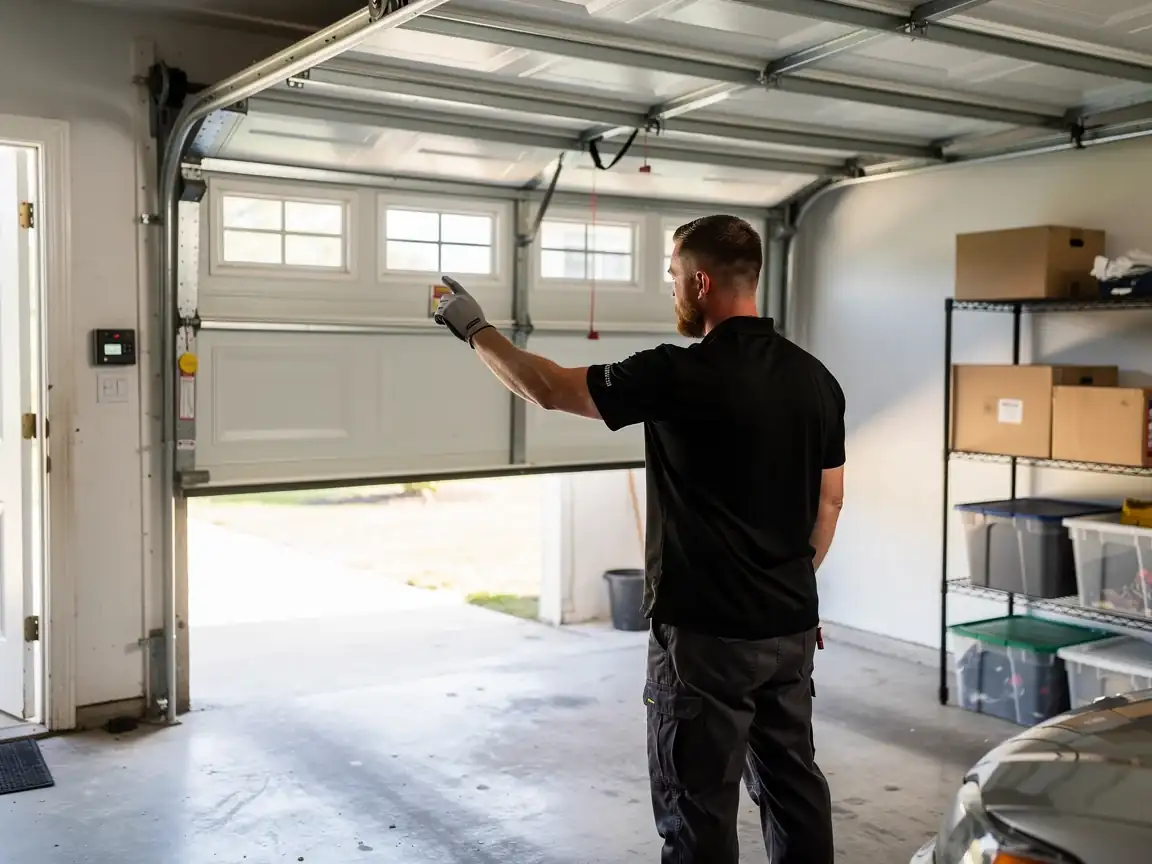
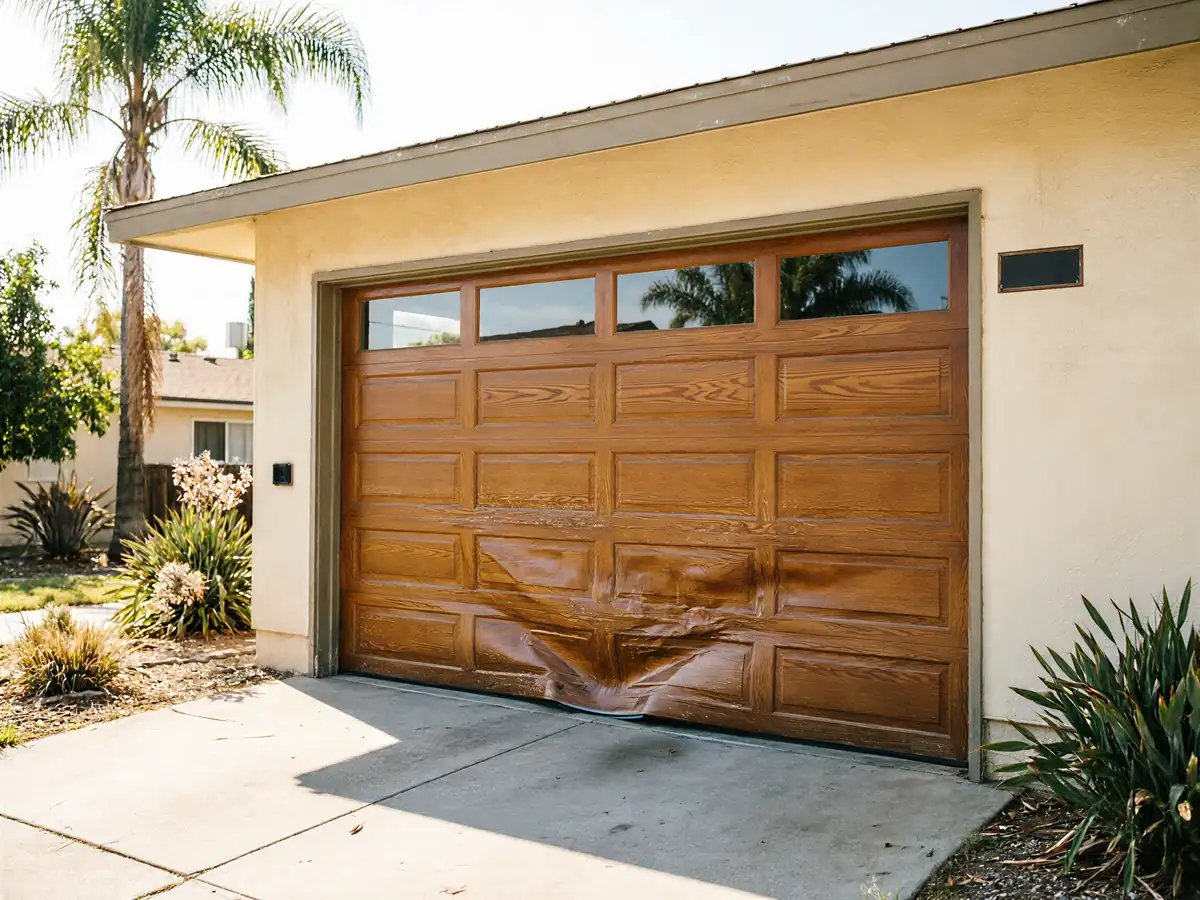
The pattern we see across El Cajon's older stock is houses from the 1967-1992 build era hitting hardware failure in bunches, not one at a time. With 144,957 households and 54,606 owner-occupied houses across the service area, a lot of garages were built to the same few door and spring specs, installed by the same handful of builders, and they're aging out together now. That's different from a newer subdivision where failures trickle in one house at a time as things randomly wear. Here, a spring rated for the same cycle count on a 1975 house down the street is probably close to failing too, even if it hasn't yet. A service call usually isn't about one mystery problem - it's confirming which of the predictable age-related failures is causing today's symptom: spring, cable, roller, or opener logic board. With a median household income of $114,736 in the service area, most of what we see end up being straightforward repair-or-replace decisions rather than people trying to save a door that's actually not worth fixing. The honest answer, more often than you'd guess walking in, is that replacing the spring and hardware together costs about the same as patching it twice.