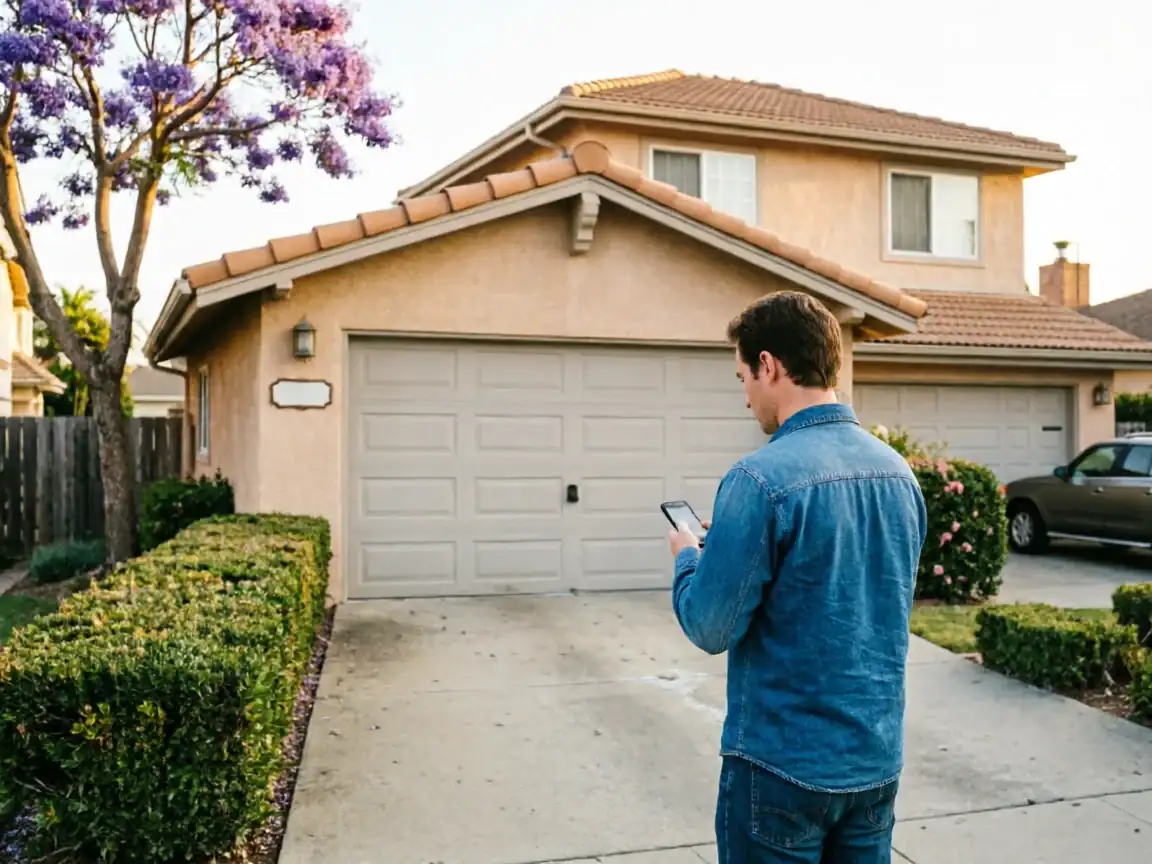
The Symptom
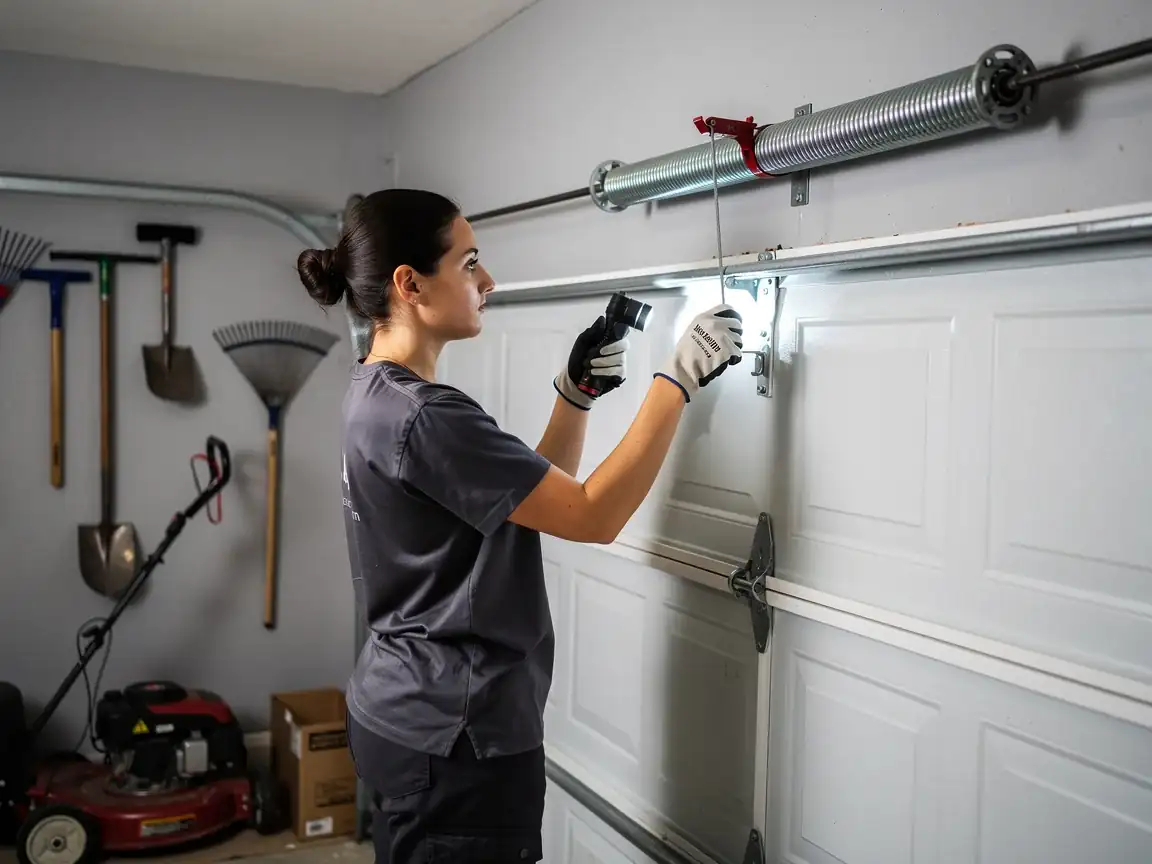
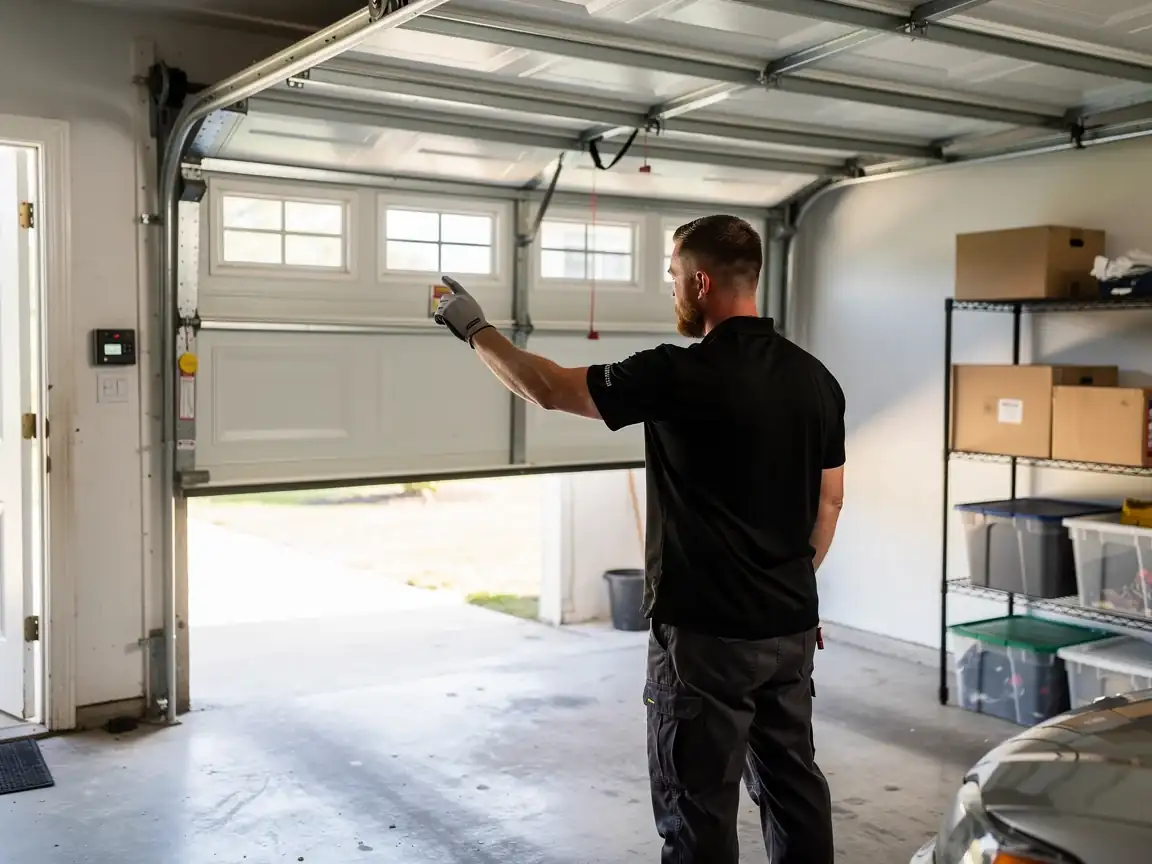
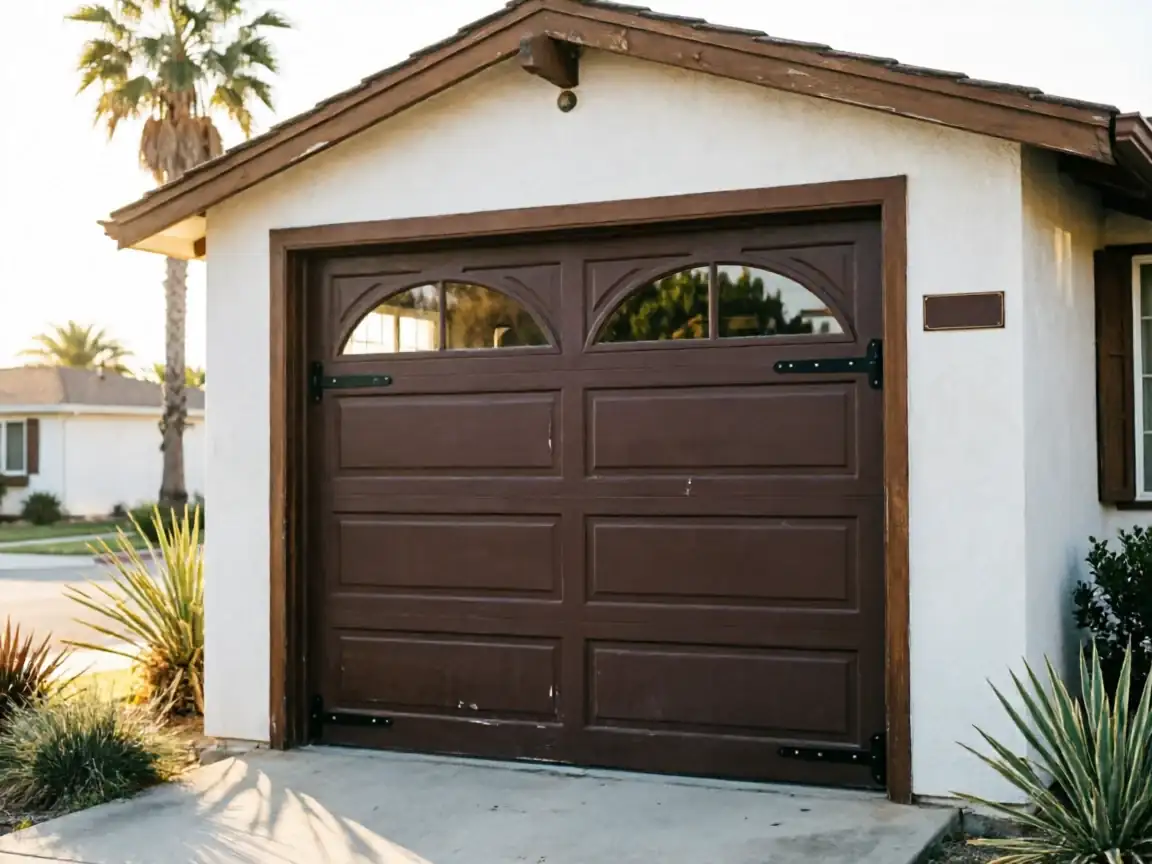
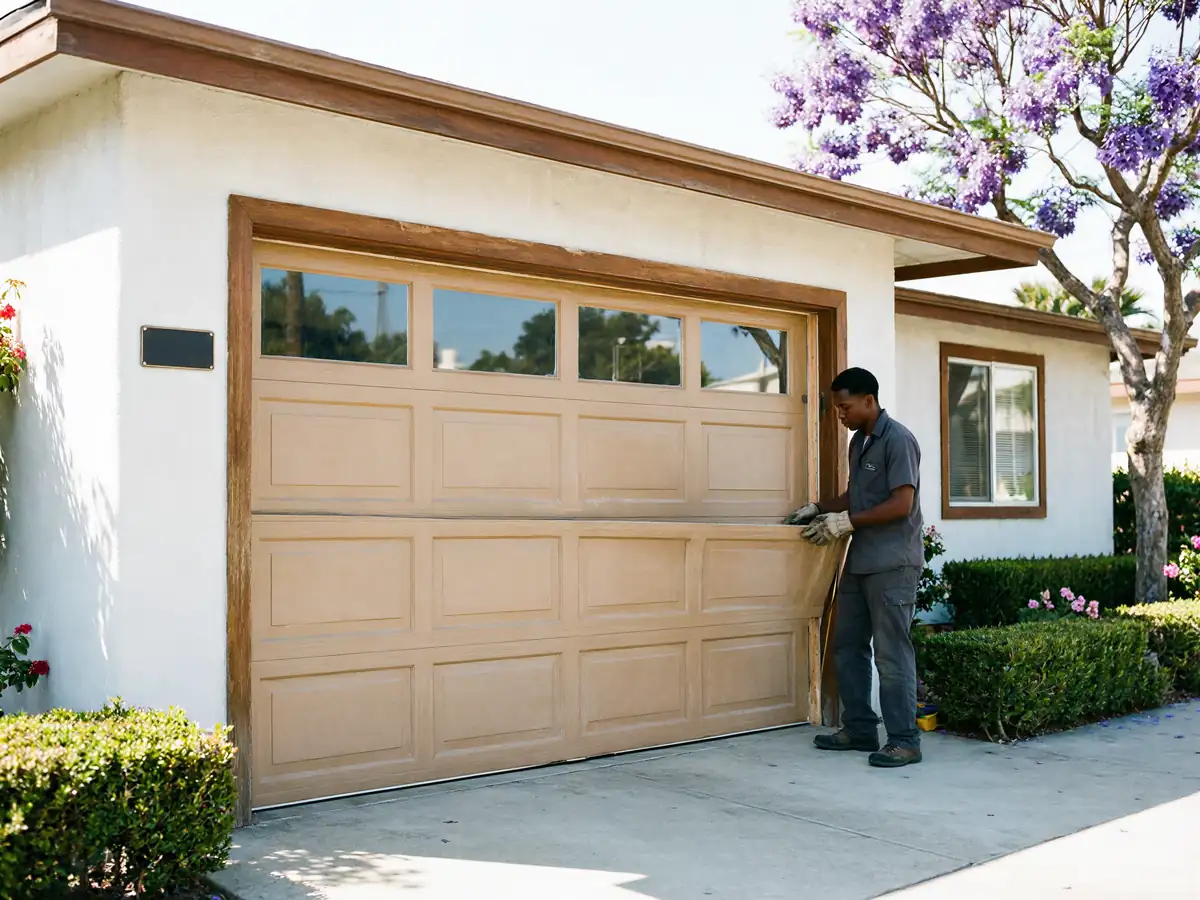
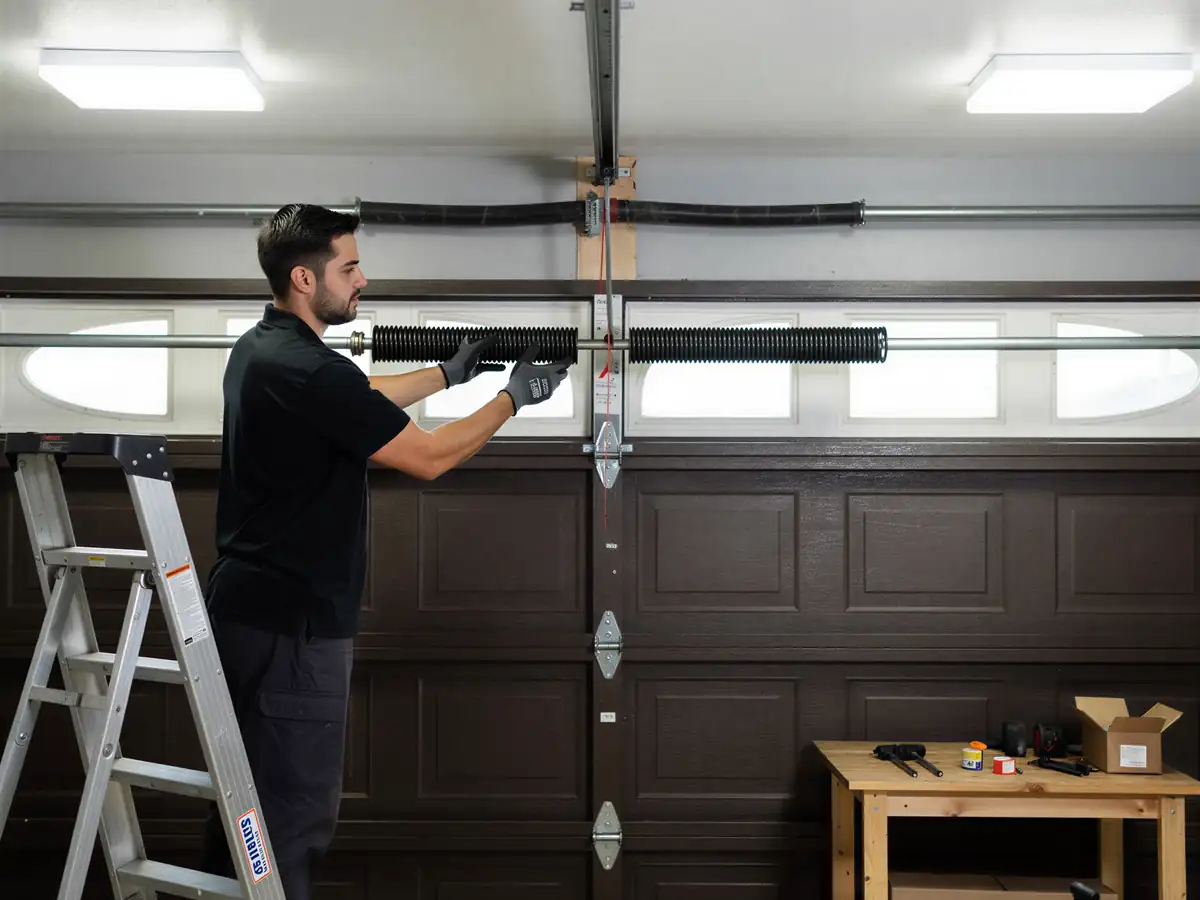
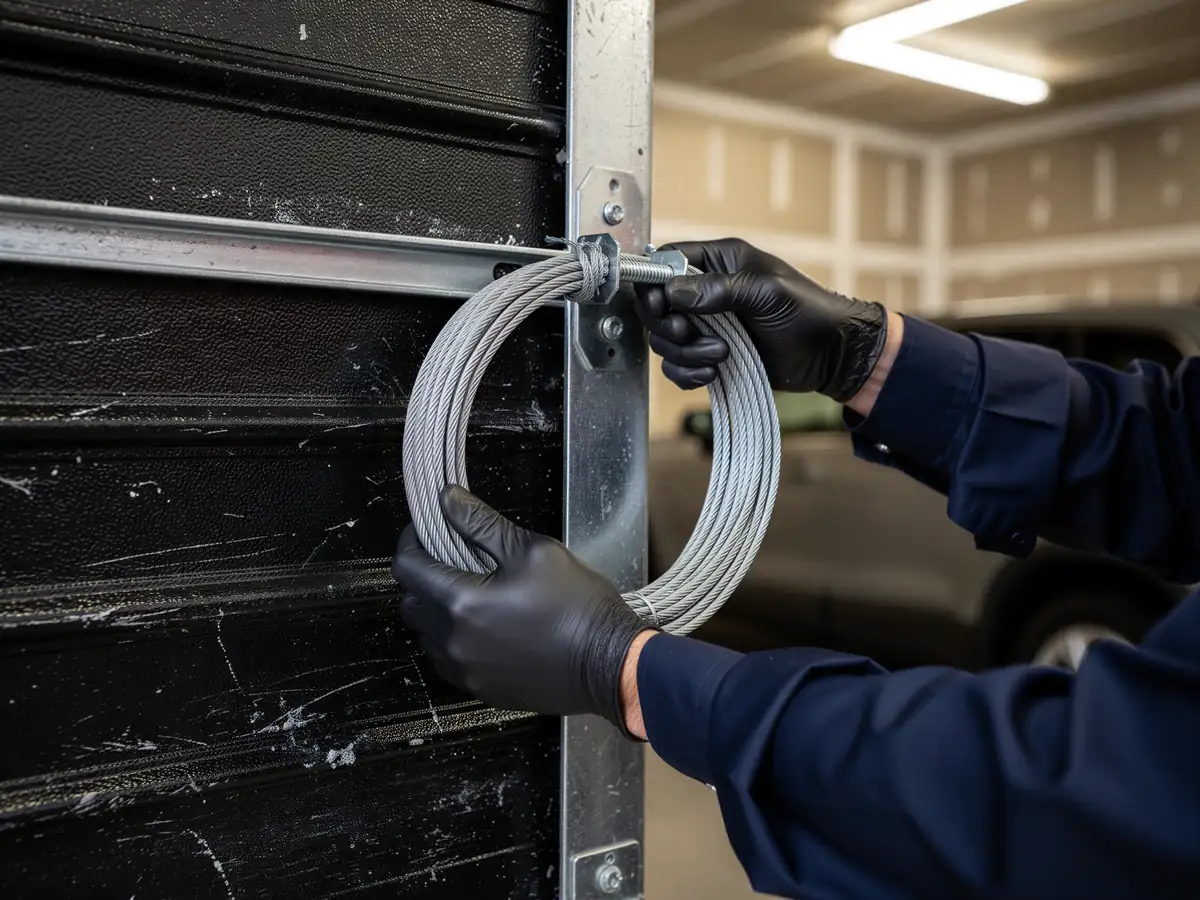
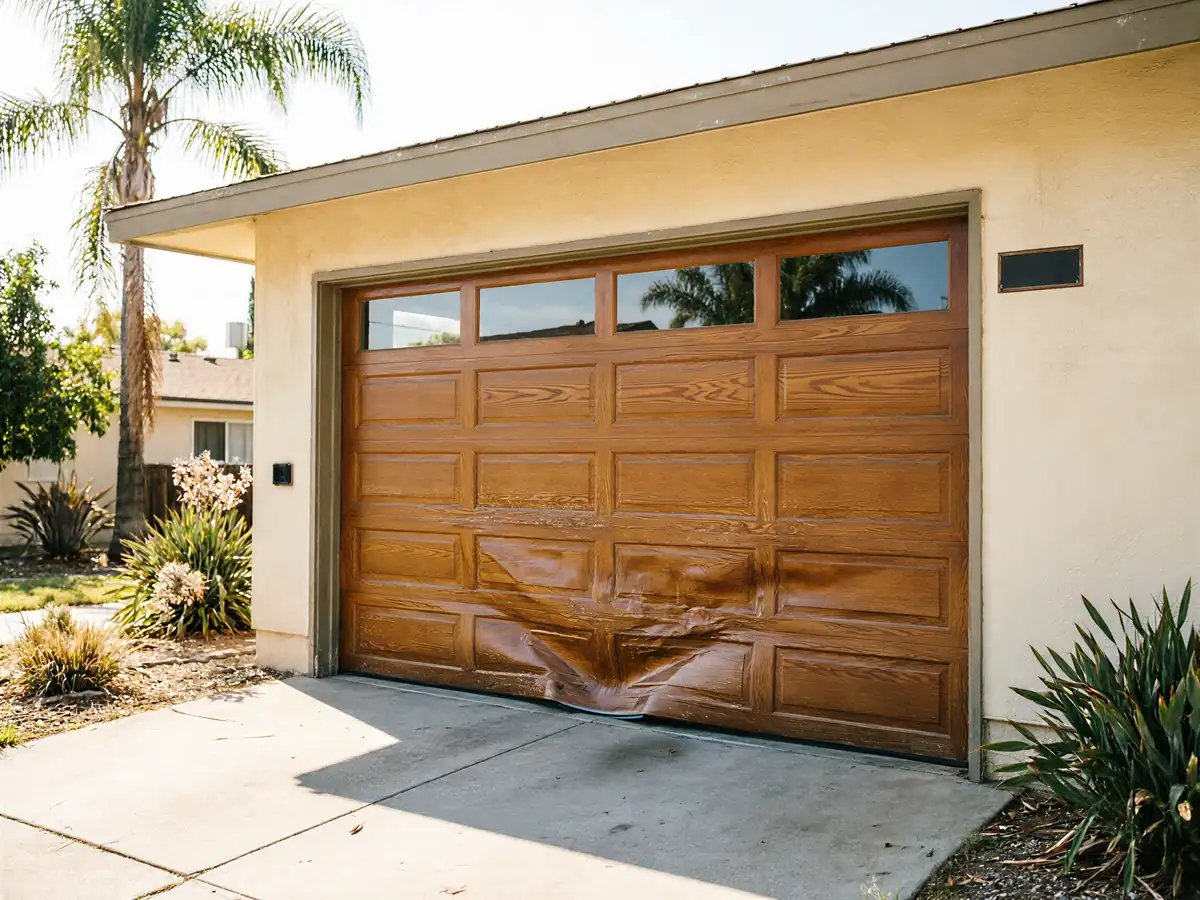
The call we get most from this part of the hill is a door that groans or hangs up a few inches off the floor, then drops the rest of the way. Sometimes it's a loud bang from the spring side before the door won't move at all. That's not random - it's a torsion spring that's been cycling since the house was built and has finally given out, or a cable that's frayed past the point of holding.
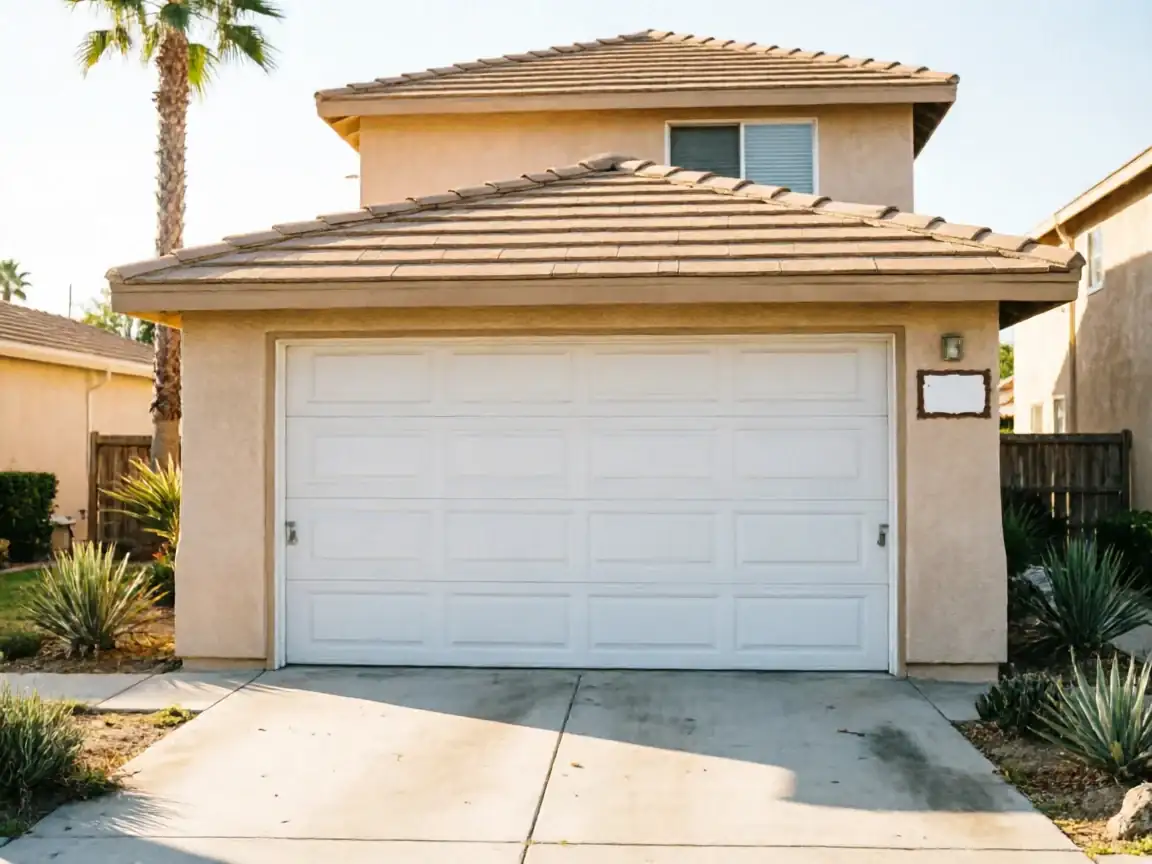
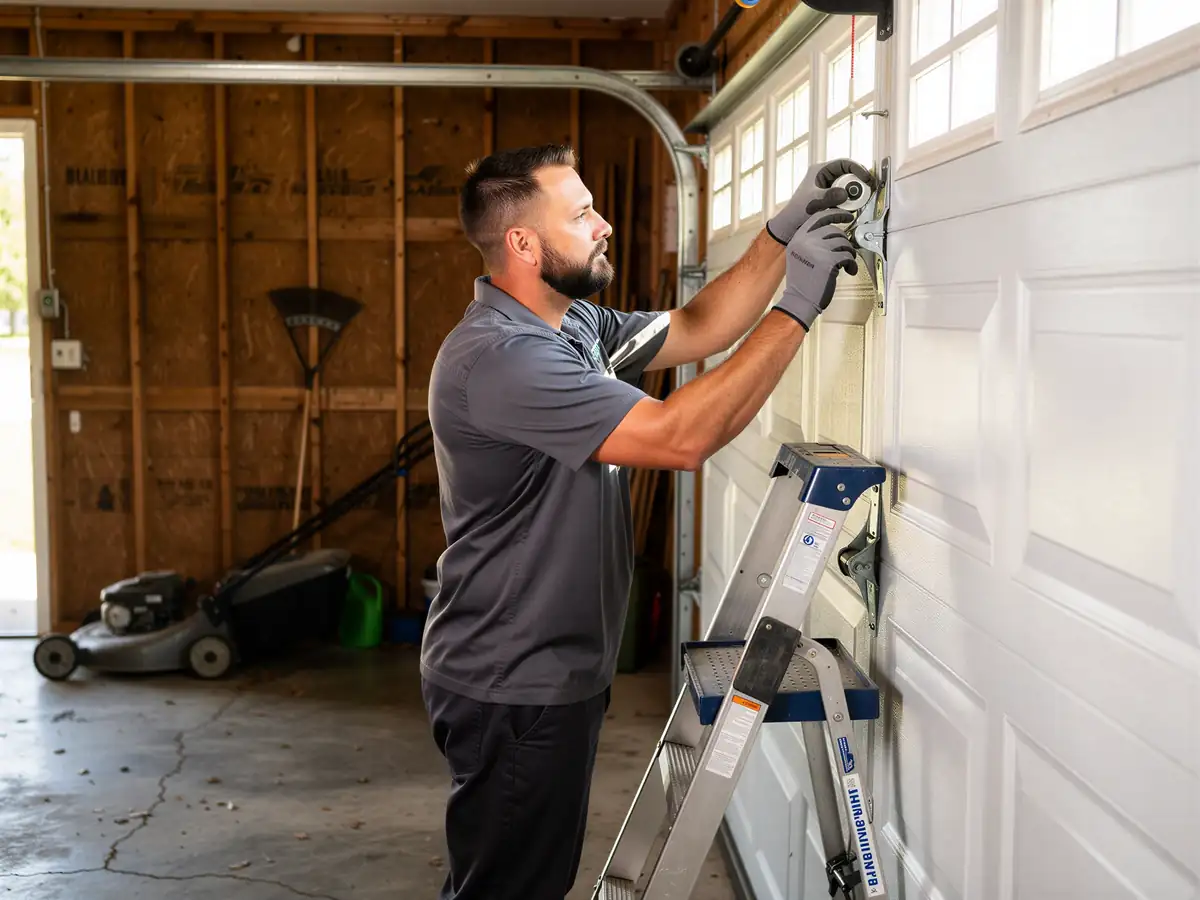
Most houses in Casa de Oro-Mount Helix went up around 1969, a few years ahead of the wider El Cajon service area's 1975 median build year. A door installed when the house was new is now well past any spring's realistic life, and the original steel track and roller hardware from that era wasn't built for the heavier insulated panels homeowners have swapped in since. When we open the panel on a house from this stretch, we expect to find the original torsion hardware still bolted to the header, carrying weight it was never rated for after an upgrade.
If your opener is straining, clicking, or reversing on its own, that's usually the motor compensating for a spring that's already lost most of its tension - not an opener problem at all.
Why It Happens Here
The age of the housing stock is the whole story. A door and spring set installed new in 1969 has had roughly five decades of open-and-close cycles, and most torsion springs are rated for somewhere well short of that. Nobody replaces a spring on a schedule - they replace it when it breaks, usually without warning, usually with the door stuck halfway.
The mild temperate climate out here works in your favor compared to places with real freeze-thaw cycles - it's not rust and ice chewing through your hardware. What gets your door is straight mechanical fatigue: steel fatigues the same whether it's 60 degrees or 100, and these springs have seen thousands of cycles with nobody looking at them.
Because Casa de Oro-Mount Helix sits close to Granite Hills and both inside the same three-mile build window off El Cajon, we see the same fault pattern across this pocket - original springs, original tracks, openers that were added later and bolted onto hardware that predates them. It's a consistent, predictable failure, not a mystery.
Getting It Booked In
We run out of El Cajon, about 3 miles from Casa de Oro-Mount Helix
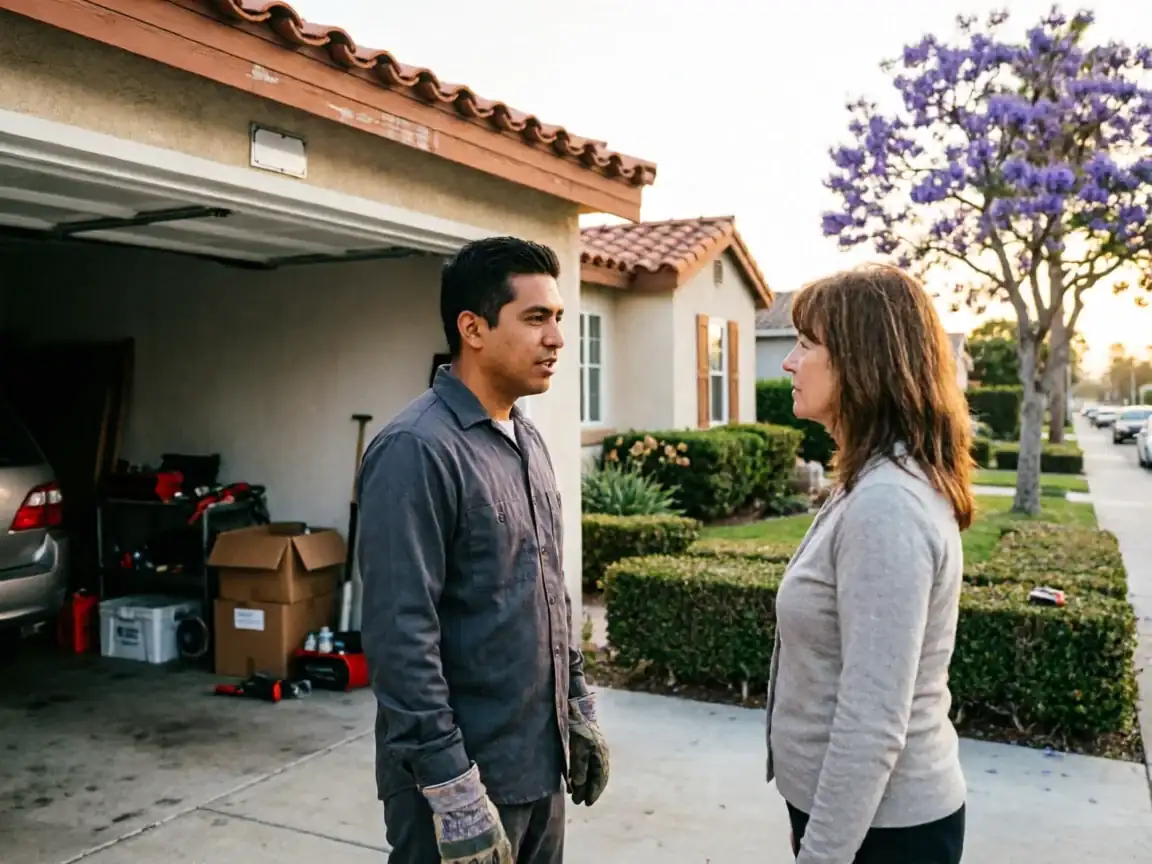
So there's no separate branch or depot here - just a short drive from the shop. When you call, tell us the age of the house if you know it and what the door is doing (stuck, slow, noisy, off track). That narrows down what we load on the truck before we leave.
- 3 miles
We don't quote a fixed arrival window for this page
That's a conversation when you call, not a number we post. What we can tell you is that a spring replacement on an original 1969-era double door is a same-visit job in most cases, parts permitting.
If you want more detail on what a repair here typically involves
The repair page for this area covers it specifically.
Can You Do This Yourself
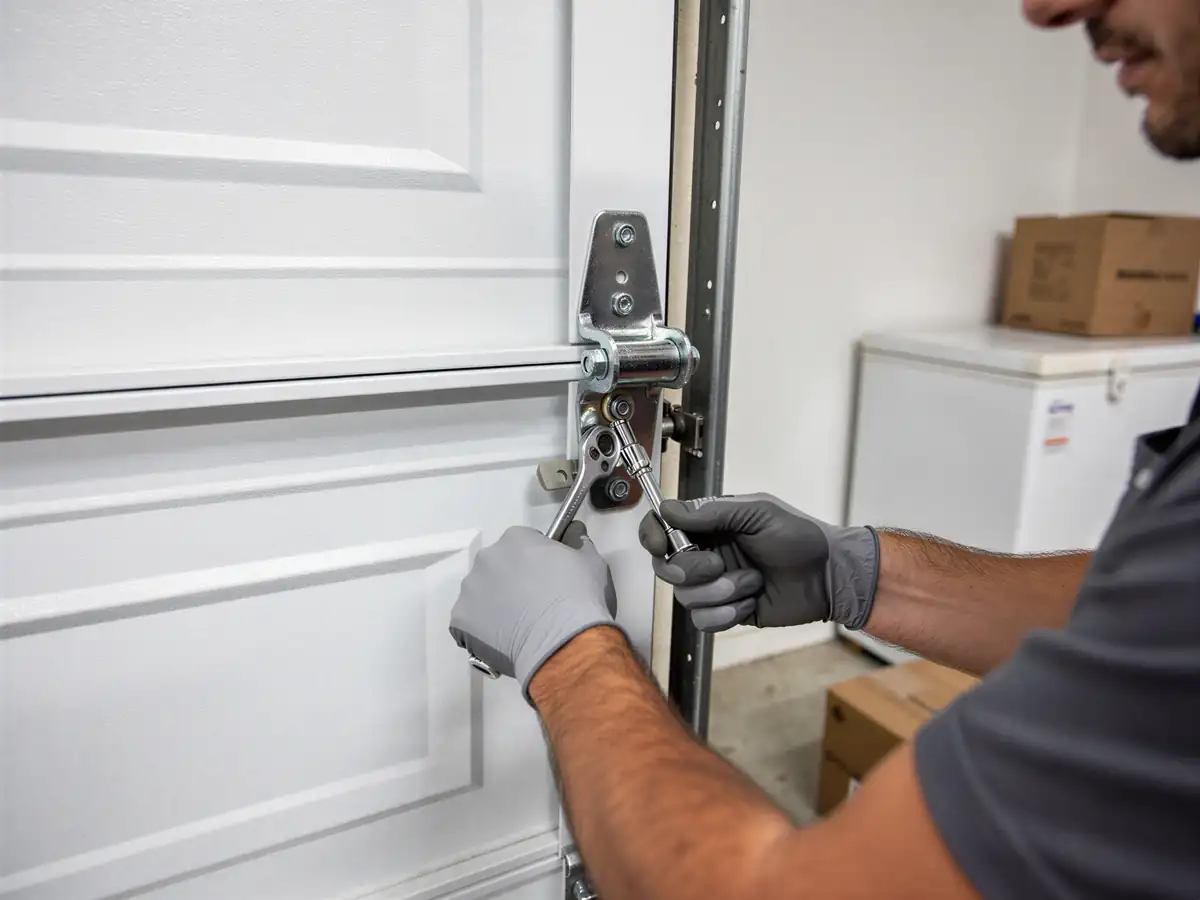
A torsion spring is the one part of this job we tell people flatly not to touch. It's wound under enough tension to break a bone or worse, and the winding bars and clamping technique aren't something to learn from a video on a door that's already failing. That's not us protecting the job - it's the actual risk.
What you can do yourself: check the tracks for visible bends, listen for grinding that suggests a bad roller rather than a spring, and test the auto-reverse by laying a 2x4 flat under the door and closing it. If it doesn't bounce back, don't use the door until that's fixed.
One honest limit - if your door is original to a 1969 build and the track, spring, and opener are all original, patching one part usually just moves the failure to the next worn piece a few months later. At that point a full replacement costs less over two years than three separate service calls.