The Usual Work Here
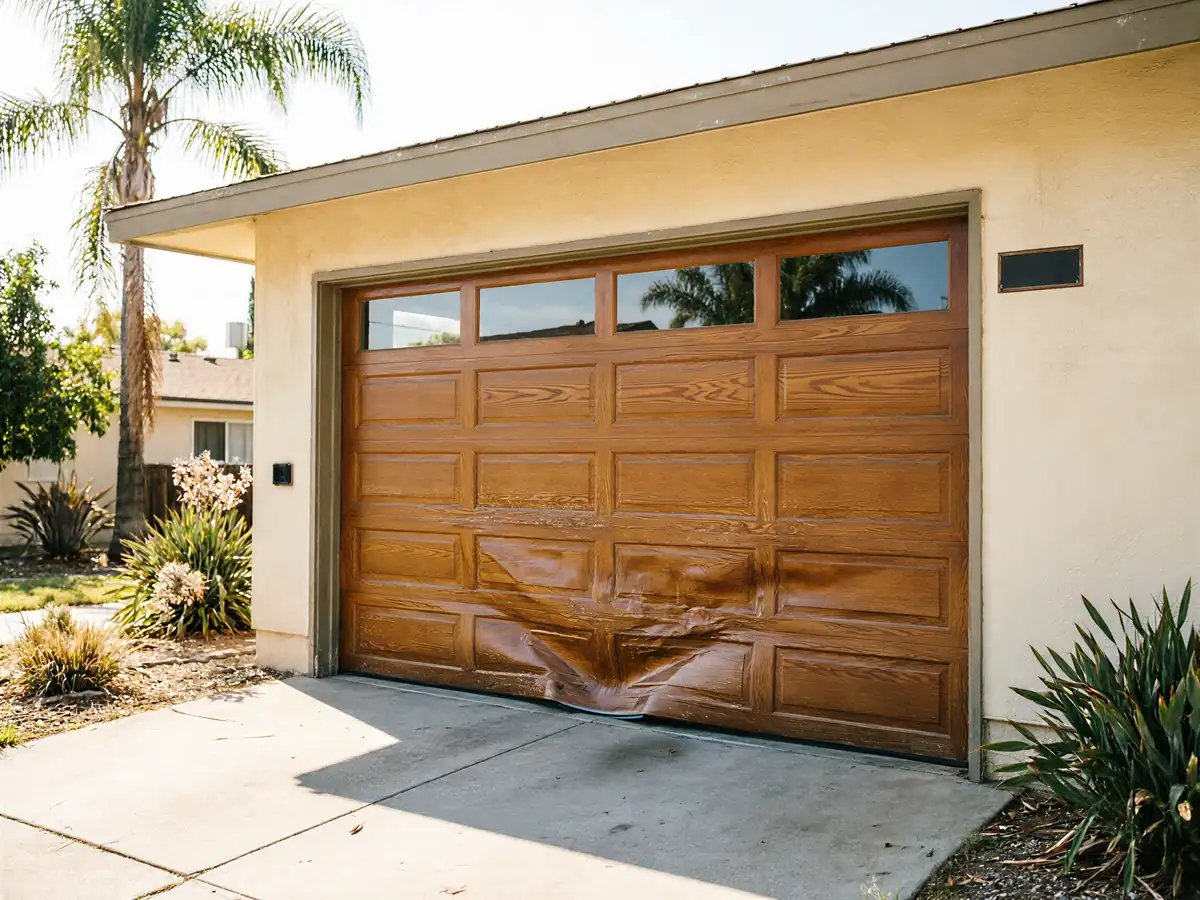
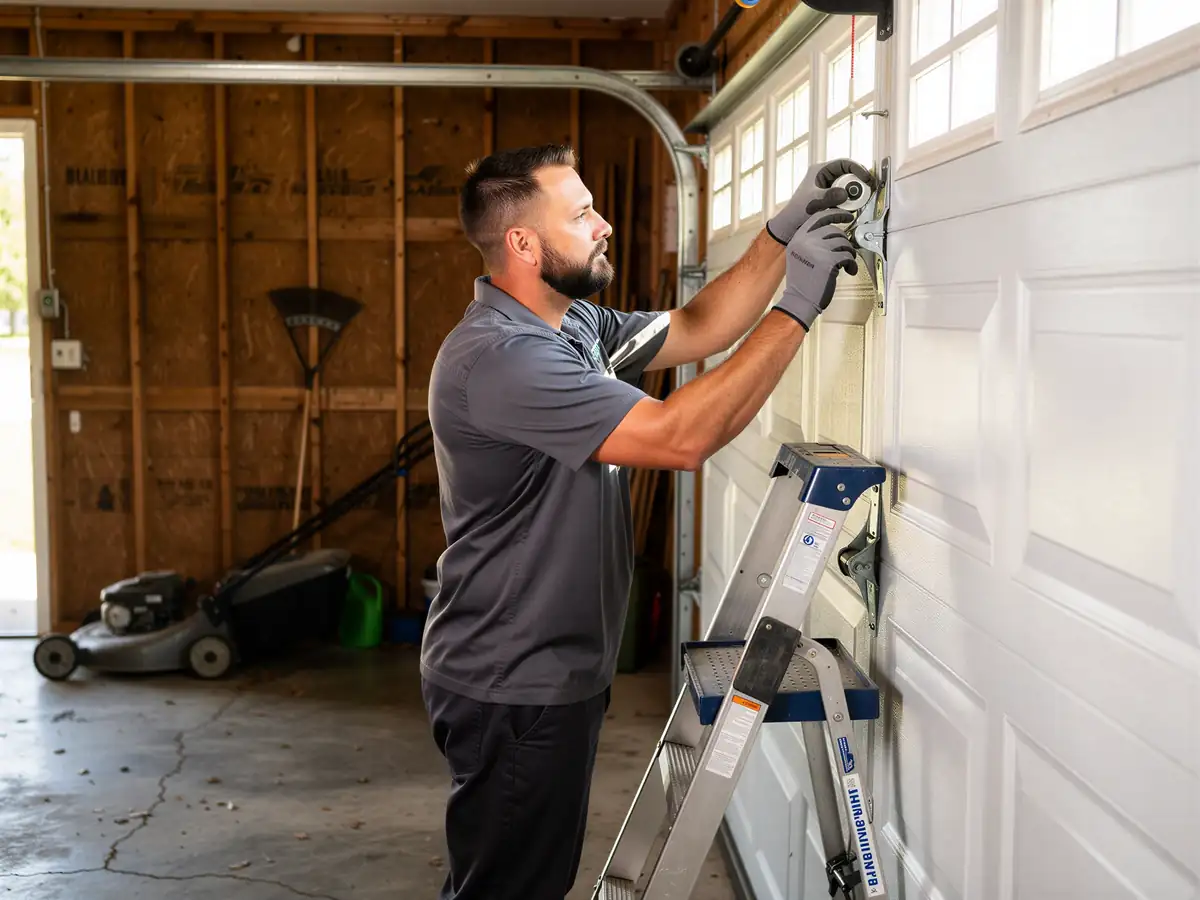
Crest sits up in the hills east of El Cajon, and most of the calls we get from up here are torsion springs that have finally given out and openers that are original or close to it. With a median build year of 1976, a lot of these houses have had one or maybe two openers in their life, and the chain-drive units from that era are long past the point where parts are easy to find. We also see a fair number of rollers and cables that have worn through from age rather than hard use - the doors just sit and work, year after year, until something snaps.
We don't stock every obsolete bracket or hinge pattern from the mid-70s on the truck. If your track hardware is a style nobody makes anymore, the straightest path is usually a new track and roller set rather than hunting down a match, and we'll tell you that up front instead of charging you for the search.
The Drive Over
Crest is about 5 miles from our shop in El Cajon, up into the hills on the east side of our coverage area. It's a short drive, not a special trip - we treat it the same as any other call in the area, just with a bit more road and elevation change than the flatter parts of town. We don't keep a depot or a second crew out here; every job in Crest gets a truck sent from El Cajon, loaded with whatever the job calls for based on what you describe when you call.
That extra few miles doesn't change pricing or how we handle the work, but it's worth knowing we're not sitting around the corner - we're coming from town, same as we would for any other stop on the route that day.
What Was Built Here
The median home in Crest went up around 1976
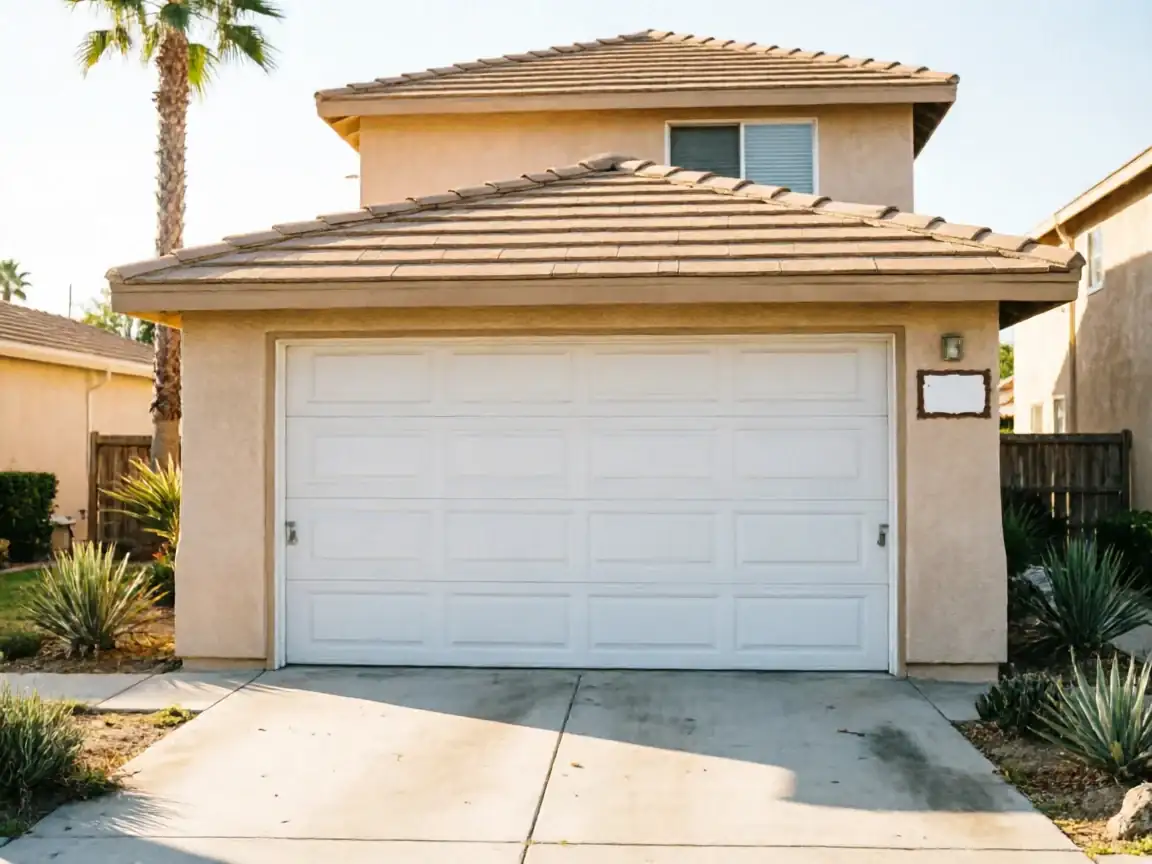
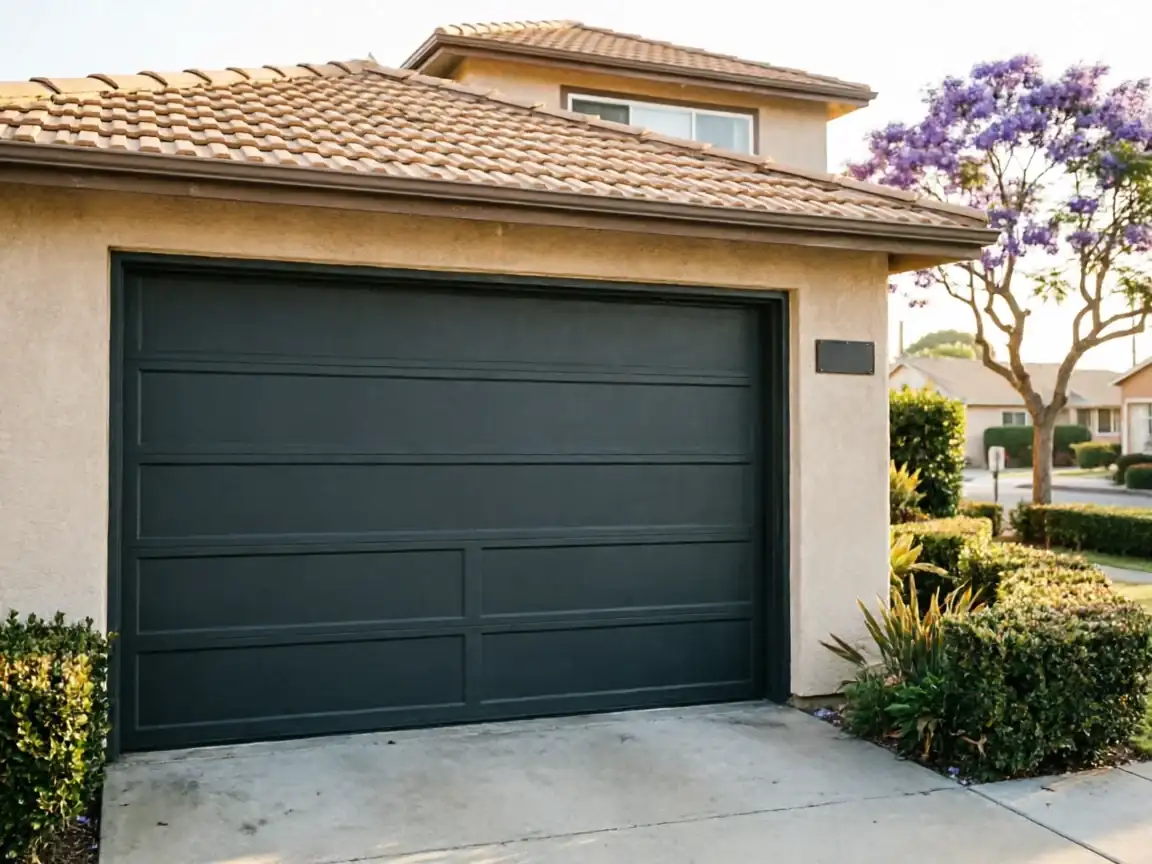
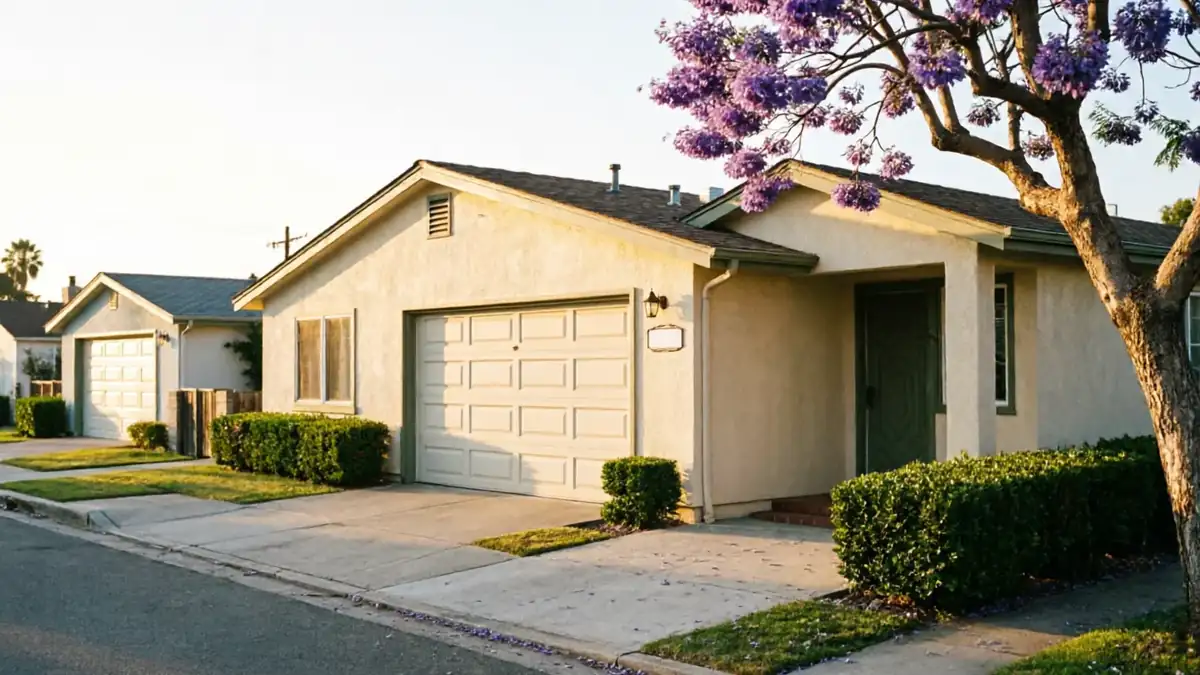
Which puts it right in the middle of the broader 1967-1992 build window that covers most of this service area. That means a lot of the original garage doors up here were put in during the 1970s torsion-spring boom, when steel sectional doors were replacing the old wood tilt-ups. With 1,059 households in Crest and a median income of $100,052, this isn't a neighborhood of brand-new tract construction - it's older housing, often on bigger lots with longer driveways and detached garages set back from the street, which sometimes means longer, heavier door runs than you'd see on a standard attached garage.
- 1,059 households
- $100,052 median household income
The mild temperate climate out here means the doors themselves don't take much weather punishment
No deep freeze-thaw cycling, no road salt. What wears these doors out is simple age: lubricant drying out, springs cycling past their rated life, and hardware that was never built to be swapped easily.
How That Shows Up in the Door
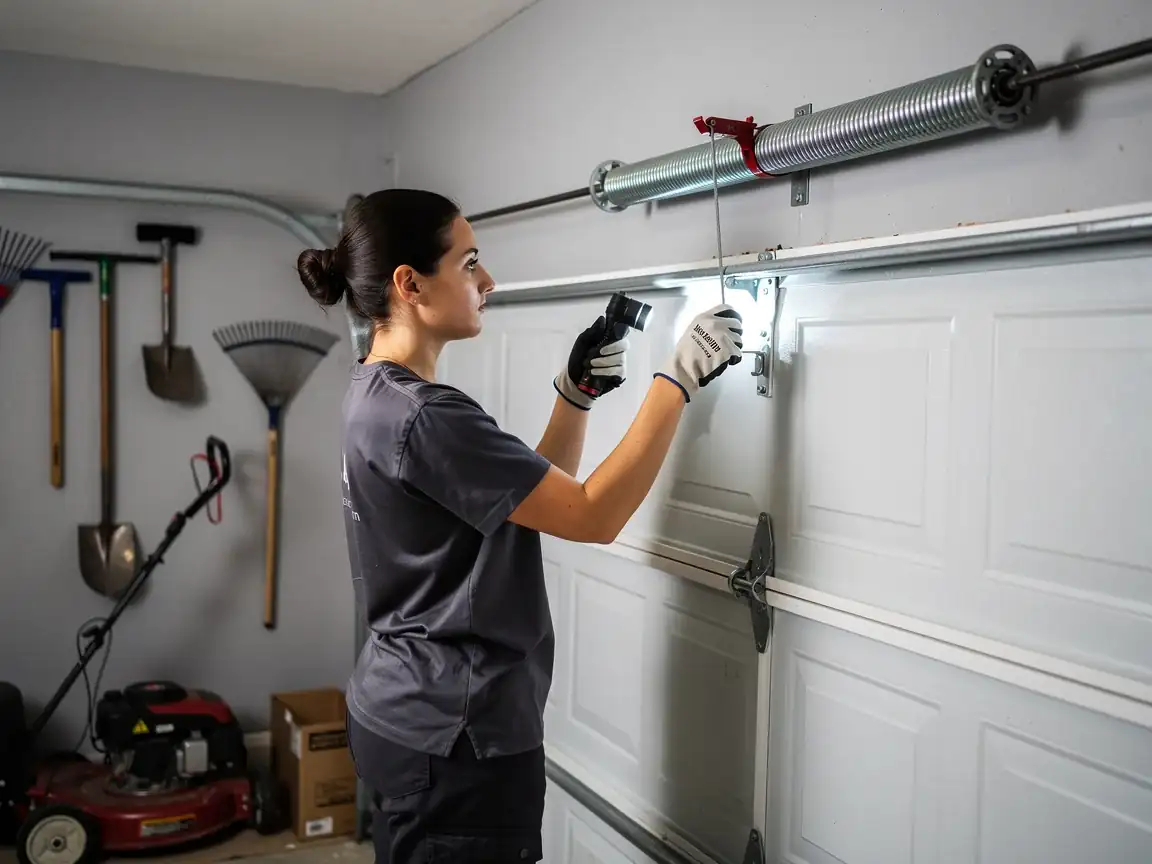
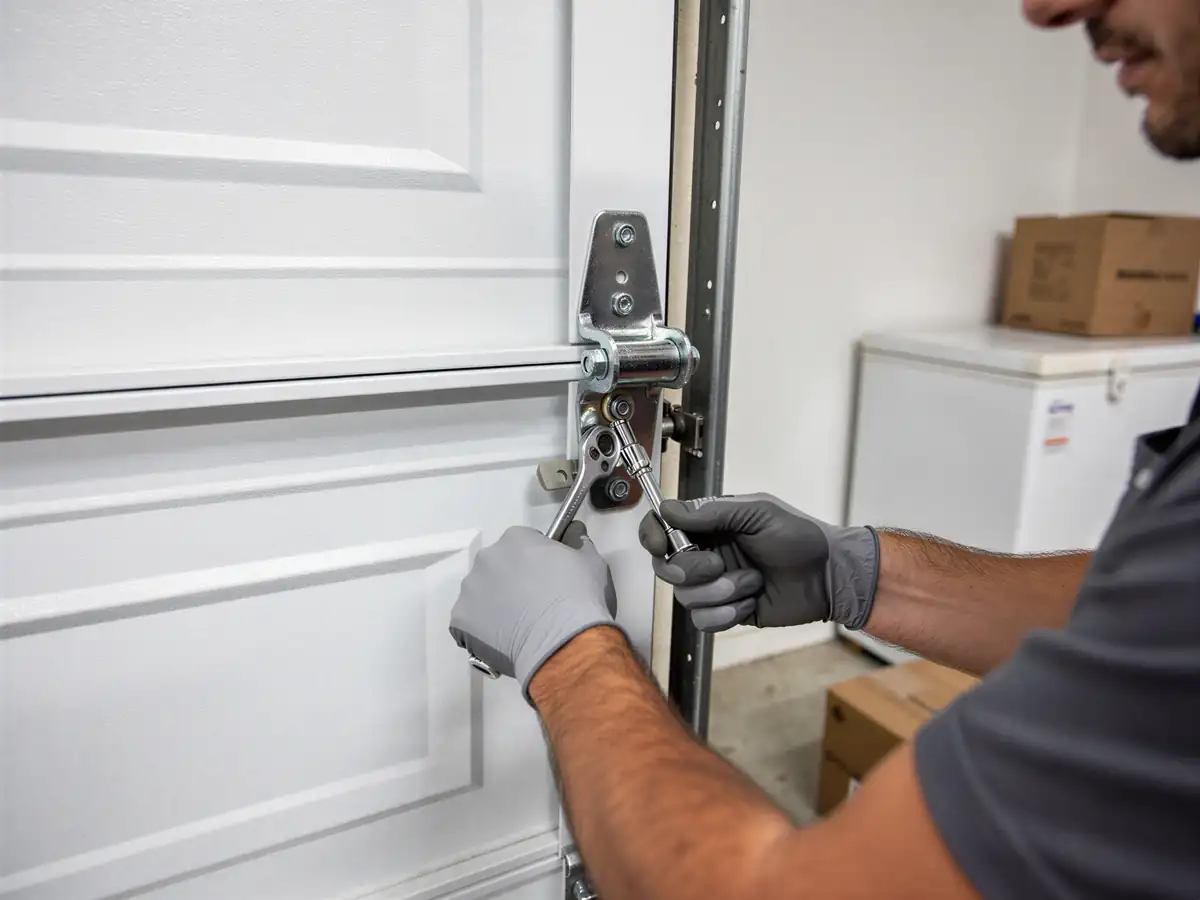
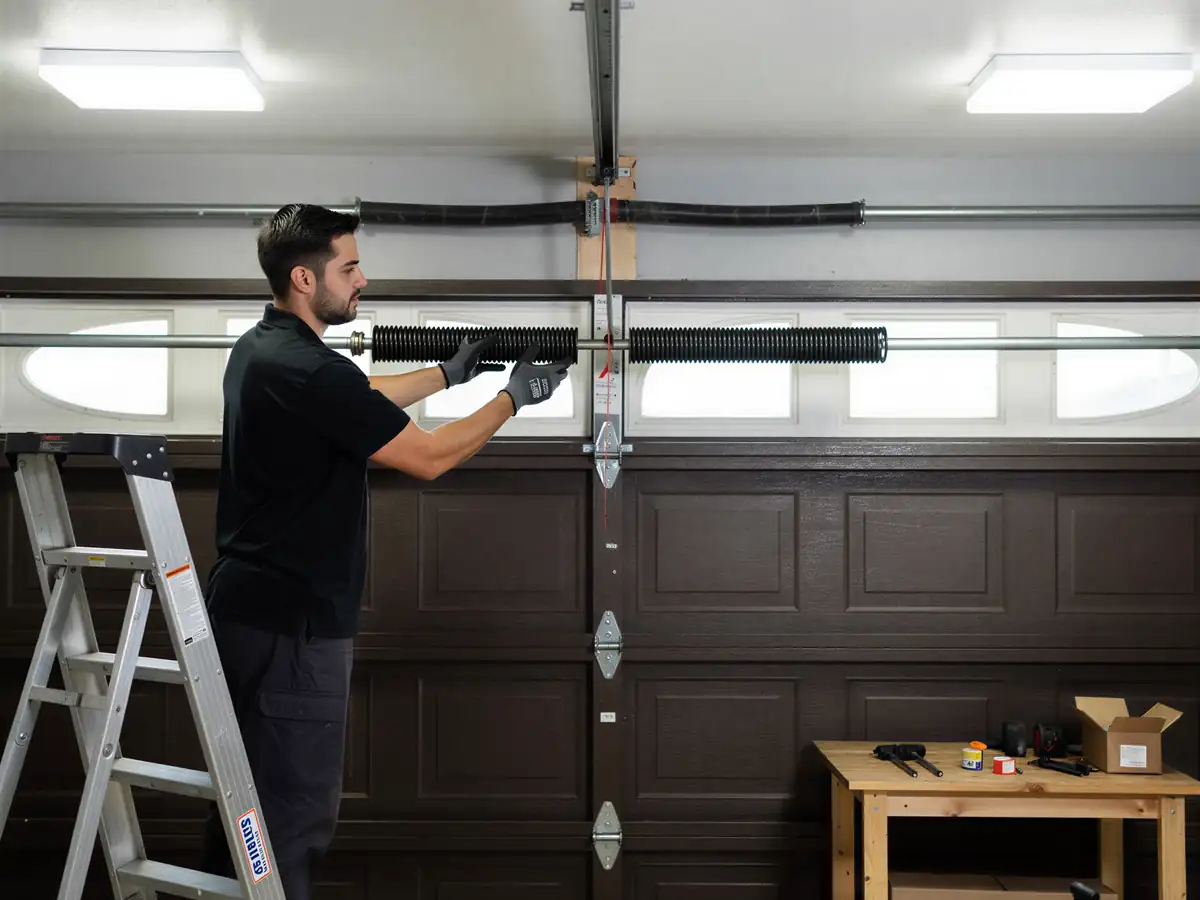
On a 1976-era door, the giveaway is usually the spring setup. A lot of these are still running the original torsion bar and cone configuration, sized for a door weight that doesn't always match what's actually hanging there anymore if a heavier insulated panel was swapped in at some point. When one of those springs breaks, the door can feel fine at the top and then come down hard, which is the thing that worries people - rightly.
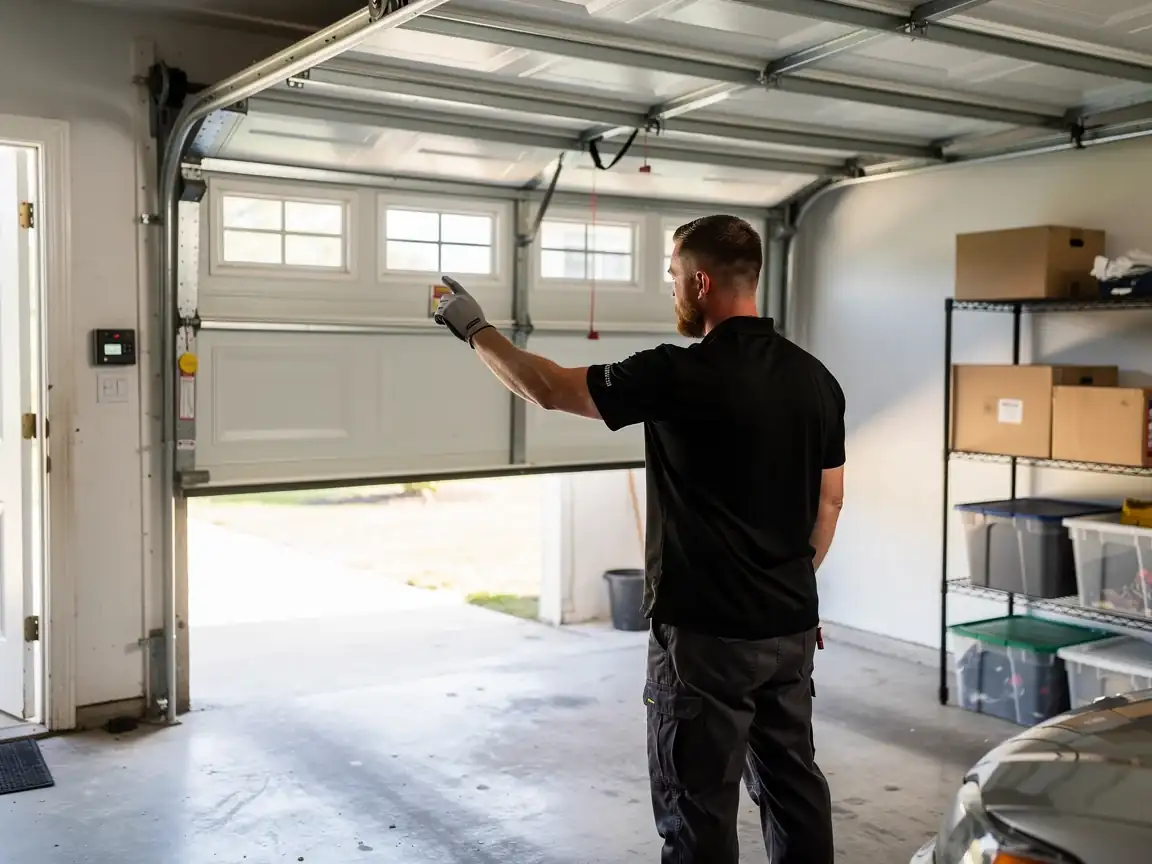
Openers from this build era, if they're original, are usually long since replaced, but the mounting brackets and the rail length often stayed the same, which can make a new opener installation trickier than it looks on paper. We check the rail and header clearance before we quote anything, because guessing on an older garage usually means a second trip.
If your door is original to a 1976 build and still running the factory hardware, it's worth a look even if nothing's broken yet - replacing a tired spring before it snaps is a lot less stressful than dealing with a door that's already down.