How Local Conditions Play In
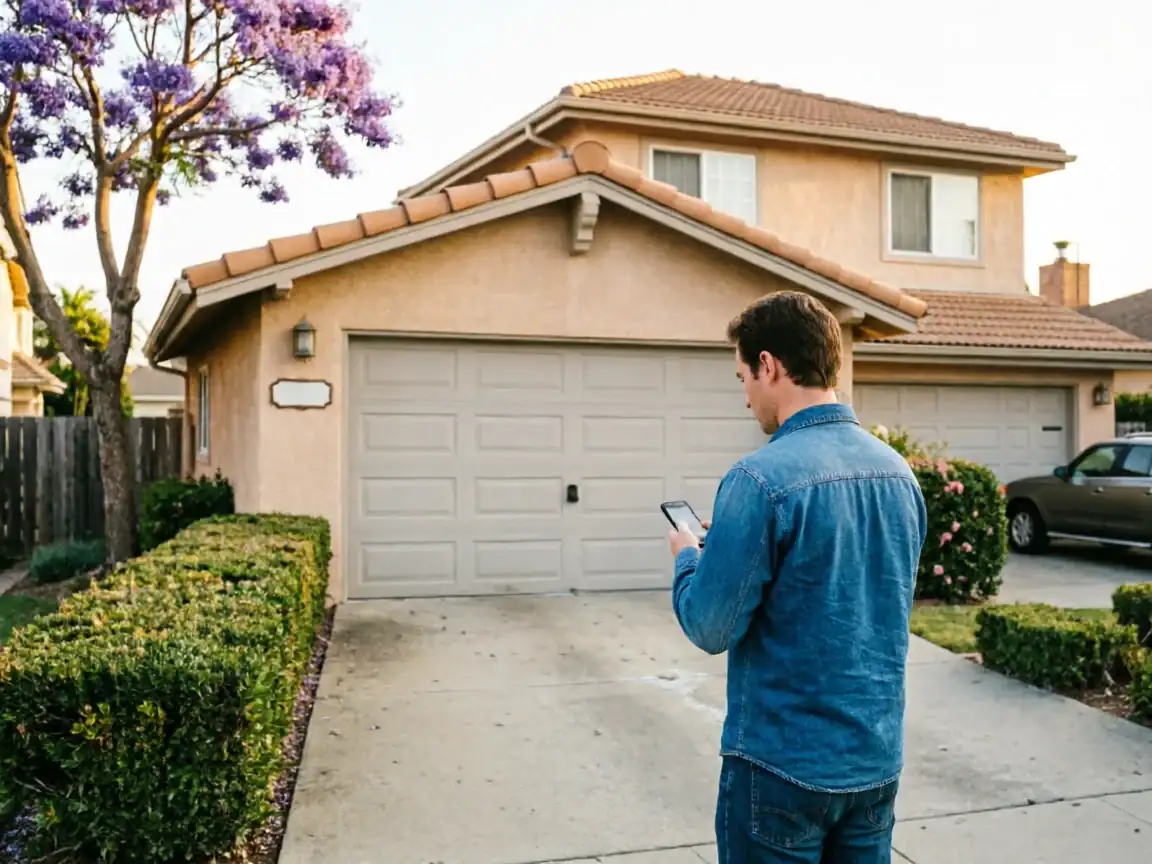
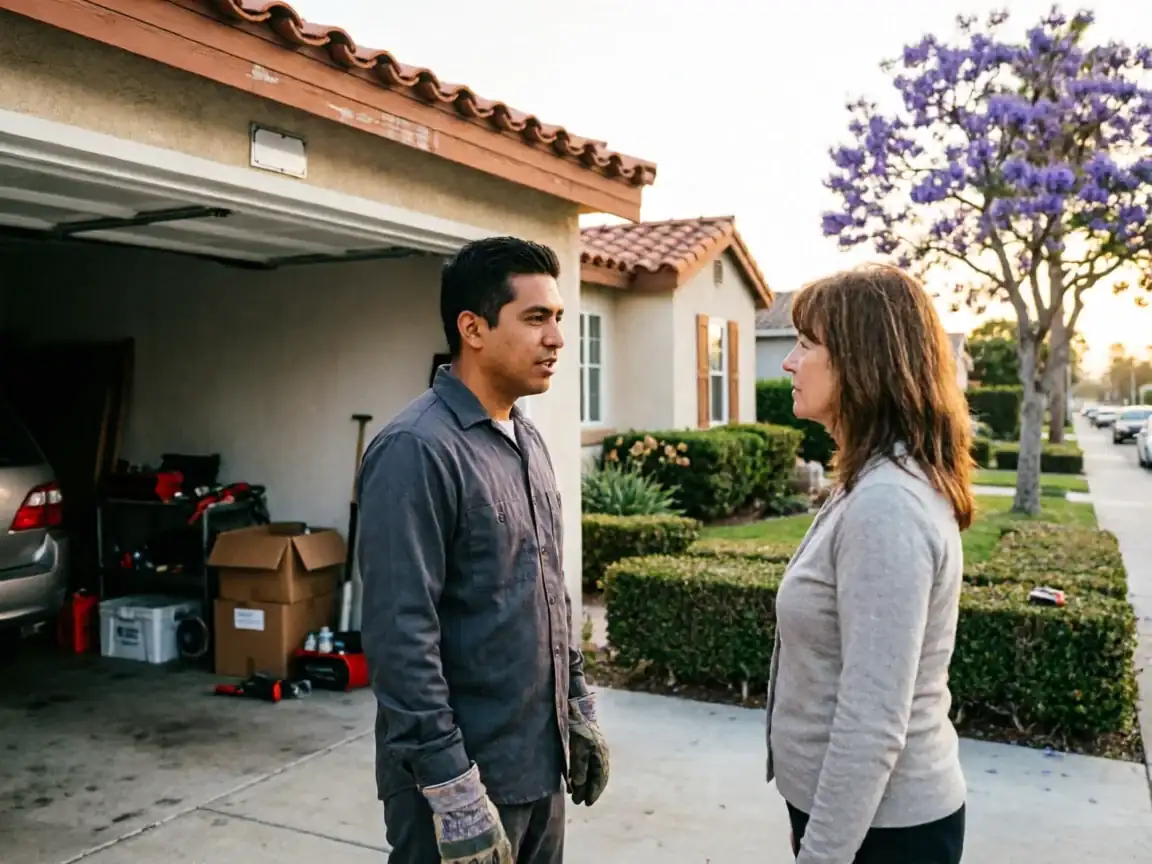
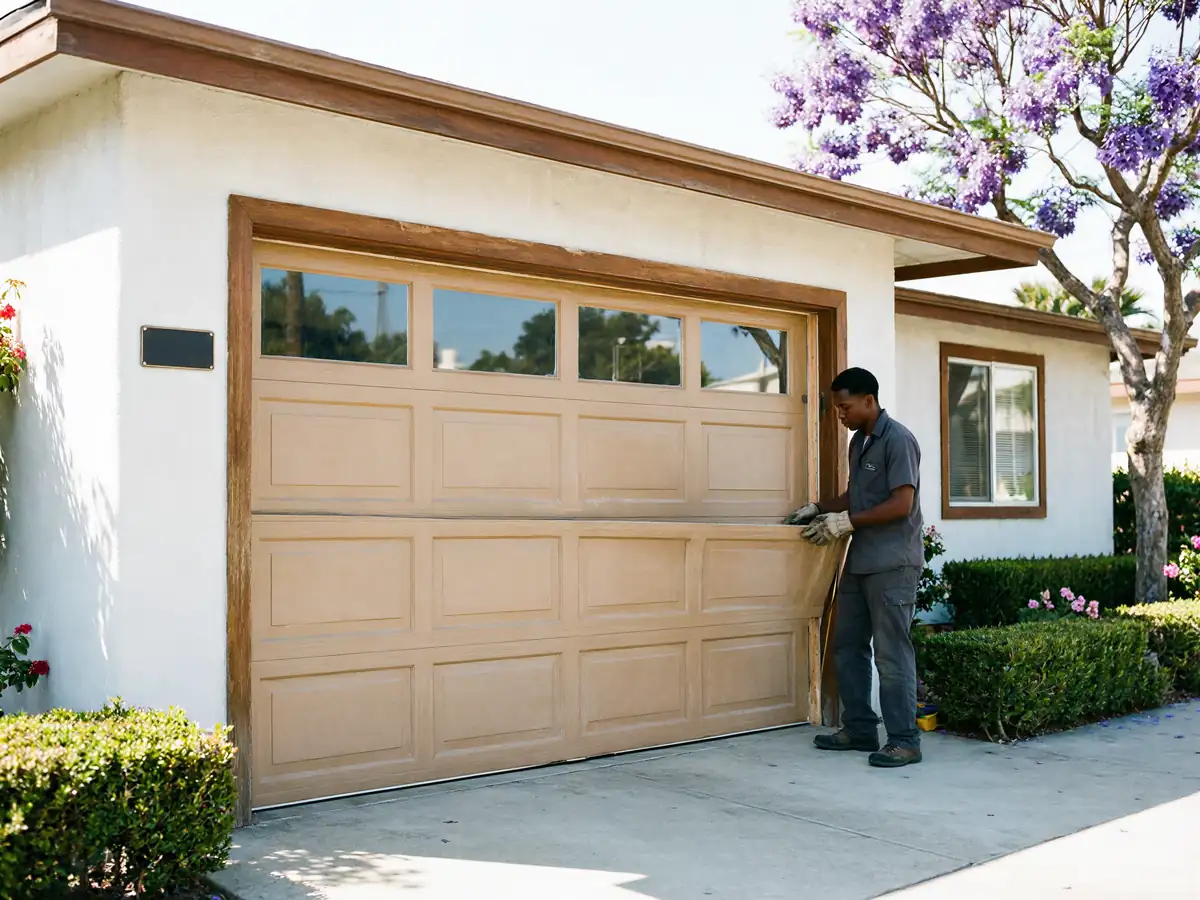
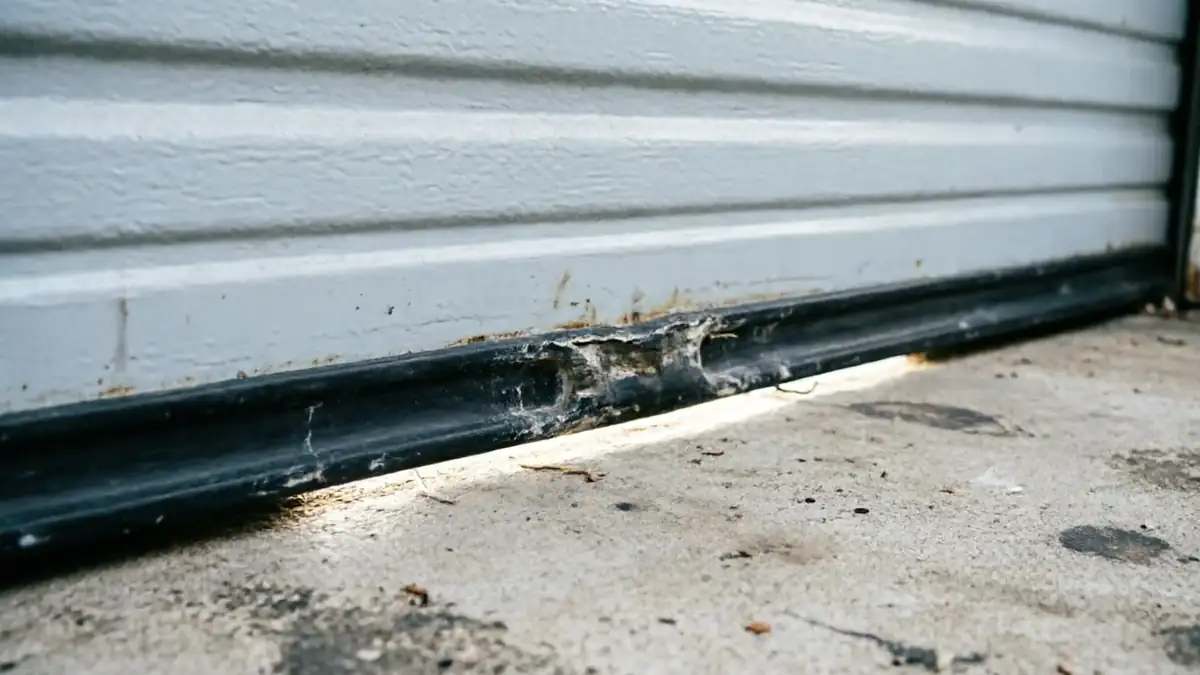
El Cajon sits in a mild temperate band, no hard freezes, no heavy snow load pressing on a door slab. That sounds like good news for a garage door, and in some ways it is - you're not fighting ice-jammed tracks every January. But mild doesn't mean gentle. The seals on most doors here spend years absorbing direct sun and heat-cycling through hot afternoons into cooler nights, day after day, without the kind of weather event that would prompt someone to replace them on a schedule. The rubber doesn't split from frost. It just slowly goes stiff, shrinks a fraction of an inch at a time, and pulls away from the slab where you'd never notice until a draught finds it. Across the 22 named areas that make up this service area, the pattern repeats: houses built mostly in the 1960s and 70s with the original seal channel still bolted to the same aluminum track. Nobody replaces a seal because of a storm here. They replace it because dust is coming in under the door and somebody finally looked.
When It Stops Being a DIY Job
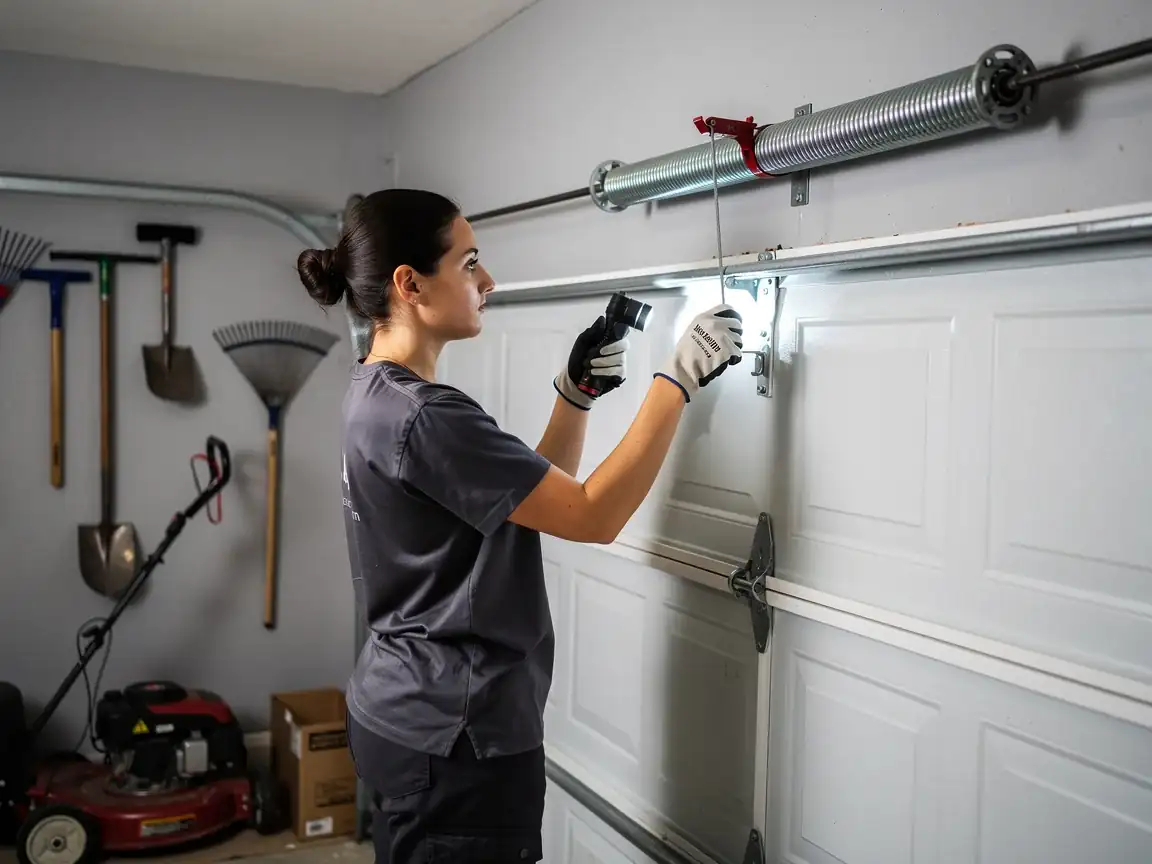
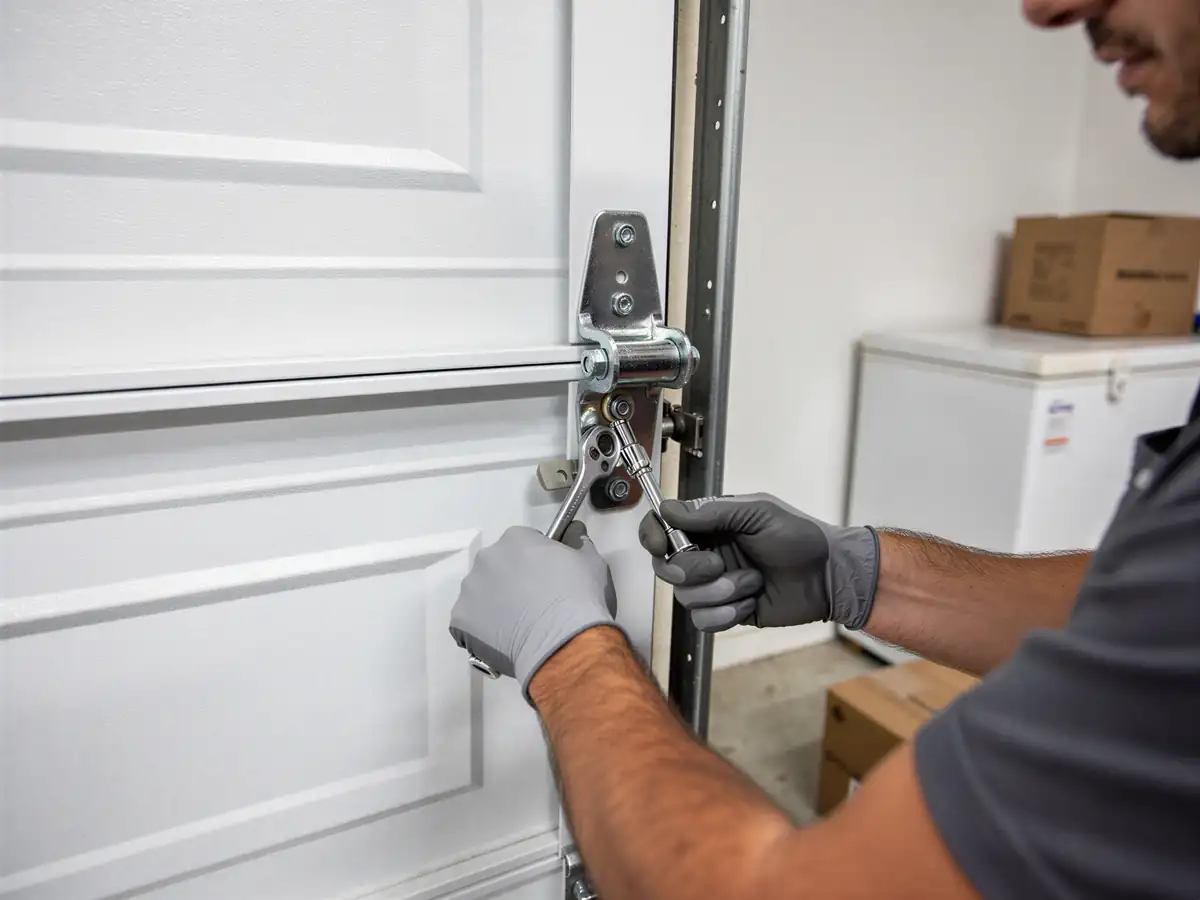
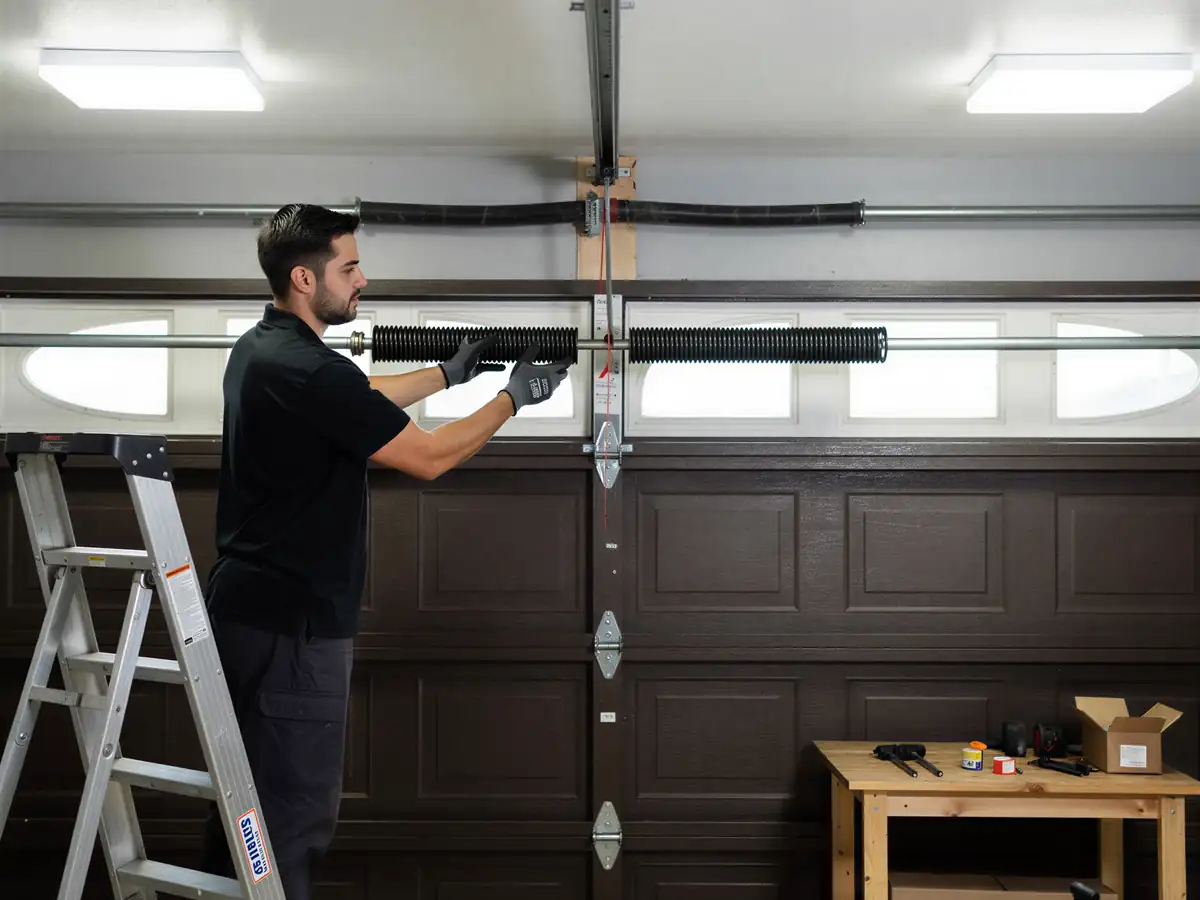
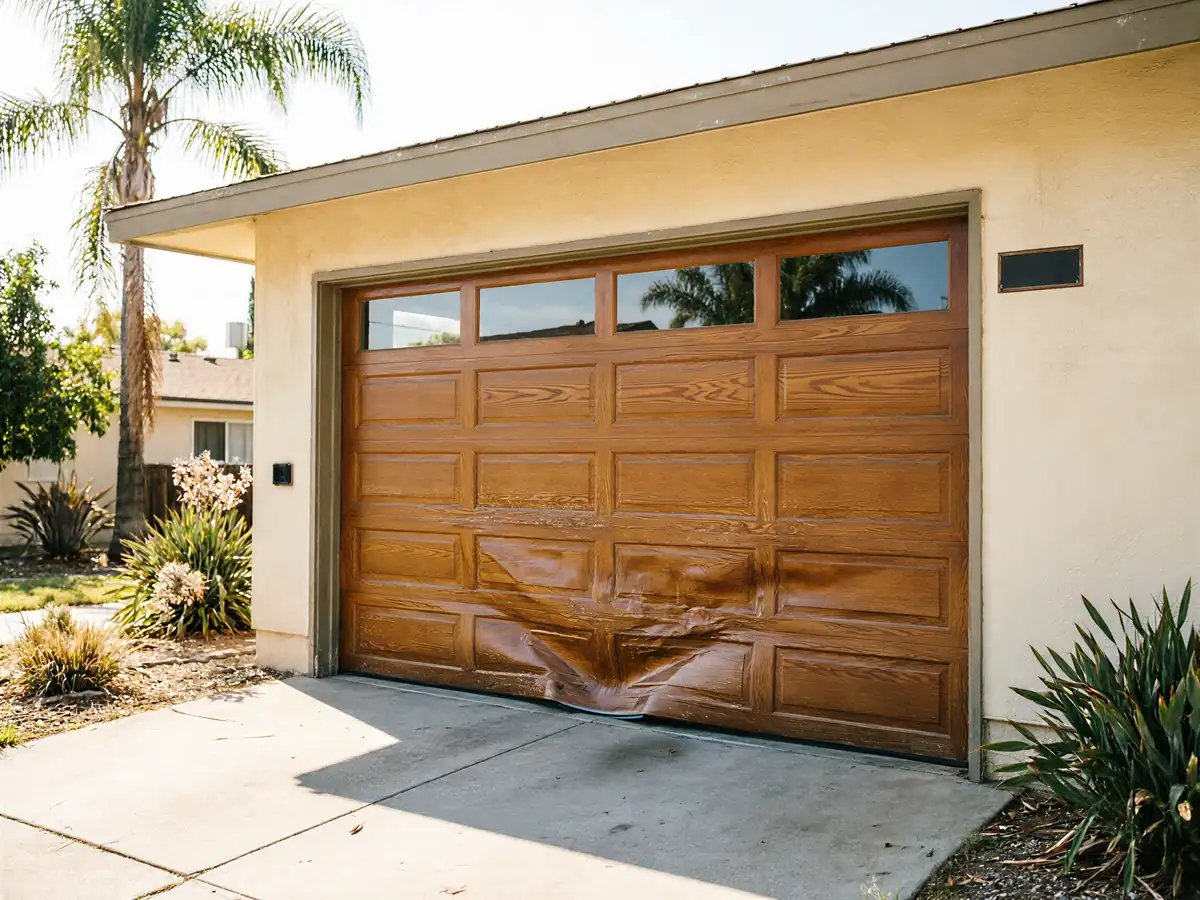
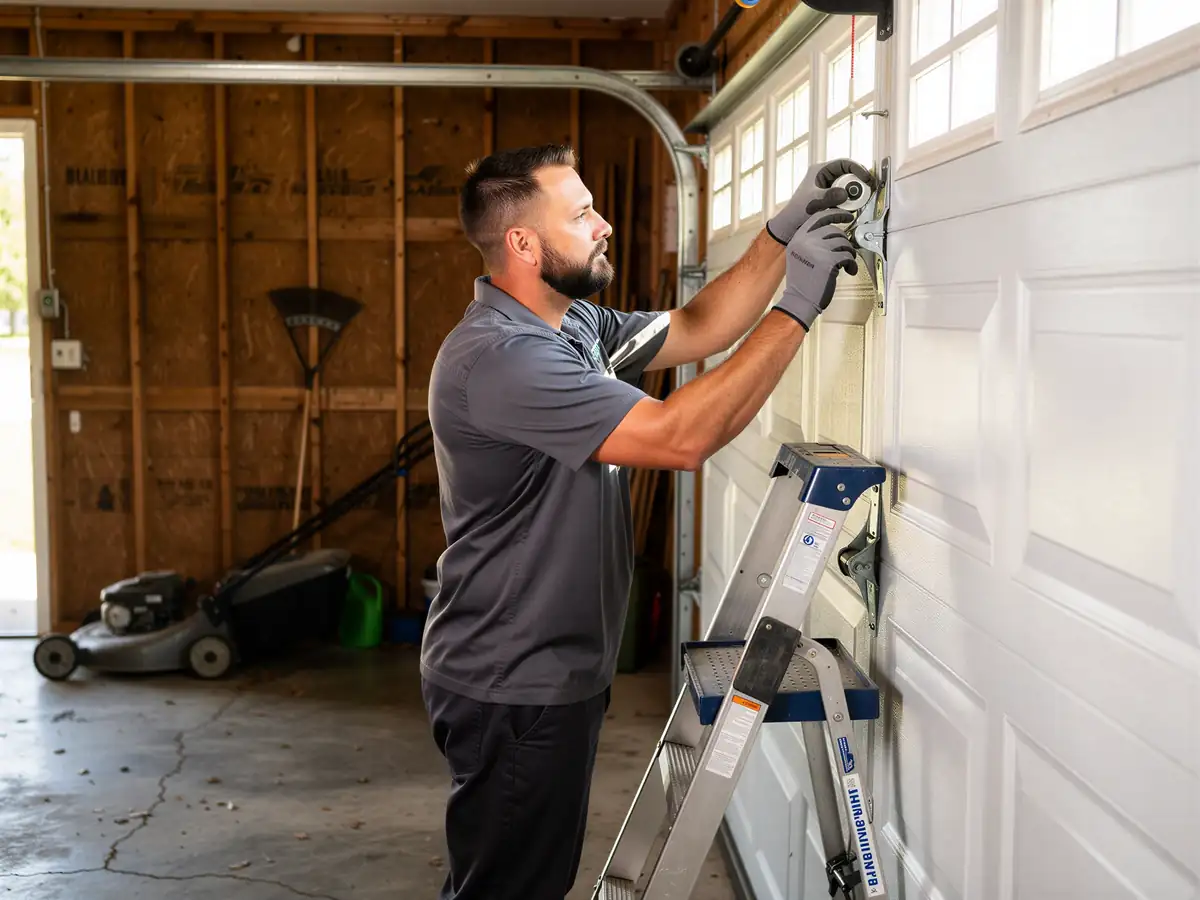
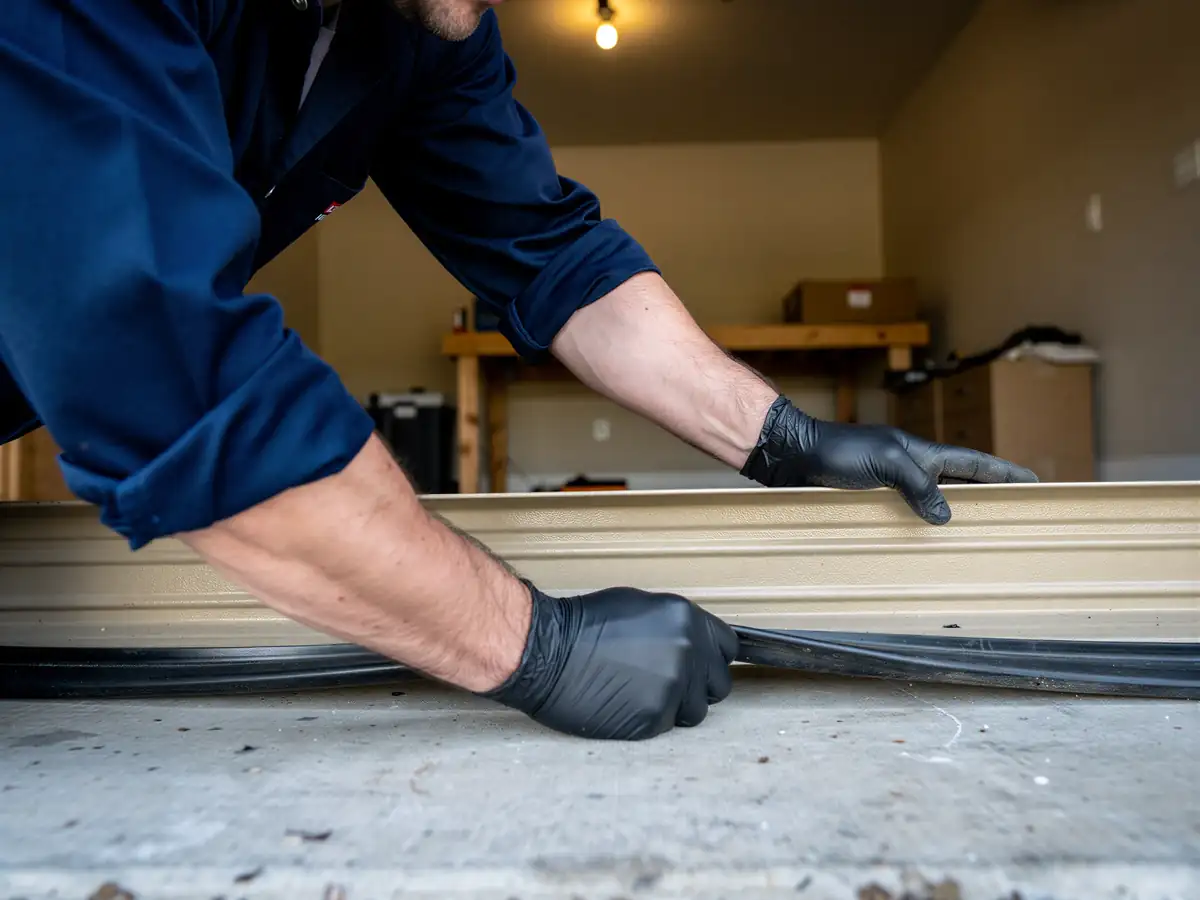
A strip of new vinyl astragal from a hardware store fixes a simple worn bottom seal on a lot of these doors, and that's a job you can do on a Saturday with a caulk gun and twenty minutes. Where it stops being DIY is when the track itself has warped or the stop molding along the jamb has pulled loose from the stucco - common on housing from the 1967-1992 era where the original wood jamb has shrunk and shifted over fifty-plus years of mild seasonal movement. At that point you're not sealing a gap, you're re-fastening hardware to a frame that's no longer square, and a seal alone won't hold. If your door has a torsion spring setup you're not familiar with, or the draught is coming from a bent panel rather than a loose seal, that's where we'd want to look at it in person rather than have you guess from a video.
The Problem
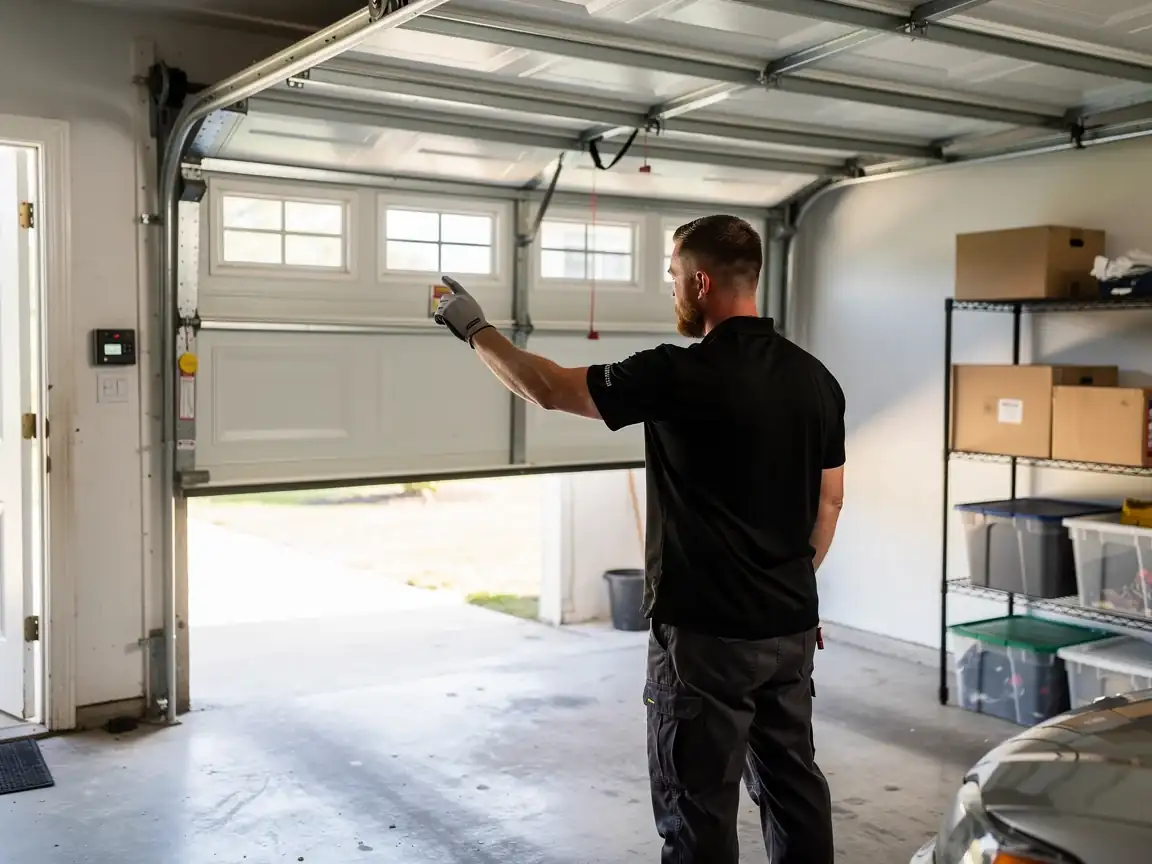
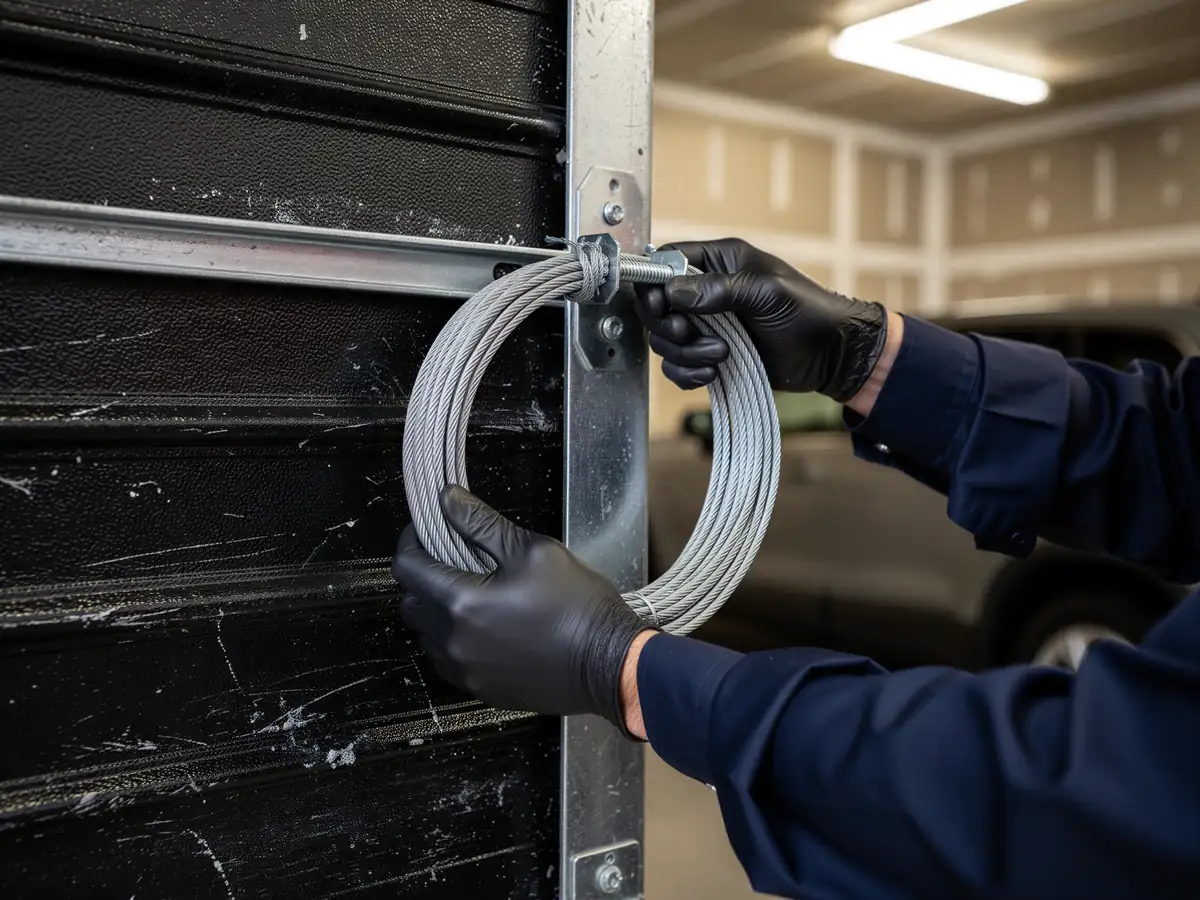
The honest issue with weather seals on older El Cajon houses is that the fix looks small and often isn't. A twenty-dollar seal replacement buys you maybe a year or two if the track or jamb underneath it has already moved, and on homes built in the 1967-1992 range that's a common situation we see. We won't sell you a new seal kit if the real problem is a track that needs resetting - that's a waste of your money and ours. The flip side: because the climate here is mild, there's no urgency driven by weather damage, so there's no reason to rush a fix that won't hold. Take the time to check the track alignment first.