The Symptom
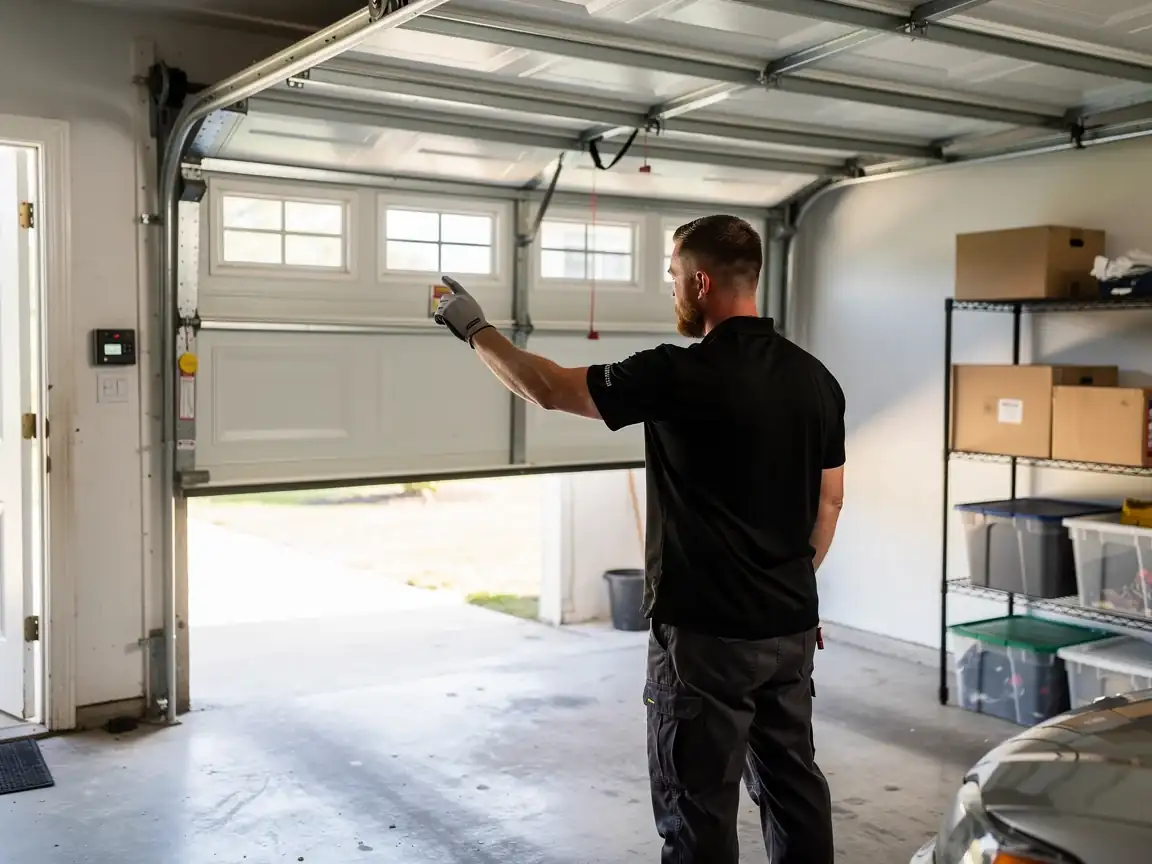
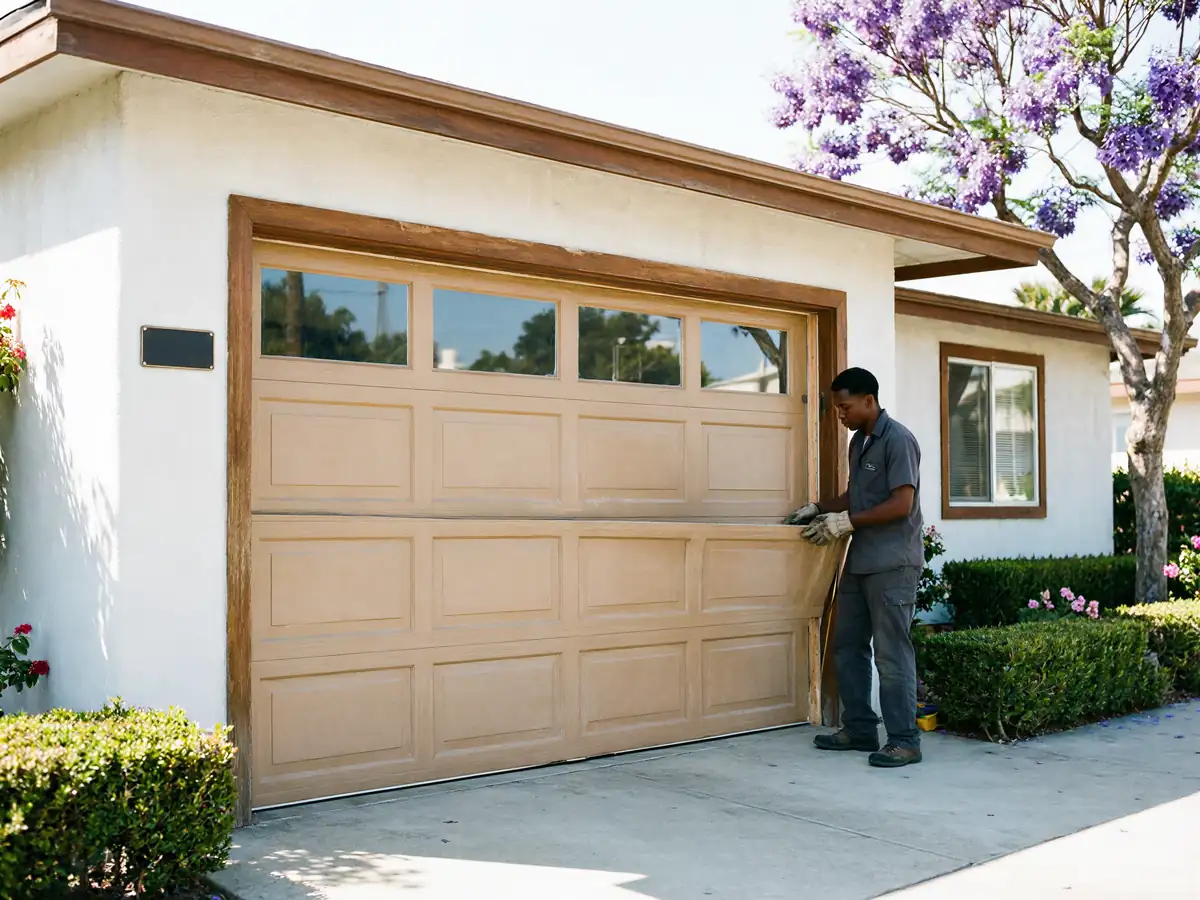
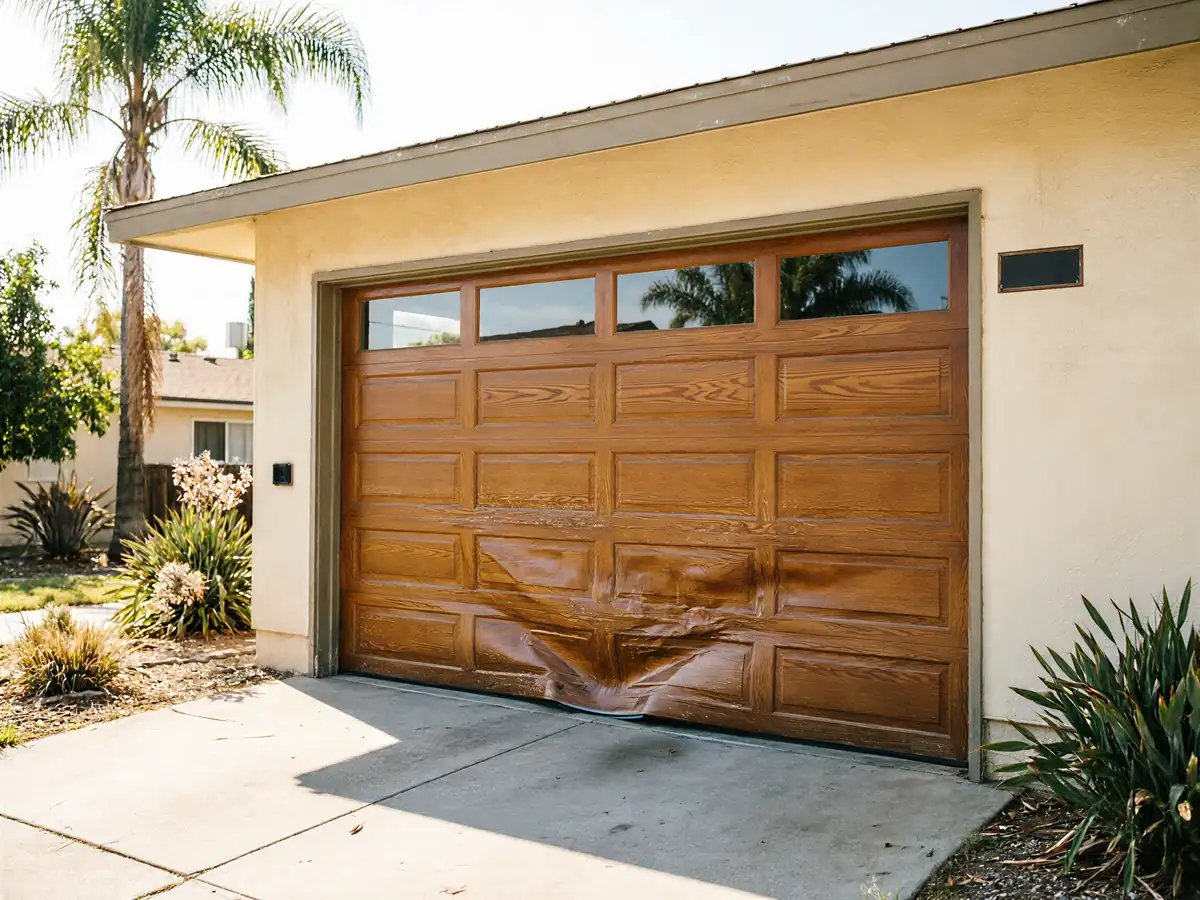
The door shudders instead of gliding. You hear a grinding or popping sound as it passes the bend where the track curves from vertical to horizontal - that's usually a roller giving out right at the radius. Sometimes a panel jumps the track a few inches and the door stops dead, stuck half open or half closed. On older steel track, you'll often see a groove worn into one side where a dry roller has been rubbing metal on metal for years instead of rolling clean.
It rarely happens all at once. Most owners notice the noise first, ignore it for a few months because the door still opens, and then one roller finally snaps its stem or the nylon wheel cracks and falls apart, and the door won't move at all. By the time that happens, the rollers next to the bad one are usually close behind - they've been carrying extra load and running dry the same length of time.
If your door only acts up on the top two feet of travel, or only when it's cold in the morning, that's roller wear talking before it becomes roller failure.
Why It Happens Here
Housing across this service area mostly went up between 1967 and 1992, with a median build year around 1975 - that covers the bulk of the roughly 22 named communities we work in, from Bostonia and Granite Hills close in out to places like Alpine and Ramona further out. A door installed when a house was built in the mid-1970s has had close to fifty years of rollers doing two round trips a day, every day, with the original hardware never swapped out.
The climate here doesn't help in the way people expect. This is a mild temperate band - no hard freeze-thaw cycles cracking metal, no road salt eating fasteners the way it does in colder states. Instead the failure mode is slow and dry: rollers that were greased once at installation and never again, running in track that collects dust and grit instead of rust. That combination - original steel or early nylon rollers, no lubrication maintenance, decades of cycles - is why roller wear shows up so often as a service call in houses from that era, more than it does in anything built in the last twenty years with sealed-bearing nylon rollers already installed.
What the Fix Involves
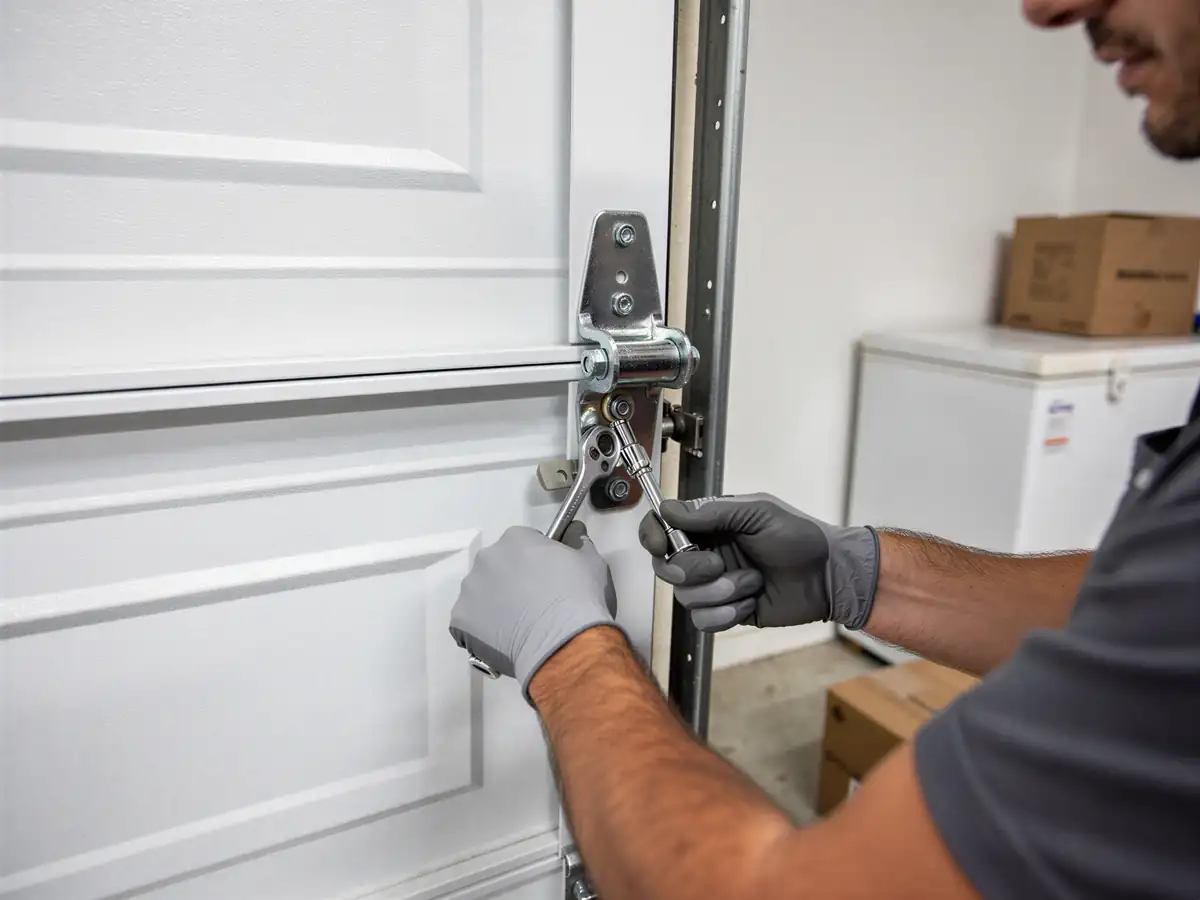
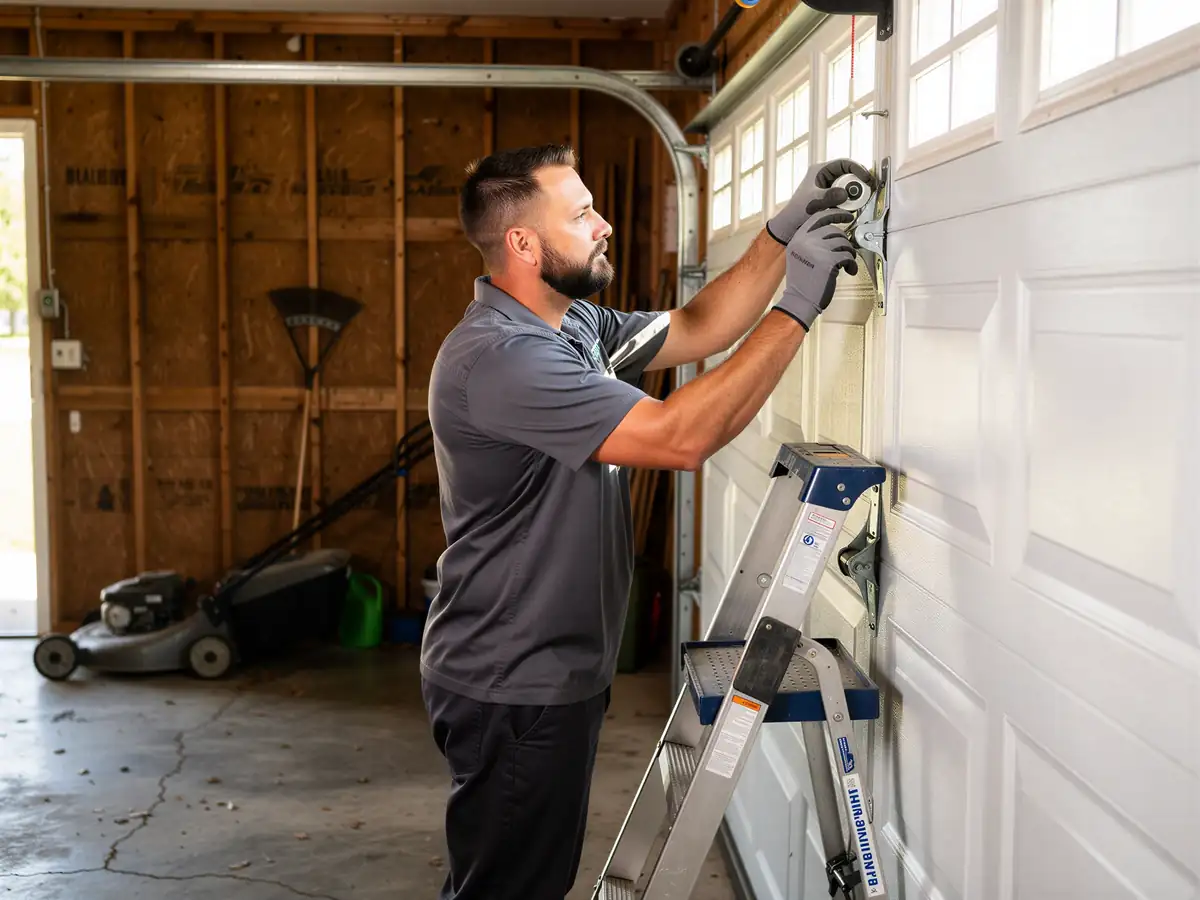
A full roller swap means pulling all ten rollers (or however many your door uses across its panels)
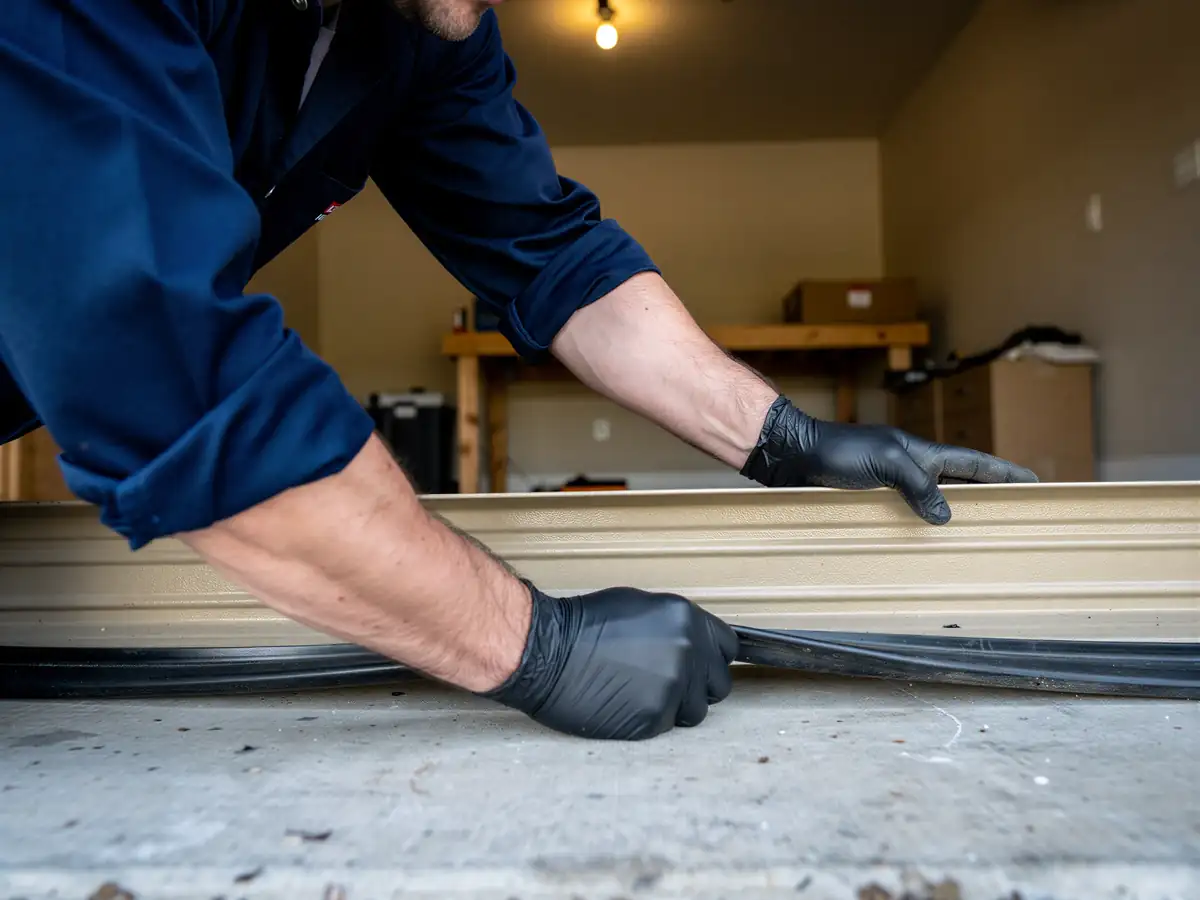
Not just the one that's loud. If one has worn out from age and dry running, the rest on that door are on the same clock. We check the track at the same time - rollers that have been grinding against steel for years often leave burrs or a widened gap at the curve, and a new roller dropped into a damaged track will just wear again on the same schedule.
We also look at the stems and brackets
Since a bent stem from a roller that jumped track once already won't hold a new wheel straight. Depending on what we find, that can mean swapping a bracket along with the roller, not just the wheel itself.
One limitation worth saying plainly
If the track itself is badly bent or rusted through rather than just worn, roller replacement alone won't fix the noise - that's a track repair or replacement job, and we'll tell you that up front rather than sell you rollers that won't solve it.
Can You Do This Yourself
Rollers are one of the more approachable garage door parts to replace on your own if the door is disconnected from the opener and you're working on the bottom panel with the door down and the spring tension intact. Swapping a single bottom roller with the door closed is within reach for a handy homeowner with the right pliers and a bit of patience.
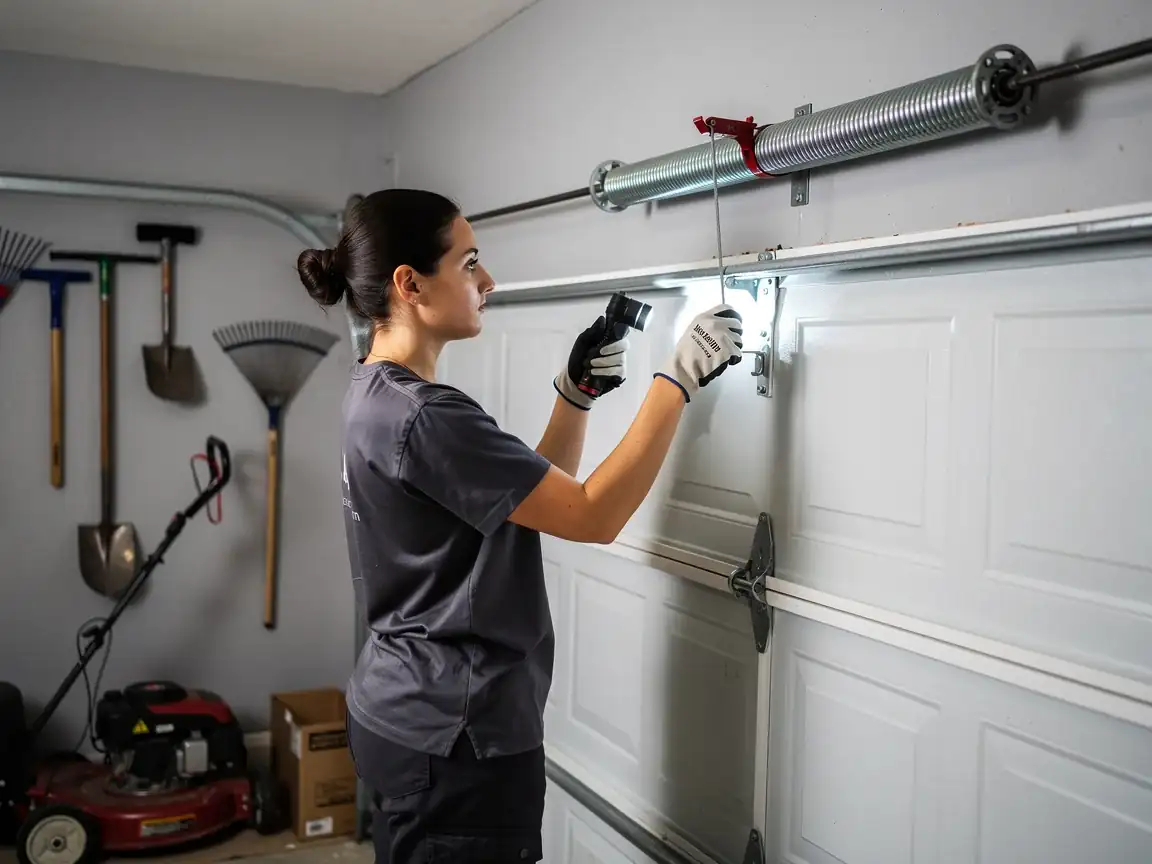
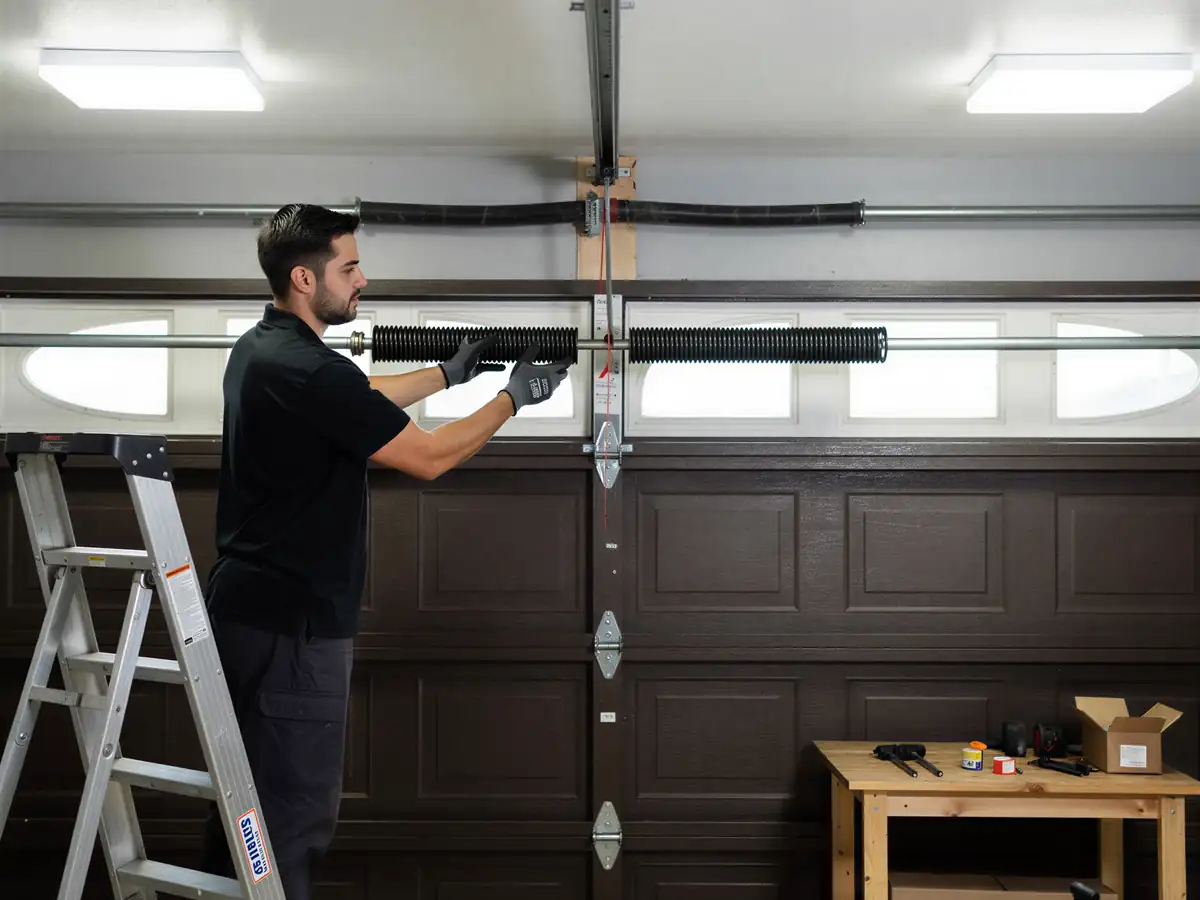
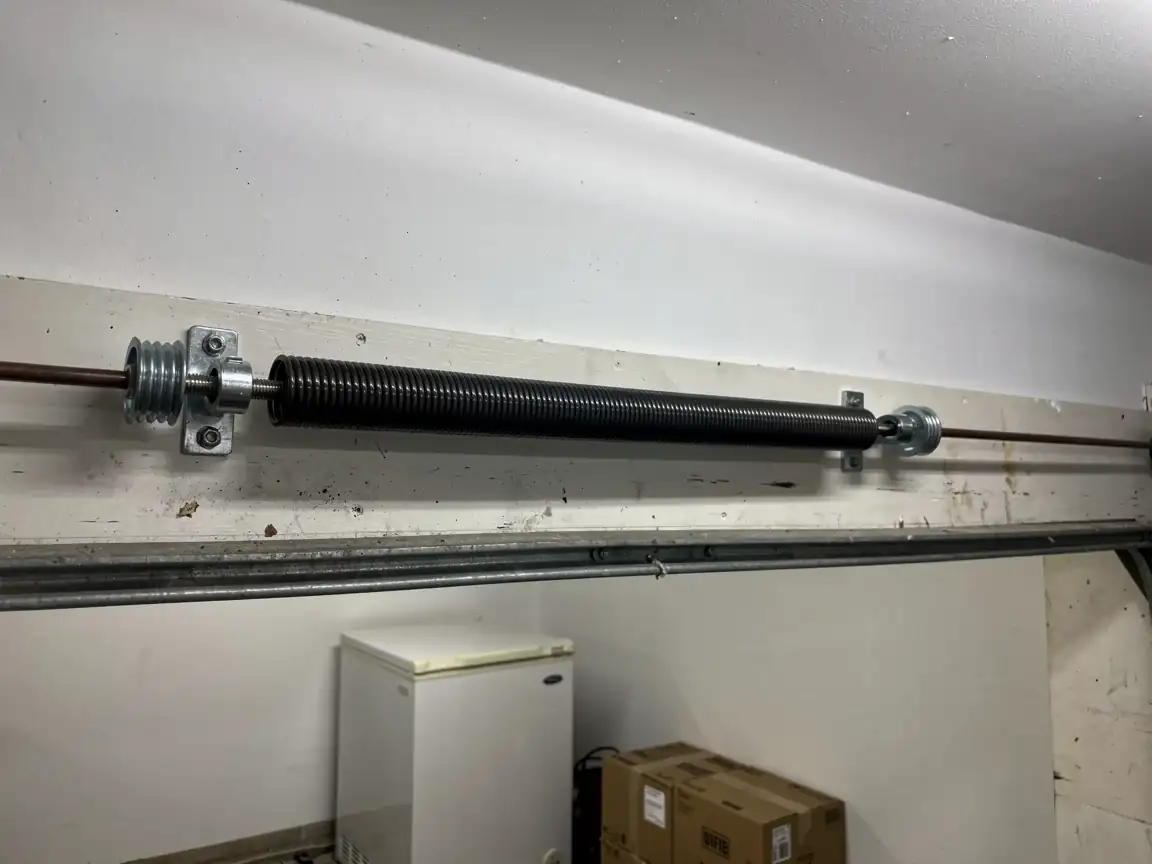
Where it gets dangerous fast is anywhere above shoulder height - rollers on the top panel sit close to a torsion spring under heavy tension, and a door that's opened to access them can come down if you've disconnected the wrong thing at the wrong moment. We'd rather you call for that part of the job than guess.
If you're only dealing with one noisy roller and the track looks clean and straight, it's a reasonable DIY weekend task. If you're hearing grinding on more than one roller, or the door has jumped track even once, that's a sign of wider wear and probably a job to have someone look at rather than patch piecemeal.