Serving El Cajon, CA & nearby
(619) 467-1116
El Cajon, CA

What Your Garage Door Is Trying to Tell You in El Cajon

El Cajon's 1960s-70s garage doors groan, grind, and bang for real reasons tied to this town's housing age and mild climate. Here's what each sound actually means and when to call.

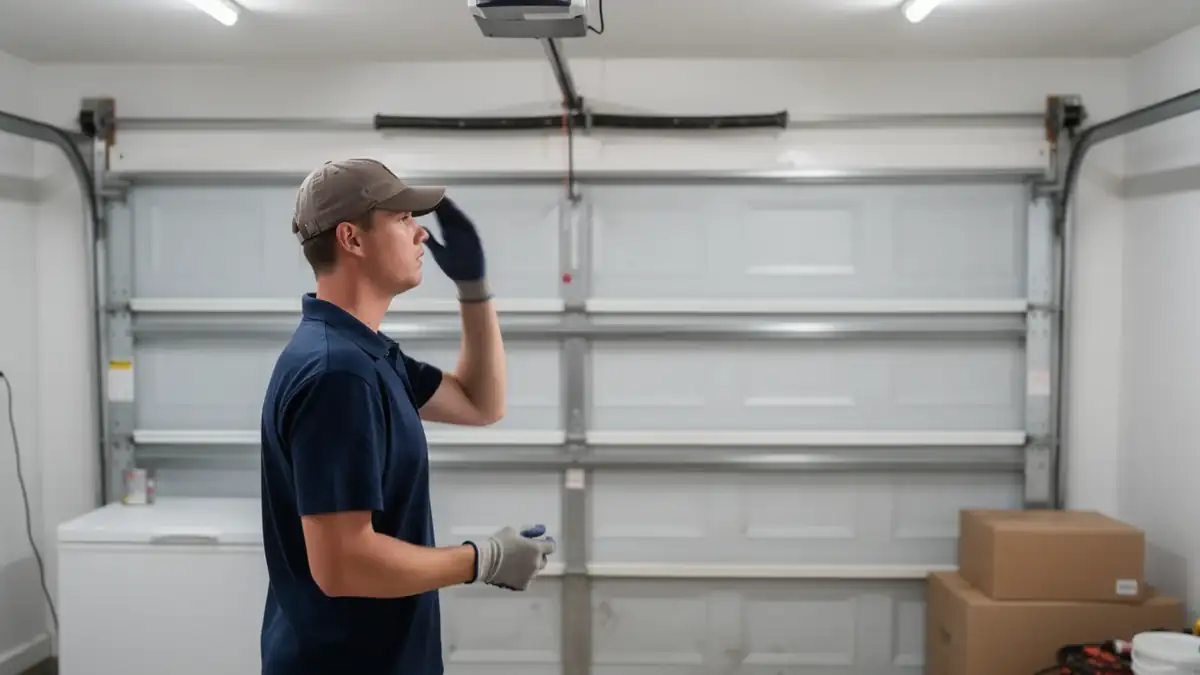
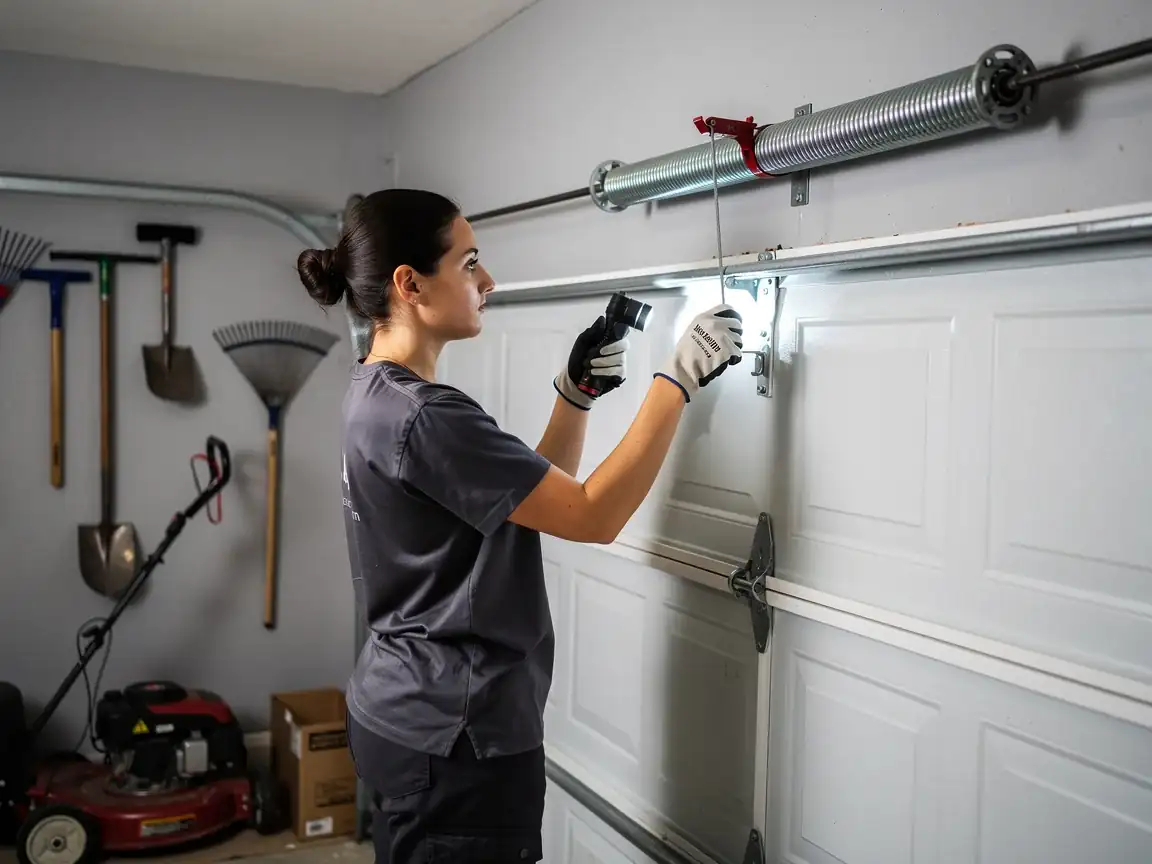
A technician in a cap and gloves stands in a garage with a white door.

How Local Conditions Play In

El Cajon's housing stock runs mostly 1967 to 1992, with the median build landing around 1975. That means the door and opener hardware on a lot of these houses is either original or a straight swap-in from decades ago - torsion springs sized for panels heavier than what's sold today, openers with chain drives nobody rebuilds anymore. The climate here is mild temperate, so you don't get the freeze-thaw cycling that snaps springs in colder towns, but you do get something else: steady dry heat that dries out lubrication fast and lets dust settle into roller bearings undisturbed for years. Across the 22 named areas this shop covers - from Bostonia two miles out to Rancho San Diego four miles south and Alpine twelve miles east - the housing age pattern repeats block to block. A door that's been quiet for forty years doesn't suddenly go loud for no reason. It's wear catching up with hardware that was never built to last this long, in a climate that let it limp along longer than it would have elsewhere.

When It Stops Being a DIY Job

A noisy door isn't automatically a dangerous one, but some sounds mean you stop and call rather than grab a ladder. A loud bang or a door that drops suddenly mid-cycle usually means a torsion spring has let go - on the older hardware common in houses built in this 1967-1992 window, those springs are wound tight enough to break a hand or worse. Grinding that gets louder and ends in a clunk is often a cable starting to fray on its drum; once it's down to a few strands, it can snap without warning. If the noise comes with the door binding or hanging crooked, a cable has probably already jumped the drum. None of that is a weekend fix with a can of spray lubricant. Lubing rollers, tightening loose bolts, and checking the track for debris - that's DIY territory, and worth doing regardless of what's making noise. Springs, cables, and anything involving the torsion bar or the drums at the top of the track are not. The honest answer is that a repair call for spring replacement is usually a shorter, cheaper job than the trip to urgent care that comes from doing it yourself.

What to Check

  1. Rhythmic thump once per cycle

    almost always a flat spot on a roller or a bent track hanger, common once rollers pass the twenty-year mark typical of this housing stock.

  2. High-pitched squeal on the way up

    dry roller bearings; in this mild climate, dust and age dry out factory grease faster than moisture ever would.

  3. Metallic grinding from the opener head

    stripped gear inside an older chain-drive unit, often original to houses built before 1990.

  4. Loud bang followed by the door refusing to move

    broken torsion spring. Stop. Don't test it.

  5. Rattling along the whole track

    loose hardware, usually fixable with a ratchet in twenty minutes, more common on original installs that have never been retightened.

  6. Clunk-clunk as the door opens, then binding

    a cable slipping off its drum, frequently paired with the uneven wear typical of 1970s-era doors that have outlived their design life.

  7. Each of these shows up differently depending on which decade the hardware came from

    Which is why the same sound can mean different things in a house from 1968 than in one from 1988.

The Problem

Here's the limitation worth saying out loud: parts for doors original to the 1967-1992 build era aren't always sitting on a shelf. Some panel profiles and hinge patterns from that stretch were discontinued years ago, and matching a single damaged panel on an otherwise sound door can mean a special order and a wait, not a same-day fix. When that's the case, the honest call is sometimes to replace the whole door rather than chase parts for one that's outlived its run. With 54,606 owner-occupied houses in the service area and a median household income of $114,736, most owners here can afford that choice when it's the right one, but we'd rather tell you a repair isn't worth it than sell you one anyway. The other limitation: a noise description over the phone only gets you so far. Spring tension, cable wear, and bent track aren't things you can diagnose from a description alone - somebody needs to put a hand on the door and listen to it run.
How it works

From “it’s stuck” to “it’s fixed”

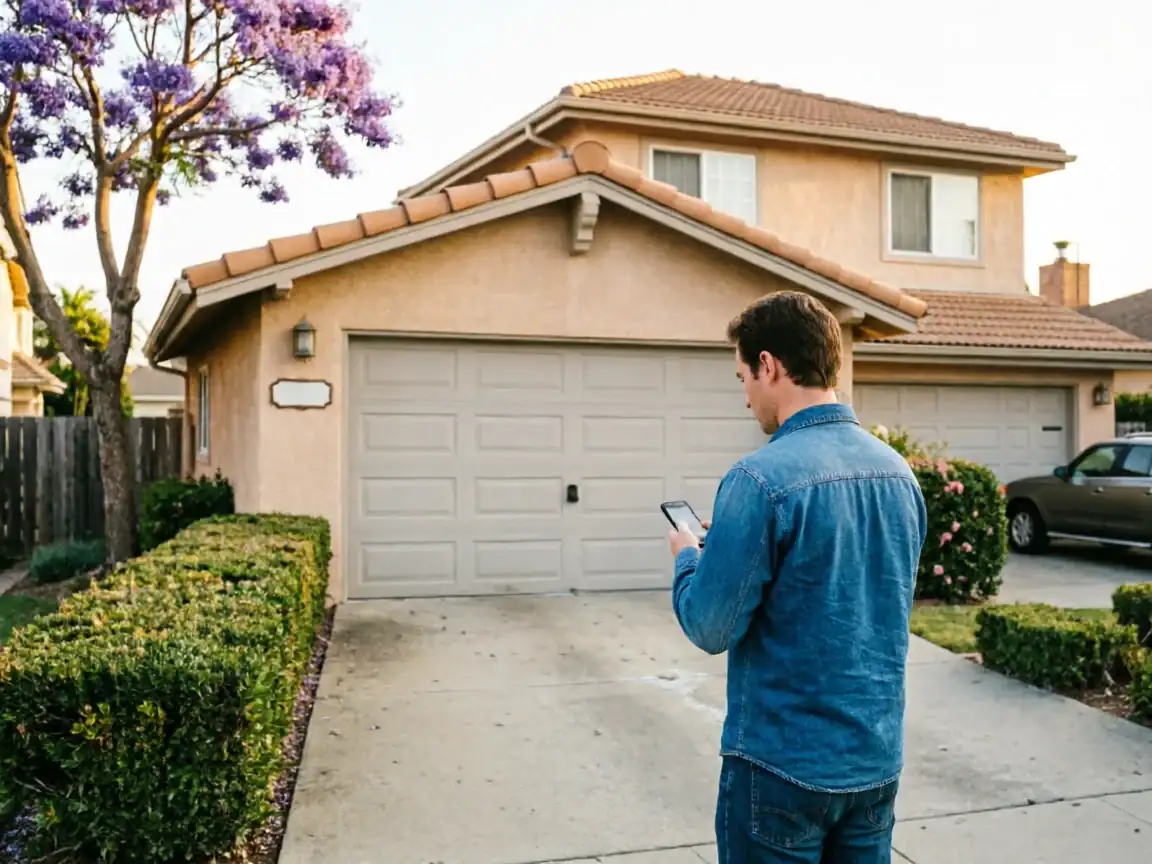
A man stands in a driveway looking at his phone, facing a two-car garage.

Tell us what’s wrong

Describe the symptom - won’t open, loud bang, opener runs but the door won’t move.

A technician shines a flashlight on a white garage door's top panel and roller.

On-site diagnosis

A technician tests the door under power and by hand and finds what actually failed.

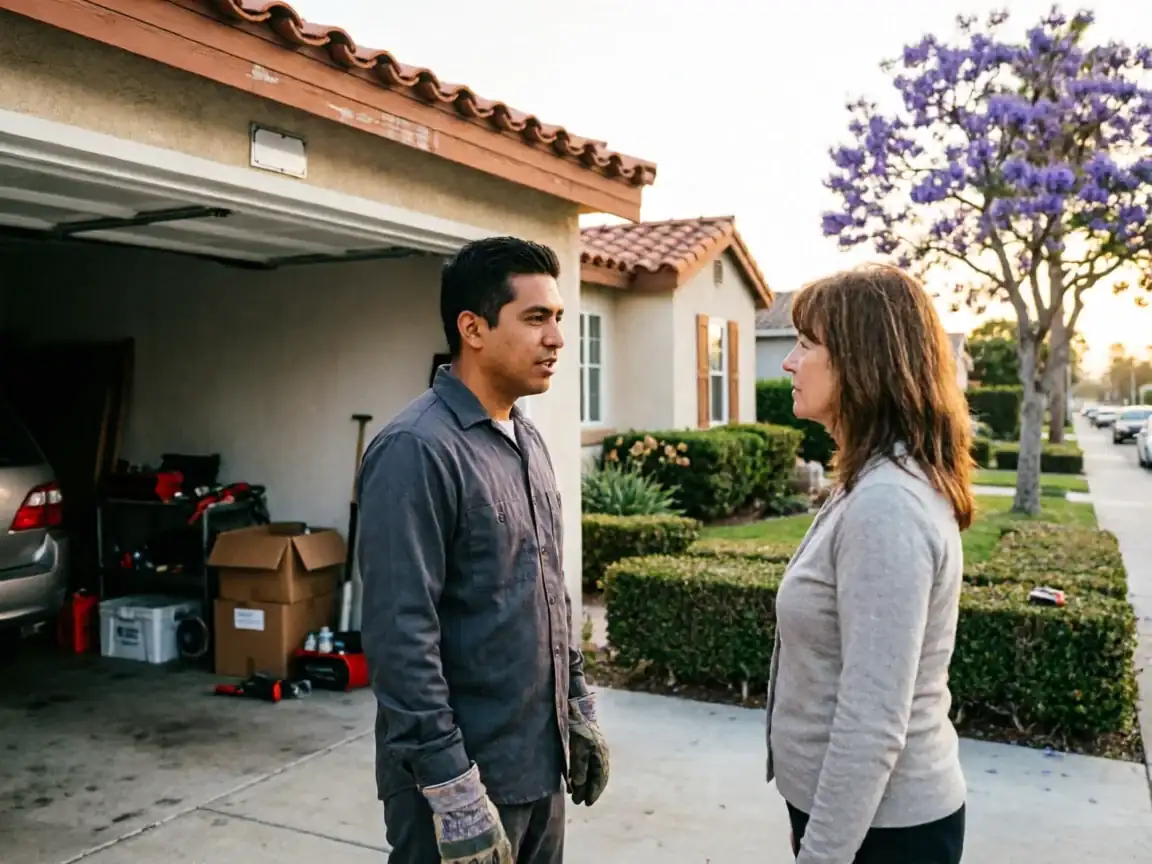
A technician in work gloves talks to a woman in front of a house with an open garage.

Clear, up-front plan

You get the fix that’s needed and what drives the cost - before any work starts.

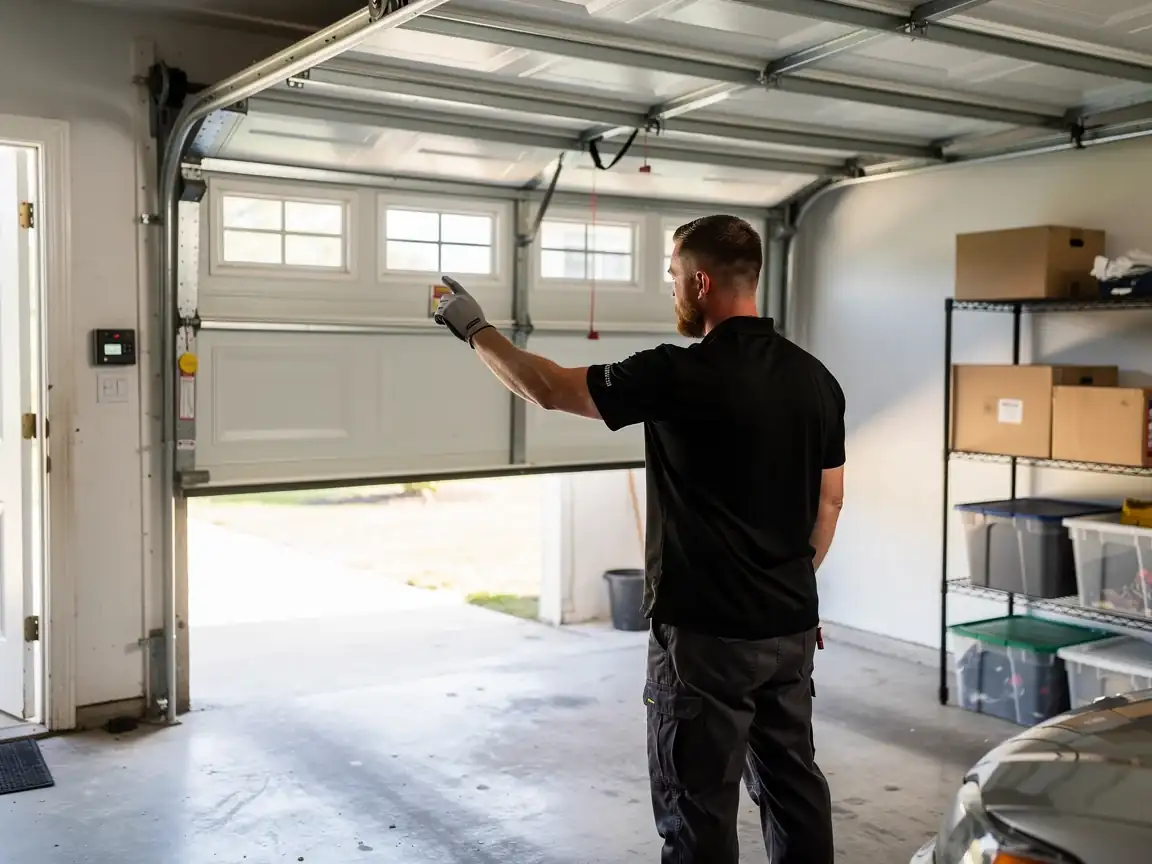
A technician points at an open white garage door with windows from inside a garage.

Repaired & tested

The repair is done, the door is set true and tested, and the work area left clean.

Not sure which repair your door needs in El Cajon, CA? Describe what it’s doing - every job starts with a diagnosis.

How we work

What to expect

Diagnosis firstEvery visit starts by finding what actually failed - not a pre-written parts list.
The right part for the doorSprings and openers matched to the door’s weight and age, so the fix holds up.
Straight answersWhen a repair makes more sense than a replacement - or the reverse - you hear it plainly.
Clean, careful workTension released safely, hardware set true, the door tested under power before we leave.
What we do

Garage Door Services

Repair and installation work for El Cajon homes and businesses.

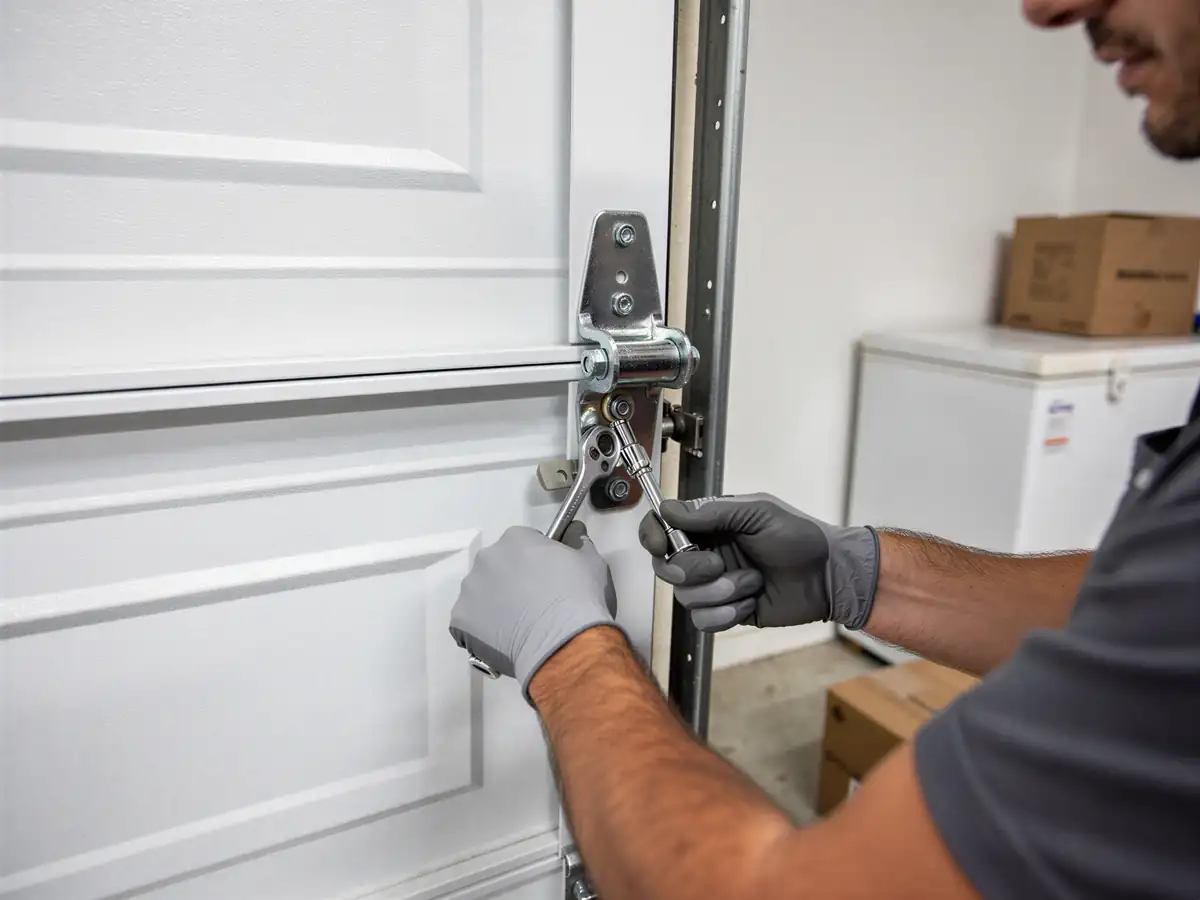
A technician tightens a garage door hinge with a wrench.

Garage Door Repair

Garage door repair for El Cajon homes built between 1967 and 1992 - broken springs, worn rollers, and original hardware that's finally giving out after decades.

Learn more
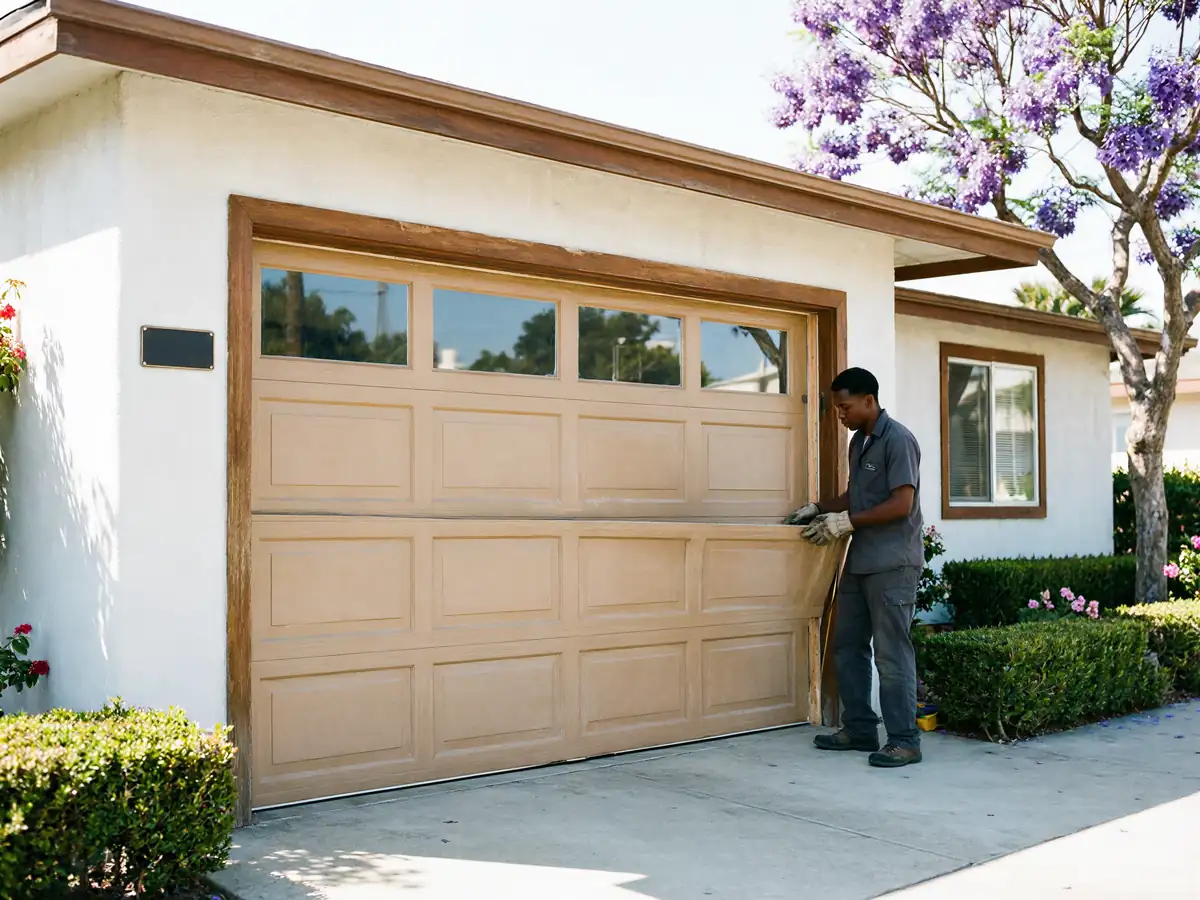
A technician in a gray uniform is working on a tan garage door.

Garage Door Installation

New garage door installation for El Cajon homes built 1967-1992, where original doors and hardware are reaching the end of their service life. Local, straightforward quotes.

Learn more
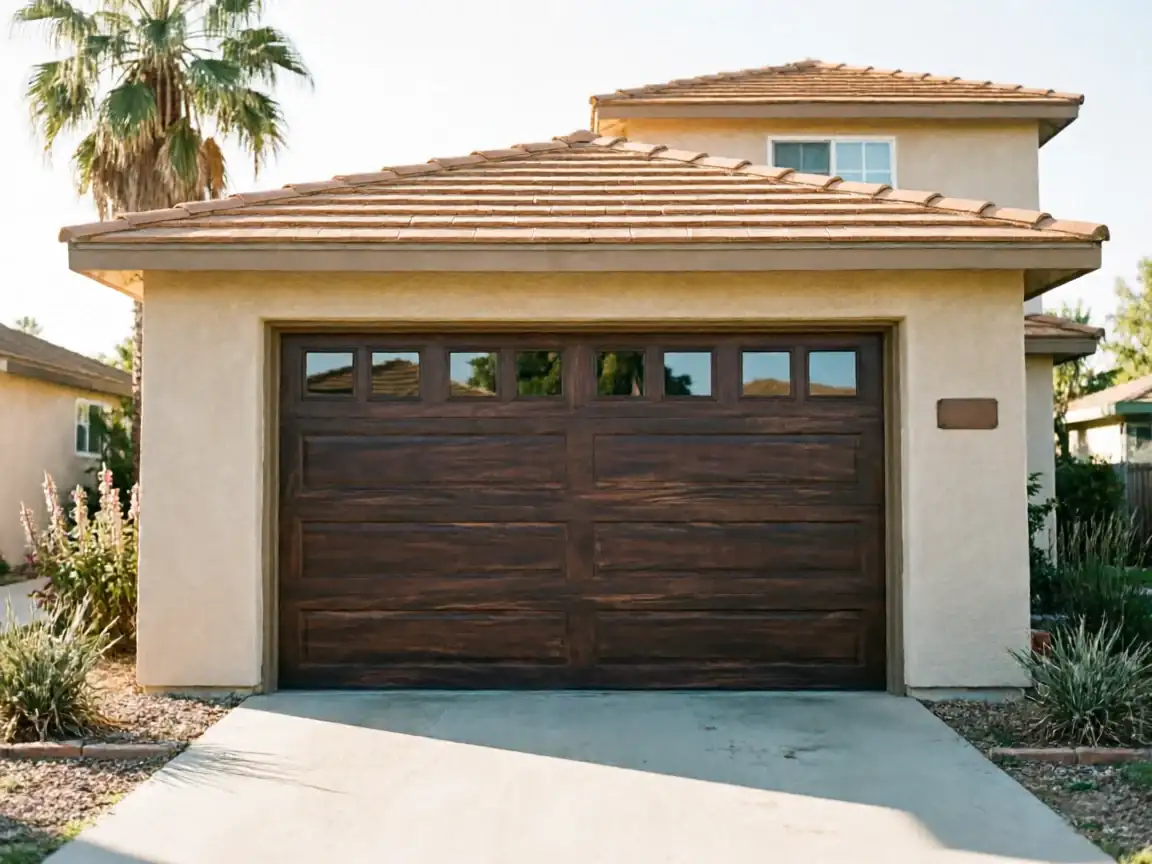
A dark brown garage door with windows is on a tan house.

Garage Door Service

Grinding, sagging, or slow-to-open garage doors are common in El Cajon's 1967-1992 housing stock. Here's why it happens and what the fix actually involves.

Learn more
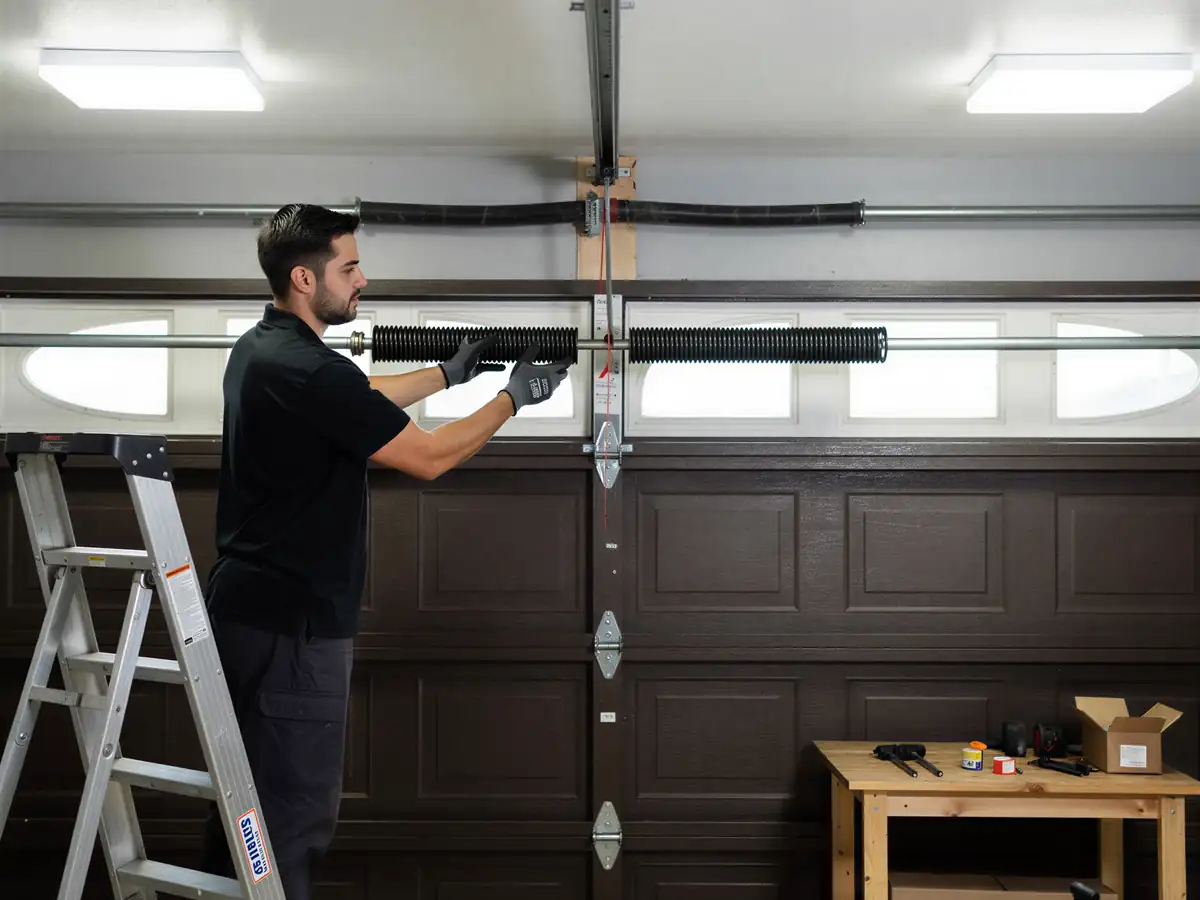
A technician installs a torsion spring on a brown garage door.

Spring Repair

Broken torsion or extension spring on your El Cajon garage door? We explain why it happens in this area's older housing stock and what the fix actually involves.

Learn more
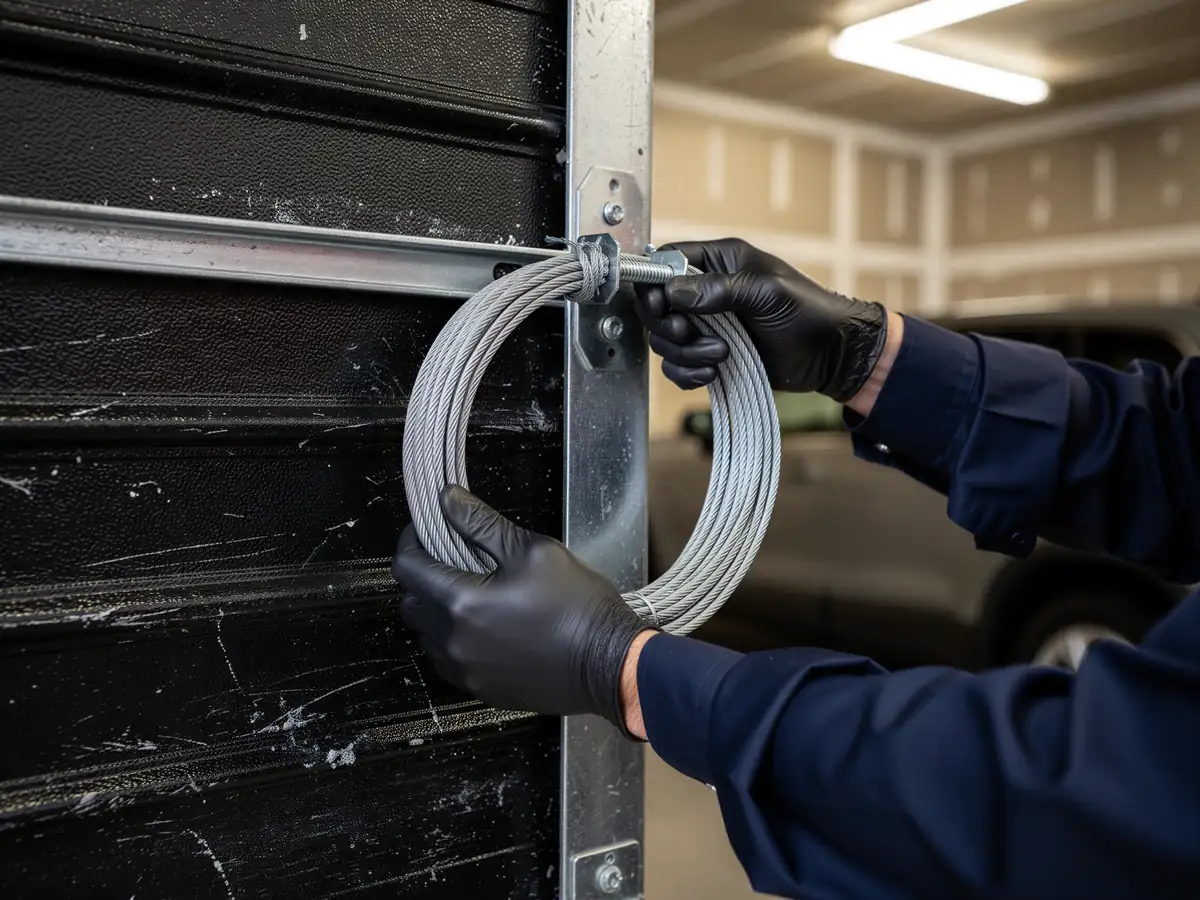
A technician in black gloves is installing a new garage door cable.

Cable Repair

Broken or fraying garage door cables on El Cajon's 1970s-era homes. What causes it, what the repair involves, and when to call a pro instead of doing it yourself.

Learn more
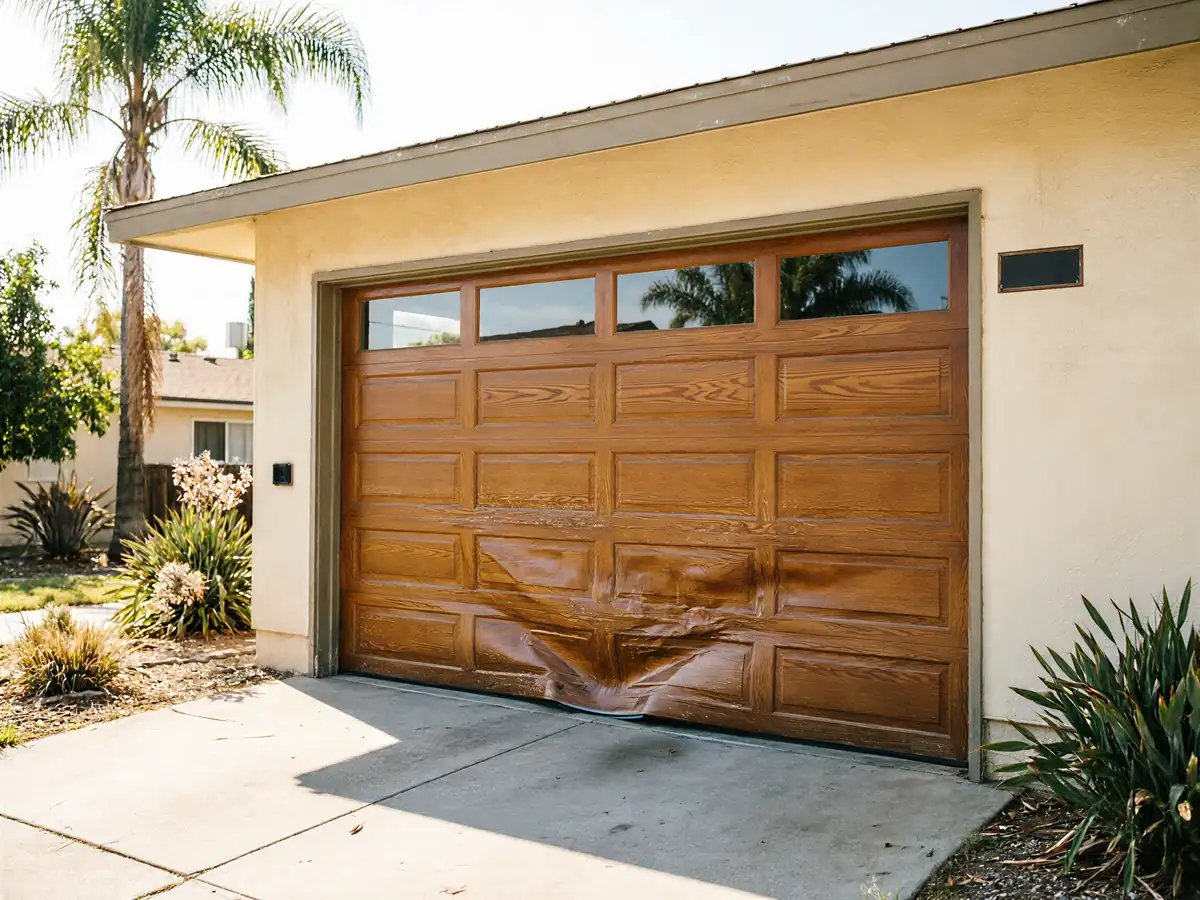
A damaged brown garage door with windows is on a tan house.

Panel Replacement

Dented or cracked panel on a 1970s-era El Cajon garage door? We match steel and aluminum sections on the original 1967-1992 door styles still common across the valley.

Learn more
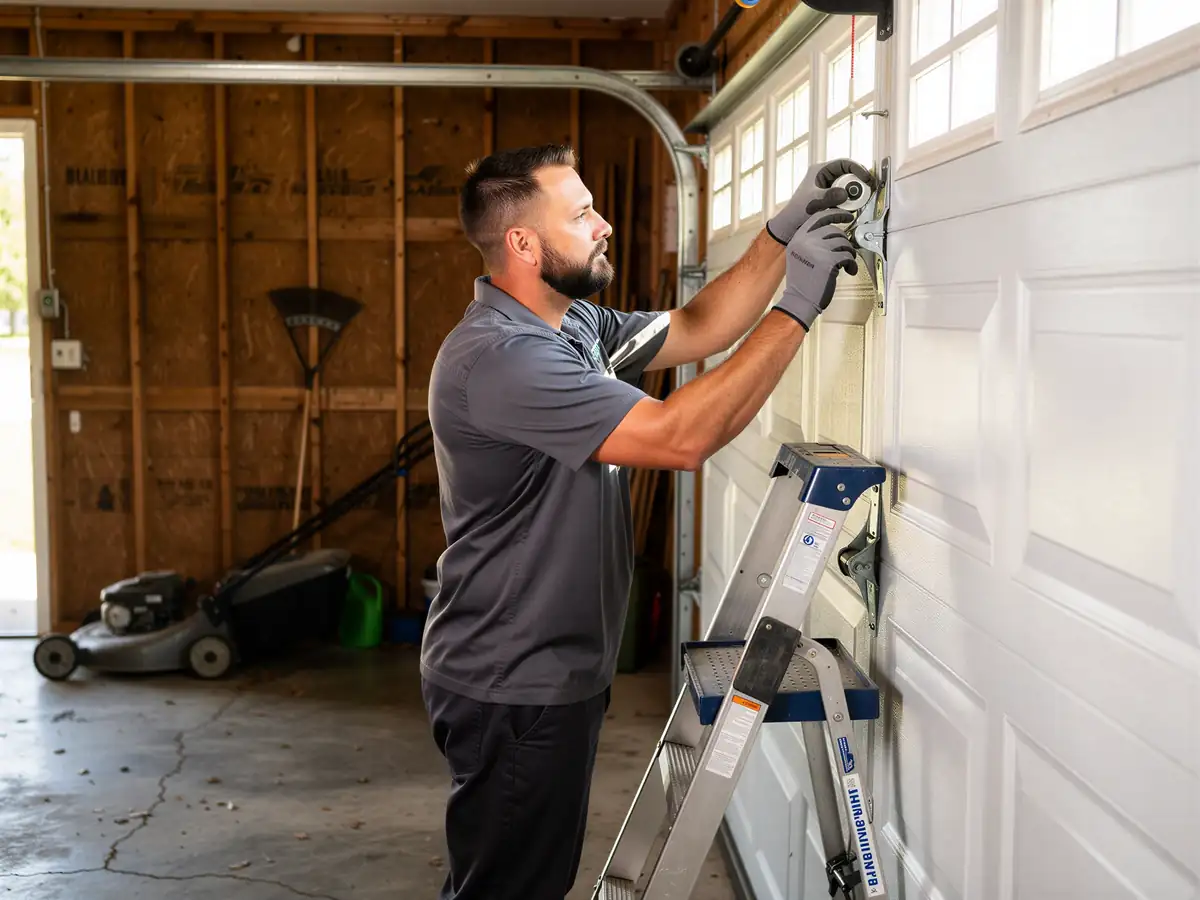
A technician on a ladder adjusts a roller on a white garage door.

Roller Replacement

Worn rollers on 1960s-70s El Cajon homes bind, grind, and jump track. See why this area's housing age drives roller failure and what a proper fix involves.

Learn more
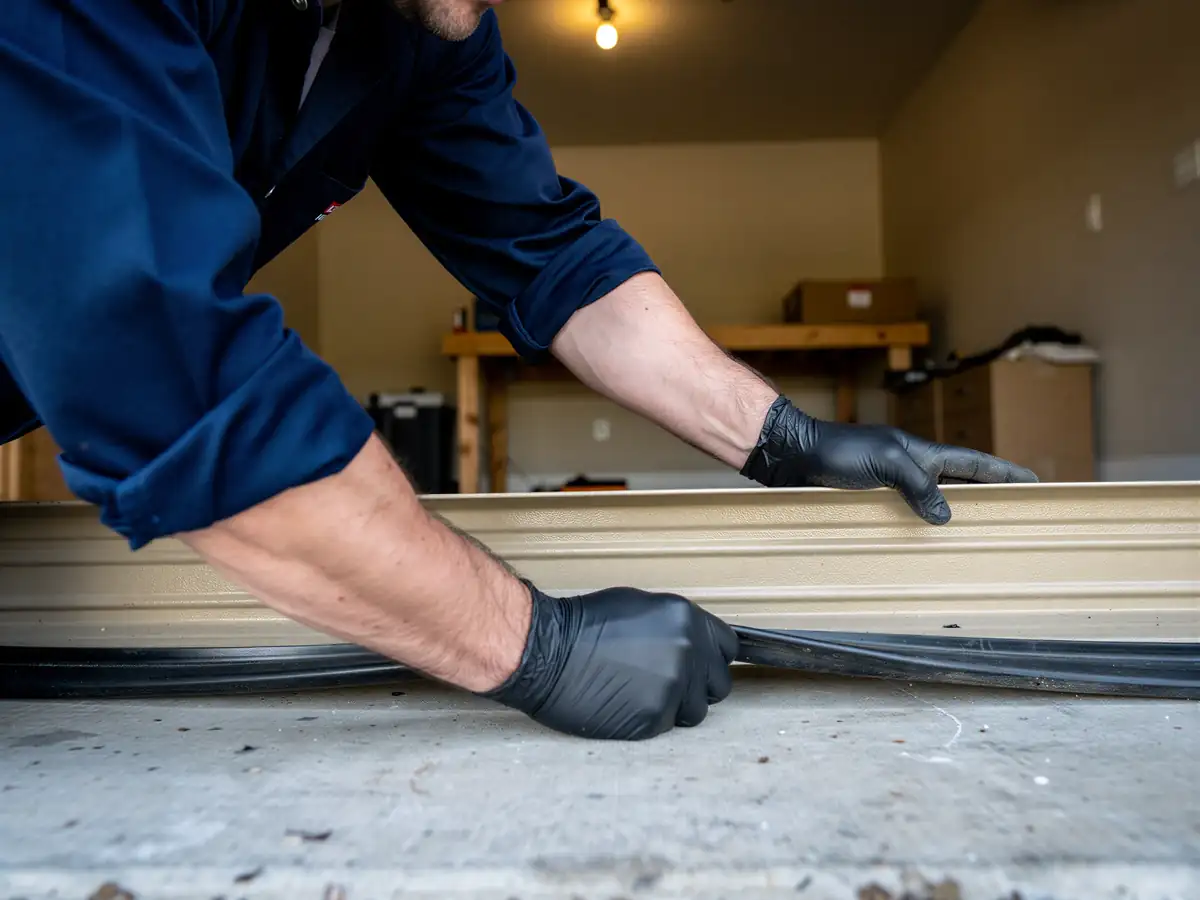
A technician wearing black gloves installs a new seal on the bottom of a garage door.

Maintenance

Garage door maintenance for El Cajon homes built mostly between 1967-1992. Spring, track, and roller service tuned to this area's housing stock and climate.

Learn more
Questions

Frequently asked

Straight answers about garage door repair in El Cajon. Still unsure? Ask us directly.

Why does my garage door only make noise in the morning?

In El Cajon's mild temperate climate, overnight humidity settles into rollers and track hinges, then burns off as the day warms. That brief dampness can make a door squeal on the first open and quiet down by afternoon. It's usually not urgent, but it's a sign rollers need lubrication, especially on doors original to houses built in the 1970s.

Is a grinding opener motor expensive to fix?

Depends on whether it's the gear kit or the whole motor unit. On openers original to the 1967-1992 housing stock common here, replacement parts for the exact model aren't always available, which sometimes makes a full opener swap cheaper than chasing parts for a unit that old.

Should I tighten a rattling track myself?

Yes - rattling from loose mounting hardware is one of the few noise complaints safe to handle yourself. Check the brackets holding the track to the frame with a ratchet. Leave anything involving the spring, cable, or drum at the top of the track to a call.

Ready to get your garage door sorted?

Tell us what it’s doing and where you are in El Cajon - we’ll take it from there.

Request a QuoteCall