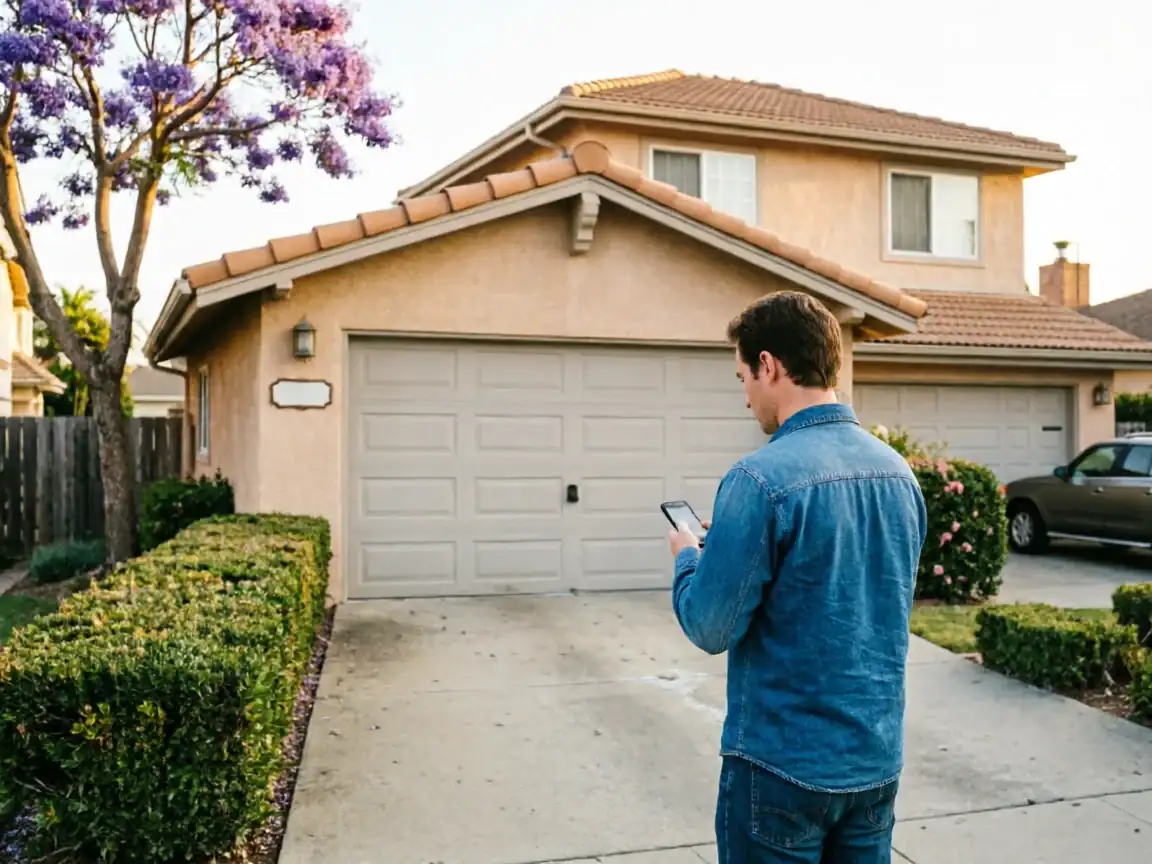
The Symptom
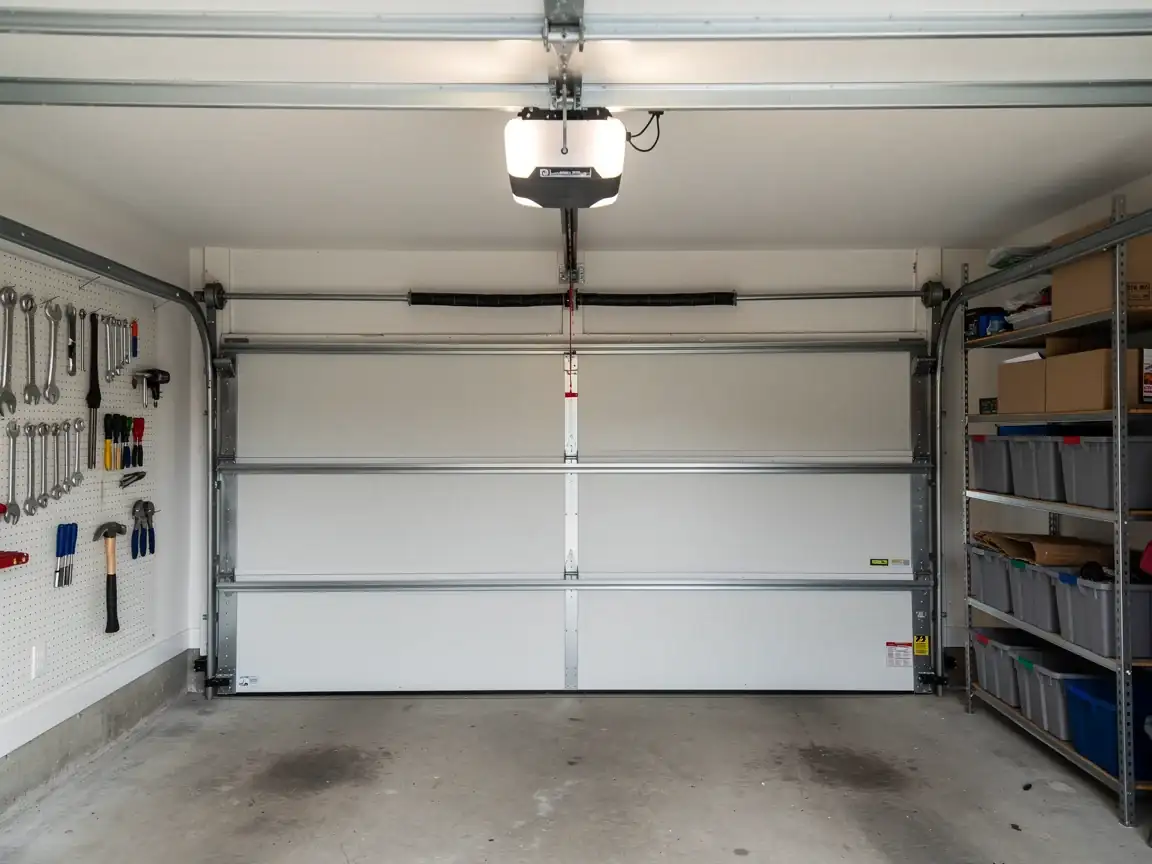
The call usually starts the same way: the door groans going up, hangs for a second at the top of the track, or drops the last foot instead of lowering smooth. Sometimes it's a loud bang from the spring side when the opener kicks on. Sometimes it's just slow - a door that used to take four seconds now takes nine, and the opener motor sounds like it's working harder than it should.
None of that is random. In a lot of El Cajon homes, that symptom shows up on the original torsion hardware the house was built with - springs, drums, and cable that have been cycling twice a day for decades. The door isn't broken in one spot. It's tired everywhere at once, and the noise is the first place that shows.
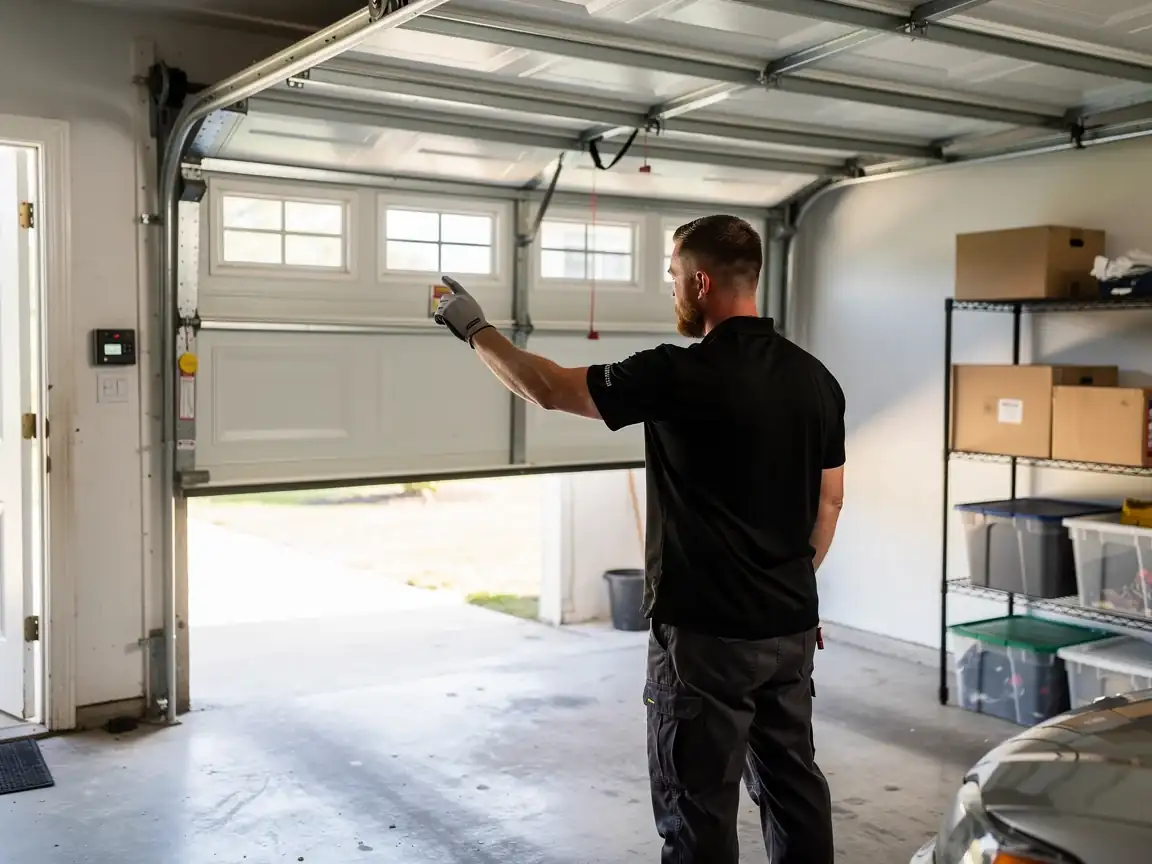
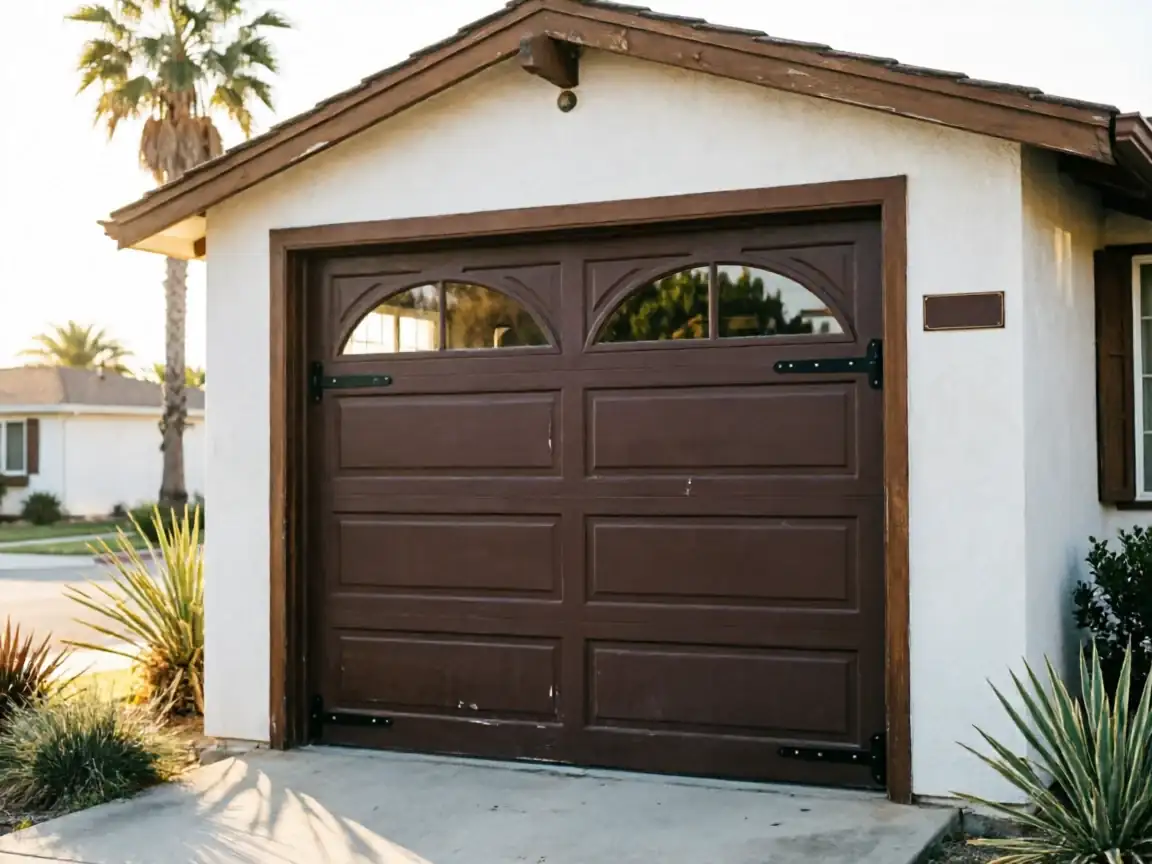
If your door is one of the newer builds in the area, the symptom set looks different - usually an opener logic board issue or a photo-eye alignment problem rather than a worn spring. Either way, the fix starts with watching the door move through one full cycle before anything gets touched.
Why It Happens Here
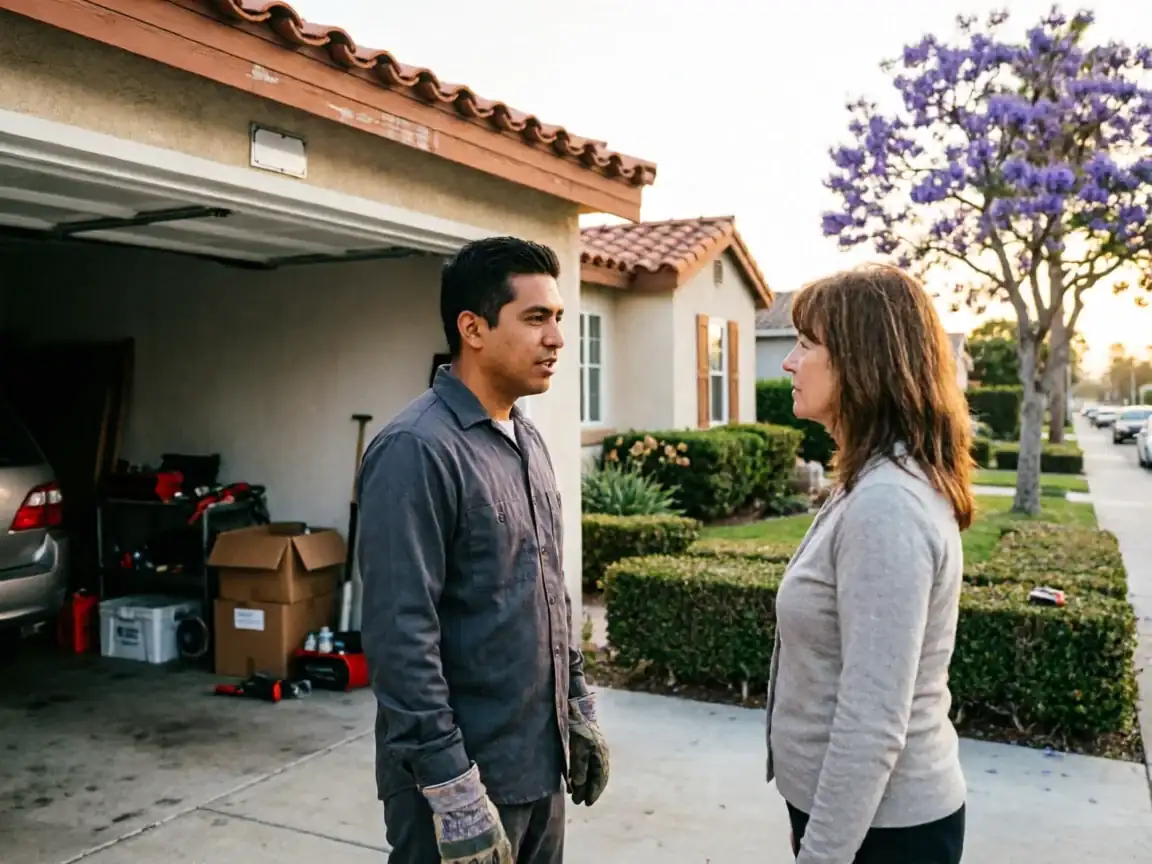
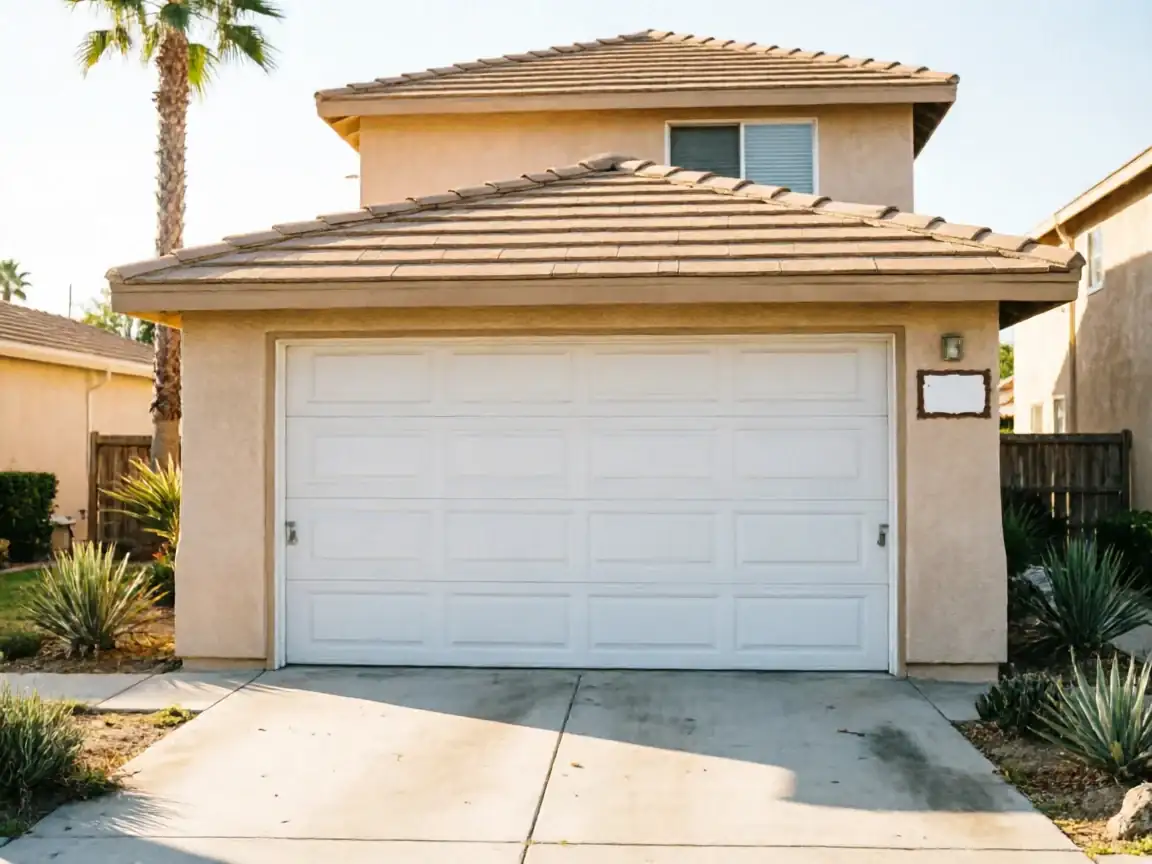
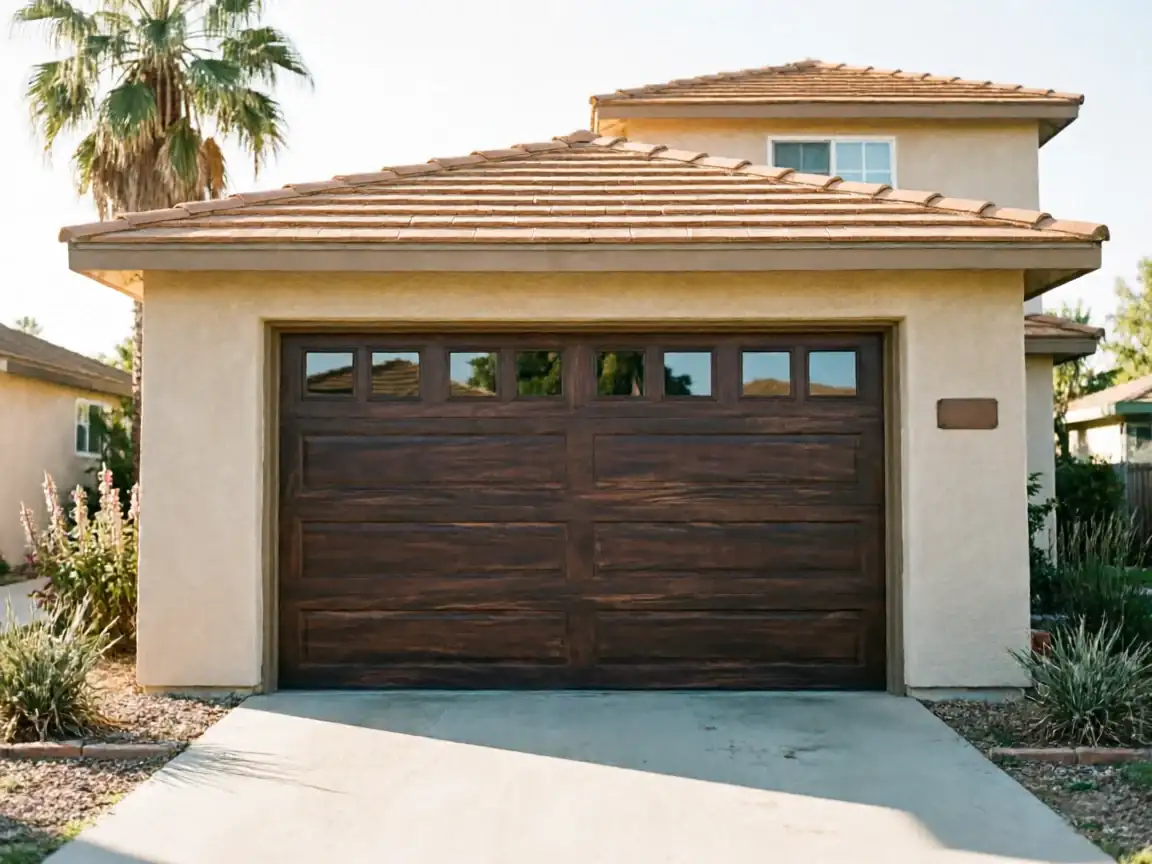
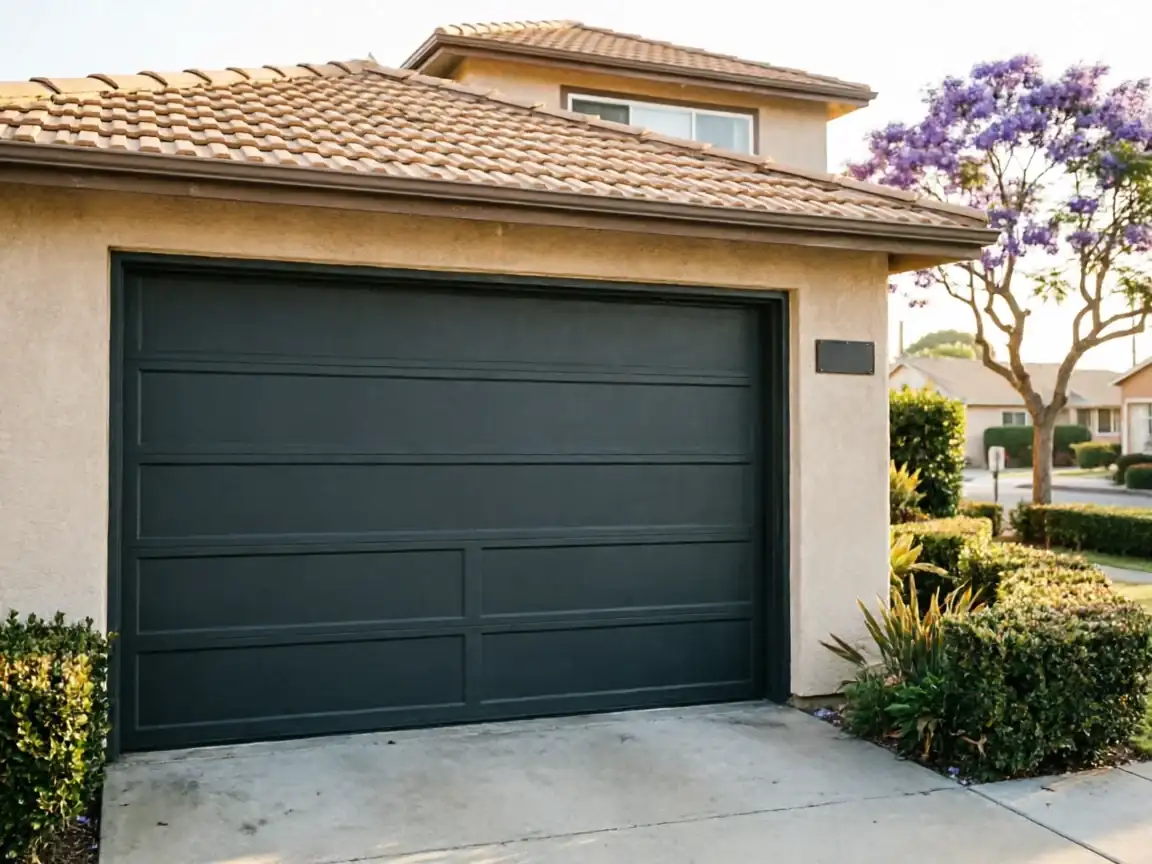
Housing in El Cajon and the surrounding areas - Bostonia, Casa de Oro-Mount Helix, Granite Hills, Winter Gardens, Rancho San Diego - was mostly built between 1967 and 1992, with a median year around 1975. That's a specific window for garage doors: steel sectional doors on torsion springs, galvanized but not stainless hardware, and openers that have likely been replaced once already but on the original track and drum setup.
Springs rated for a certain cycle count don't care how mild the weather is - they fatigue on use, and a 50-year-old spring on a door that's been cycled thousands of times is closer to failure than a 10-year-old one, regardless of climate. What the mild temperate band here does change is corrosion: without hard freeze-thaw or heavy coastal salt air, the steel itself usually isn't rusted through. So what fails first tends to be the spring, the rollers, and the dry, sun-cracked weatherseal - not rust damage to the track or panels, which is what you'd expect somewhere with harsher winters.
That combination - old hardware, dry heat instead of corrosion - is why a lot of these jobs are a spring and roller replacement on a door that otherwise still has good panels.
What the Fix Involves
First step is a full-cycle check
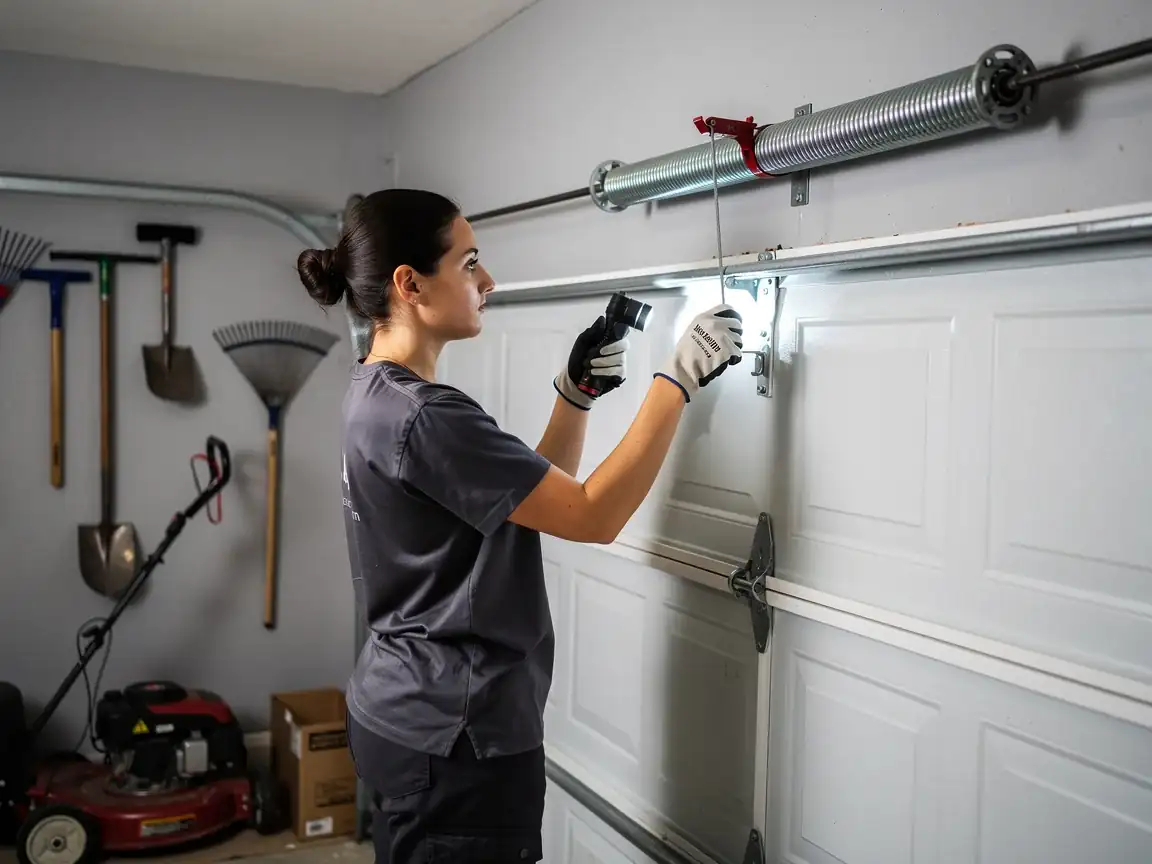
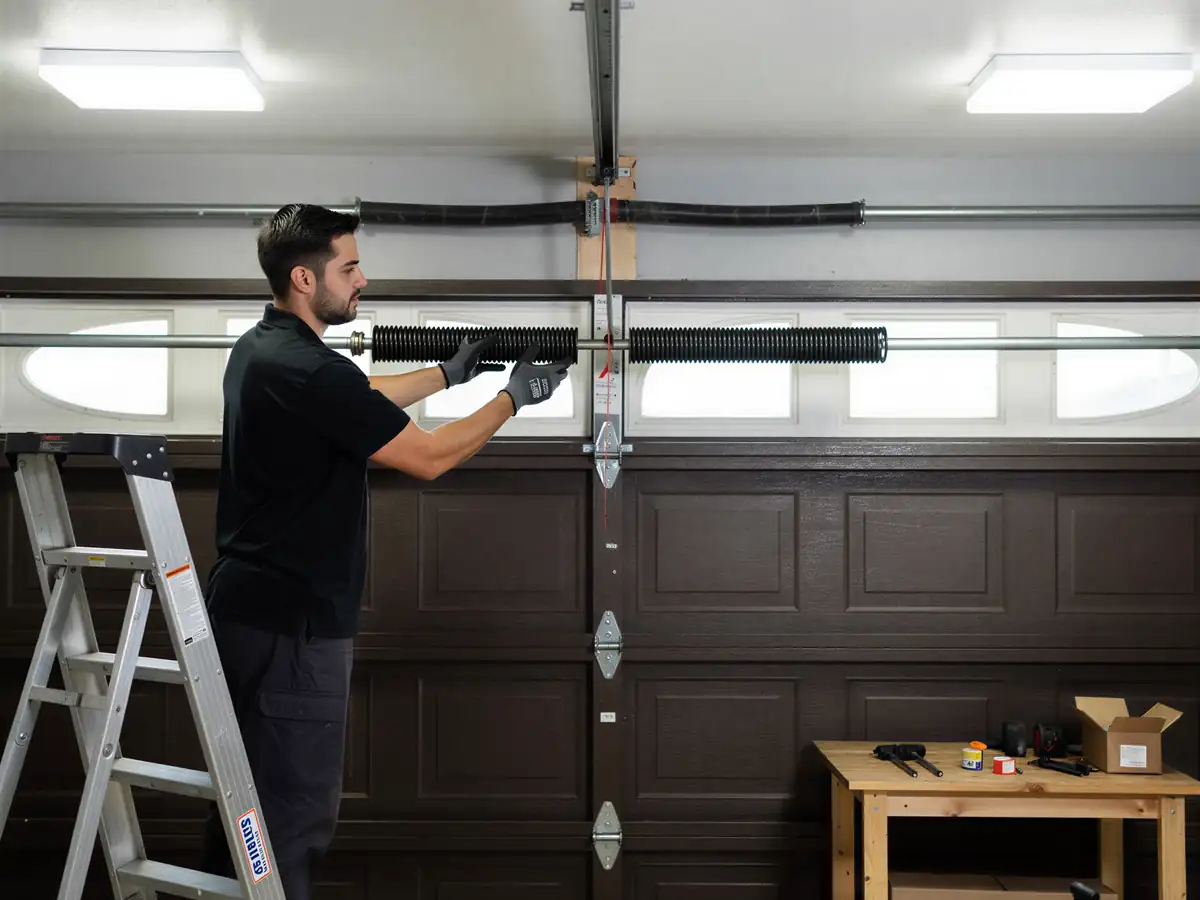
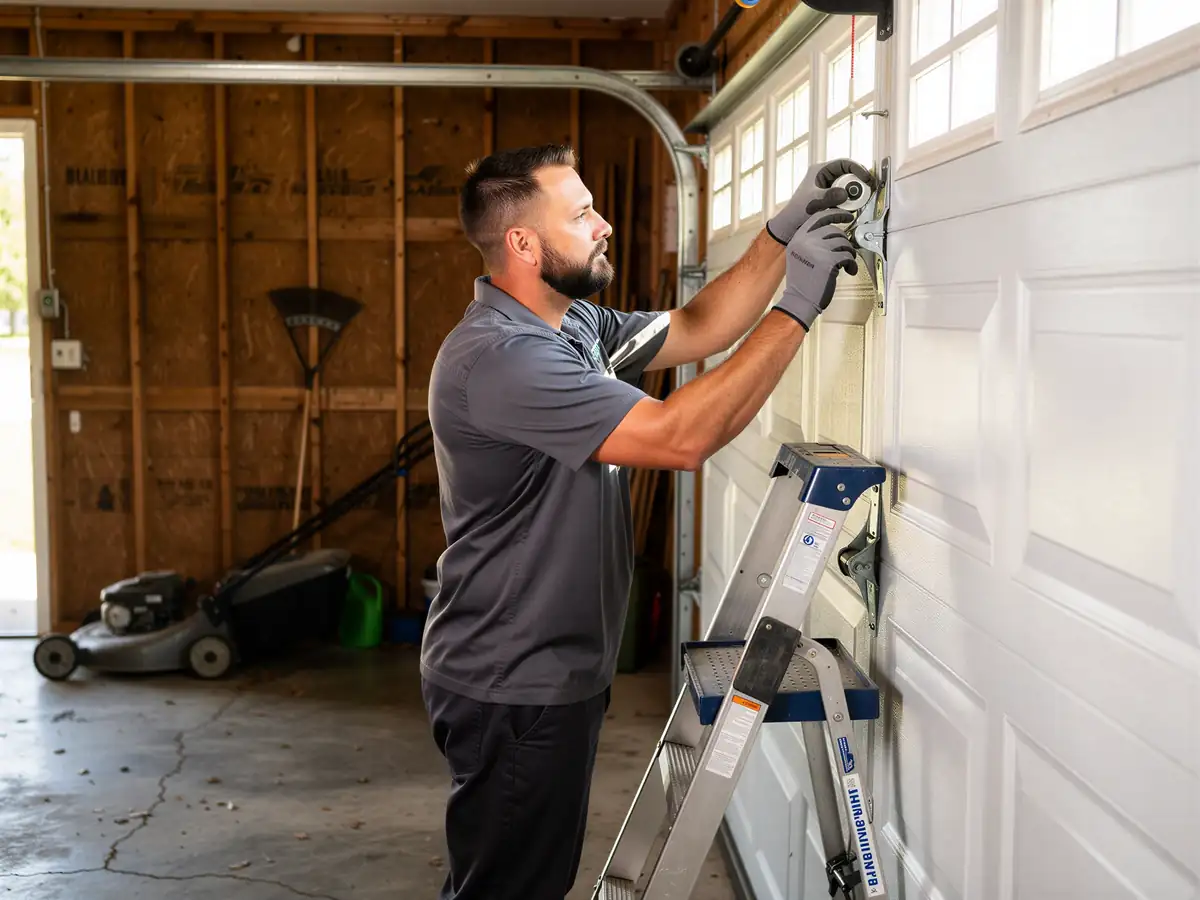
Open and close the door while watching the springs, the cable path over the drums, and where the rollers sit in the track. On a house from the 1970s-era stock common across El Cajon, that's usually where the problem lives, not in the opener itself.
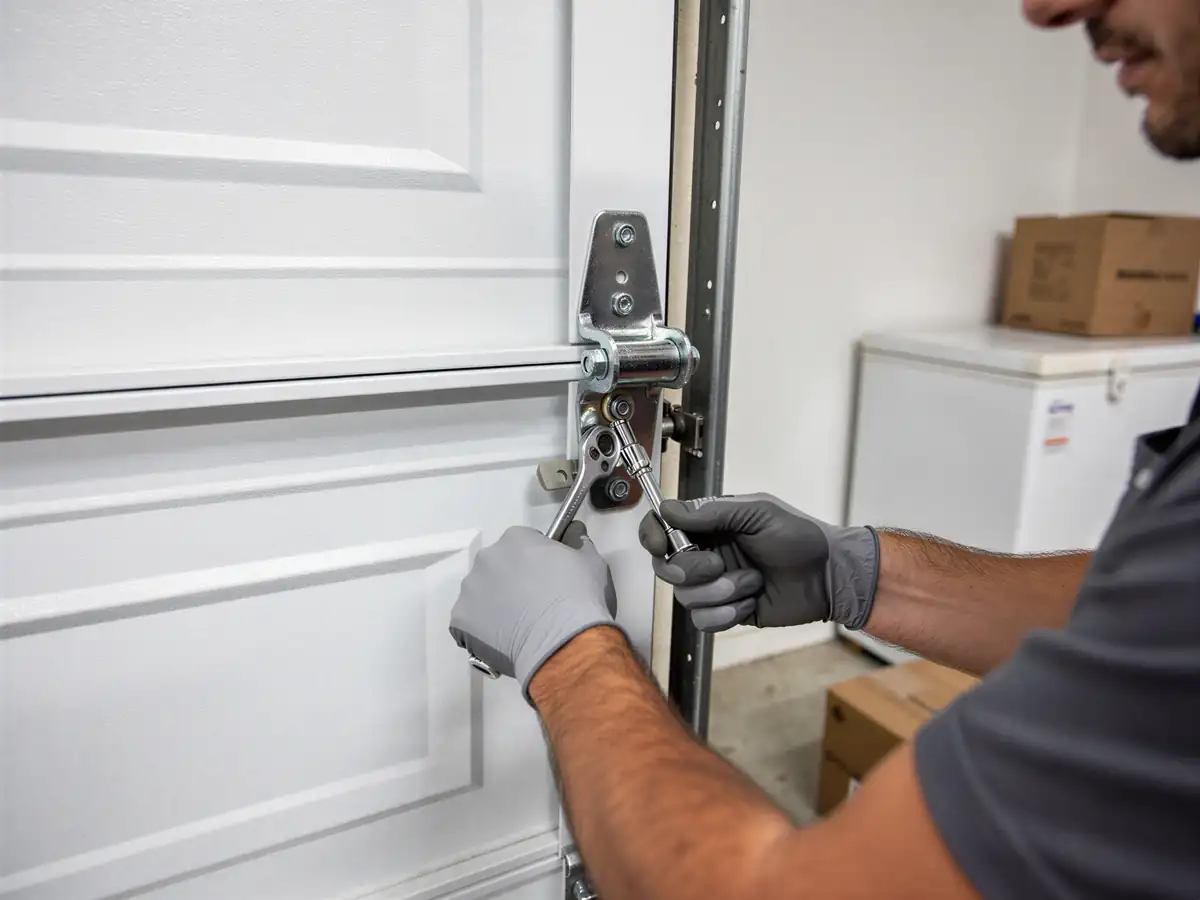
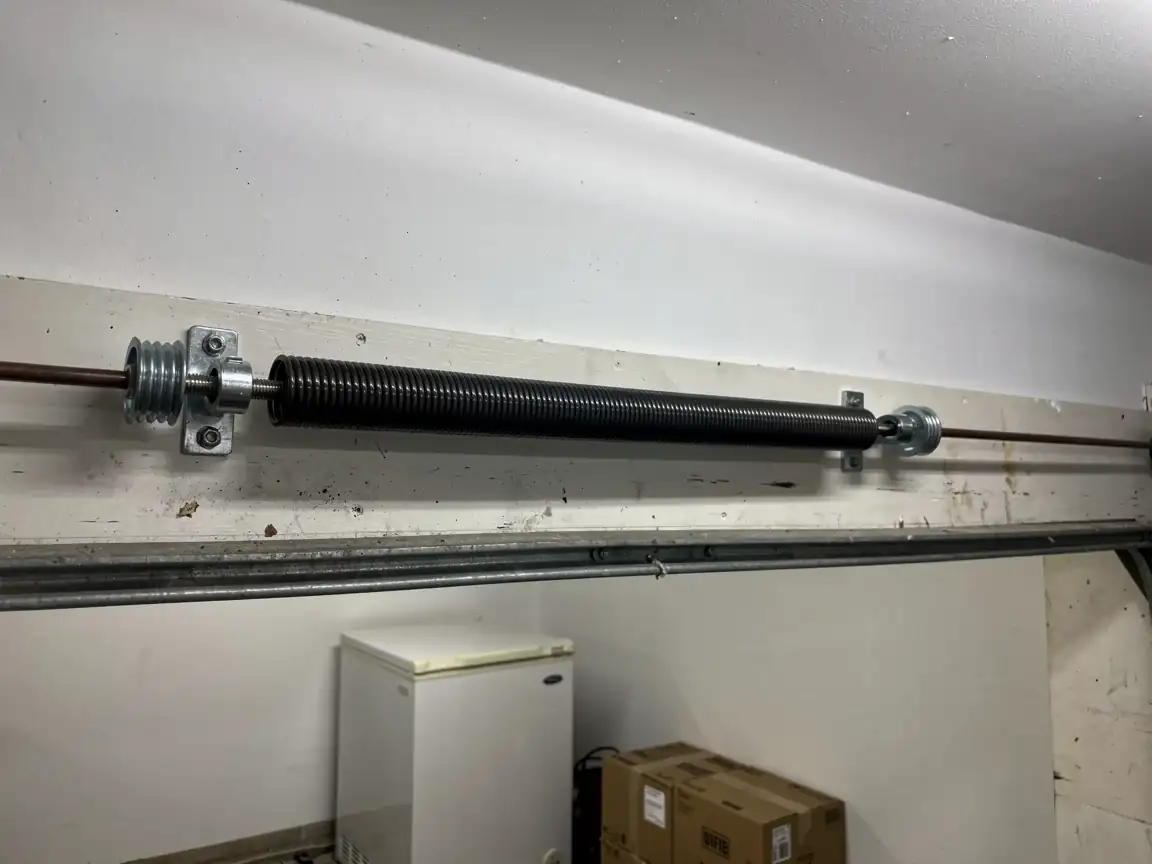
If it's the spring, both torsion springs get replaced as a pair even if only one has failed
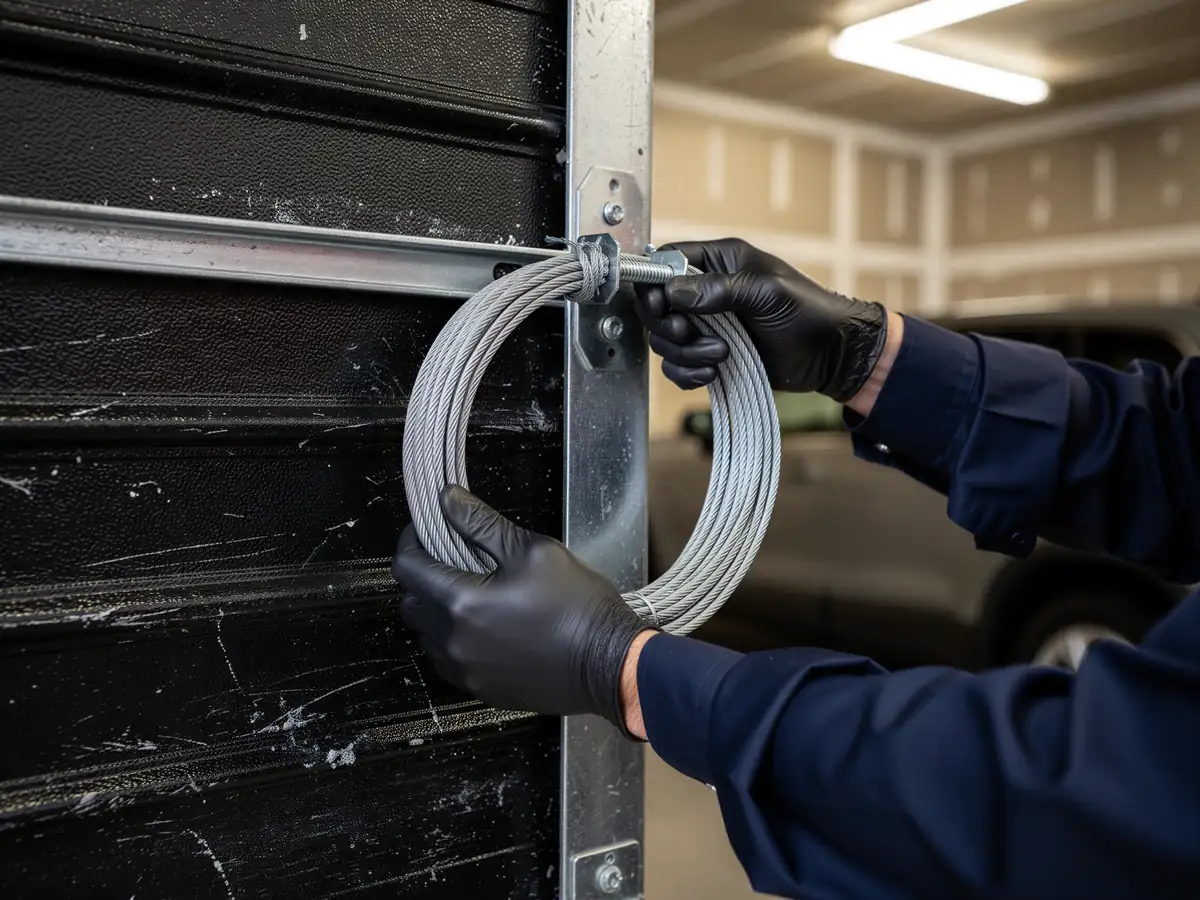
A mismatched pair just transfers the load unevenly and brings you back to the same call in a year. Rollers get swapped if they're the original steel ones, since those are the loudest and least forgiving to run dry. Cable gets inspected for fraying at the drum, since cable doesn't usually announce itself before it snaps.
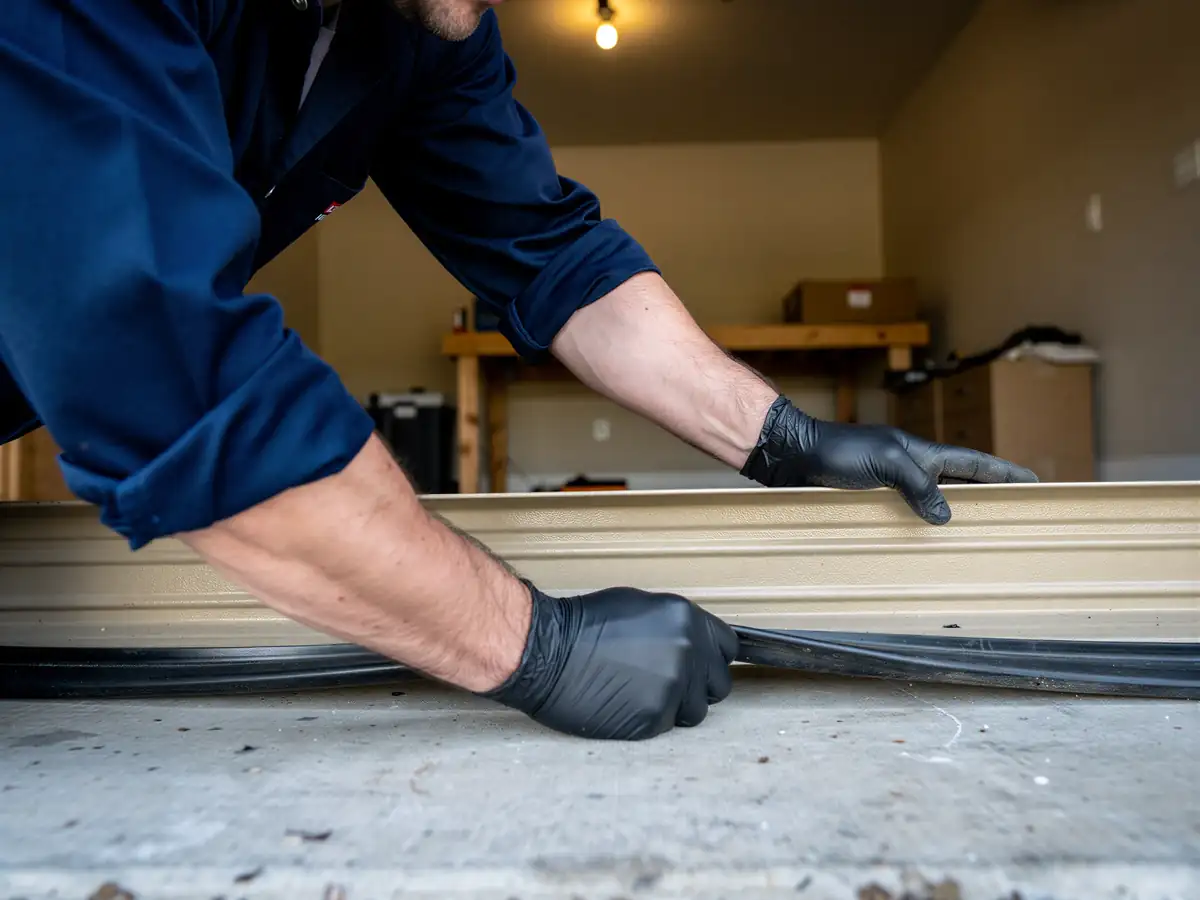
Weatherseal at the bottom and sides is a separate conversation
On a door this old, the seal has usually gone stiff and cracked from UV exposure rather than rotted from moisture, which is consistent with the mild climate here. Replacing it is cheap and worth doing at the same time as the spring work, since the door's already open.
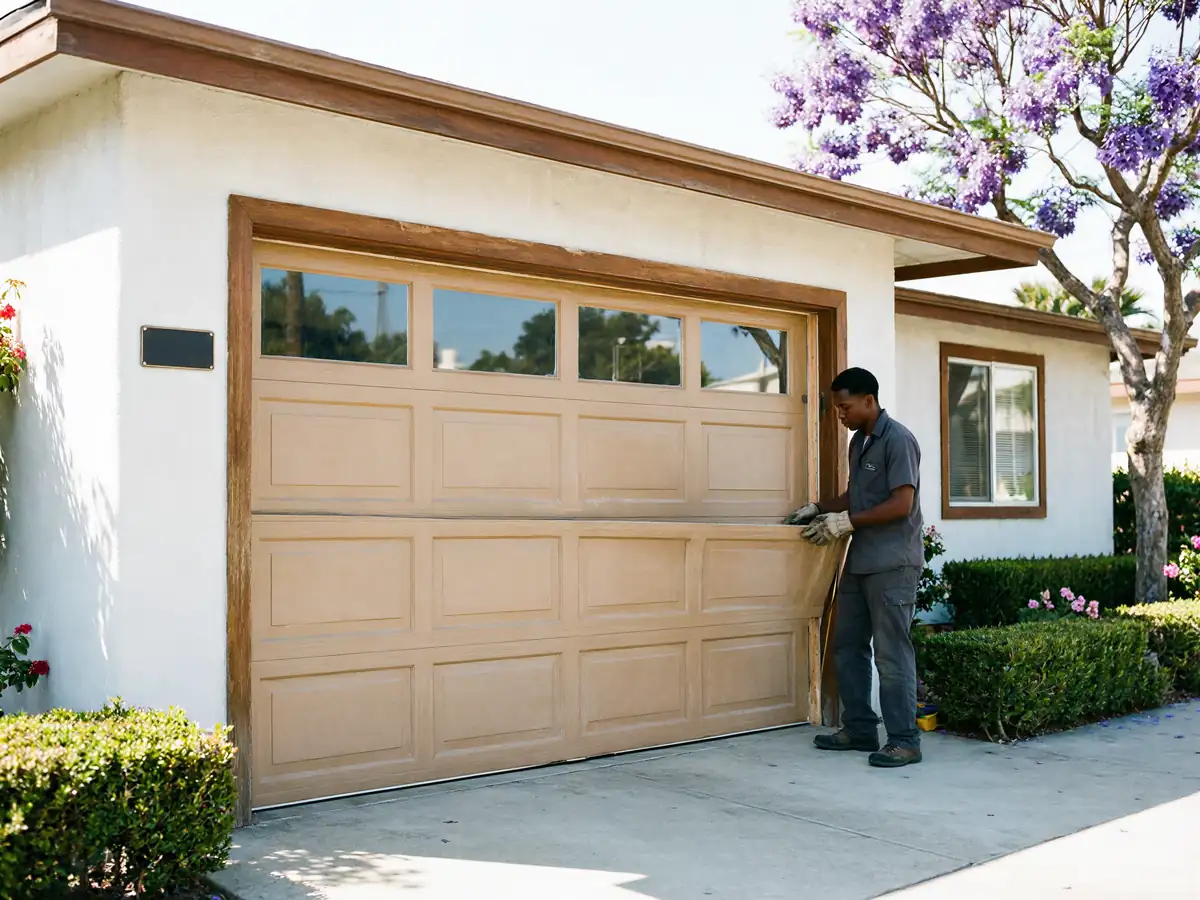
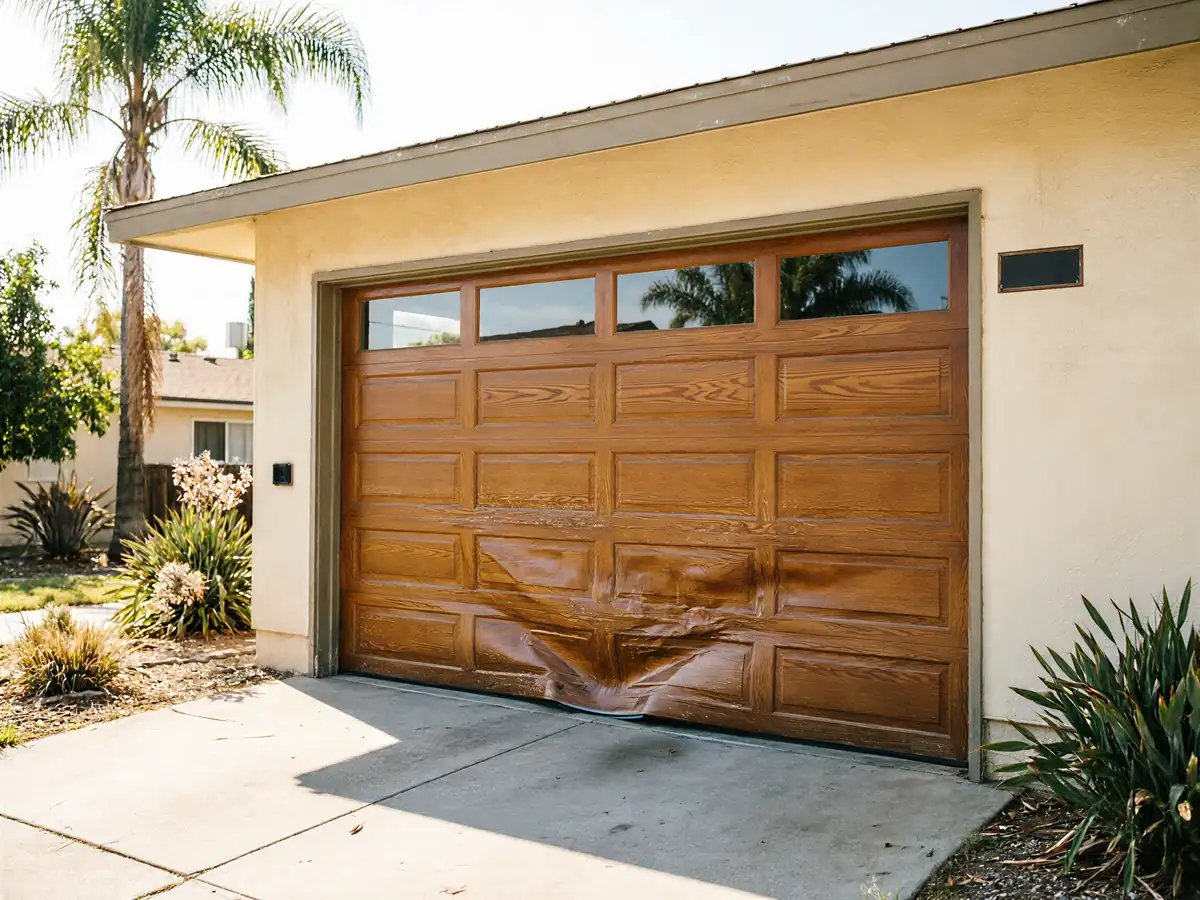
Honest limitation: if the panels themselves are dented, delaminated, or the track is bent from an impact
Spring and roller work won't fix that - at that point you're looking at panel replacement or a full door swap, and we'll tell you which, rather than patch something that'll fail again in six months.
Can You Do This Yourself
Rollers and weatherseal, yes, if you're comfortable on a ladder - they're low-risk and don't involve stored energy. Torsion springs are a different category. A torsion spring on a standard double door is wound under enough tension to break a wrist or worse if the winding bar slips, and the tools for it aren't something most homeowners keep around.
If your door is original to a house built in the 1970s or 80s, the spring has had decades to fatigue, and there's no way to tell from the outside how close it is to letting go. That's the job we'd say call for, every time. Rollers, hinges, and seals are reasonable DIY weekend work if you want to save the labor cost - just do them with the door's weight blocked or the opener disconnected first.