The Symptom
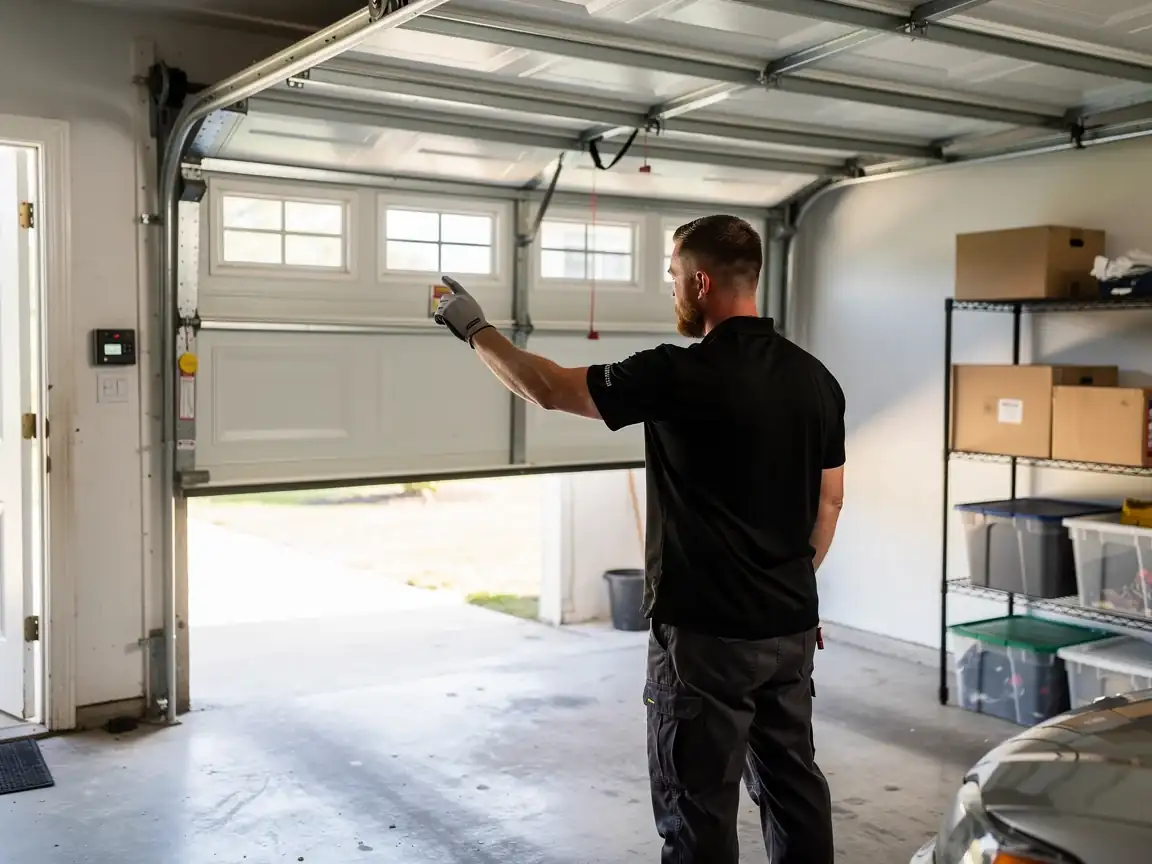
With roughly 6,980 households in Casa de Oro-Mount Helix, we don't get the roller call every day the way we might in a bigger area, but when it comes in, it's usually the same door doing the same thing: grinding, hopping, or catching at the same spot on the track every time it opens. Sometimes it's a scrape that sounds like metal on metal because it is - a steel roller with the bearing seized has stopped rolling and started dragging. Other times it's a softer thump, which usually means a roller has cracked or a stem has bent enough that the wheel is riding crooked in the track. Either way, the door usually still opens. That's the trap. People wait on a roller problem because the door technically works, and then the dragging roller starts eating the track edge, which turns a $20 part into a track replacement. If your door hesitates at the same point on every cycle, that's the roller telling you where it's failing before it actually jams.
Why It Happens Here
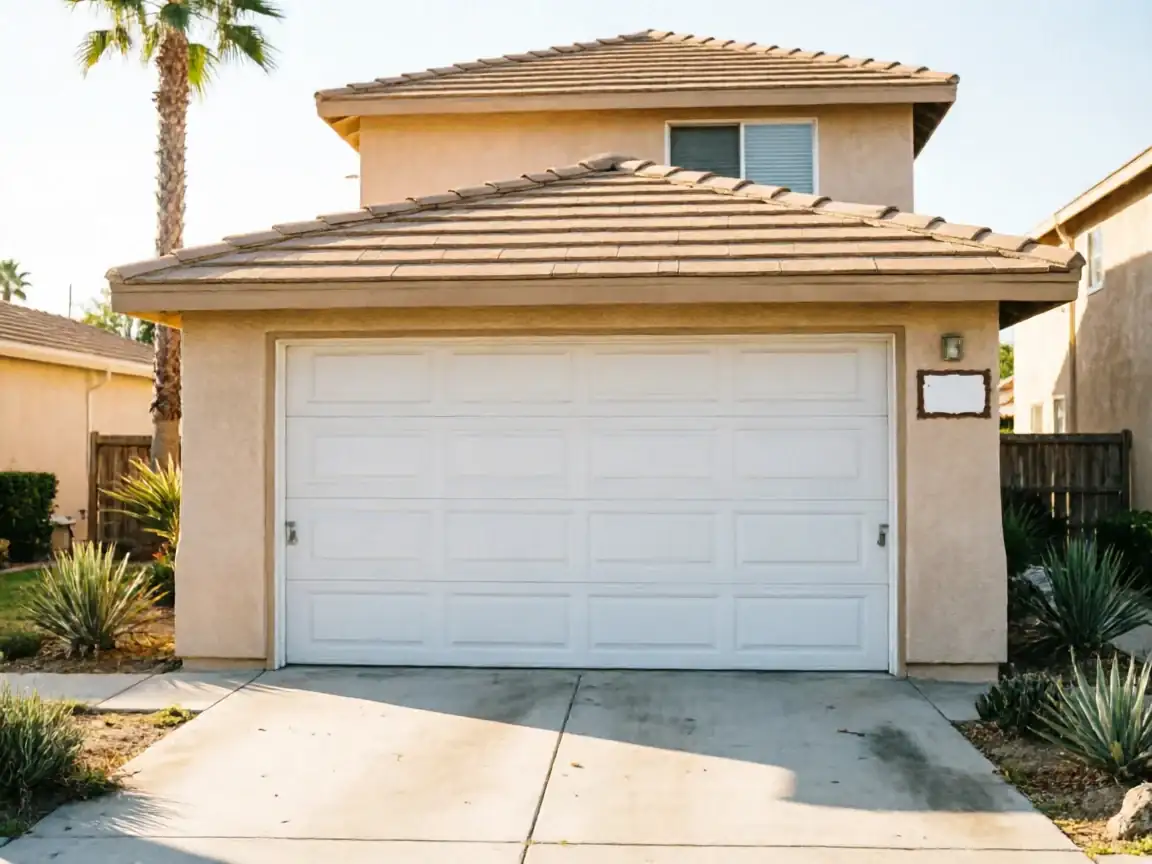
Casa de Oro-Mount Helix's housing stock centers on 1969, which puts a lot of these garage doors and their original hardware past the fifty-year mark if nothing's been swapped out. Doors from that era were built with steel rollers on steel tracks almost across the board - nylon rollers weren't standard yet. Steel-on-steel wears louder and seizes up more often once the factory grease dries out, and fifty-plus years is enough time for that to happen more than once even with occasional lubrication. The mild temperate climate here helps in one way: you're not getting the freeze-thaw cycling that cracks nylon rollers or warps track brackets the way colder regions do. But mild weather doesn't stop steel fatigue or bearing wear from plain use. So the failure pattern we see on these houses is less about weather damage and more about age and mileage - thousands of open-close cycles on original-spec hardware that was never meant to run five decades without a part swap.
Can You Do This Yourself
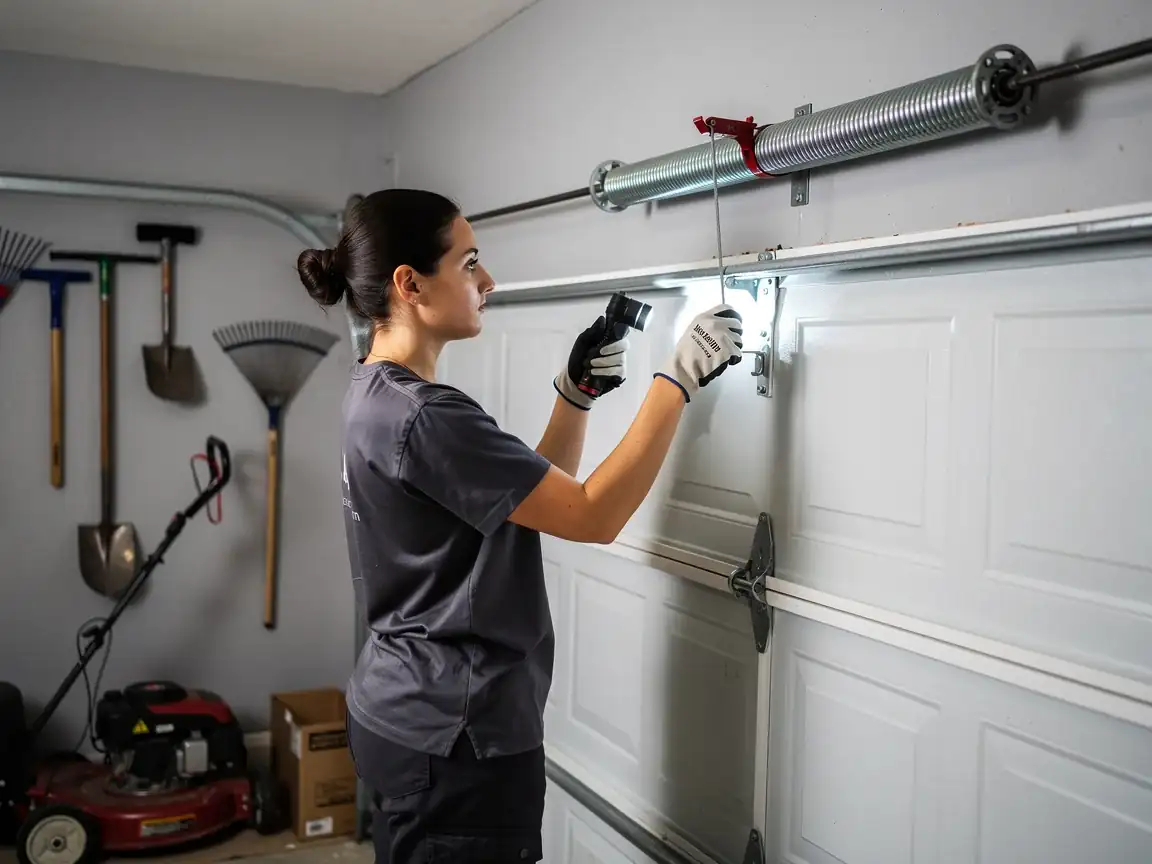
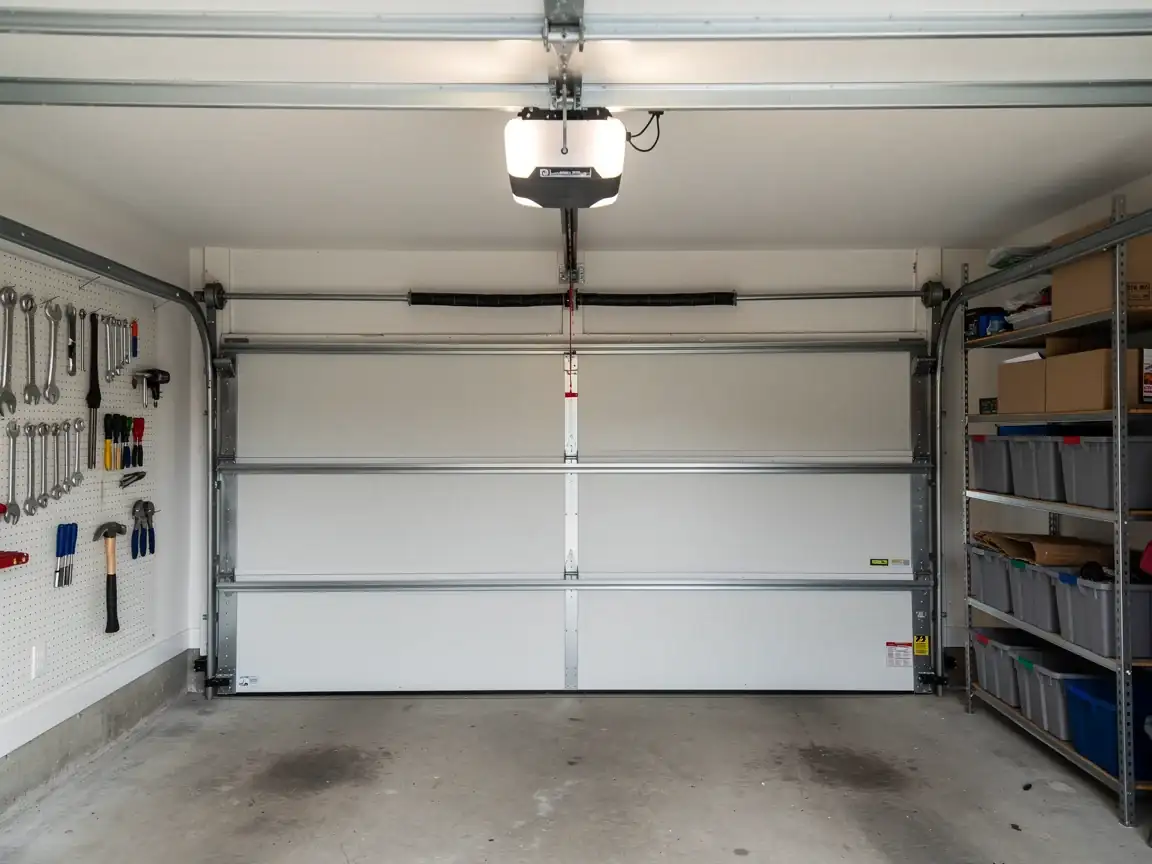
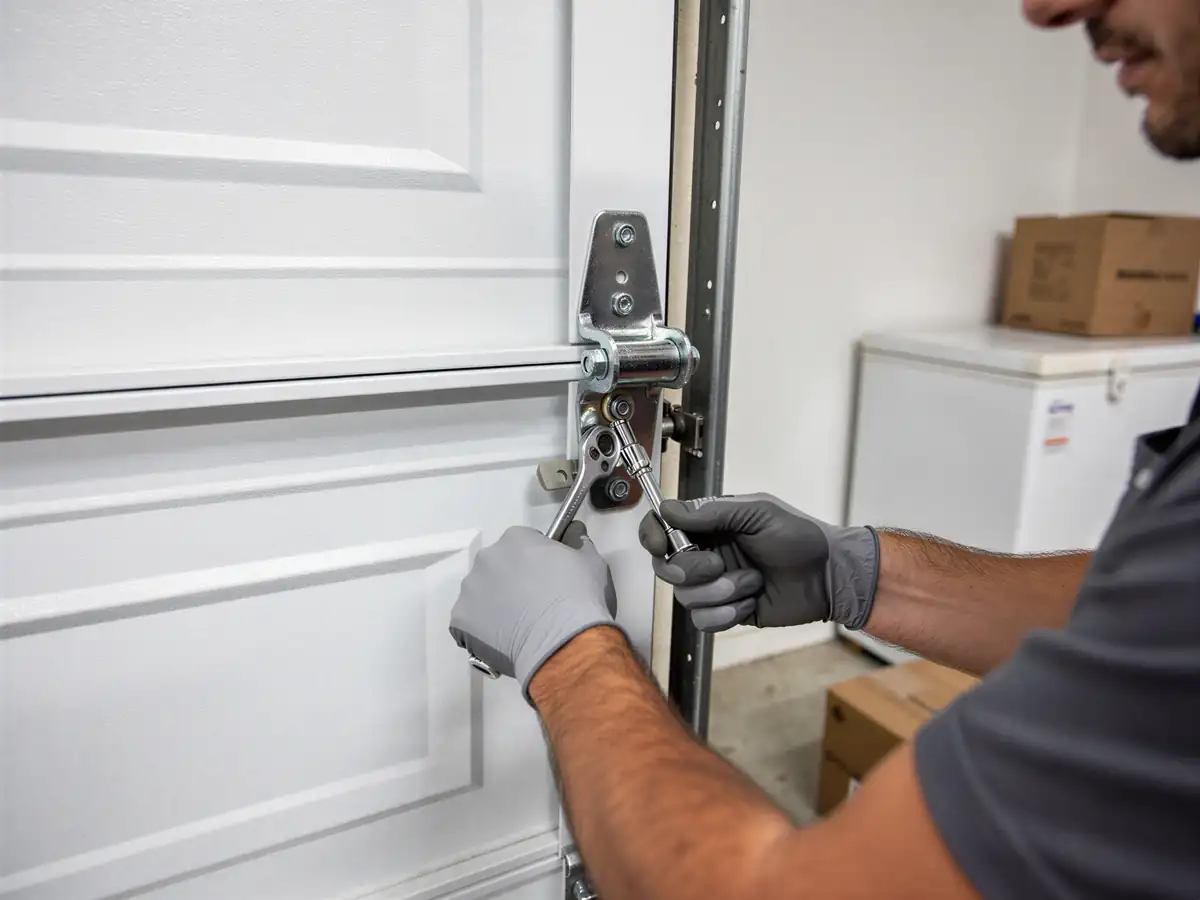
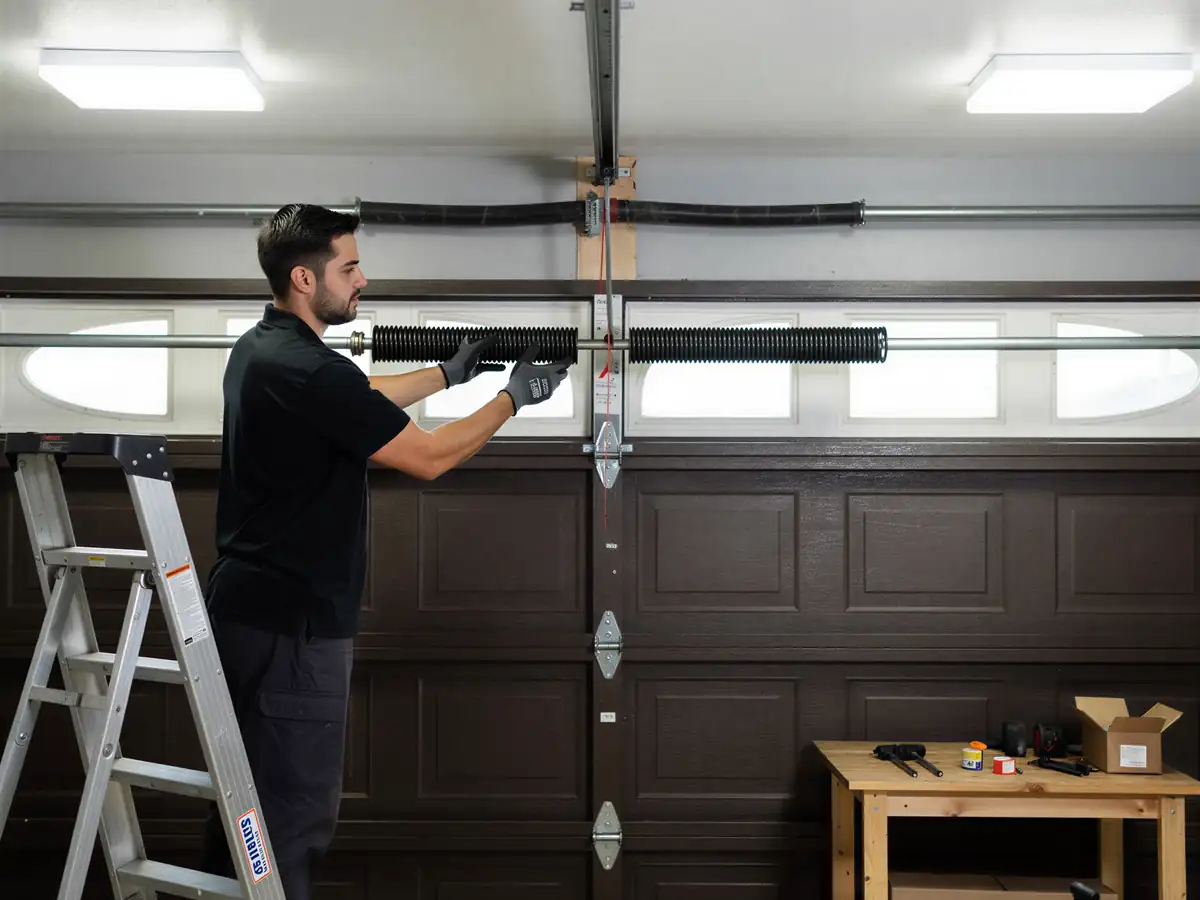
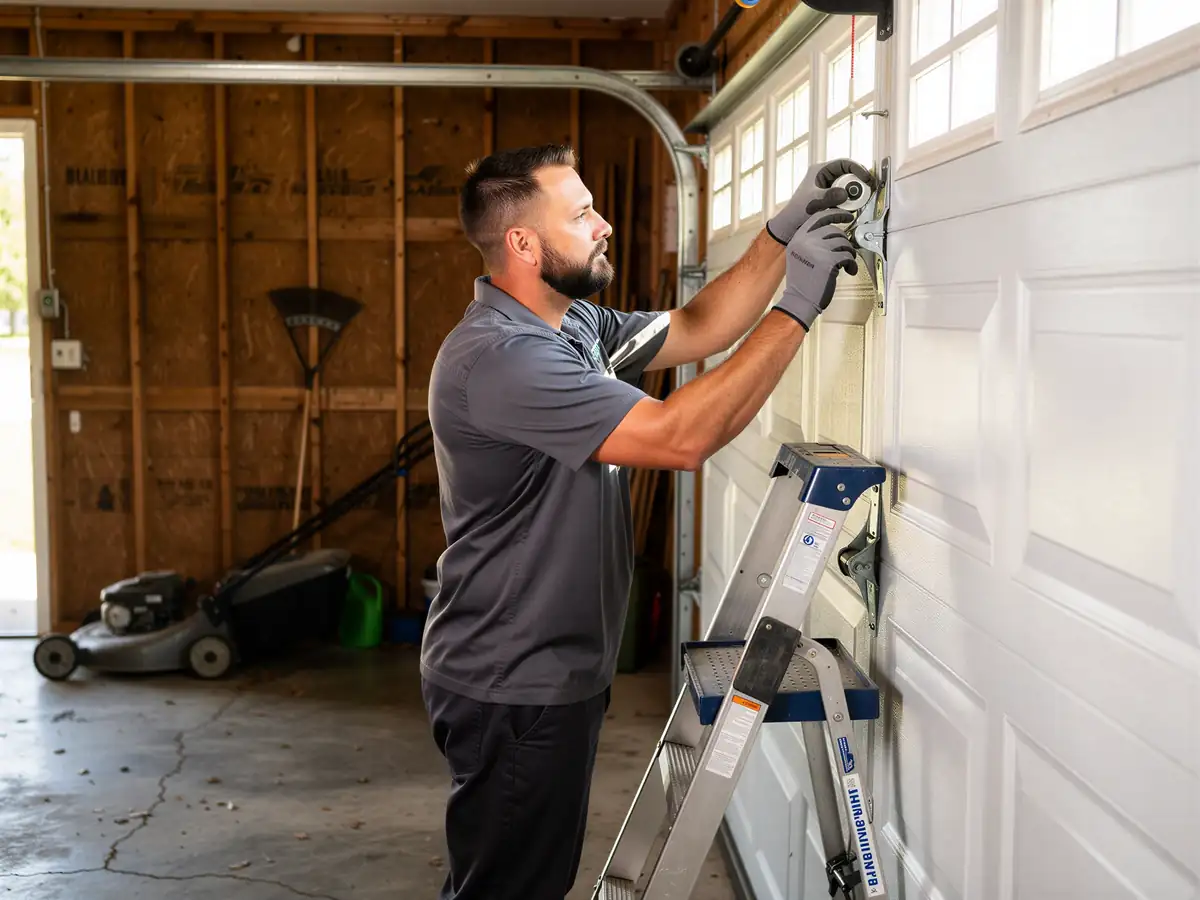
Rollers are one of the more doable DIY jobs on a garage door, but there's a real limit, and it's worth saying plainly: the top roller on each side sits inside the track section nearest the horizontal rail, and getting it out usually means loosening the track bracket near the top, which puts you working overhead near a door under spring tension. That's the part where we tell people to stop and call someone. If it's a bottom roller and the door is down with the opener disconnected, it's a reasonable afternoon job with the right tool for prying the bracket. If you're not sure which roller is bad, or the door's hopping on more than one side, that's a sign of a track or alignment issue hiding behind what looks like a roller problem, and swapping parts without diagnosing that first just means doing the job twice.