The Symptom
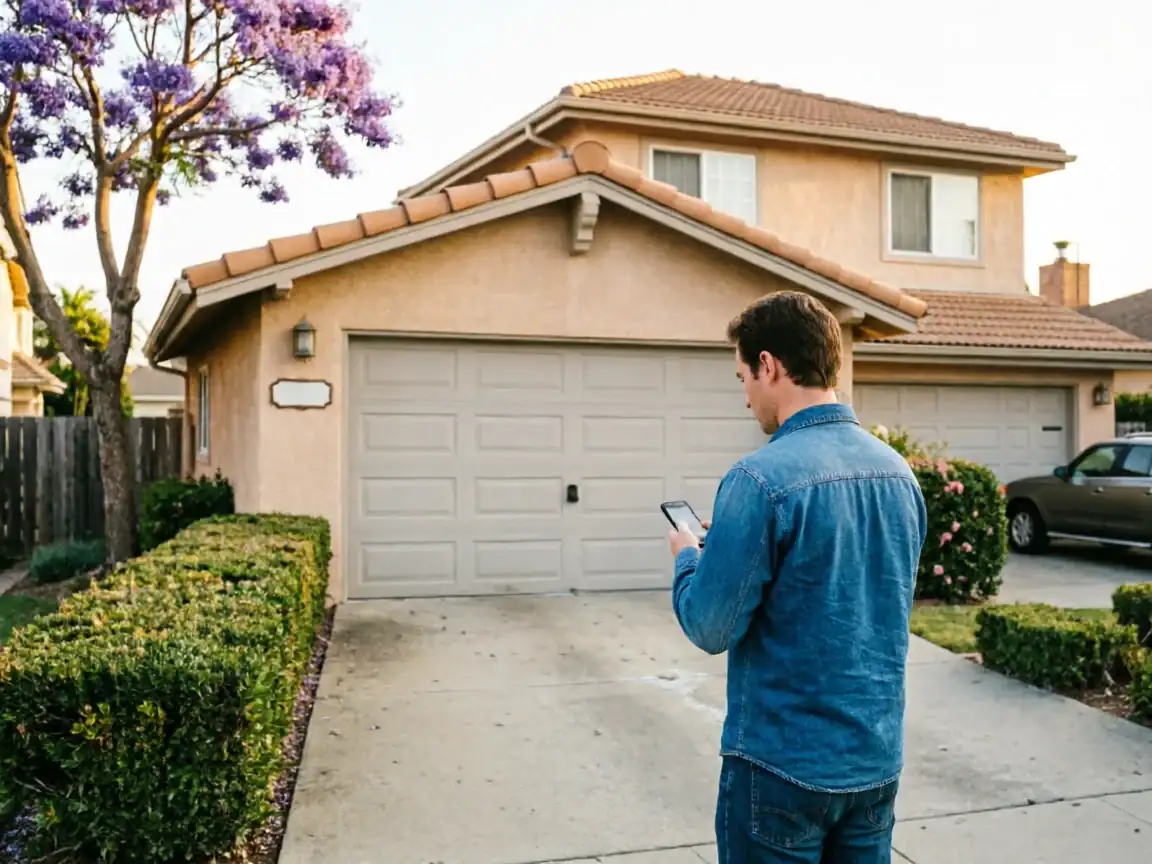
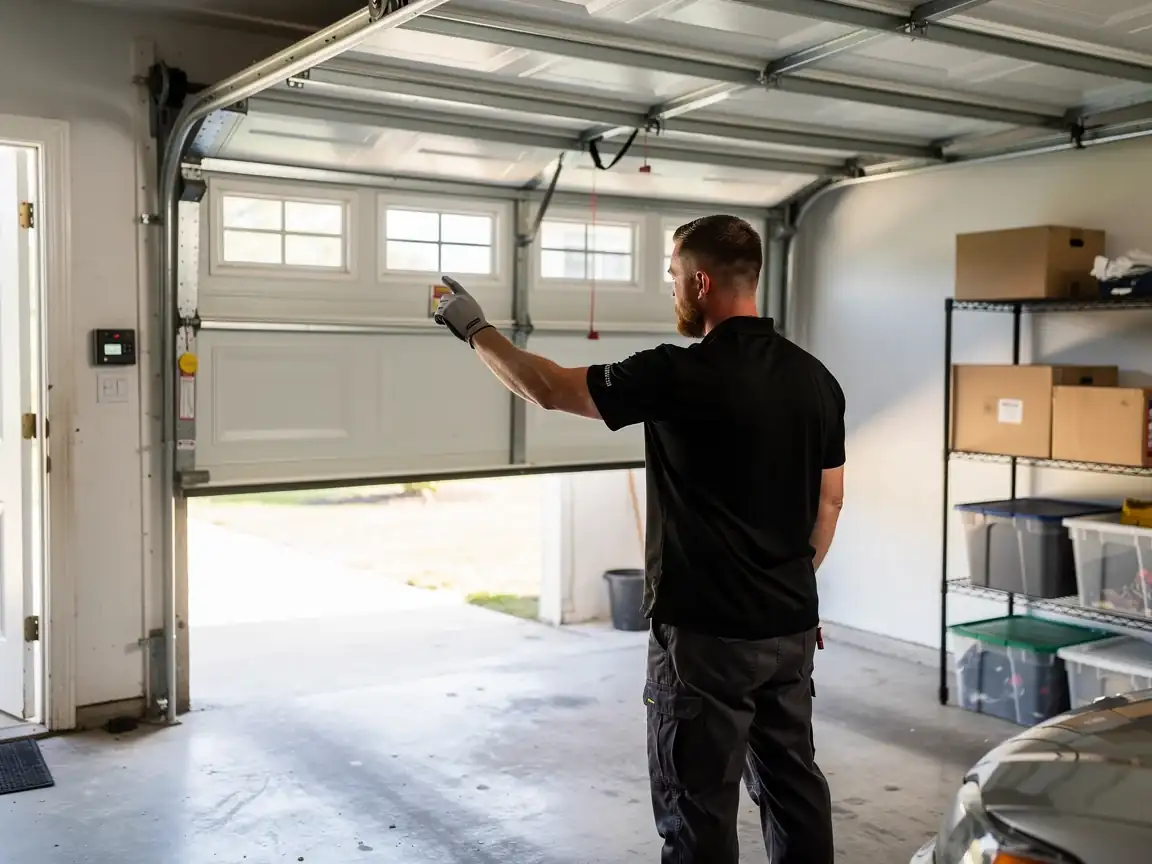
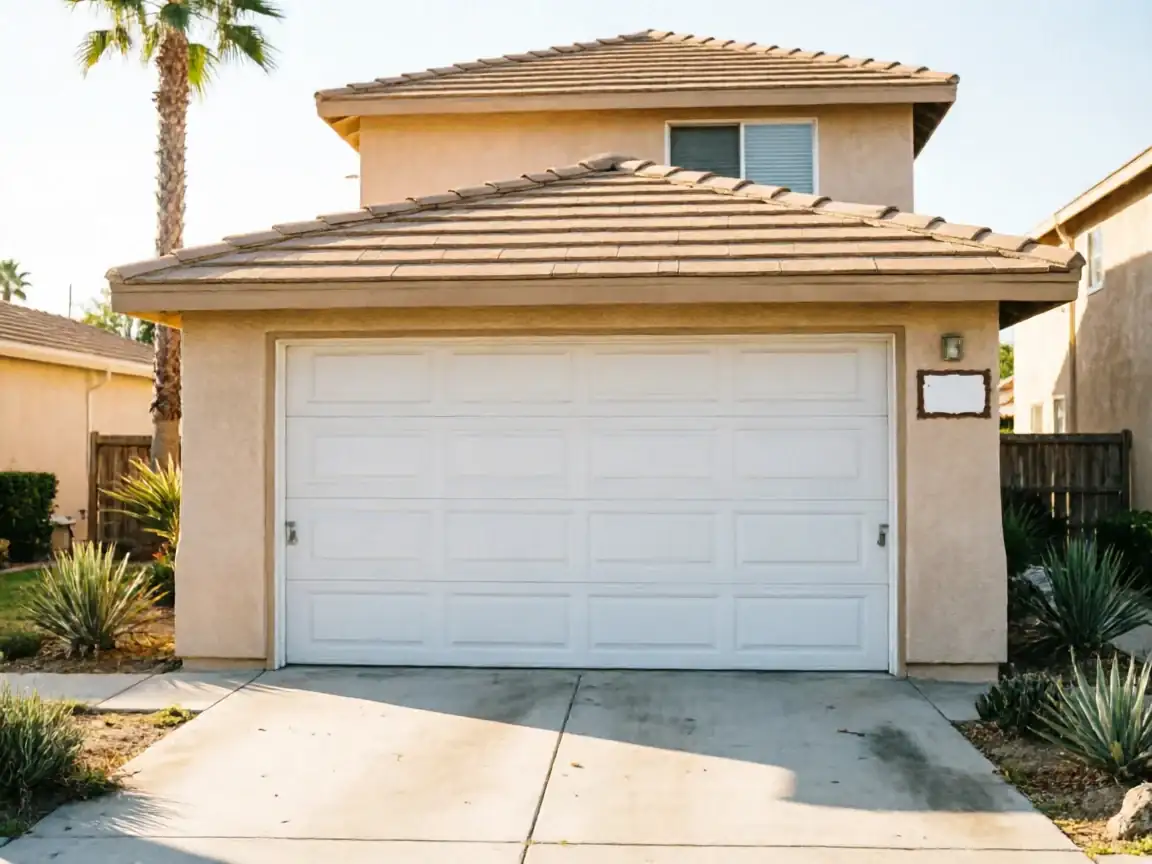
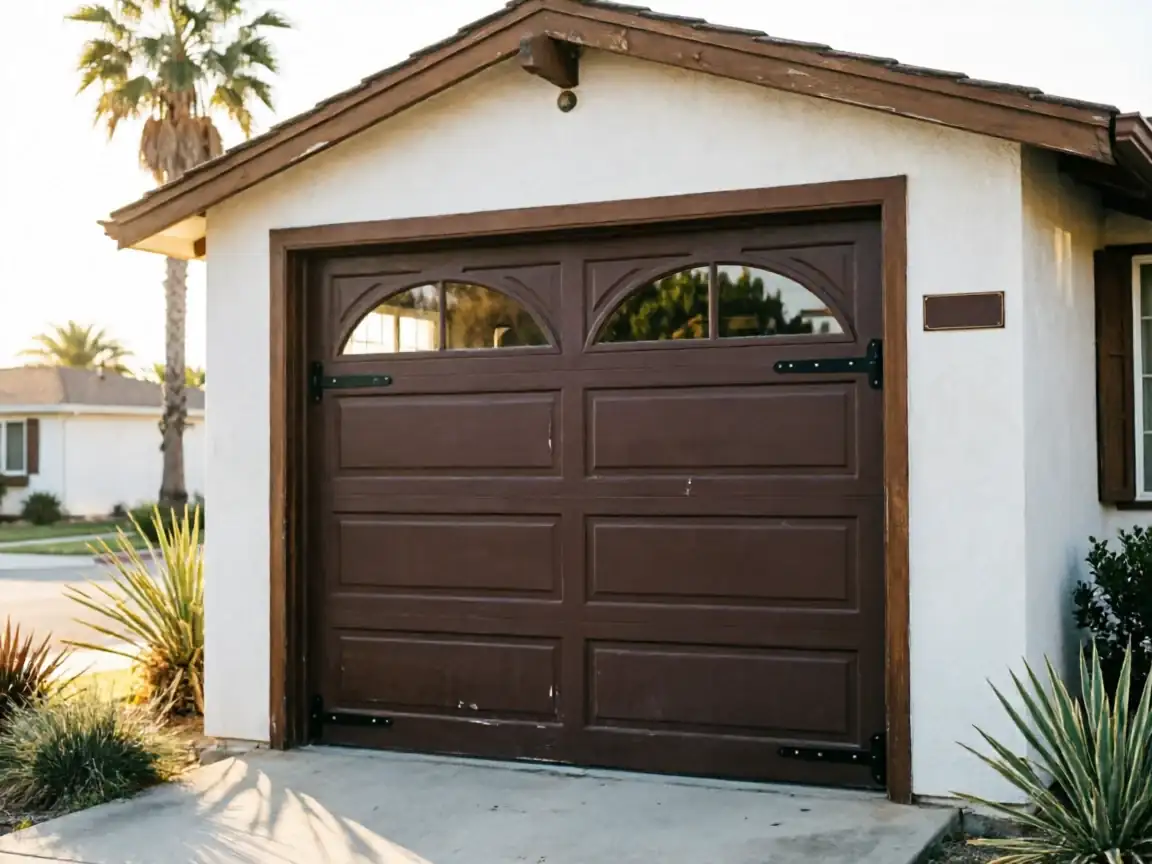
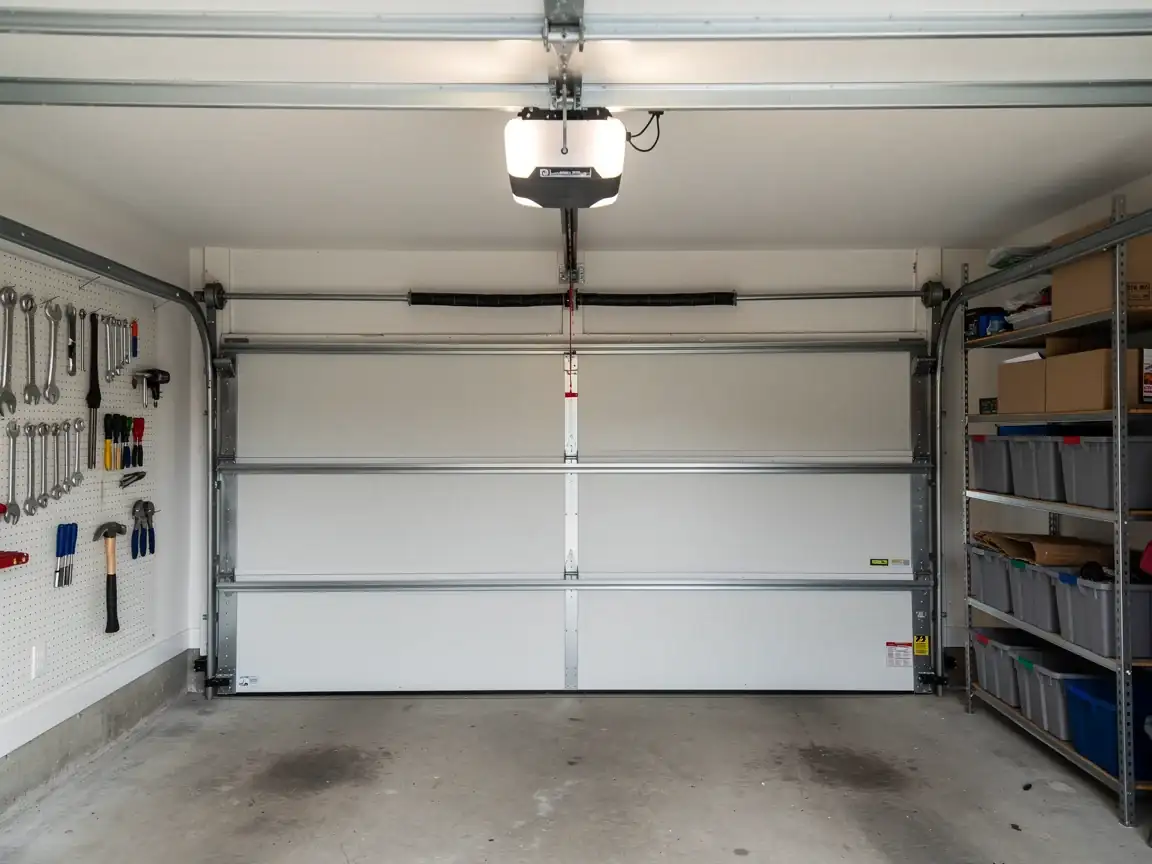
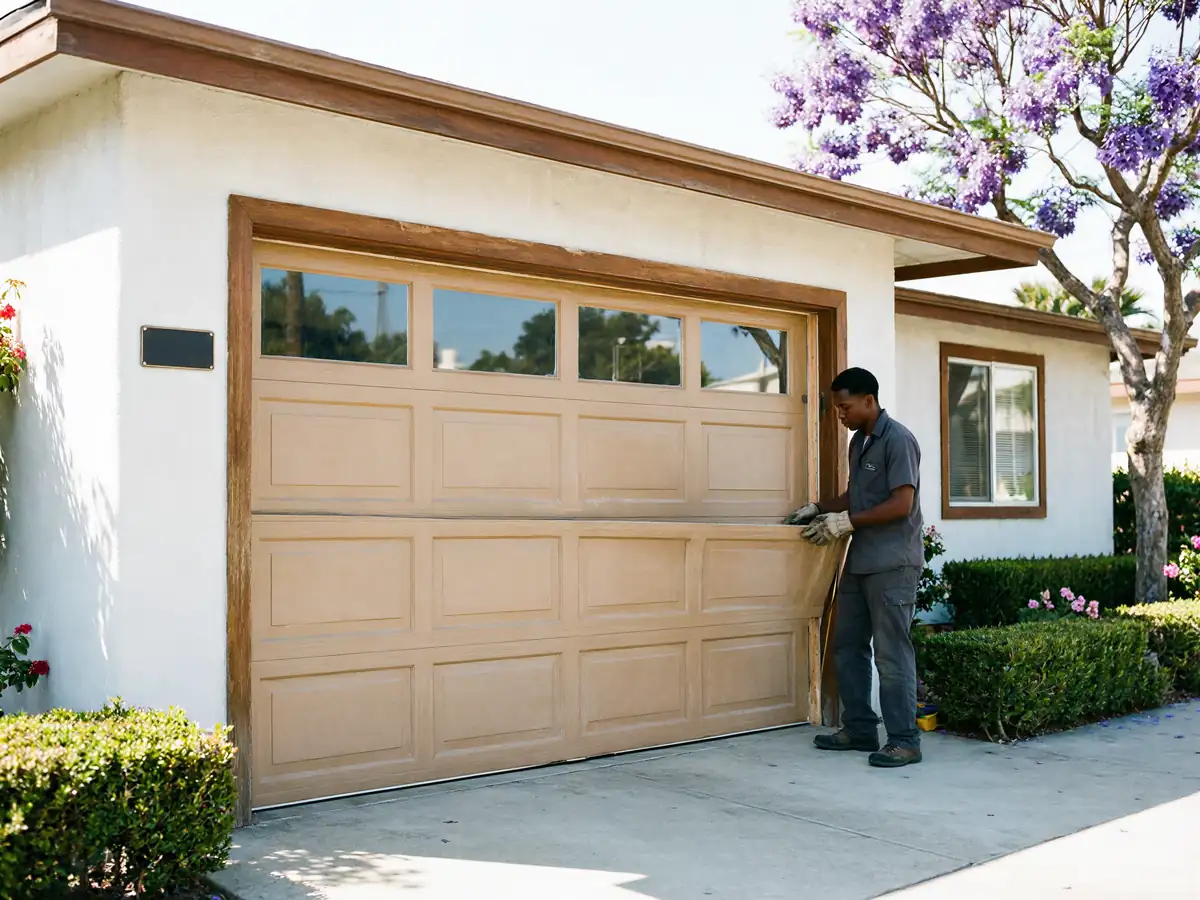
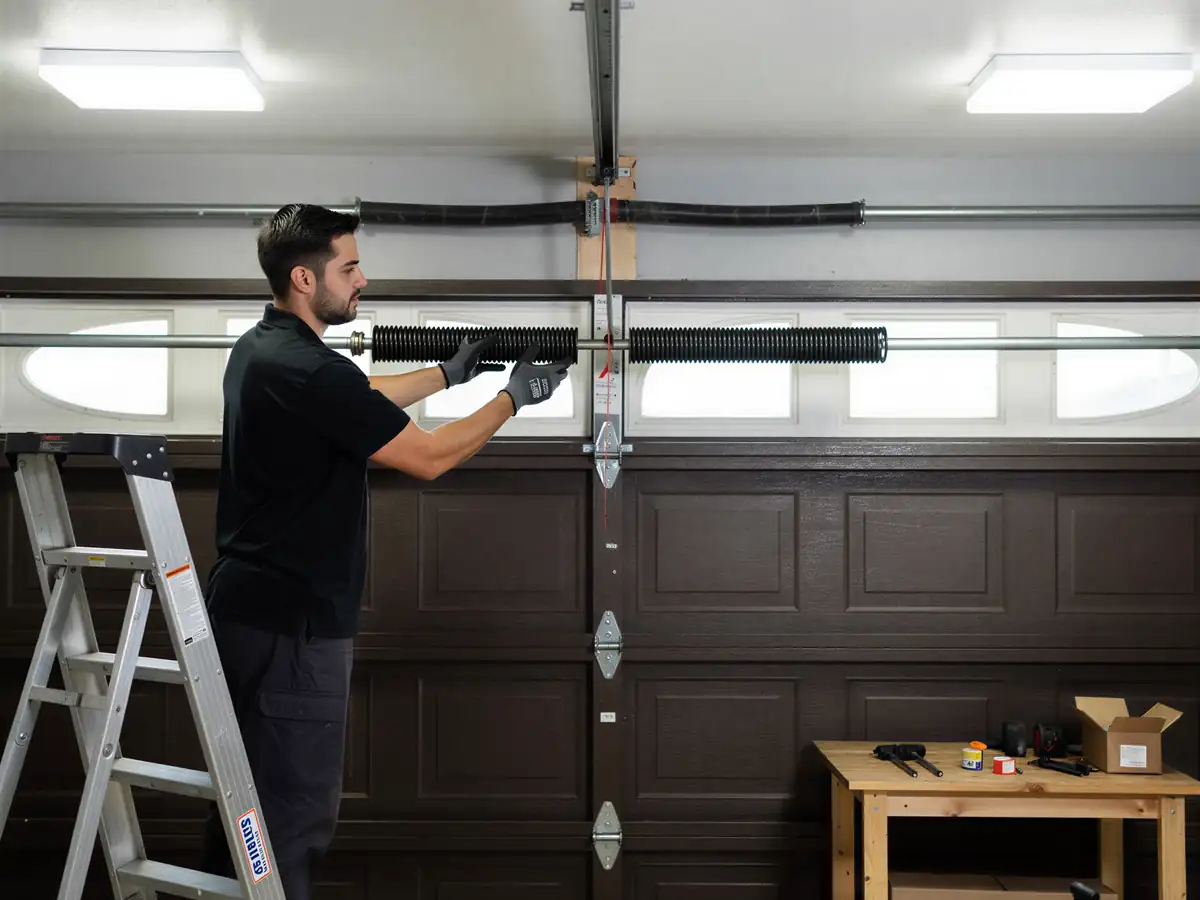
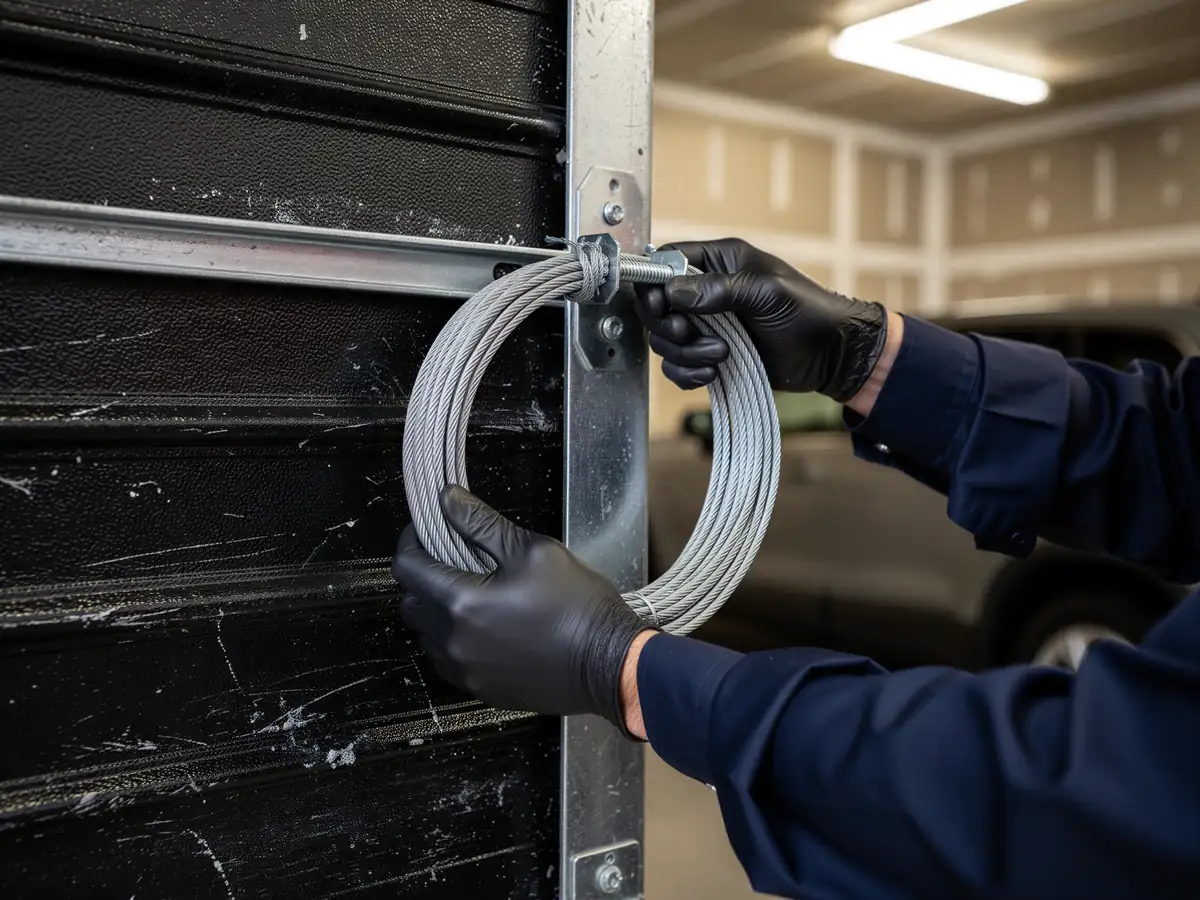
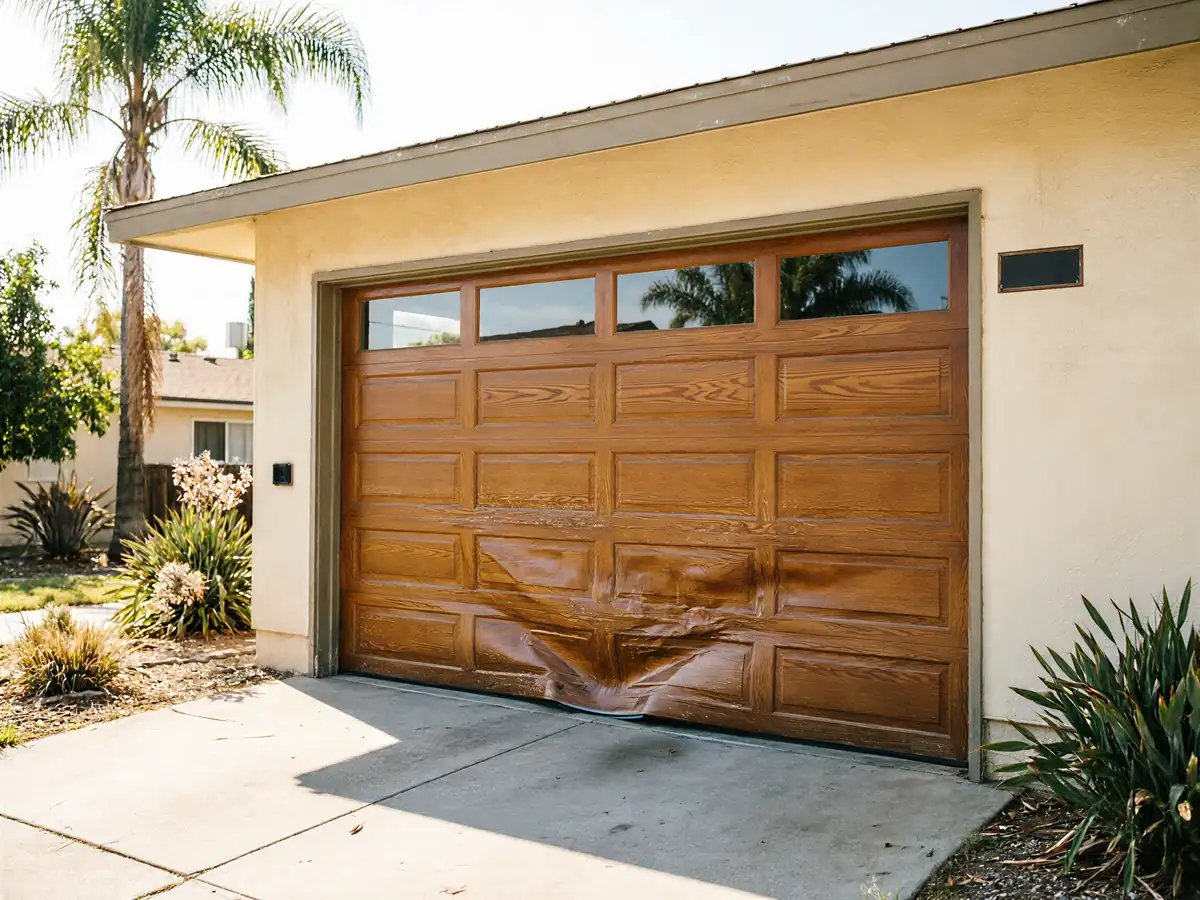
El Cajon's housing stock as a whole runs 1967 to 1992, with a median around 1975. Casa de Oro-Mount Helix sits on the older end of that range, with a median build year of 1969. Six years doesn't sound like much until you're standing in front of the opener. A door installed in 1969 is more likely to have gone through at least one full hardware swap already, sometimes two, which means what's on the wall now might be original, might be a 1990s replacement, or might be a mismatched mix of both. We see doors here that bind on one side because a torsion conversion was done without re-centering the track, or a cable has frayed on a drum that's outlasted three sets of springs. The symptom that brings most calls is the door that slams the last six inches or refuses to open past halfway - both point to spring fatigue, not opener failure, on houses this age.
Why It Happens Here
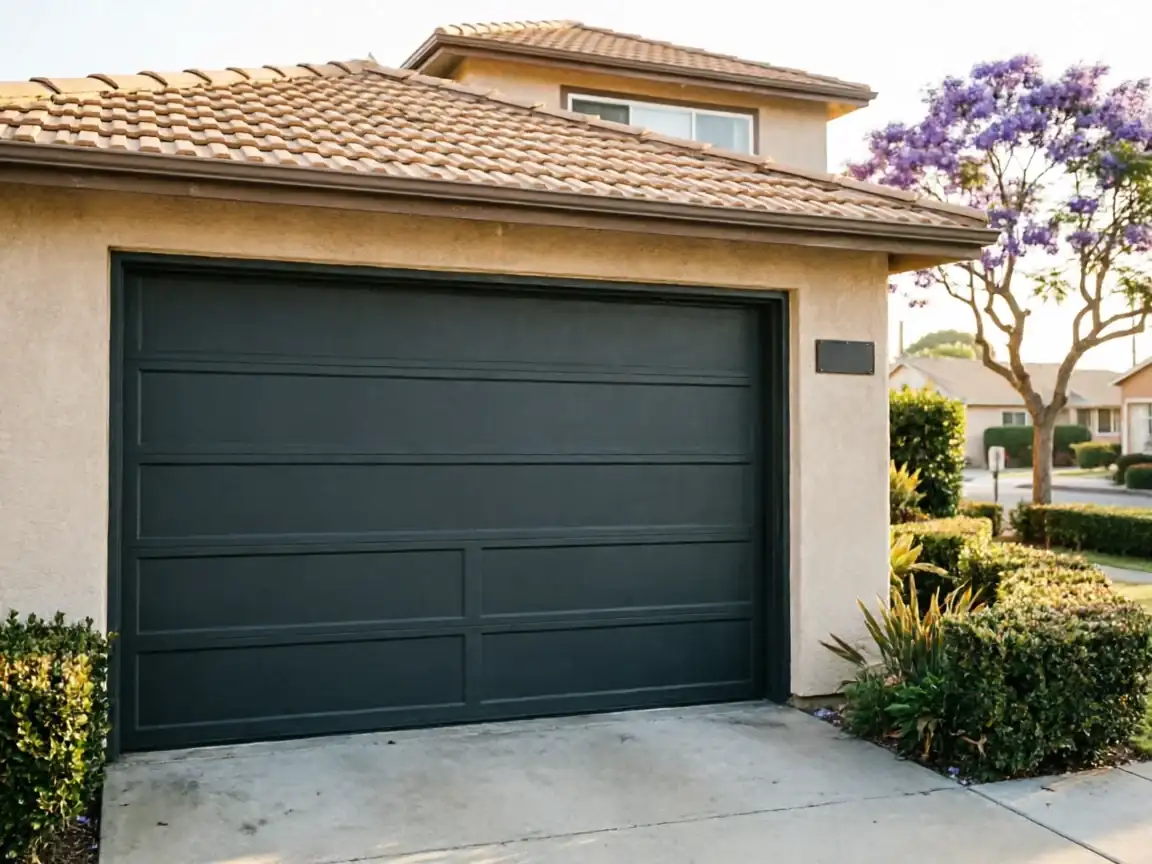
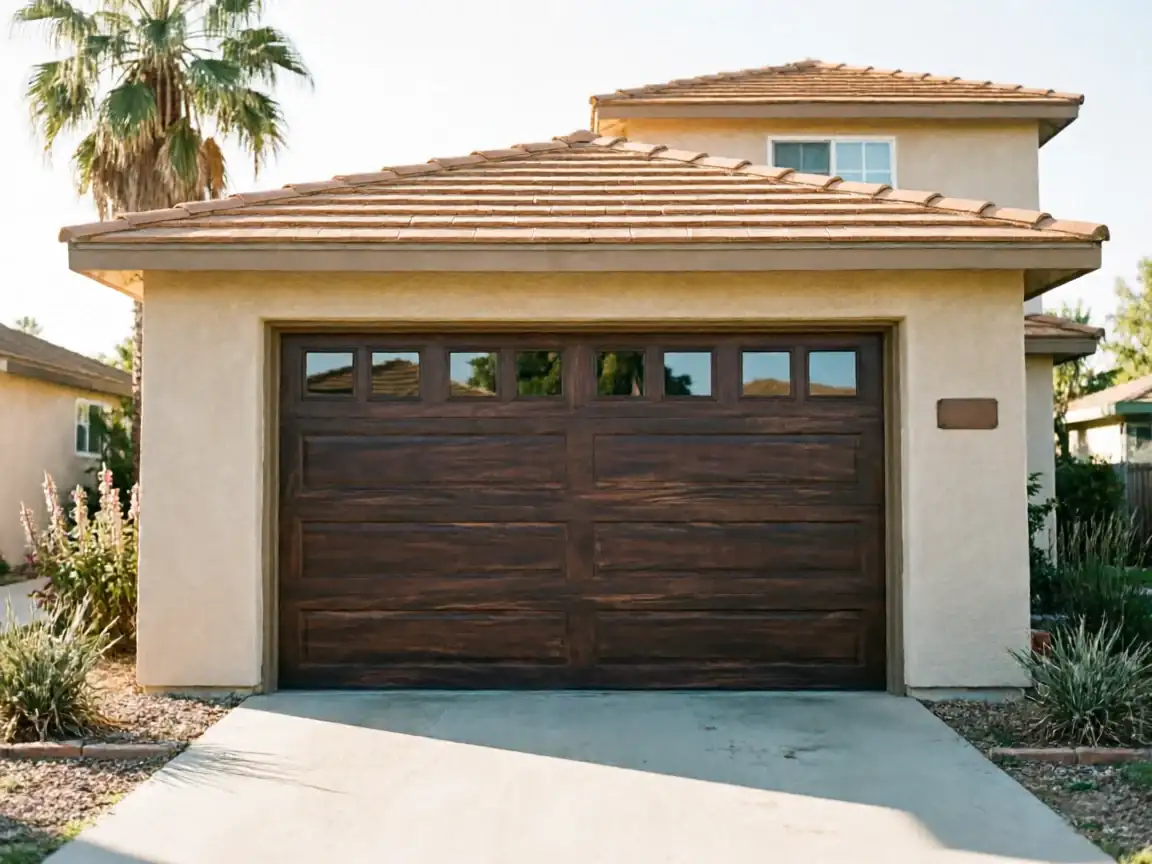
At 6,980 households, Casa de Oro-Mount Helix is a smaller slice of the service area, and it's a more uniform one - most of the stock clusters tight around that 1969 build year rather than spreading across the full 1967-1992 range you'd find elsewhere in El Cajon. That uniformity matters for parts. When a neighborhood went up in the same two or three years, the doors, track gauges, and spring mounts tend to match from house to house, which is good news if you need a part replaced and bad news if the whole block's springs are aging out at once. The mild temperate climate here doesn't bake seals or warp panels the way extreme heat or freeze-thaw cycles do elsewhere in the country, so when a door fails in this area it's almost always wear and cycle count, not weather damage. A median household income of $123,037 also means more of these homes have upgraded openers over the years, even where the door and track are original - which is its own mismatch to watch for.
Can You Do This Yourself
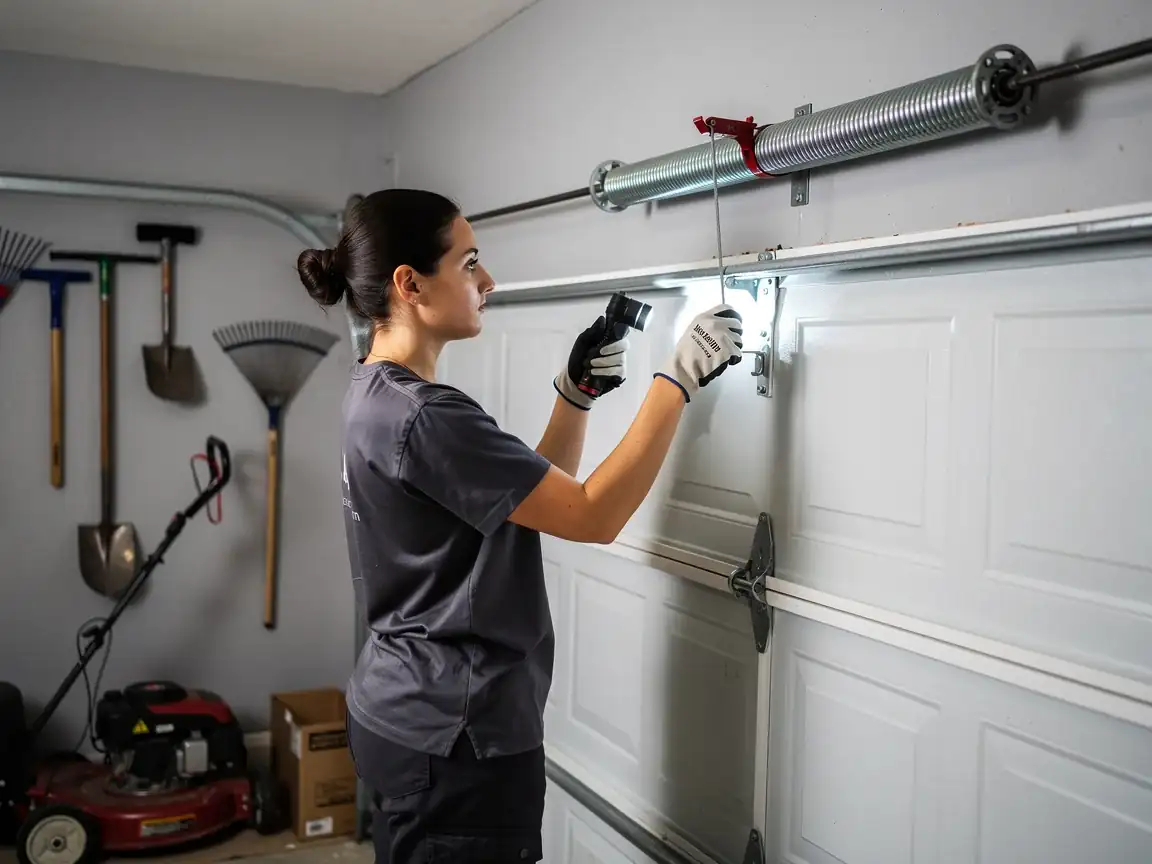
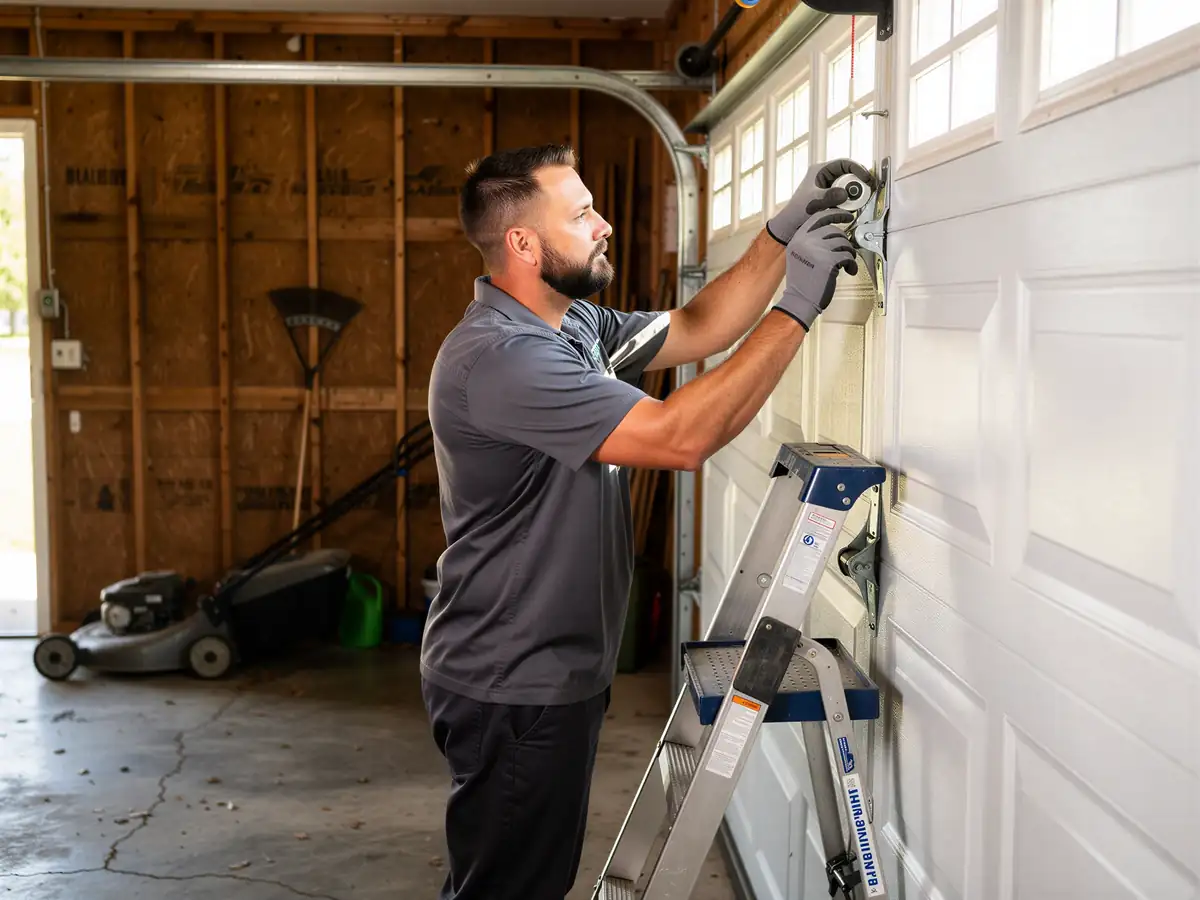
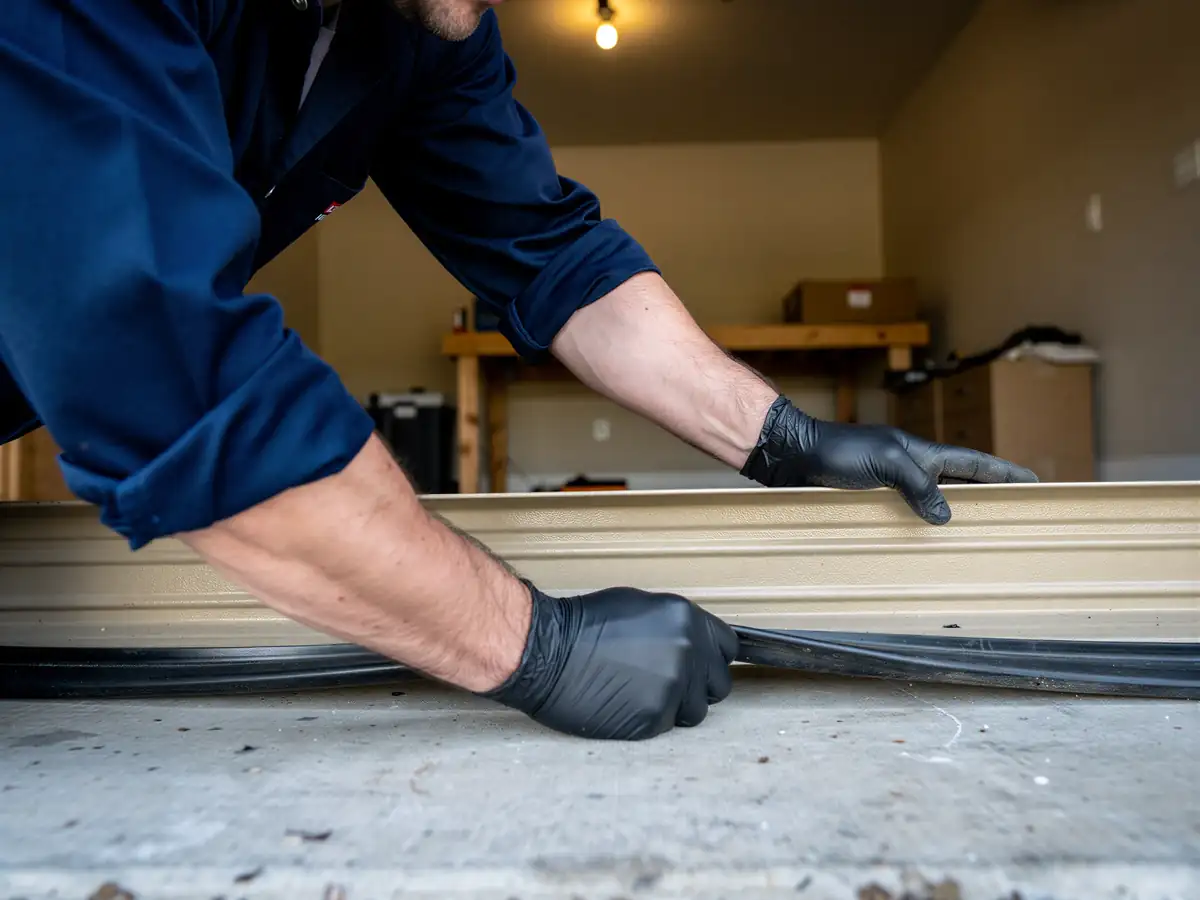
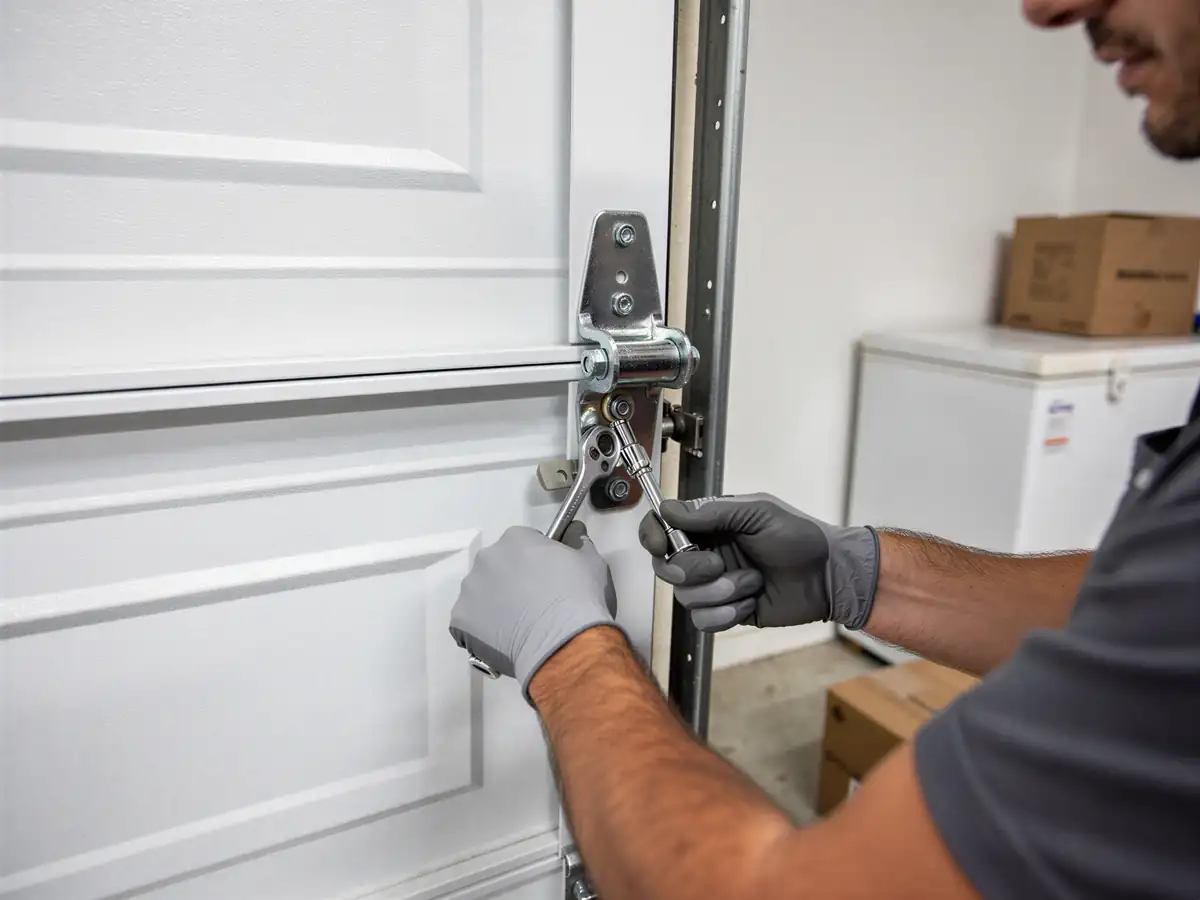
Some of this is reasonable DIY: tightening loose hinges, lubricating rollers, replacing a worn weatherstrip along the bottom panel. None of that needs a truck. What isn't reasonable is touching a torsion spring under tension - on a door this old, the spring may be original and corroded, which means it can let go with more force than a newer one. Cable replacement on an old drum setup has the same problem. If your door is sticking or slow, check the track alignment and the obvious stuff first. If it's a spring, a cable, or the door won't move at all, that's a call, not a weekend project. We won't talk you out of the easy fixes, but we also won't pretend the spring job is one.