The Usual Work Here
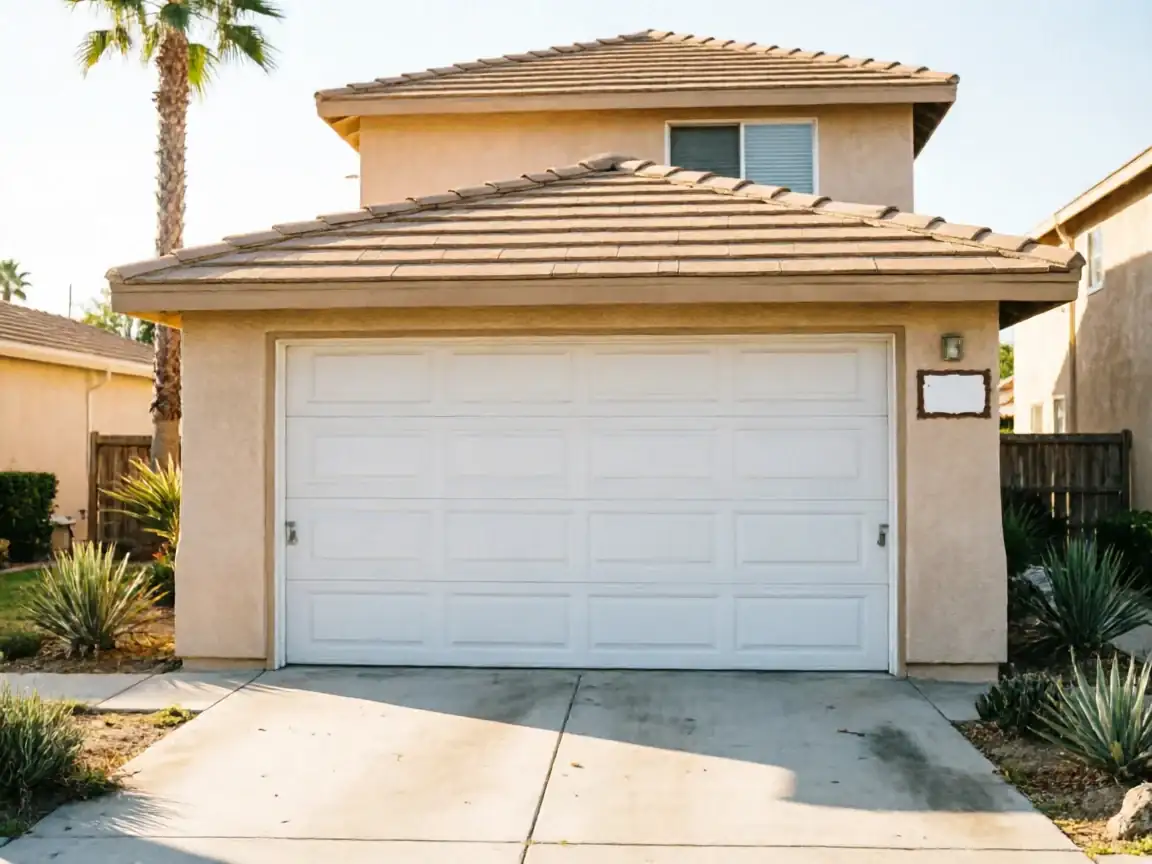
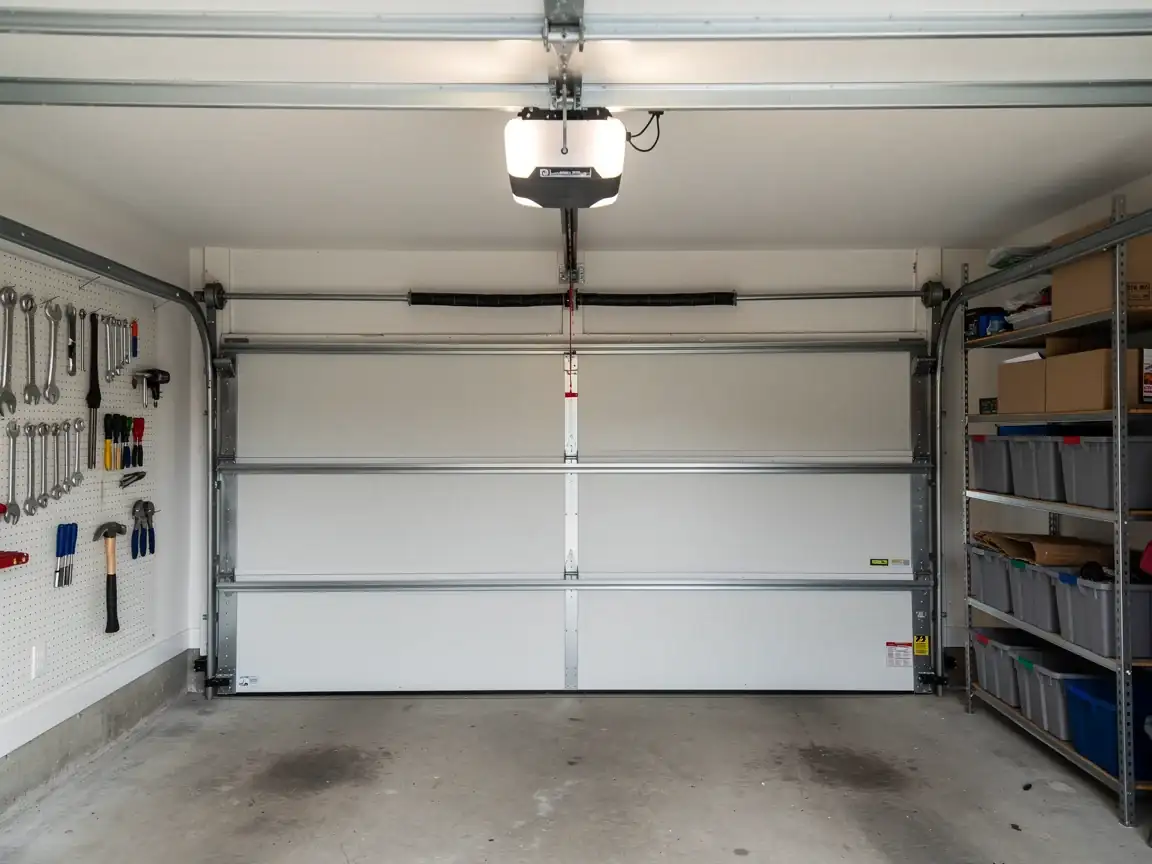
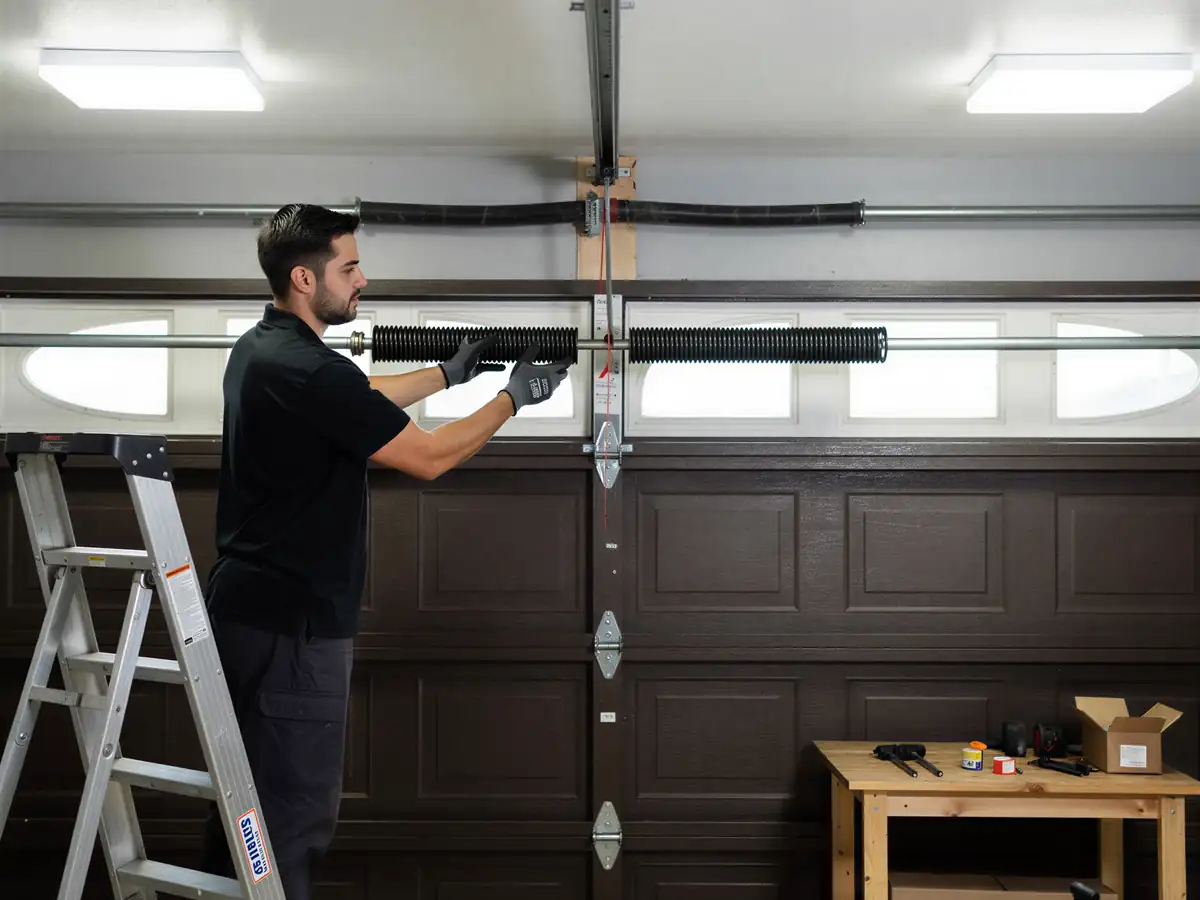
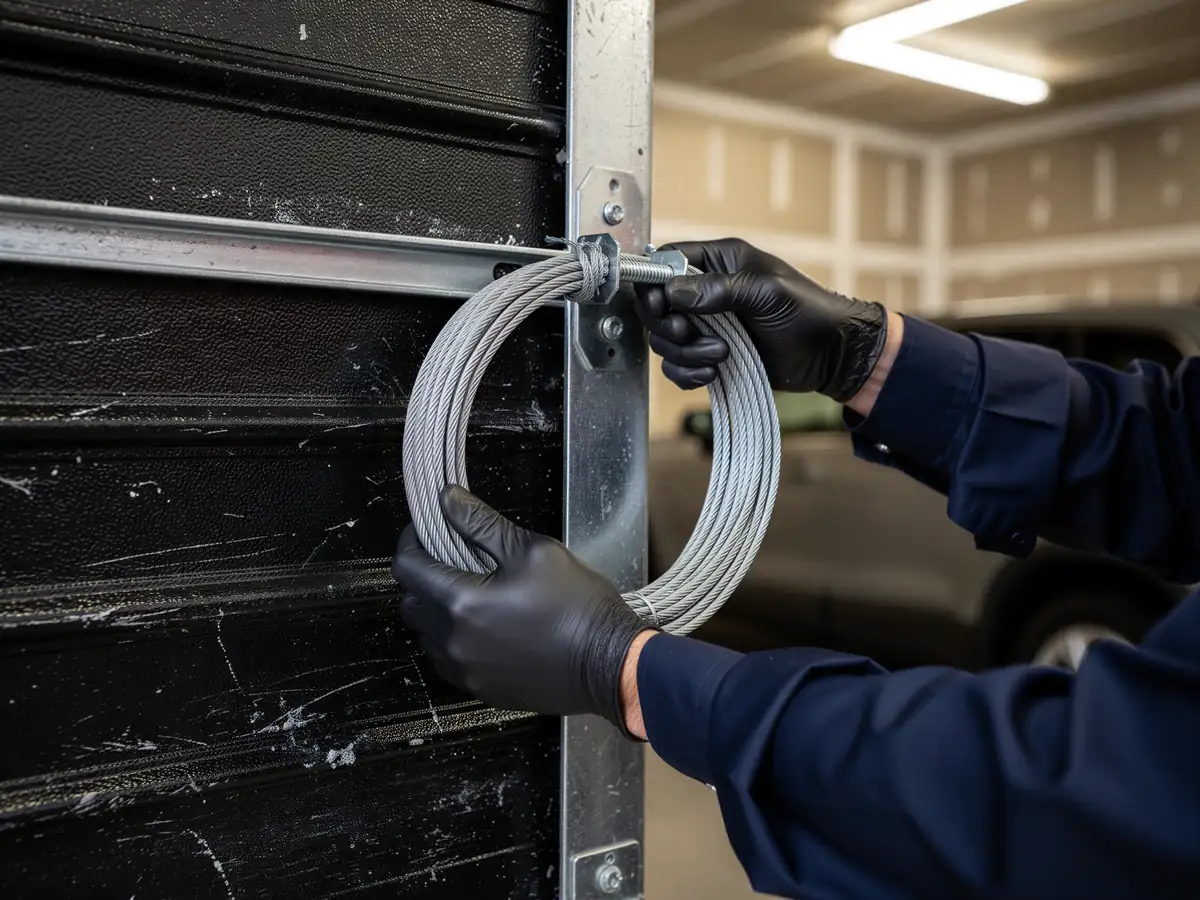
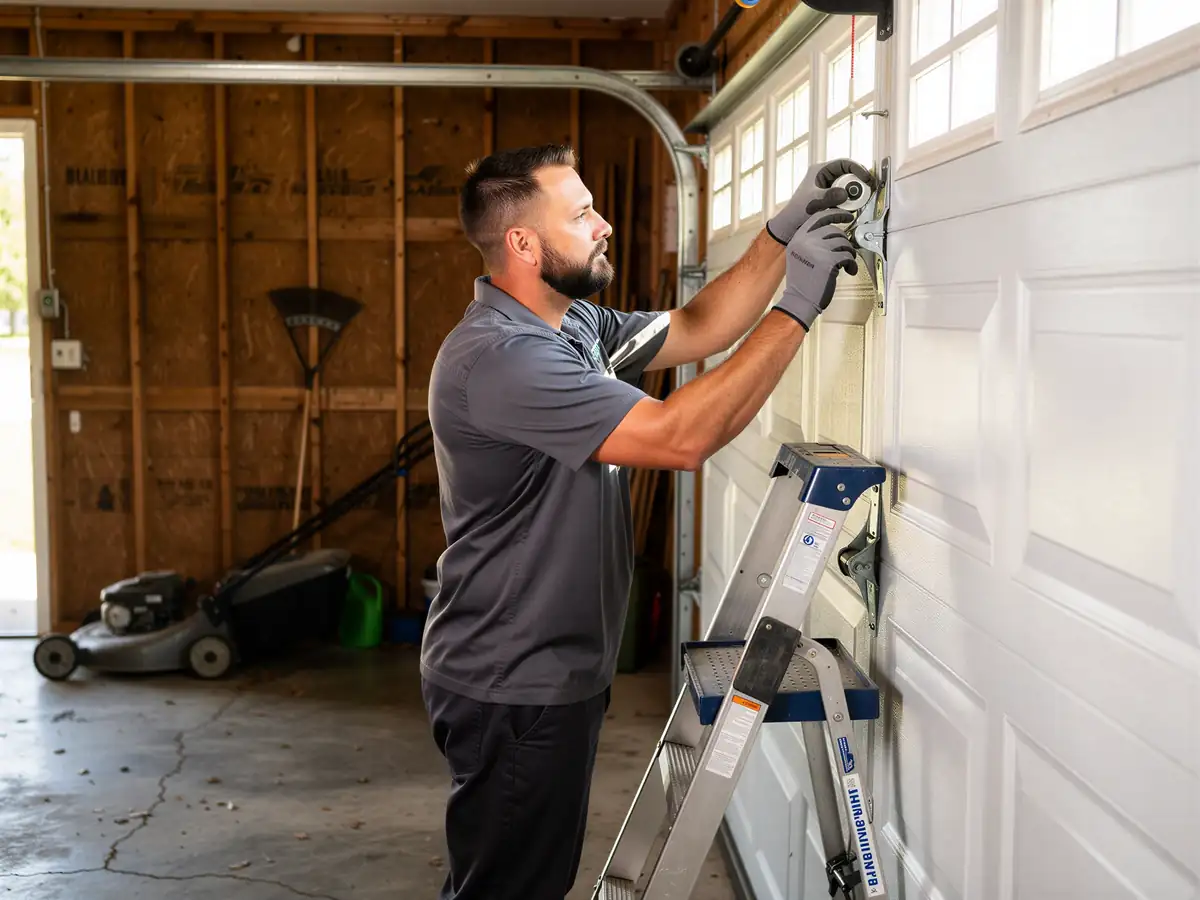
Bostonia's median home was built around 1978, a bit later than the 1975 median across our wider El Cajon service area. That few years matters more than it sounds like it should. Homes from the mid-1970s still show up with the older extension-spring setups bolted straight to the top of the track. By the late 1970s, a lot of builders here had already moved to torsion springs mounted on a shaft above the door - cheaper to standardize on, and what you'll find on more Bostonia doors than on the city's oldest blocks. We see both, which means a service call here isn't a one-size job: we're checking the mount style before we quote anything. Openers in this age bracket are mostly past their original chain-drive units by now, replaced at least once, so we're rarely working on anything original to the house there. What is often original is the door itself - steel panel doors with roller tracks that have taken forty-plus years of daily cycling. Rollers worn oval, hinges stretched at the pivot holes, cables starting to fray at the drum. None of that is an emergency until it is, and we won't talk you into replacing a door that just needs new rollers and a cable.
The Drive Over
Bostonia sits about 2 miles from our shop in El Cajon, close enough that it's one of the quicker stops on the route rather than a special trip. We don't run a second location here and we're not going to pretend otherwise - every job starts with a truck leaving El Cajon. At 2 miles that's a short drive, which keeps the job itself the focus instead of the travel.
How That Shows Up in the Door
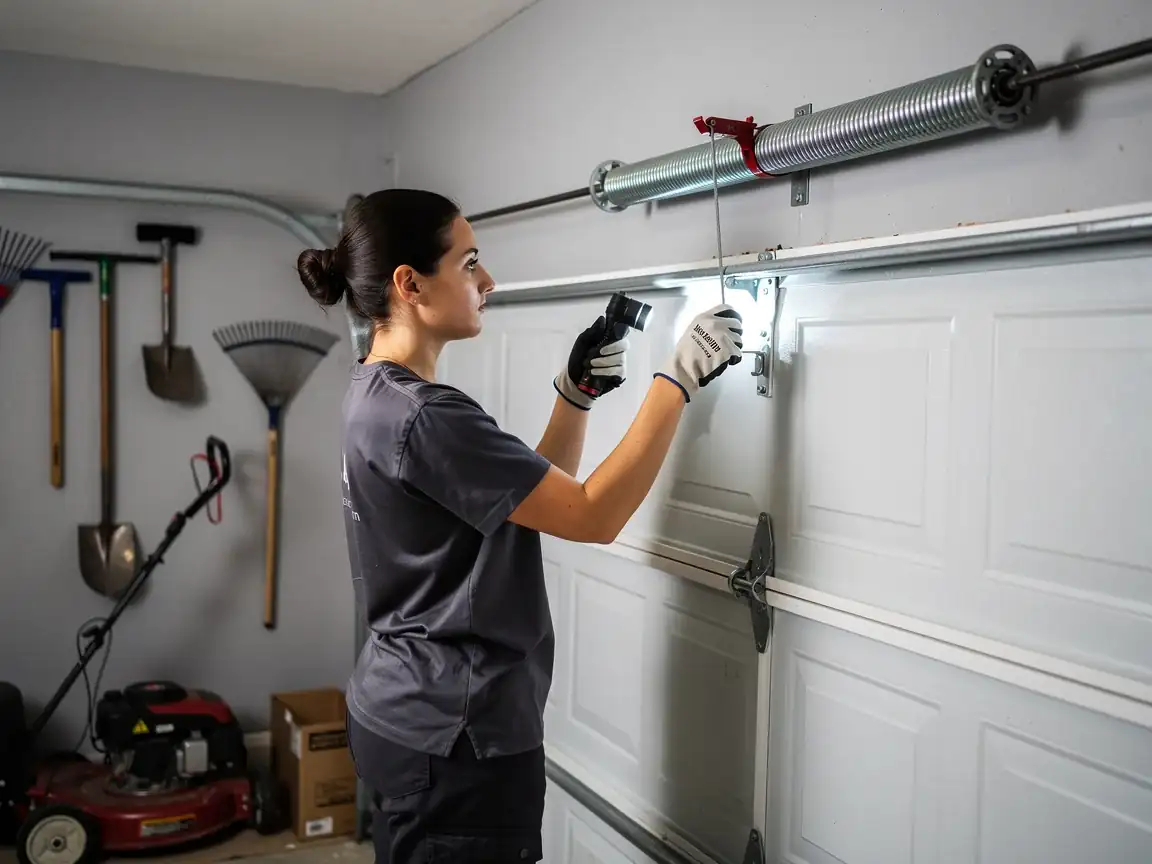
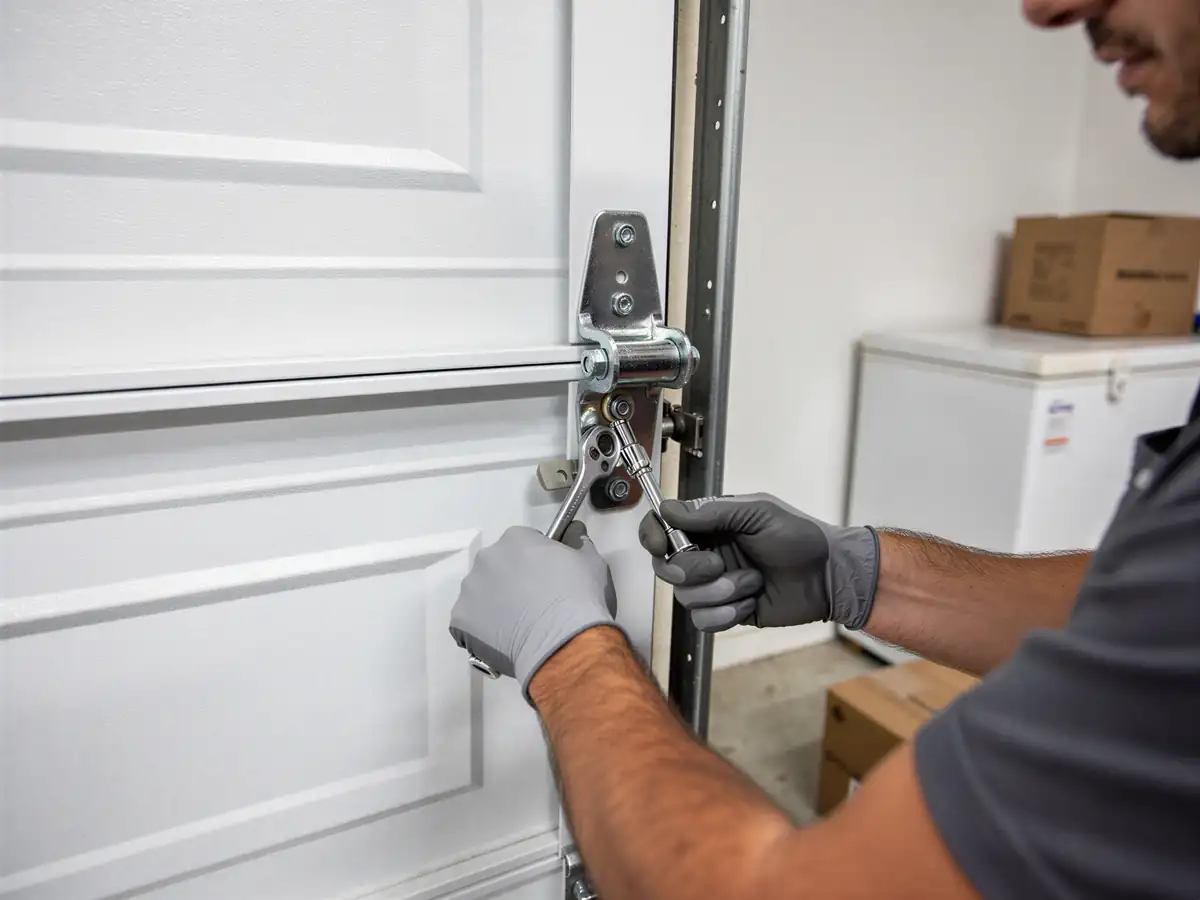
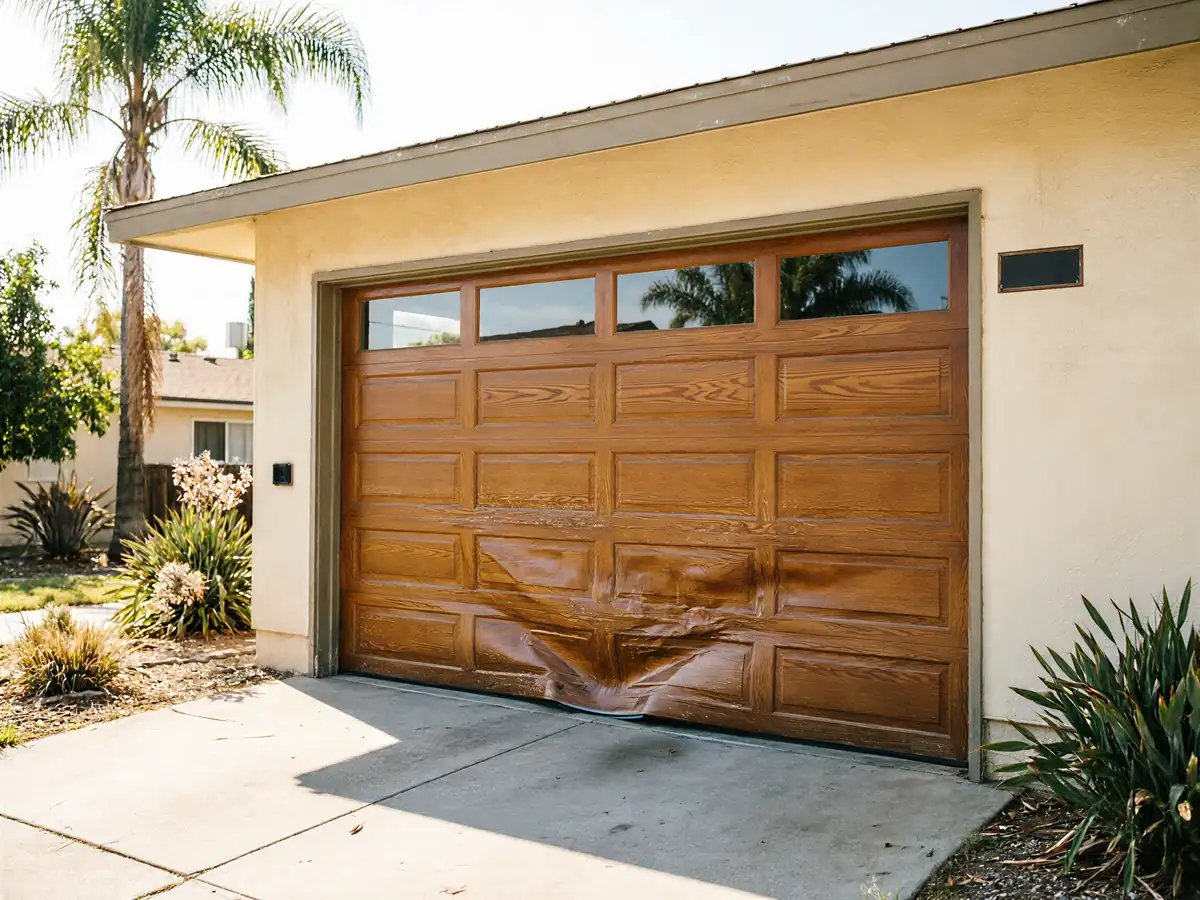
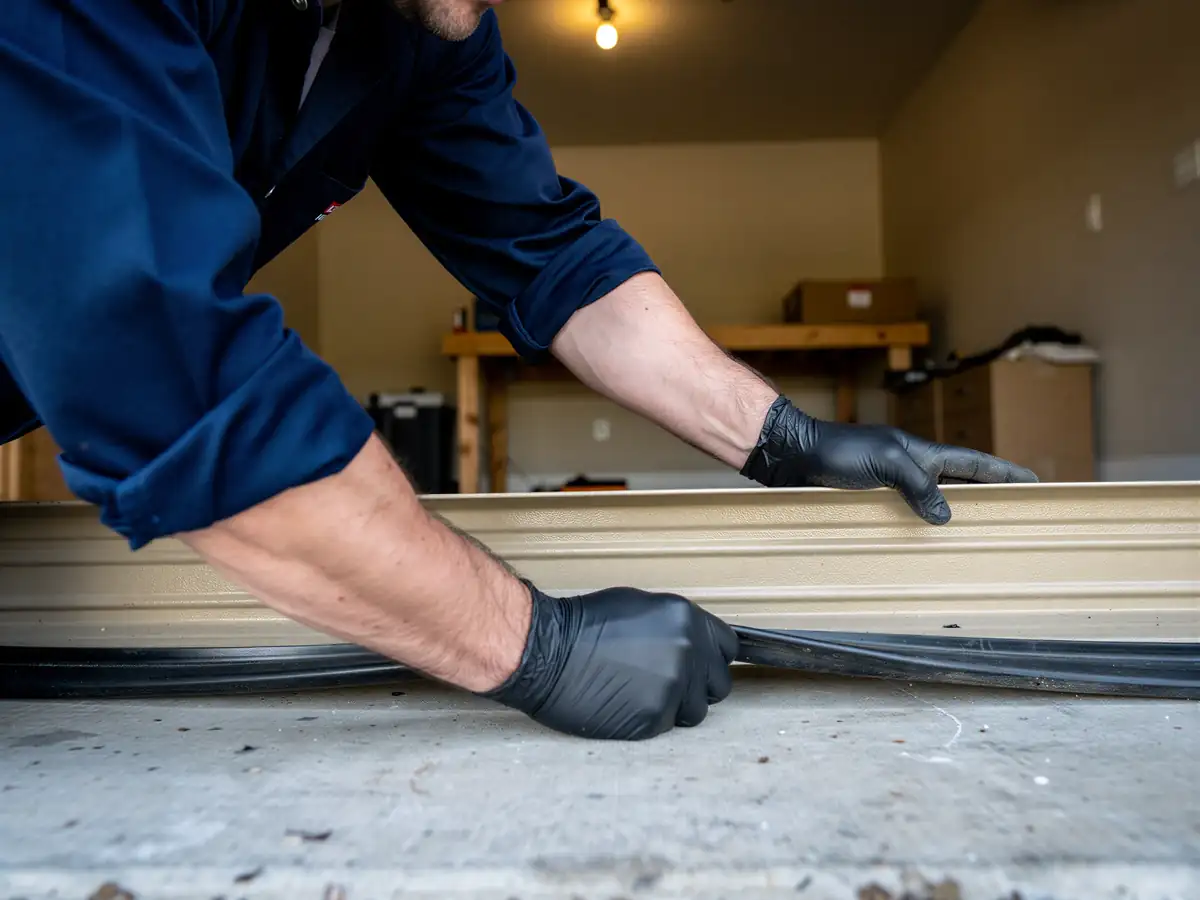
A late-1970s torsion setup in Bostonia usually fails in predictable spots: the spring itself going after years of cycles, the center bearing plate wearing loose, or the cable drums cracking at the edge. If your house is on the earlier end - closer to the 1975 median that shows up elsewhere in this area - you're more likely still running an extension-spring system, and those fail differently, usually at the pulley or the safety cable if one was ever added. We won't guess which one you have over the phone; it's a five-minute look once we're there. One honest limit: if the door itself is original steel from the 1970s and the bottom panel has rusted through or the track is bent past true, we'll tell you straight that replacement is the better money than another repair, rather than patching something that'll just fail again in a year.