The Usual Work Here
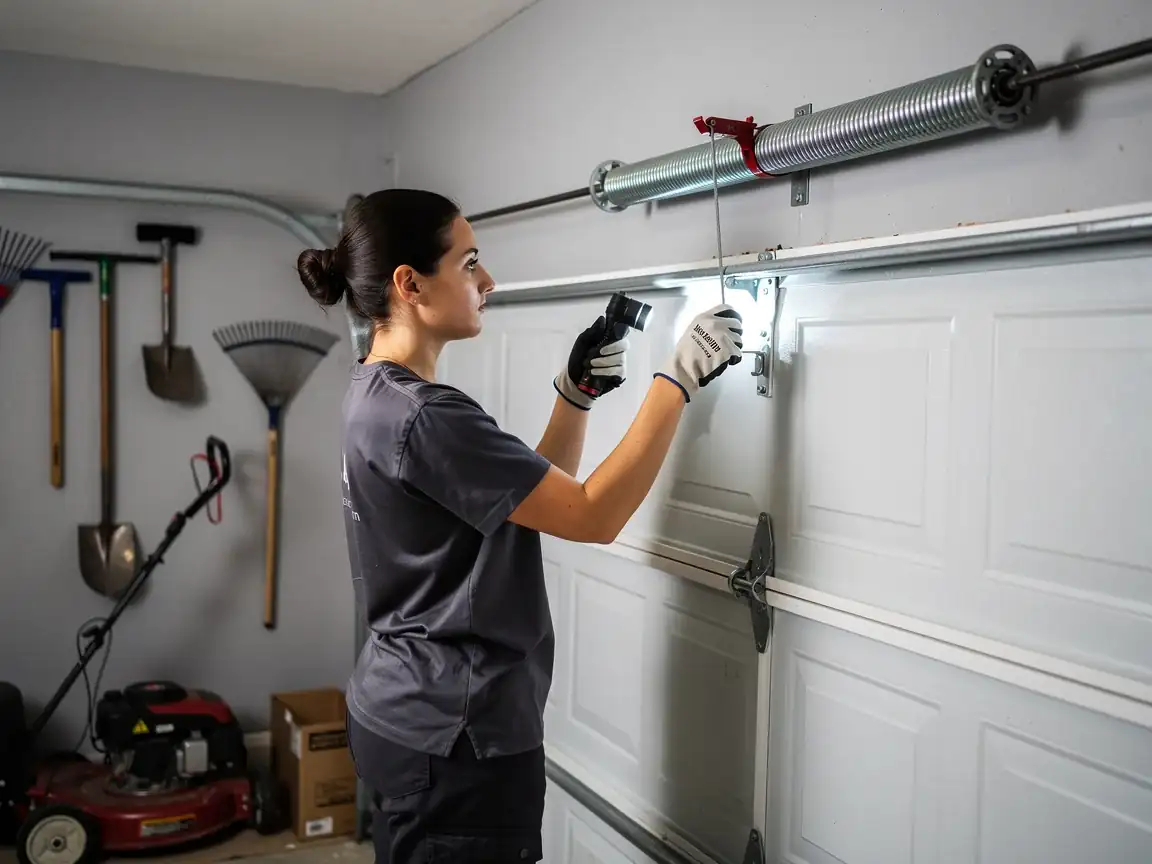
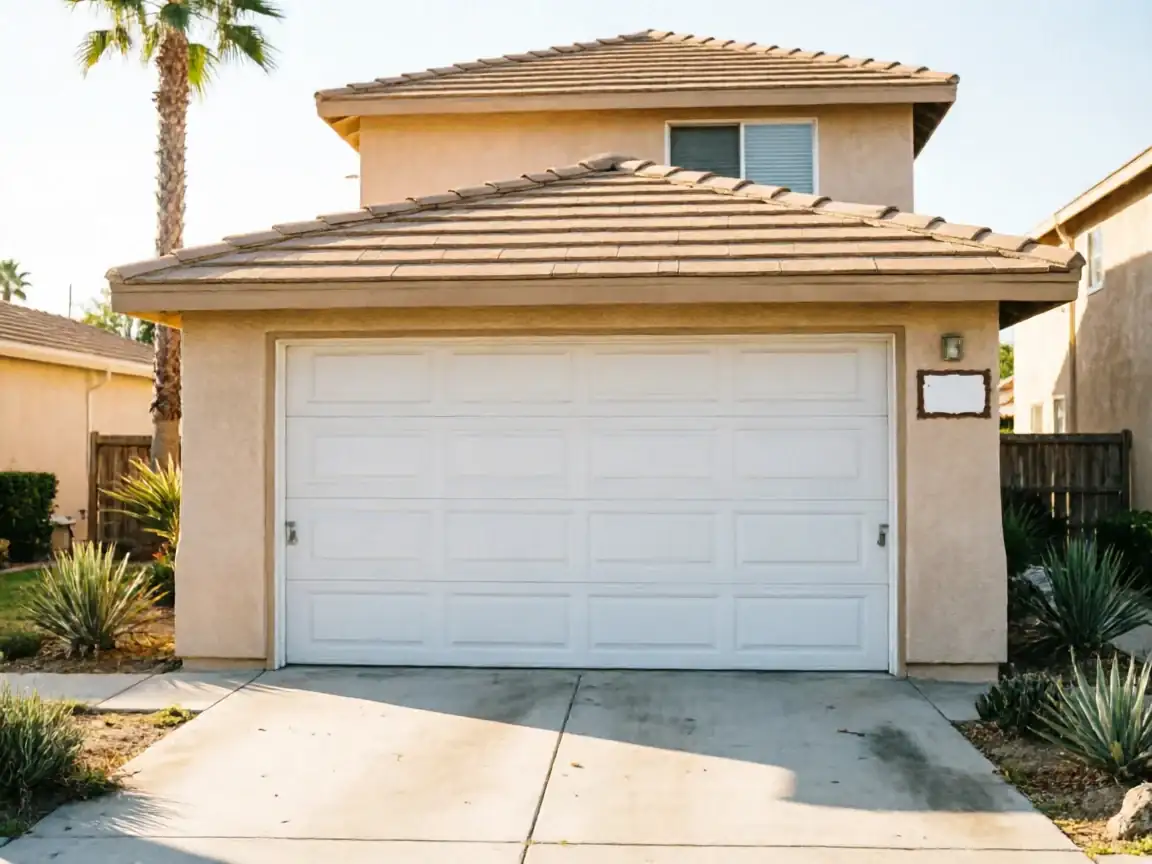
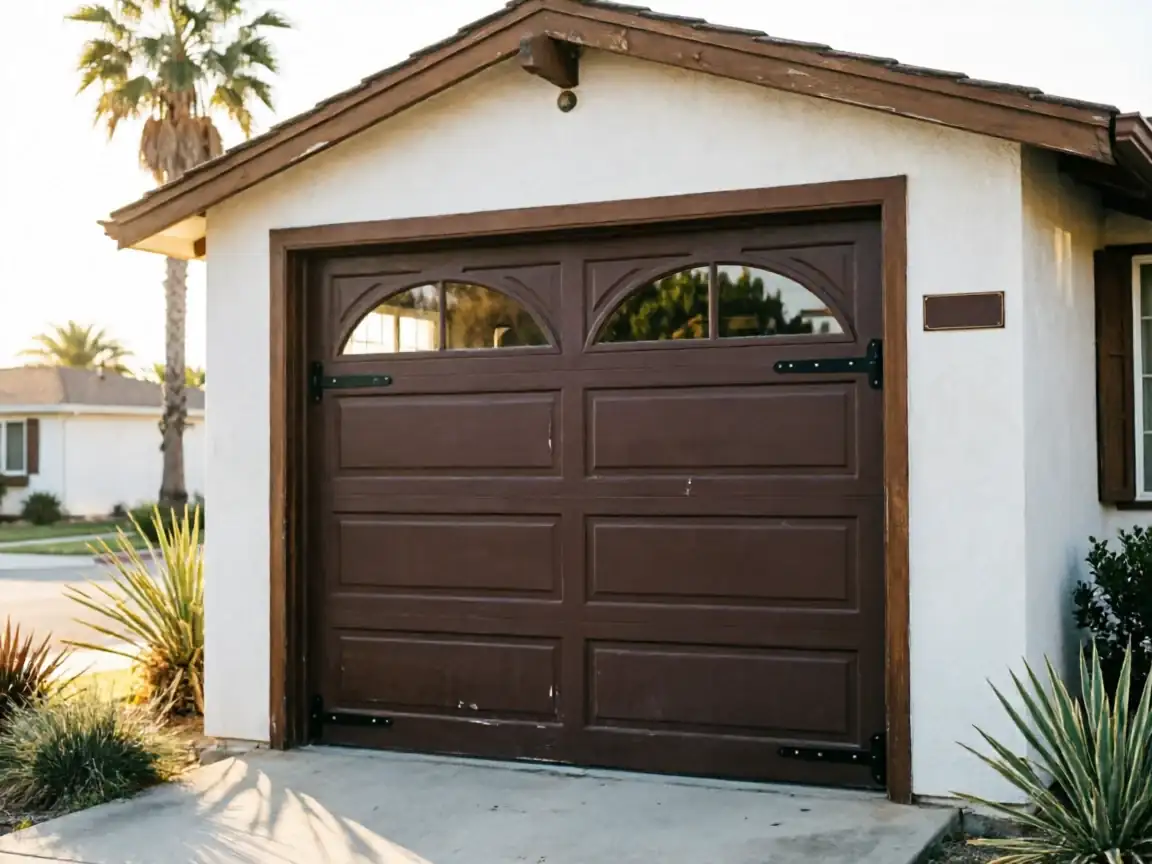
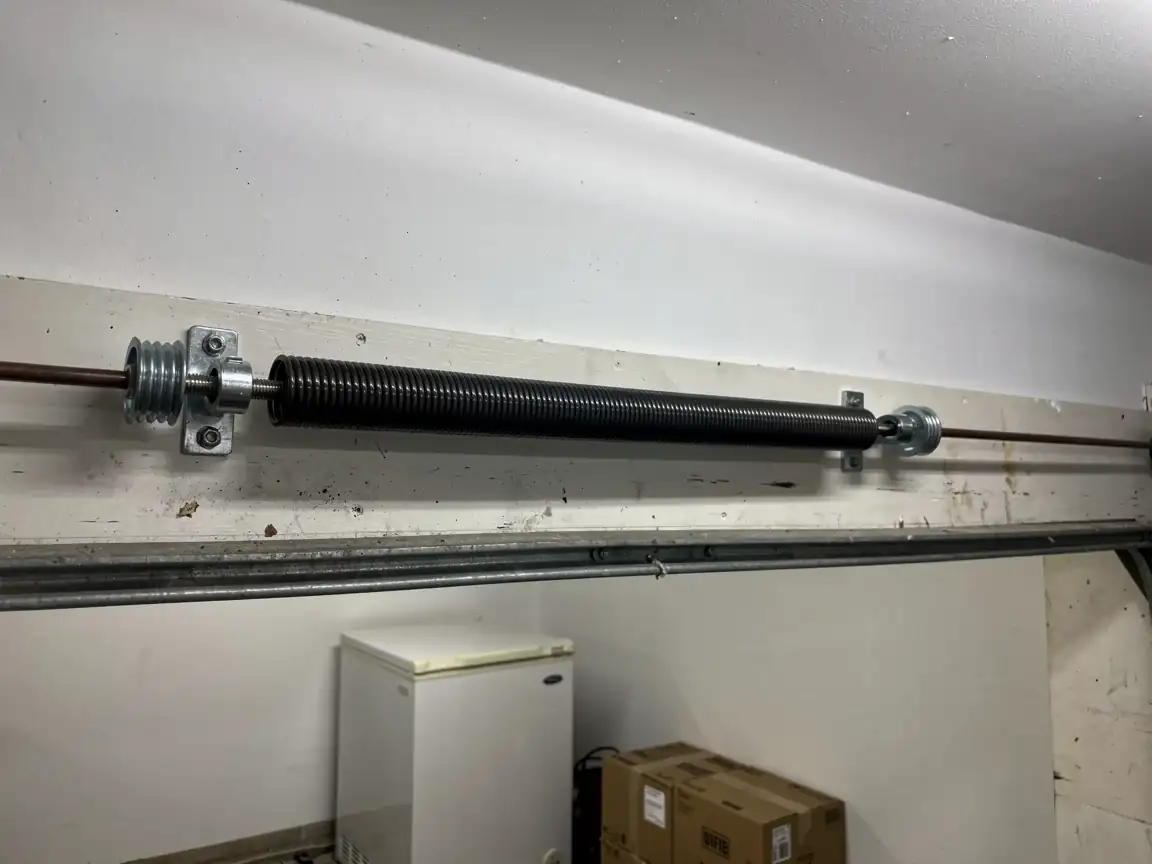
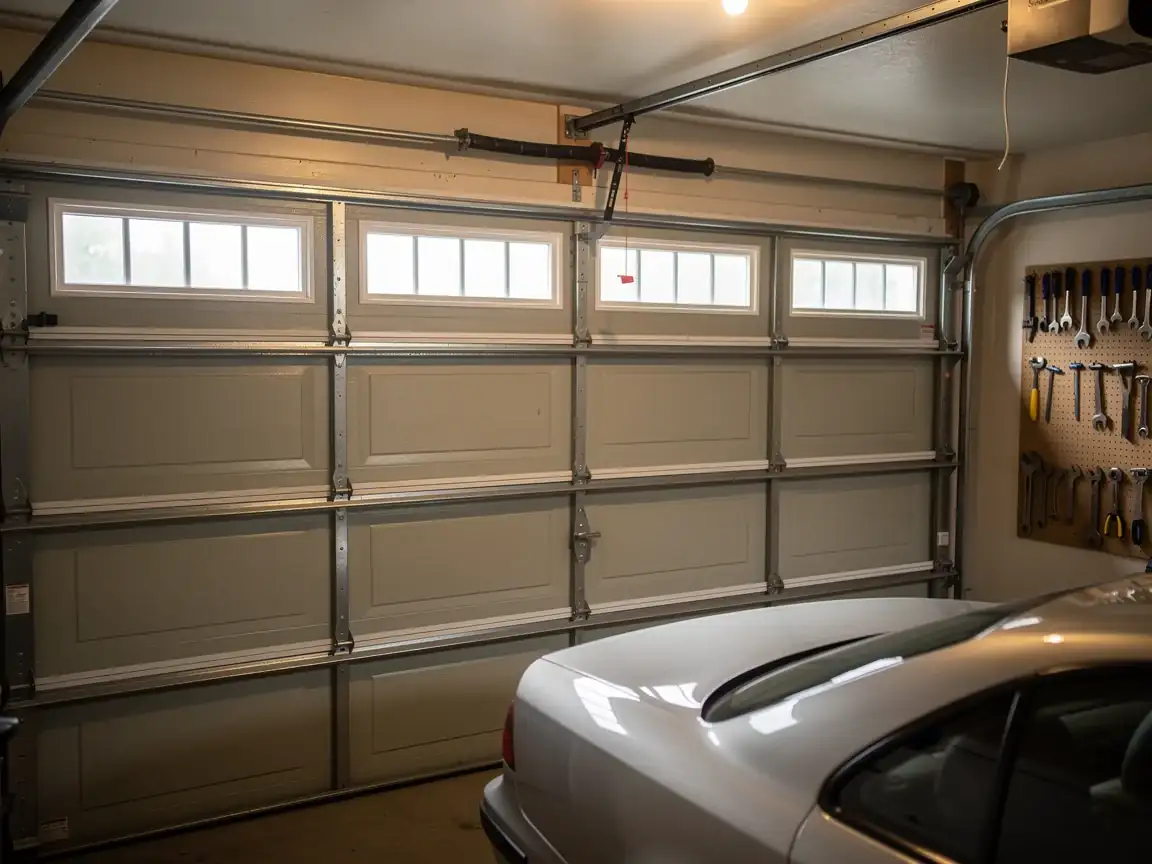
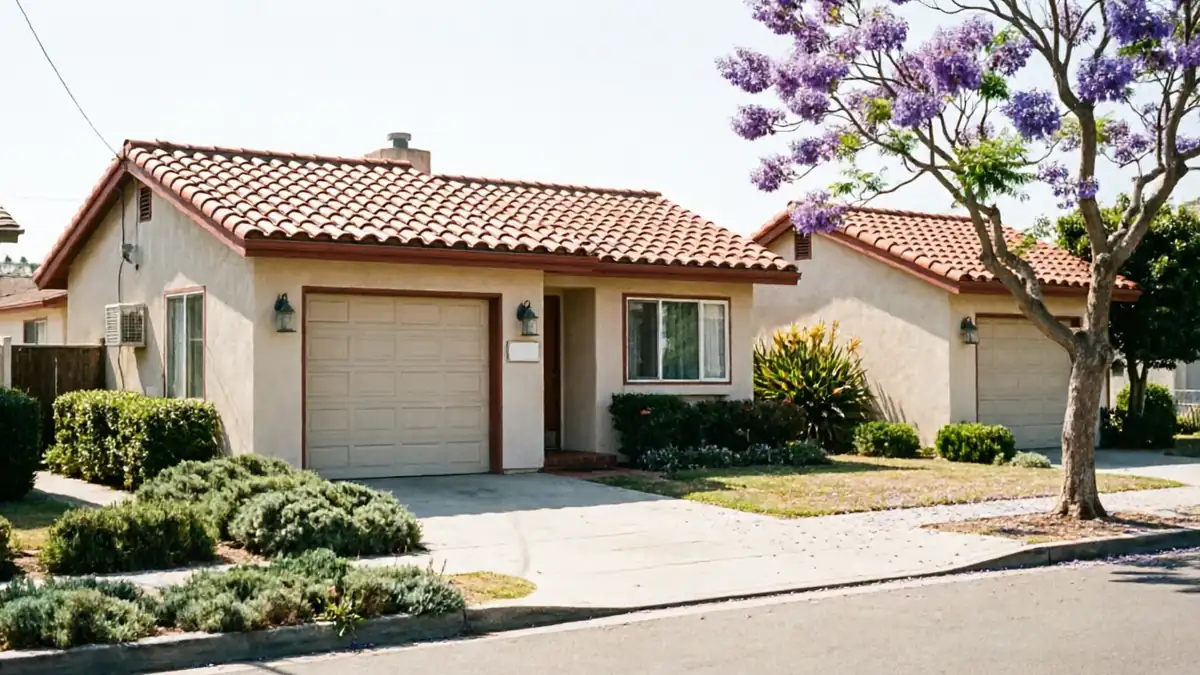
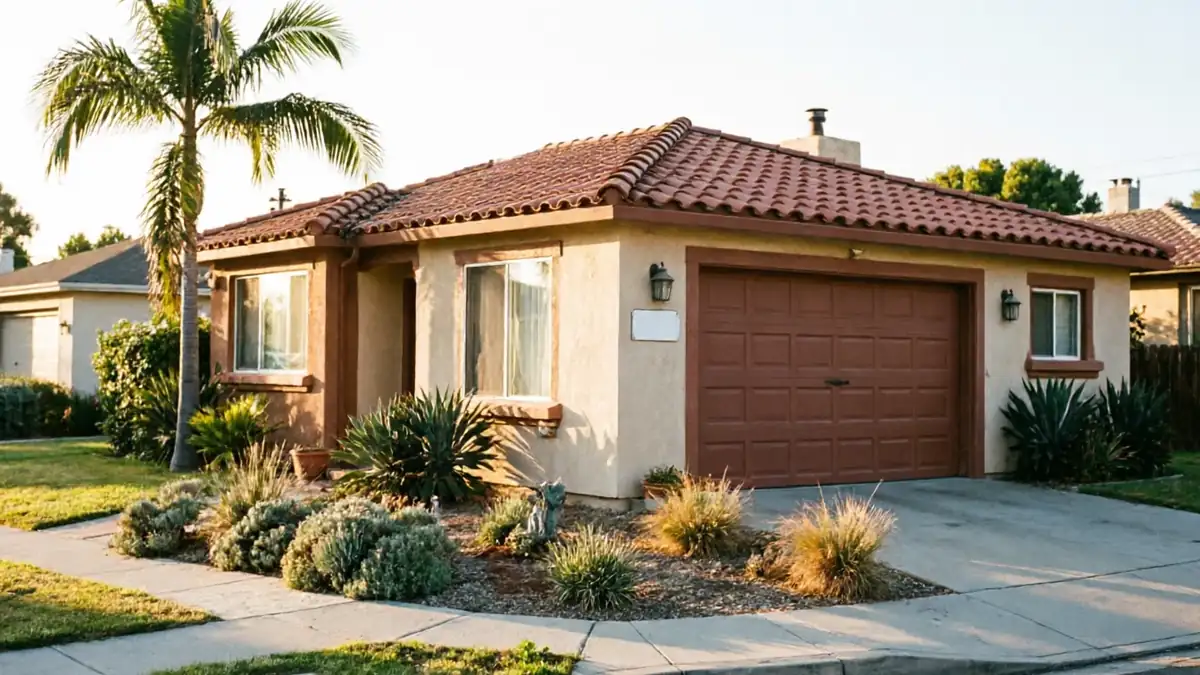
Granite Hills calls us mostly for the same handful of problems, and they trace straight back to the age of the houses. A torsion spring that's been winding and unwinding since the Johnson administration finally gives out. A steel panel on a single-car door that's dented from forty-some years of cars backing out in a hurry. Openers that were installed as a retrofit sometime in the 90s or 2000s, now grinding instead of running quiet, because the original door never had power assist to begin with.
We also see a fair number of track and roller jobs where the hardware is original - steel rollers on steel track, no nylon, no ball bearings, just metal wearing against metal for decades. That's not a knock on the house. It's just what got built here. When we quote a repair in Granite Hills we're usually pricing around finding a part that matches 1960s hardware, not swapping in whatever's on the truck.
One honest limit: if a torsion spring has seized inside an original housing that's rusted past spec, we won't force it. Forcing a 50-year-old spring assembly is how people lose fingers. That's a full hardware replacement, not a patch job.
The Drive Over
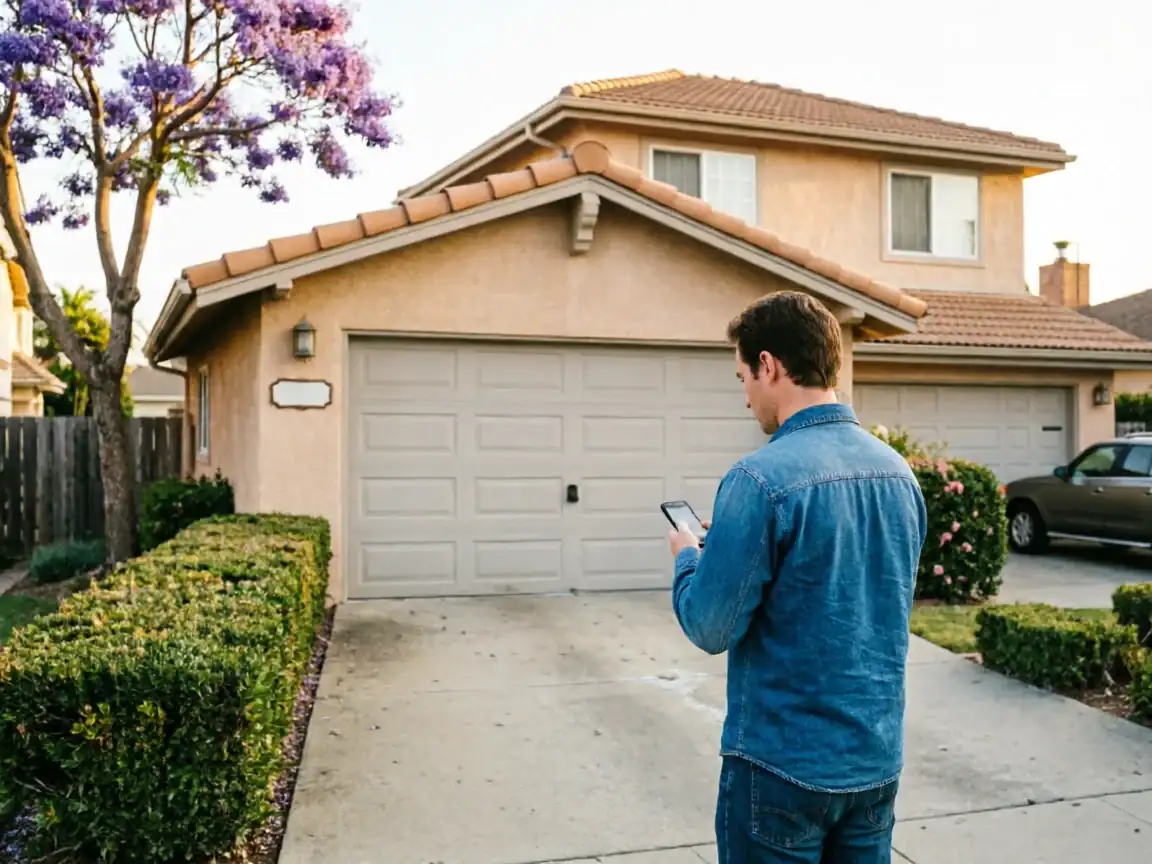
El Cajon Garage Door Pros runs out of El Cajon, and Granite Hills is a short pull east, about 3 miles. It's close enough that a same-day call doesn't mean a long wait behind other jobs on the schedule, but we're not based in Granite Hills itself and we don't claim a depot or a crew stationed here. We're a truck that comes from El Cajon every time.
That 3-mile stretch runs through the kind of low-rise residential streets common to this part of the county - nothing that slows a truck down, no reason for a job here to take longer to reach than one closer to the shop.
What Was Built Here
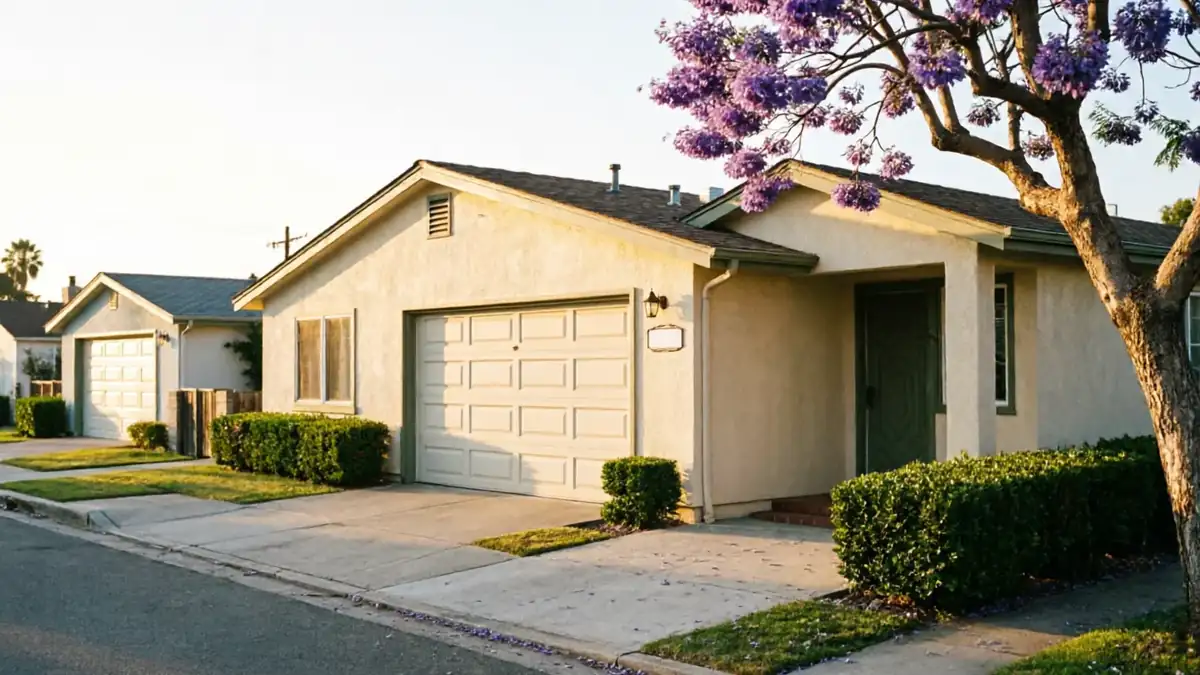
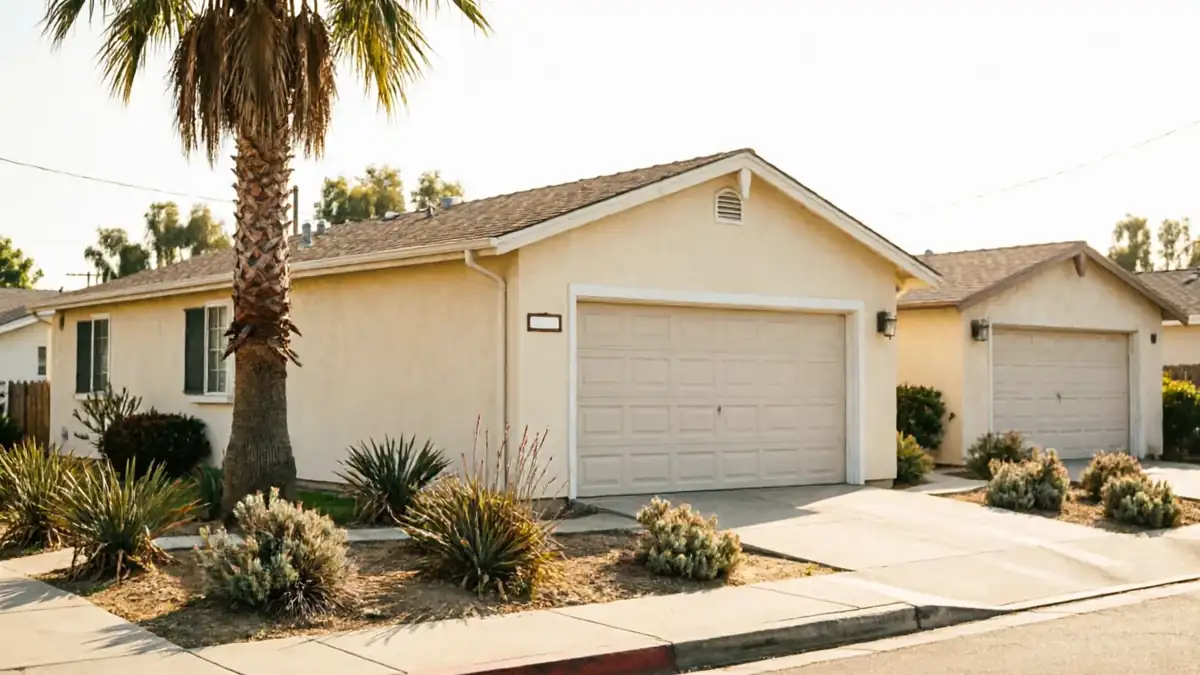
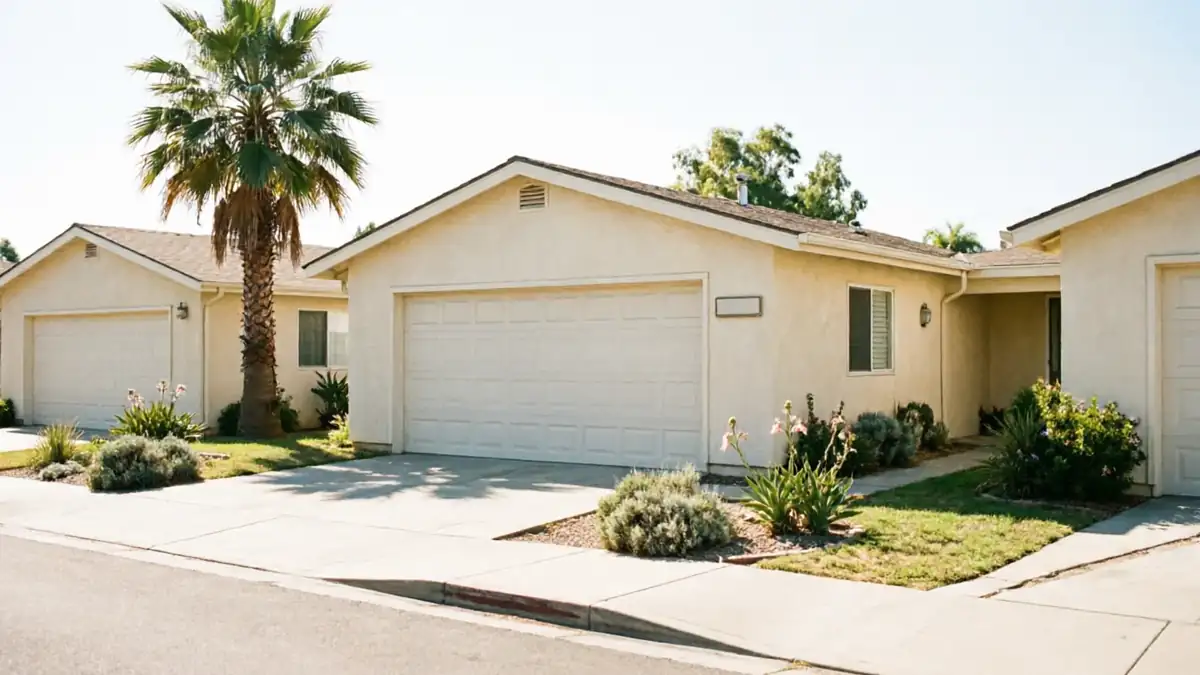
The median year built in Granite Hills is 1967
Earlier than the broader El Cajon service area's median of 1975, and right at the front edge of the 1967-to-1992 building run that shaped most of the 22 named communities out this way. That earlier date matters more than it sounds like it should, because garage doors and openers from the late 1960s are a different animal than ones installed even ten years later.
Granite Hills also runs higher income than the surrounding area
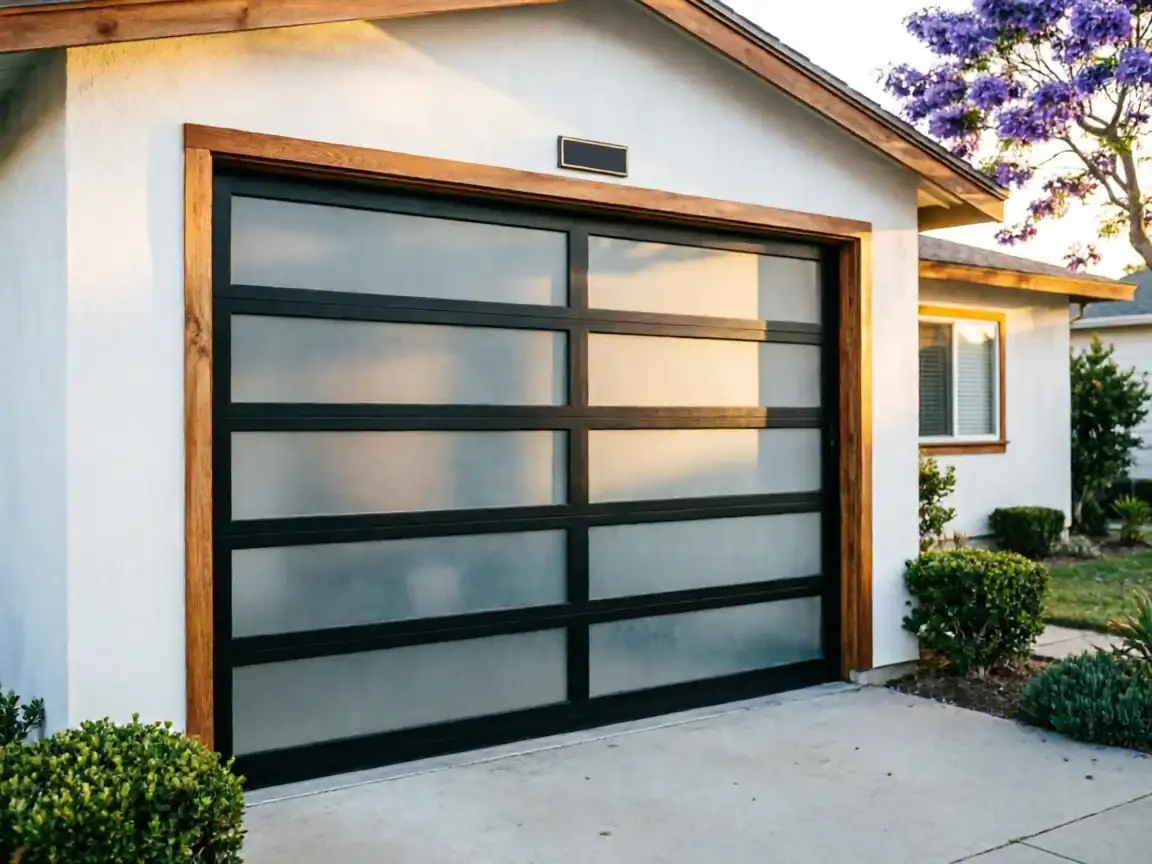
Median household income here is $149,938, well above the service area's $114,736 - across 1,109 households. That combination, older houses with higher incomes, tends to produce two different jobs: either the original door and opener have been meticulously maintained and just need a part at the end of its life, or they've already been replaced once with something nicer than what the area median would predict. We see both.
- 1,109 households
How That Shows Up in the Door
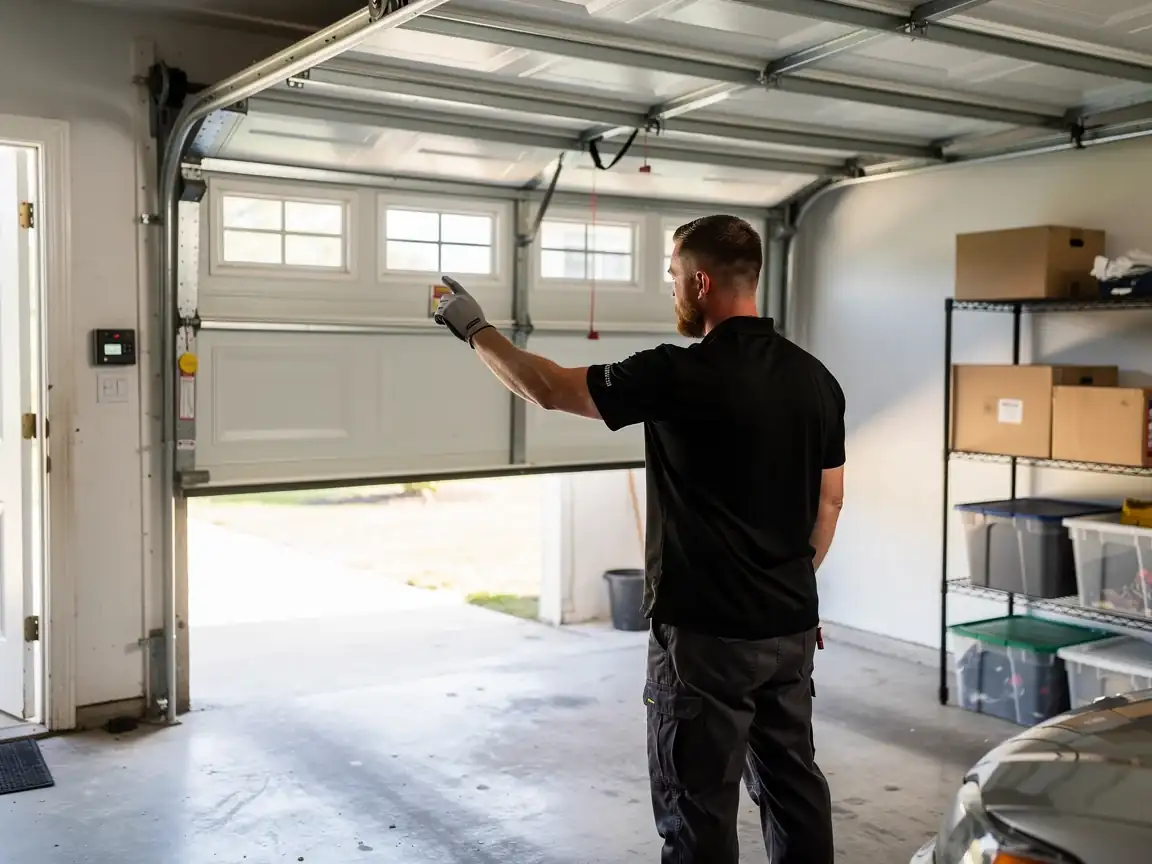
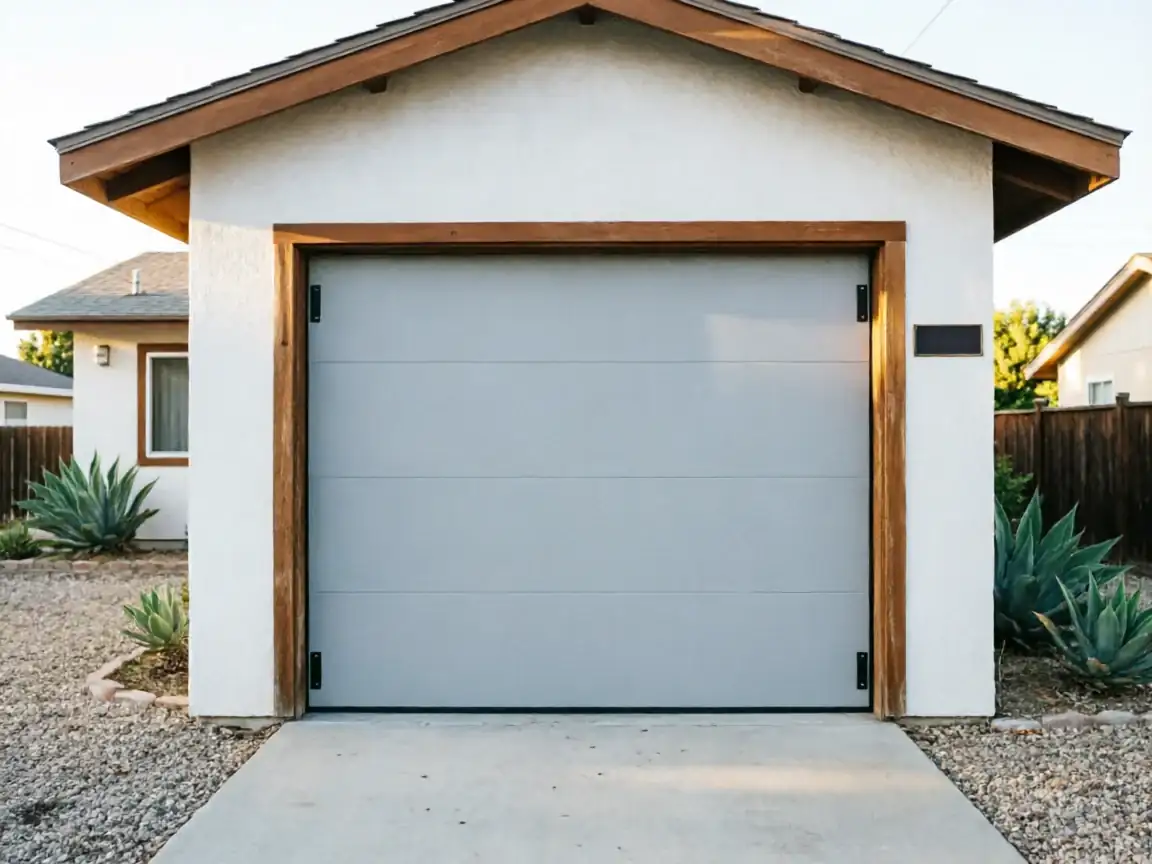
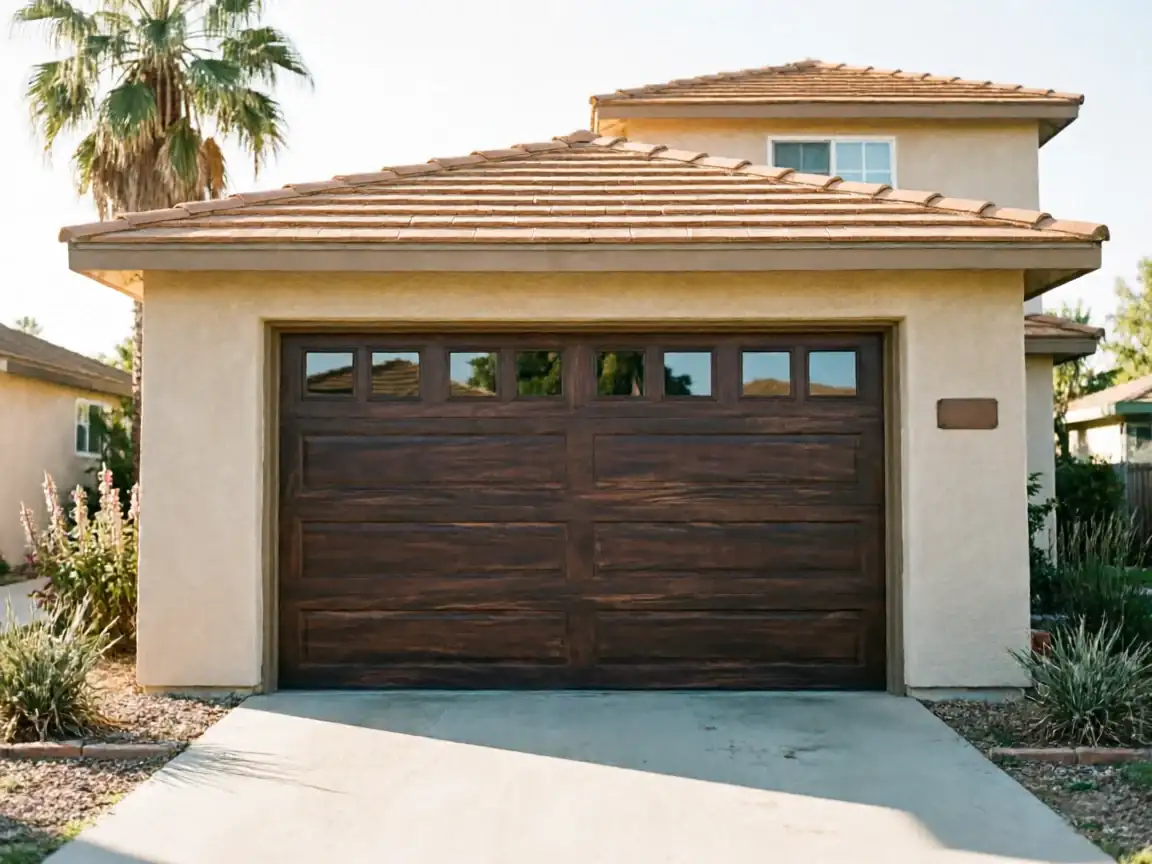
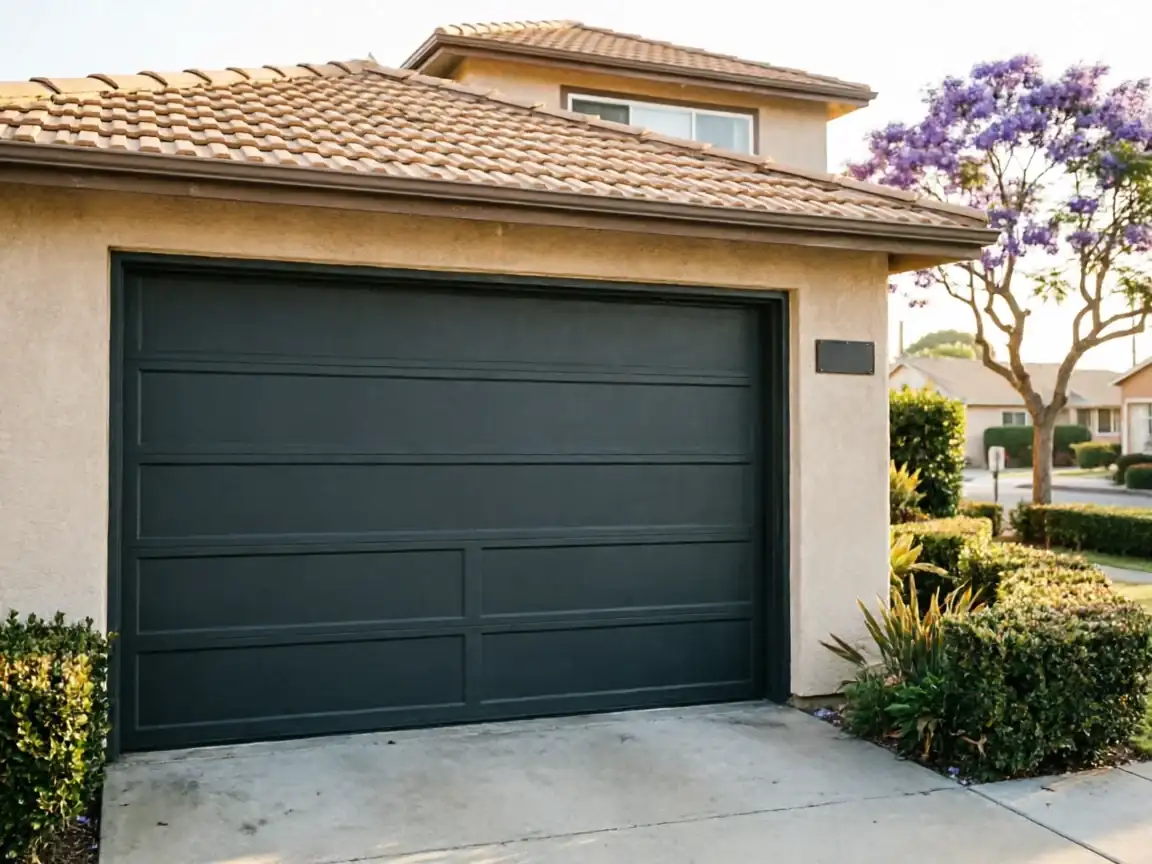
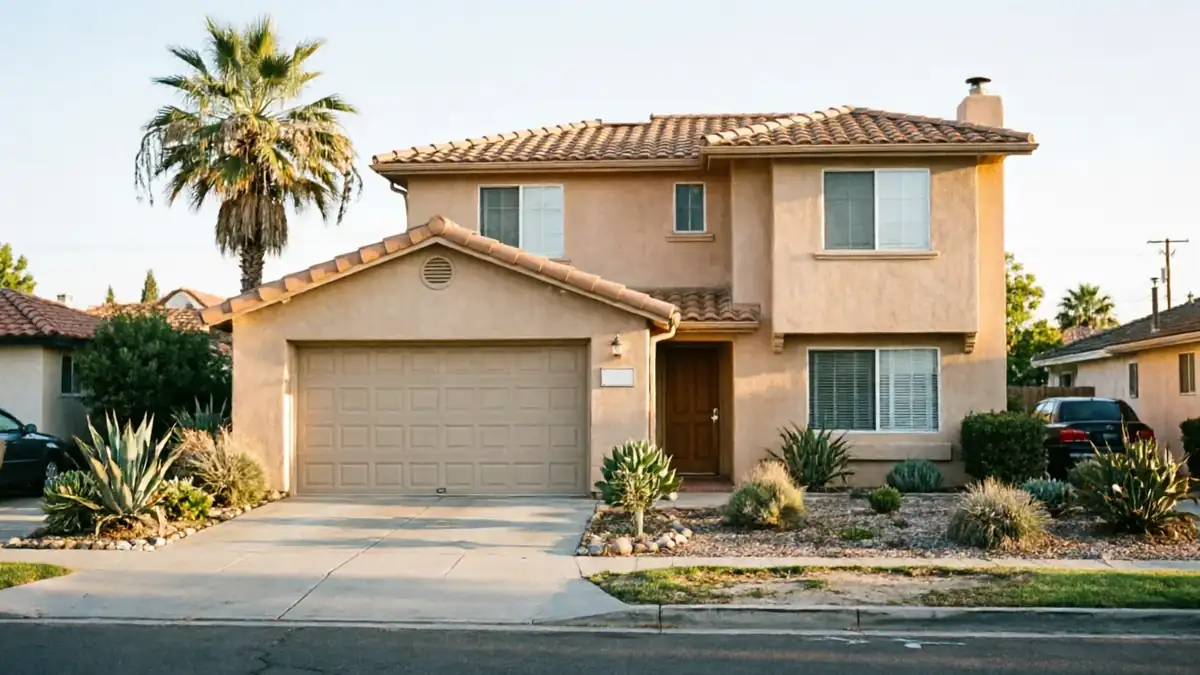
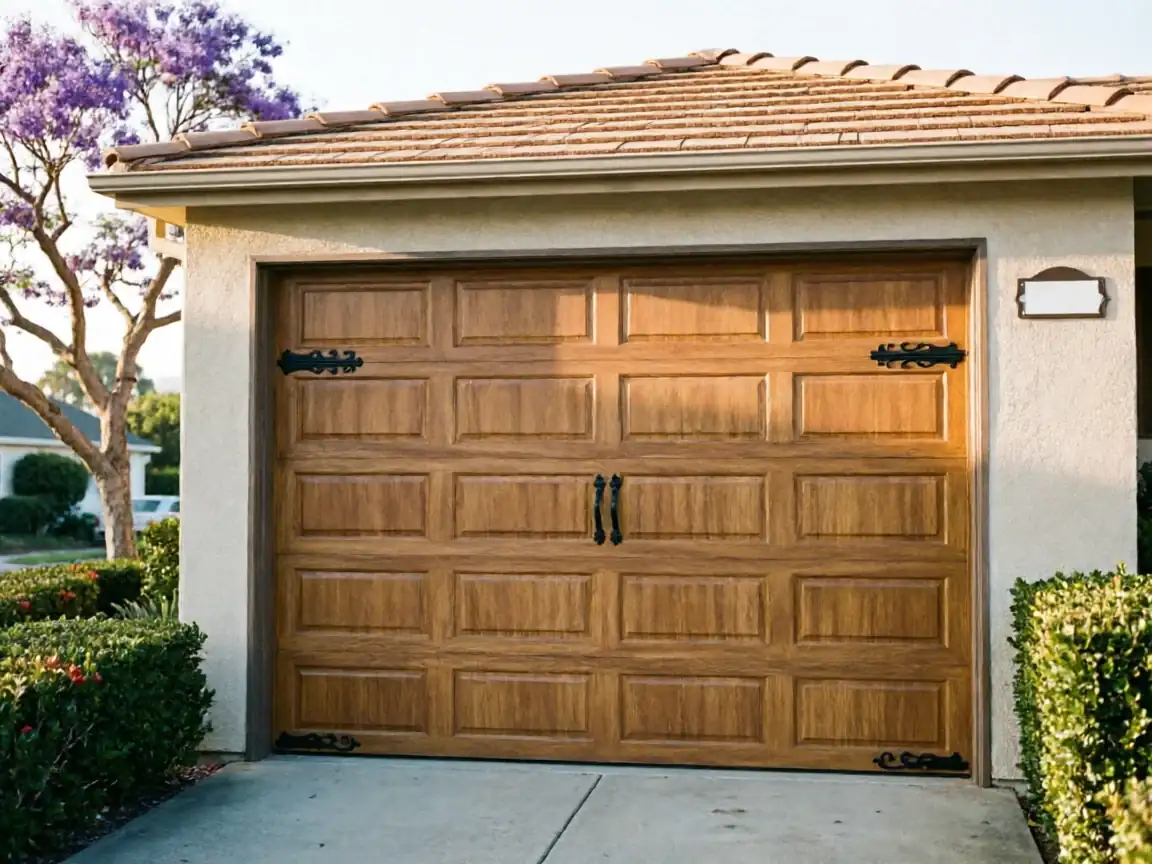
A house built in 1967 almost never has a factory-insulated steel door. It has a single-layer panel door, sometimes wood, sometimes thin steel, hung on hardware sized for a lighter door than what often replaced it later. When a homeowner upgrades to an insulated steel door decades after the house was built, the torsion spring sized for the original lightweight door is usually still there - too weak for the new weight, which is why the opener strains and the door won't stay up on its own.
The service area sits in a mild temperate climate band, so we're not chasing the freeze-thaw cracking or snow-load failures that garages in colder states deal with. Wear here comes from age and cycles, not weather extremes - which is consistent with what we see in Granite Hills: original tracks and rollers that have simply done their job for too many years, not hardware that failed because of a storm.
If your door in Granite Hills feels heavier than it used to, or the opener strains on the way up, that mismatch between an old spring and a newer door is the first thing we check.