How Local Conditions Play In
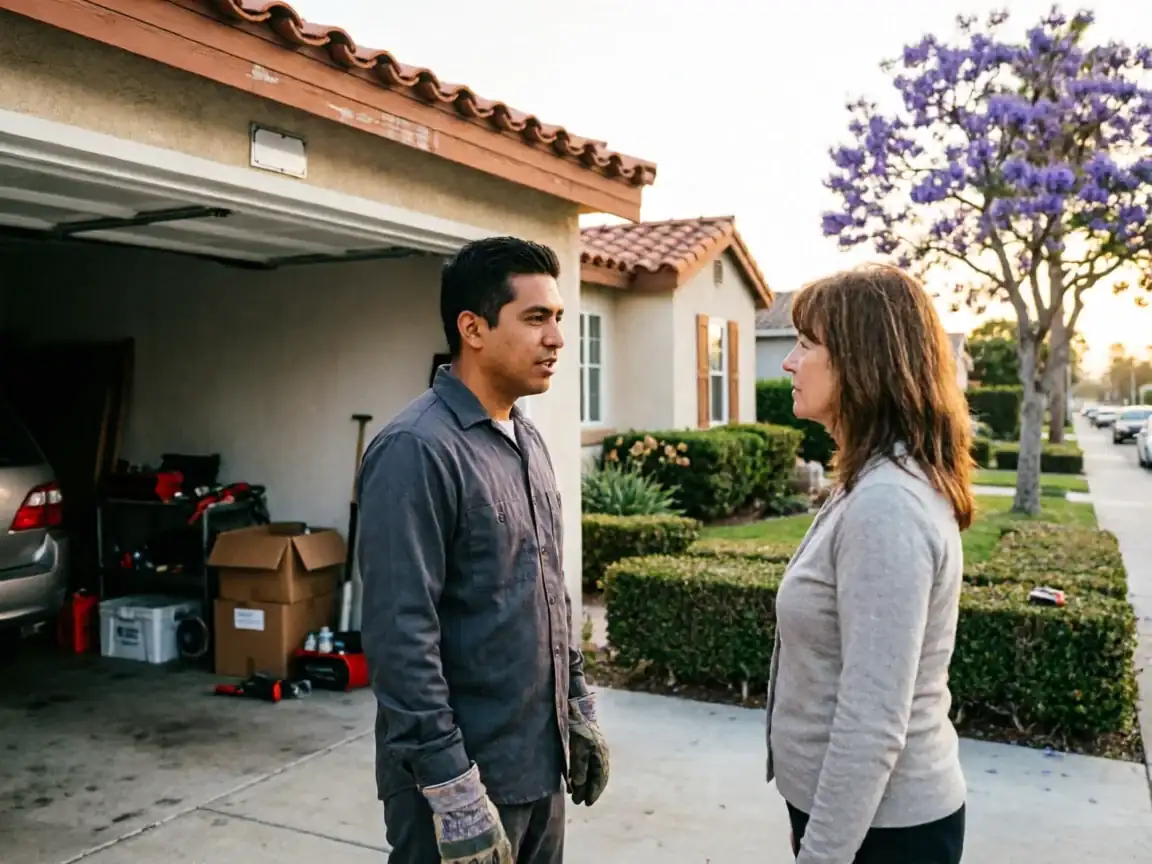
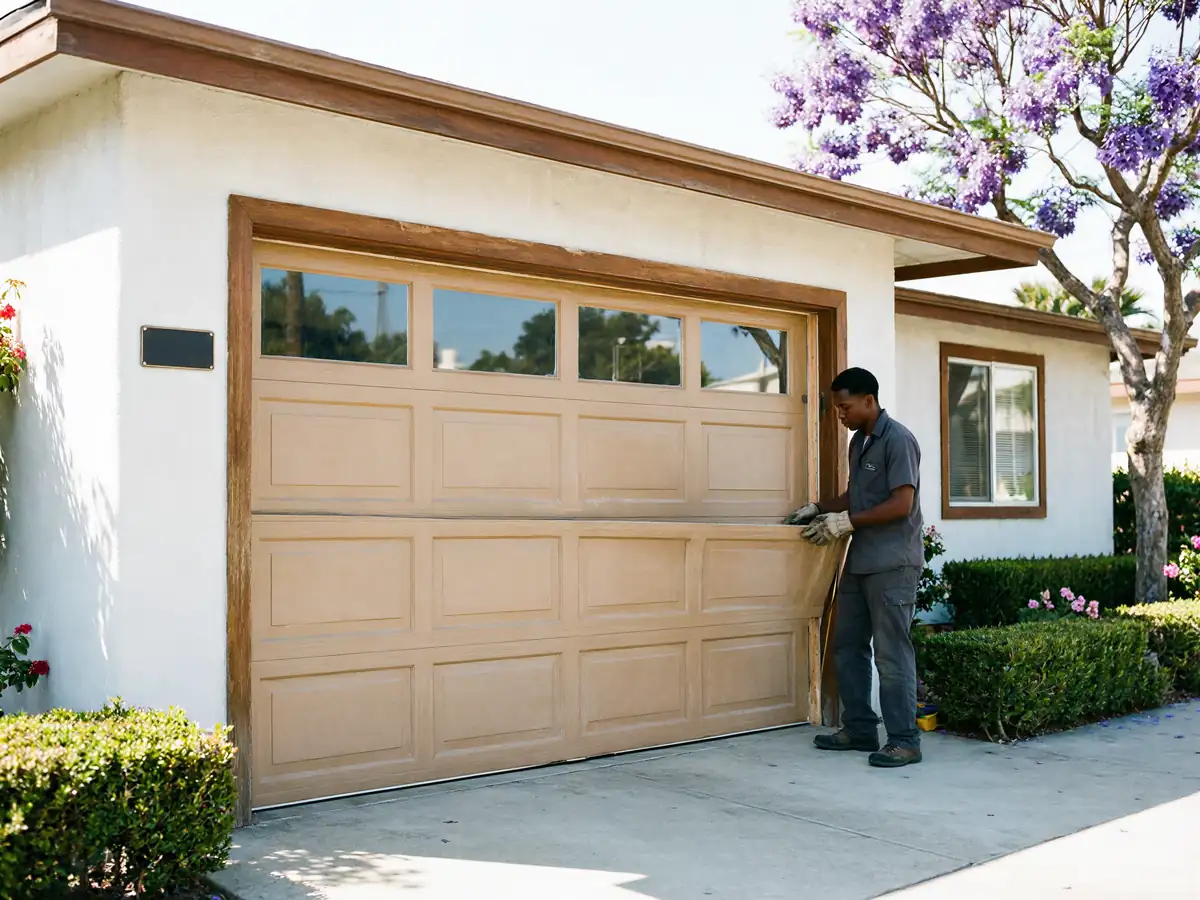
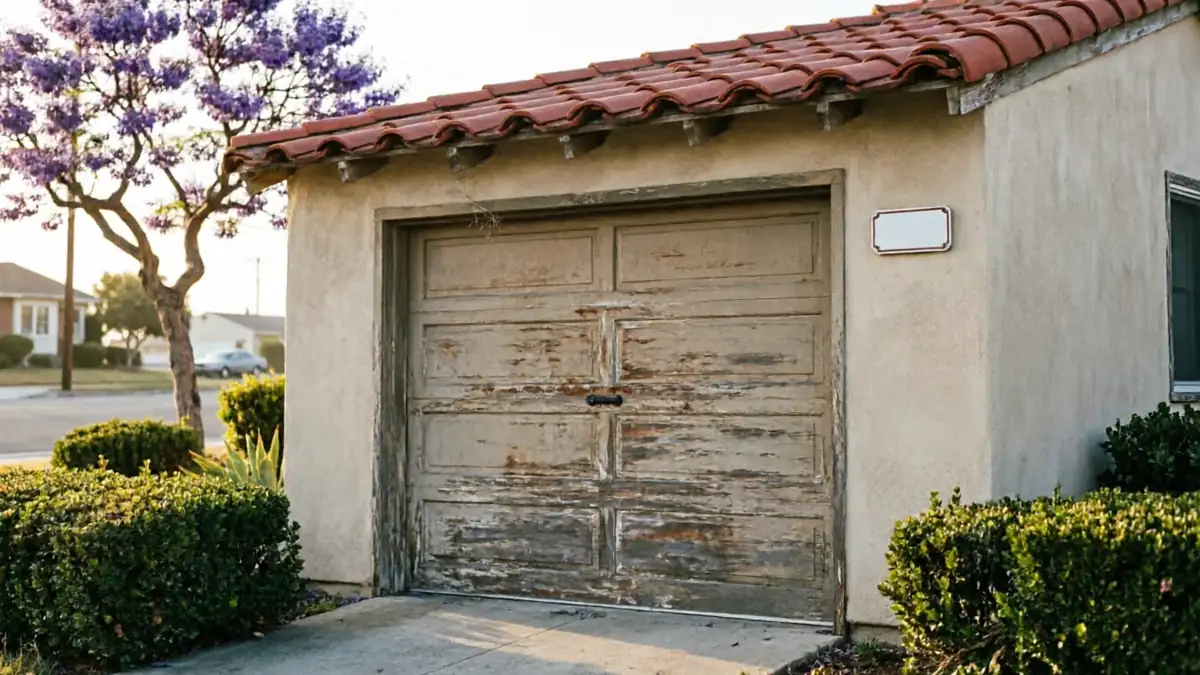
Most of the houses across El Cajon's 22 named areas went up between 1967 and 1992, with the median landing around 1975. That means a lot of original garage doors out there are pushing 50 years old, and a lot of the "newer" replacements homeowners put in during the 80s and 90s are themselves 30 to 40 years old now. The door's age matters more here than the weather does. We sit in a mild temperate band - no hard freezes to crack old seals, no heavy snow load to stress a track, no coastal salt air eating at hardware the way it would closer to the water. That's the good news: a steel door from the Carter administration isn't rusted through just from sitting in an El Cajon driveway. The bad news is that mild climate means doors don't fail from weather, they fail from decades of cycles - the spring has opened and closed that door 10,000 times, the rollers are original, the track brackets have worked themselves slightly loose from age, not storm damage. So when you're deciding whether a door is worth saving, you're not fighting rust or warping. You're fighting plain mechanical fatigue on a door built for a house from the 1975 era, running on hardware nobody's made in decades.
When It Stops Being a DIY Job
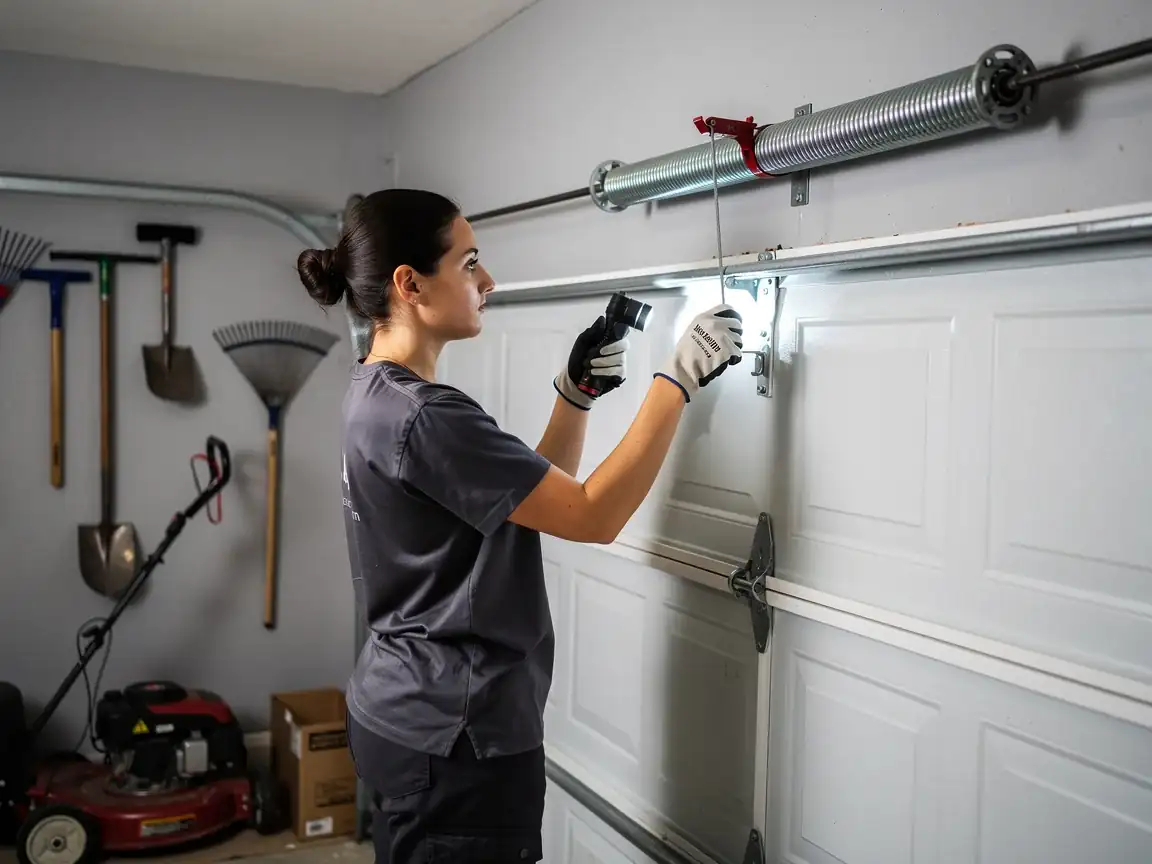
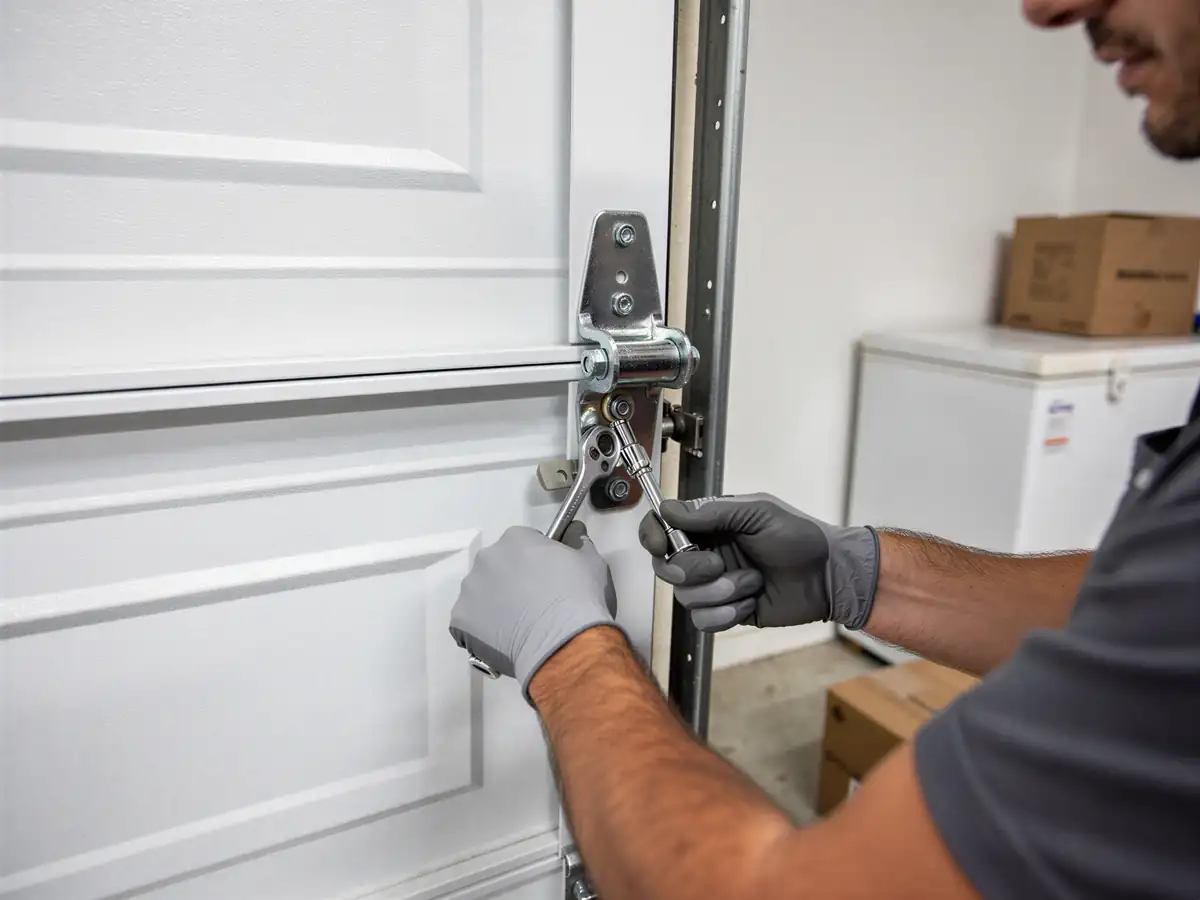
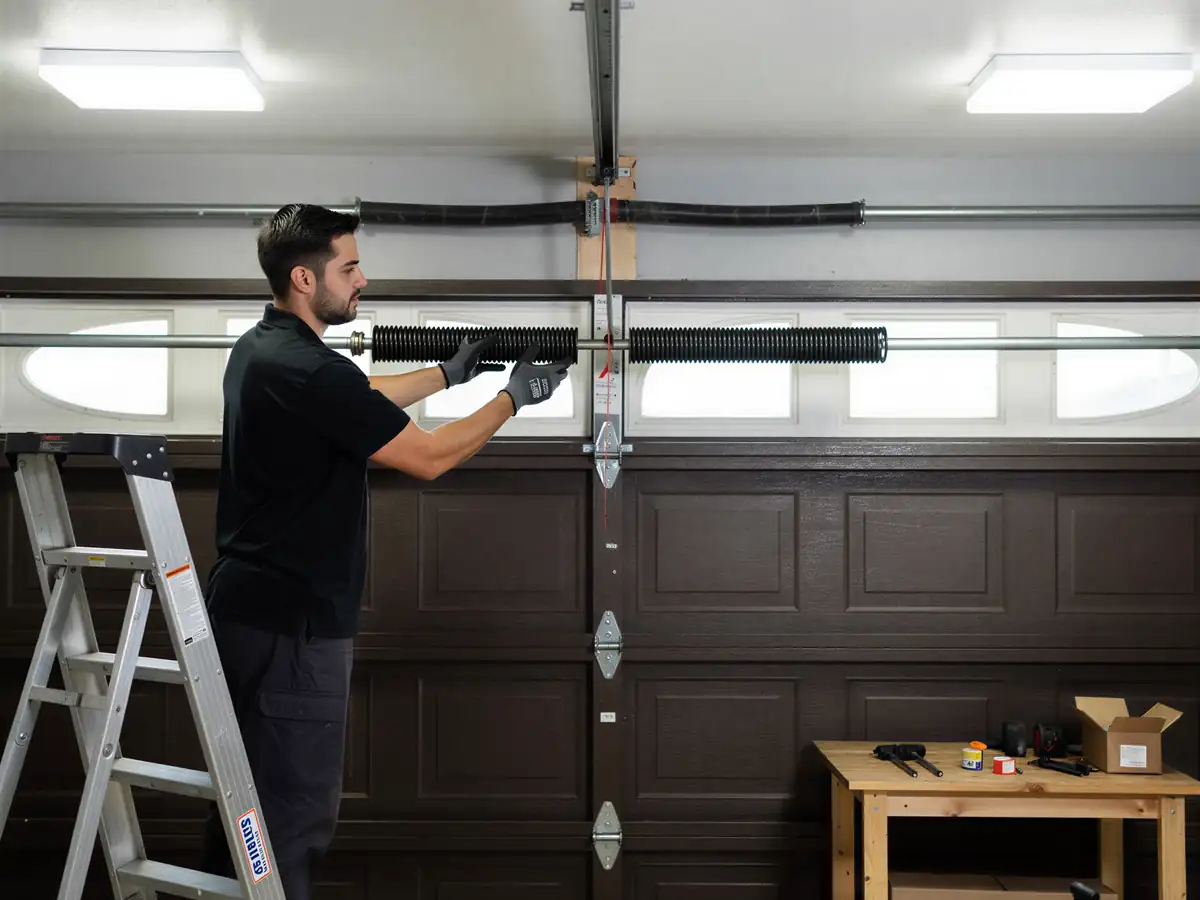
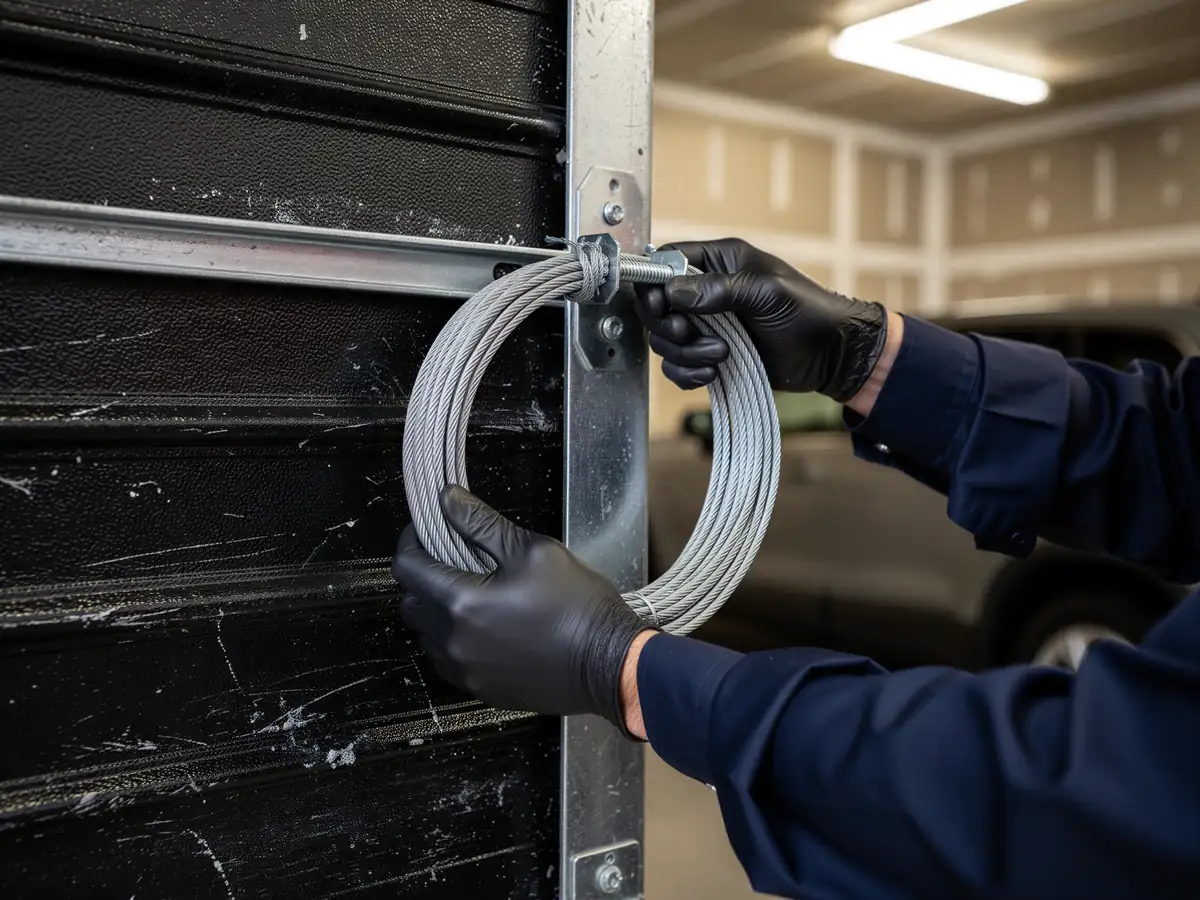
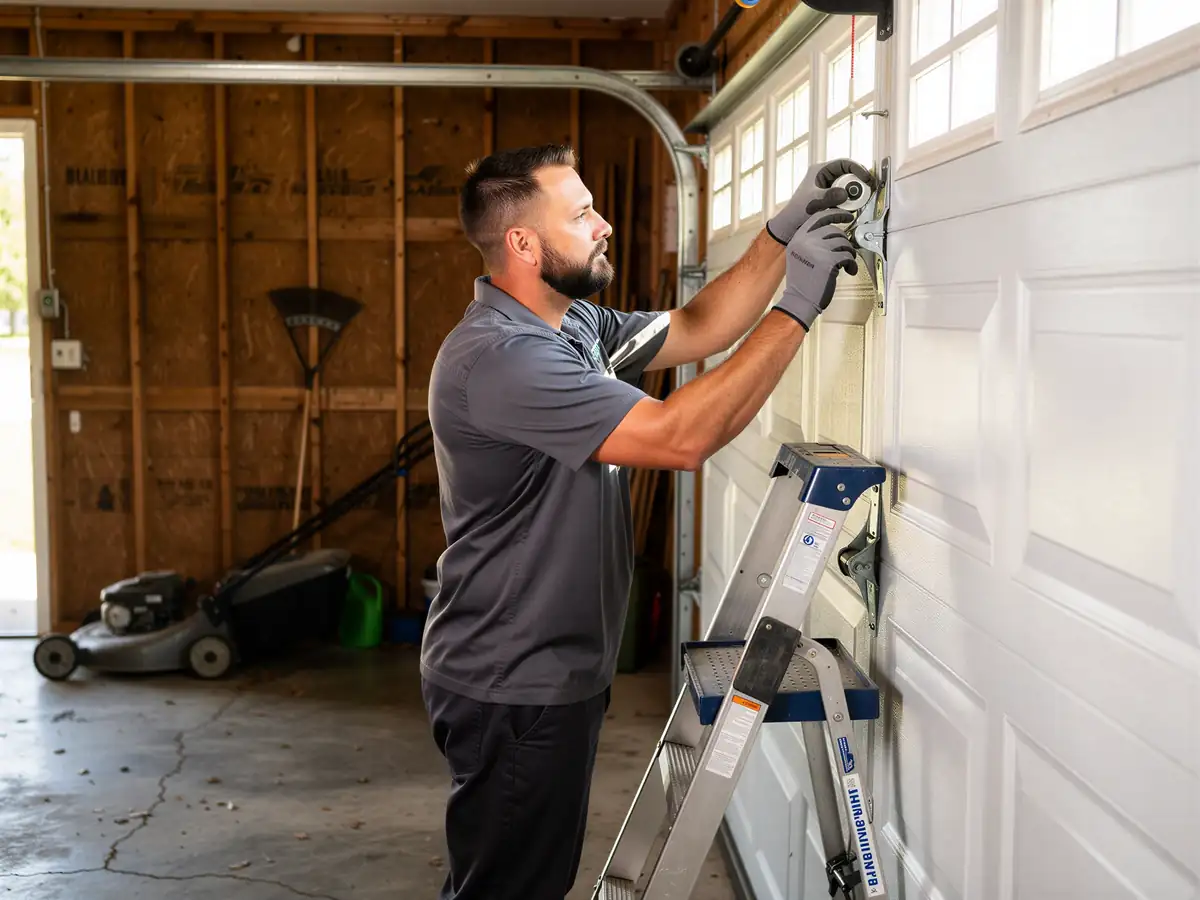
A torsion spring under tension is not a weekend project, full stop, regardless of the door's age. If your door is original to a house built in the 1967-1992 window, assume the spring, cable, and drum setup is older than you are in some cases, and the failure mode is sudden - the spring doesn't wear out gradually, it lets go. That's a call, not a YouTube video. Where DIY makes sense: swapping a roller, lubricating a track, tightening a loose hinge bolt on a panel that still swings true. Where it doesn't: anything involving the spring system, anything where the door is off its tracks, or anything where you're not sure if the opener is fighting the door's own weight because the balance is gone. On a door this old, a sagging balance is common and it's also the fastest way to burn out an opener motor that was never built to lift a door working against a dead spring. If you're not sure which category your problem falls into, that uncertainty is the answer - call.
The Problem
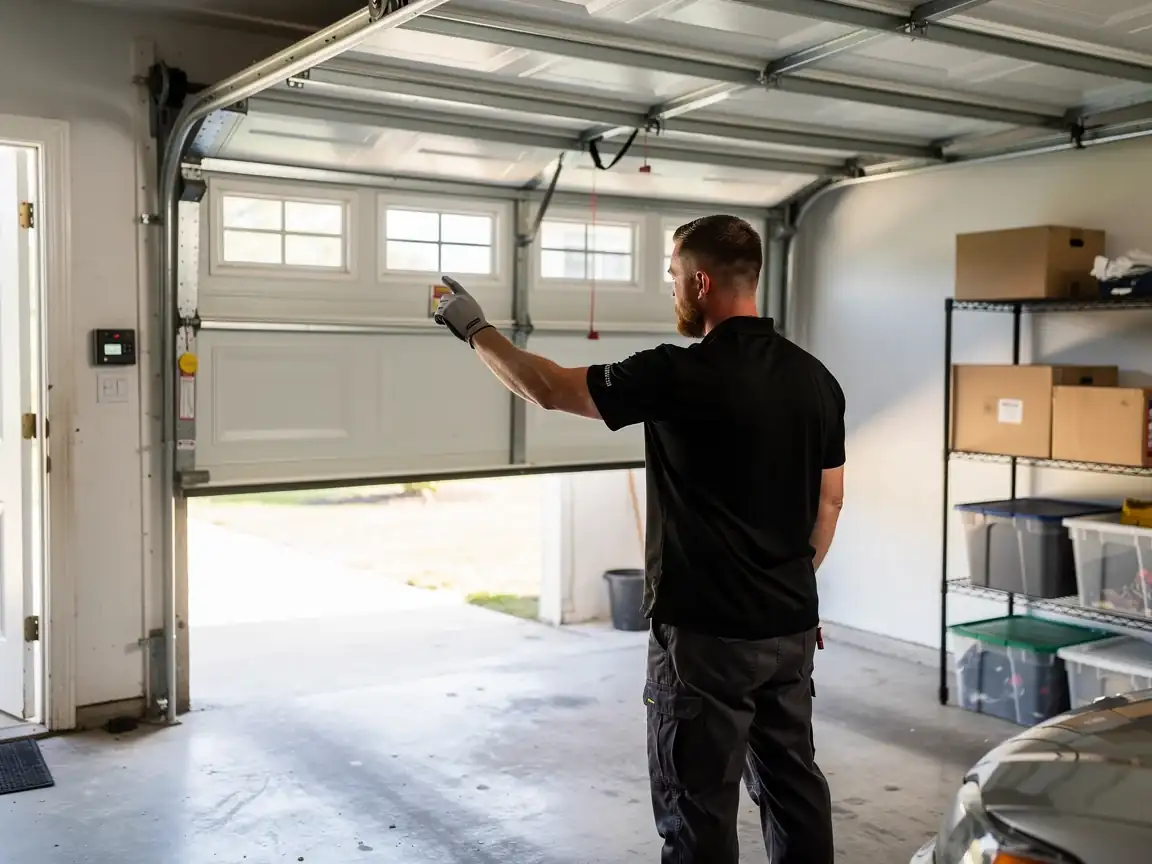
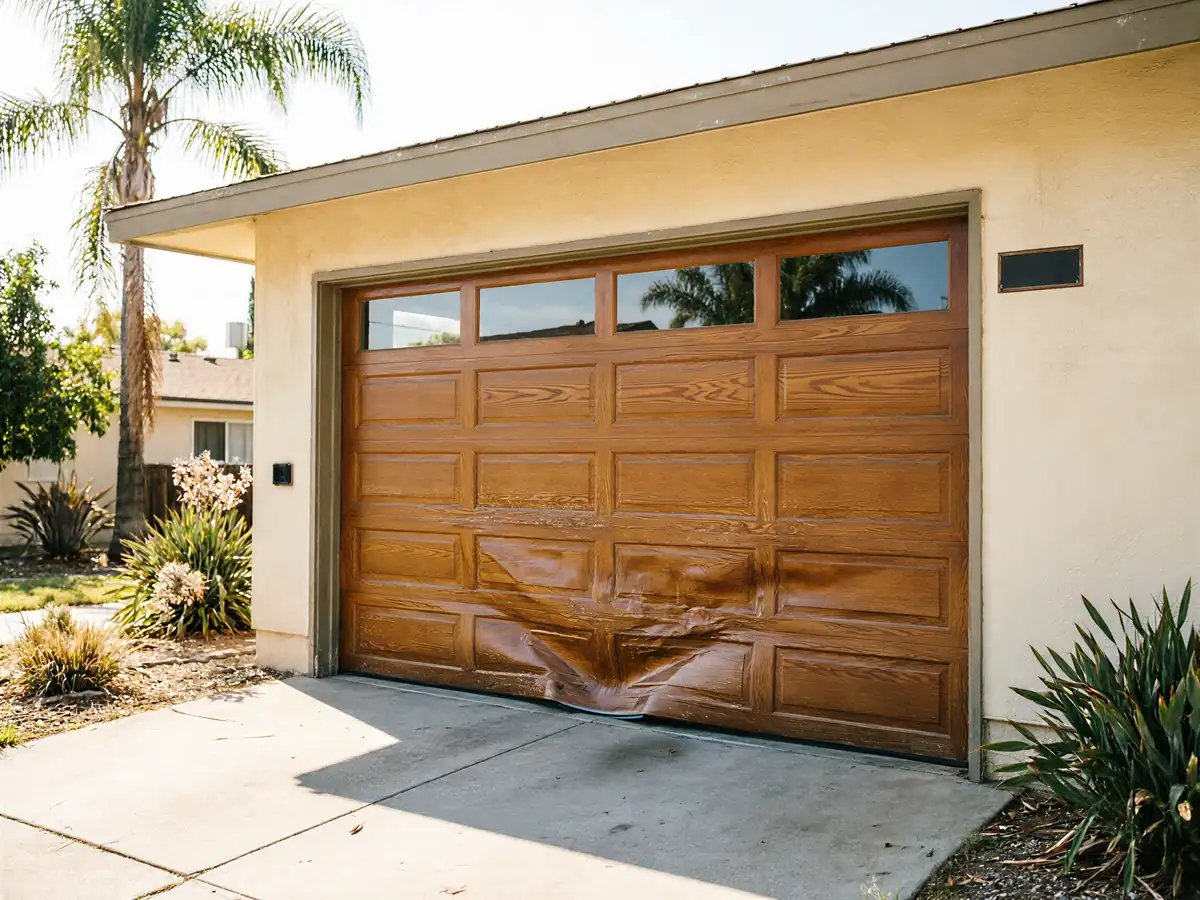
Here's the honest limit: once a door's hardware predates the 1993 garage door safety standard changes, parts availability gets thin, and we don't stock obsolete tracks or odd-gauge springs for doors nobody's made since before a lot of our customers were born. If your door was installed anywhere in that 1967-1992 build window and the opener, track, and springs are all original, we'll tell you straight whether we can source the part or whether you're better off putting that repair money toward a new door. A new steel panel door, properly balanced, will run fine for decades in this climate - we don't have hard freezes or salt air working against it. What's not worth fixing, almost always, is an original door where the track is bent, the spring's gone, and the opener's dying all in the same visit. That's three failures stacking on one door, and at that point you're paying for labor three times instead of a door once.