The Symptom
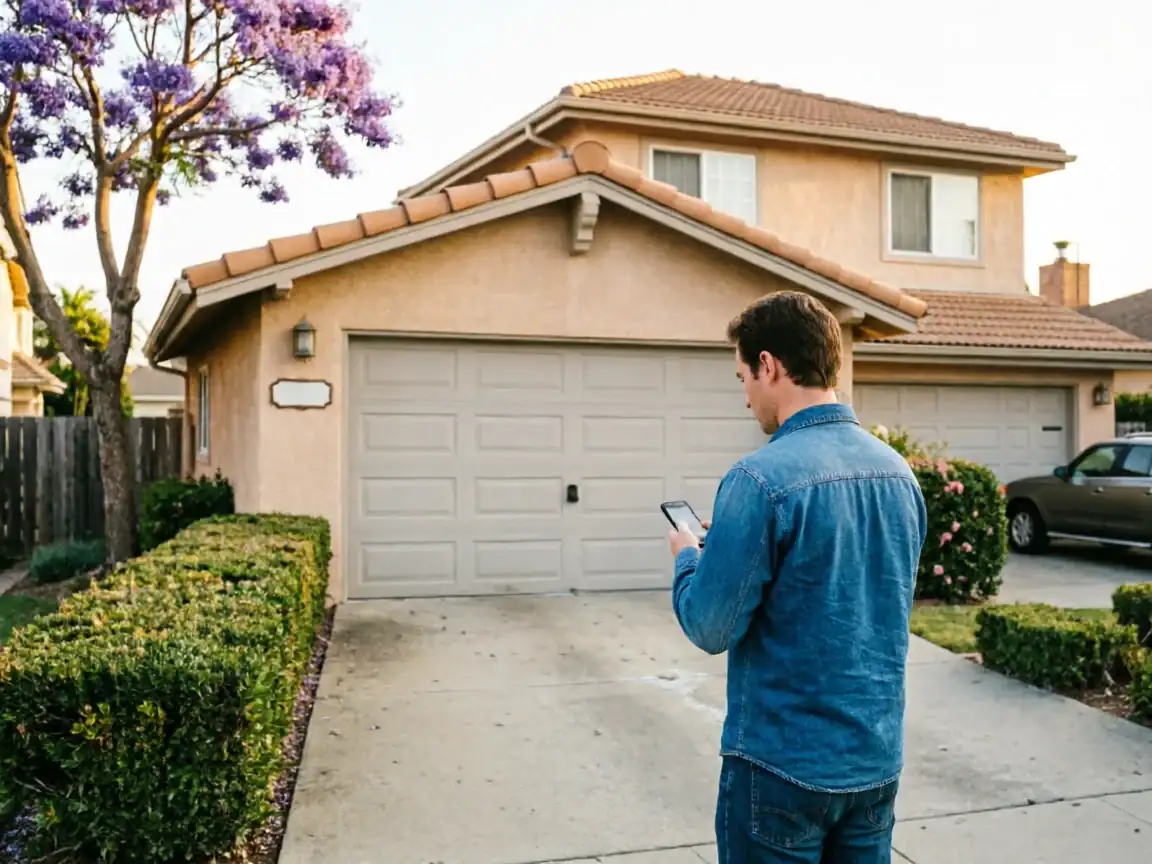
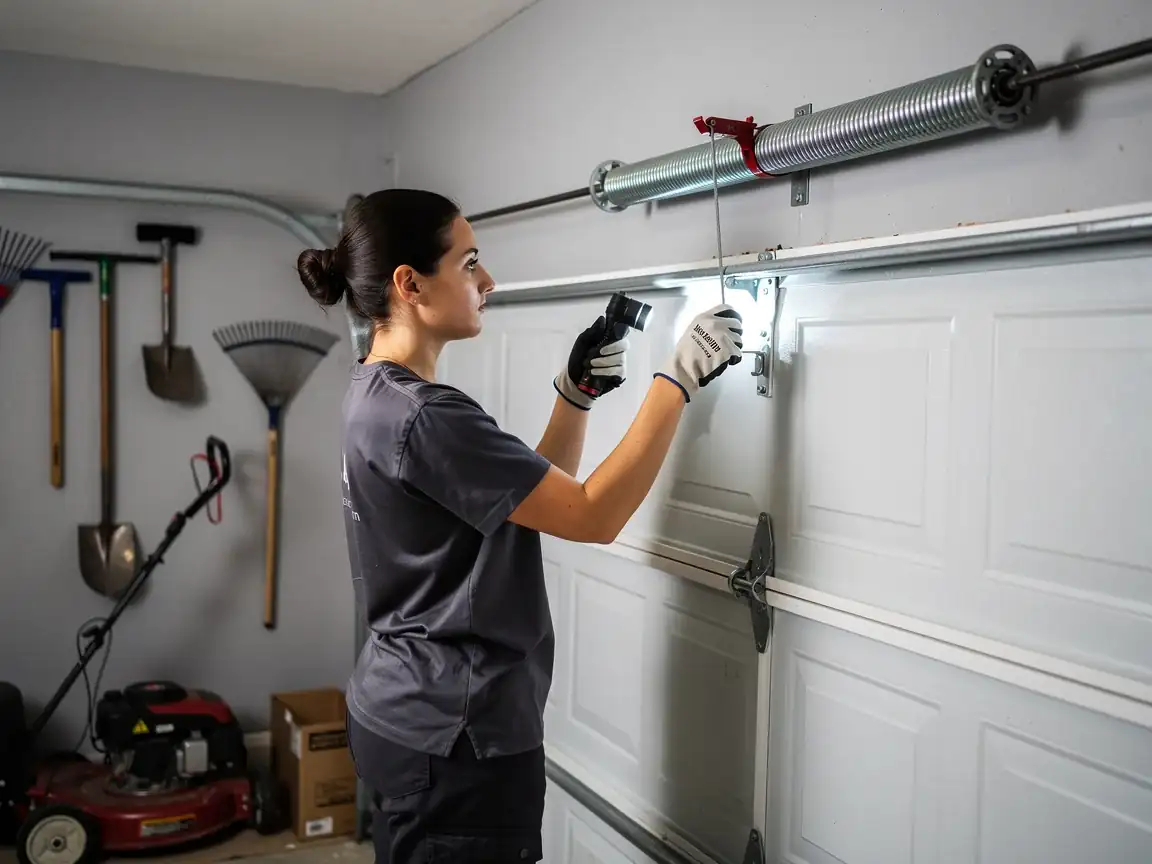
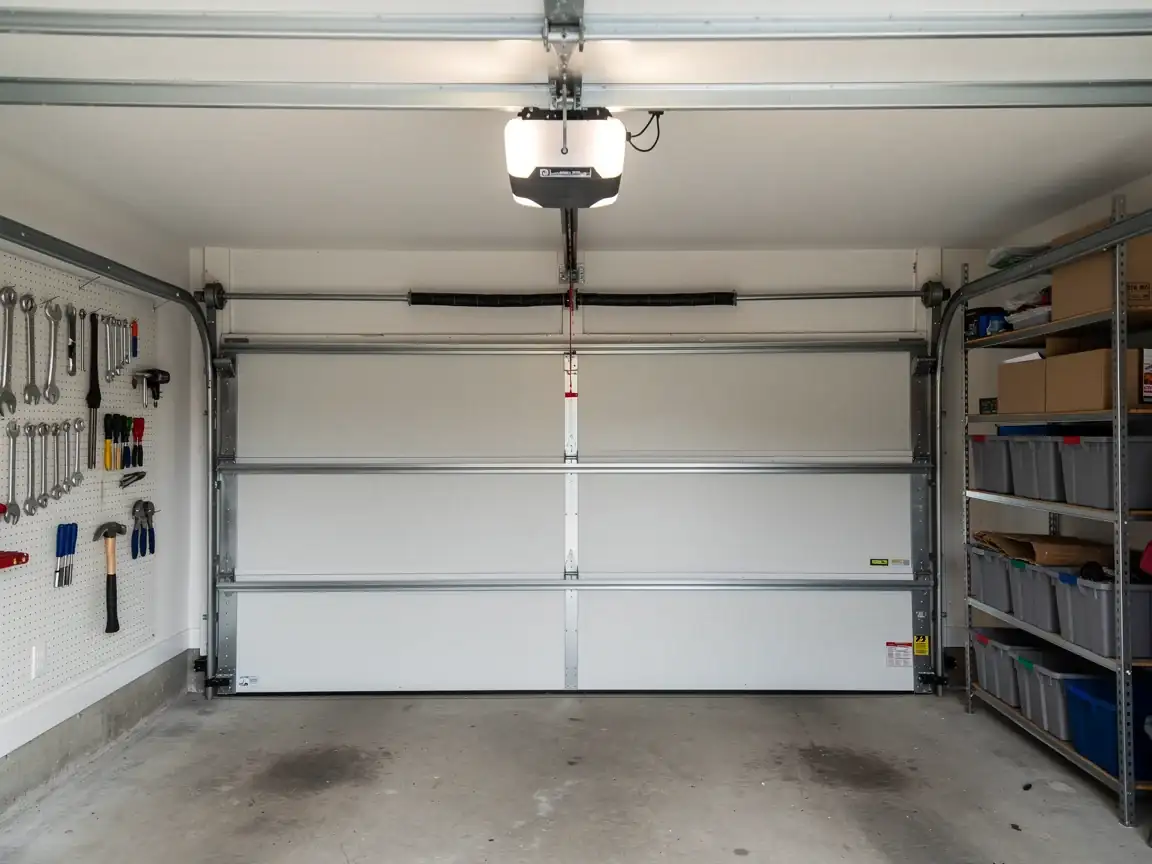
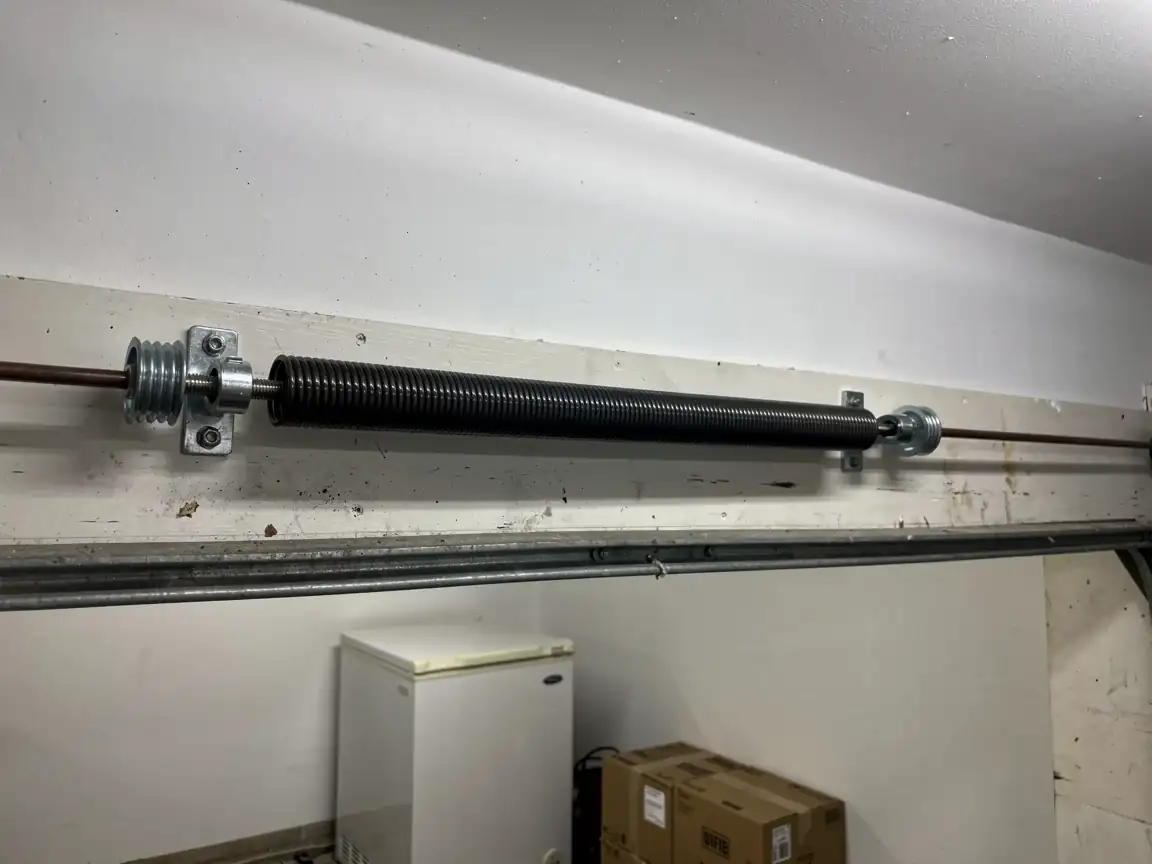
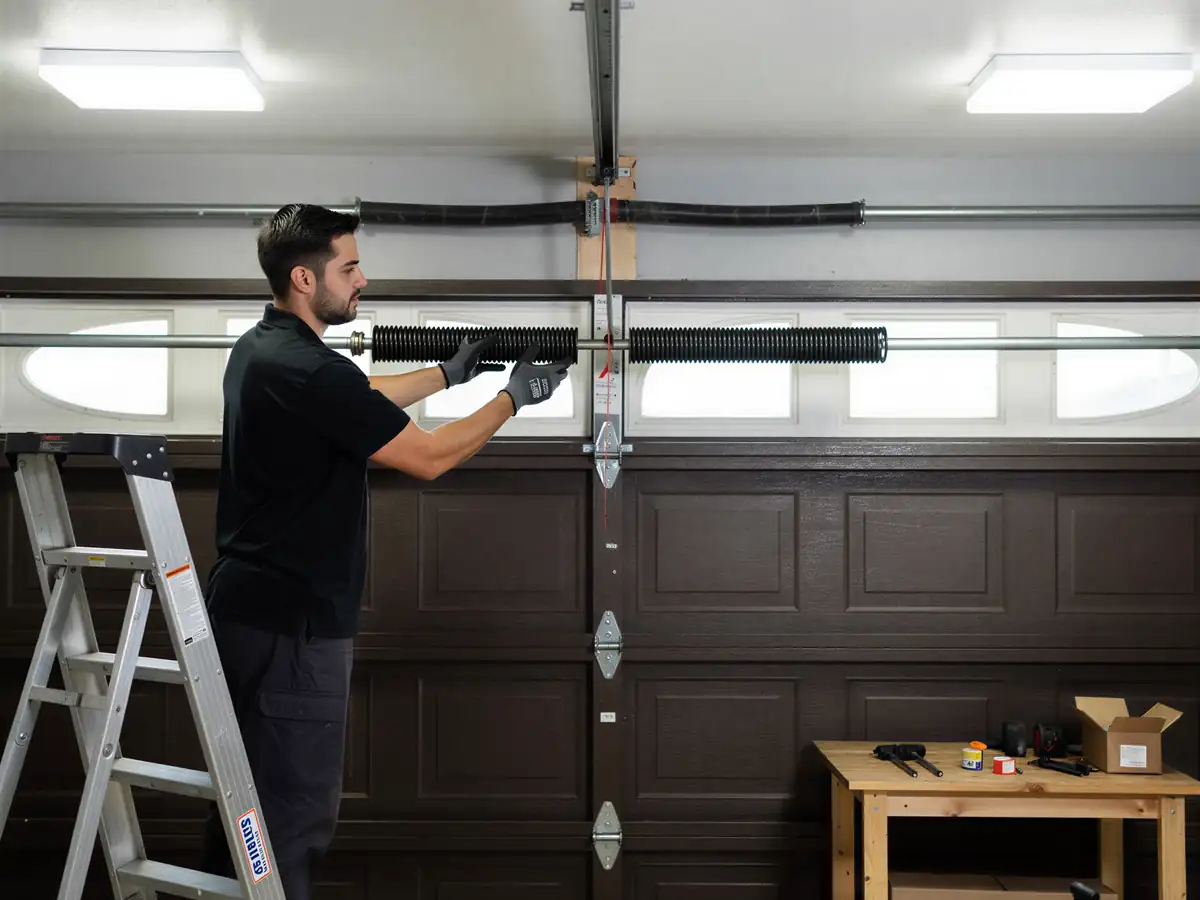
The door won't budge, or it only lifts a few inches before the opener strains and quits. Sometimes it's a loud bang from the garage - that's the spring letting go, not the opener failing. You might see one half of a torsion spring sitting open on the bar above the door, with a visible gap in the coil. On extension-spring setups, you'll sometimes spot a frayed or snapped cable hanging slack instead.
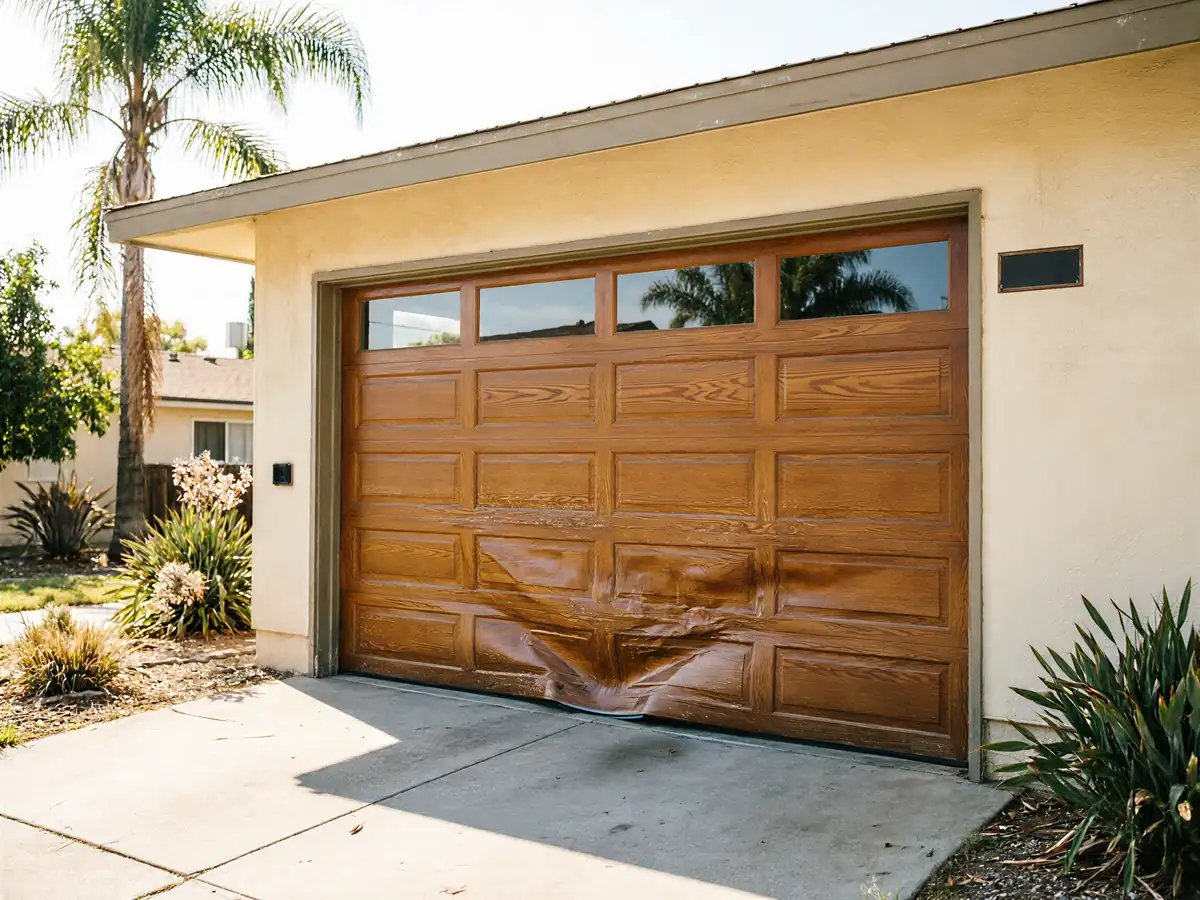
Other signs show up before the full break: the door feels heavier than it used to when you lift it by hand with the opener disconnected, it closes crooked, or it slams the last foot instead of settling down slow. Those are tension-loss symptoms, and they usually mean the spring is close to done, not already gone.
A broken spring is not a dangerous situation by itself as long as you leave the door alone - the real risk is someone trying to force the door open or closed with a dead spring still under load. If the opener keeps trying and grinding, unplug it until the spring's replaced.
Why It Happens Here
Housing across this area was mostly built between 1967 and 1992, with the typical house dating to around 1975, and that stock spans roughly 22 named communities from Bostonia to Casa de Oro-Mount Helix. A lot of those garages are on their second or even third spring already - the original hardware from that era is long past its working life, and a chunk of the replacements done in the decades since are catching up to it now.
El Cajon sits in a mild temperate band, which actually works in homeowners' favor here: we don't get the hard freeze-thaw swings that make steel brittle and snap springs outright in colder parts of the country. What wears a spring out here is cycle count, plain and simple - the door going up and down, day after day, for close to fifty years in some cases. A spring rated for a set number of cycles gets there eventually no matter how mild the weather is.
That's the pattern we see on this side of the county: age-driven failure tied to when the house was built, not storm damage or rust from humidity. It means the spring on a 1975-built garage is simply due, with or without any outside trigger.
What the Fix Involves
Spring replacement starts with matching the spring to the door
Weight, height, and whether the setup uses one torsion spring or two, or a pair of extension springs on either side of the track. Getting that match wrong is how you end up with a door that slams shut or won't stay open; the spring has to be sized to the specific door, not just swapped for whatever was there.
For torsion springs, that means winding the new spring to the correct number of turns under tension
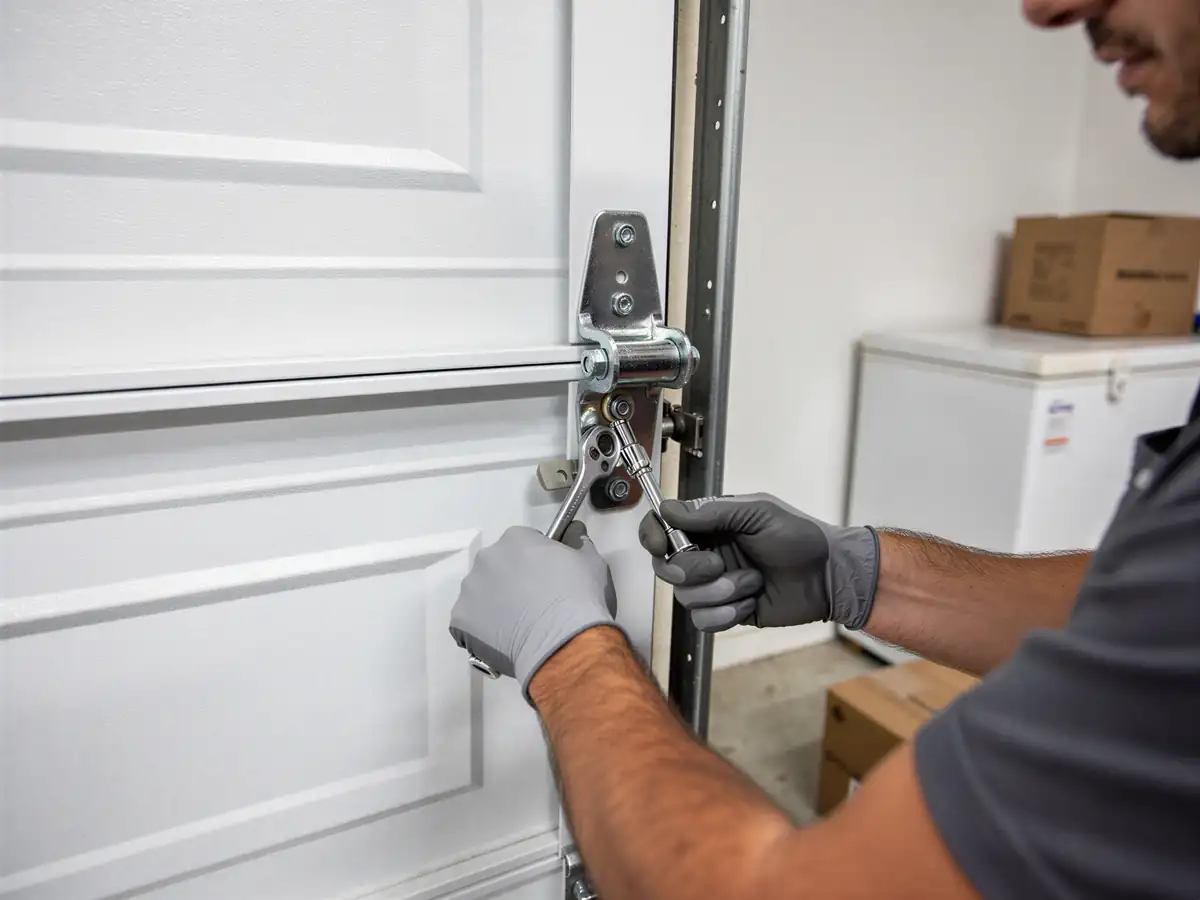
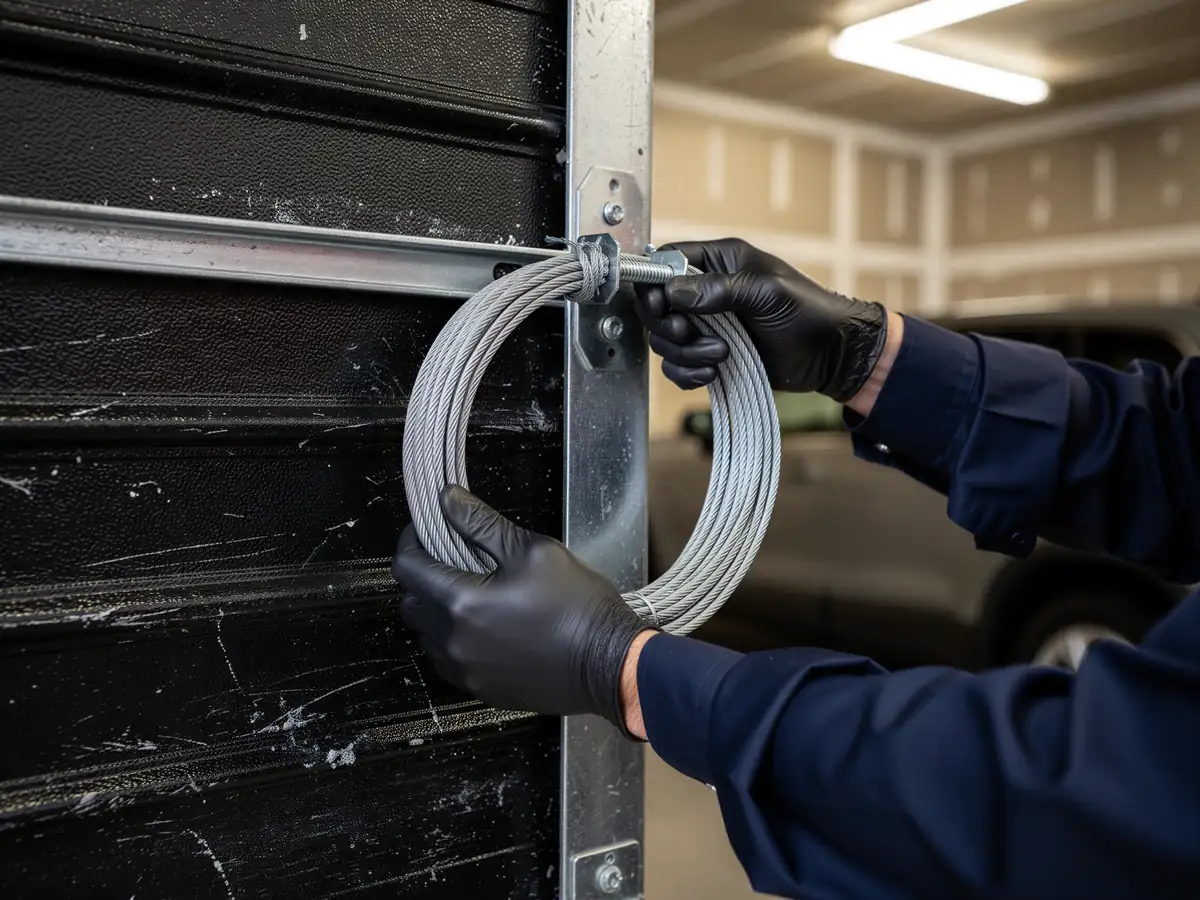
Which is where the real risk lives - the bar is under enough force to cause serious injury if the winding cones aren't handled right. For extension springs, it's usually a full pair replacement along with the safety cables that keep a broken spring from flying across the garage.
Most doors in this area, given the age of the housing stock
Are also due for a look at the rollers, hinges, and cable condition while the spring's off - not because every job needs it, but because hardware from the same era wears at a similar pace. We don't replace parts that don't need it; if the rest of the hardware checks out fine, the job stays a spring job.
Can You Do This Yourself
We'll say it straight: torsion spring replacement is not a reasonable DIY project. The spring is wound under several hundred pounds of tension, and the tools for winding it safely - proper winding bars, a secured ladder position, the right cone setup - aren't things most homeowners have sitting in the garage. People have lost fingers and worse on this exact job. Extension springs are somewhat safer to approach but still carry real risk from the cables under tension.
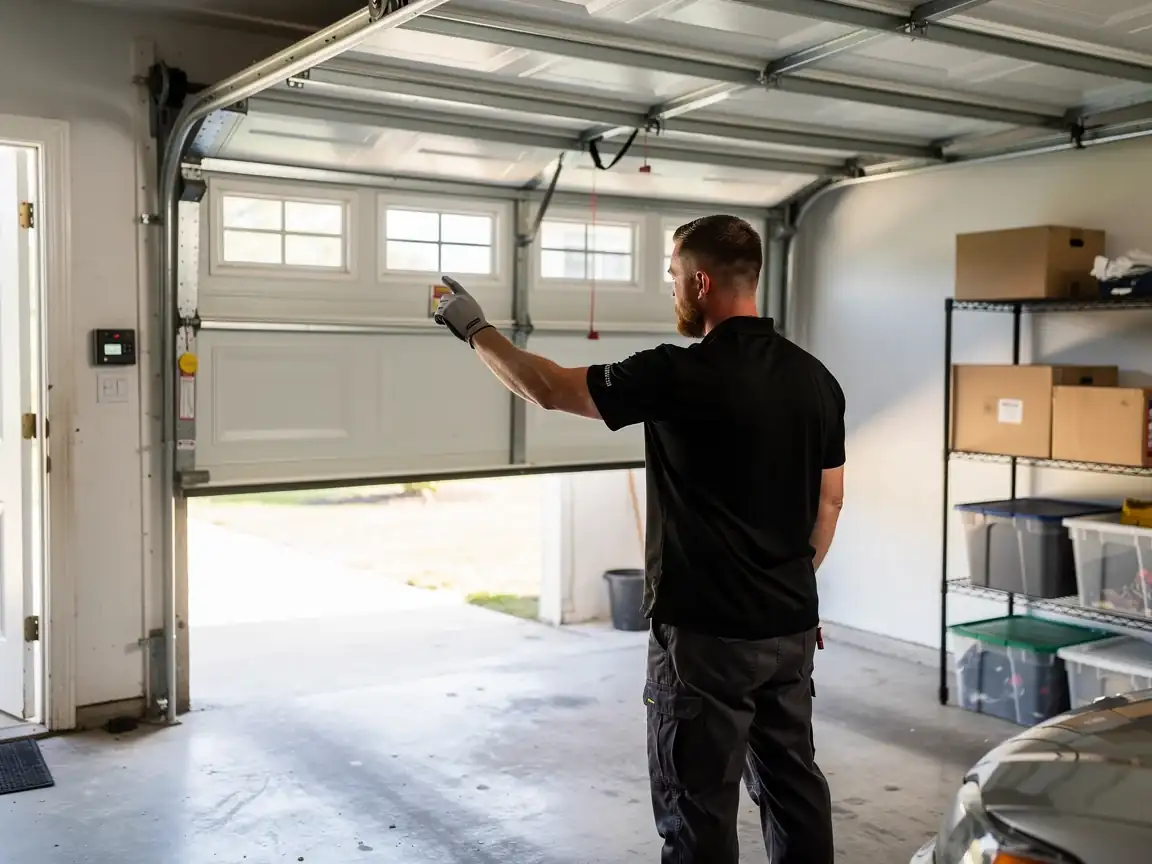
What you can safely do yourself: check whether the door is balanced by disconnecting the opener and lifting it by hand - it should stay put at waist height on its own. If it drops or shoots up, the spring's going or gone, and that's your signal to call rather than keep opening the door with the opener fighting it. You can also visually check for a visible gap in a torsion spring coil from the ground, no ladder needed.
Our honest limit here: we don't recommend reusing an old spring alongside a new one on a double-spring setup, even if the old one still looks intact. Springs installed at the same time wear at close to the same rate, and mismatched tension on a double door causes uneven lift almost immediately.