The Symptom
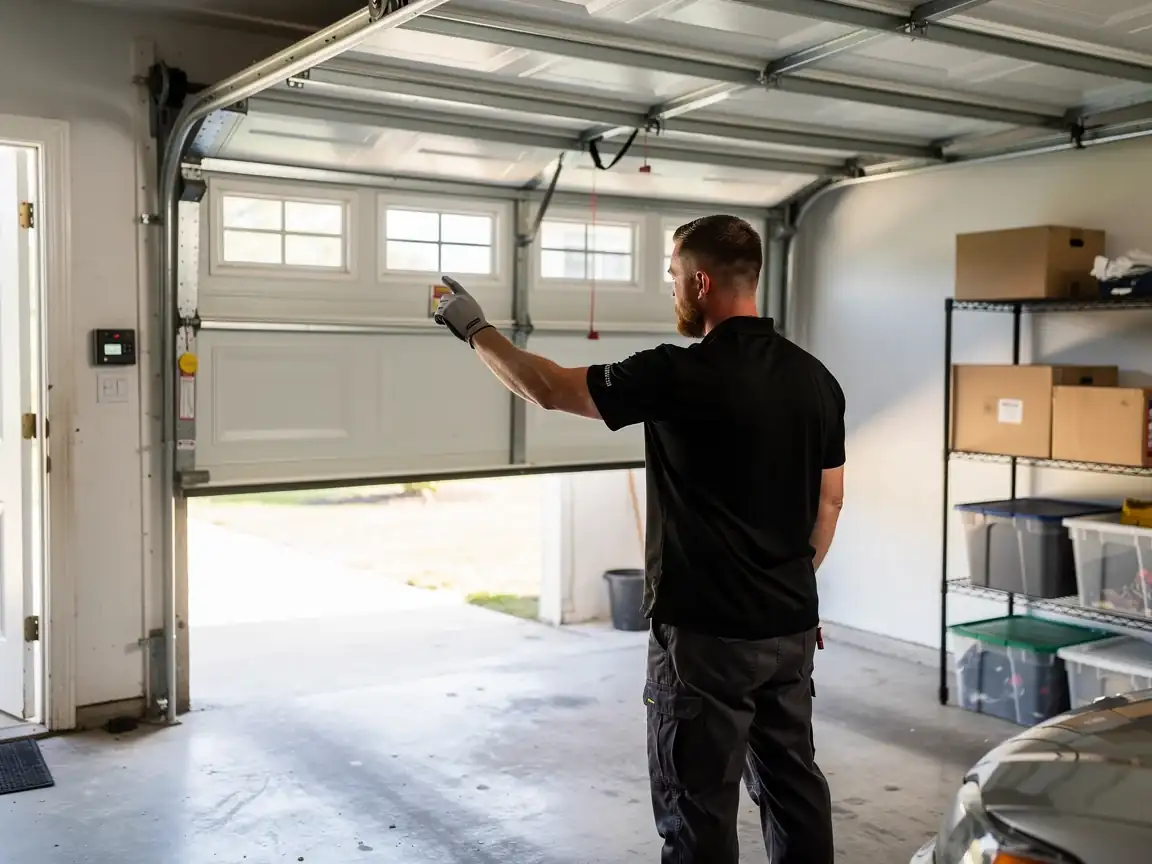
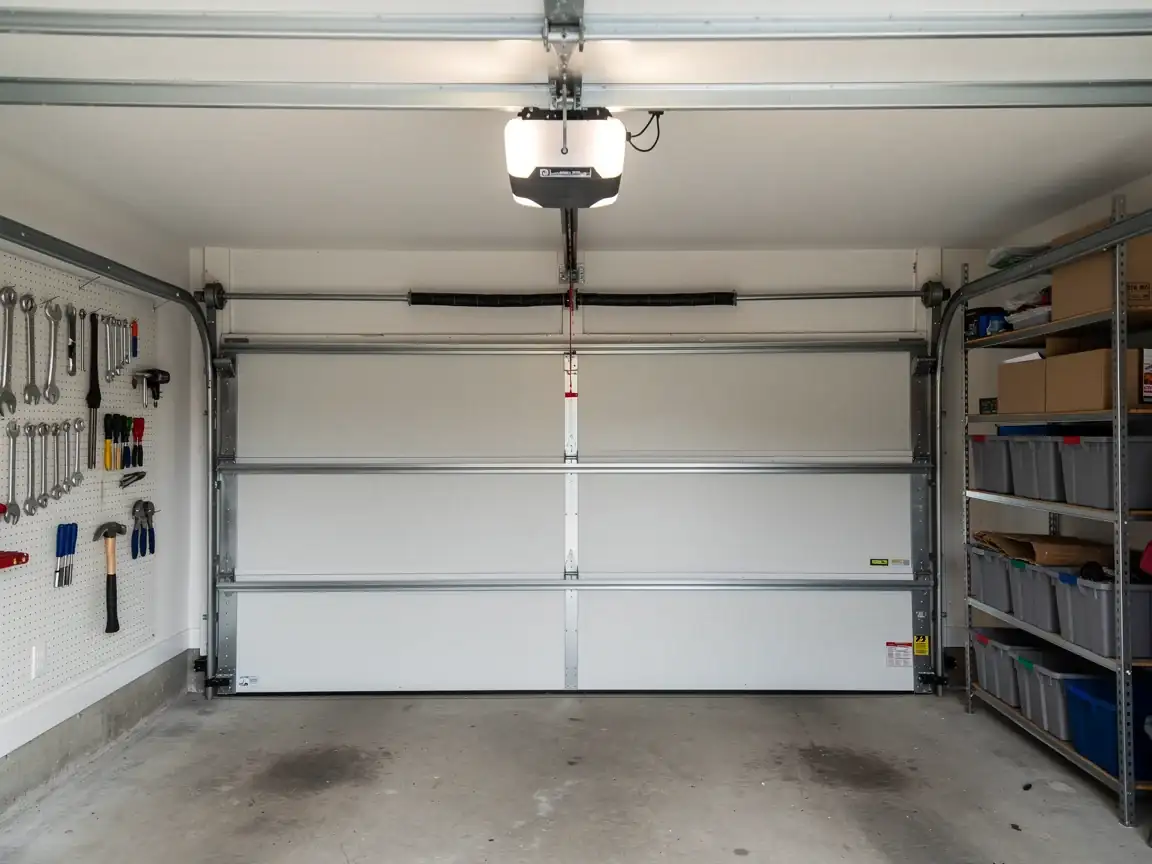
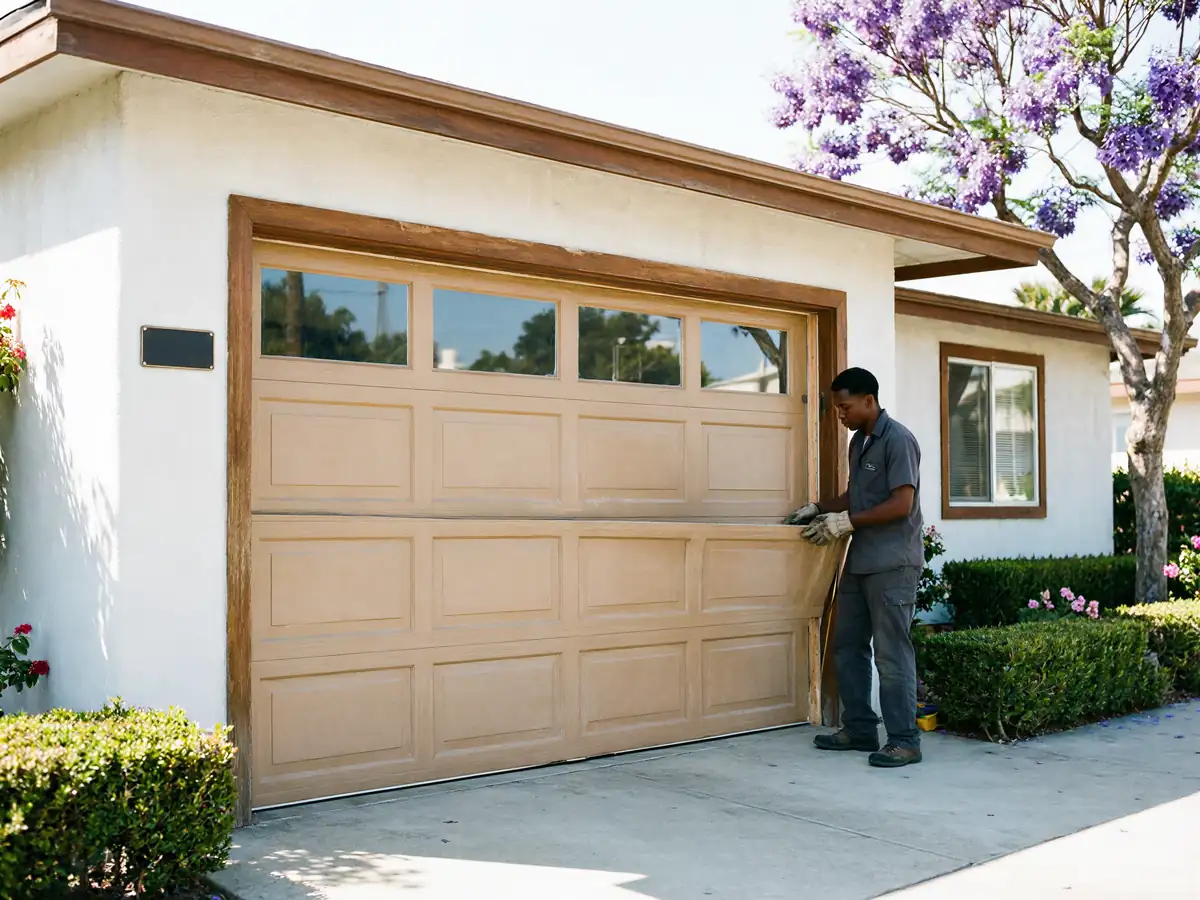
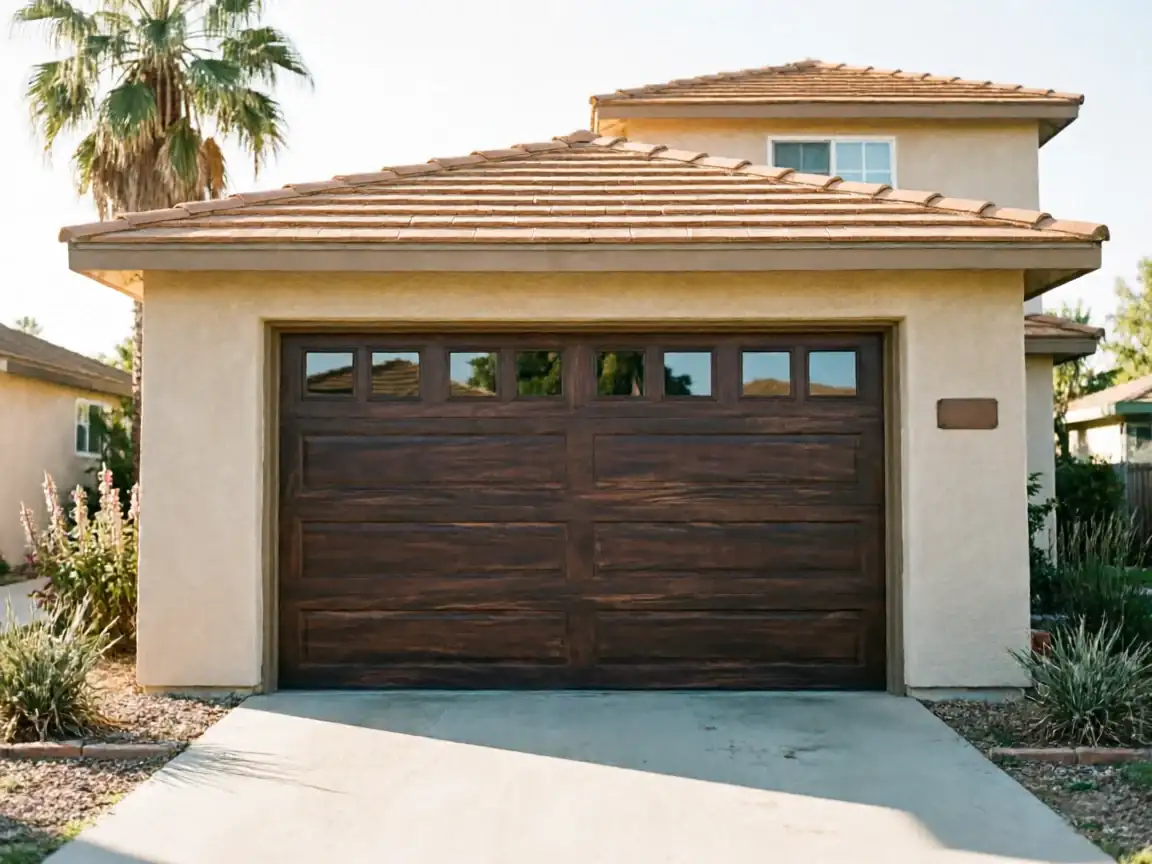
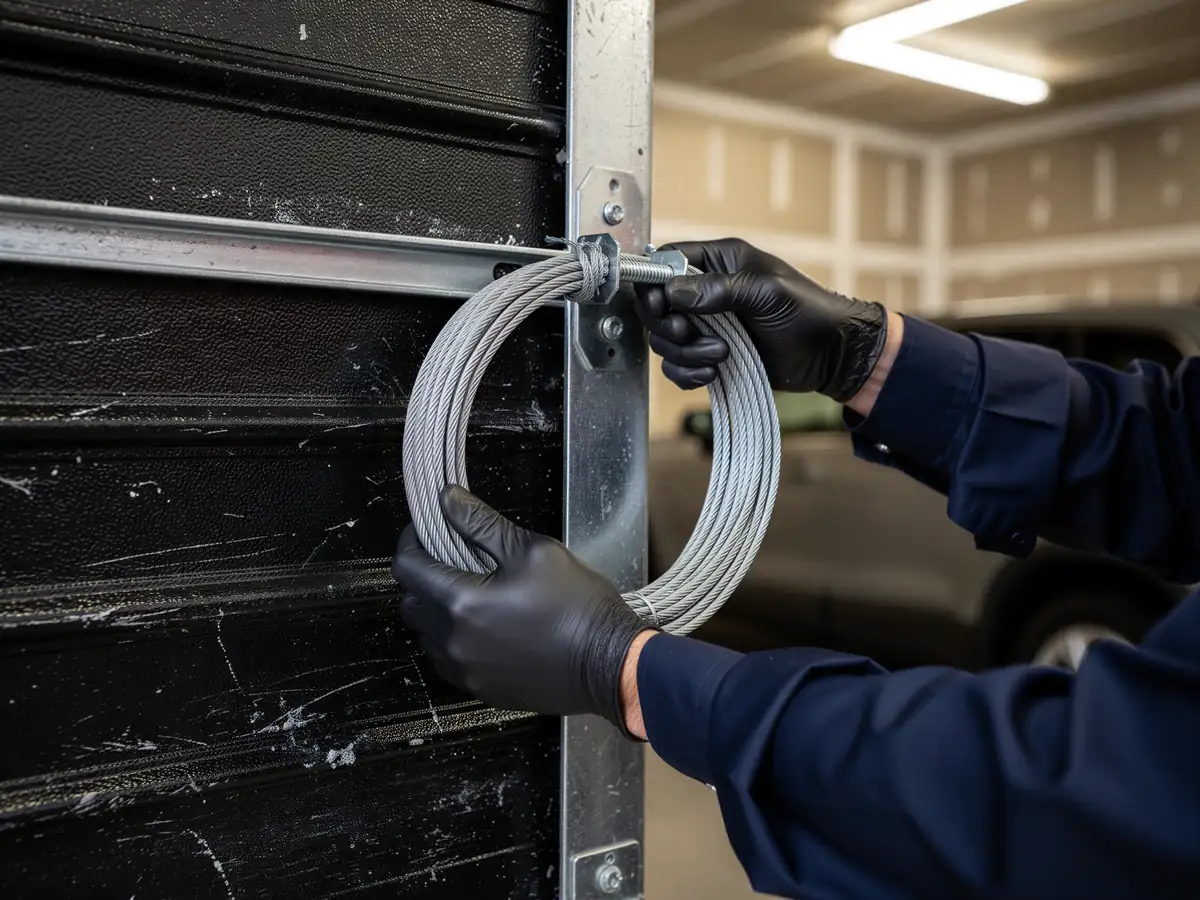
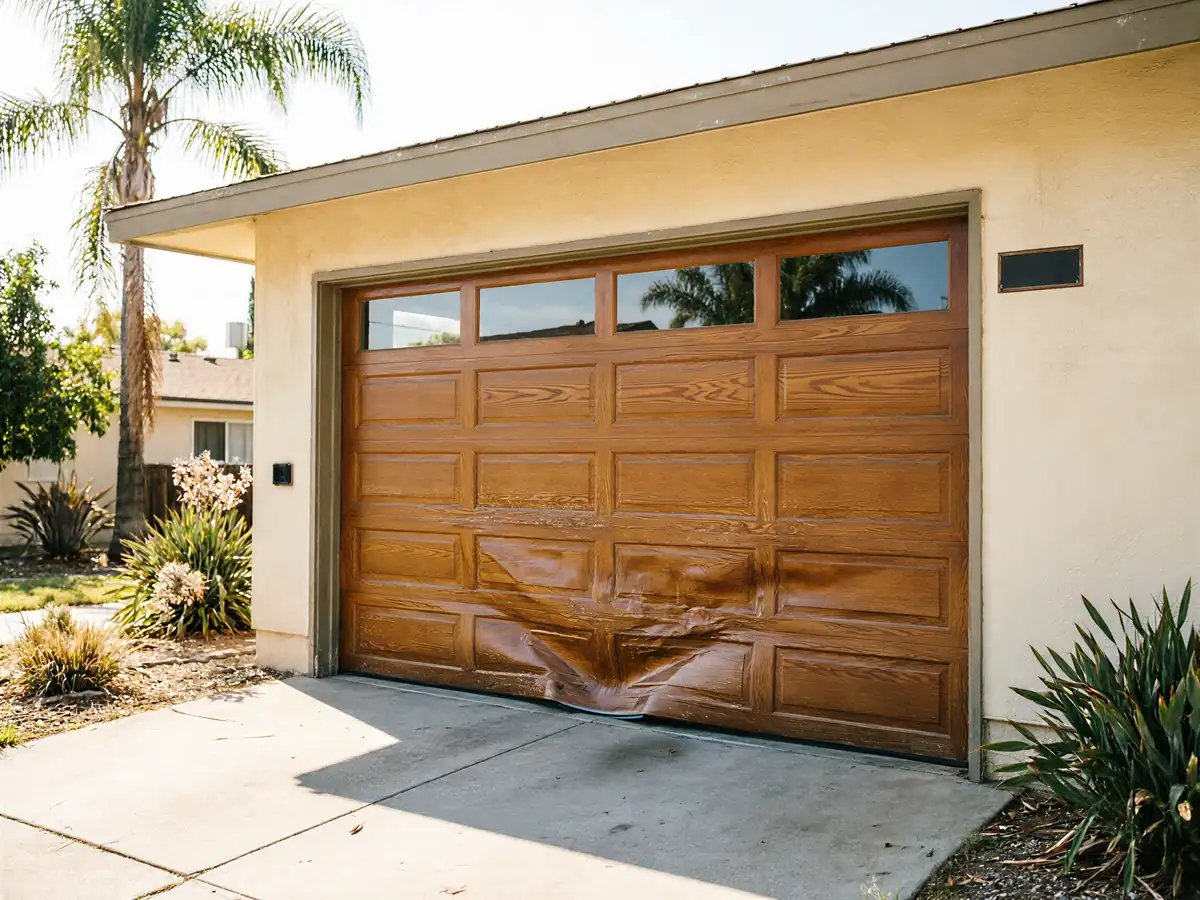
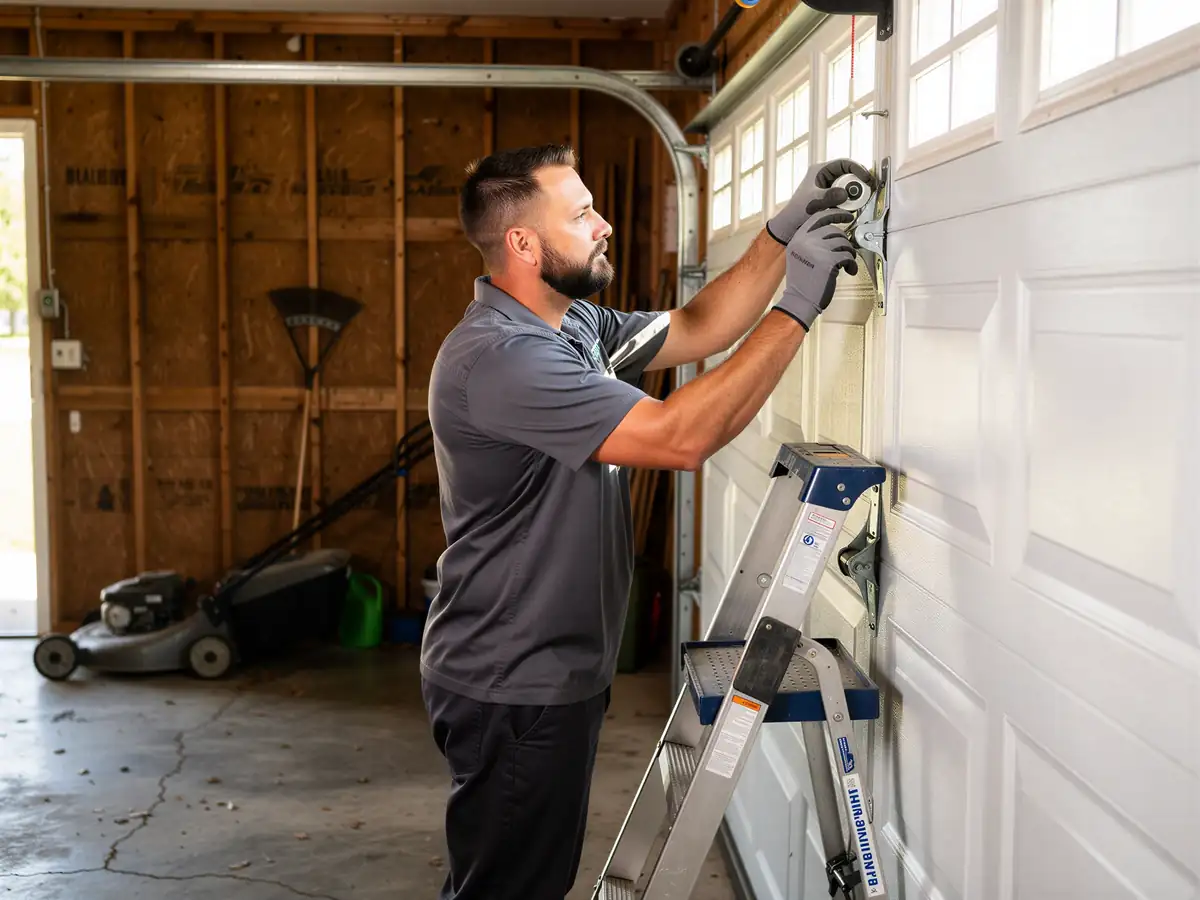
Most houses in Casa de Oro-Mount Helix were built around 1969, which puts this pocket on the early edge of the 1967-1992 window that covers most of the area we work in. That matters because a door installed in the late '60s was almost always paired with a single torsion spring and a lighter steel section than what's sold today. Forty-plus years in, the symptom isn't usually a dead opener - it's a spring that's lost tension gradually, so the door feels heavier on one side, or a track that's worked slightly out of plumb because the original jamb brackets were never meant to carry today's heavier insulated panels if a door's been swapped out at some point. You'll notice it as a door that catches a few inches off the floor, or an opener that strains and reverses instead of closing clean. None of that shows up as a sudden failure. It shows up as the door getting a little worse every month until one day a cable or spring finally lets go, usually without warning.
Why It Happens Here
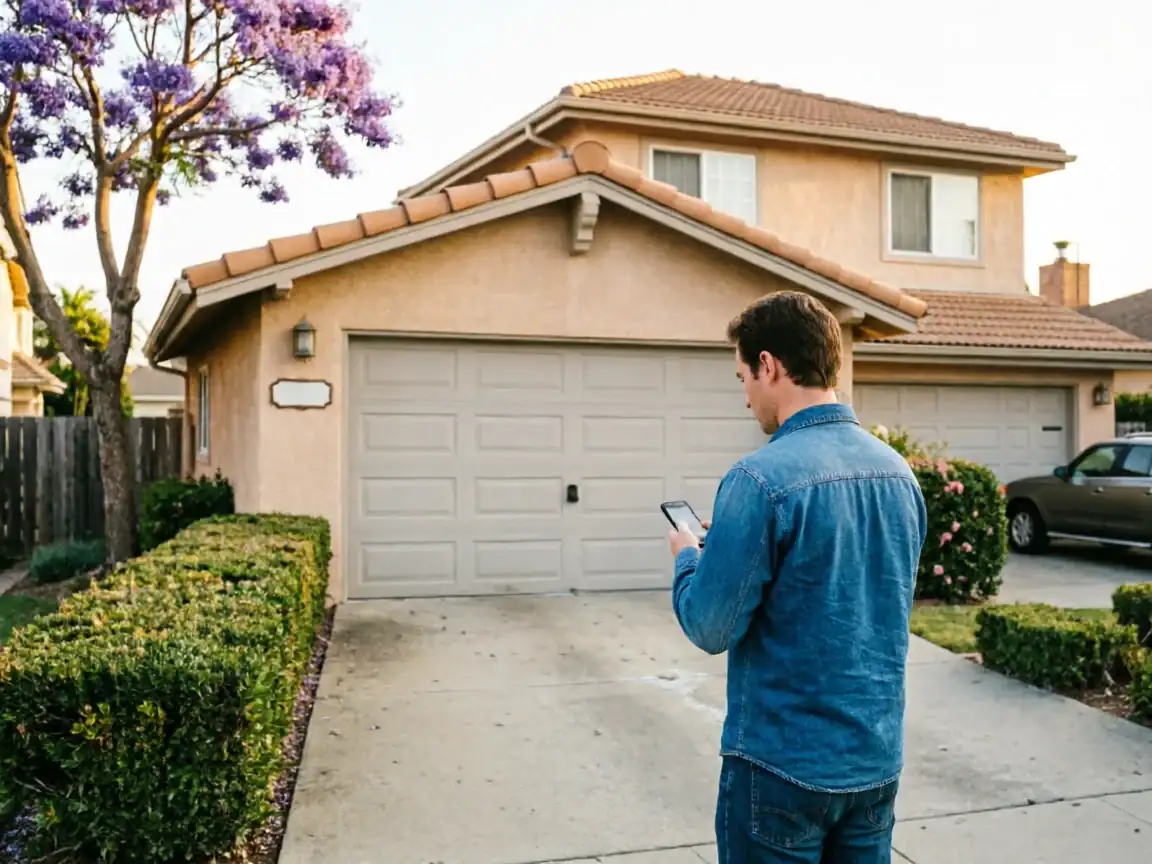
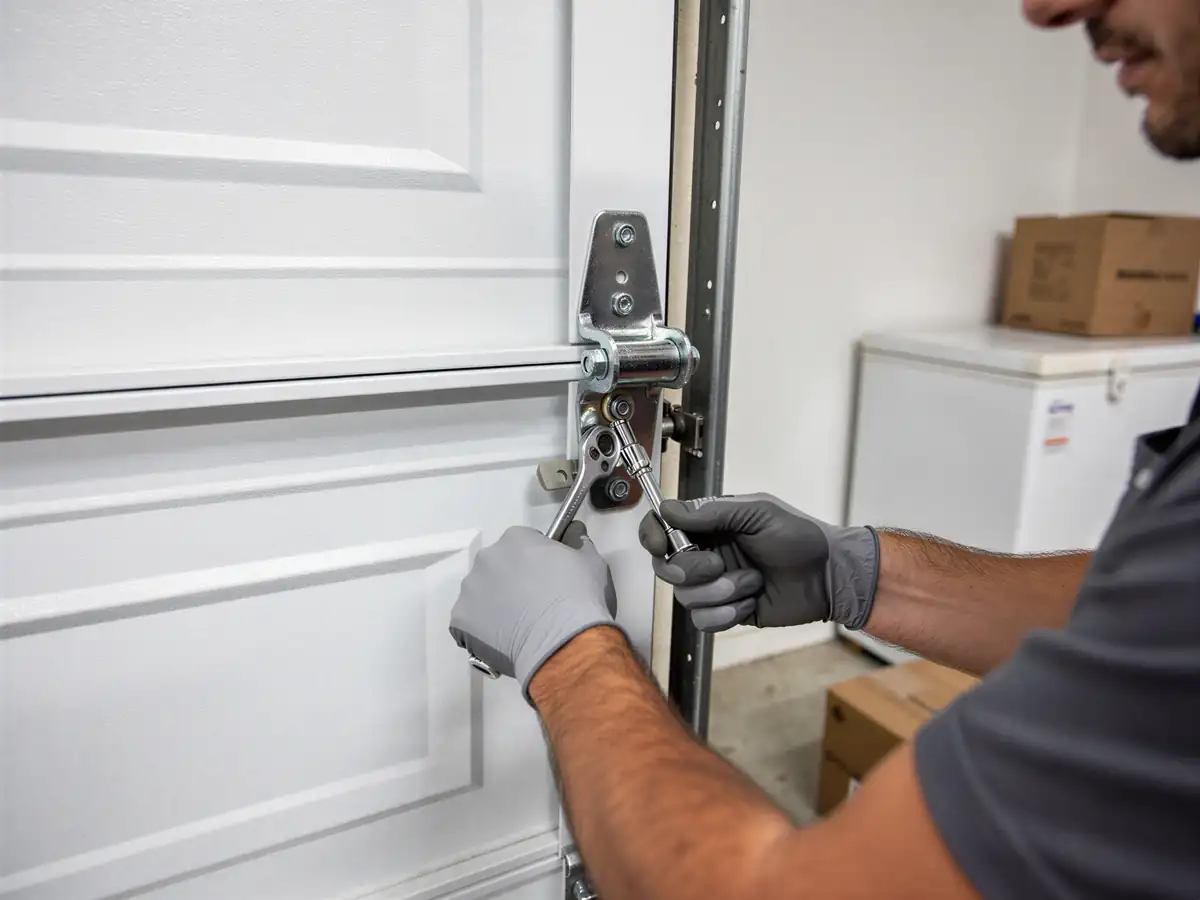
The mild temperate climate out here doesn't stress hardware the way freeze-thaw cycles do in other parts of the country, so these doors don't fail from weather - they fail from age and metal fatigue, plain and simple. A torsion spring rated for roughly 10,000 cycles doesn't care that the weather's been kind; it still winds down. On a 1969-era house that's seen two or three openers and maybe one spring replacement since, the rest of the hardware - hinges, end bearings, the track itself - is often original. That's the piece maintenance actually catches: a bearing worn oval, a hinge with elongated bolt holes, a track bowed from decades of a slightly misaligned roller. None of that's visible from the driveway. It's also why we don't push the same tune-up interval on every house we visit from El Cajon - a door on a 1969 build with original hardware needs a different look than a door three miles over on a 1990s build with a newer steel frame.
Can You Do This Yourself
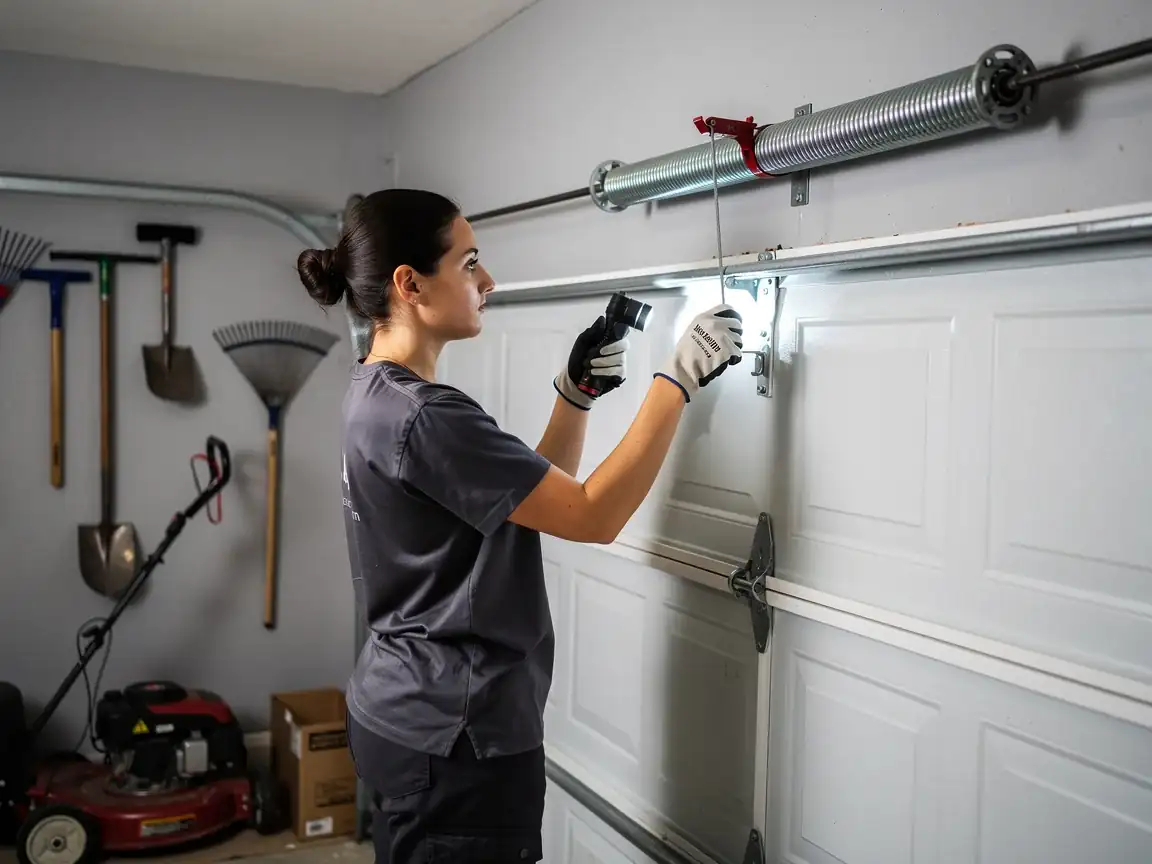
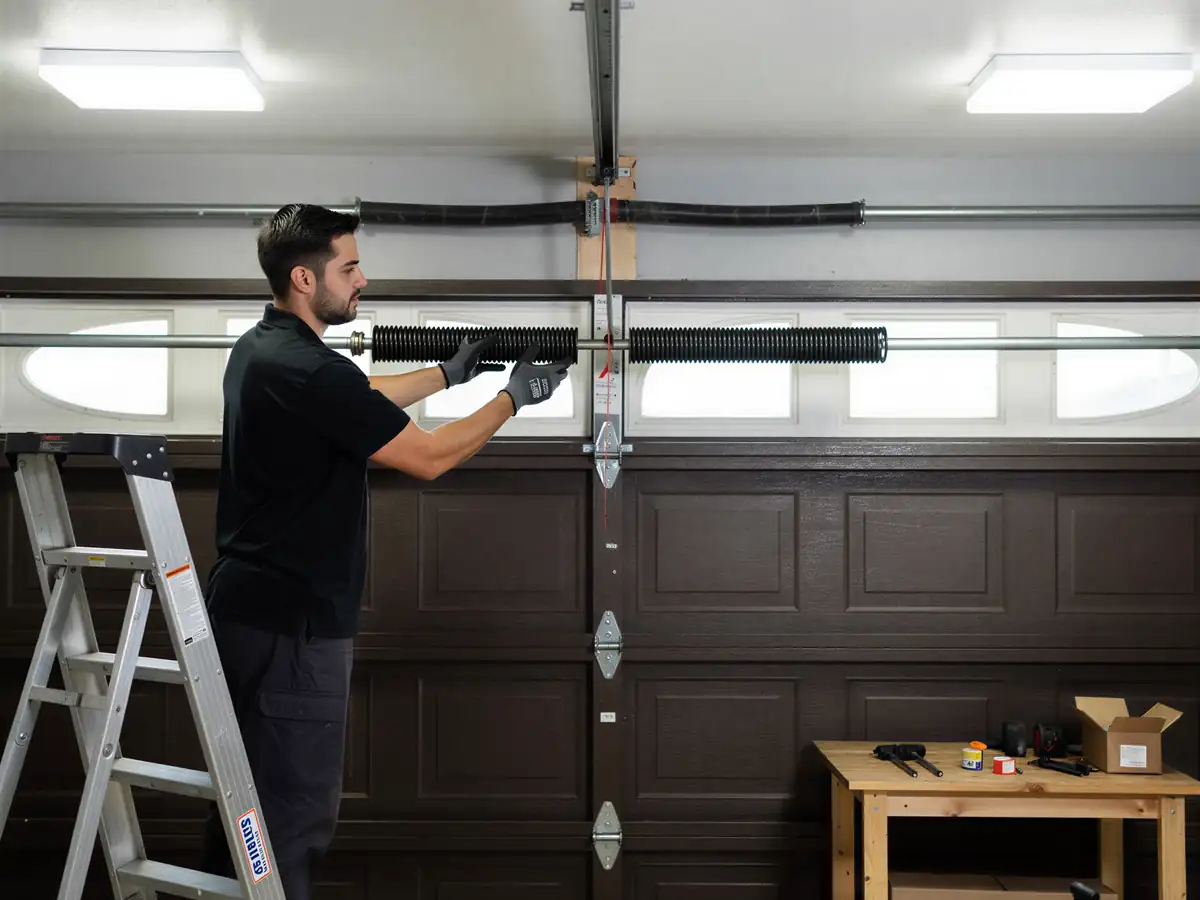
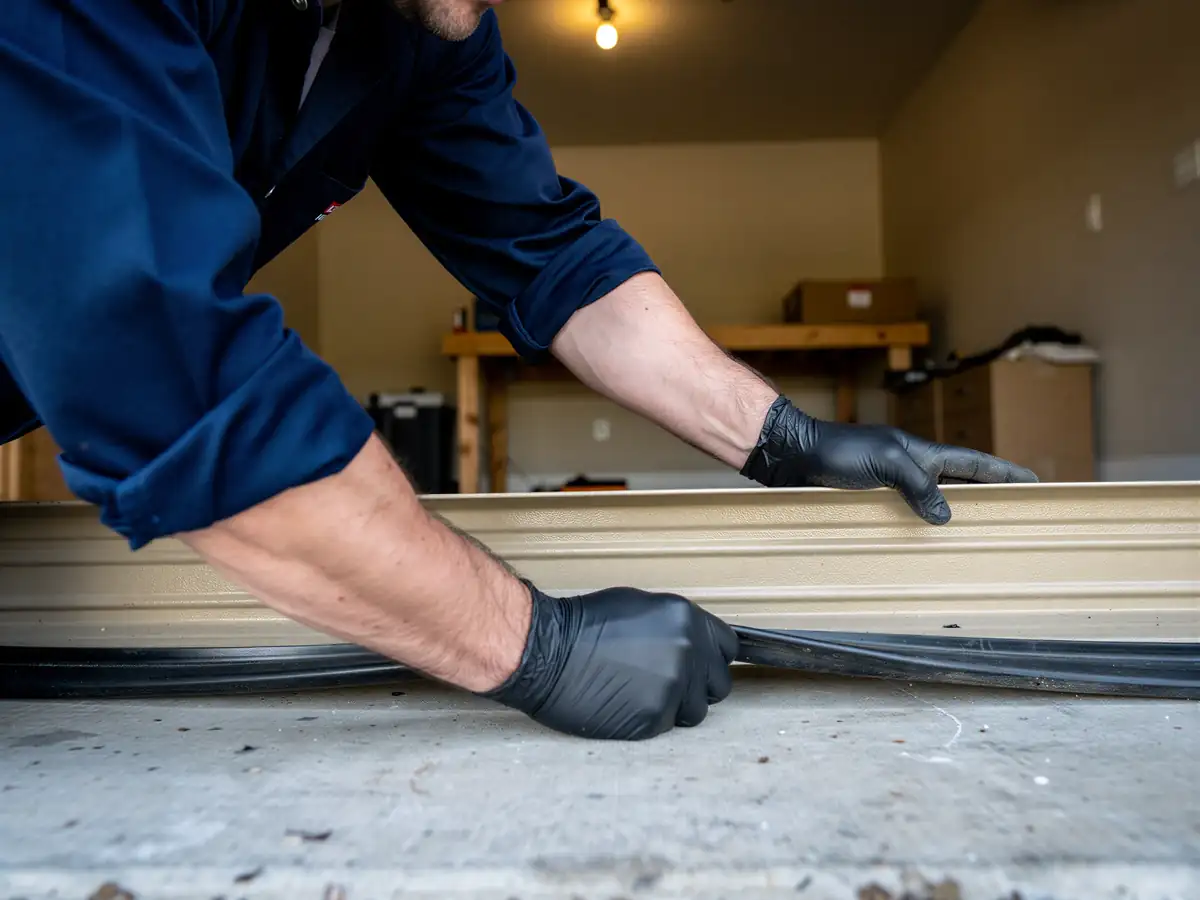
Some of this is fine to do on your own. Wiping down tracks, checking that the auto-reverse sensors aren't blocked, and listening for new noises are all things a homeowner can and should do between visits. What you shouldn't do yourself is touch the torsion spring - on an older single-spring setup especially, the wind tension stores enough force to cause a serious injury if the winding bars slip, and it's not a job where a second attempt goes better than the first. We also won't pretend every door is worth maintaining indefinitely: if a door's hardware is original to a 1969 house and has never been touched, there's a point where replacing the spring and bearings costs most of what a new torsion system would, and we'll tell you that honestly instead of running up a repair bill on parts that are going to need doing again in a year.