How Long It Takes
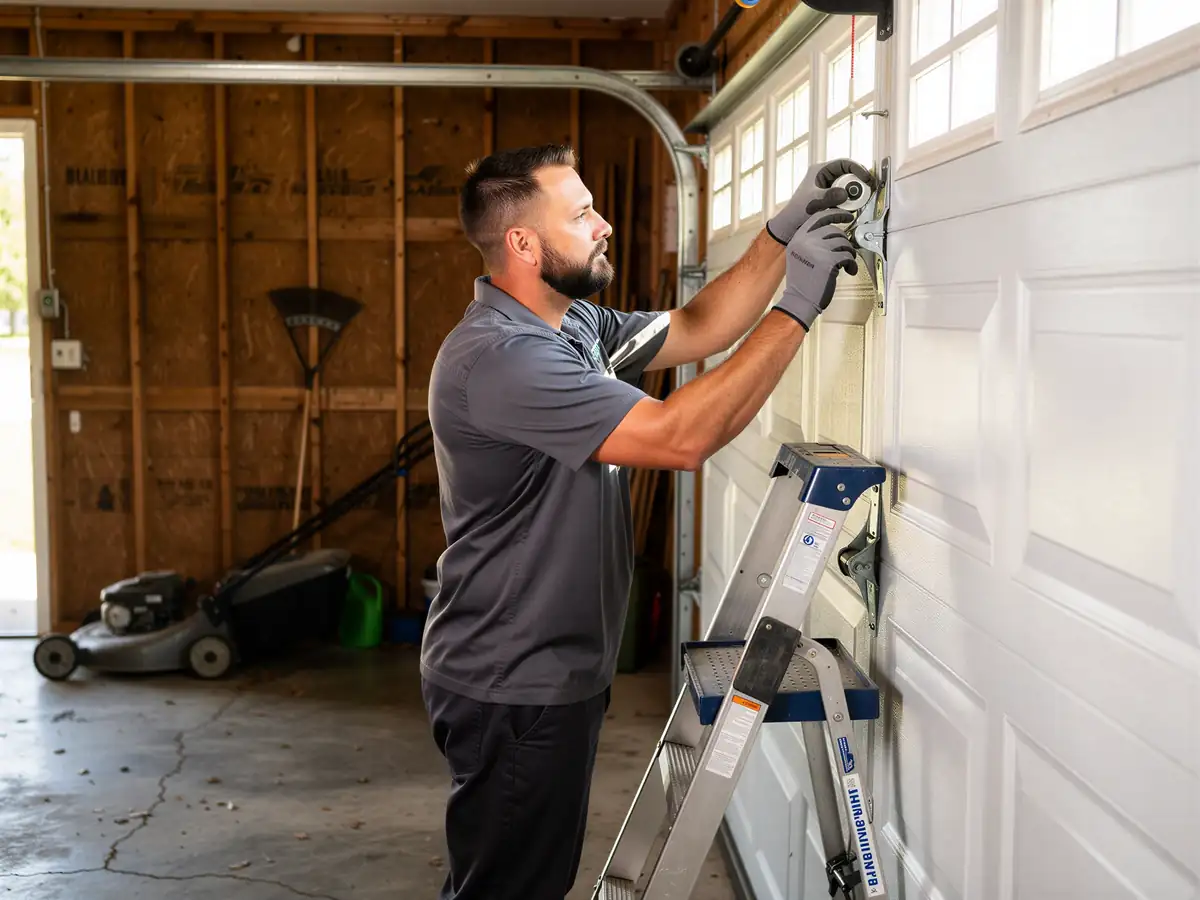
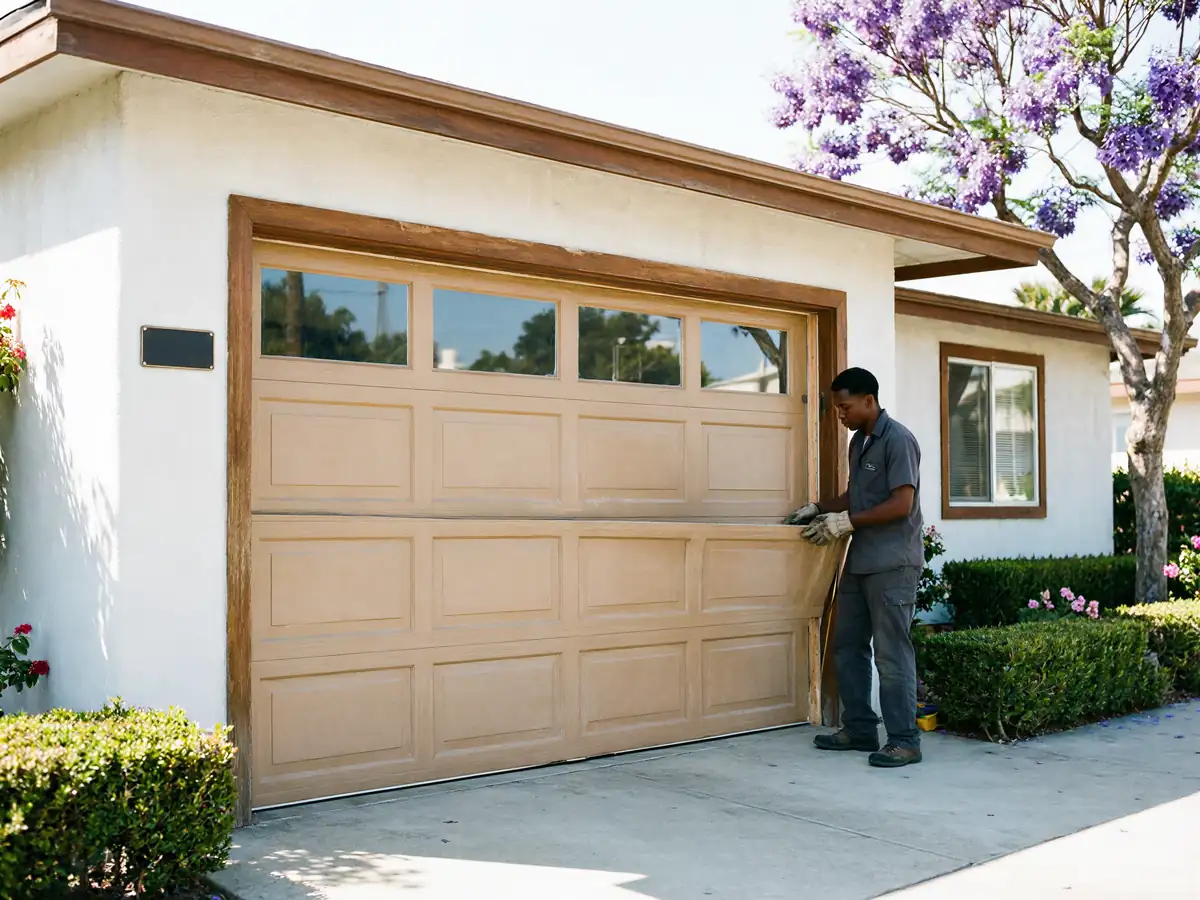
A straight swap on a single door - old sectional off, new one on the same track width - is usually a one-day job, start to finish. Granite Hills sits about 3 miles east of El Cajon, close enough that a crew doesn't lose half the morning in travel, so the time on site goes into the install, not the drive.
What stretches it past a day is the header. Houses here carry a median build year of 1967, and a lot of those openings were framed for a narrower door than what's sold today. If the header needs reinforcing or the track spacing has to be redone to fit a current door, you're looking at a second visit once the right jamb brackets or header angle are on the truck. We don't carry every width of reinforcement stock on the truck for every job - that's the honest limit. If your opening is non-standard, we'll tell you before we quote a one-day turnaround we can't keep.
Double doors with two openers take longer than single doors with one, simply because there's twice the hardware to square and twice the travel to set. None of that is specific to Granite Hills - it's just arithmetic.
Can You Do This Yourself
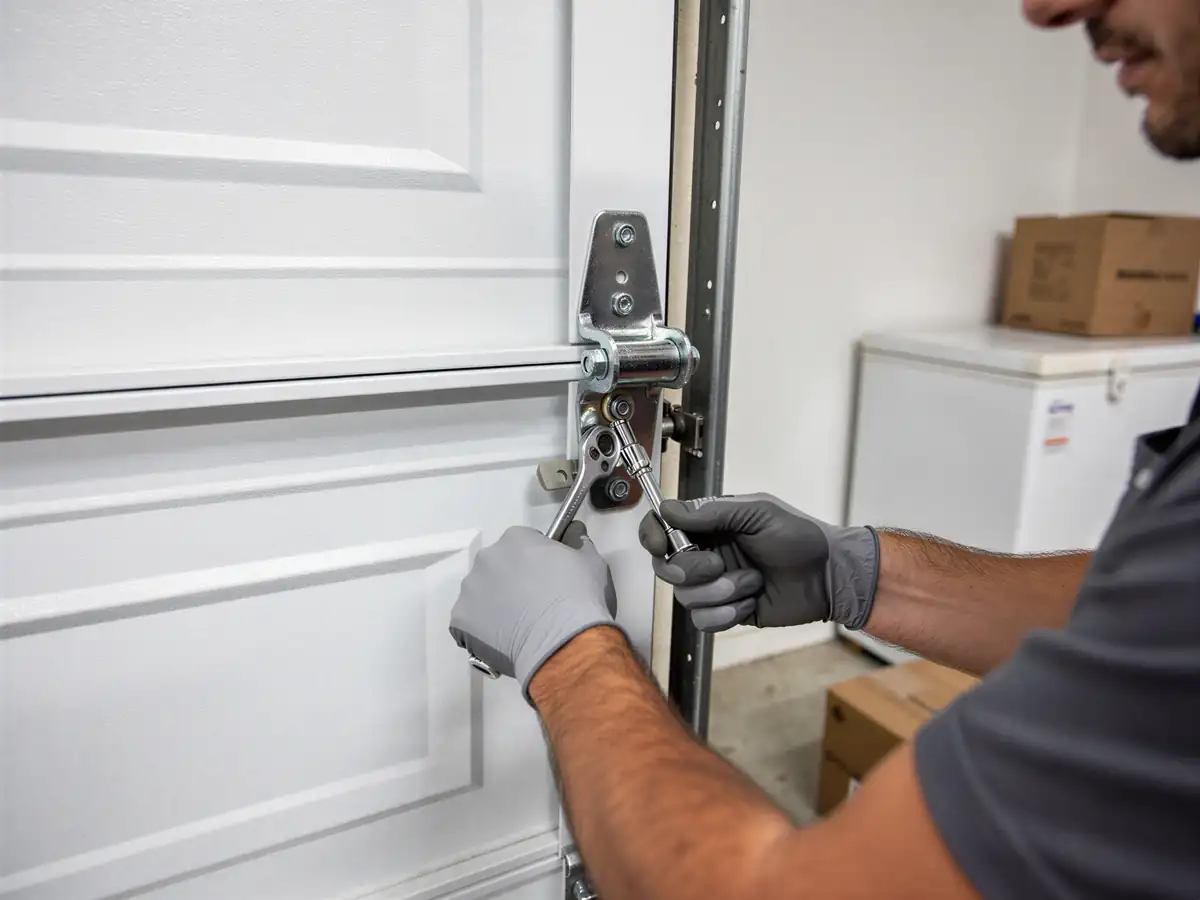
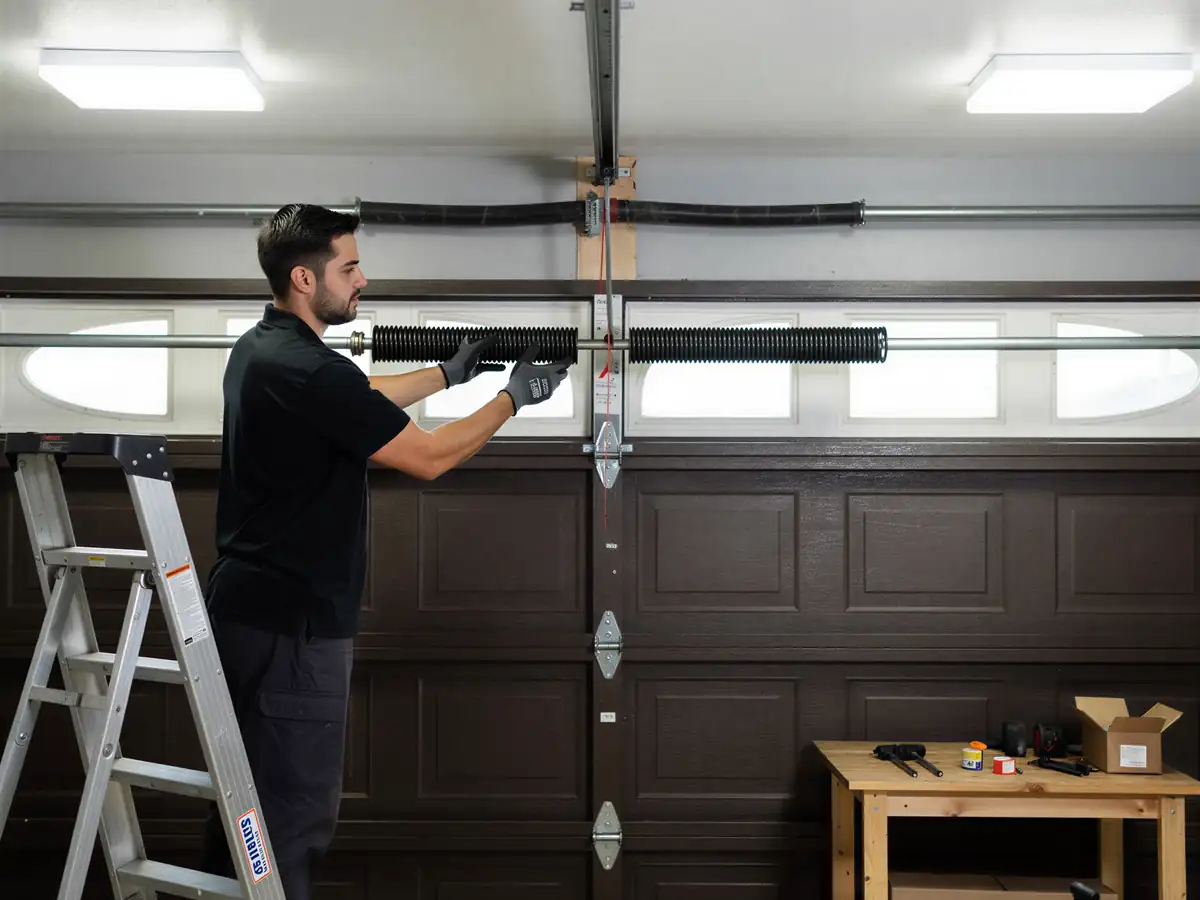
You can hang a door panel. What you can't safely do alone is wind a torsion spring to the right turns for the door's weight, and on a 1960s-era house that spring count is often not what's printed on any chart, because somebody replaced the door once already without replacing the spring to match. Get that wrong and the spring either won't lift the door or it releases the tension all at once.
If you're set on doing some of the work yourself, the parts of the job that don't involve a loaded spring - removing the old panels, clearing the opening, repainting trim - are fine to do on your own time before the crew shows up. That shortens the billed hours on site, since you're not paying someone to do demo you could've done the weekend before.
We won't quote a self-install kit with us doing final spring tensioning only. Either we do the full install under warranty or we don't touch it, because a door that's half DIY and half ours leaves nobody clear on what's covered if something lets go six months later.
Where This Job Goes Sideways
The failure mode we see most in Granite Hills isn't the door - it's what's behind it
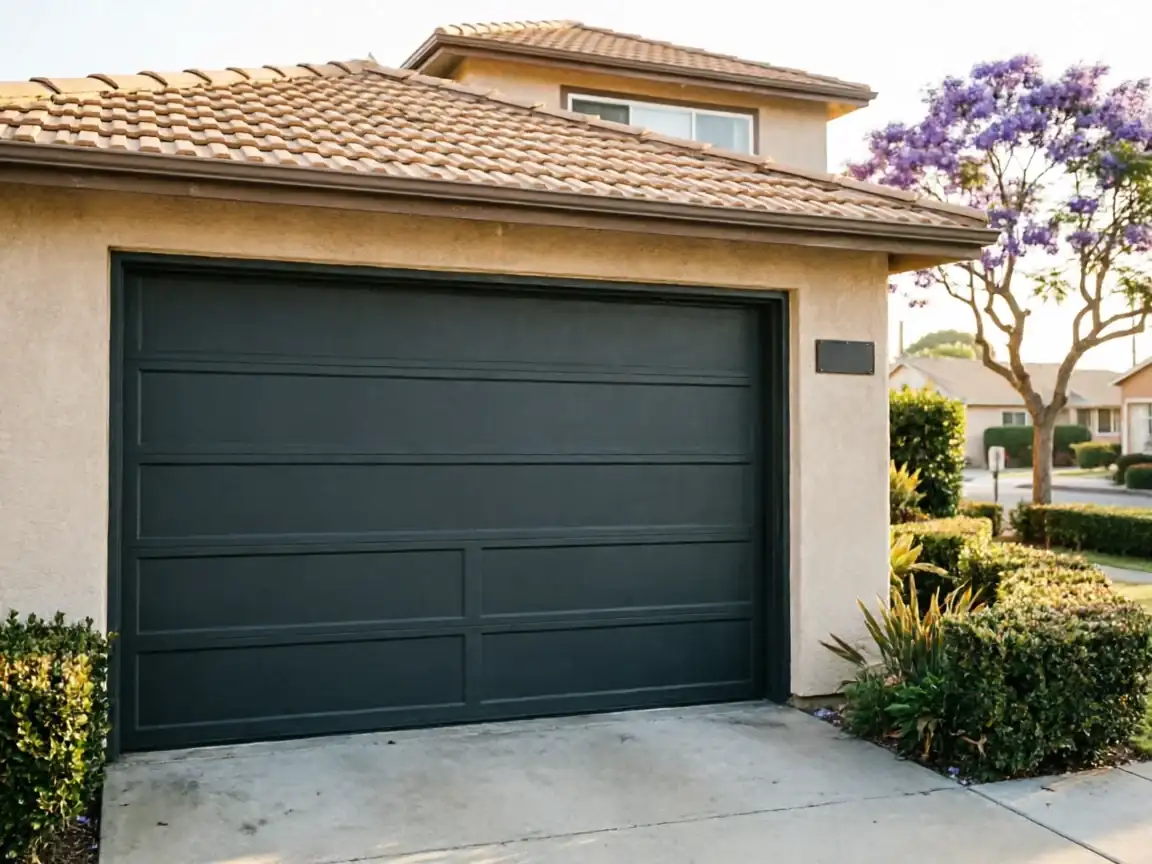
At a median build year of 1967, these openings were framed to 1960s lumber dimensions and 1960s door widths. Drop in a modern insulated door without checking the jamb for square first, and you end up chasing a half-inch gap along one side that no amount of weatherstripping fixes.
The second place it goes wrong is the opener bracket
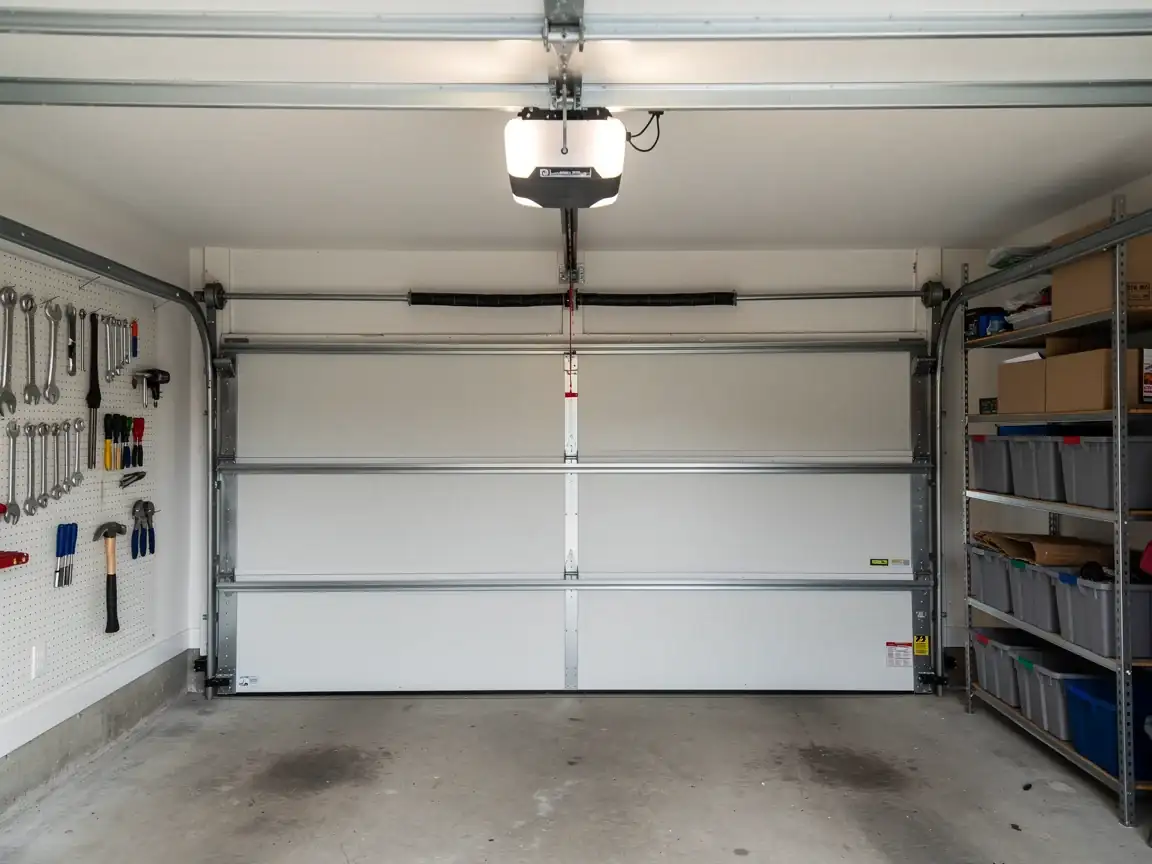
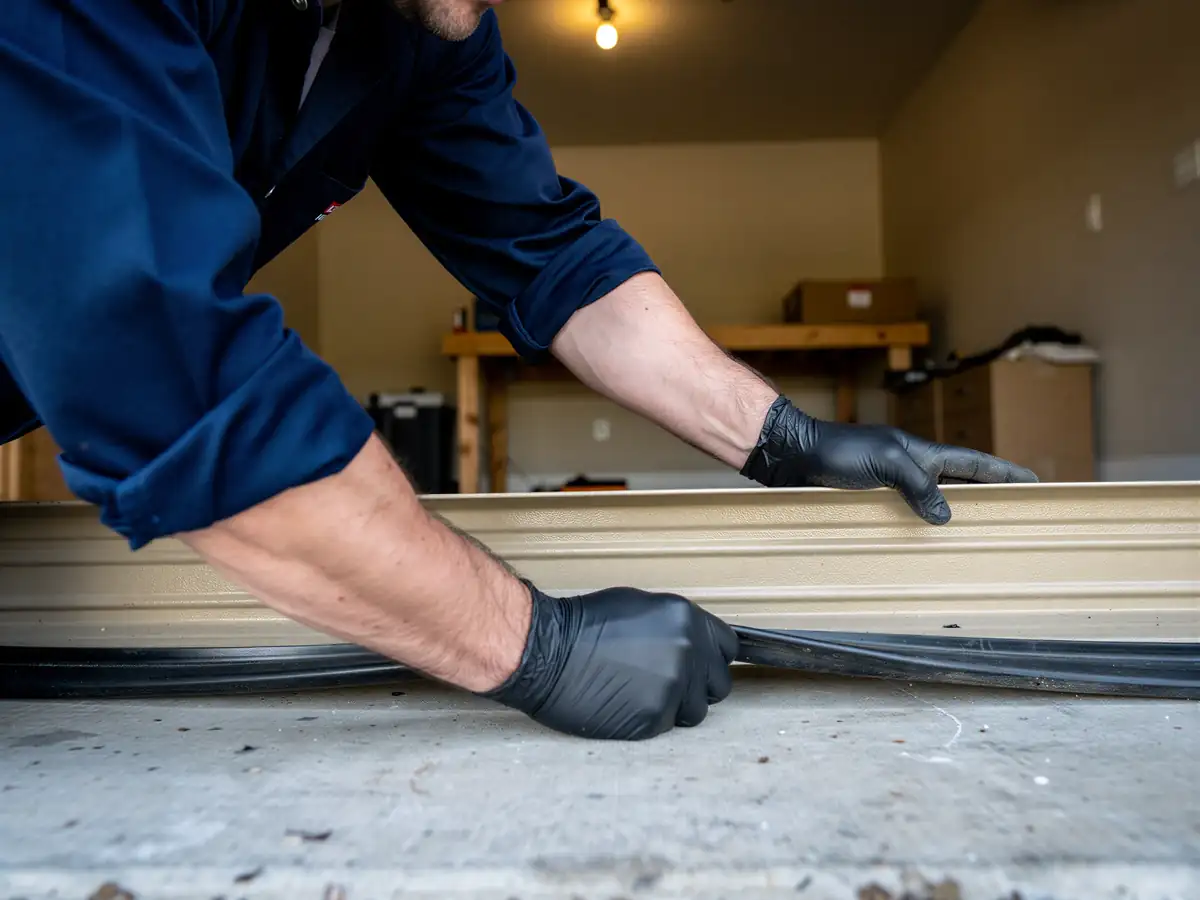
A lot of these garages had their opener added years after the house was built, mounted to whatever joist was closest rather than the one rated for it. Swap the door and leave that bracket in place, and you've got a new, heavier door hanging off old lag screws in a joist that was never meant to carry it.
We check both before we quote the job, not after we've already ordered the door
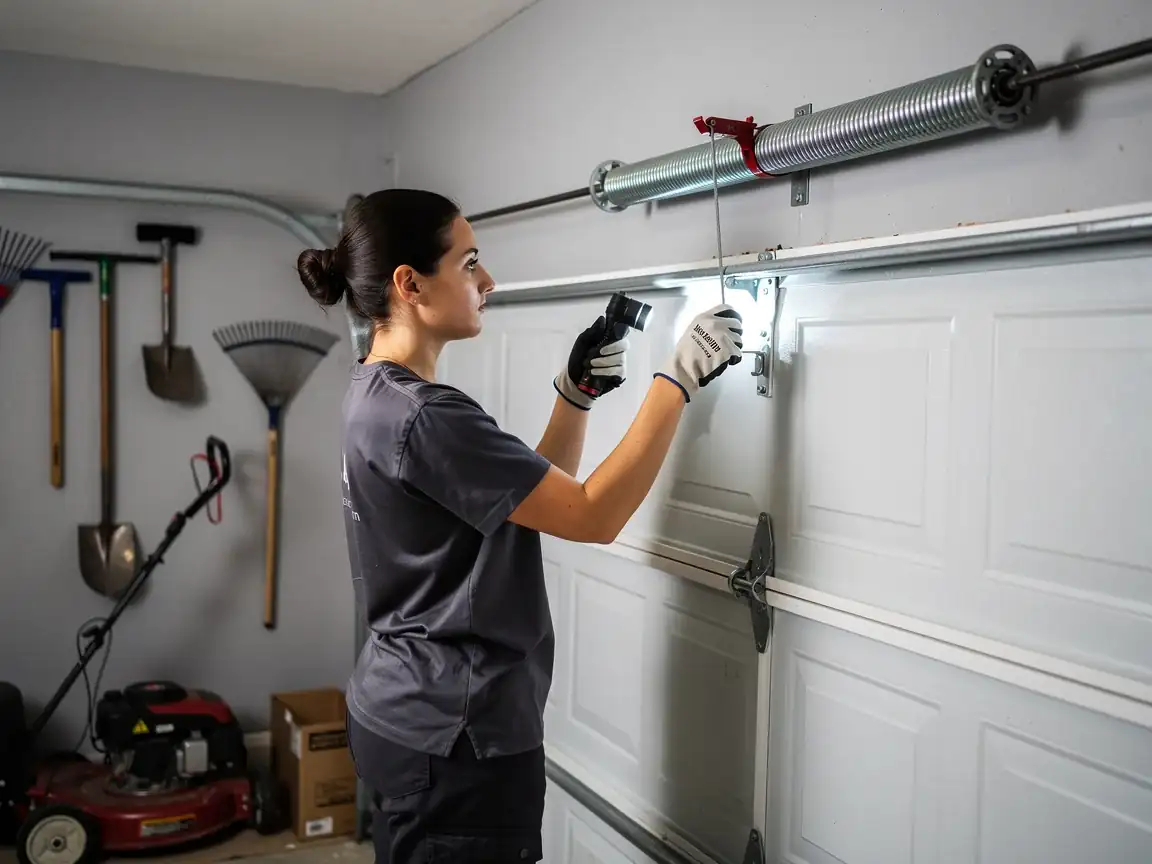
It's a five-minute look with a level and a flashlight, and it's the difference between a clean install and a callback.
Why It Happens Here
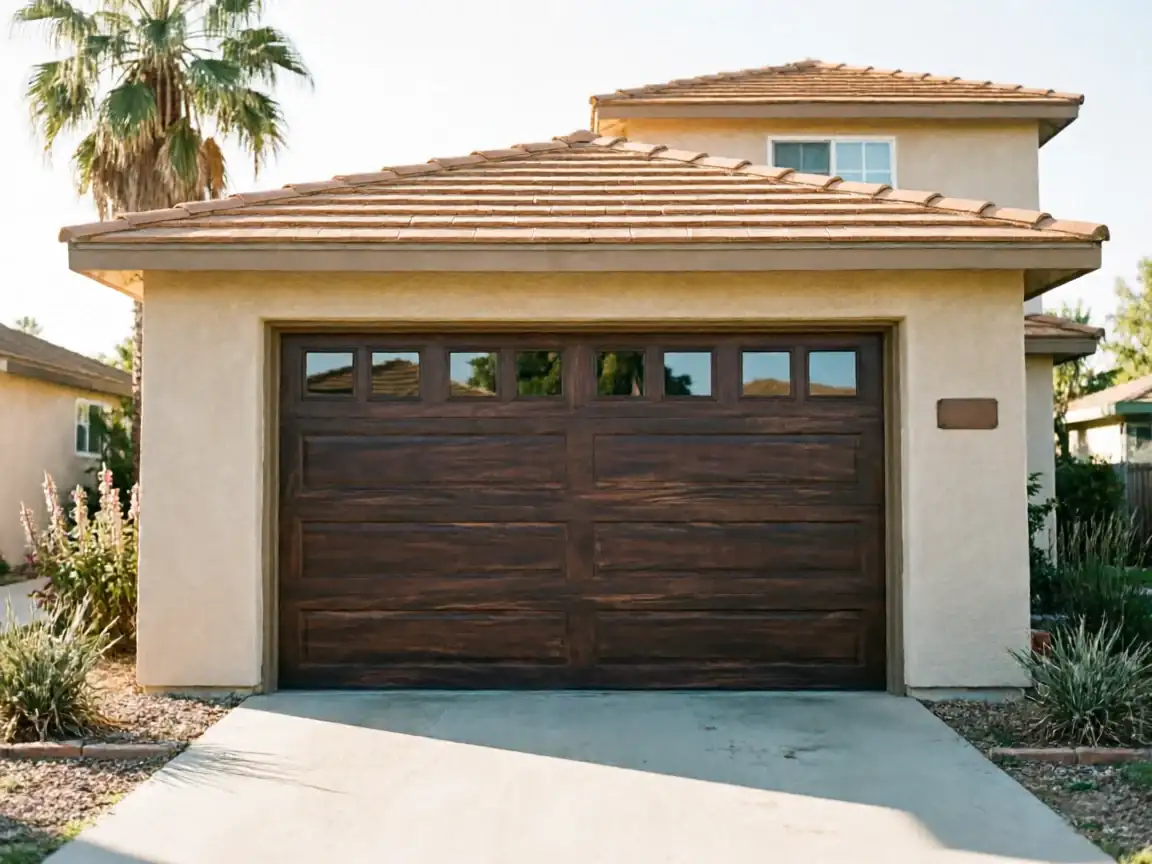
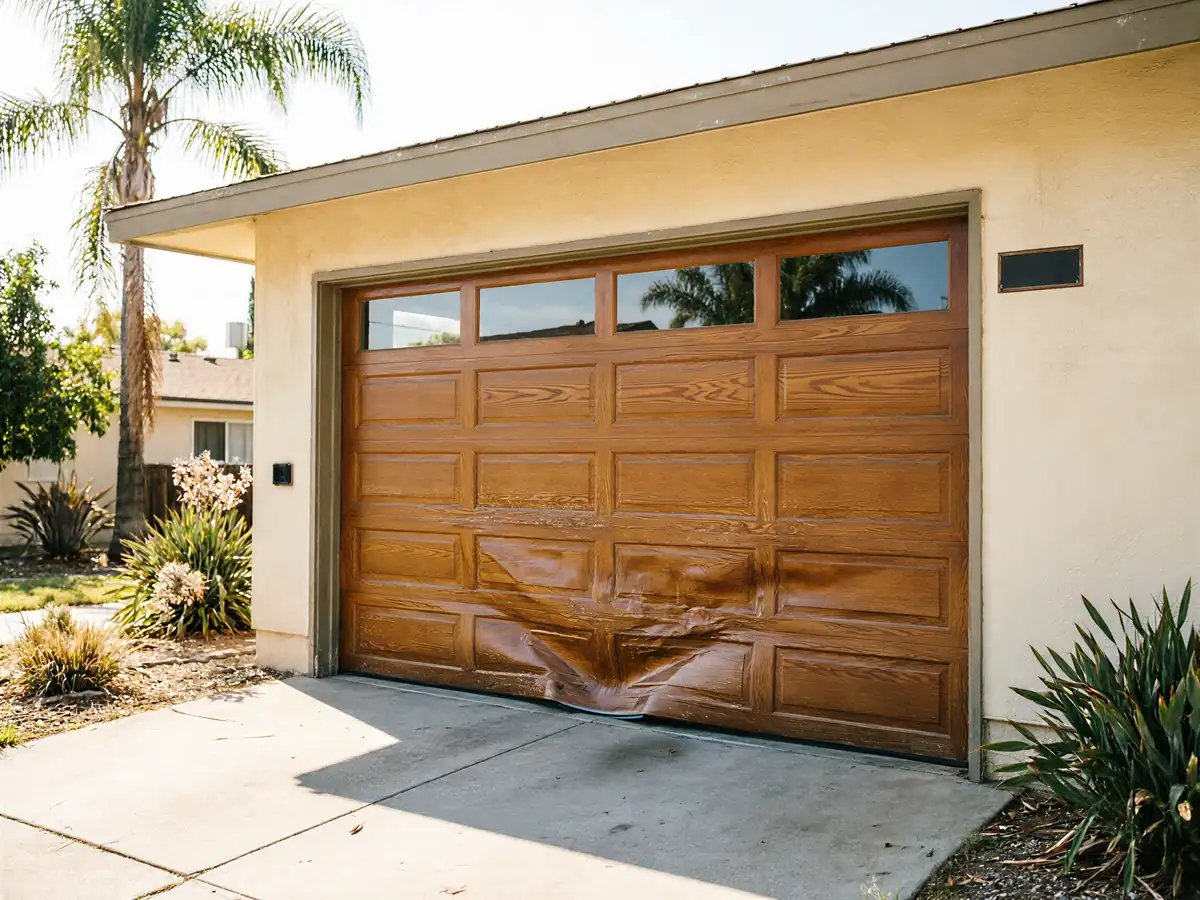
Granite Hills carries a median household income of $149,938 - well above the $114,736 median across the wider El Cajon service area. That number matters here because it changes where the repair-or-replace line falls. On a lower-income block, a cracked panel or a dragging track often gets patched because the budget says patch it. Here, once a door's hardware is original to a 1967 house, most owners skip the patch and go straight to full replacement, because the cost difference between fixing forty-year-old track and just replacing the whole unit is small against that income, and the new door buys another few decades instead of another few years.
The climate helps that decision along. This is a mild temperate zone - no freeze-thaw cycling, no heavy snow load to engineer against. Doors here don't fail from weather. They fail from age: steel fatigue in the panels, springs that have cycled tens of thousands of times, rollers worn oval. That's a slower, more predictable failure than what you'd plan for in a harsher climate, and it's part of why replacement here tends to be a decision made on a homeowner's own timeline rather than forced by an emergency.