How Long It Takes
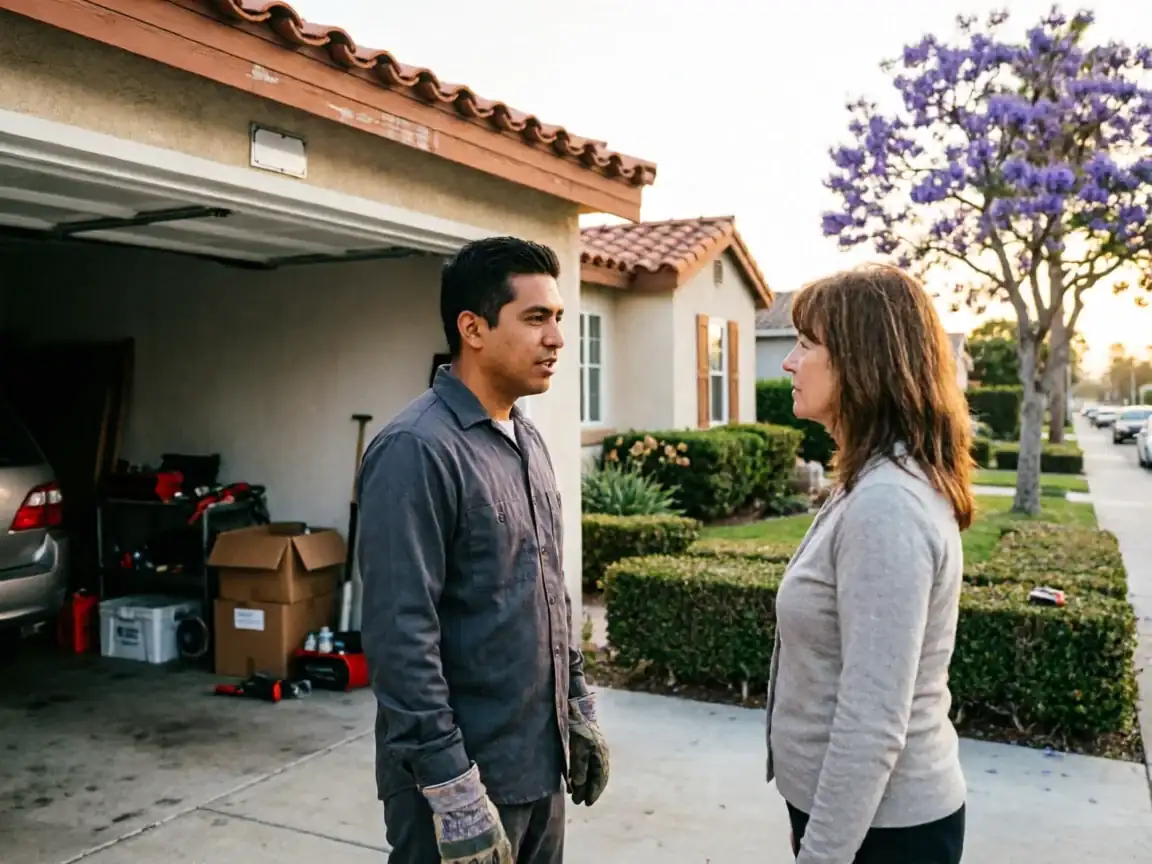
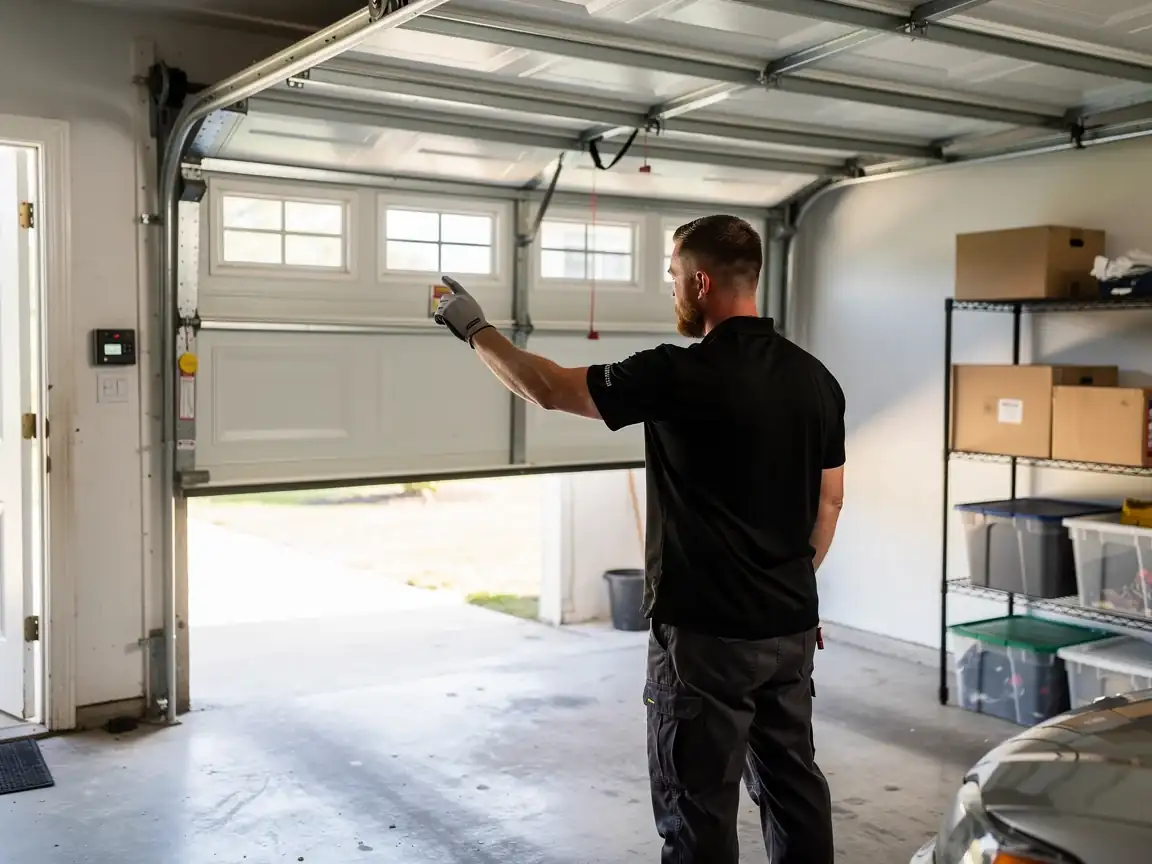
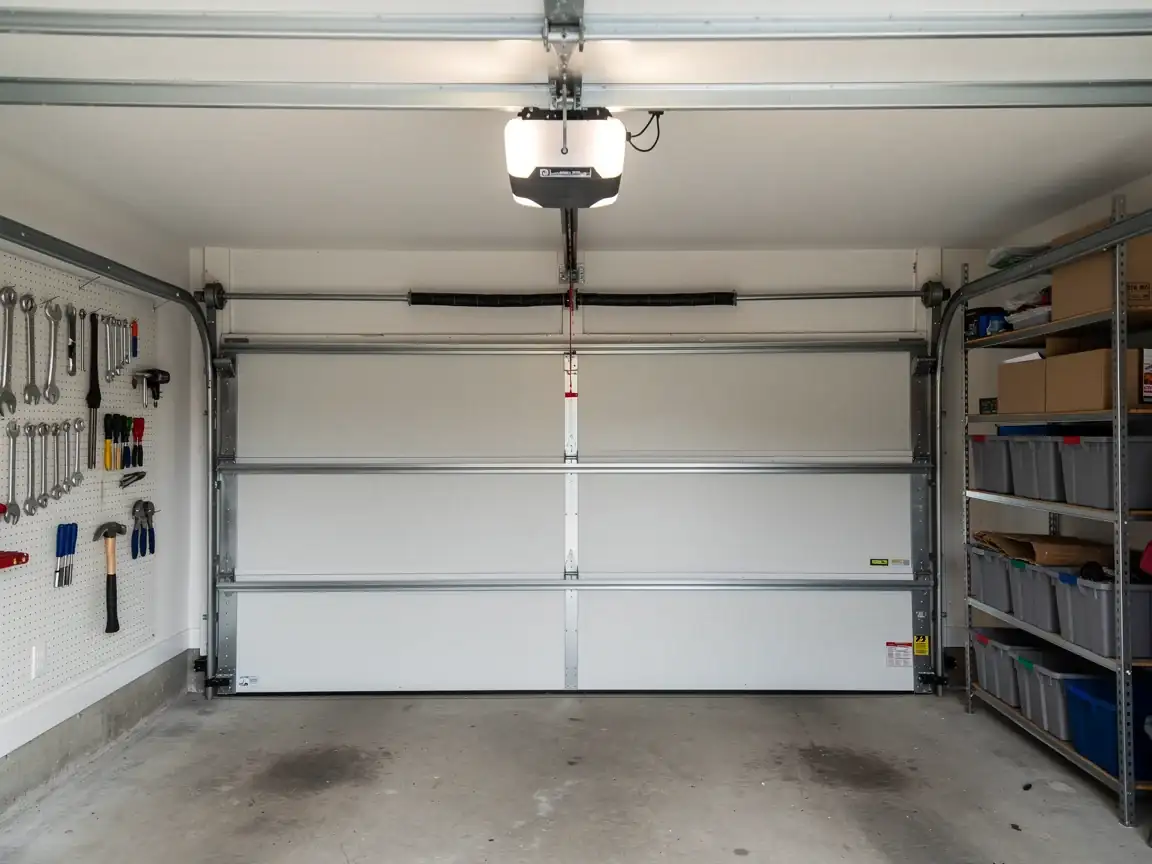
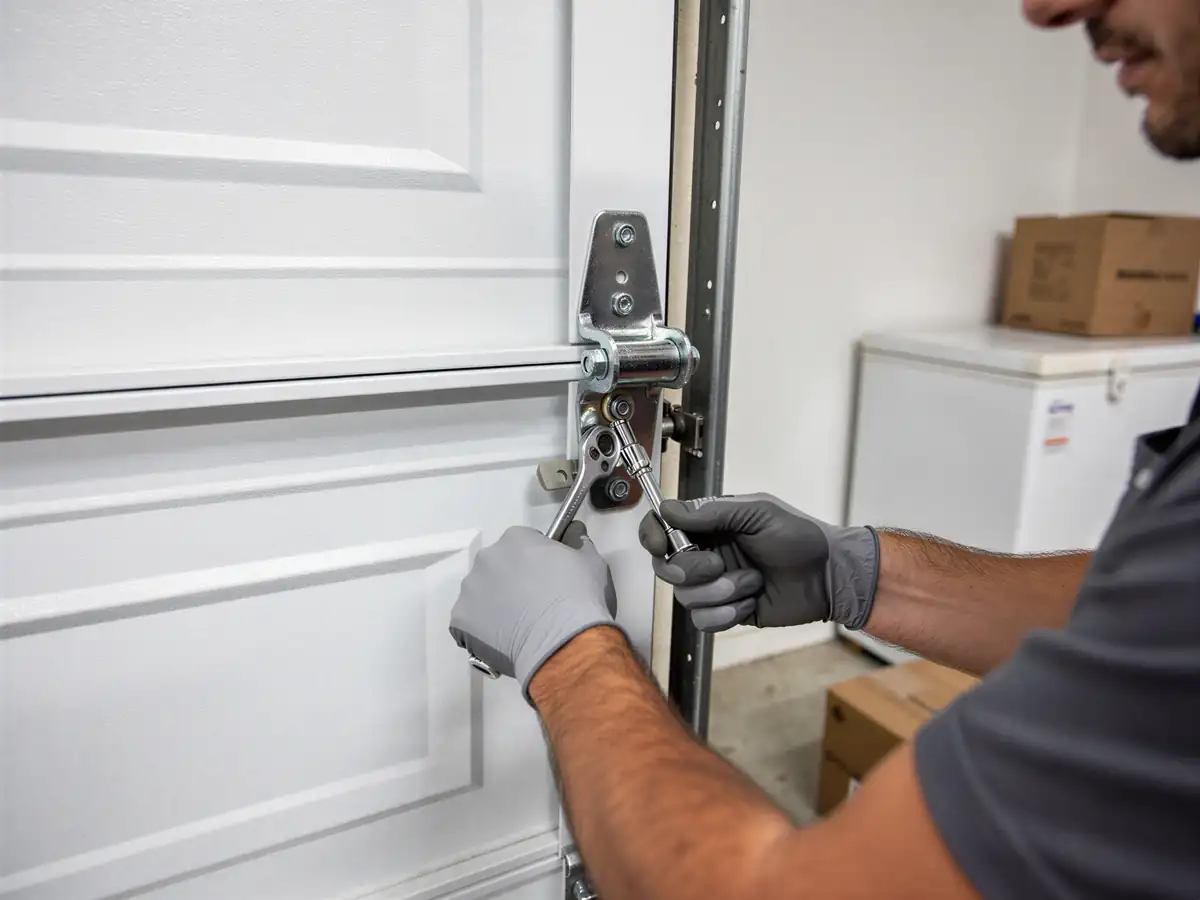
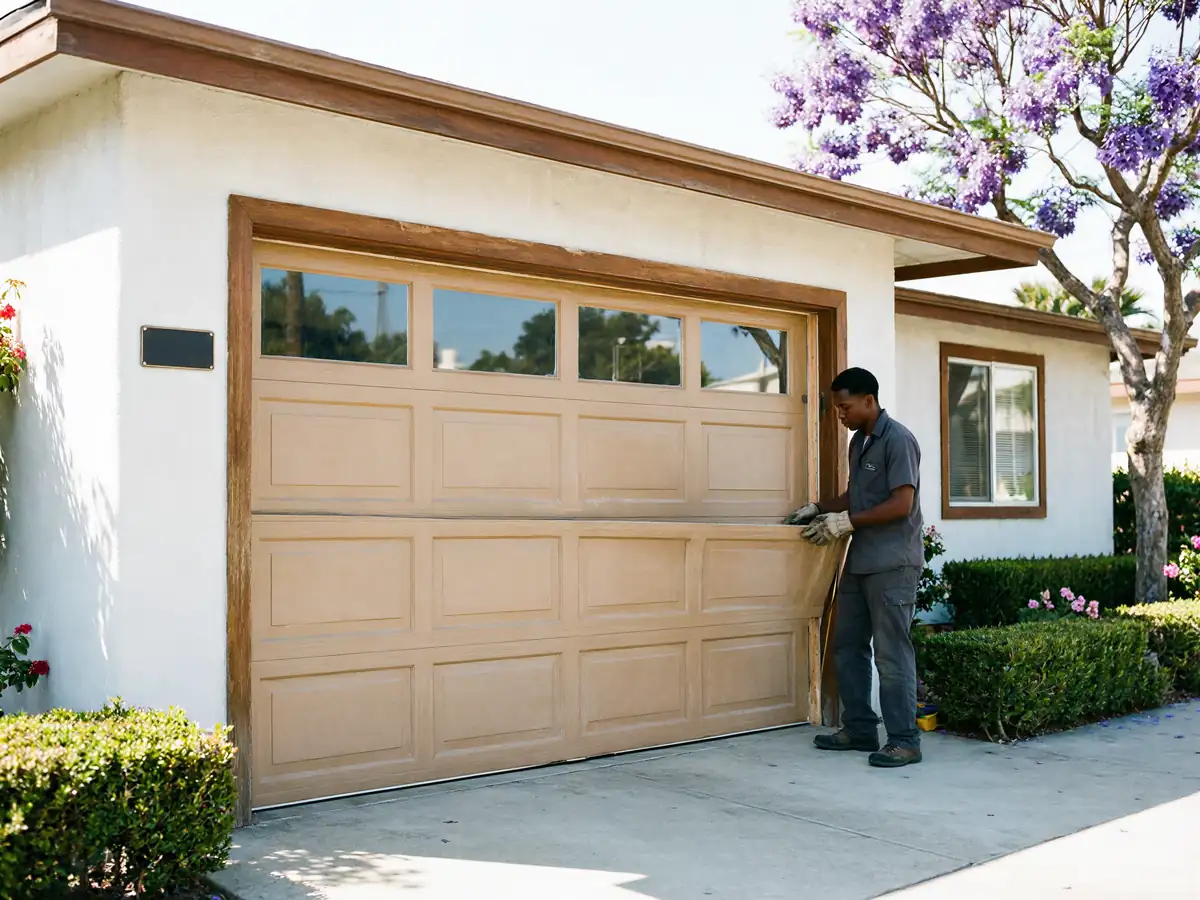
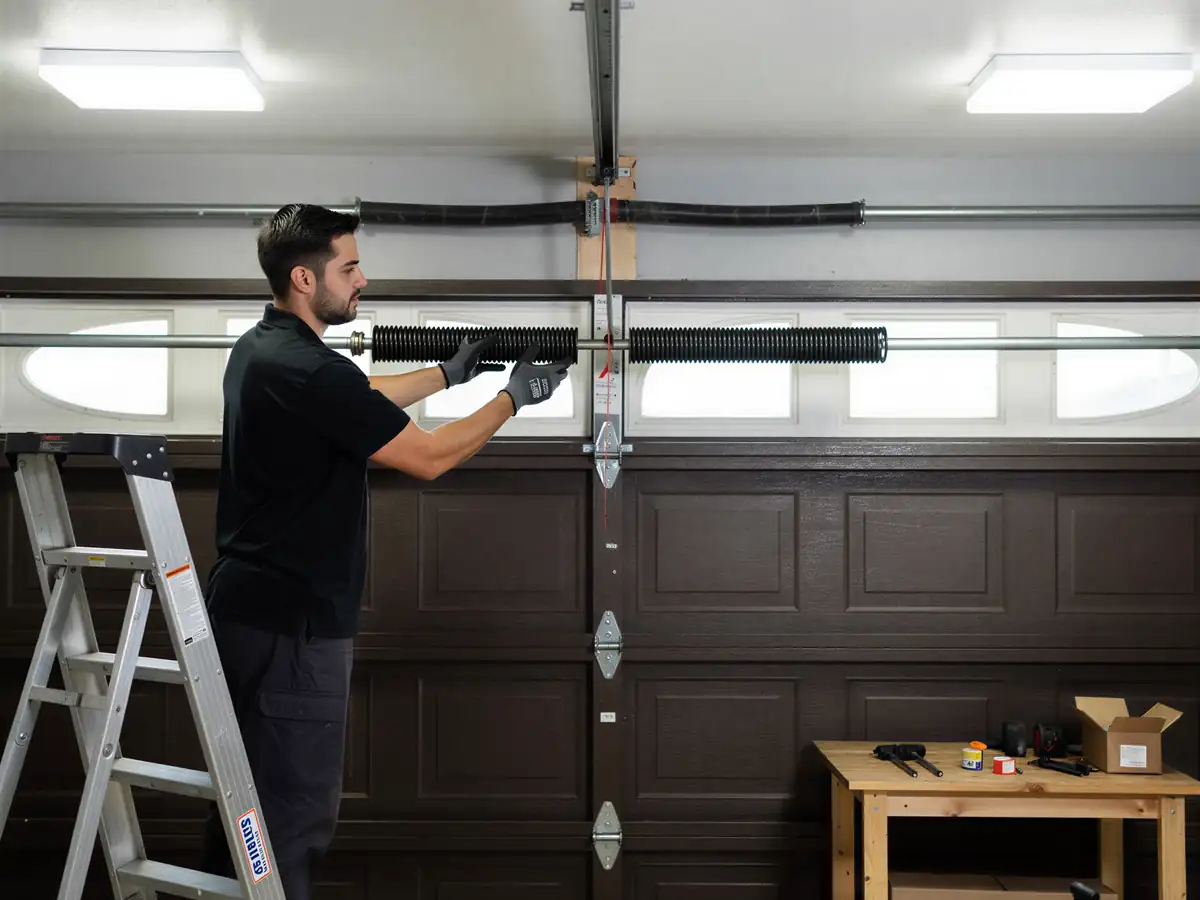
A straightforward torsion spring swap on a Granite Hills door usually runs under two hours once the truck is on site, parts in hand. That assumes a standard size spring that matches what's already on the shaft. Where it stretches longer is on the original extension-spring setups still hanging around from the 1967 build wave here - those use different drums, different safety cable routing, and sometimes a jamb bracket nobody makes anymore in the same dimensions. We carry common sizes, but if your door has been modified over the decades (a lot have, with 1,109 households in this pocket sharing roughly the same build year and the same slow trickle of DIY fixes), we may need to source a part before we can finish the same visit. We tell you that on arrival, not after we've already opened the door up. Figure half a day as the honest window if your spring setup turns out to be non-standard, and under two hours if it's a clean torsion replacement.
Can You Do This Yourself
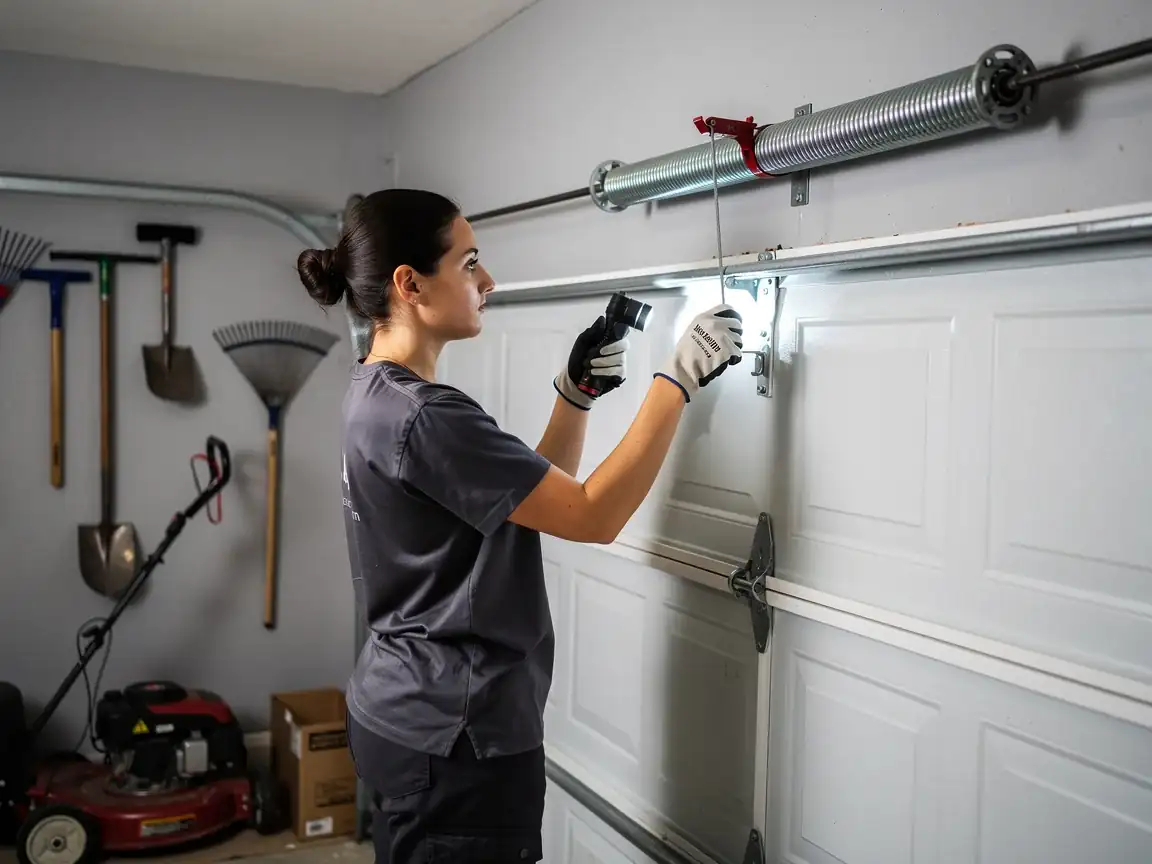
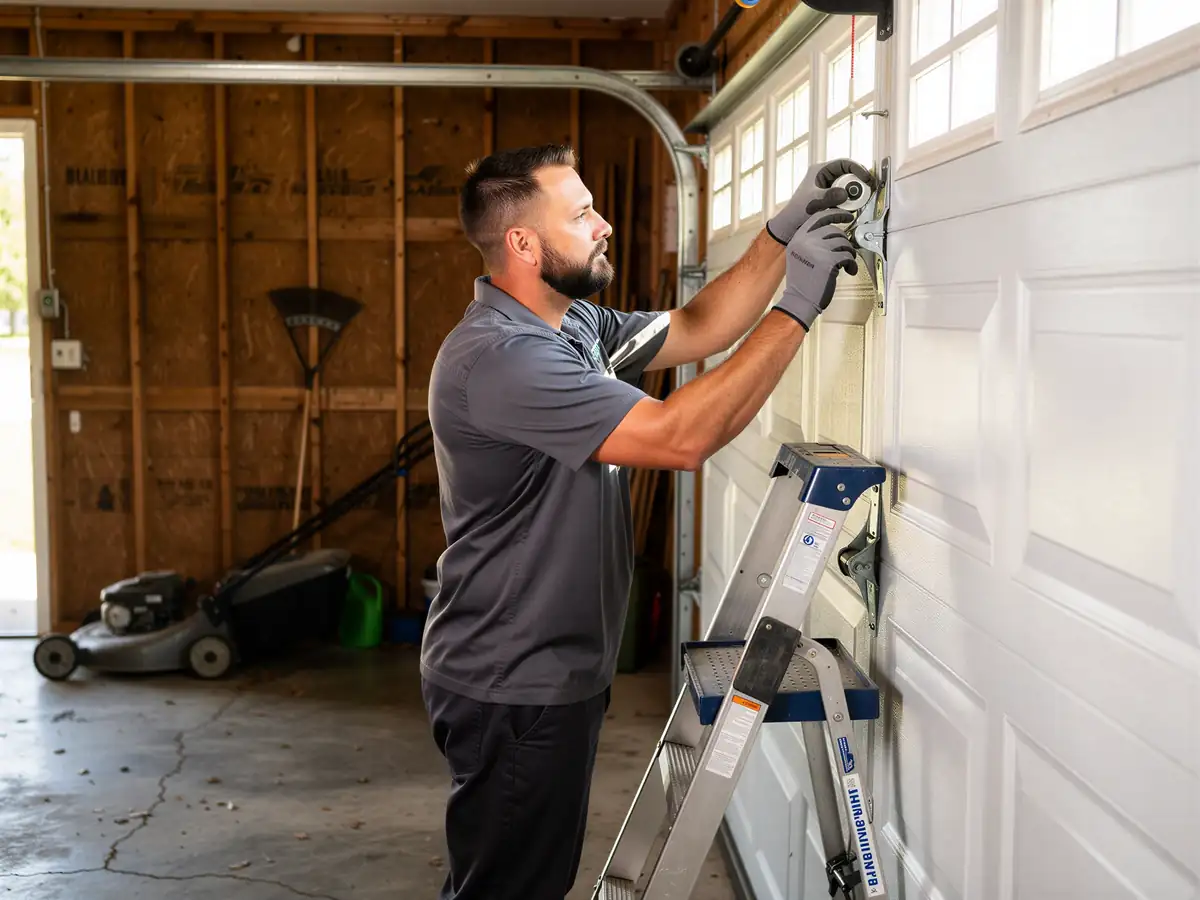
A garage door spring, torsion or extension, holds enough stored tension to break a hand or worse if it lets go while you're working on it. That's true everywhere, not just here, and it's the one piece of this job we won't walk you through over the phone. What is specific to Granite Hills: a house built around 1967 is old enough that the spring on it today is probably not the original. Somebody already replaced it once, maybe twice, and whatever they used might not match the door's current weight if panels or an opener were swapped in since. Guessing at spring size on a door with an unknown repair history is worse than guessing on a brand-new one. If you want to do some of the work yourself, lubricating hinges and rollers and checking the balance by hand (door should hold position at waist height when disconnected from the opener) are reasonable DIY tasks. The spring itself isn't.
Why It Happens Here
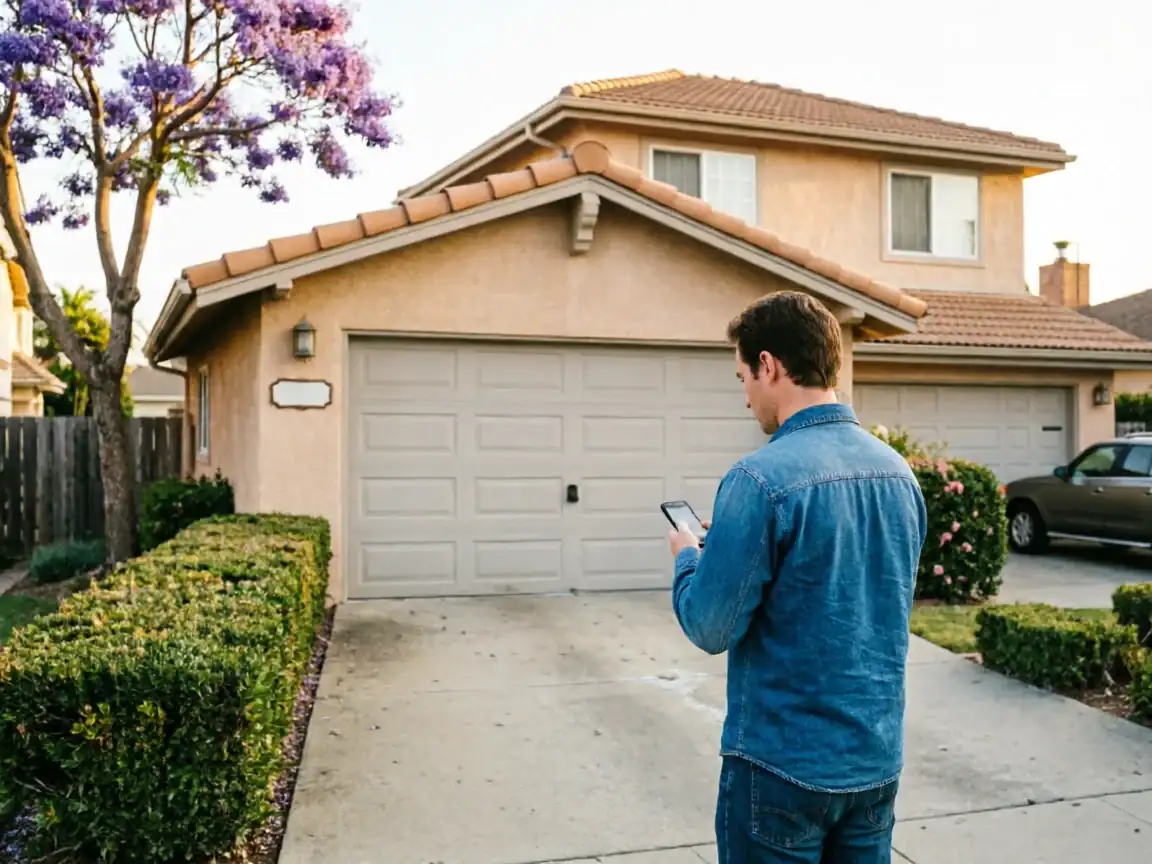
Granite Hills sits on the older end of the area's housing range - median build year 1967, which puts a lot of these doors and their hardware through close to sixty years of daily cycles. Springs are rated in cycles, not years, and a door opened twice a day for six decades adds up regardless of climate. The mild temperate conditions out here don't accelerate spring fatigue the way a harsher freeze-thaw climate would, so when a spring here fails, it's almost always plain cycle count and metal fatigue rather than weather damage. Higher household income in this pocket (median $149,938, well above the wider service area's $114,736) also means we see more requests to upgrade to a higher-cycle spring at replacement time rather than just matching what broke - worth asking about if you're already paying for the labor. We come out from El Cajon, about 3 miles down, for this work; for the general run of spring jobs across El Cajon itself, that page covers pricing and scope that applies more broadly than just this pocket.