How Long It Takes
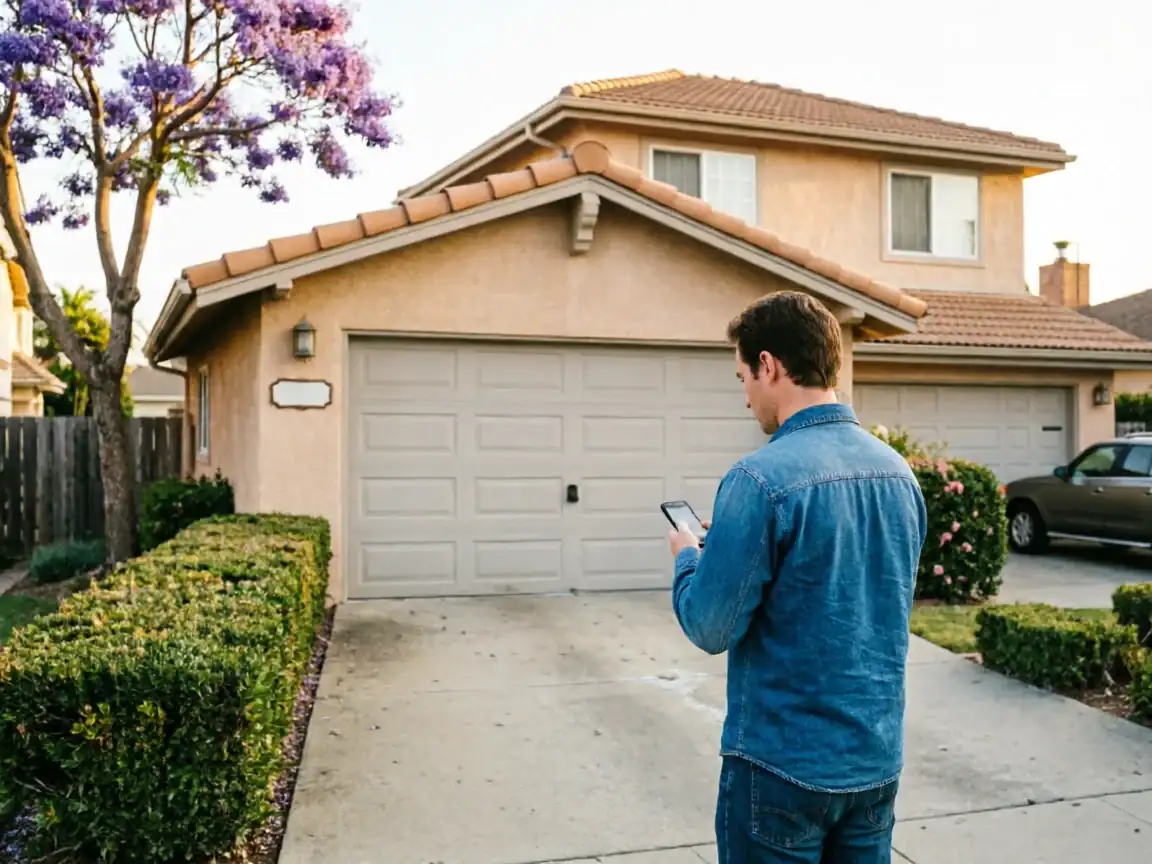
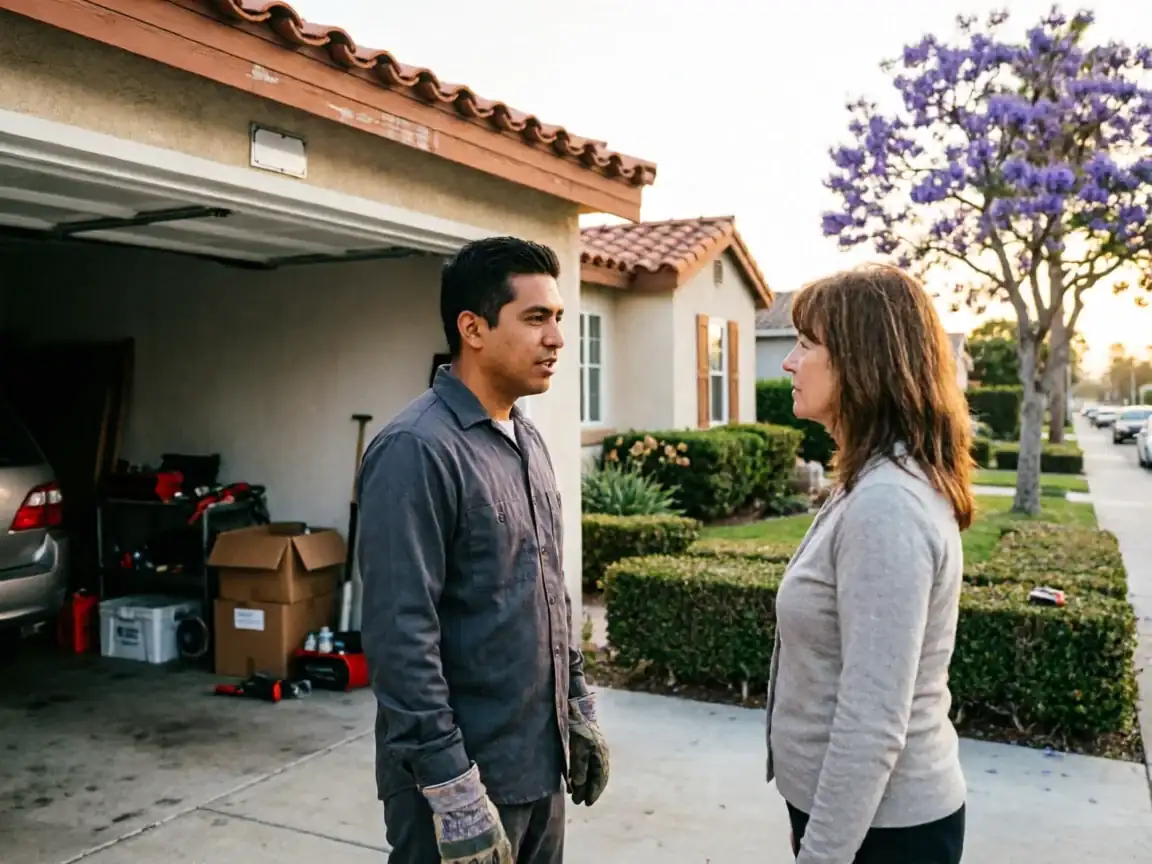
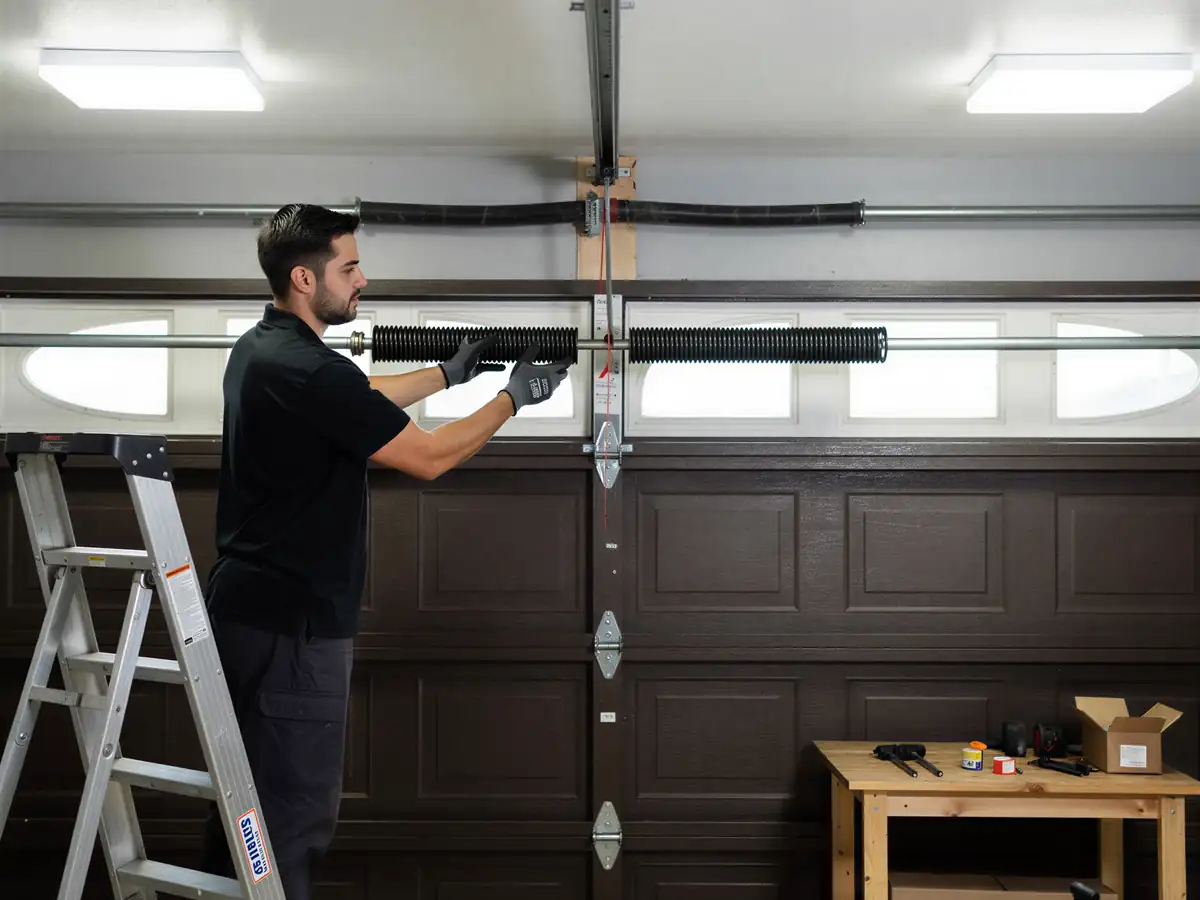
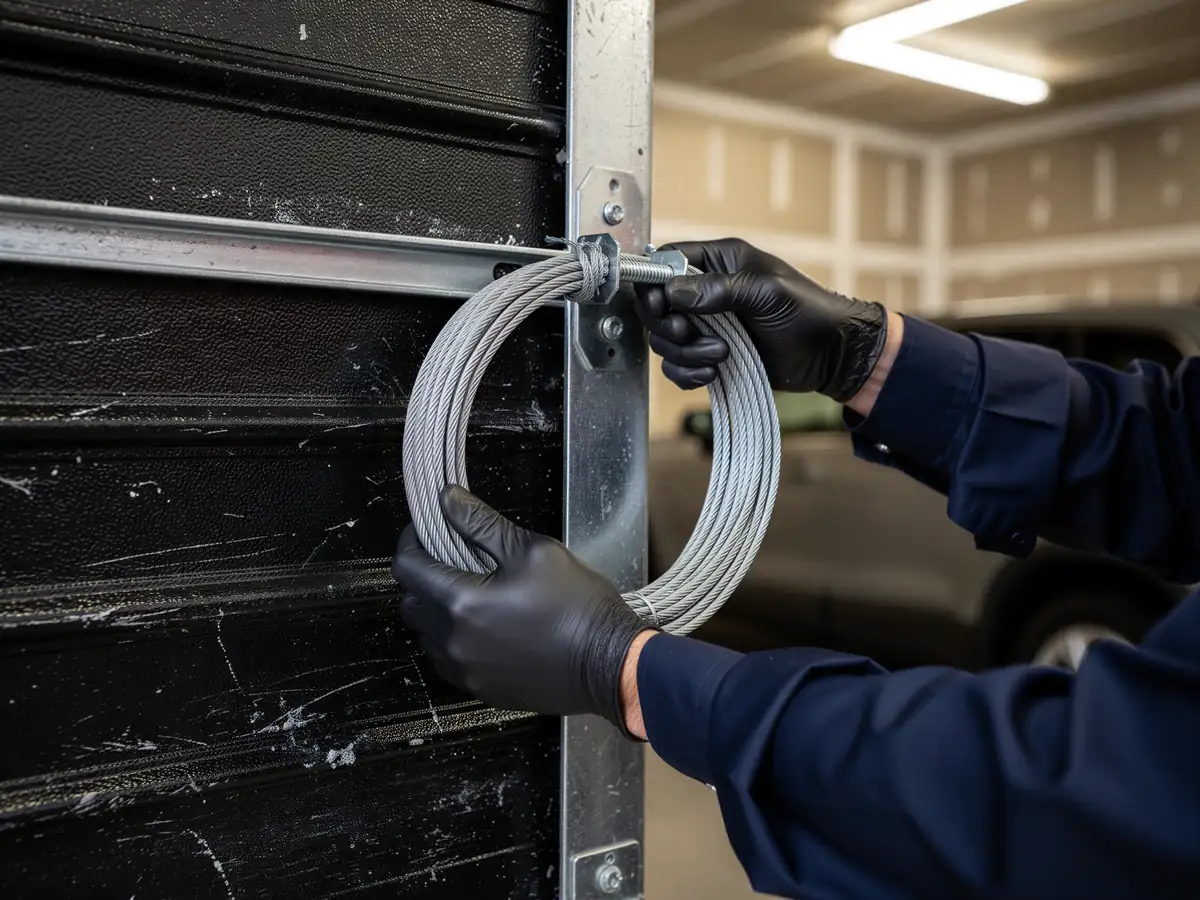
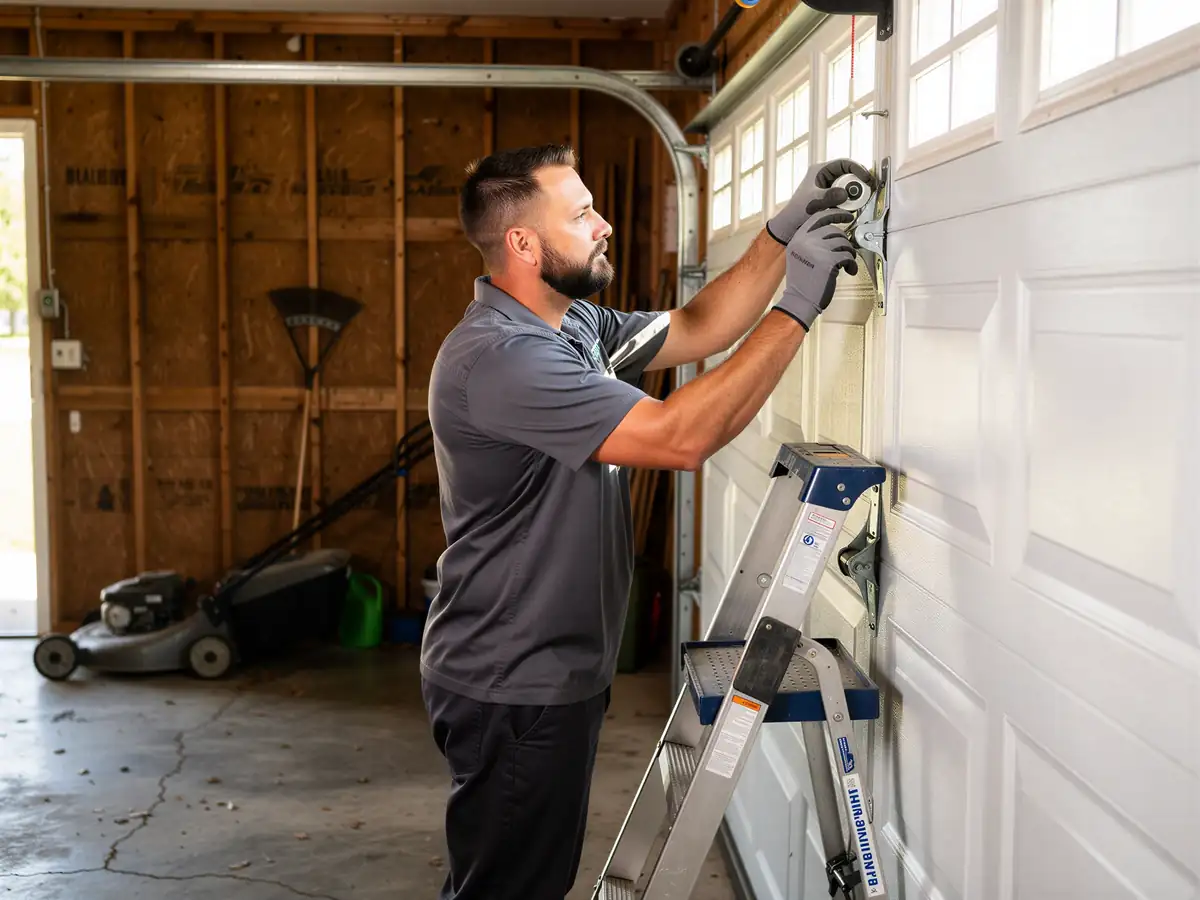
Granite Hills sits three miles from our El Cajon shop, close enough that a tech can look at a spring and still make two more calls before lunch. That distance matters more than it sounds. A three-mile run means a diagnosis call and a parts-in-hand repair can usually happen in the same visit, instead of a callback the next day because the spring size or drum width wasn't confirmed first. We load common torsion spring sizes and standard roller and cable stock on the truck before we leave El Cajon, because by the time we're pulling into a driveway in Granite Hills, there's no quick trip back for a part we guessed wrong on. On most single-spring or cable jobs, you're looking at under two hours once the truck is on site. Double-door torsion jobs with two springs run longer, especially if the drums or bearing plates are original. The short drive doesn't buy same-day guarantees - we don't promise a window here, since the company runs out of El Cajon and schedules around the whole area - but it does mean less dead time between the call and the fix once you're on the board for the day.
Can You Do This Yourself
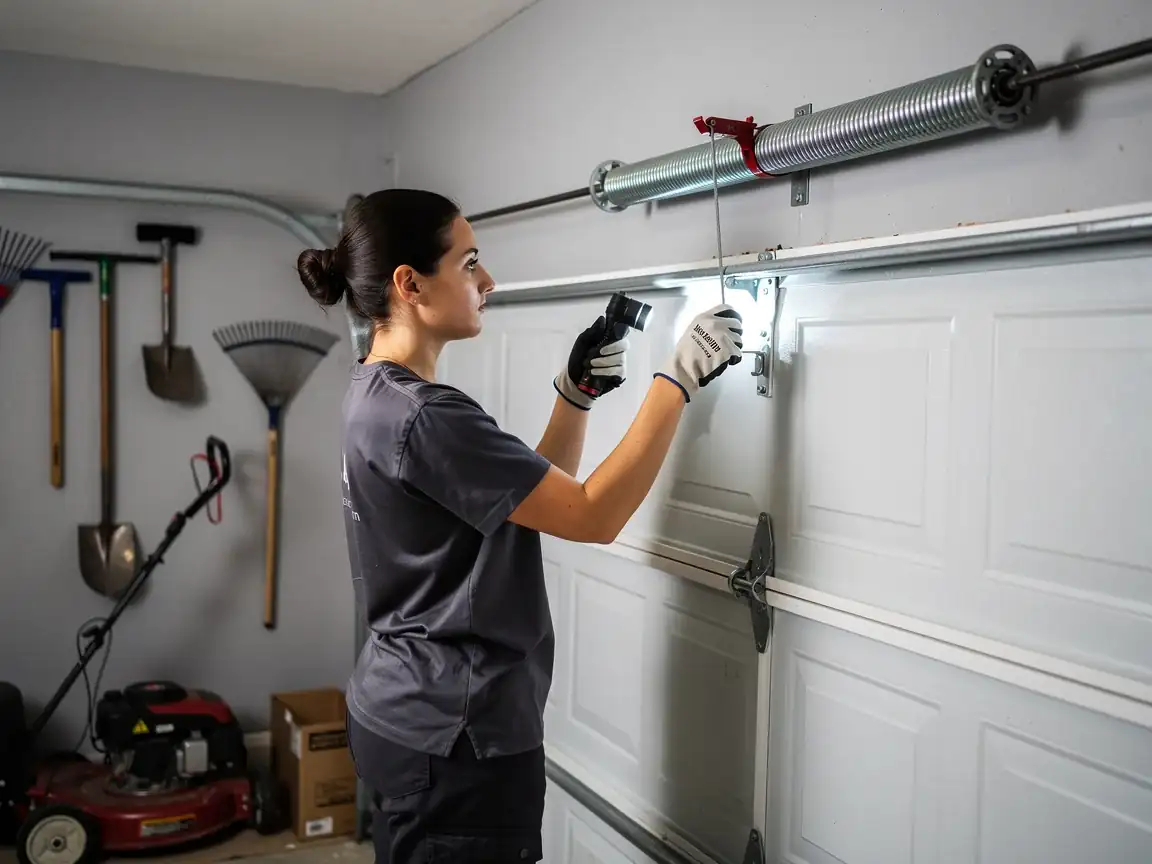
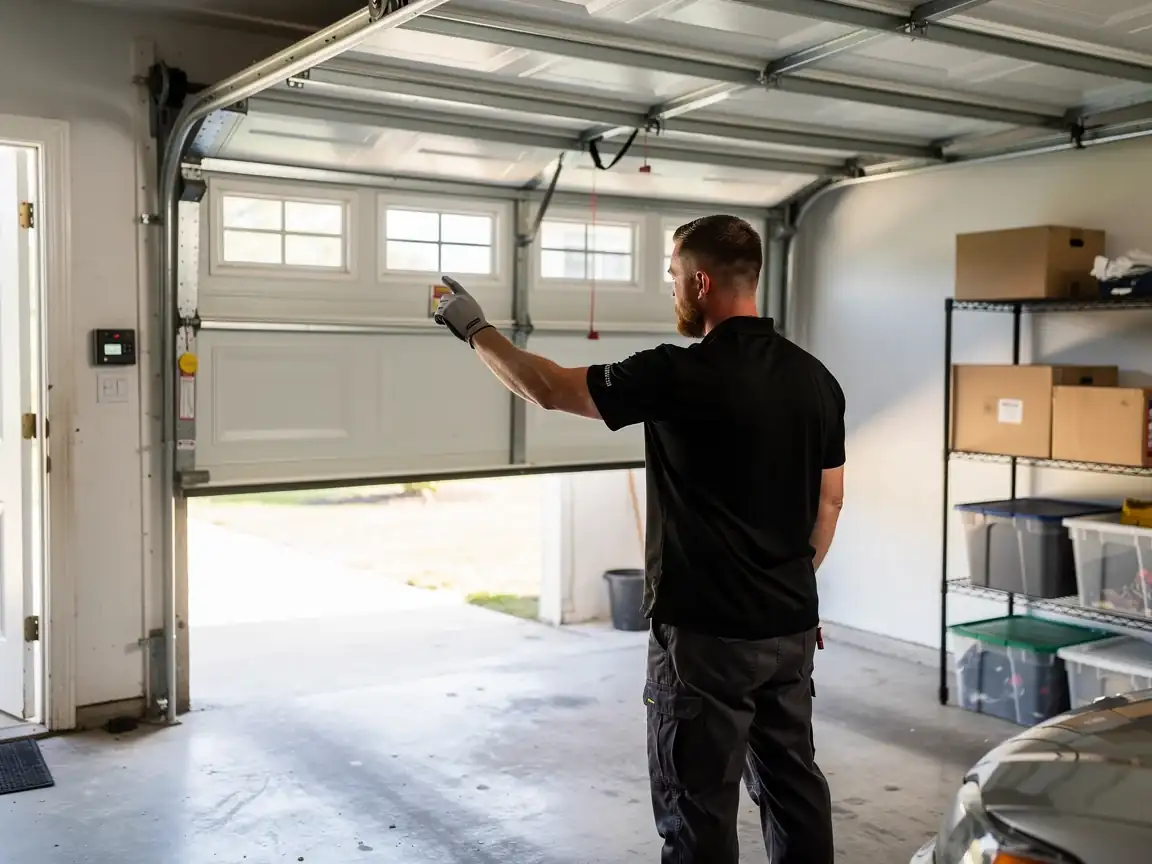
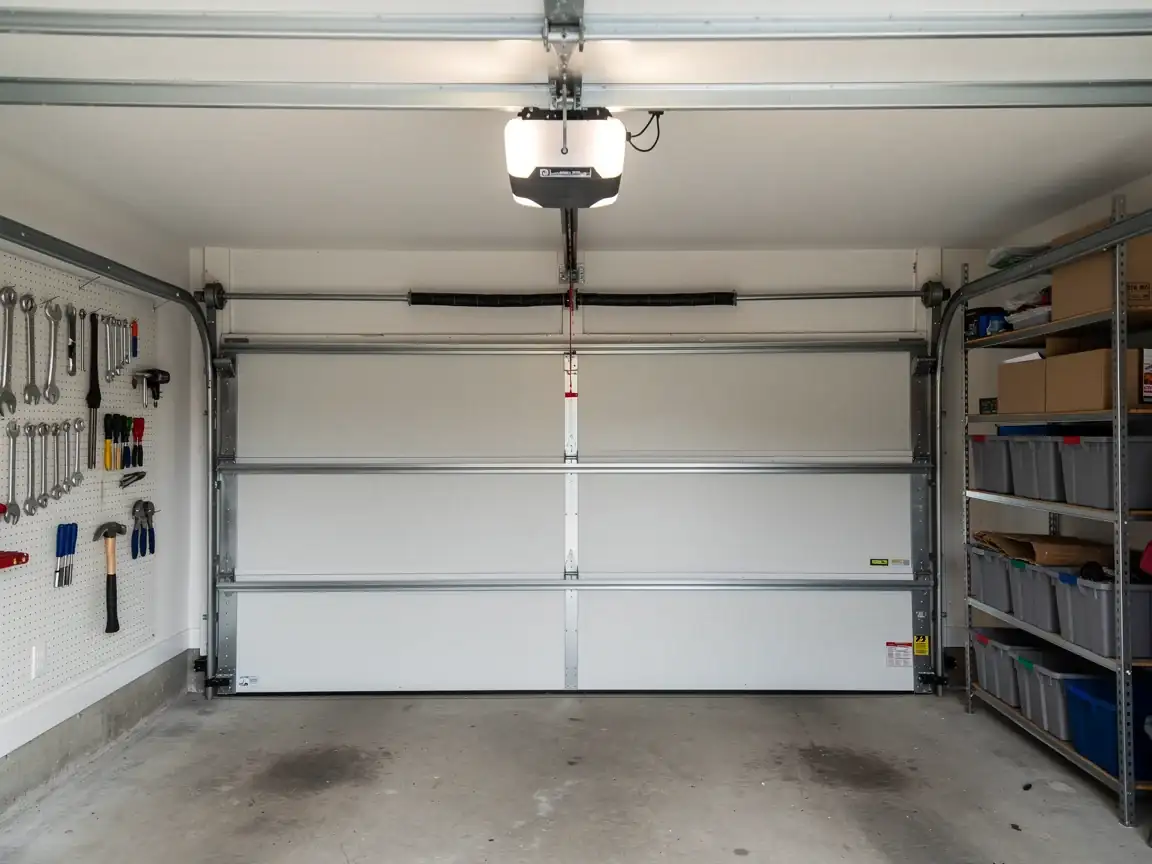
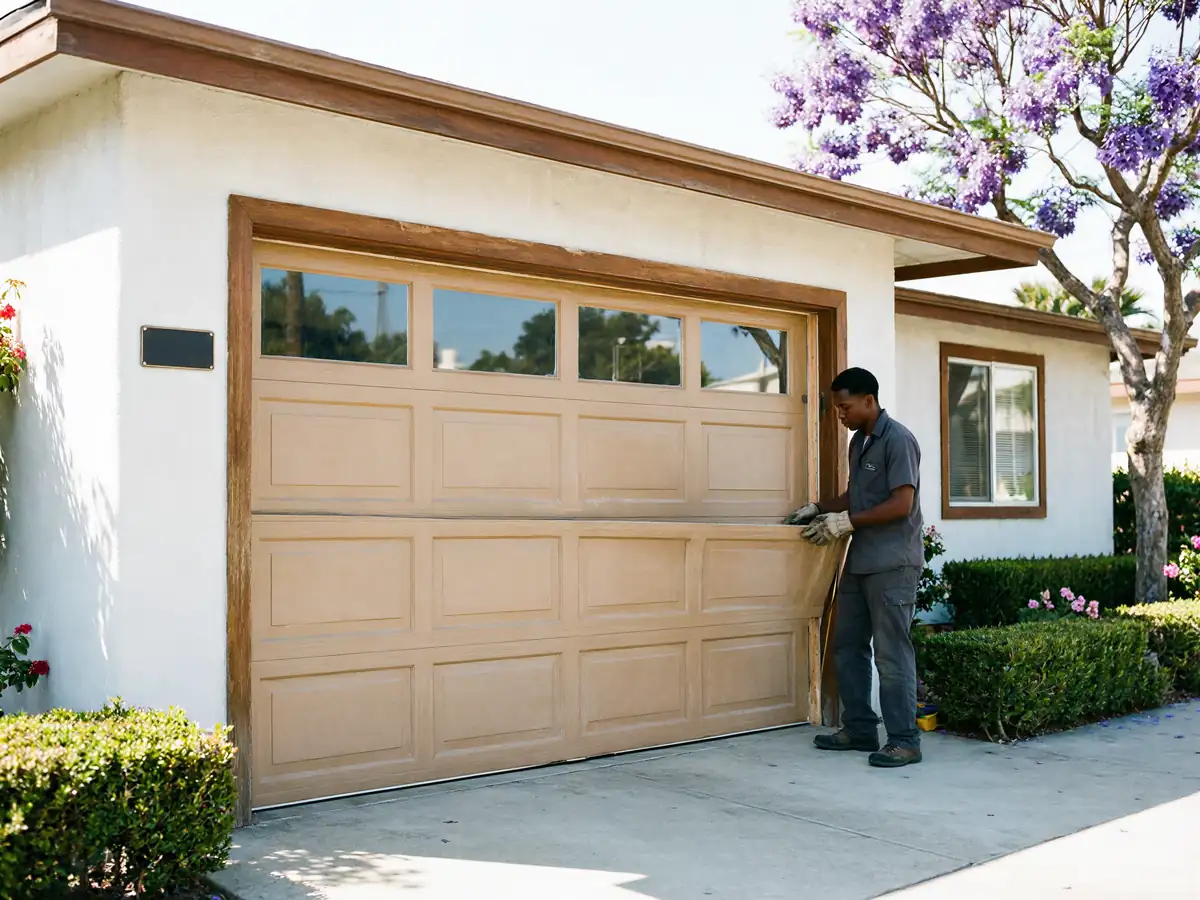
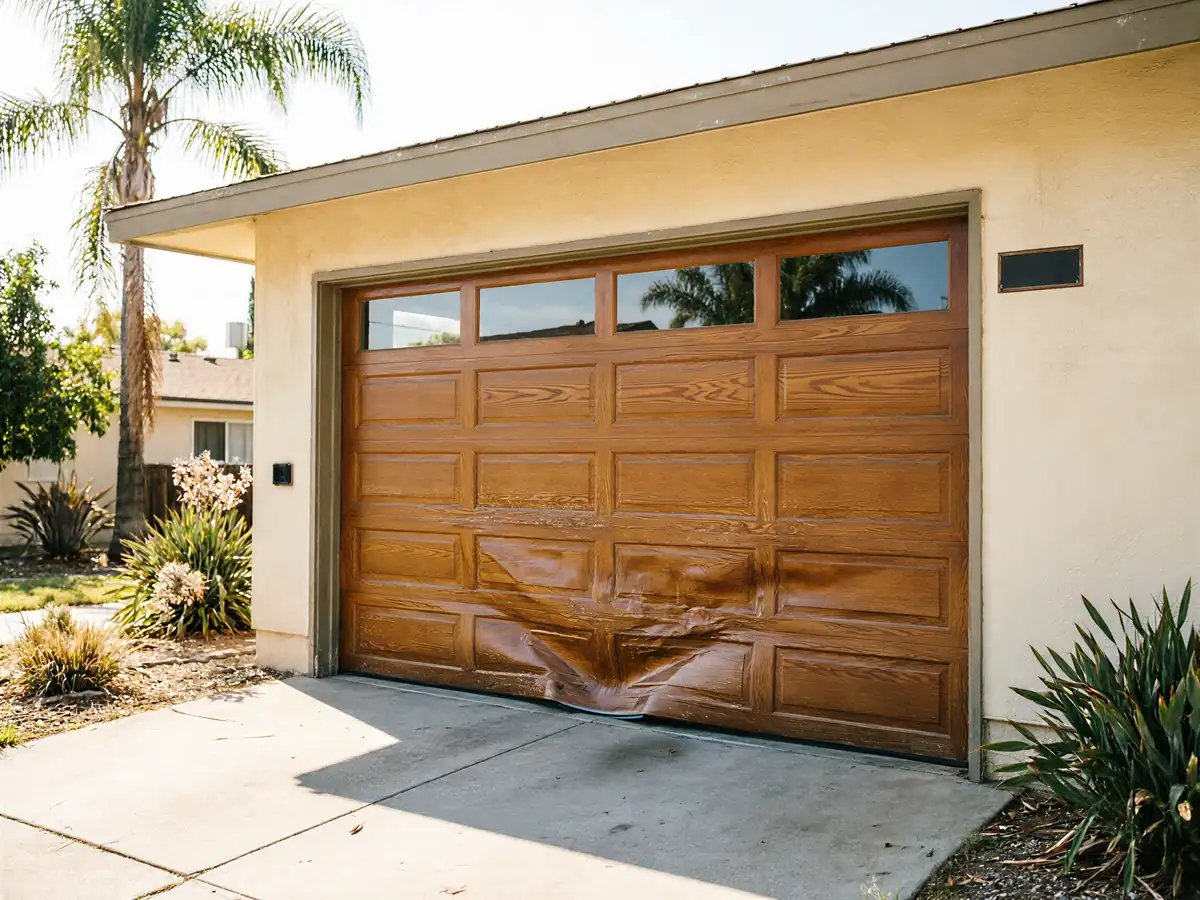
A torsion spring under tension can break a wrist or worse, and that's true whether the door is five years old or original to a 1967 build. If the issue is a broken cable, a bent track, or a door that won't budge, leave the spring alone and don't try to force the door by hand - that's how a cable snaps the rest of the way or a section pulls off its hinge. There are things worth doing yourself first: check that the opener isn't simply unplugged, check the photo-eye sensors for dust or misalignment, and look at the track for anything obviously bent before calling. If the door is 57 years old on its original torsion hardware - which plenty of houses here are, going up around 1967 - the spring wire gauge and drum size may not match anything on a hardware store shelf. That's a call-it-in job, not a weekend project. We'll say plainly: if your opener is original too, replacing it outright is usually cheaper than chasing parts for a motor that was discontinued decades ago.
Why It Happens Here
The climate band here is mild temperate, which is kinder to garage doors than a lot of the country - no deep freeze to crack seals, no humidity swings to warp wood panels. That's the good news. The bad news is that mild weather doesn't stop hardware from aging on its own schedule. A door that's been on 57-year-old torsion hardware since 1967 has outlived at least two or three openers already, and springs have a rated cycle count regardless of weather - they wear out from use, not from storms. With just 1,109 households spread across the hillside lots here, this isn't a neighborhood where one bad spring job travels through word of mouth the way it would in a denser tract, so a lot of original hardware just keeps running quietly until the day it doesn't. We see the failure pattern show up the same way almost every time: a spring that's been fine for years lets go on an ordinary Tuesday, with no storm or cold snap to blame.