How Long It Takes
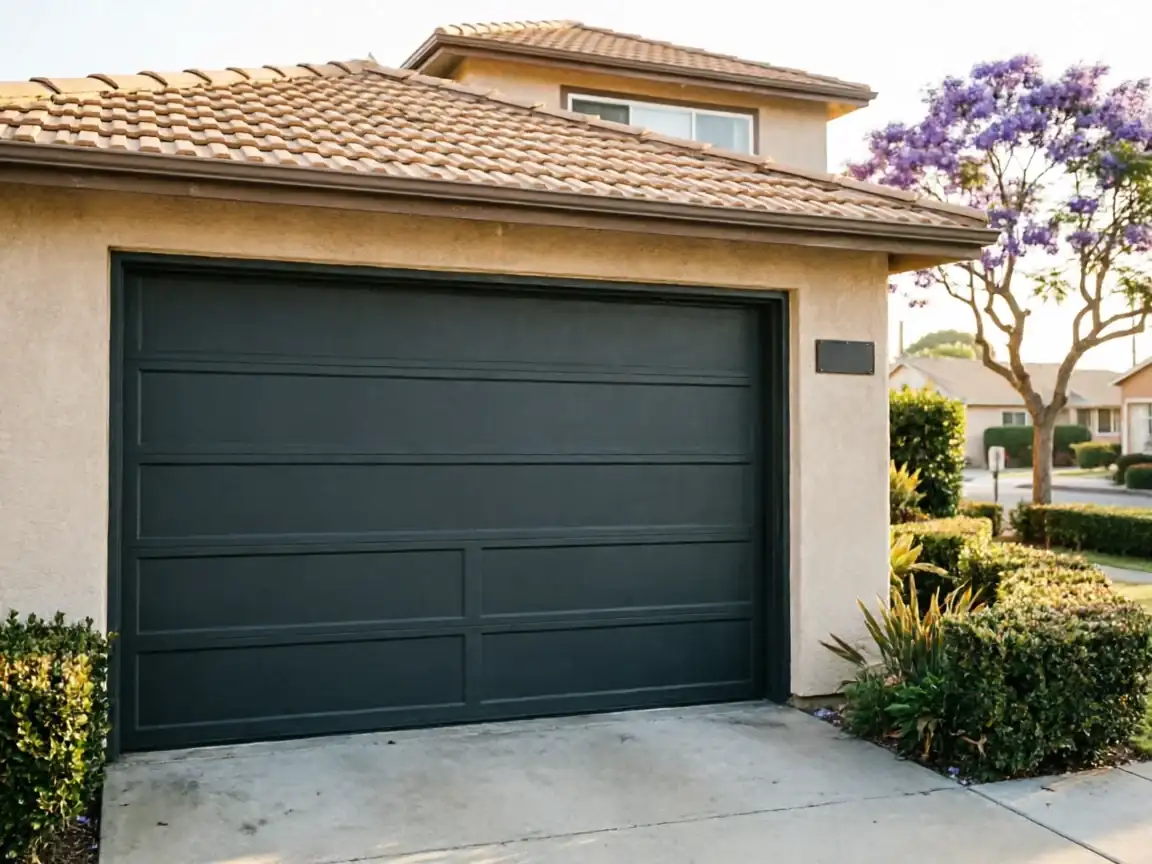
A standard tune-up on a single door runs about the same length of time anywhere, but Granite Hills jobs tend to run long for a specific reason: the houses here were built around 1967, a few years ahead of the 1967-1992 range that covers most of the service area, and that earlier build year means more of the original hardware is still on the door. Lift cables, hinges, and the roller track itself are often the factory parts, not a replacement set from a prior repair. That adds time to inspection, because we're checking fifty-five-plus-year-old steel instead of something swapped out in the last decade.
With 1,109 households in Granite Hills, this isn't a huge tract, but it's a consistent one - the age of the housing stock doesn't vary block to block the way it might in a neighborhood built in stages over twenty years. If your door hasn't been serviced since it was installed, plan on a longer first visit so we can get a full picture of what's original and what's been patched. After that, a maintenance visit moves at a normal pace.
Can You Do This Yourself
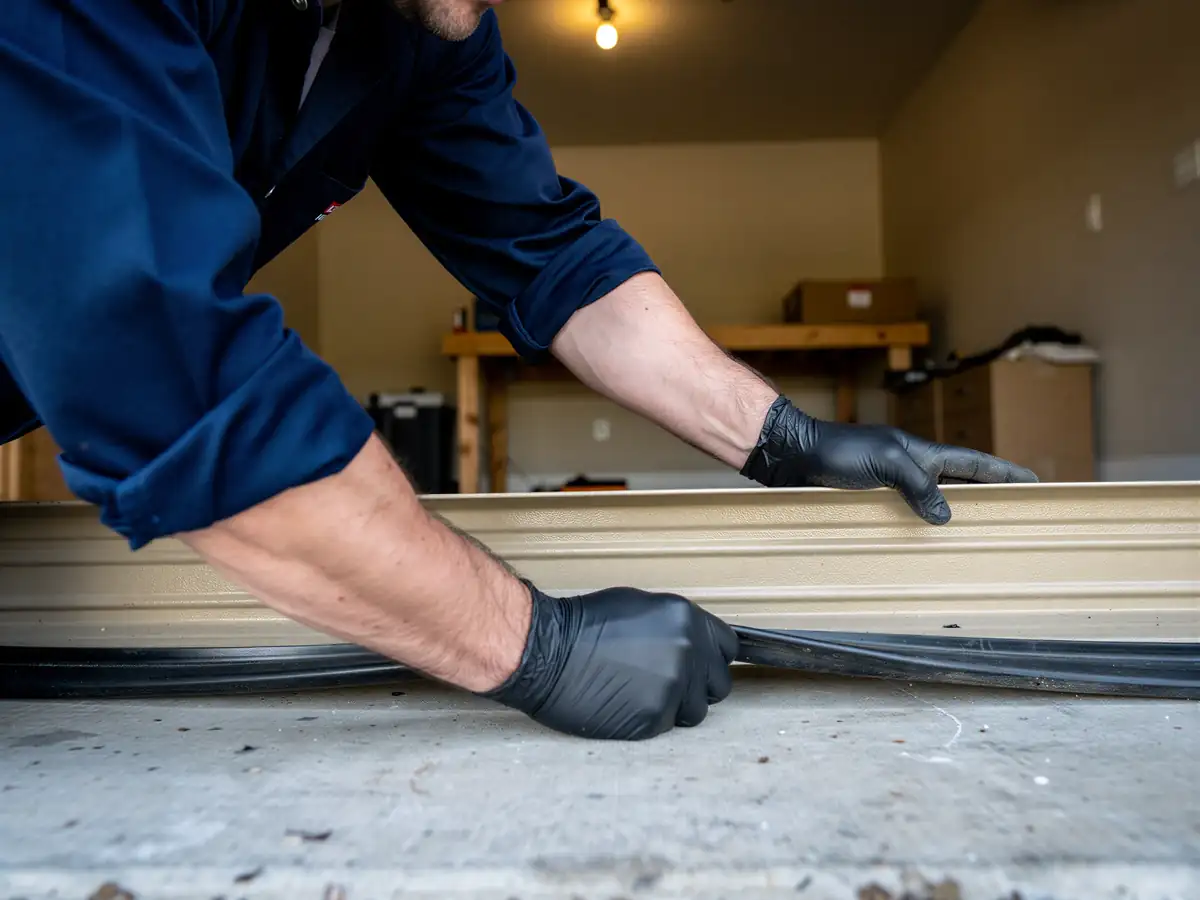
Some of it, yes. Lubricating rollers and hinges, clearing the track of leaves and dust, and checking that the weatherstripping along the bottom panel is still sealing are all homeowner-level tasks, and the mild temperate climate here doesn't punish a door the way freeze-thaw or heavy humidity would elsewhere - you're not fighting rust the same way a colder climate forces.
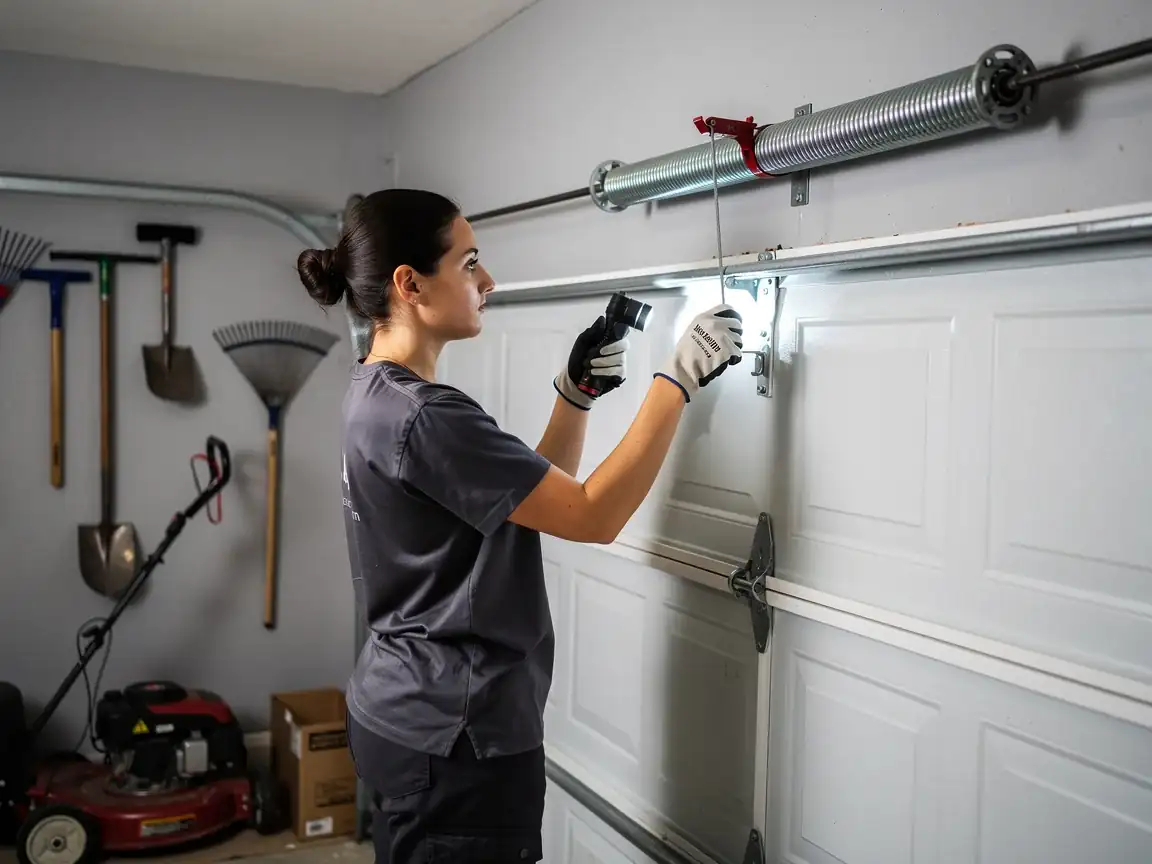
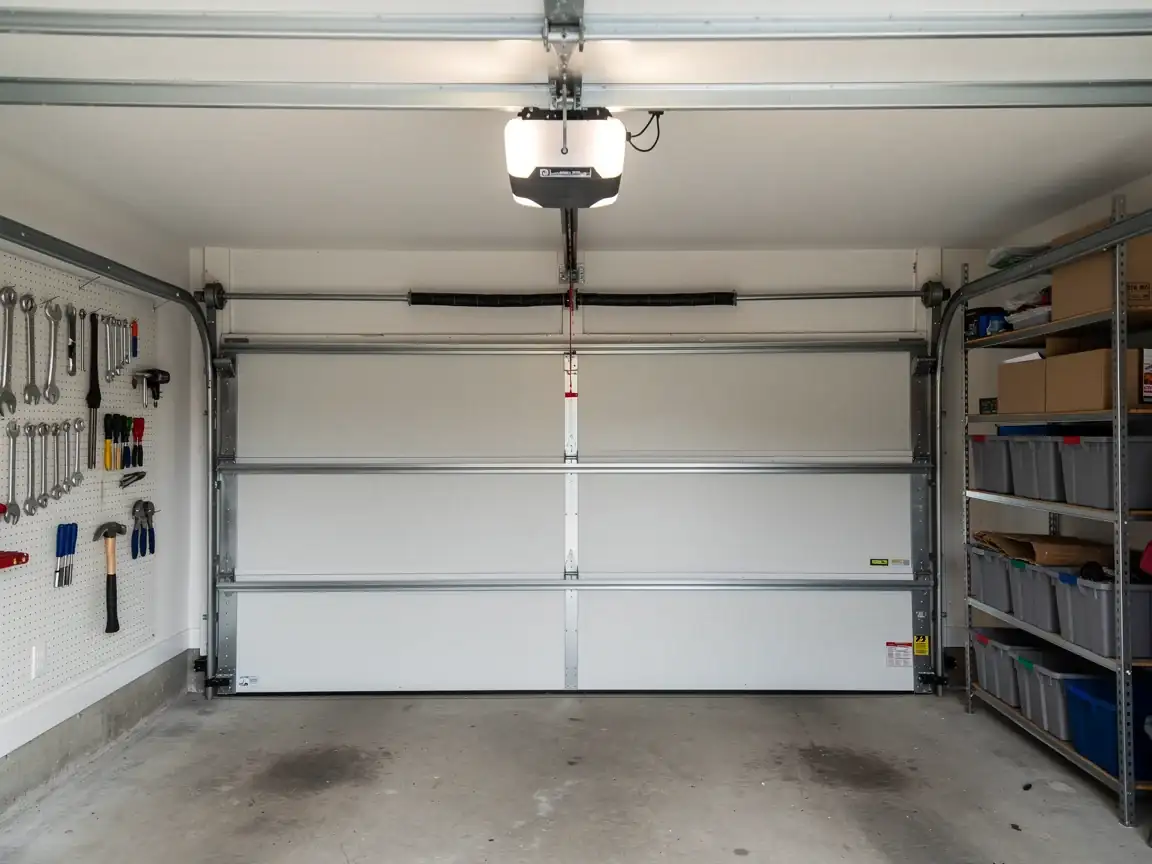
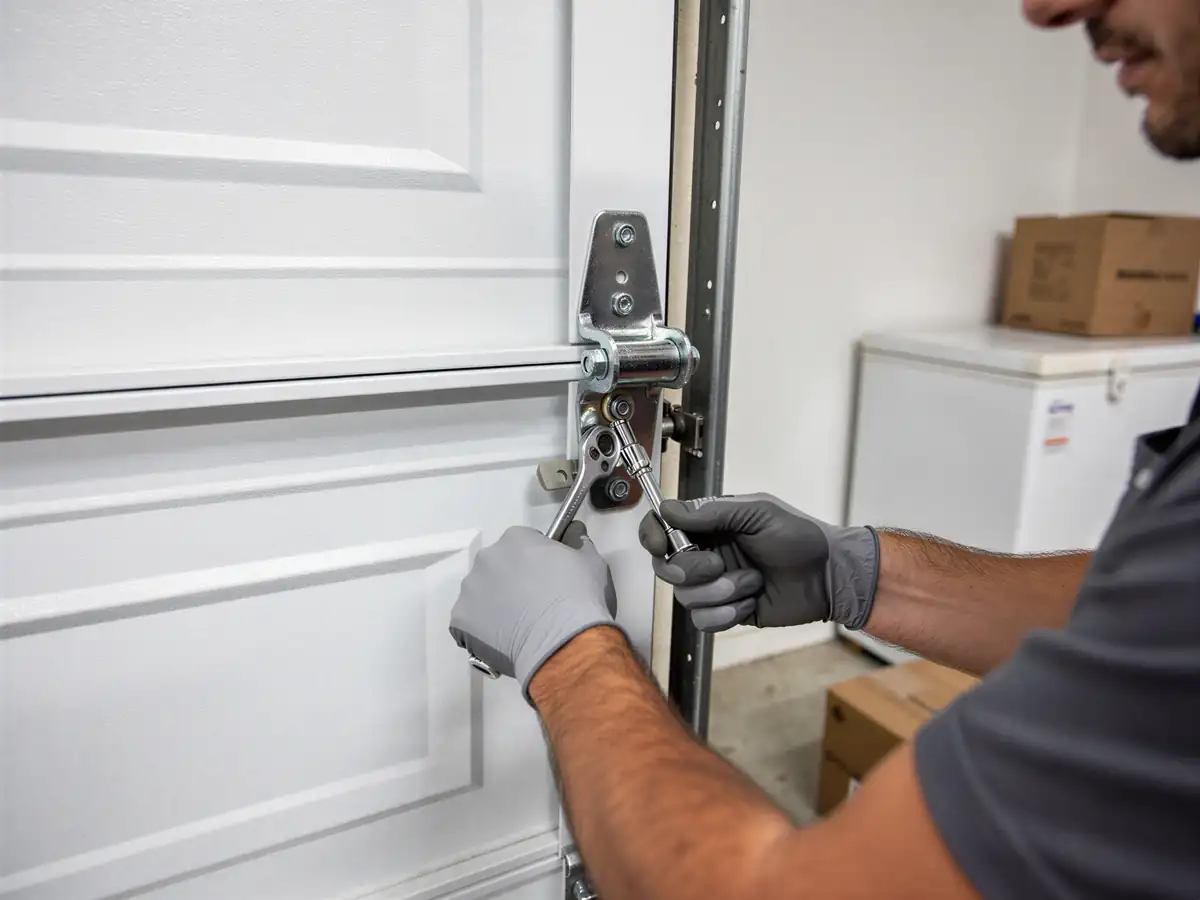
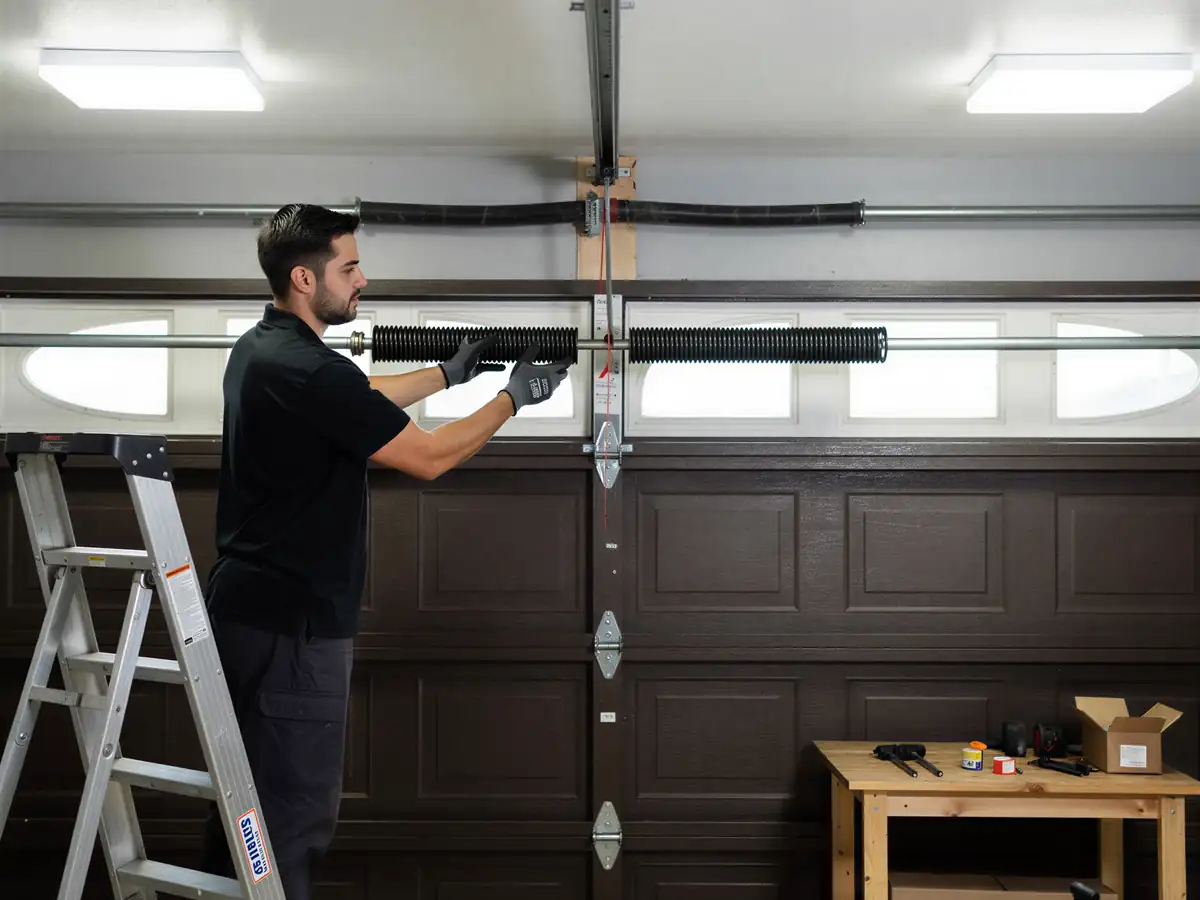
What you shouldn't touch is the torsion spring or anything under tension. On a door this age, the spring has likely been wound and re-wound through decades of temperature swings, and a spring that looks fine can let go without warning. If your door is original to a 1967-built house, assume the spring is original too unless you have a record otherwise, and treat it as something to have checked rather than adjusted yourself.
Where This Job Goes Sideways
The most common mistake we see on Granite Hills doors is a homeowner lubricating the track and rollers but skipping the hardware that actually holds the door up
The torsion spring's end bearings and the cable drums. On a door built around 1967, those parts have outlived several owners of the house, and surface rust on a bearing plate can hide a shaft that's wearing unevenly. Spraying lubricant on the visible parts and calling it done can mask a problem instead of catching it.
The other place it goes wrong is assuming a tune-up will fix a door that's actually at the end of its service life
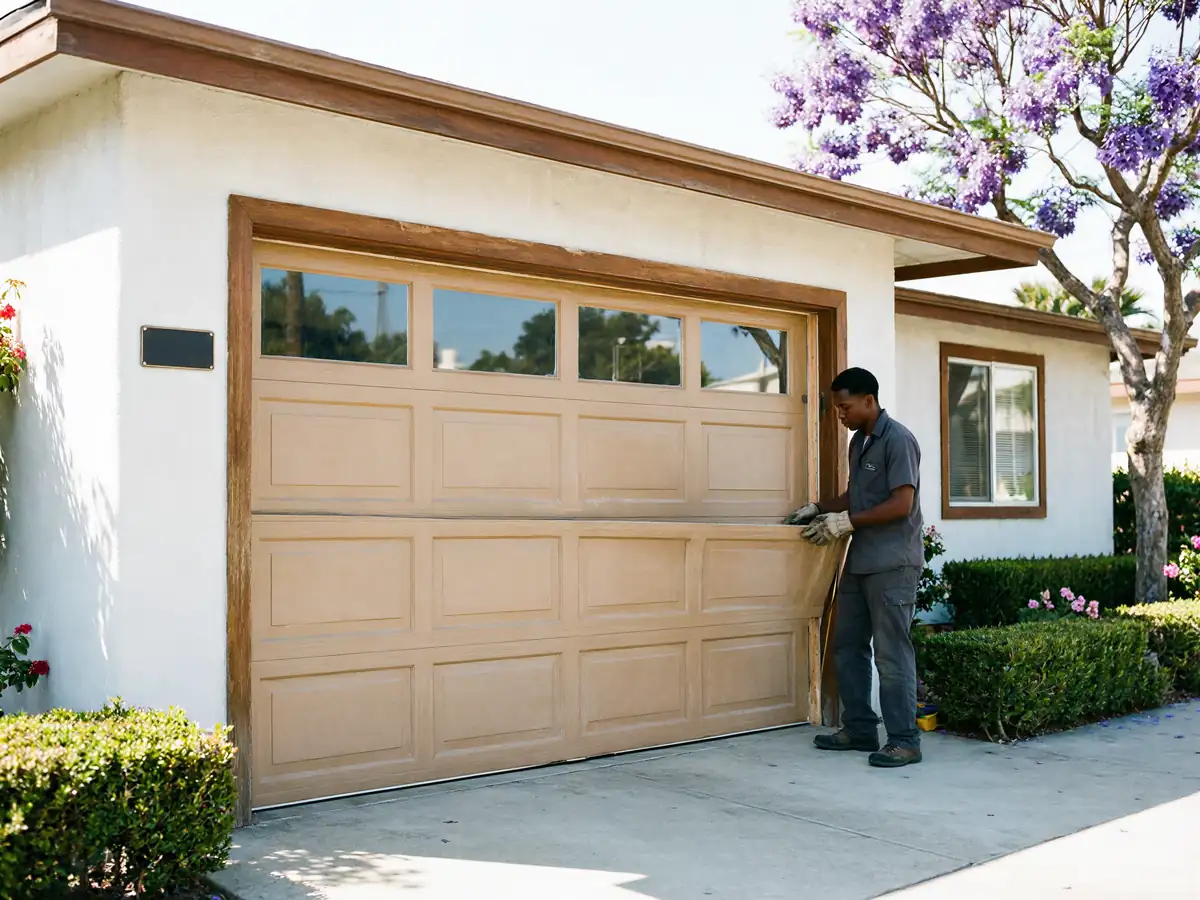
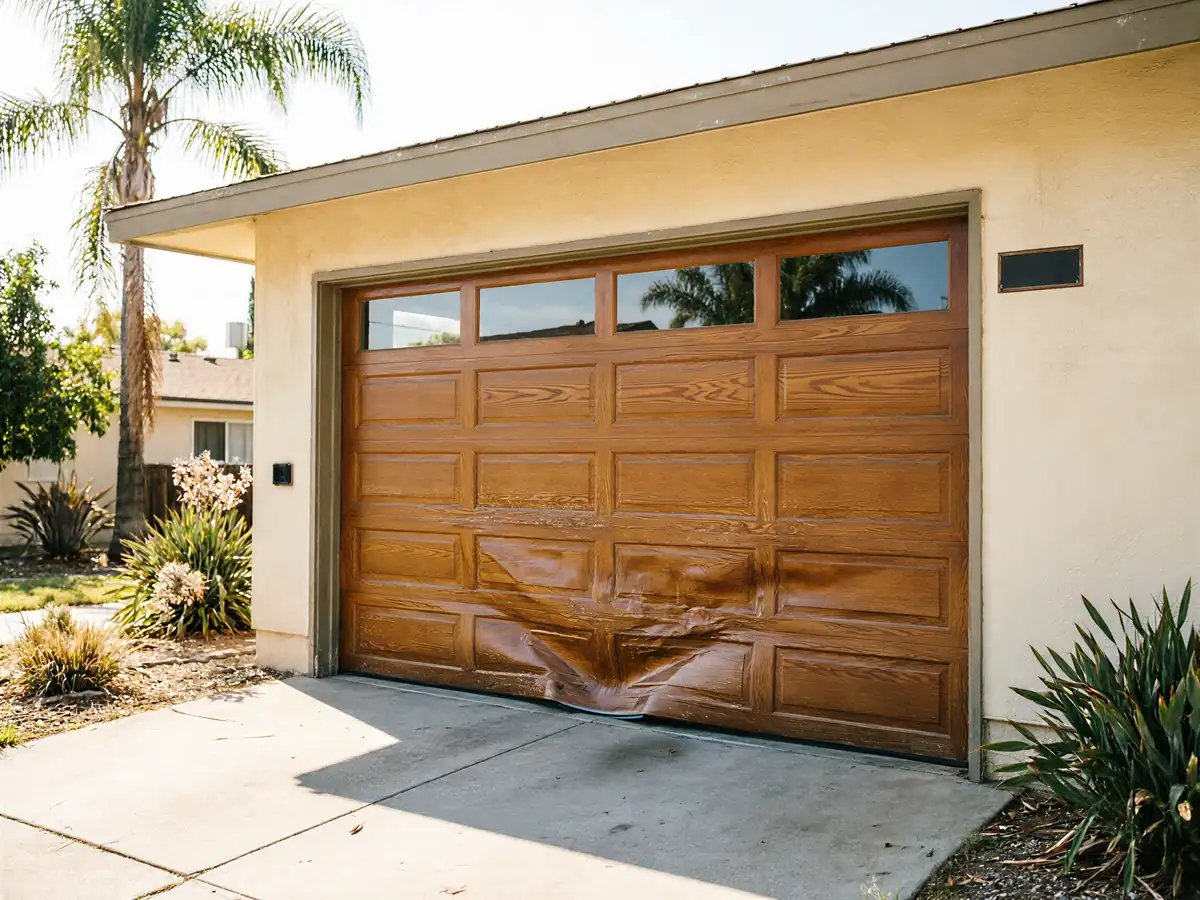
If the panels are original steel from 1967, warped sections or a sagging bottom corner usually aren't something a maintenance visit resolves - that's a repair or replacement conversation, and we'll tell you straight if that's where you are rather than running up a maintenance bill on a door that needs more.
Why It Happens Here
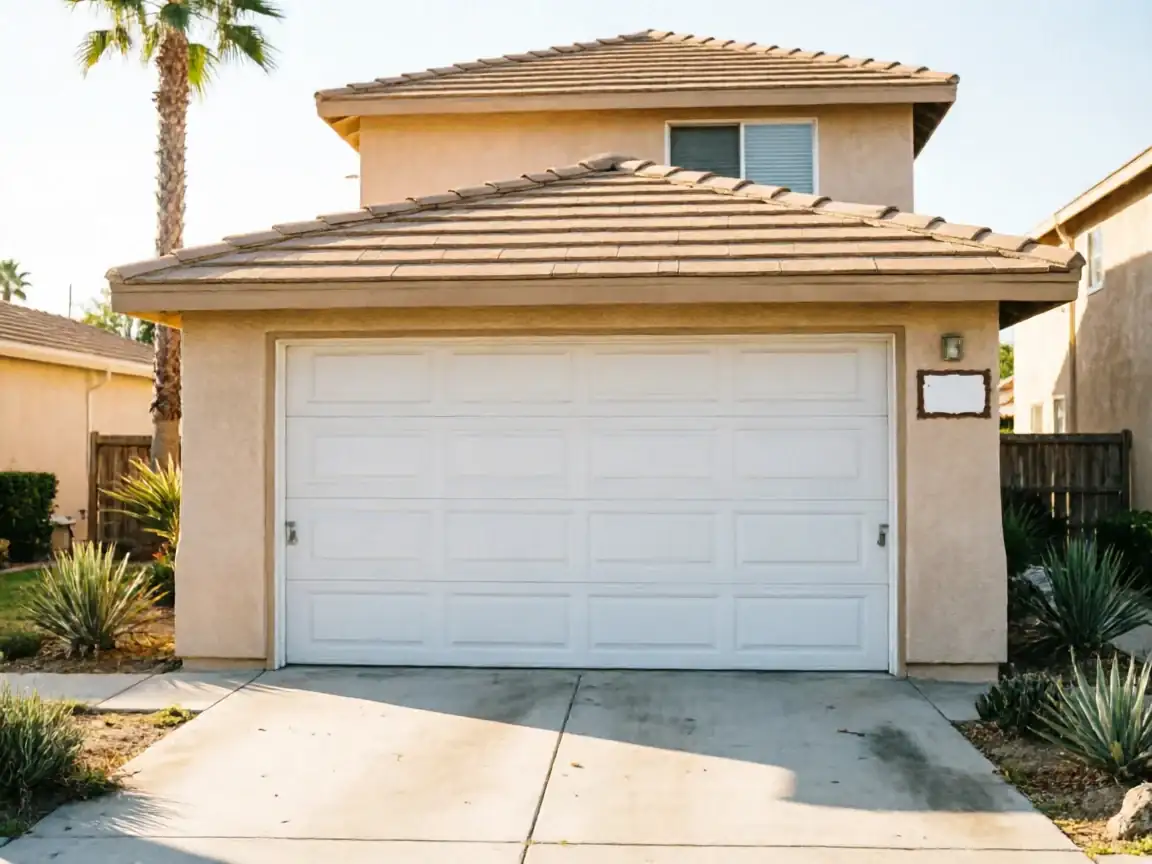
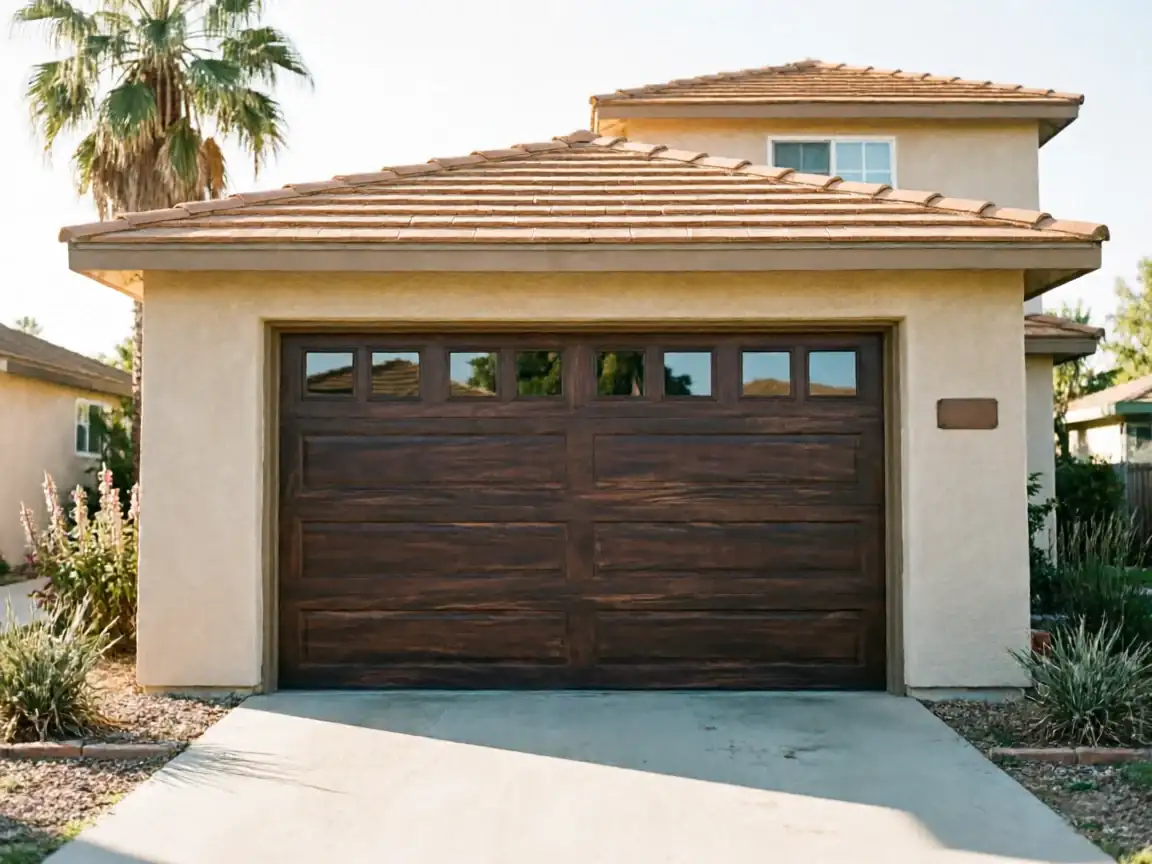
Granite Hills sits about three miles from El Cajon, close enough that we're out there regularly, but the reason maintenance looks different here comes down to when the neighborhood was built. A median year of 1967 puts this area at the early edge of the broader 1967-1992 housing range we work across, and across those 22 named areas, Granite Hills is one of the older pockets rather than a newer one.
That earlier build year means original torsion hardware, older opener mounts, and in some cases doors that have never had a full spring replacement. The mild temperate climate here is forgiving on rust and warping compared to harsher regions, which is part of why so much original hardware has survived this long - but survived isn't the same as sound. A door that's gone fifty-plus years without a real inspection is due for one, regardless of how good the weather's been to it.