The Symptom
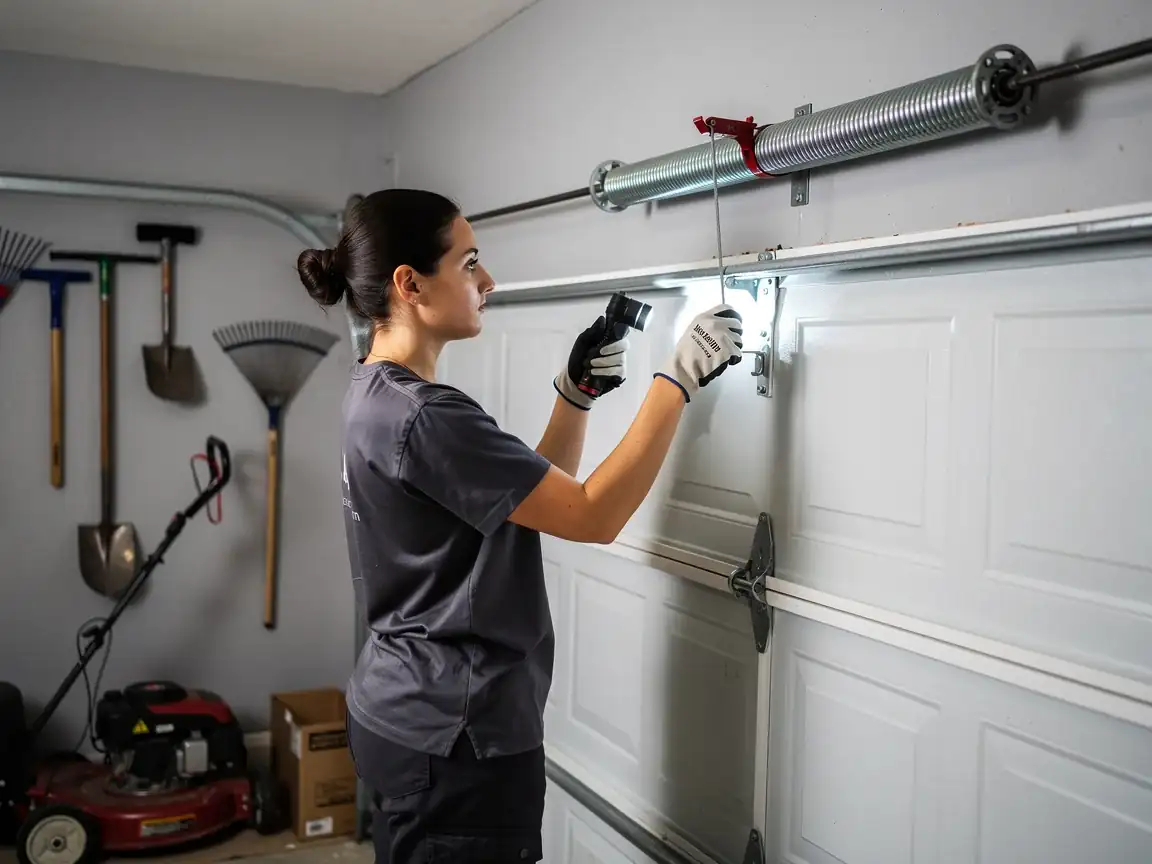
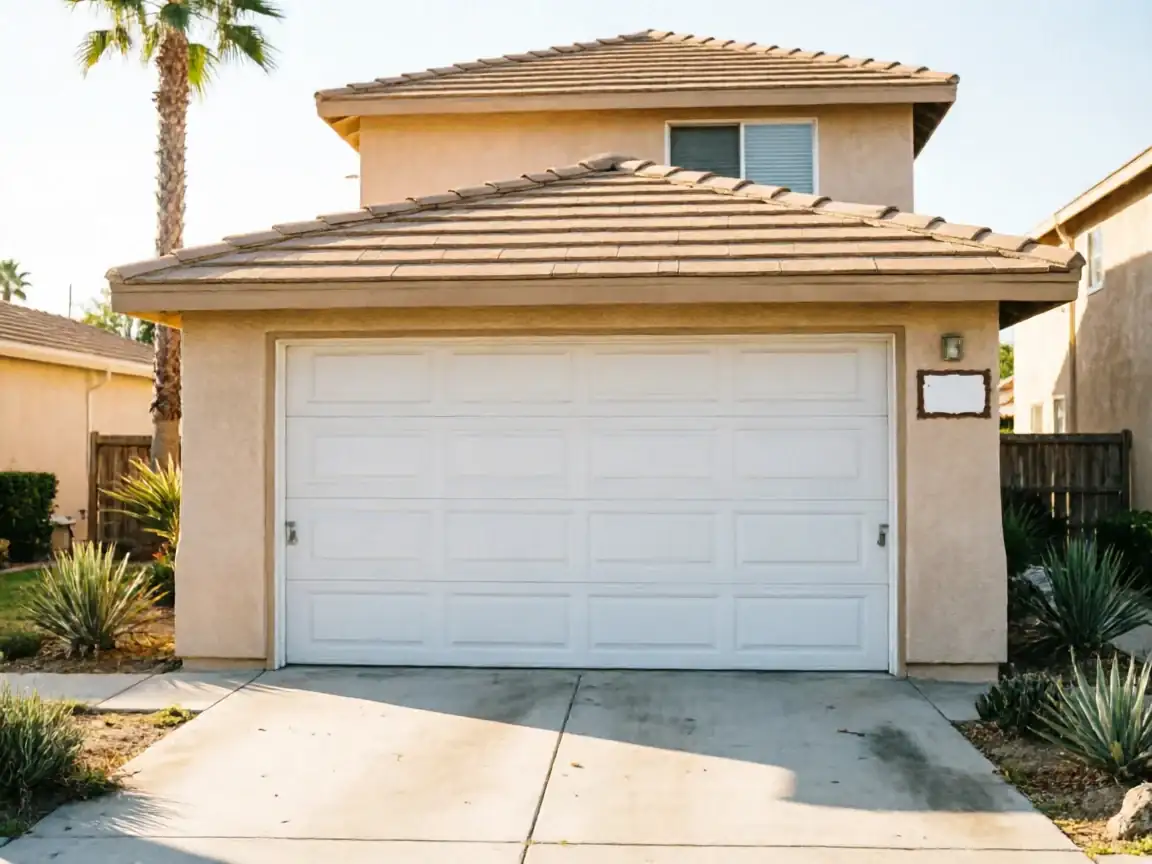
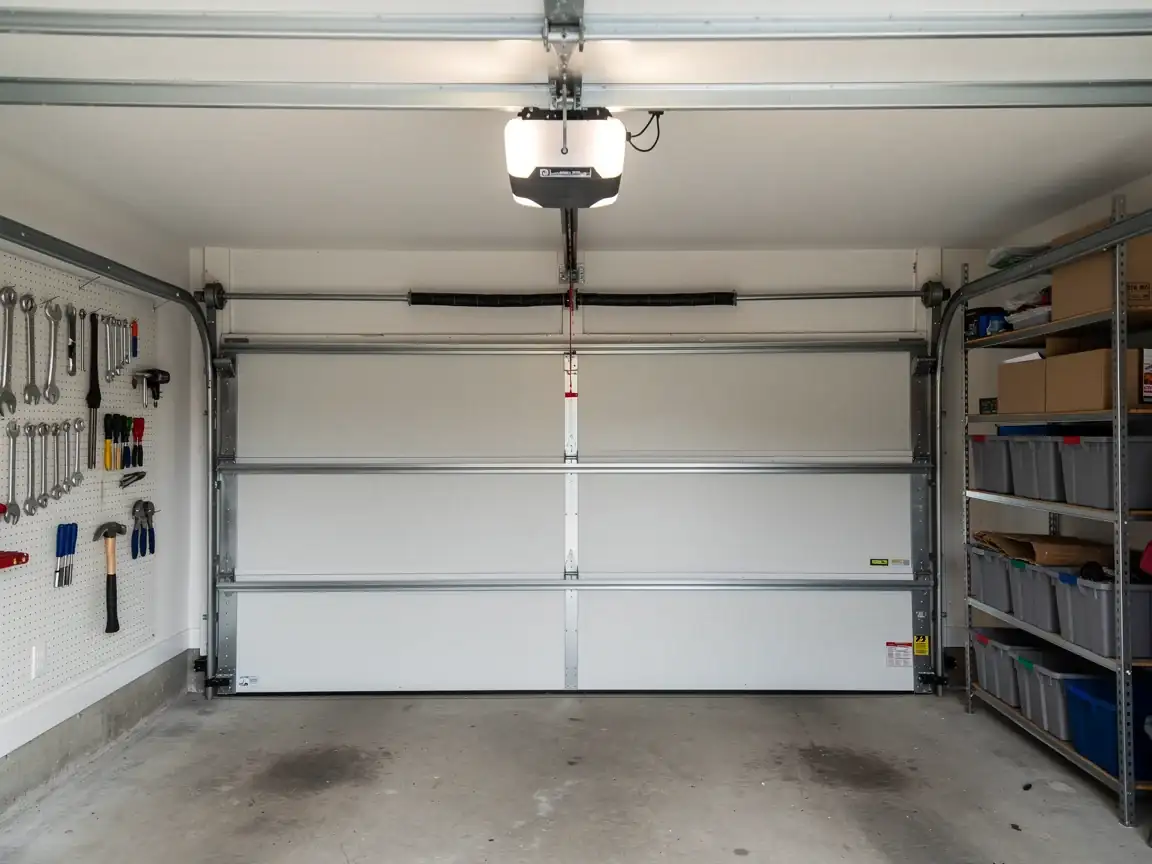
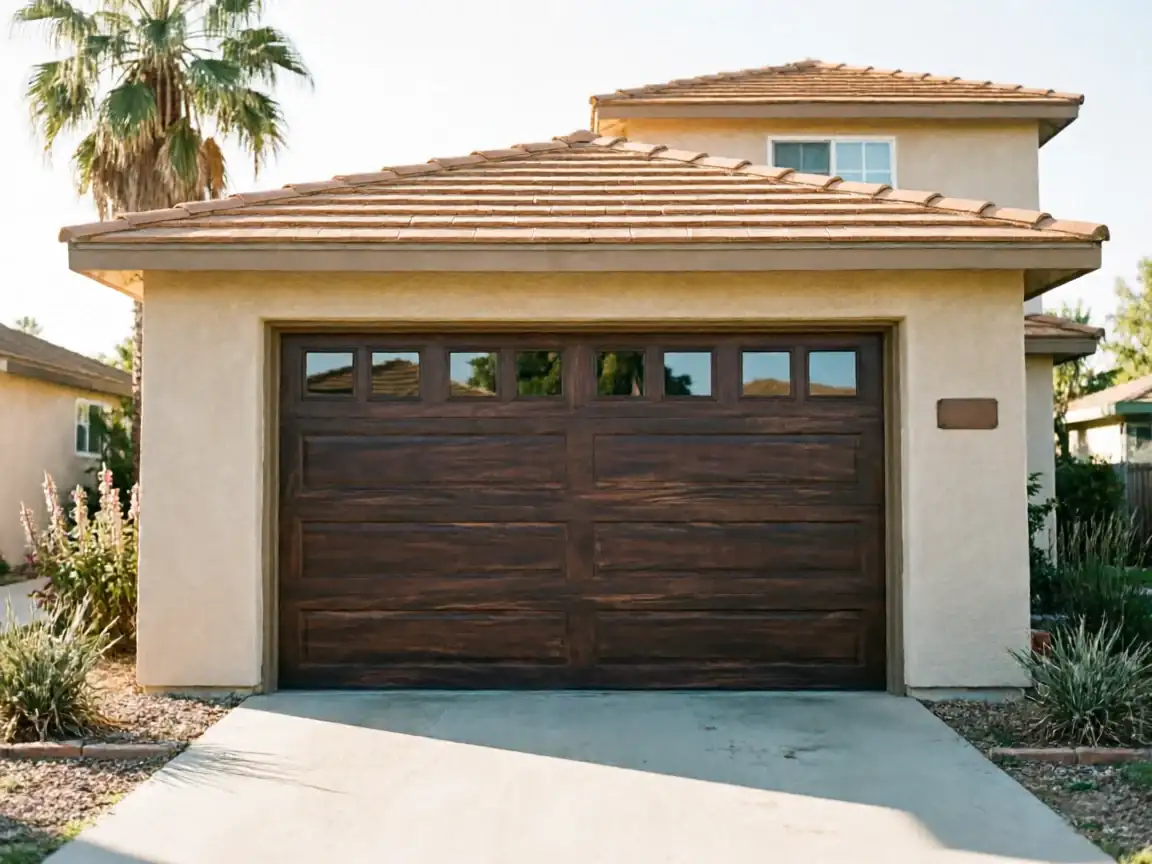
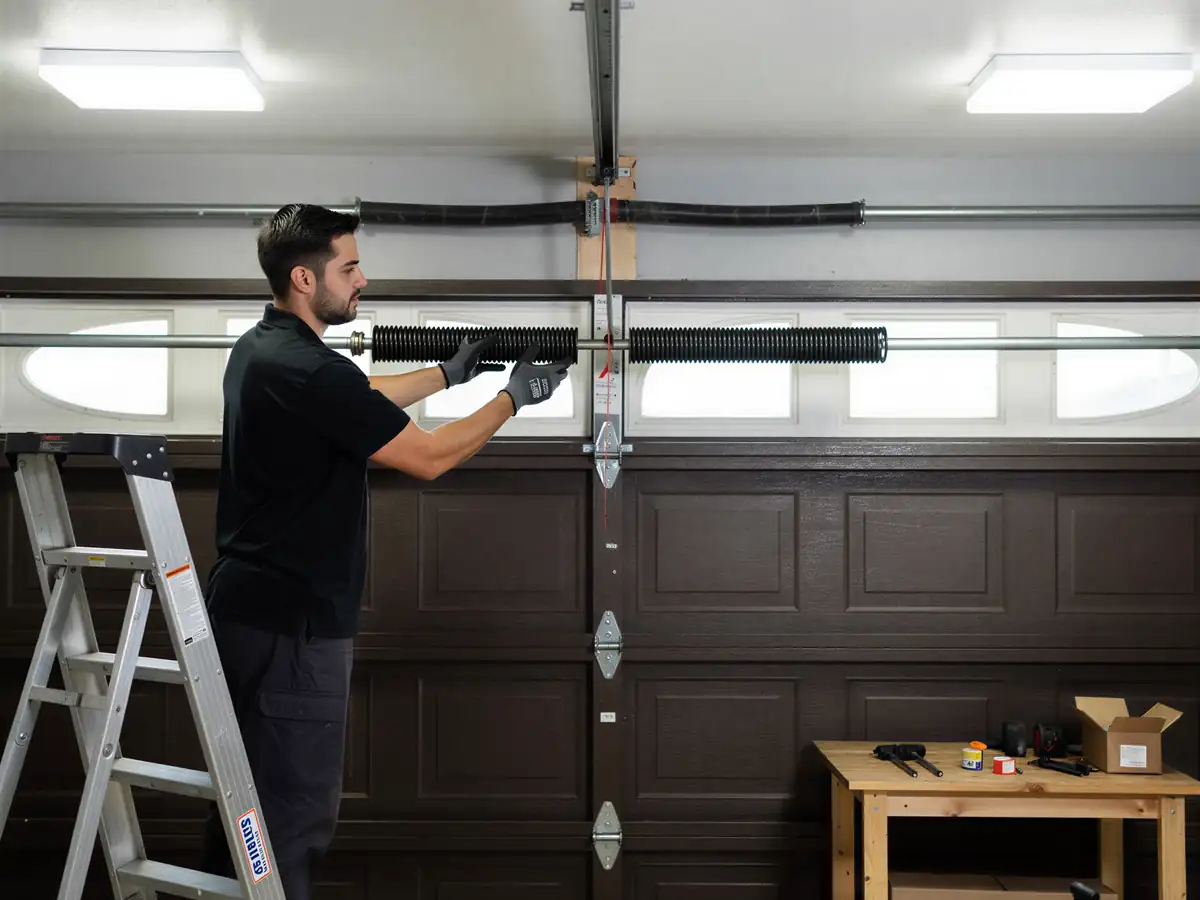
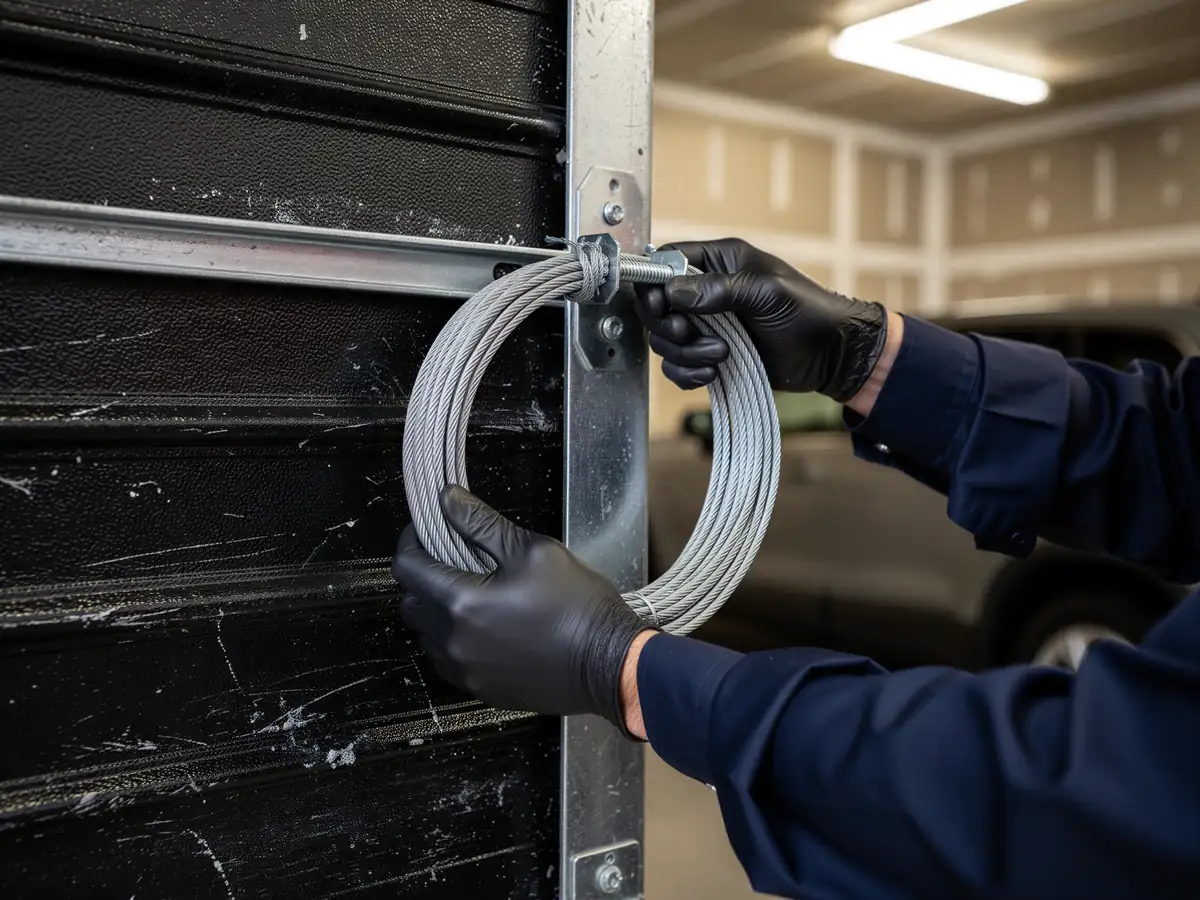
Most garages in Crest went up around 1976, and the doors on them are steel sectional panels hung on extension or torsion springs with galvanized lift cables running down to the bottom bracket. That's the standard door of the era here - not the lighter aluminum doors you see on newer builds, and not the all-wood doors from before the 1960s. The cable itself is thin, braided steel wire, and on a door this old it's done close to fifty years of flexing around the drum or pulley every time the door moves.
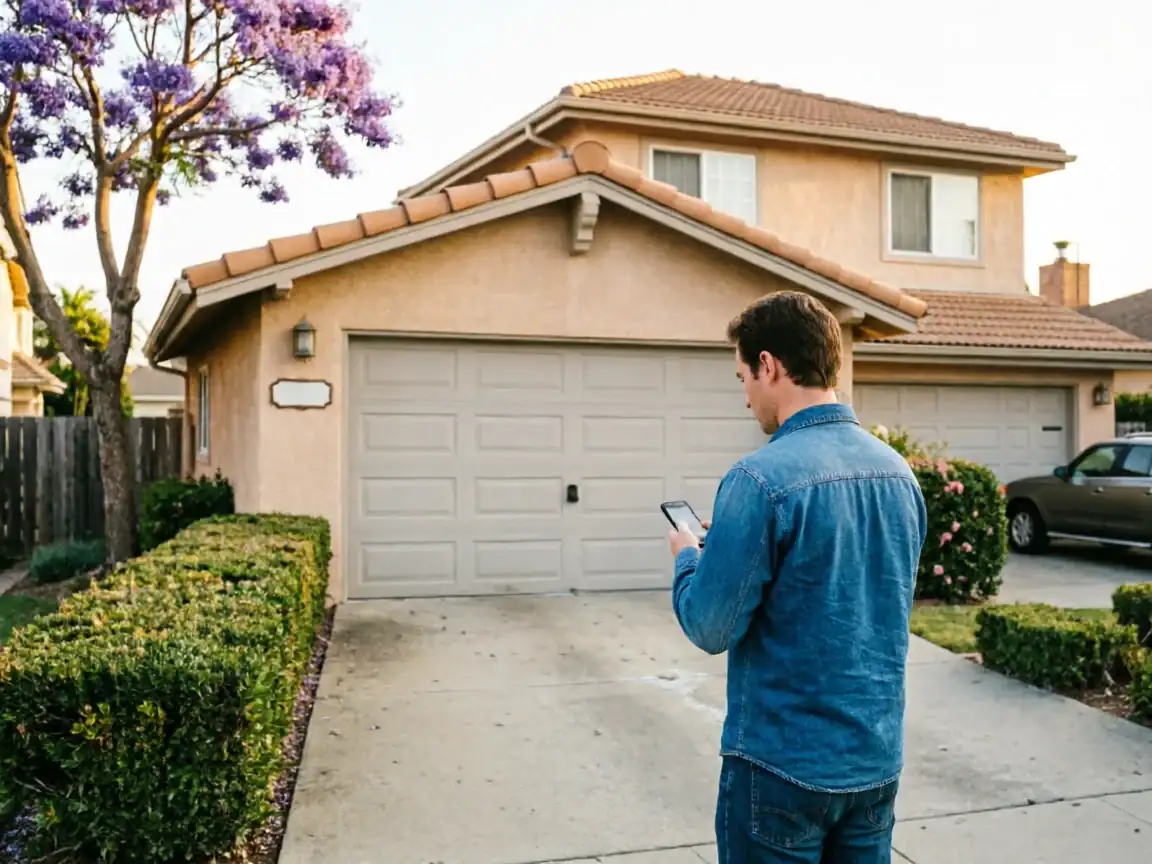
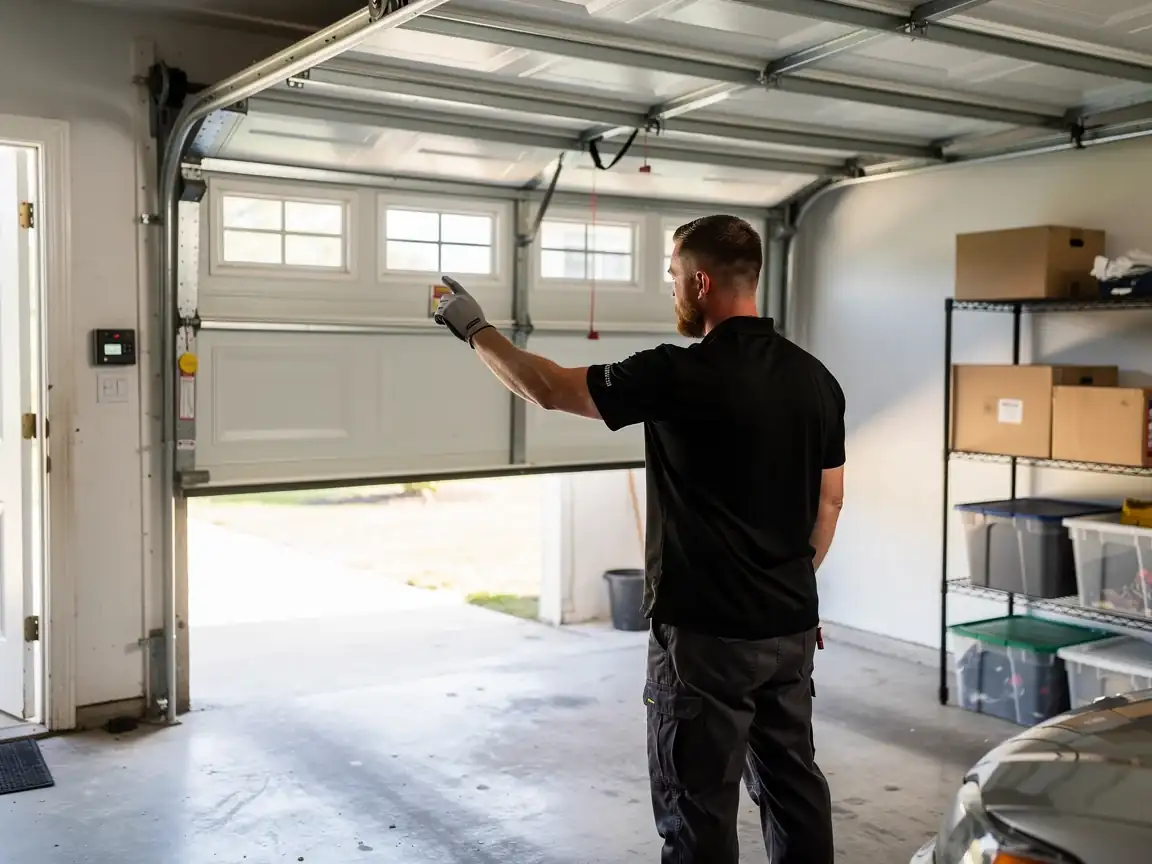
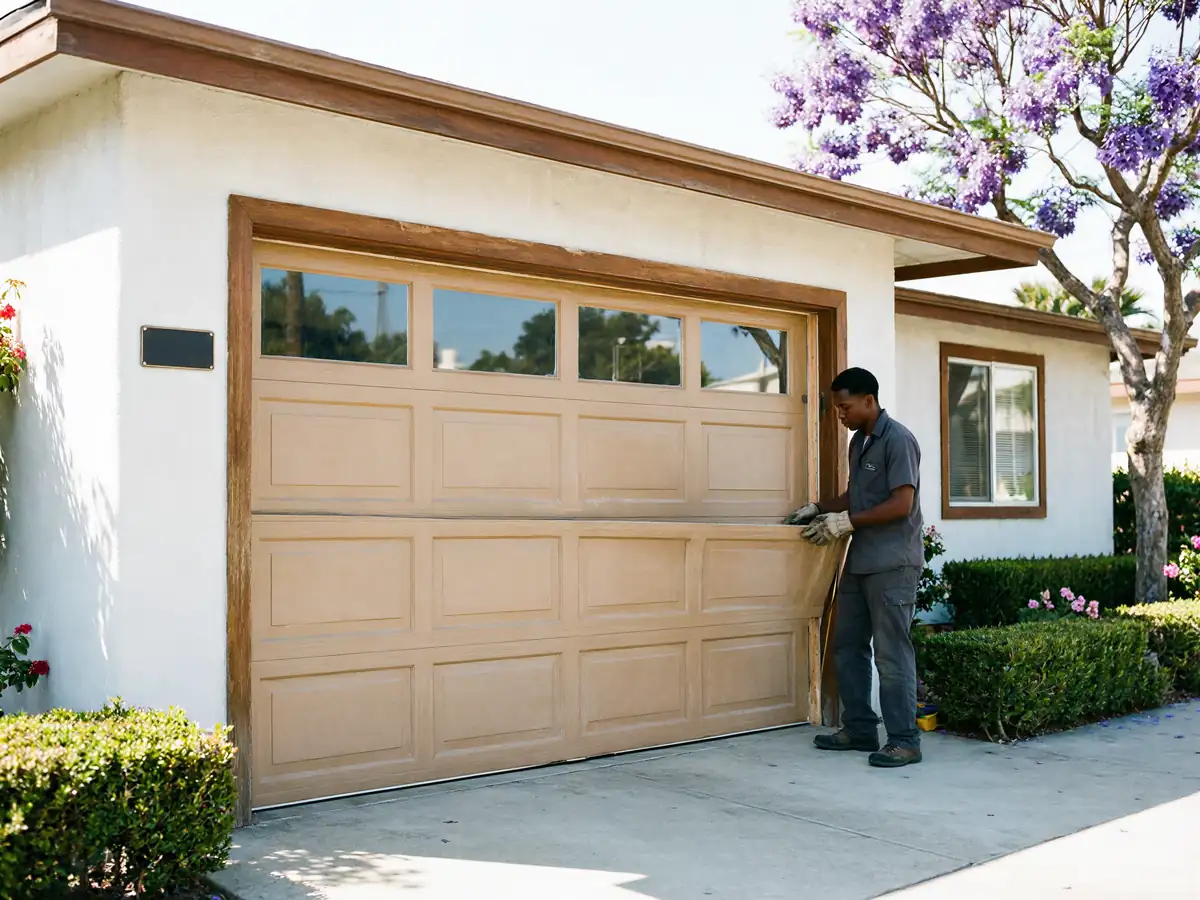
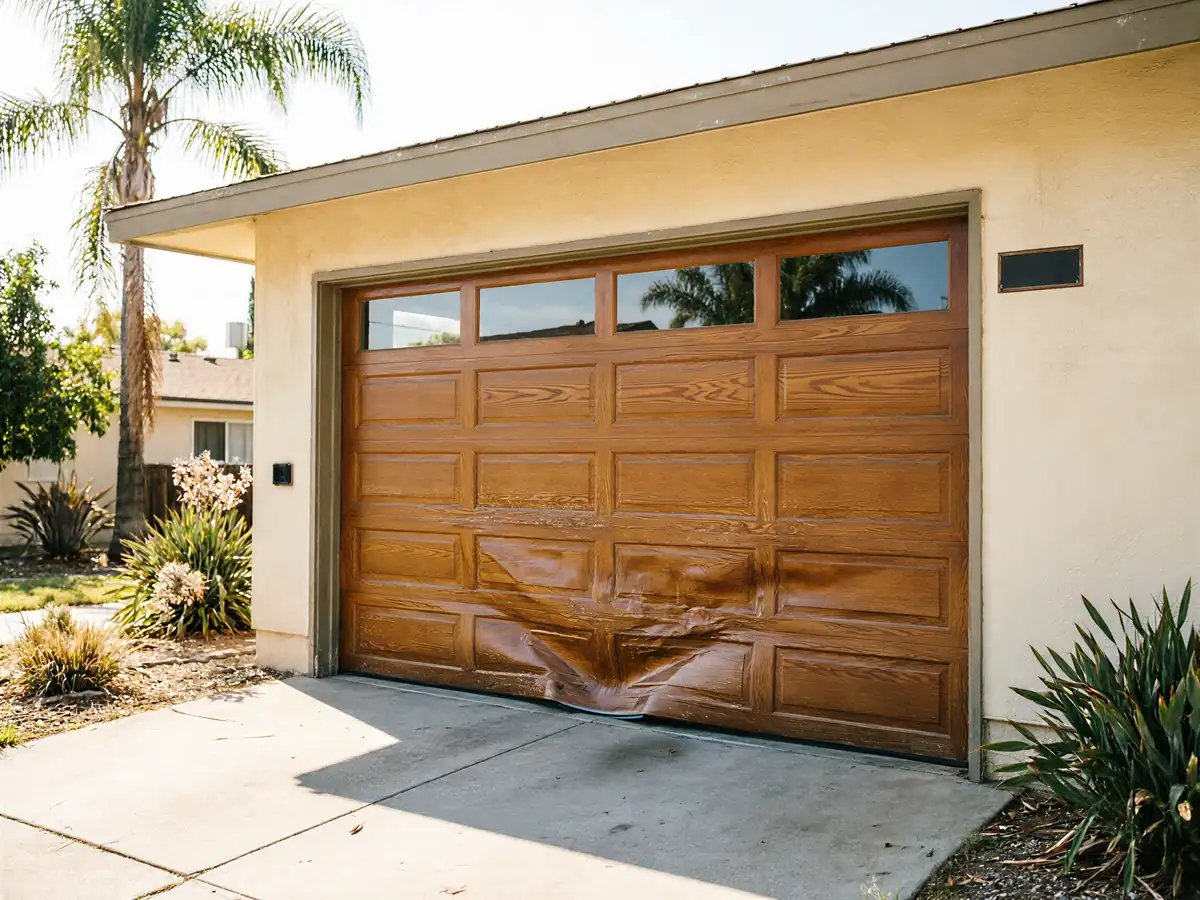
When that cable starts to go, you'll see it before you hear it: the door hangs crooked in the opening, one bottom corner sits lower than the other, or the door stutters and jerks partway up. Sometimes a few strands fray visibly near the bottom bracket. If the cable has already let go, the door won't move at all, or it'll drop hard and fast the last foot or two. None of this is a door problem - it's a cable and drum problem, and on a door this age the drum and track mounts have usually seen just as much wear as the cable itself.
Where This Job Goes Sideways
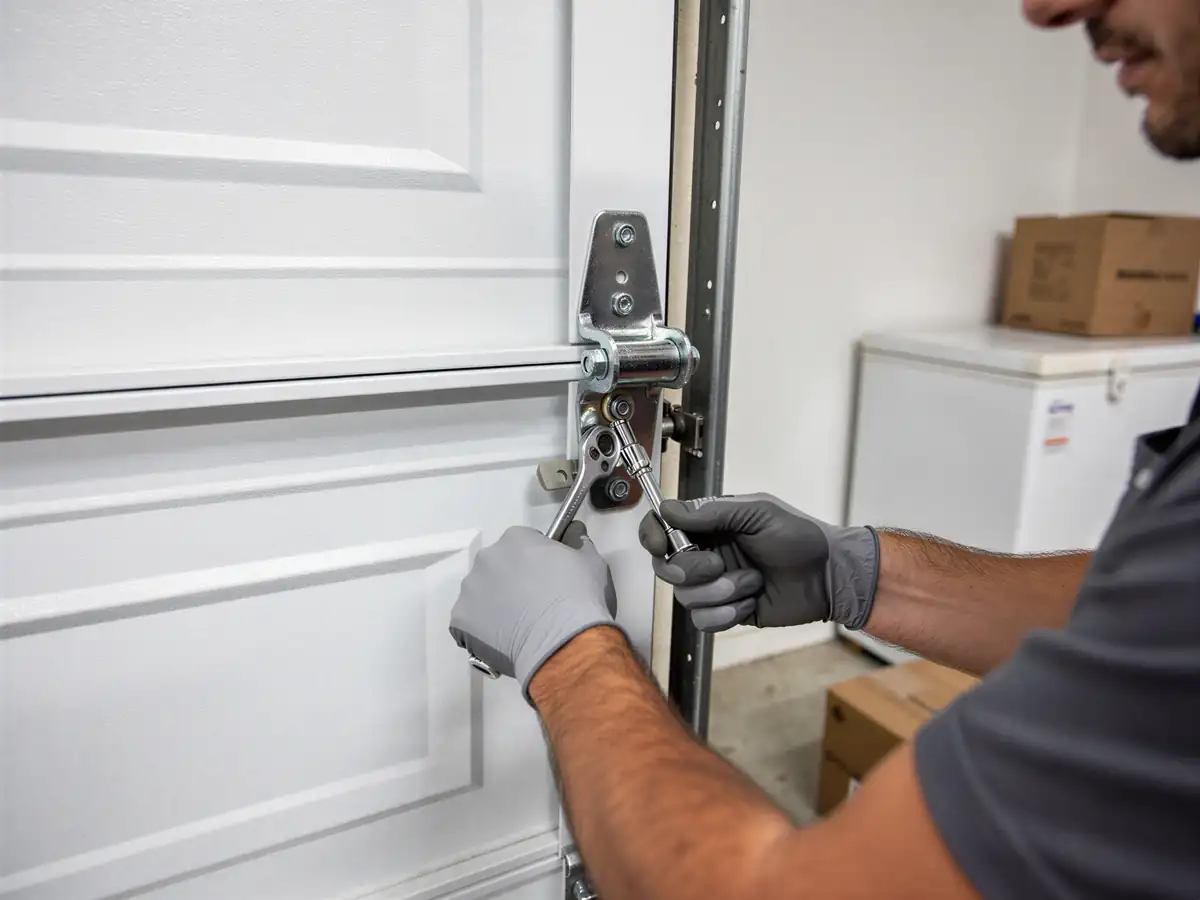
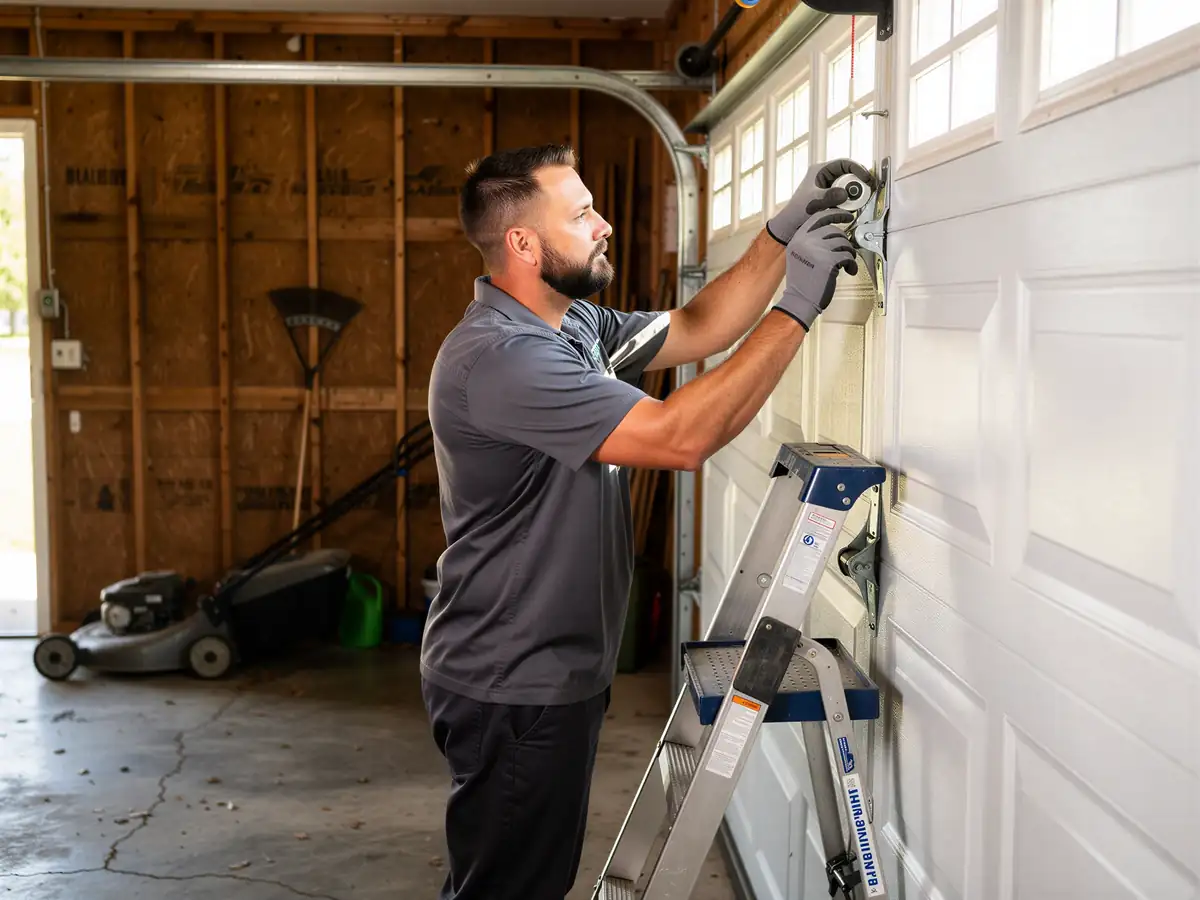
A straightforward cable swap turns into a bigger job when the drum underneath the old cable is grooved or the track brackets have rusted thin - both common on doors that have been running the same hardware since 1976. Pull a worn cable off a worn drum and the new cable will fail again in months. We check the drum, the bottom bracket, and the track alignment before we call it a simple cable swap, because replacing just the cable on hardware that's failing elsewhere is a callback waiting to happen.
The other place this goes sideways is the spring. A broken cable on a door this old often means the spring was already overdue - cable and spring wear on the same timeline, and if the spring lets go a week after we replace the cable, it looks like we missed something. We'll tell you straight if the spring is close to done, even if that's not what you called about.
Can You Do This Yourself
A garage door cable is under spring tension even with the door down, and that tension is what makes this one of the few repairs we tell people flat out not to attempt without the right bars and clamps. A cable that lets go while you're working on it can take a finger or worse. If you're comfortable with winding bars and you've done this before, fine - but if this is your first time looking at a torsion system, this is the job to call out for rather than learn on.
What you can safely do yourself: look at the cable without touching it. Fraying near the bottom bracket, a cable that's jumped off the drum, or visible rust on the wire are all signs to stop using the door and call rather than keep opening and closing it. Running a door on a compromised cable is how a simple repair turns into a replaced track or a damaged panel.
Getting It Booked In
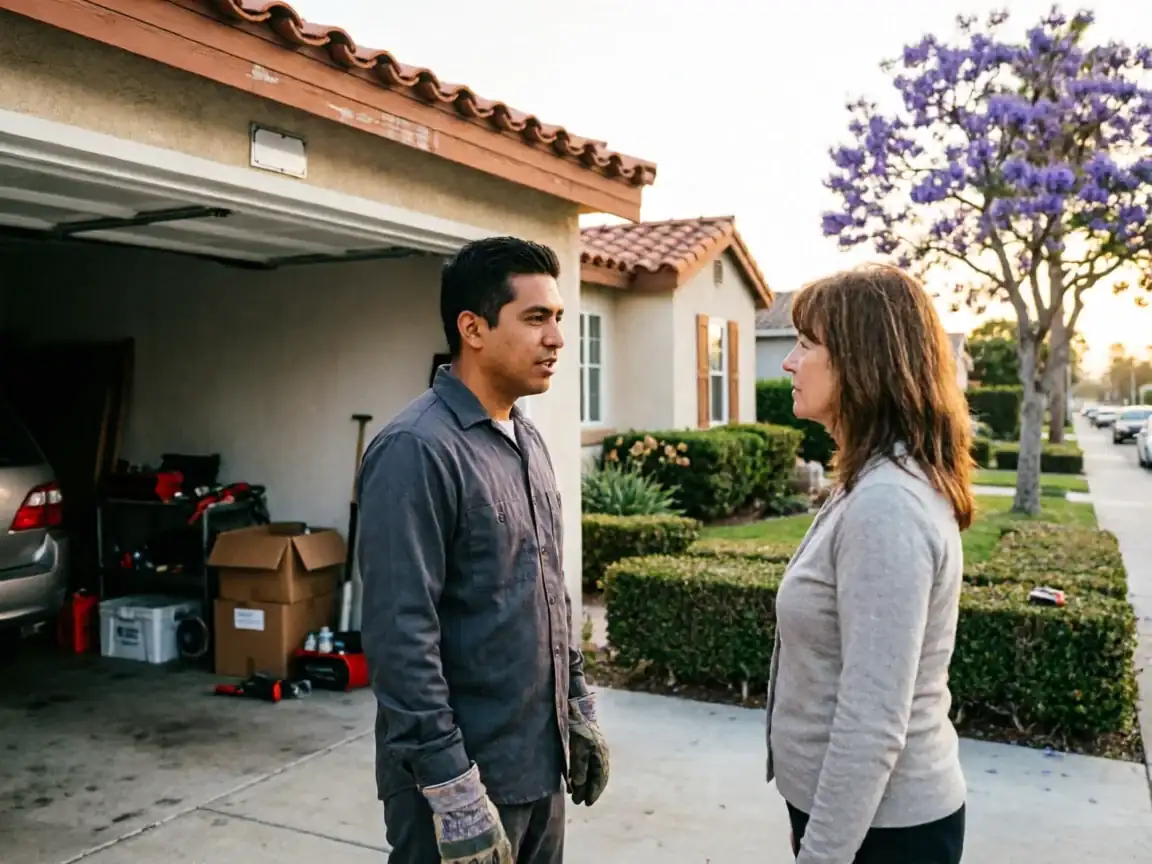
We work out of El Cajon and cover Crest from there, about 5 miles out, so there's no local branch or drop-in counter here - a call gets a truck headed your way. Tell us what the door is doing (crooked, stuck, dropped) and roughly how old the hardware is, and we'll come with cable stock sized for doors from this era. See our general Crest garage door repair page for the full range of work we do in the area, or check cable repair pricing and process for El Cajon if you want the baseline before we quote your specific door.