The Symptom
Crest is a small place - around 1,059 households, tucked into the hills about 5 miles from El Cajon. That size matters for this job: there's no dense tract of identical builder-grade doors here like you'd find in a bigger subdivision, so the roller wear we see on a service call tends to track the age of the house more than any one product line. Most Crest homes went up around 1976, which puts a lot of doors on steel rollers that have been running in the same track for decades, sometimes with no more than a shot of WD-40 for maintenance.
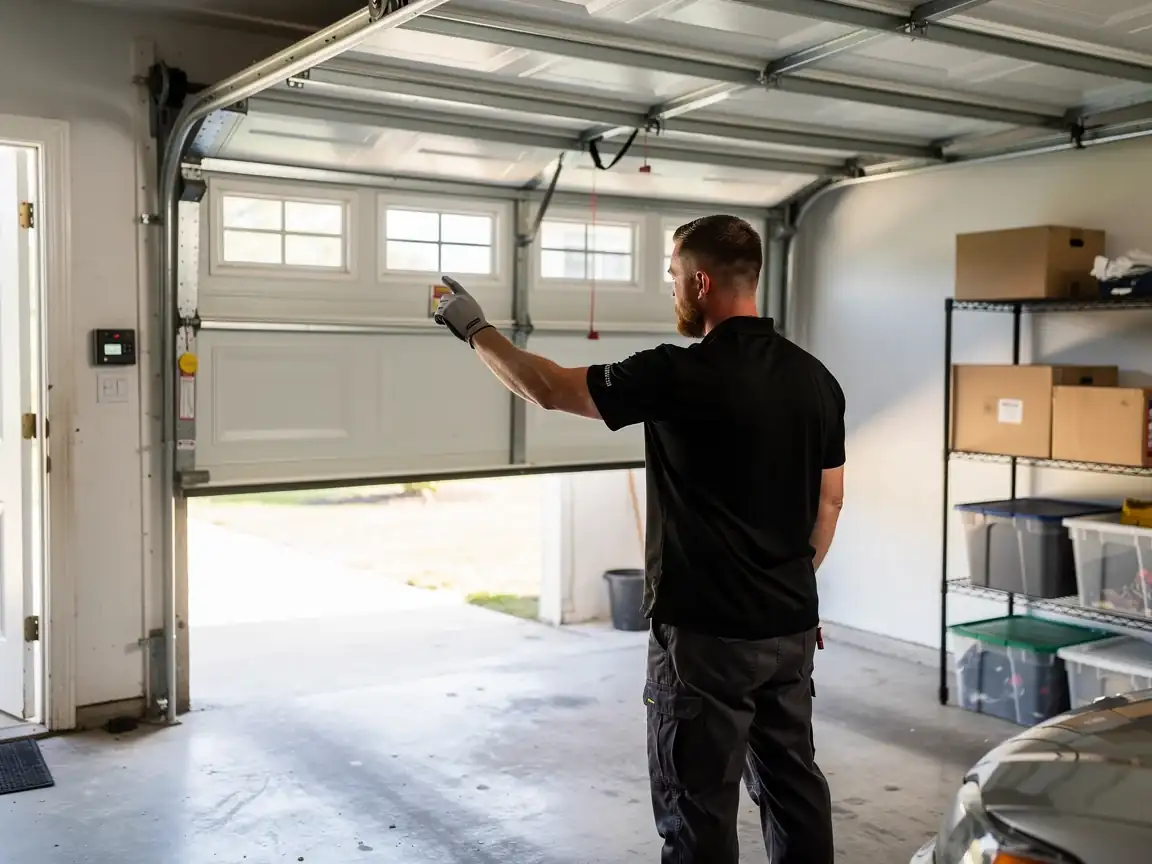
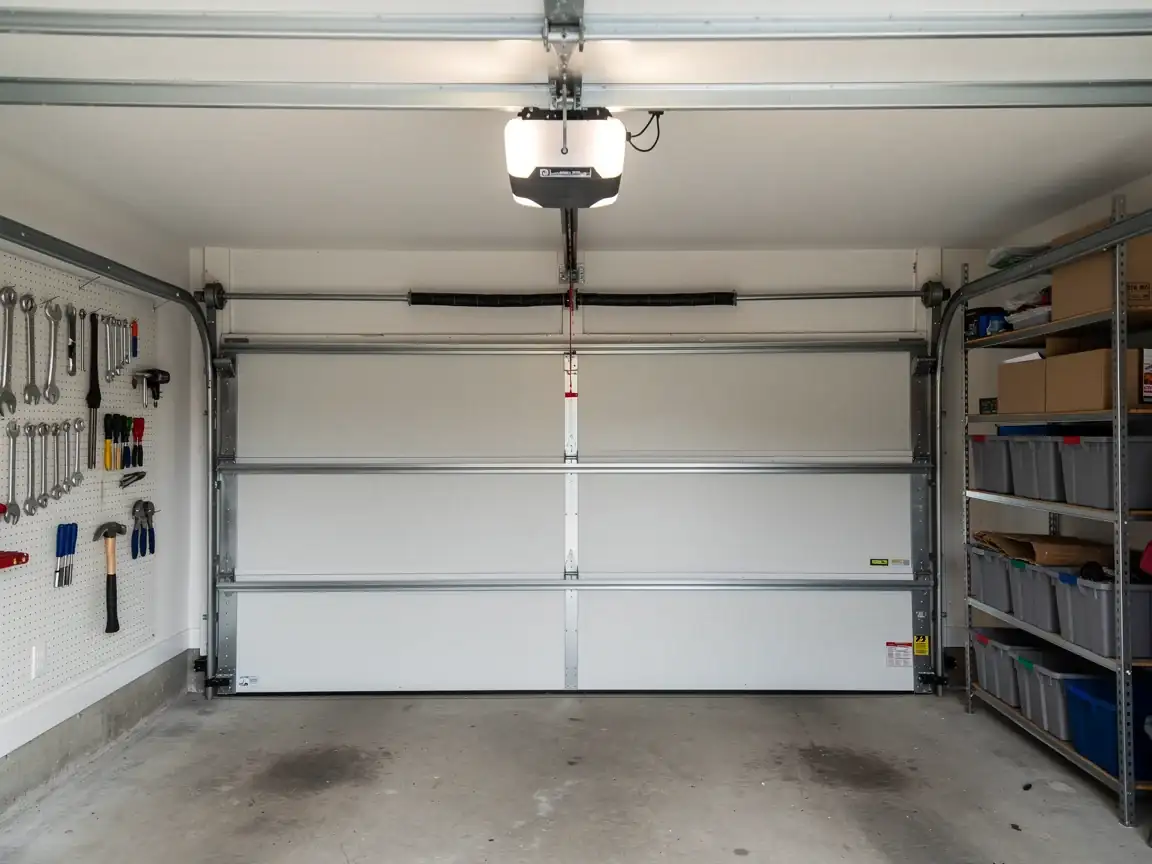
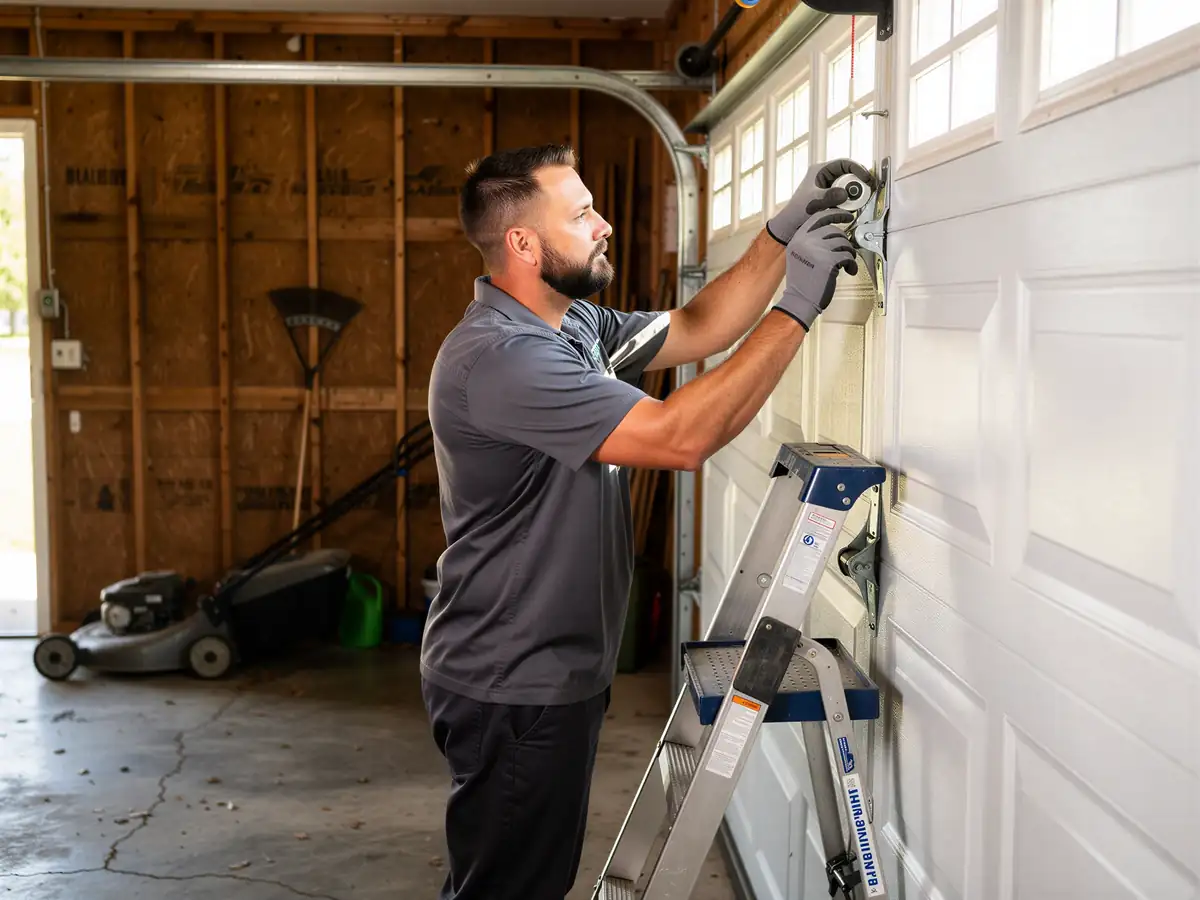
The tell is almost always noise before it's anything else. A grinding or clunking sound as the door passes a certain point in the track usually means a roller stem has worn down or the wheel itself has flat-spotted. If the door shudders or hesitates instead of gliding, that's rollers binding against bent or dirty track, not a motor problem. Left alone, worn rollers put extra load on the opener and the cables, so what starts as noise can turn into a bigger repair.
We don't treat Crest roller calls as routine stock swaps. The age of the hardware means we check the whole track and bracket setup, not just the wheels.
Where This Job Goes Sideways
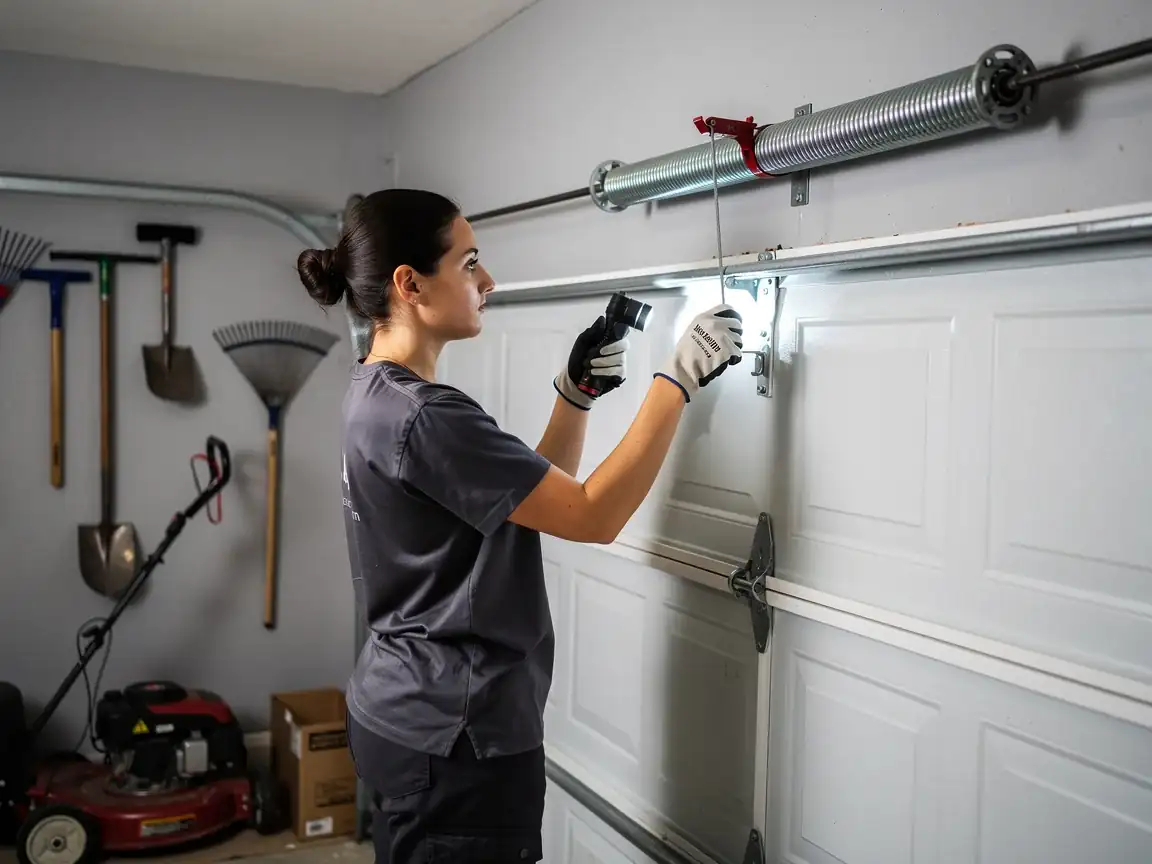
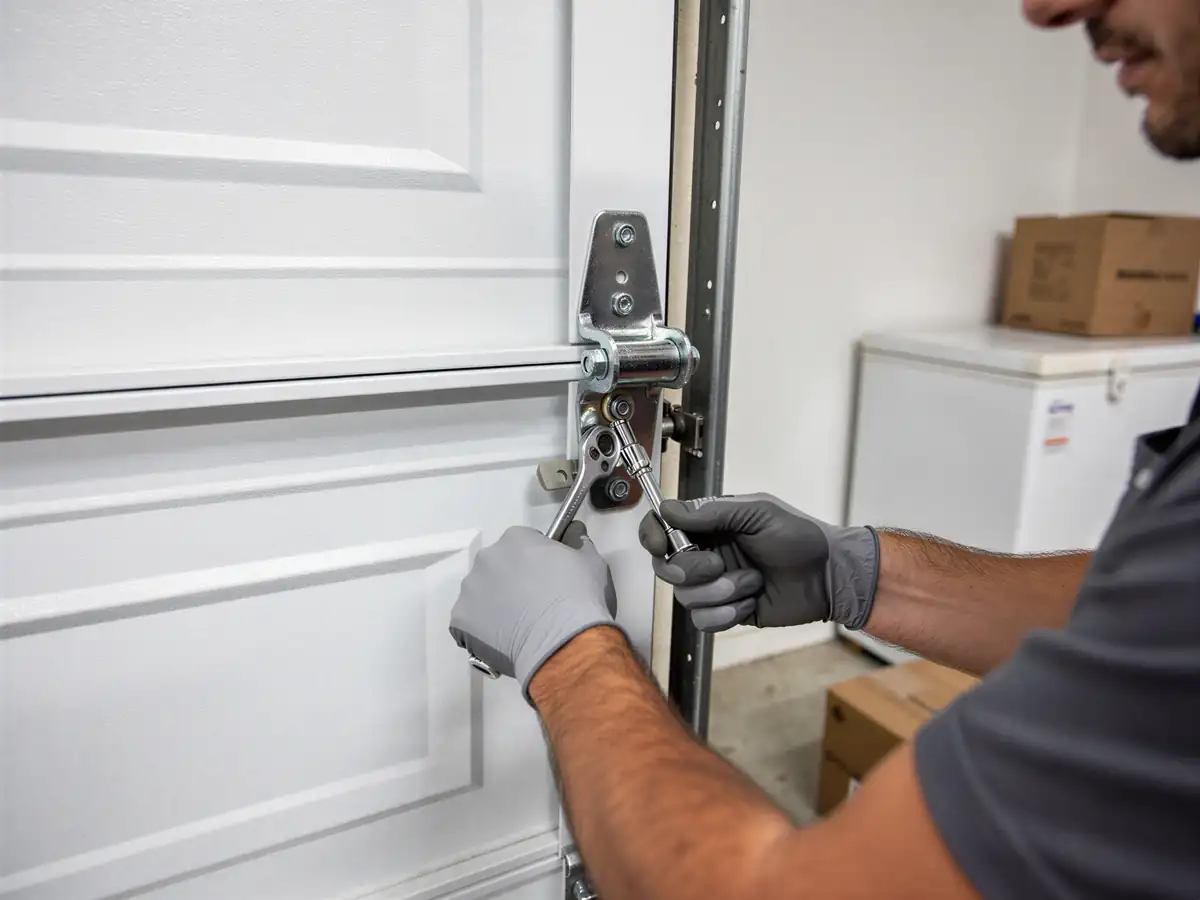
On a house built around 1976, the rollers are rarely the only thing that's tired. Track brackets loosen over that many years of use, and the steel track itself can develop a slight bow where the original rollers have worn a groove. Swap in new rollers without checking that groove, and the new wheels wear unevenly within months.
The other complication is roller stem length and bracket spacing on older doors - it's not always a match for what's sold off the shelf today. We measure before we order so the truck that comes out has the right part, not a close-enough one.
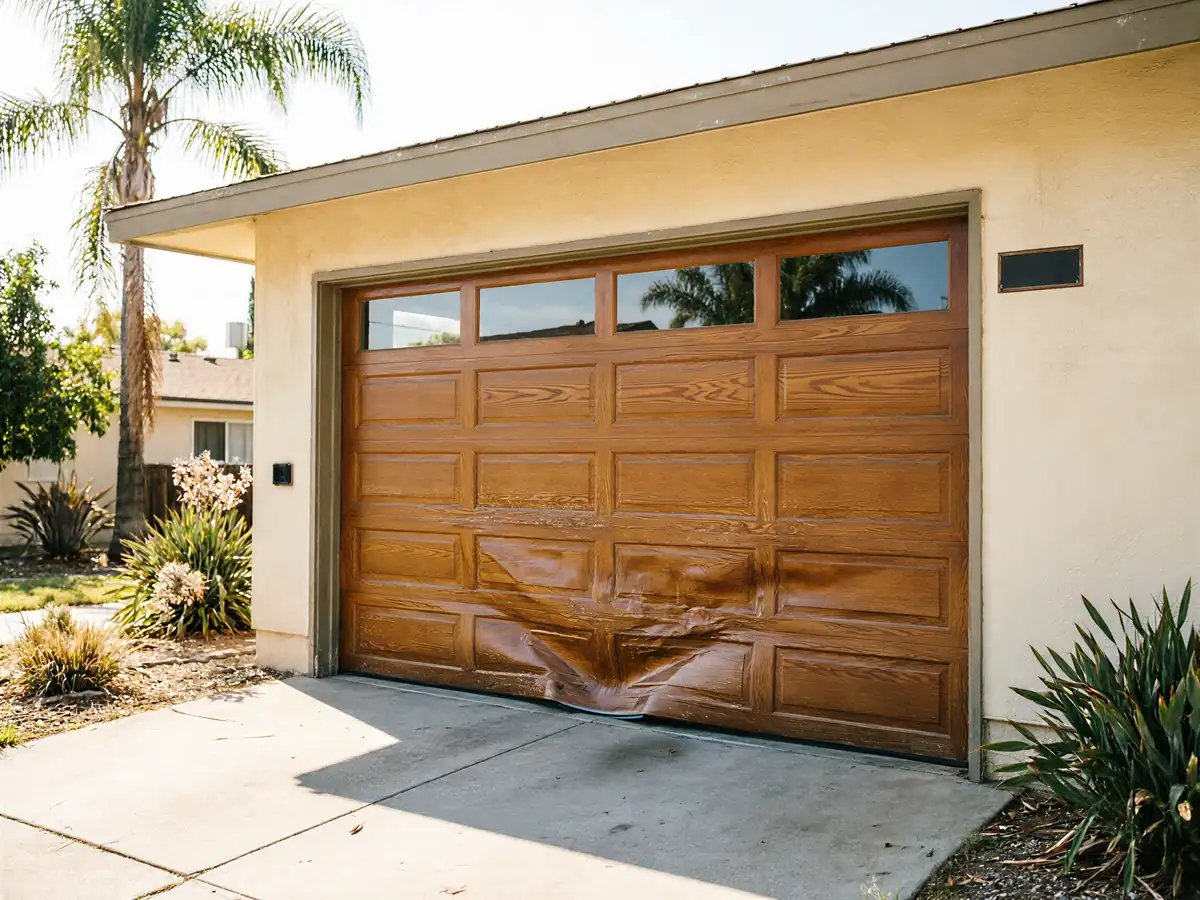
We're honest about the limit here: if the track is bent badly enough, or the door panel itself is warped from decades of sun and moisture cycling typical of this mild coastal-inland climate, roller replacement alone won't fix the symptom. At that point we'll tell you straight that track or panel work is the real job, not just push rollers at it.
How Long It Takes
A standard roller replacement, done once we're on site with the right parts
Is a same-visit job for most doors. The time add in Crest is usually the travel - we're coming from El Cajon, about 5 miles out - plus any extra diagnostic time if the track needs truing alongside the rollers.
- 5 miles
We don't quote a fixed window for arrival in Crest because we're not based there
We schedule the drive as part of the appointment rather than promising a response time we can't back up from a different town. Once the technician is working, full-set roller replacement on a double door typically takes less time than diagnosing why a single roller failed early.
Can You Do This Yourself
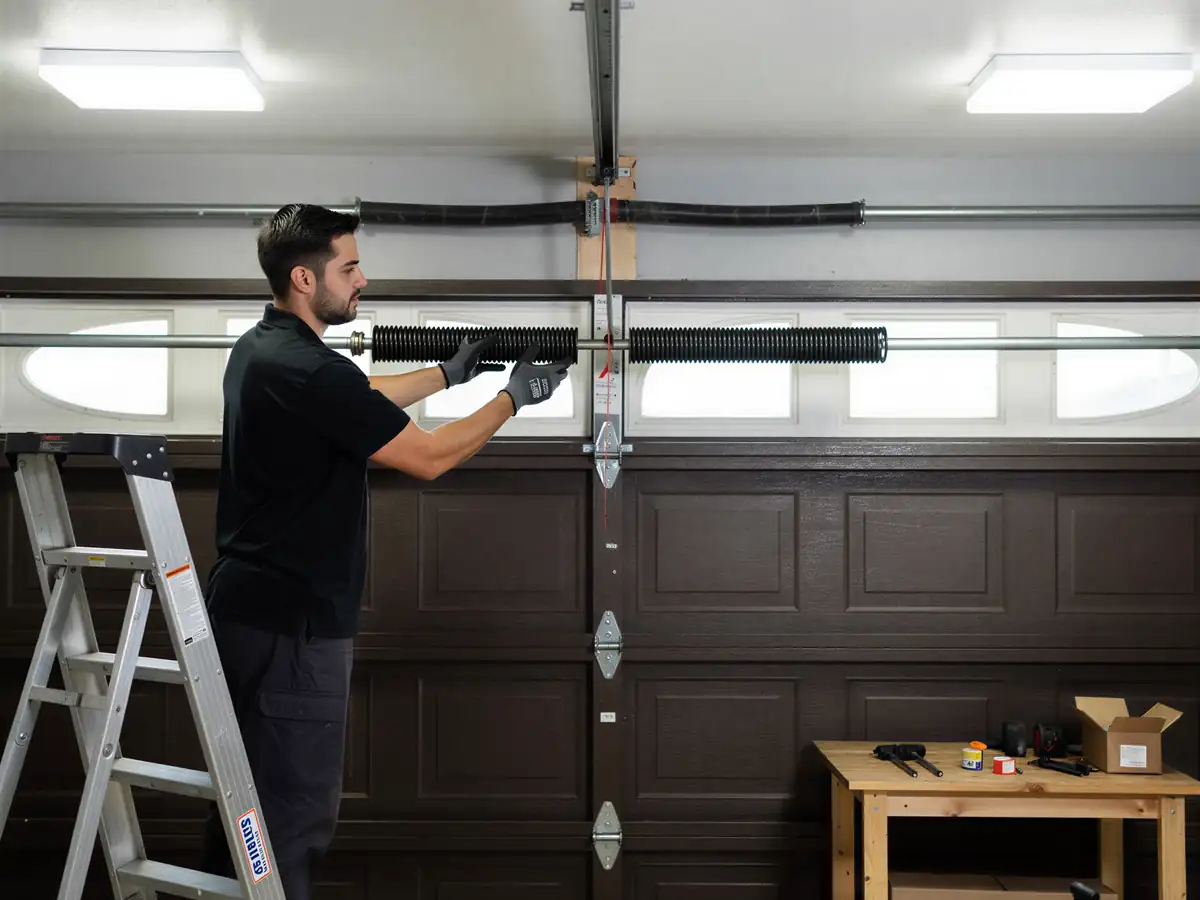
Rollers are one of the more DIY-friendly garage door parts, and plenty of homeowners replace nylon rollers themselves on newer doors. On a house from the 1976 era, though, the catch is usually the spring tension on the door, not the roller itself - older torsion or extension spring setups can be unforgiving if you don't know how they're would and anchored.
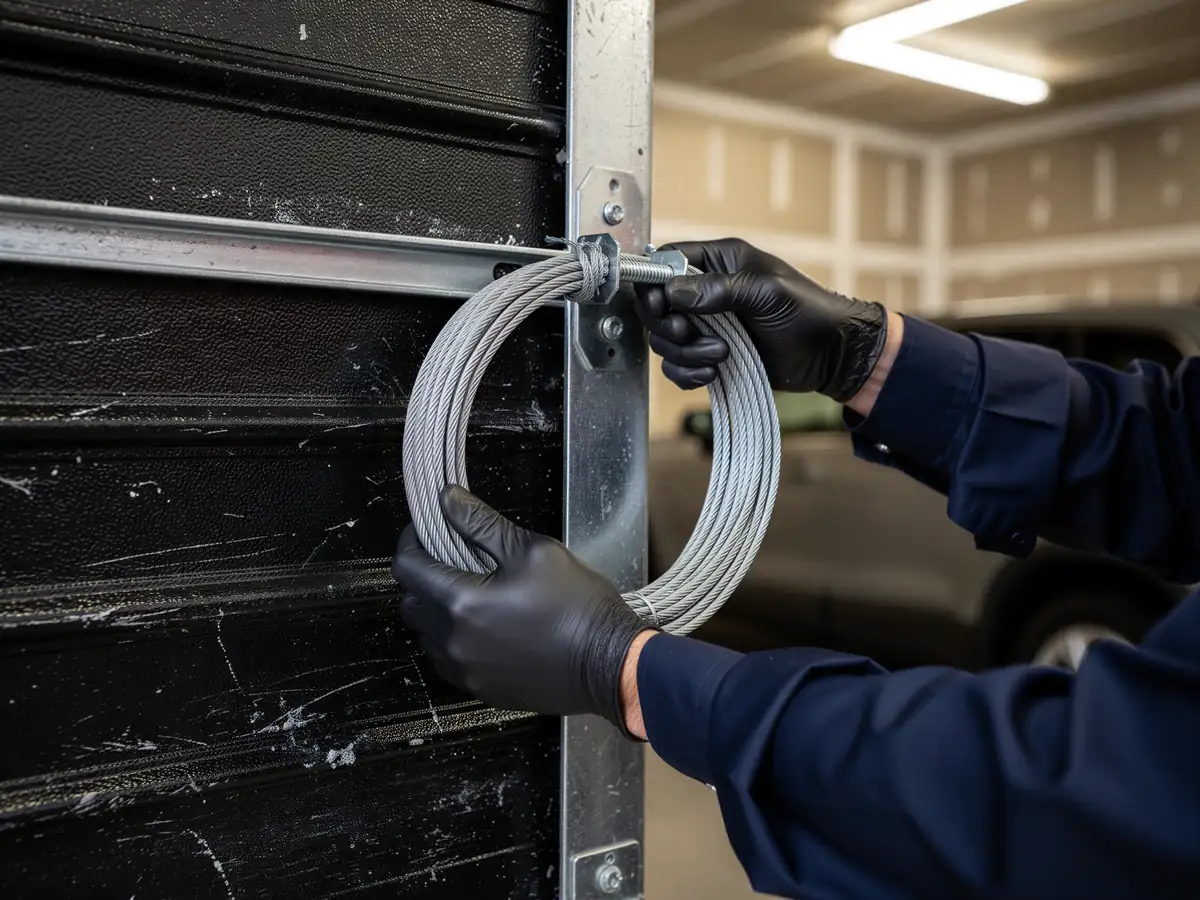
If your rollers are plastic or nylon and the door is well-balanced with no visible track damage, a careful owner can often do the bottom rollers without touching the spring system. The top rollers, closest to the spring and cable assembly, are where we'd rather you call. We'd rather lose a small job to a confident DIYer than have someone get hurt on hardware that's older than they realize.
Getting It Booked In
Crest doesn't have a dedicated local crew - we cover it as part of the broader area out of El Cajon, which is about 5 miles away. That means booking a roller job here works the same as any service call: you tell us what you're hearing or seeing, we ask a couple of questions about the door's age and roller type, and we bring stock matched to what a mid-1970s door in this area typically takes.
If you're not sure whether it's the rollers or something further along the track, our Crest garage door repair page covers the broader symptom list for this town. For the general rundown on how we handle this service, see the roller replacement page for El Cajon.
Why It Happens Here
The housing stock across this part of the county mostly dates to the 1960s and 70s
And Crest sits right in that window with a median build year around 1976. Doors from that era were hung with steel rollers as the default, and steel wears differently than the sealed nylon rollers common on newer installs - it's louder as it ages and it doesn't give much warning before a wheel seizes.
The mild temperate climate here helps the hardware last longer than it would somewhere with harsh freeze-thaw cycles
But it doesn't stop decades of daily use from wearing a roller stem down. With roughly a thousand households in Crest, most on similar-vintage construction, the pattern we see is consistent: original steel rollers, original track, first roller failure landing somewhere between year 35 and 45 of the door's life.