The Symptom
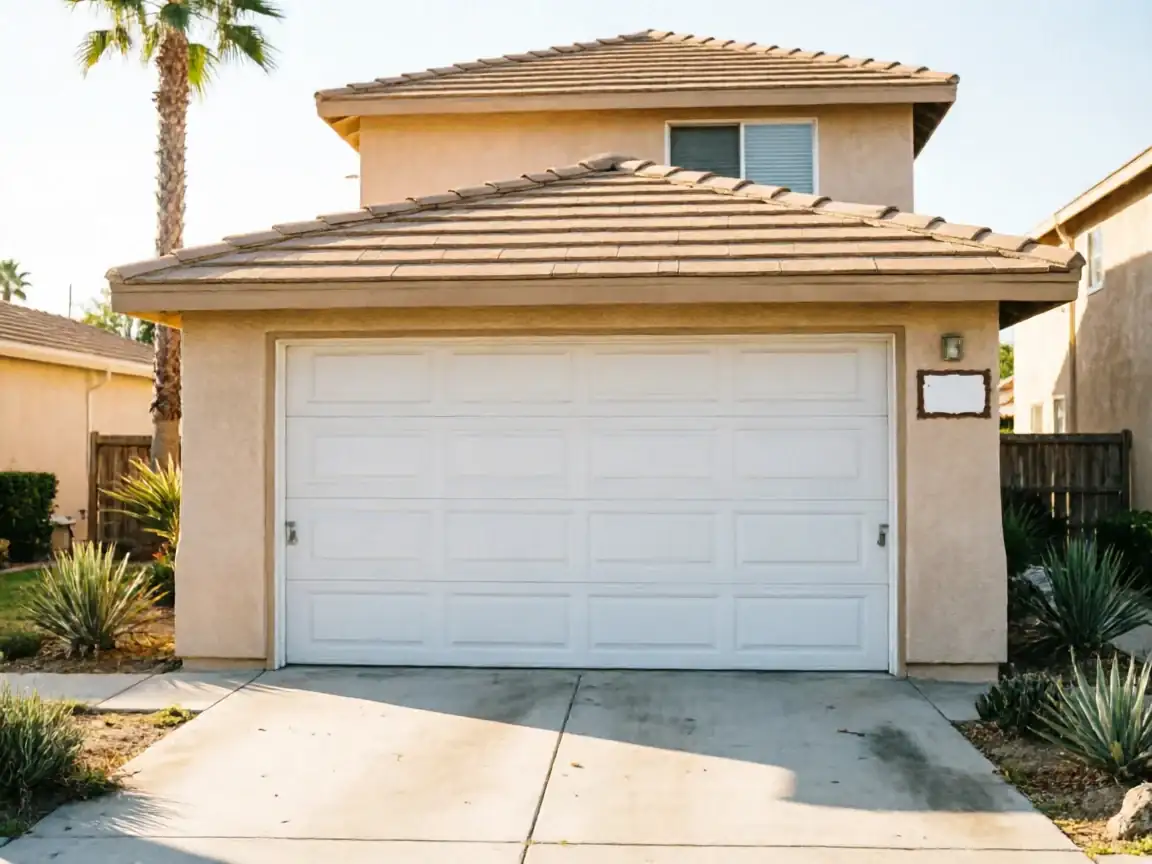
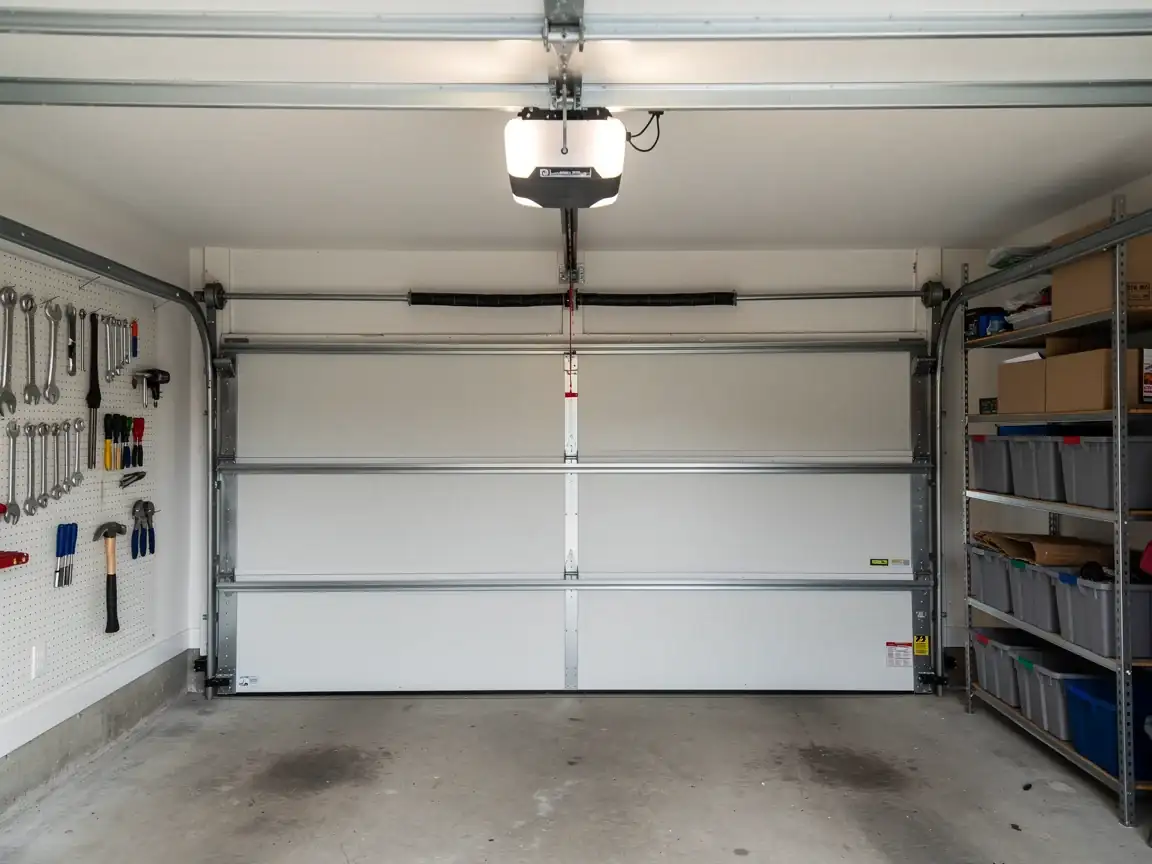
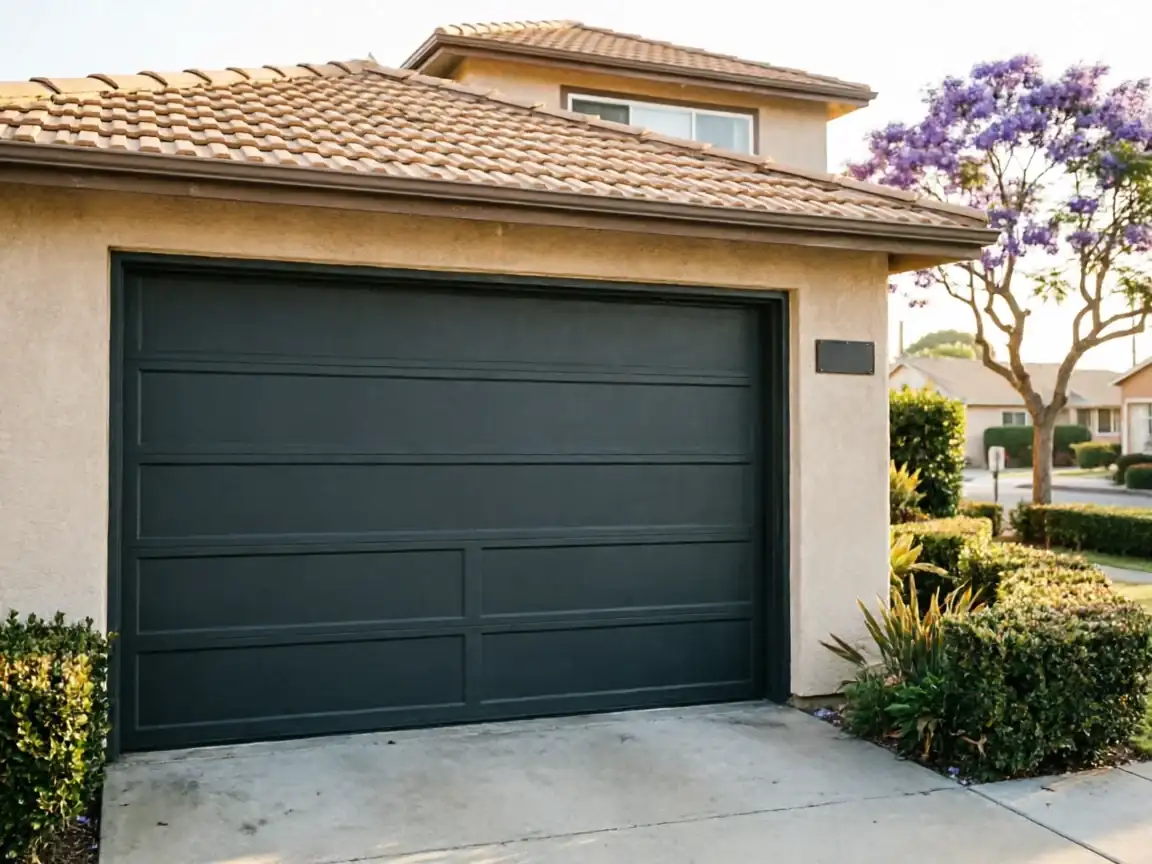
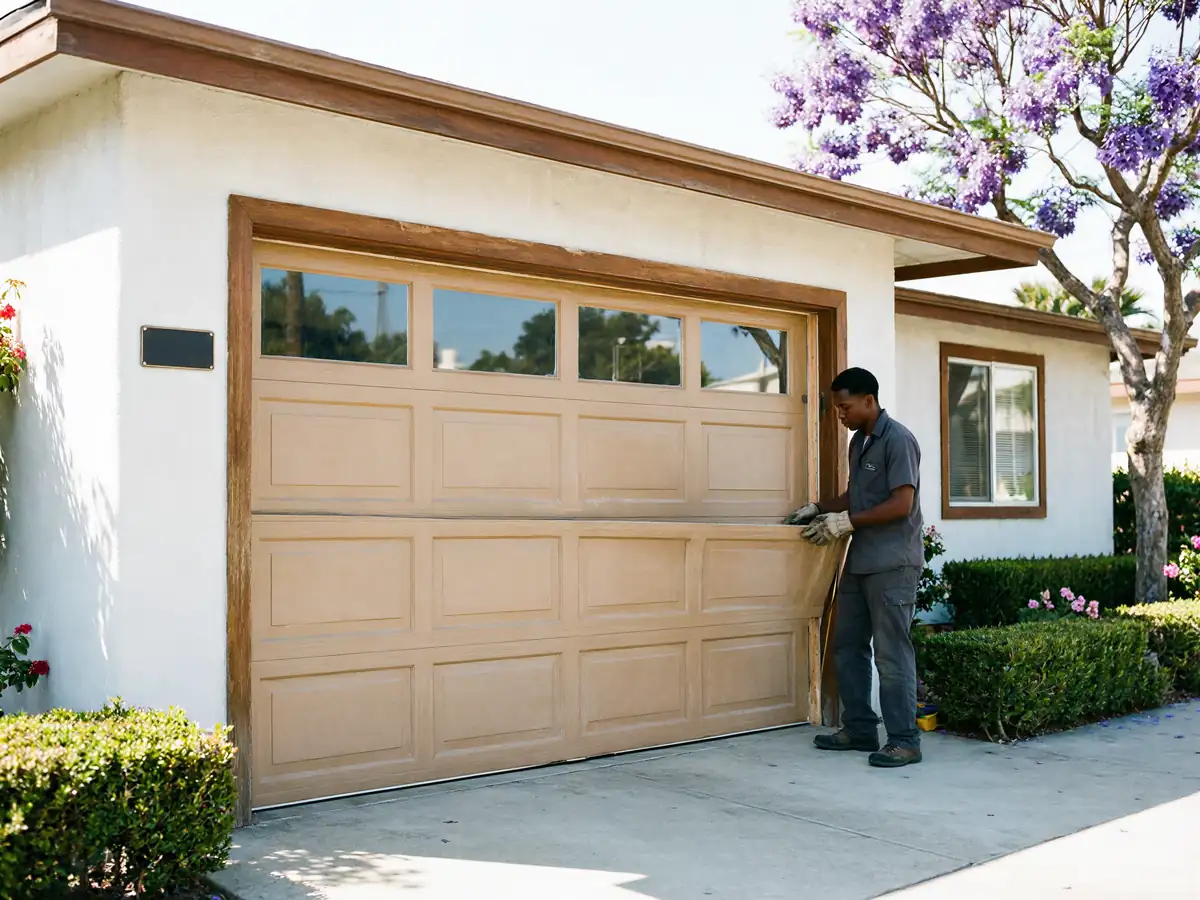
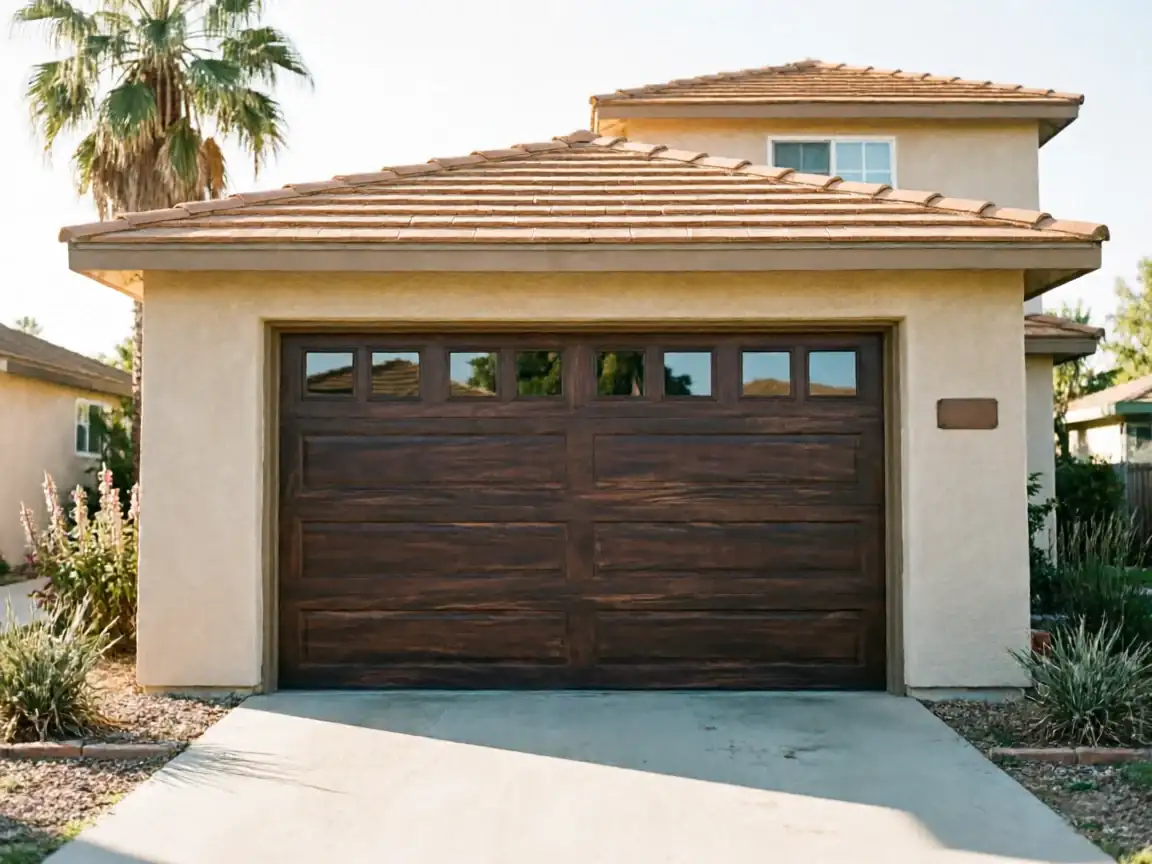
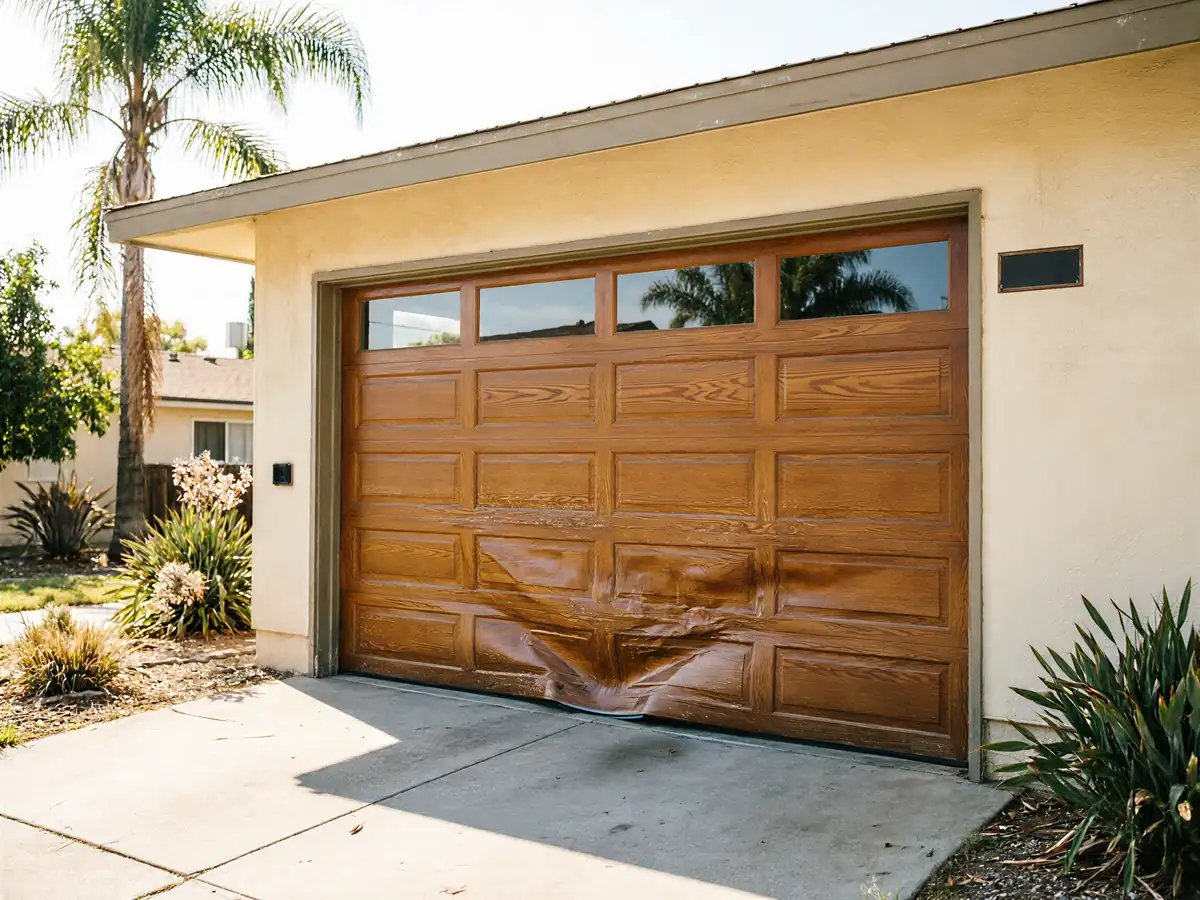
If your house in Crest is typical for the area, it went up around 1976 - right in the middle of the 1967-1992 build window that covers most of this part of the county. Doors from that era are steel sectional panels, usually on extension springs mounted along the horizontal track rather than the torsion bar over the header that's standard today. The symptom owners notice first is a door that slams the last foot of travel, or one that feels like it's fighting you partway down. That's not the opener. That's an extension spring that's lost tension evenly, or a pulley and cable setup that was never designed to be adjusted - it was designed to be replaced as a unit. A lot of Crest calls start as 'the door sounds different' and end with us pointing at hardware that's been quietly wearing since the Ford administration.
Where This Job Goes Sideways
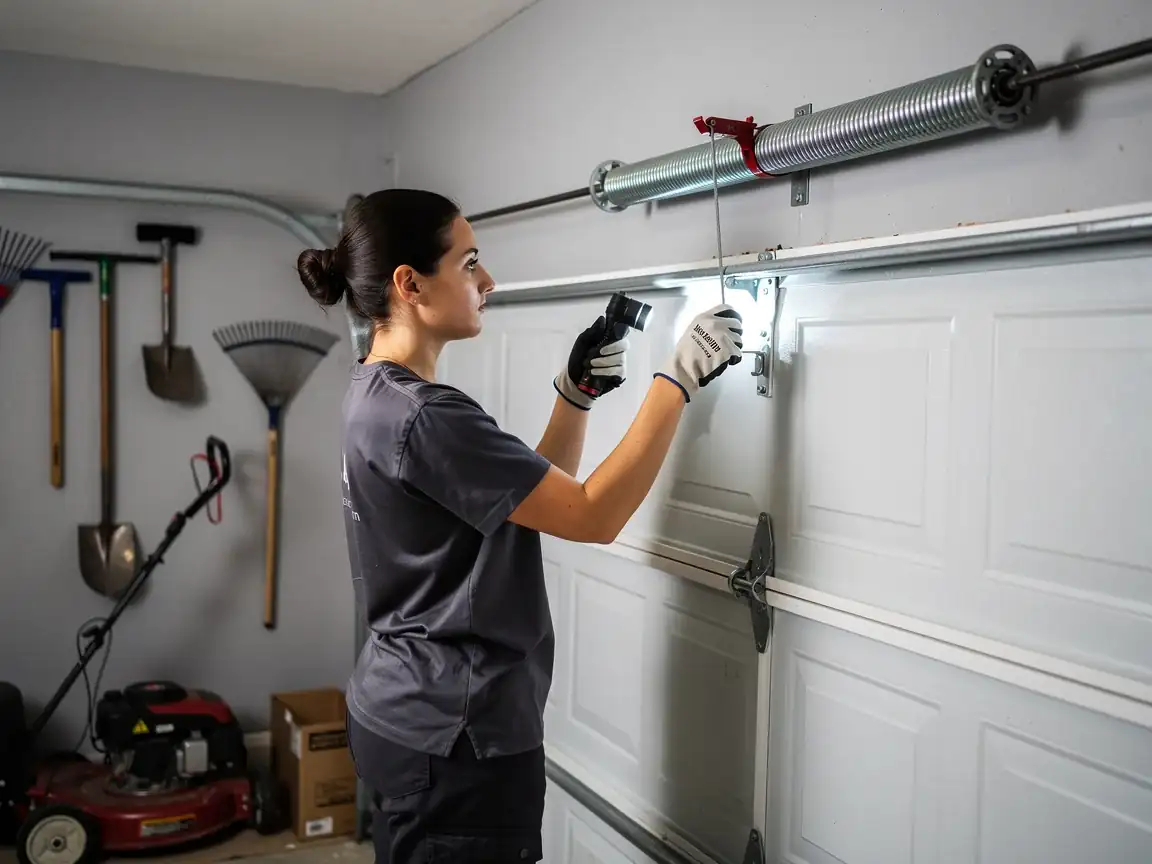
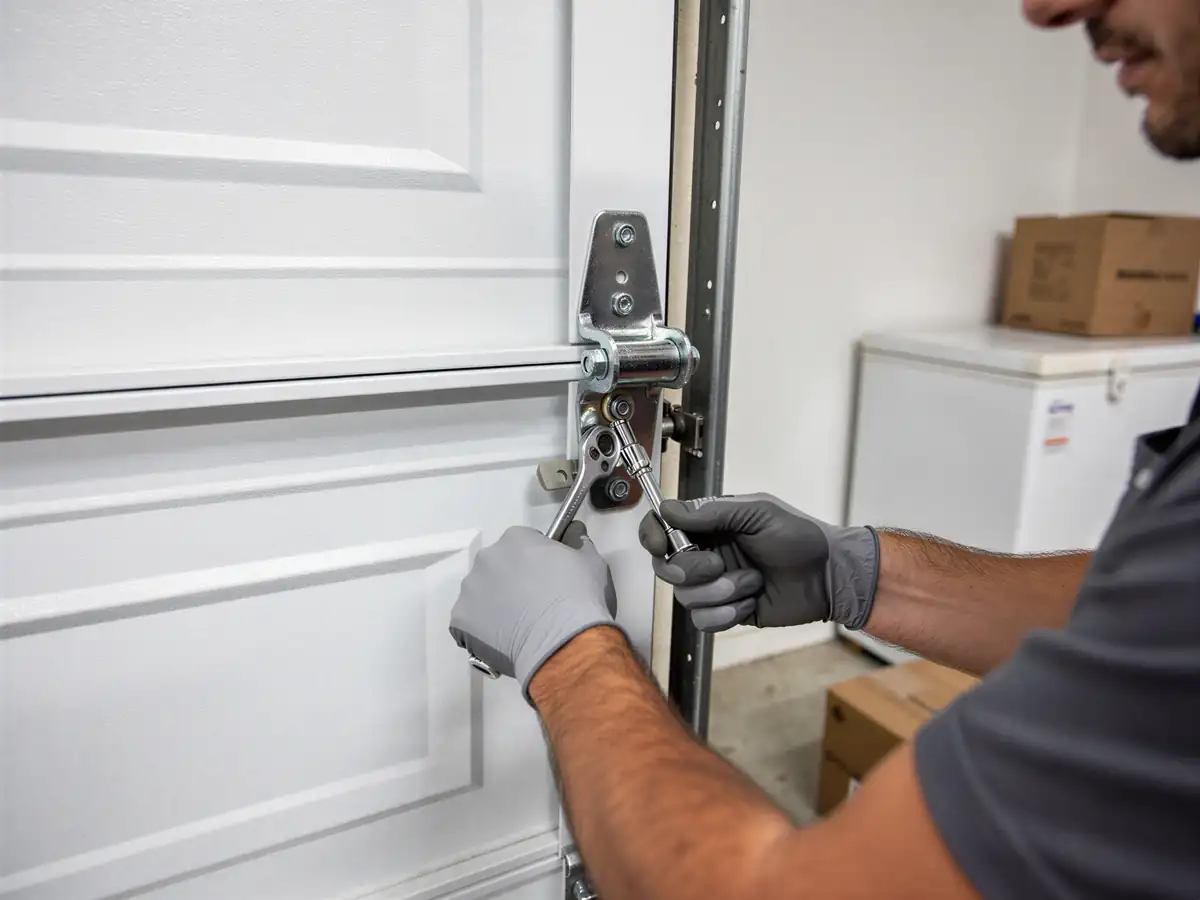
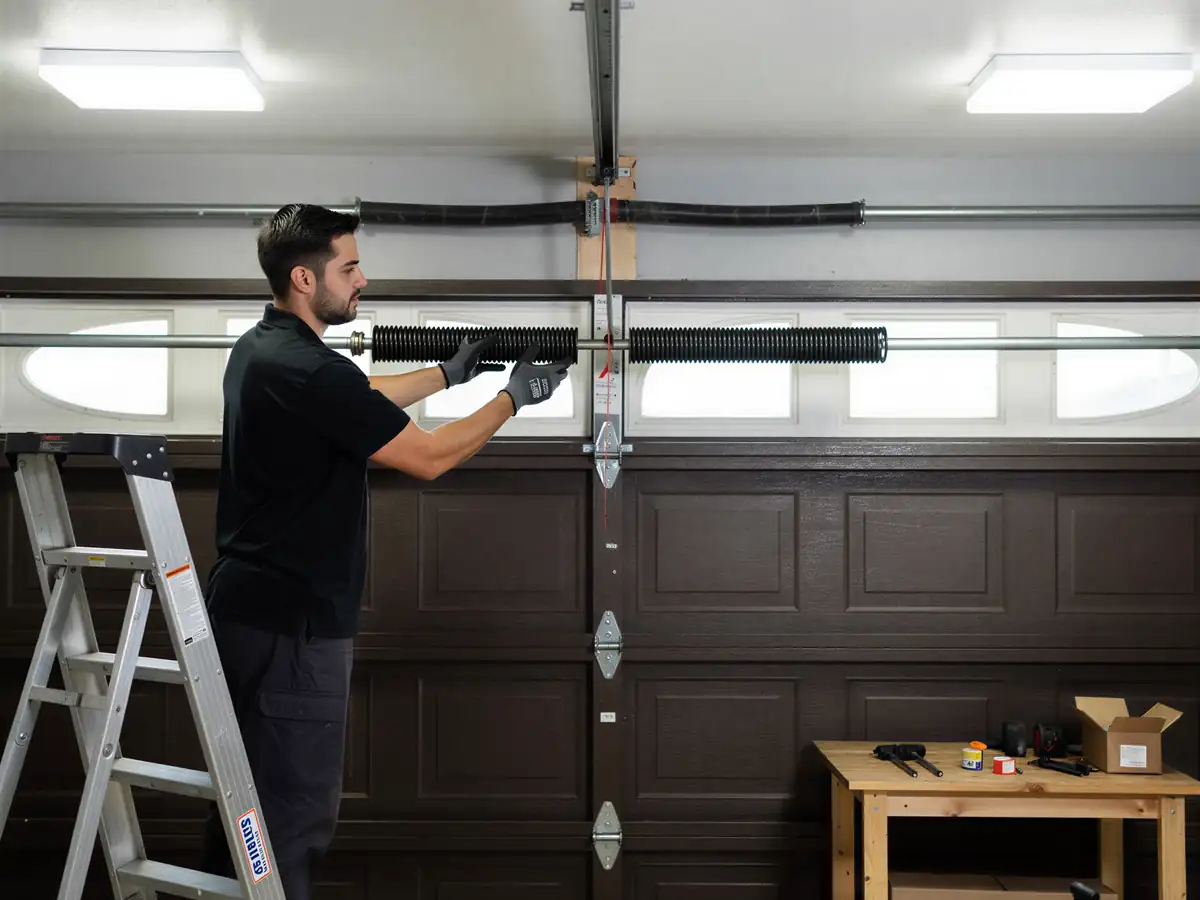
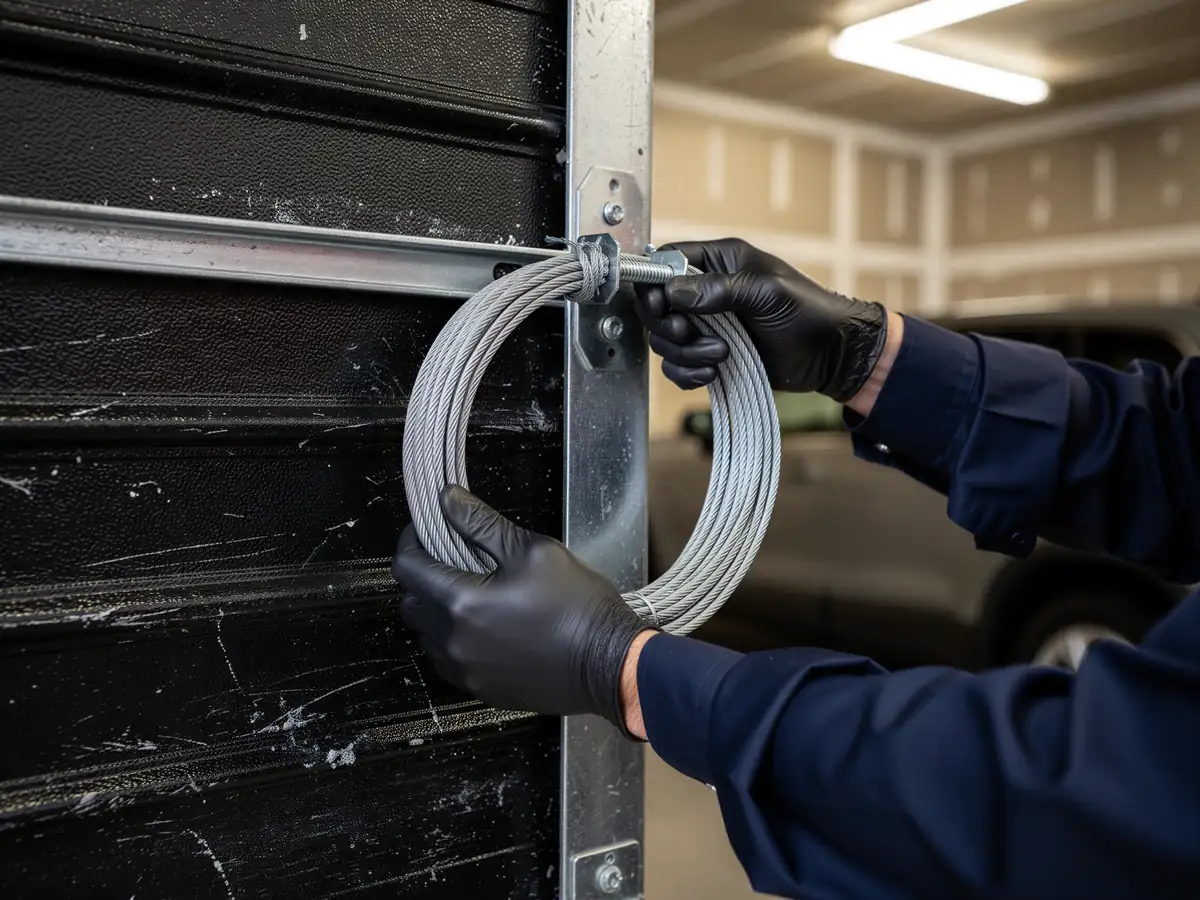
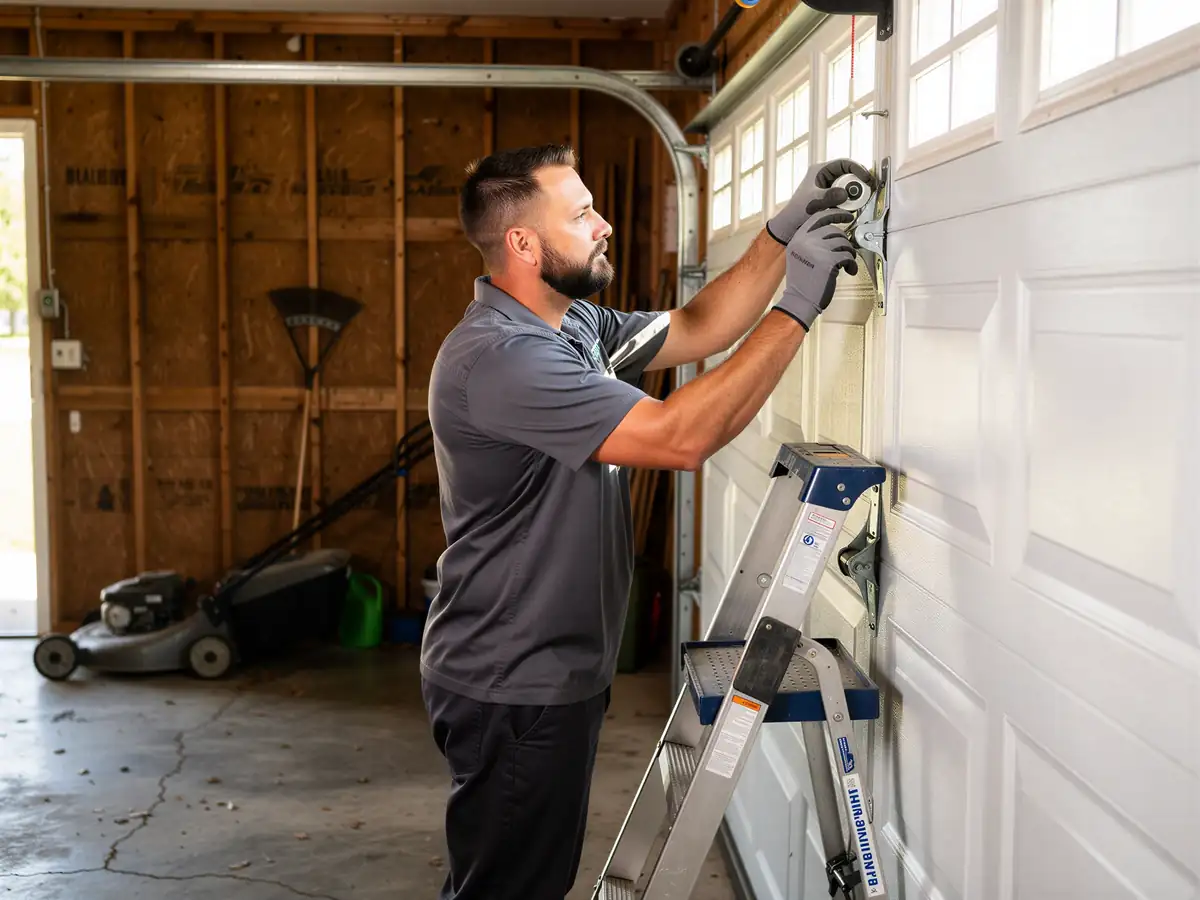
The usual mistake on a door this age is treating it like a modern torsion setup - lubricating the spring and calling it done. Extension springs don't fail the same way torsion springs do; they stretch, the safety cables (if they were ever installed) degrade, and the pulleys wear a groove that lets the cable jump. A maintenance visit on a 1976-era door has to check the safety cable separately from the spring itself, because a lot of houses built in this window predate the safety-cable requirement entirely. Skipping that check is how a stretched spring turns into a steel cable whipping loose under tension. The other place it goes sideways: openers on these doors were often retrofitted later, bolted onto hardware that was never designed to carry a motor's pull. A tune-up has to look at the bracket, not just the chain.
Can You Do This Yourself
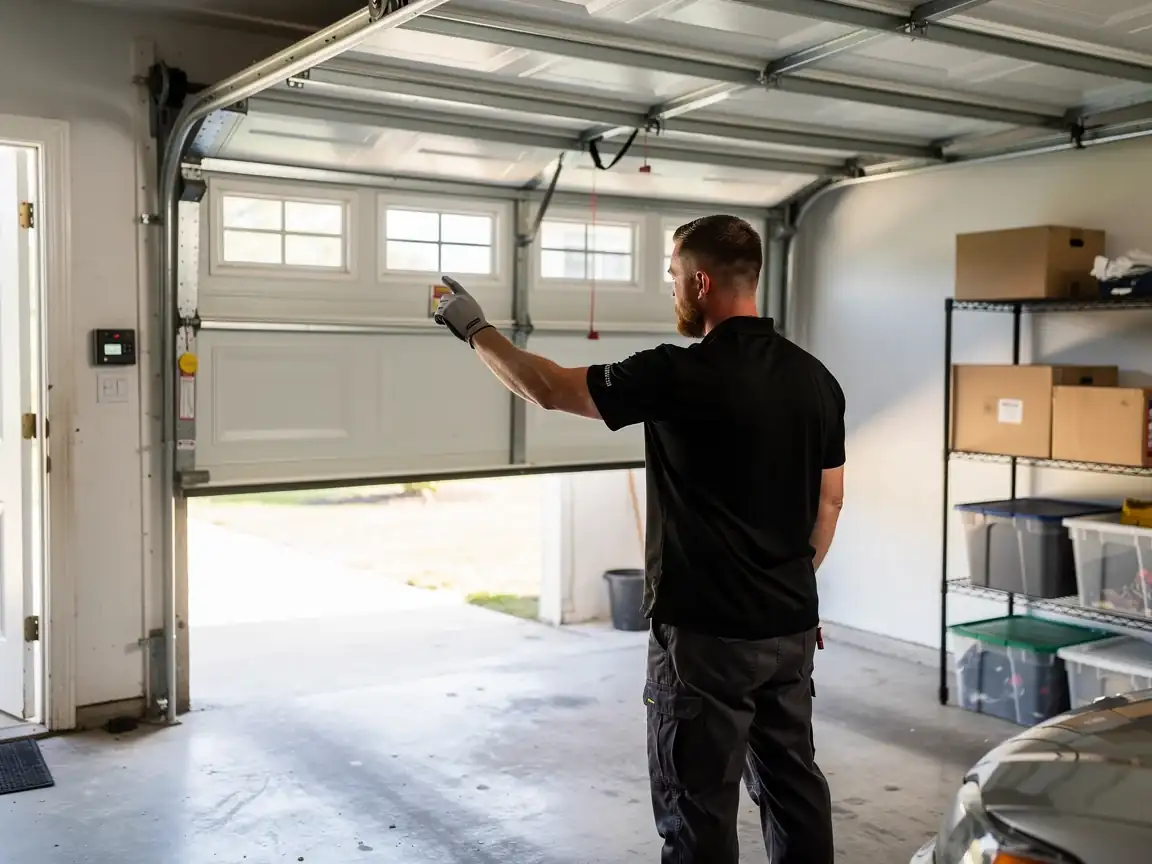
You can and should do the visual stuff yourself: watch the door travel and listen for a grinding pulley, check that the safety cables (if present) aren't frayed, wipe down the tracks. What you shouldn't touch is the spring itself. Extension springs store less energy than torsion springs per spring, but a 1976-era setup often runs two of them with no containment cable, and a spring that lets go under load has taken fingers. If your door is original to the house, that's reason enough to have someone else do the tension work, not a reason to avoid maintenance altogether.
Getting It Booked In
We run maintenance visits in Crest out of our El Cajon location - there's no branch out here, just the truck making the drive. If you know roughly when your house was built, mention it when you call; it tells us what hardware to expect before we're standing in your driveway. You can see the full repair side of what we do on the Crest garage door repair page, and the general maintenance scope we run company-wide is on the El Cajon maintenance page.