The Symptom
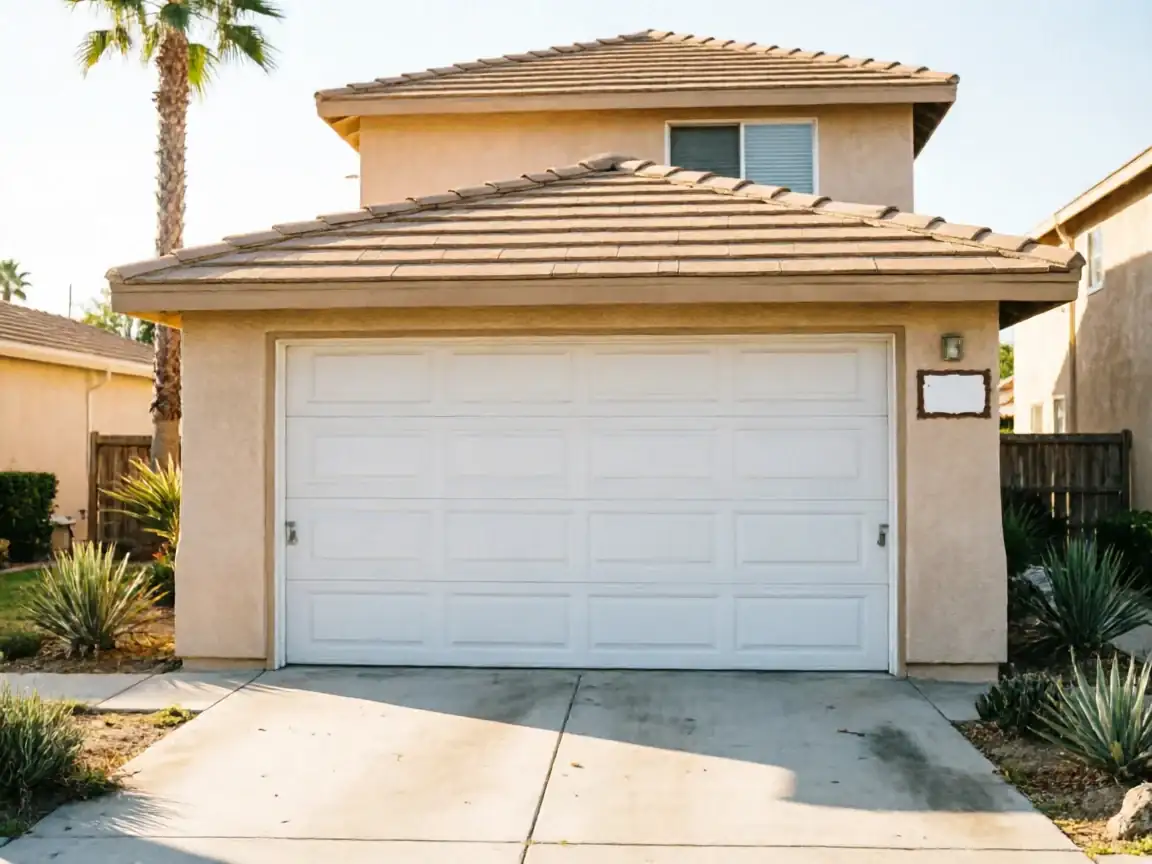
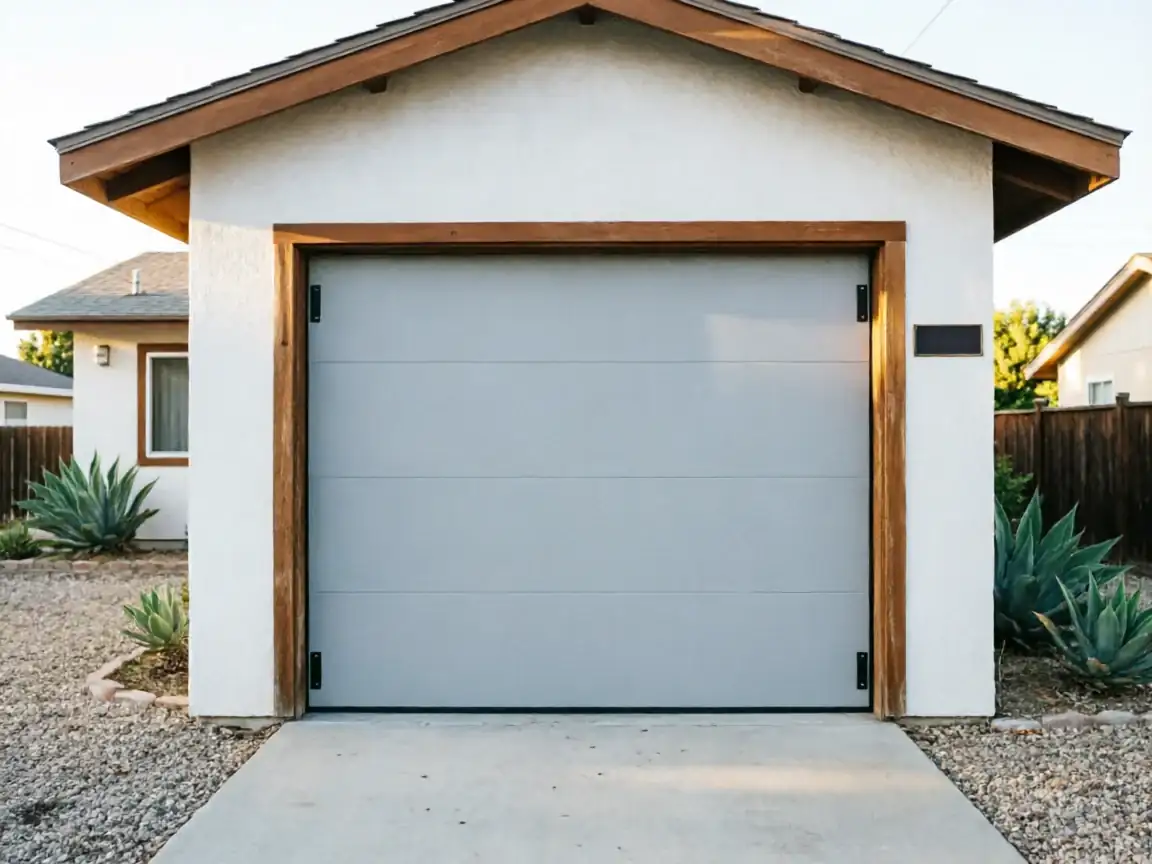
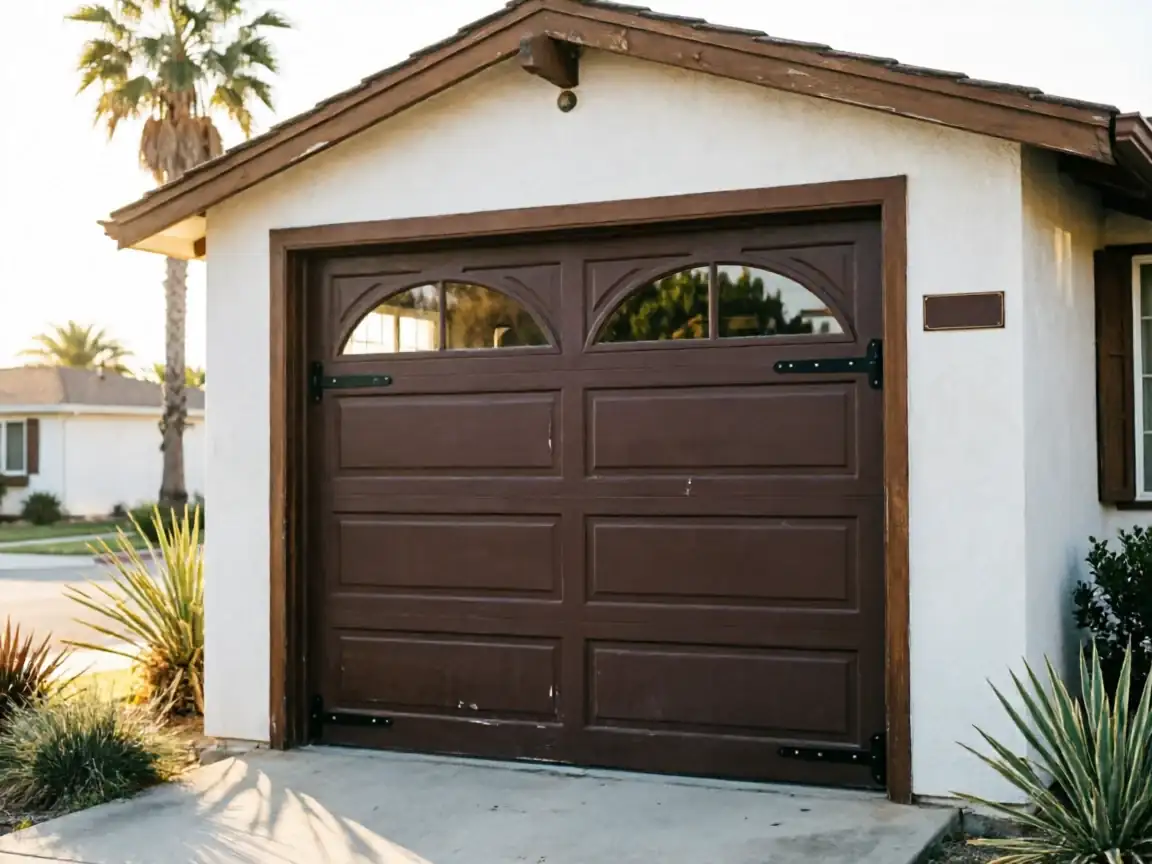
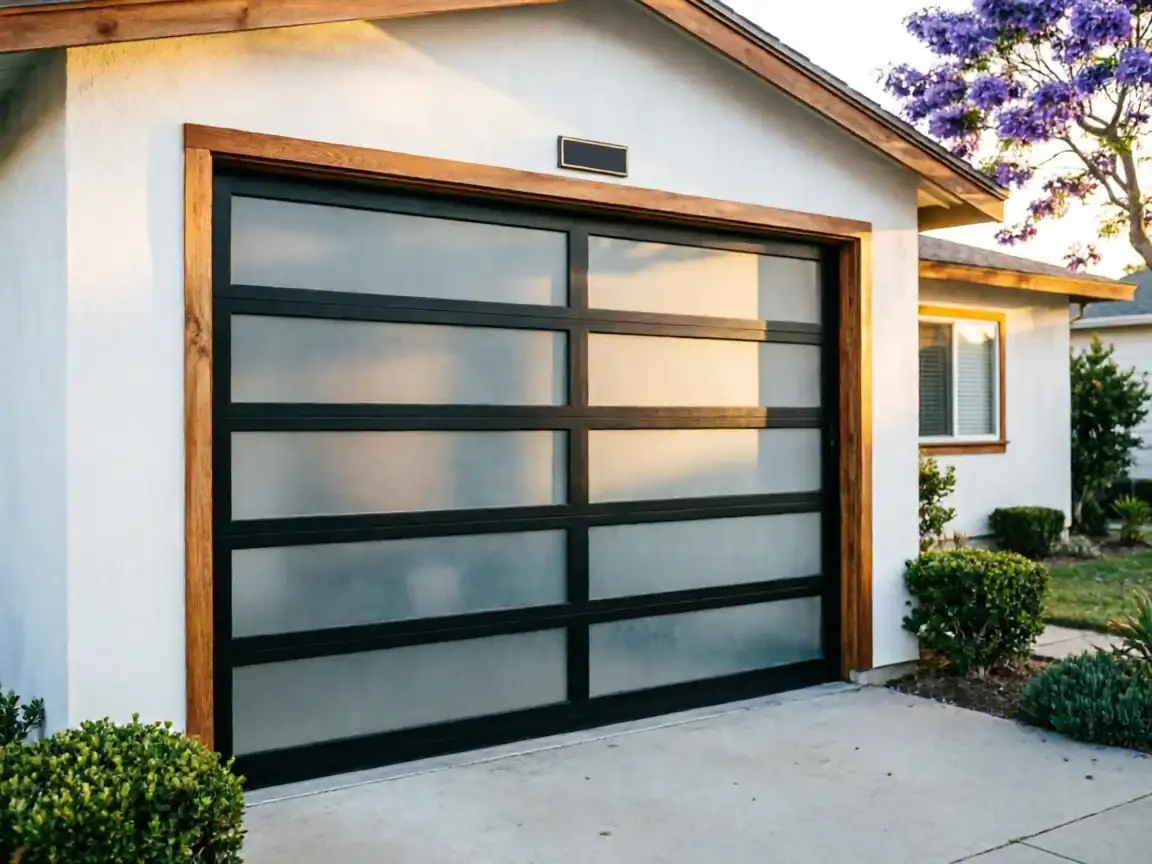
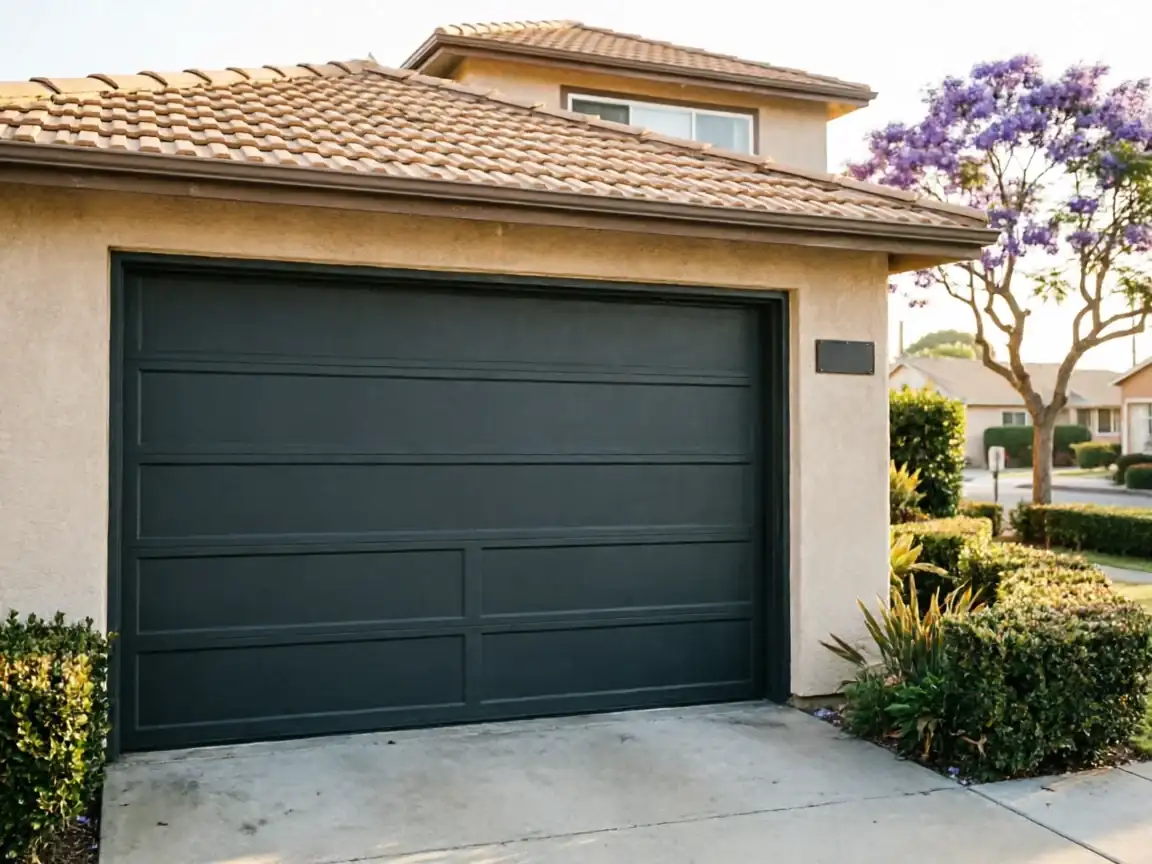
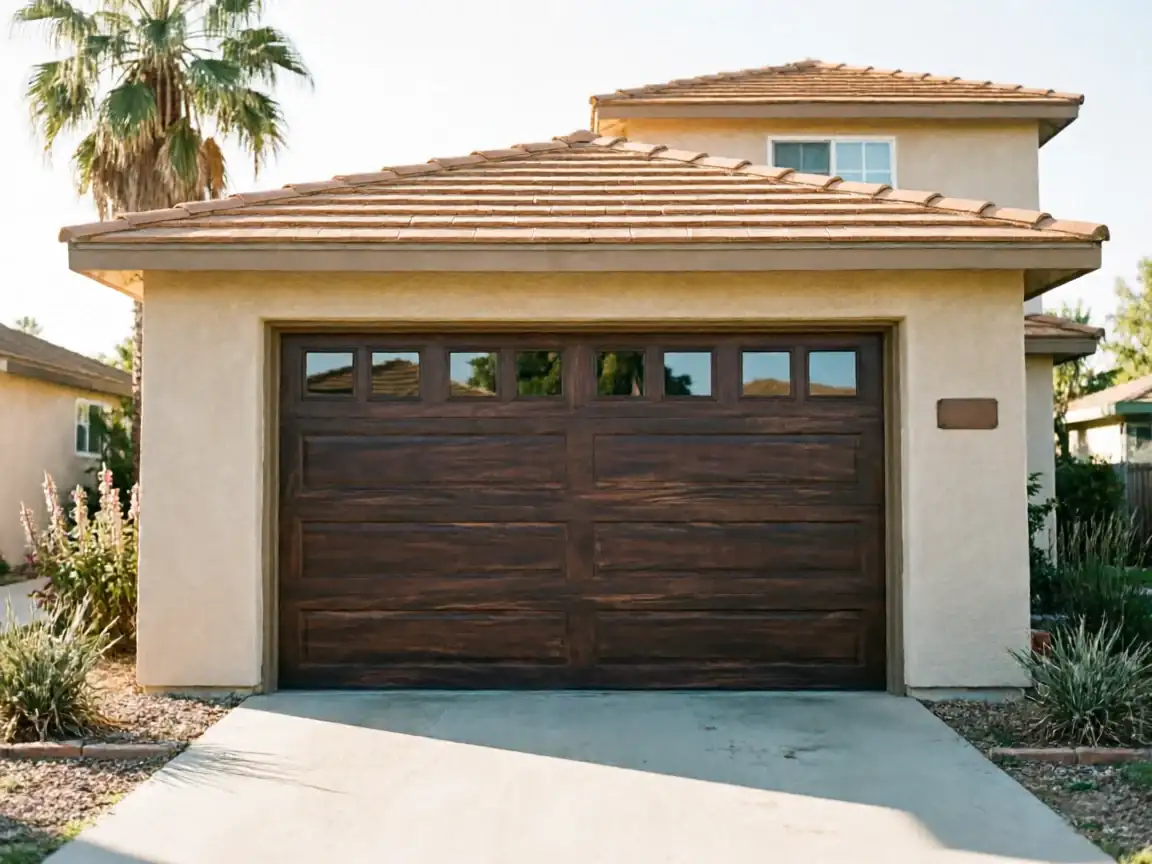
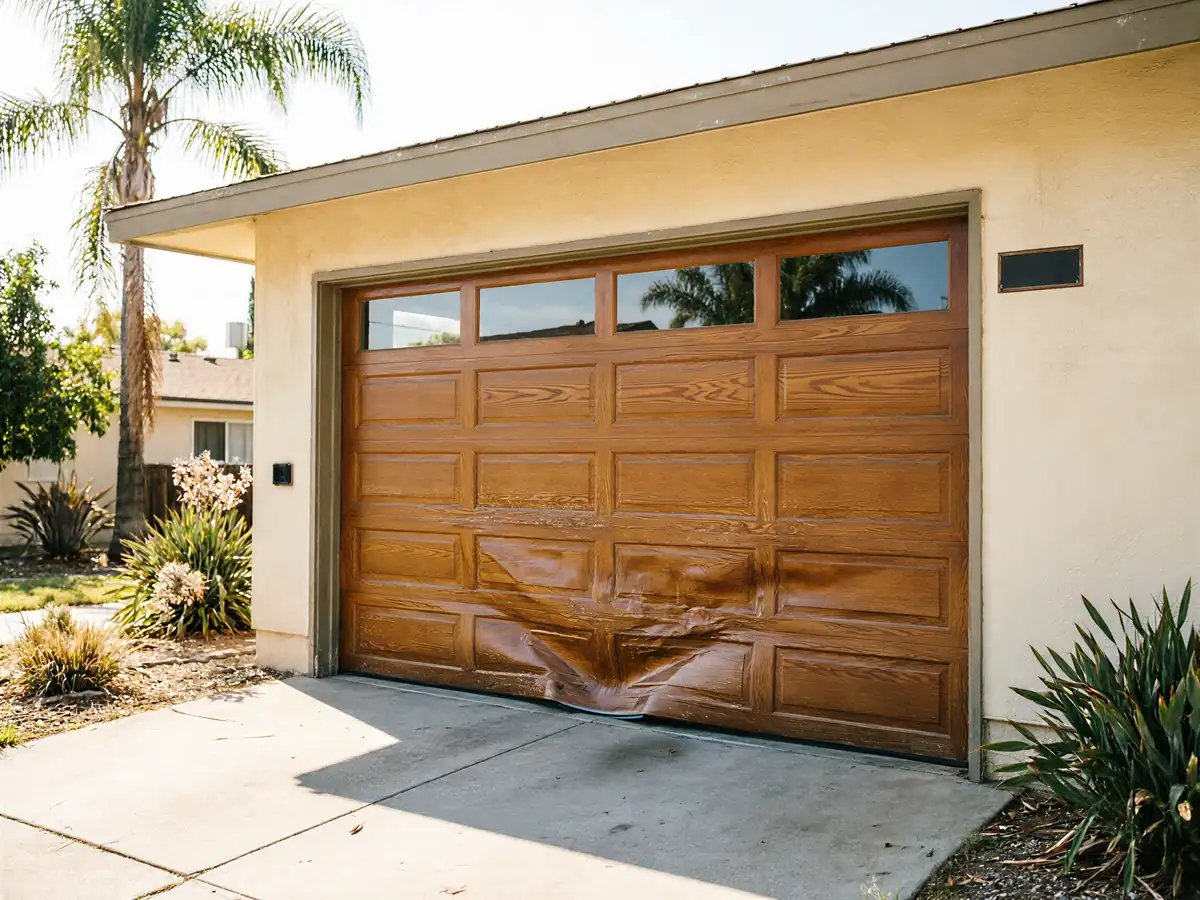
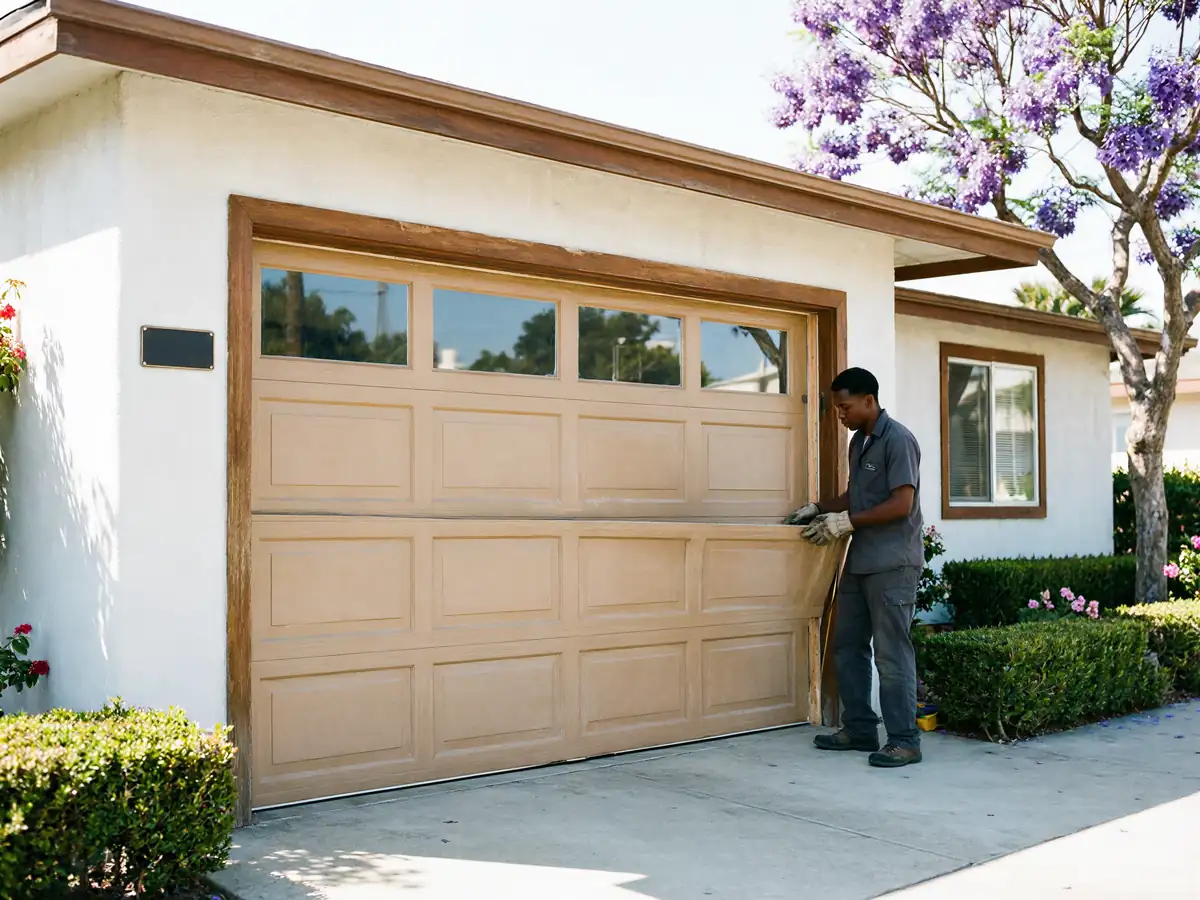
Most houses in Crest went up around 1976, and on a lot of them the garage door is the same one that came with the house. You notice it slowly - the door sags a little at the bottom corner, the opener strains before it catches, the panels have gone chalky and thin where the sun hits them hardest. Nobody wakes up and decides to replace a door. Usually it's the third repair call in two years, or a spring that's broken for the second time on hardware that's pushing fifty years old, that finally makes the math simple: a new door costs less over the next decade than feeding parts into an old one. With roughly 1,059 households out here, Crest isn't a big market, but it's a consistent one - these houses were mostly built in the same handful of years, so the doors are failing in the same handful of ways at close to the same time.
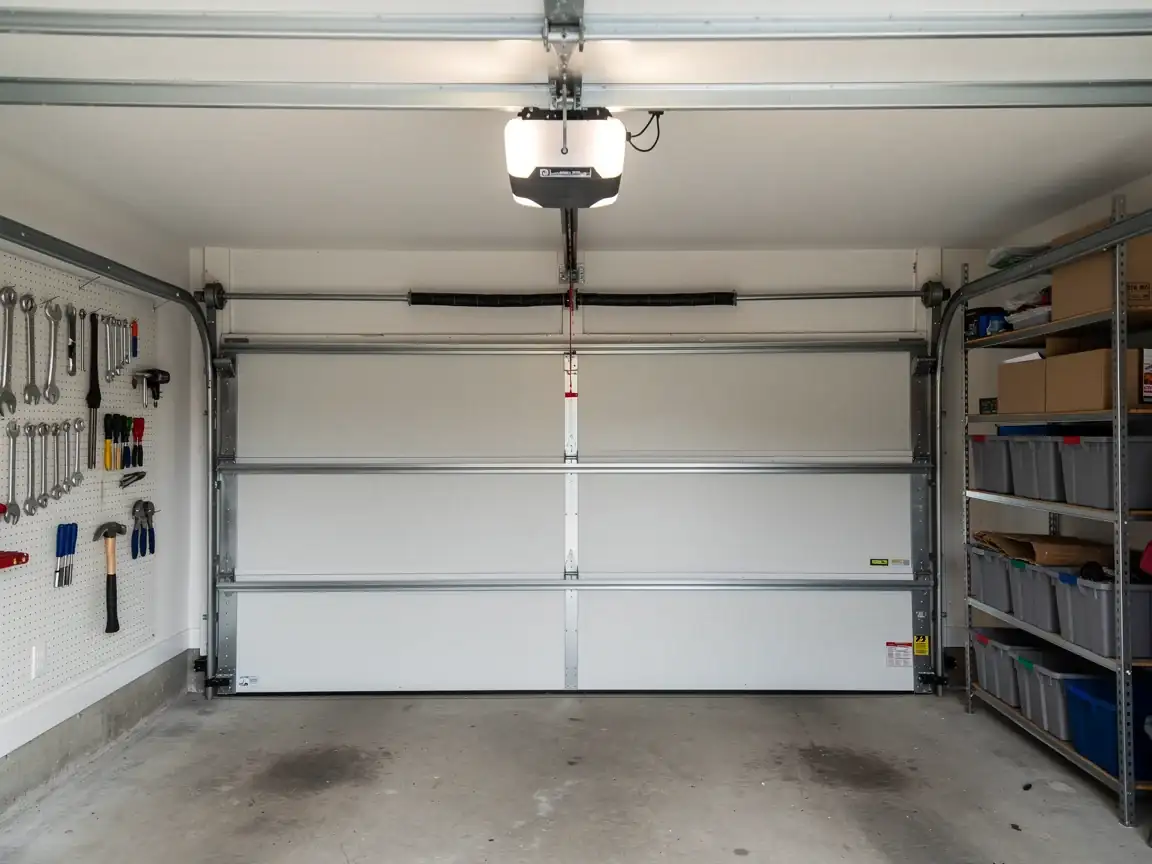
If your opener is newer than your door, that's a clue too. Somebody already swapped the motor once and left the door and track alone. That's a common half-measure, and it's usually the reason the door still feels heavy or runs crooked even with a strong new opener pulling on it.
Where This Job Goes Sideways
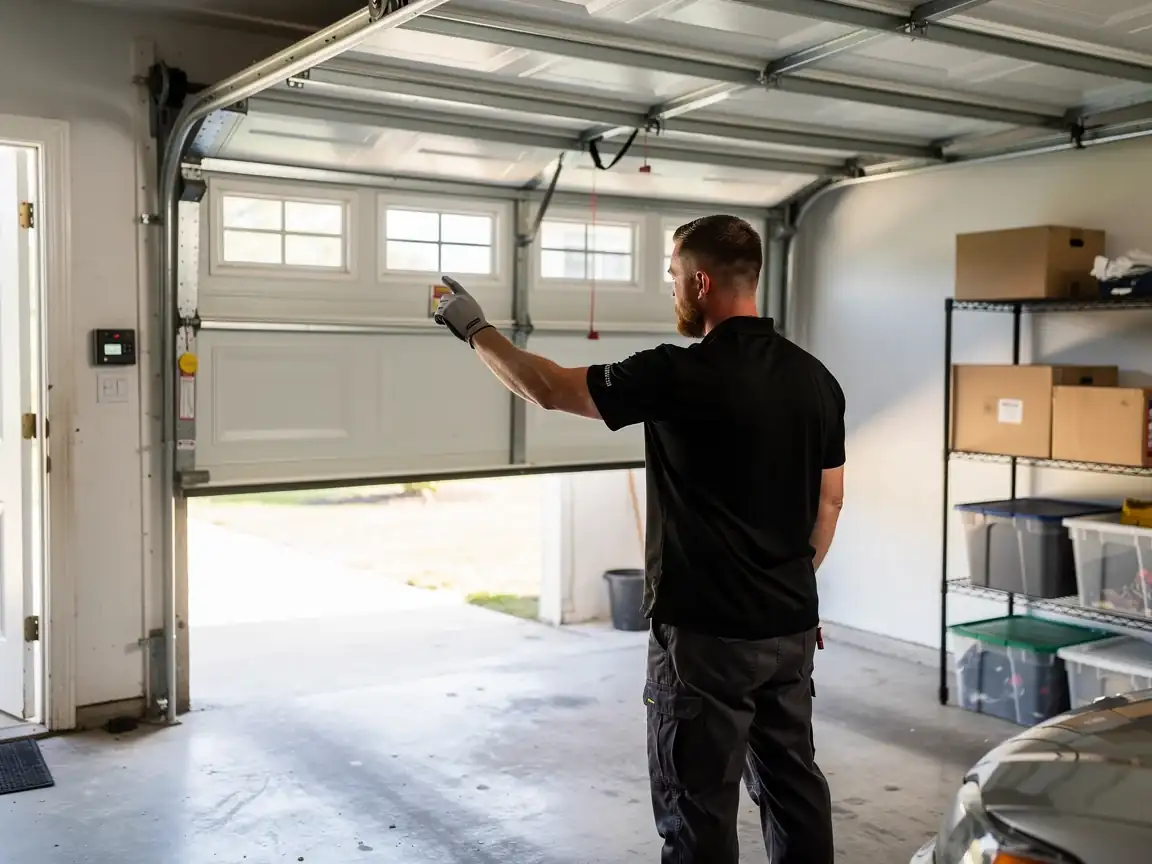
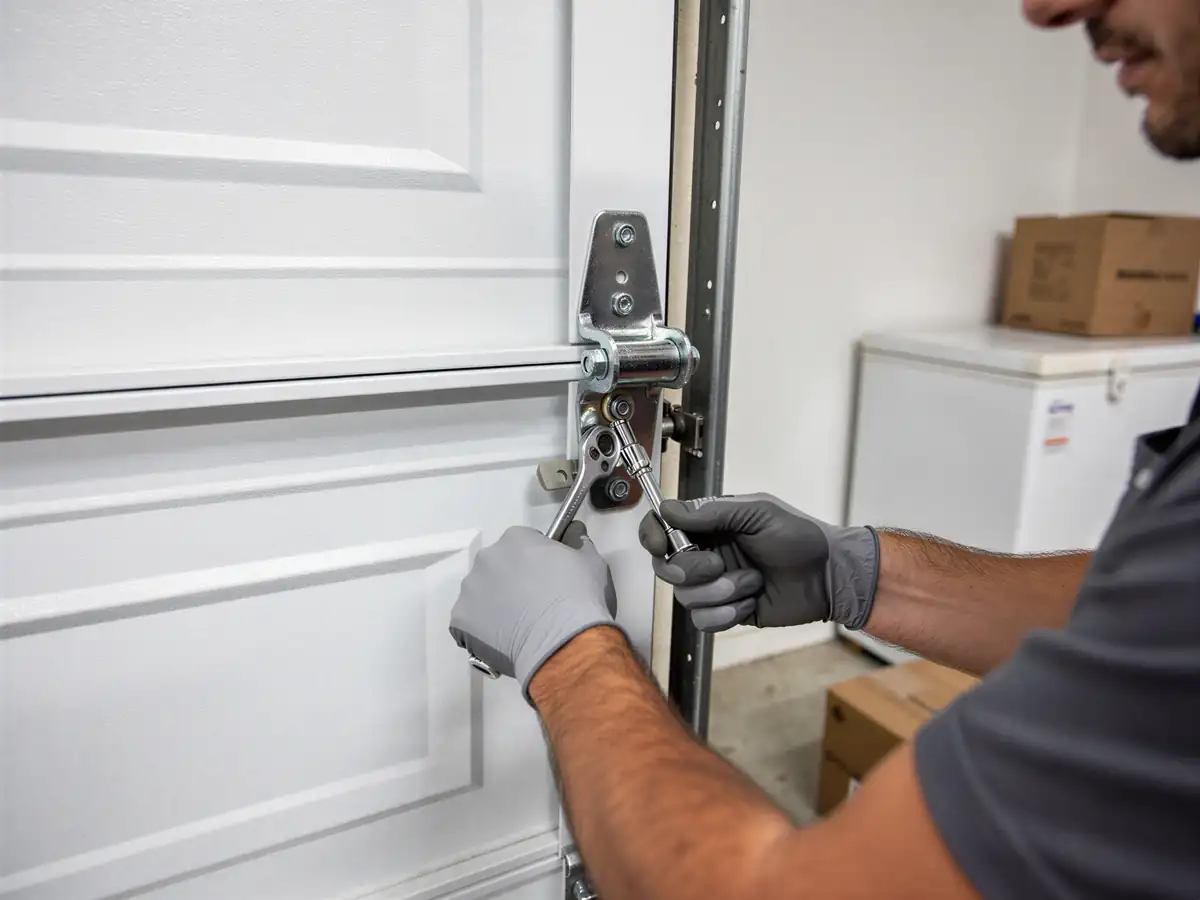
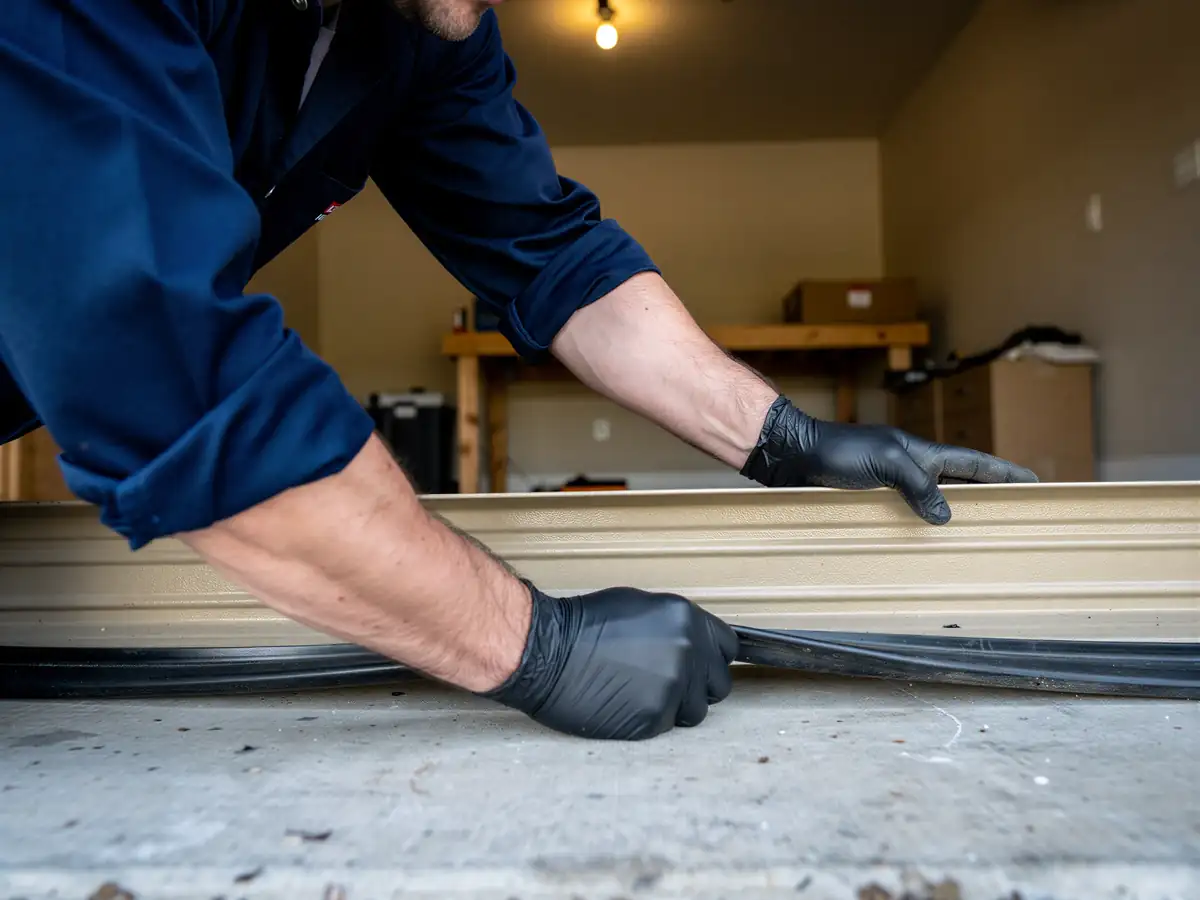
The track and jamb brackets on a mid-1970s door were sized and set for the door that originally hung there. Put a new door in without checking that hardware and you can end up with a door that's plumb but doesn't seal, or a track that's been re-shimmed so many times over the decades it won't hold alignment under a new opener's pull. The other spot this goes wrong is the opening itself - older Crest garages weren't always framed to a standard width, so a stock door can come up a half-inch short on one side. That's not a flaw in the new door, it's a mismatch with a 1976 rough opening that nobody squared up since. We check the jamb and header before we order anything, not after.
Can You Do This Yourself
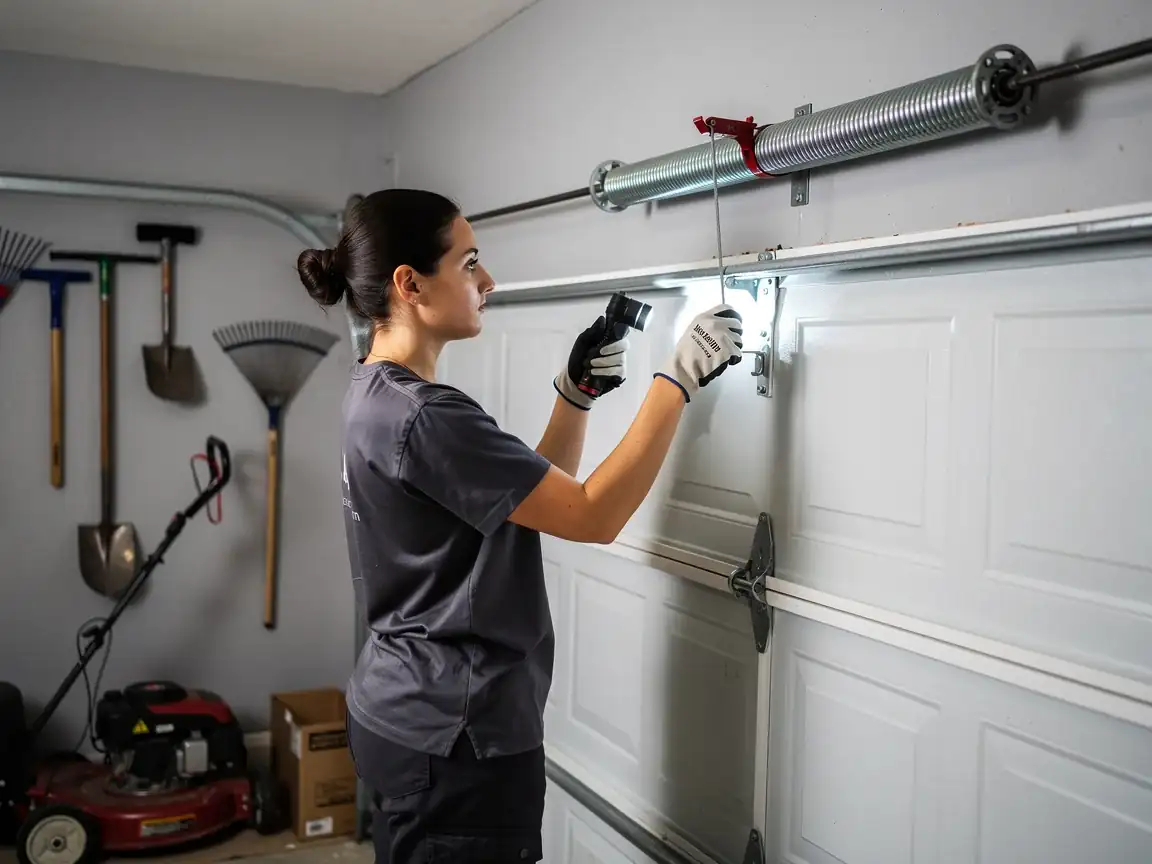
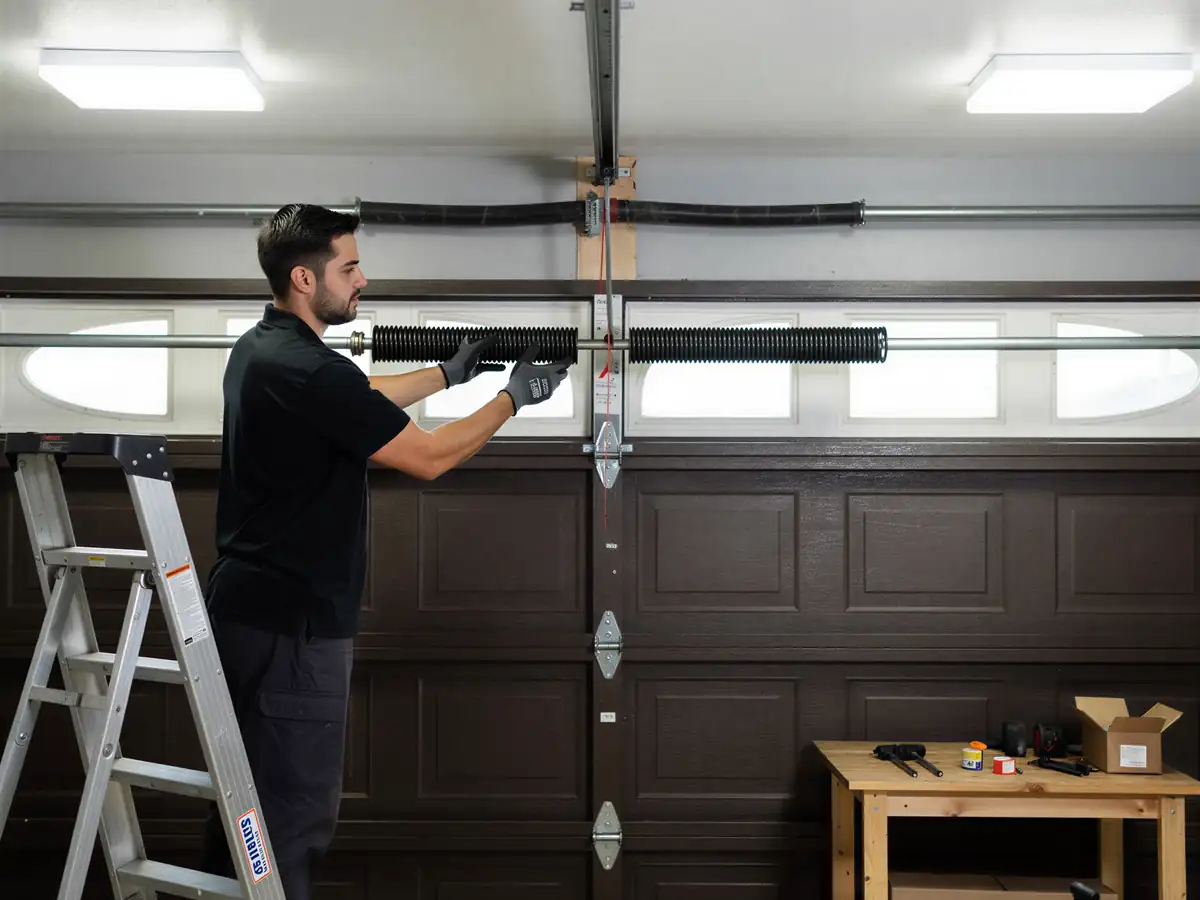
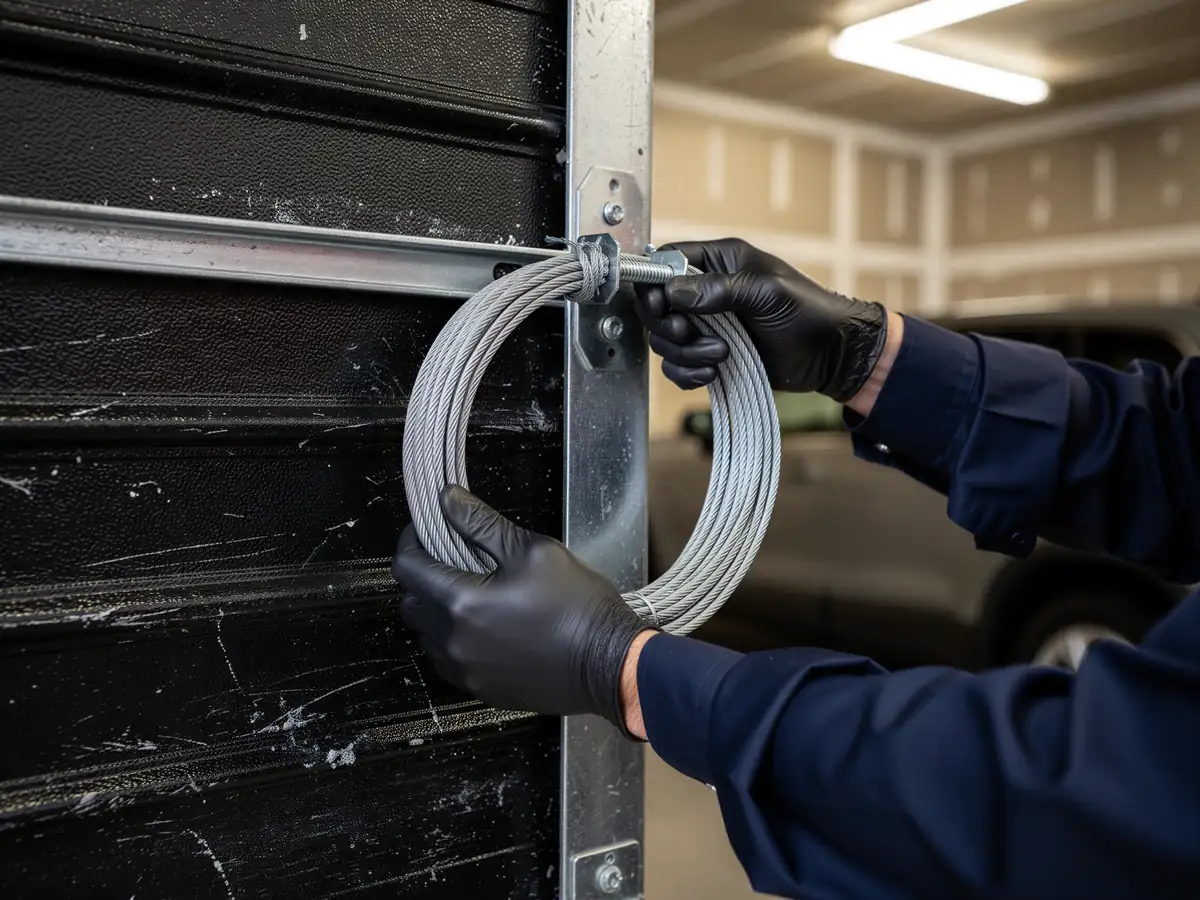
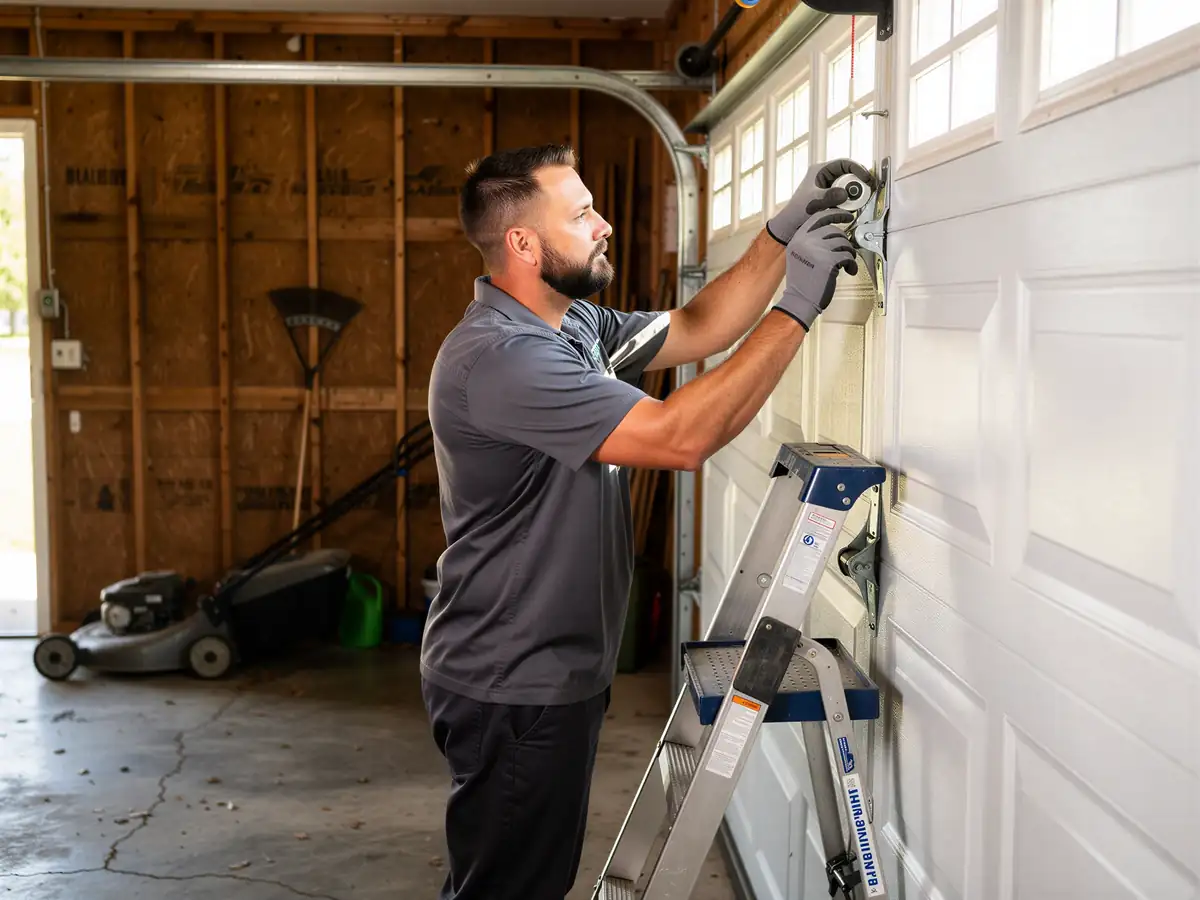
Swapping a garage door yourself isn't impossible, but on a house this old the risk isn't the door panel - it's what's behind it. A torsion spring under tension, mounted on a bracket that's been there since 1976, can hurt you badly if it lets go while you're working on it. If you're set on doing some of the work, pulling the old panels and prepping the opening is reasonable DIY. Setting new torsion hardware and balancing the spring to the door's actual weight is where we'd tell you to stop and call someone - that's not a corner worth cutting to save a service fee.
Getting It Booked In
Since there's no branch in Crest, booking starts with a call or a request through the site, and we schedule the measure visit from our El Cajon base about five miles out. If your current door is still working but rough, it's worth looking at repair first before committing to a full replacement - sometimes a spring or roller job buys a house like this several more years. If you're past that point, or you want to see the range of install work we do across the wider area, the El Cajon installation page covers the service in full; this page is just the Crest-specific version of it.