Can You Do This Yourself
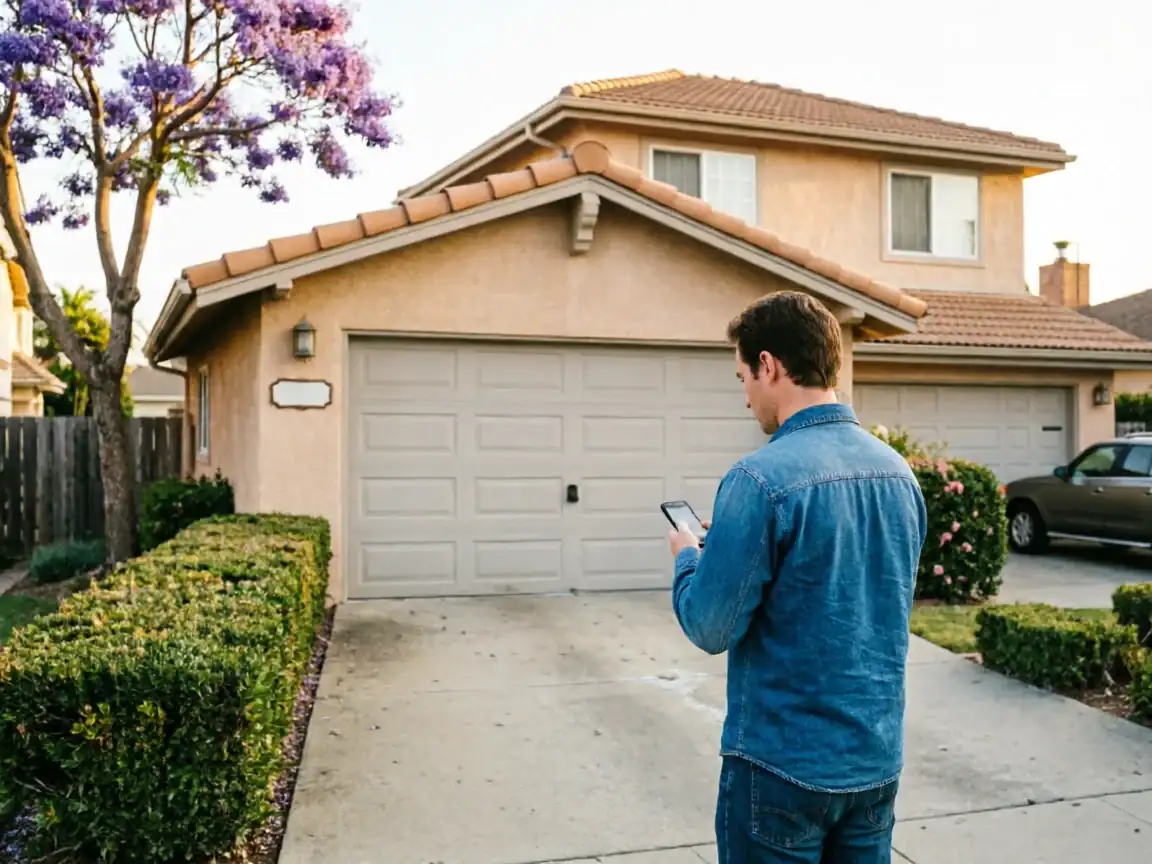
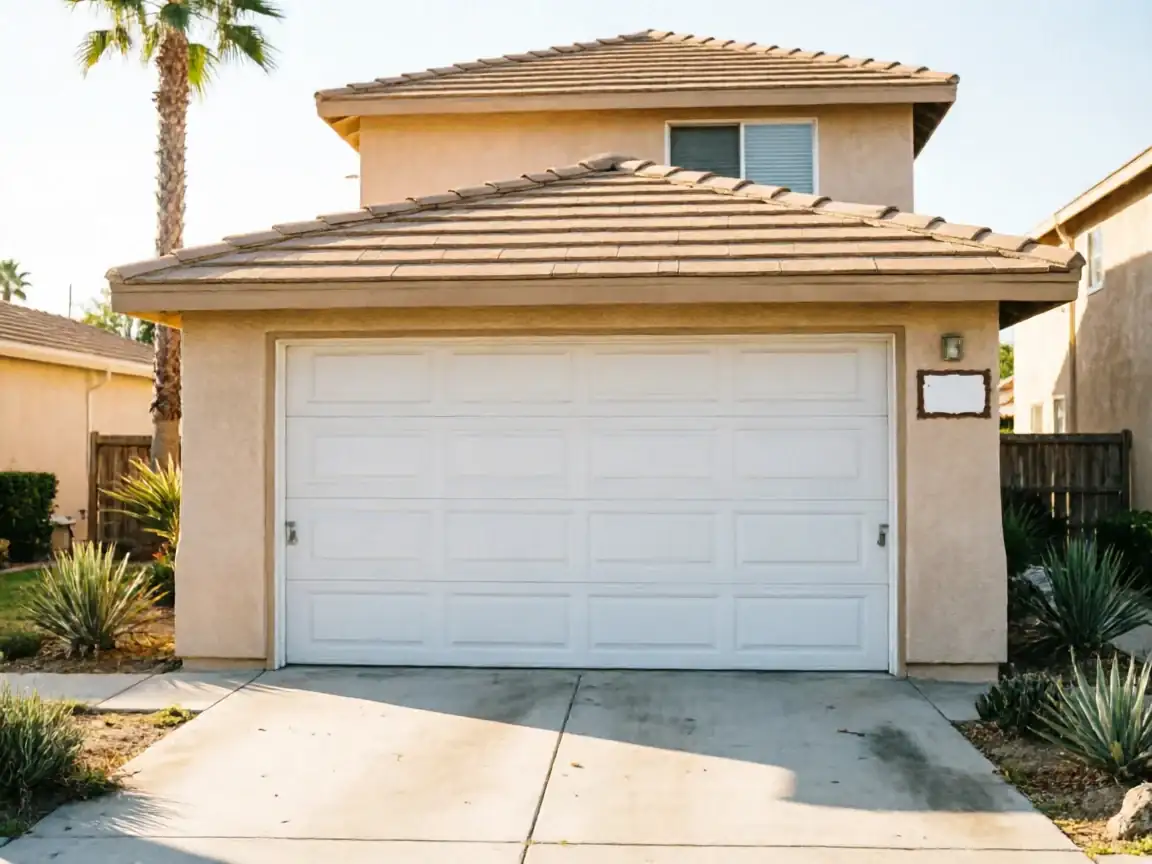
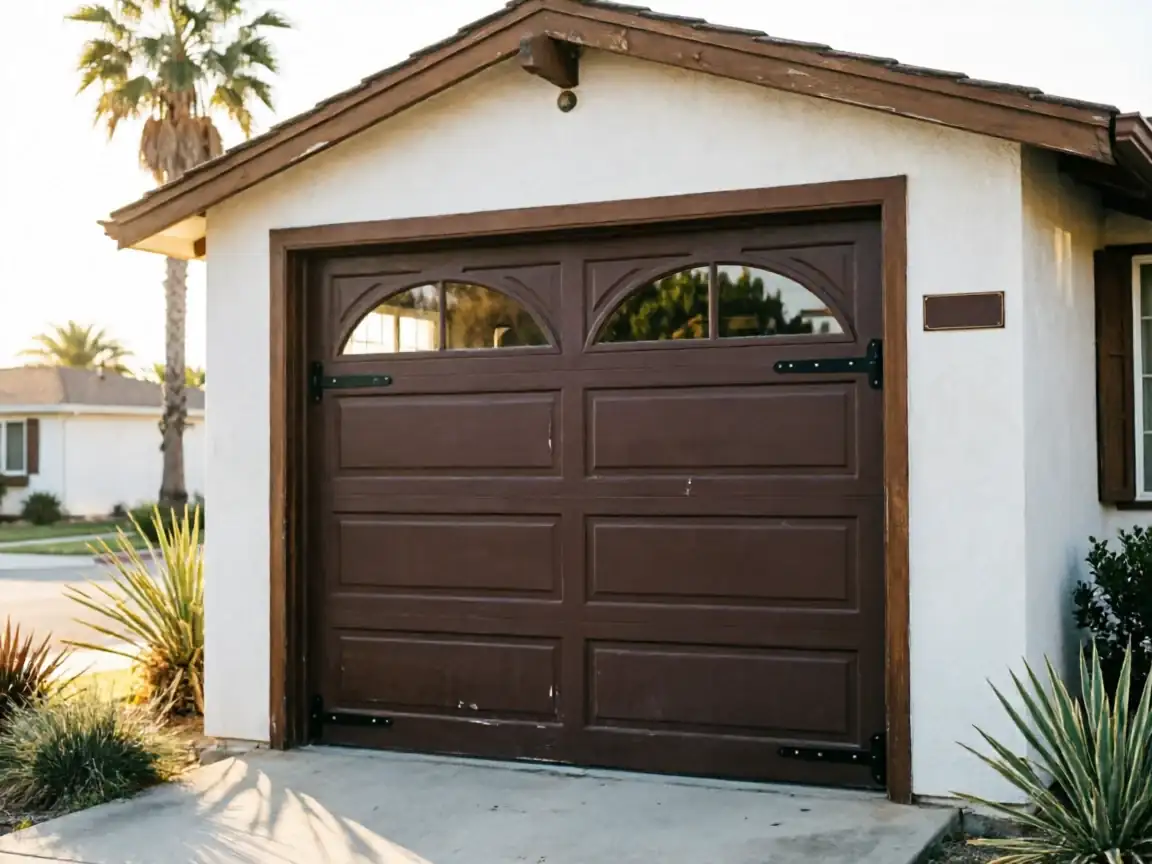
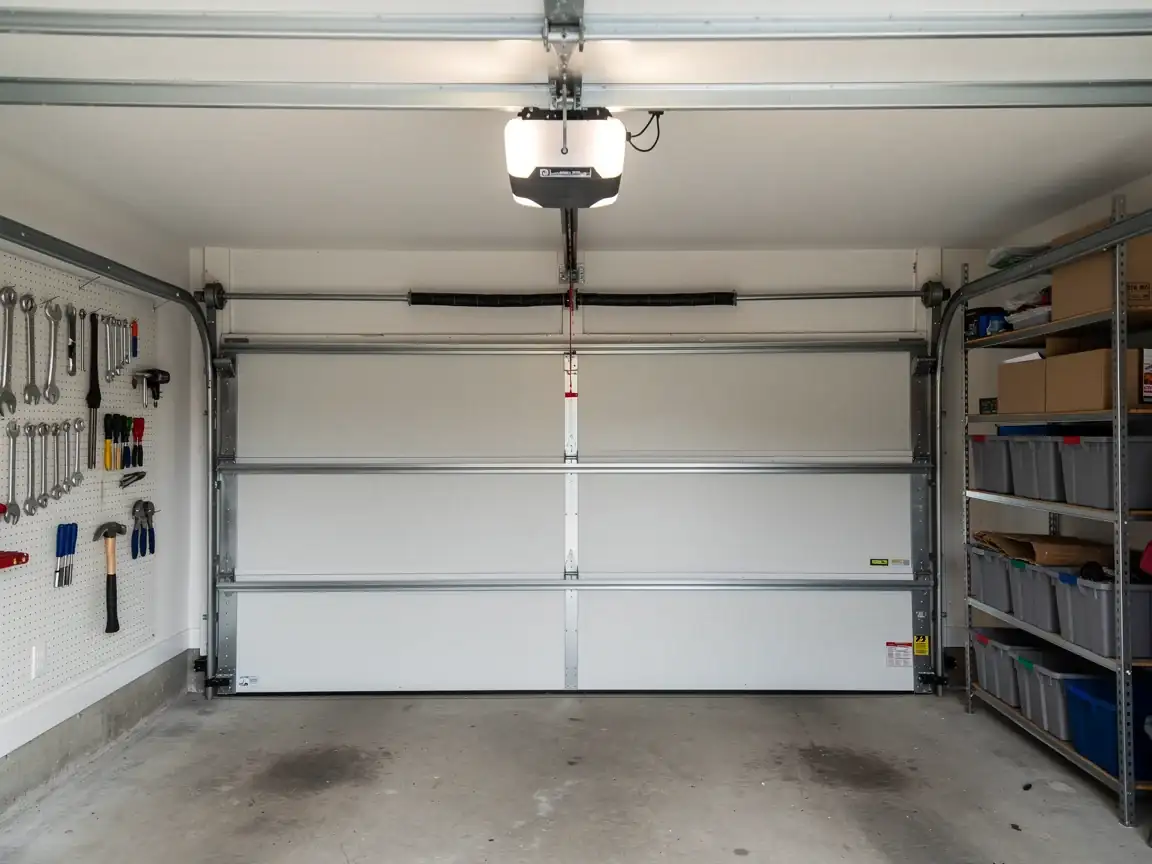
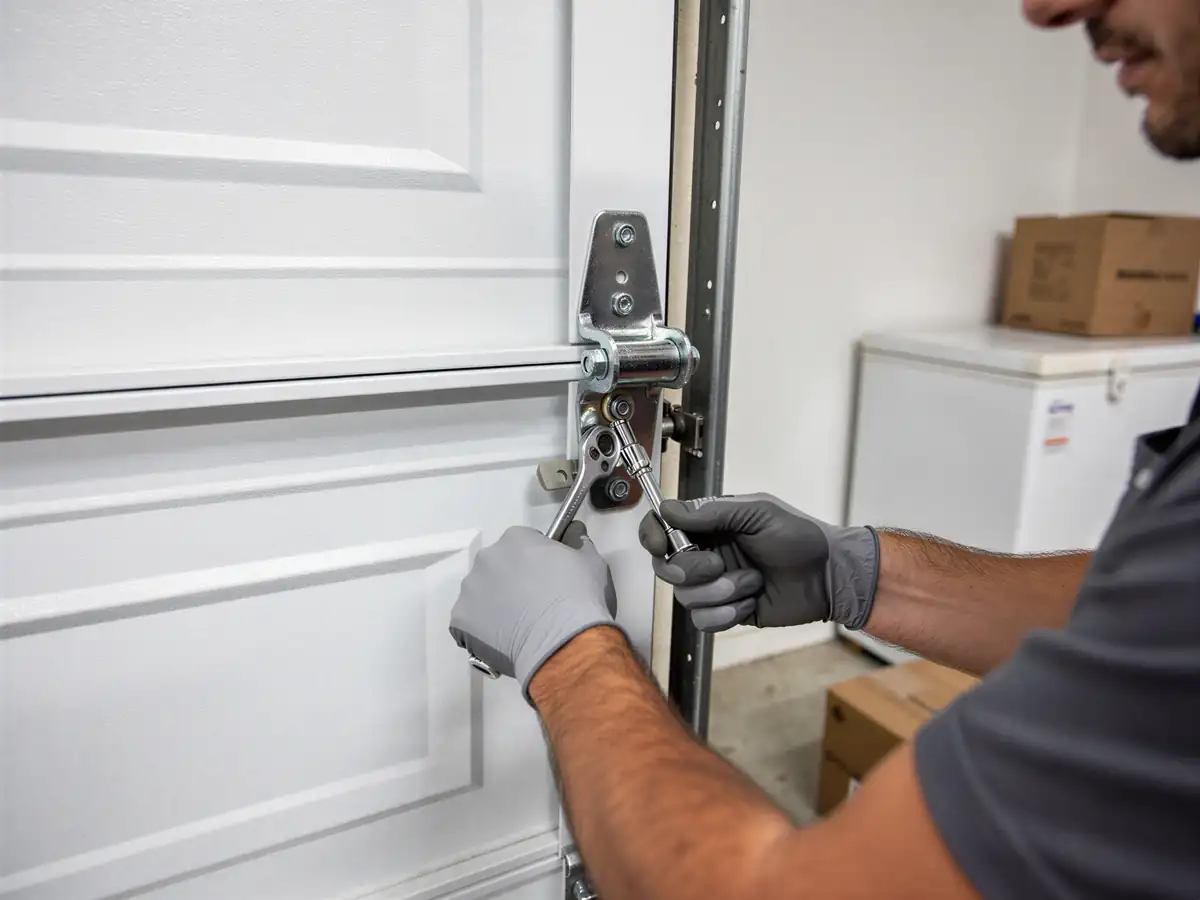
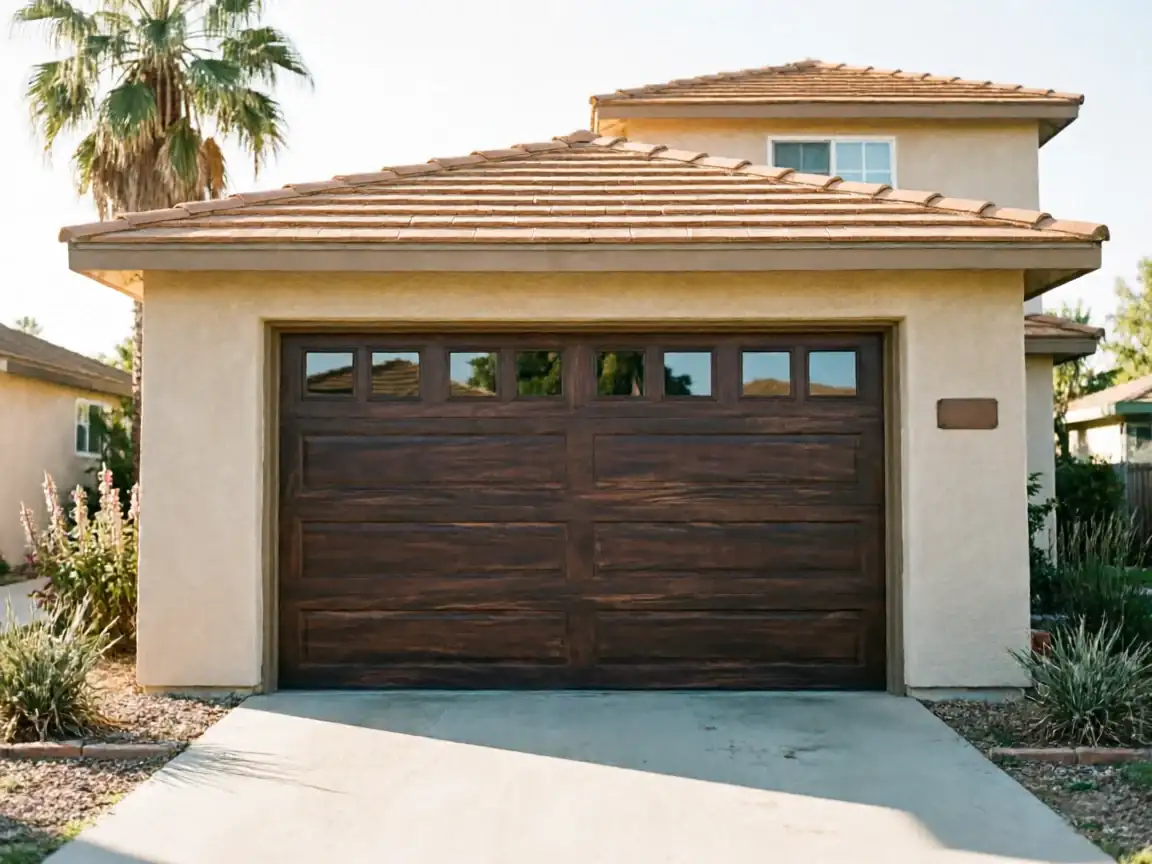
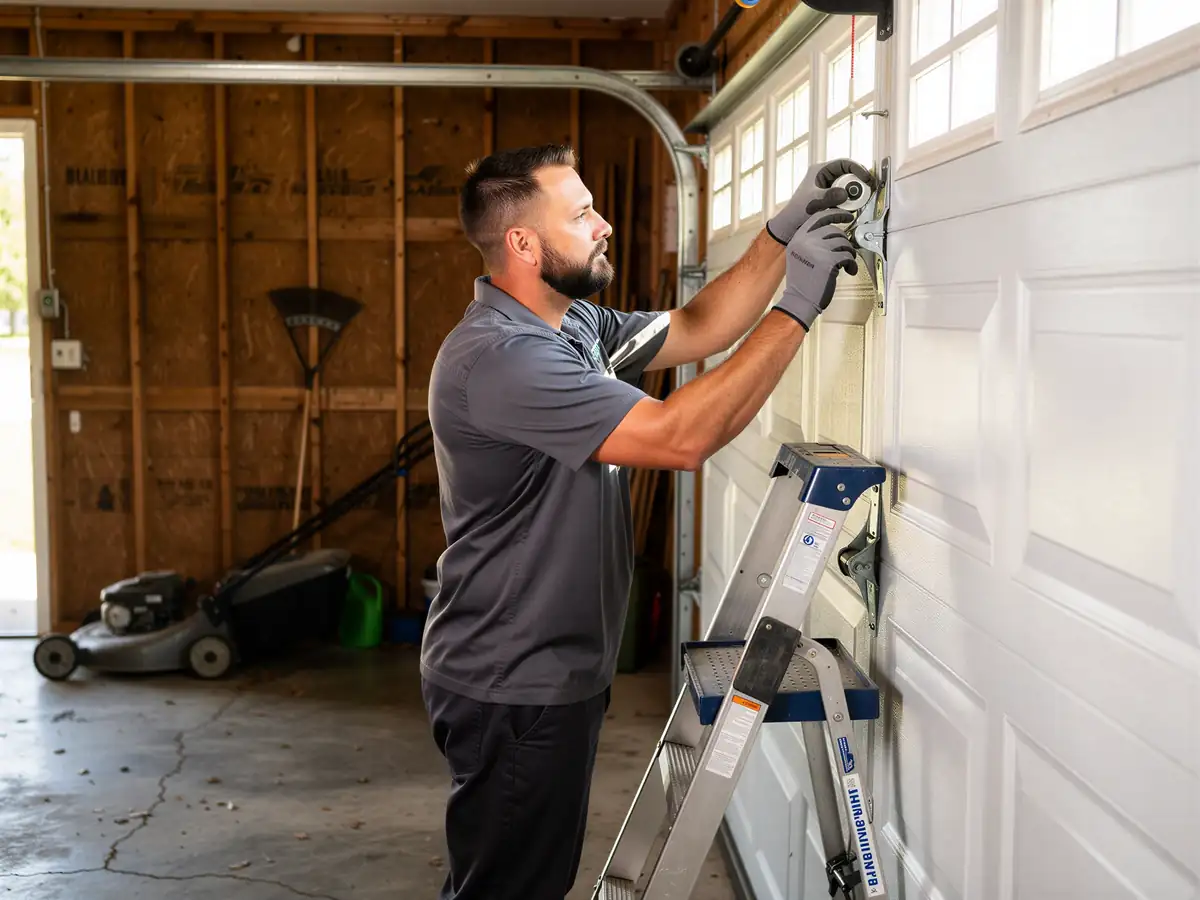
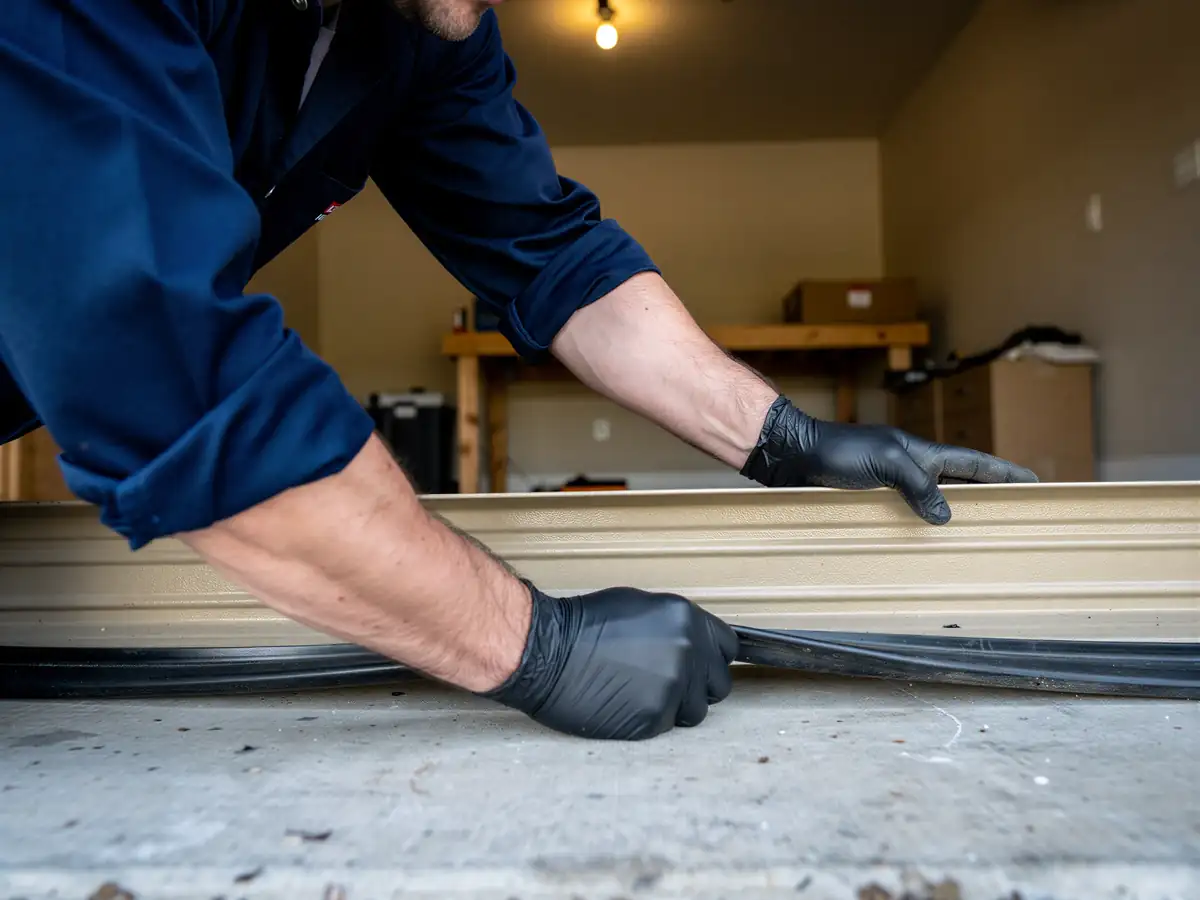
A good chunk of maintenance in Rancho San Diego is within reach for most owners. Houses here went up around a median year of 1985, which puts most doors on galvanized torsion springs and steel rollers rather than the older extension-spring setups you'll find on El Cajon's pre-1970s homes. That means your yearly job list is straightforward: wipe down and lubricate the hinges and rollers, check the weatherstrip at the bottom panel for cracking (the mild coastal-influenced climate here is easy on rubber, but it still dries out over a decade), and run the auto-reverse safety test by placing a 2x4 under the door and watching it kick back.
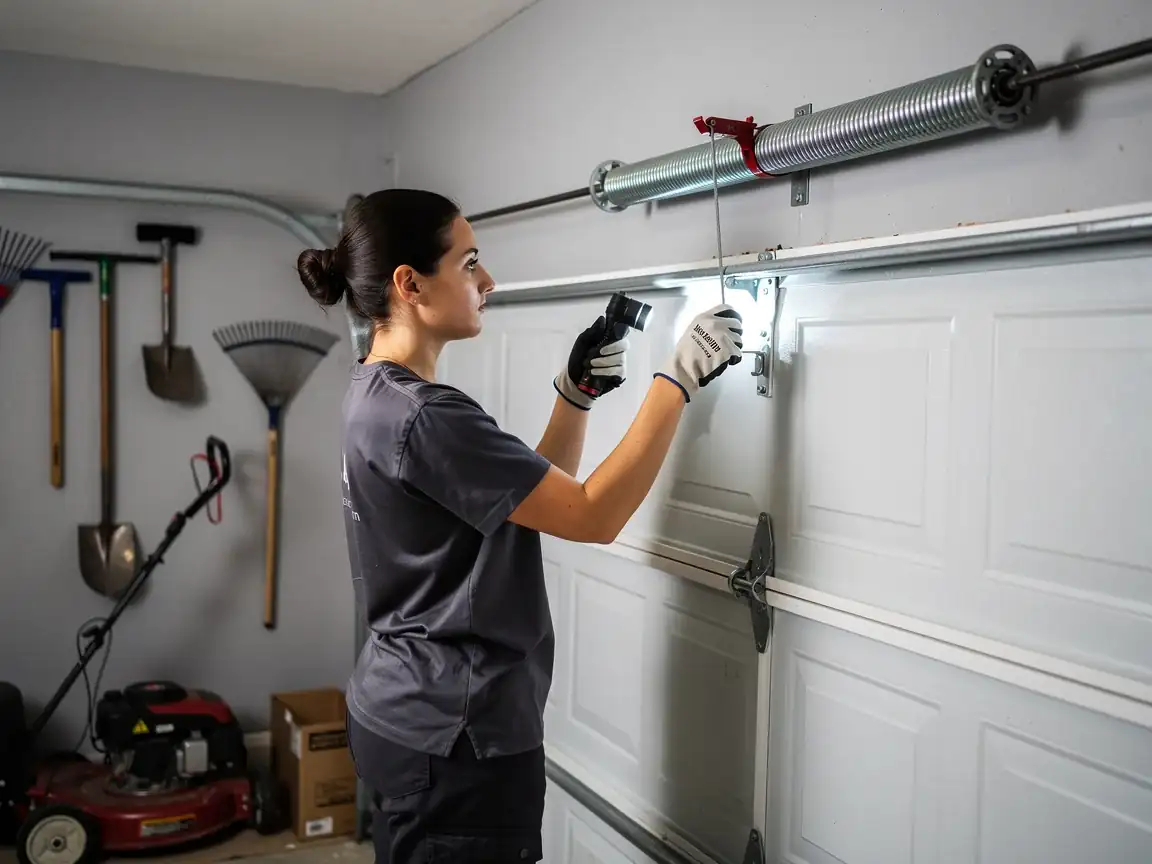
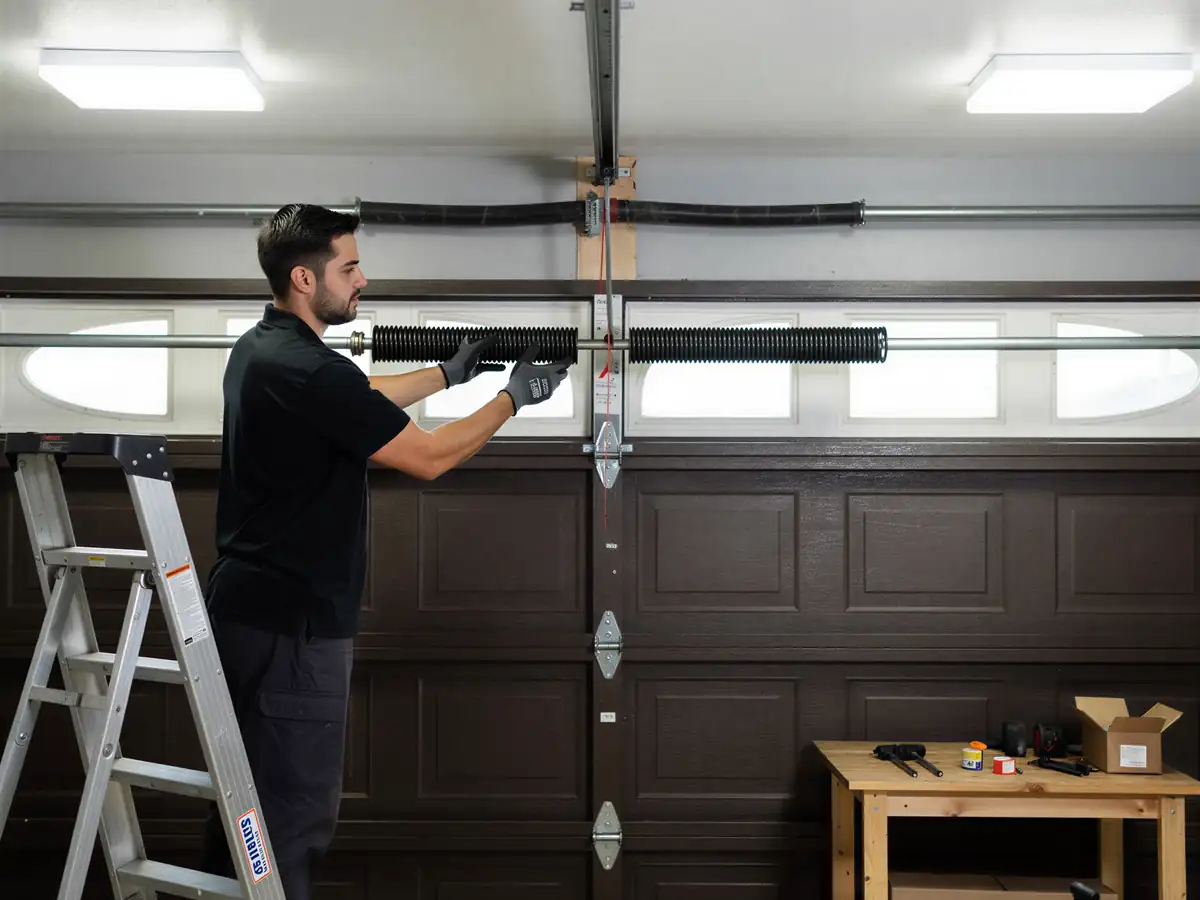
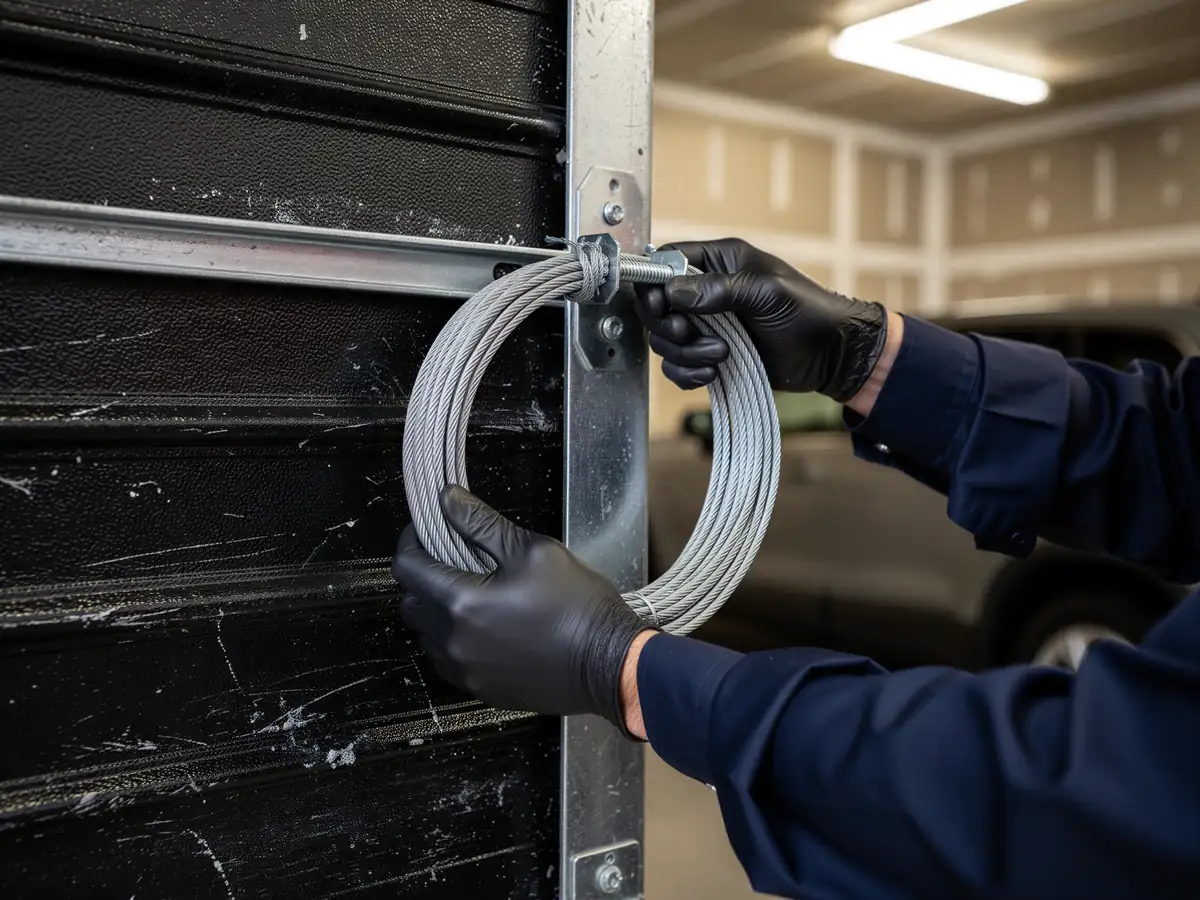
What you shouldn't touch is the torsion spring itself. These doors are old enough now - 35 to 45 years on original hardware in a lot of cases - that the spring is past its rated cycle count, and a spring under that kind of load will take a finger off if it lets go while you're adjusting it. Leave spring tension, cable inspection, and anything involving the torsion bar to someone who does it daily. That's the one place DIY maintenance here should stop.
Where This Job Goes Sideways
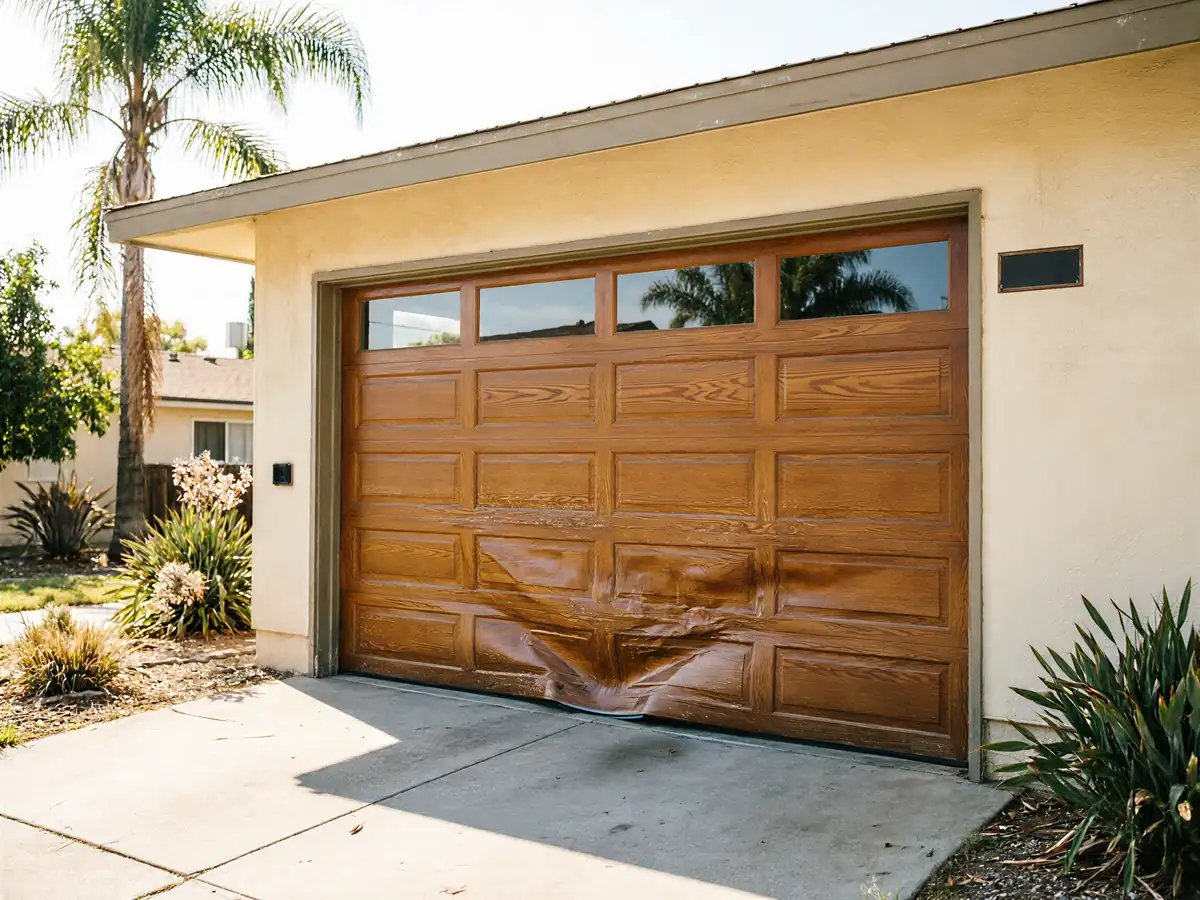
The fault we see most in this part of the service area isn't a broken door - it's a door that's been quietly losing adjustment for years because nobody checked it. Homes built around 1985 came with openers that are now well into their second or third decade if they haven't been swapped, and the gears inside wear down slowly enough that owners don't notice until the opener is straining on every cycle.
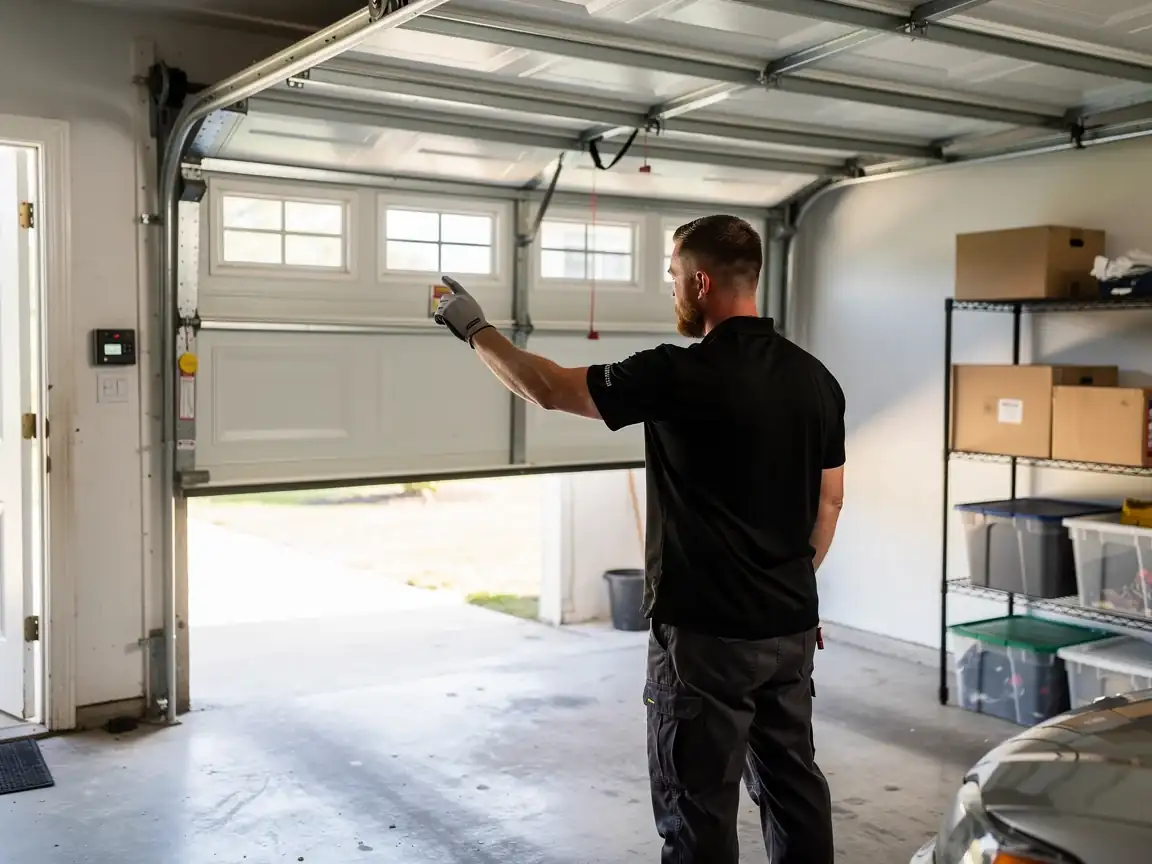
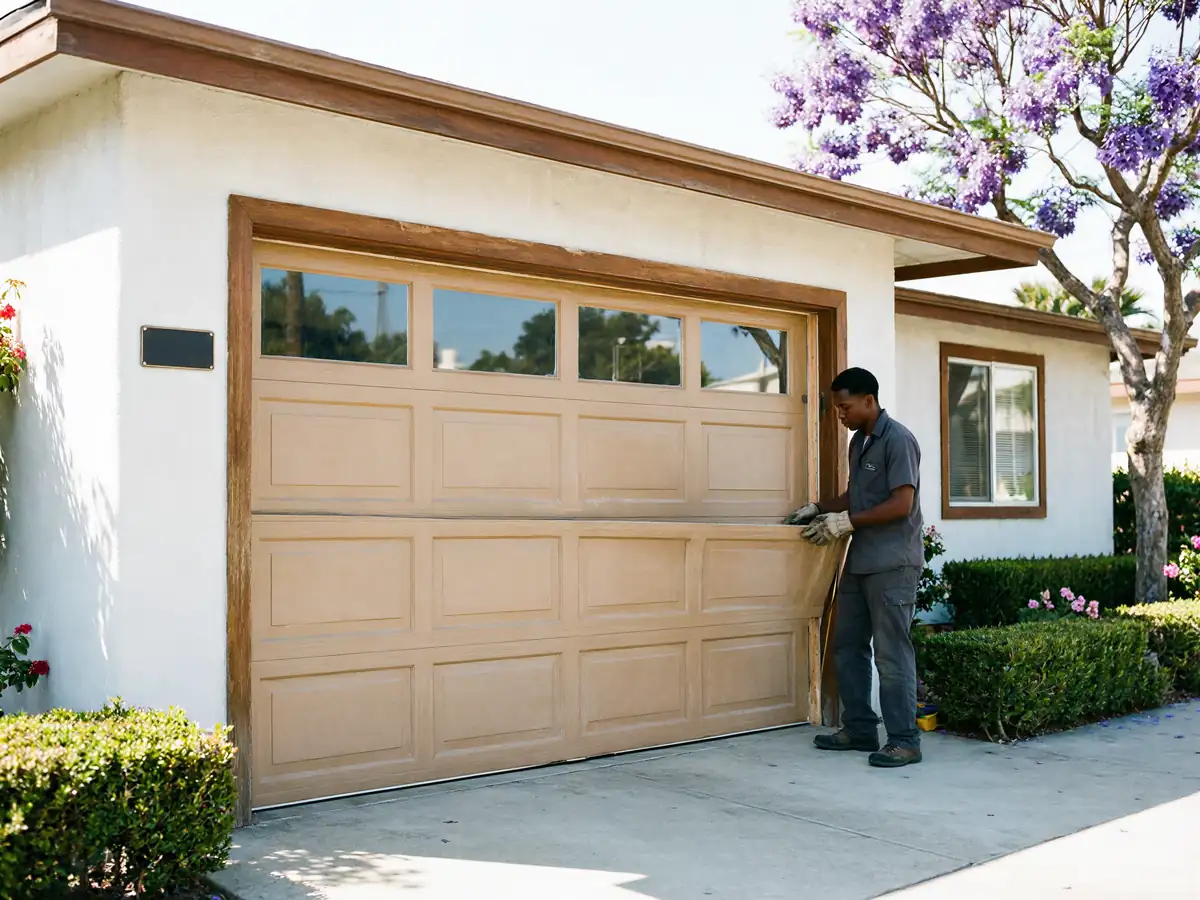
The other recurring issue is track alignment drifting on original steel track that's taken forty years of minor settling. On a lot of these mid-80s builds the track was set during construction and never touched again - a quarter-inch of drift doesn't show up as a loud noise right away, it shows up as uneven wear on one roller, then a bent track, then a door that binds. Maintenance catches this before it turns into a track replacement. We also see corrosion starting on original spring coils that were never lubricated - not rust failure yet, but the kind of pitting that shortens the spring's remaining life if it's ignored for another few years.
The Cost of This Job
We don't have a flat number to quote you here that's specific to Rancho San Diego
Pricing on maintenance depends on whether the opener needs gear or belt work, whether springs need re-tensioning, and how many panels and rollers are showing wear. What we can tell you is what drives the cost up or down: a door that's had zero maintenance in ten years takes longer to service than one that's been checked yearly, because there's more buildup to clean off and more worn parts to flag.
Given that most of the roughly 7,800 households in this area are sitting on doors from the same construction era
A lot of owners are due for the same kind of service around the same time - which is useful to know if you're trying to time a tune-up against a part that's starting to show wear rather than waiting for a failure.
- 7,800 households
Getting It Booked In
We run maintenance jobs in Rancho San Diego out of our El Cajon crew, about four miles up the road, so there's no separate branch or local dispatch here - just a truck that comes out on schedule. If your door is already sticking, binding, or making a new noise rather than just due for an annual check, that's a repair call, not a maintenance visit - see our Rancho San Diego garage door repair page for that.
If you want to see the full service menu we run out of El Cajon, including what's covered under maintenance versus repair, that's laid out on our El Cajon maintenance page. For Rancho San Diego specifically, the short version is: given the age of the housing stock here, a yearly check is worth more than it would be on newer construction, because the hardware is old enough now that small problems turn into real ones faster.