Can You Do This Yourself
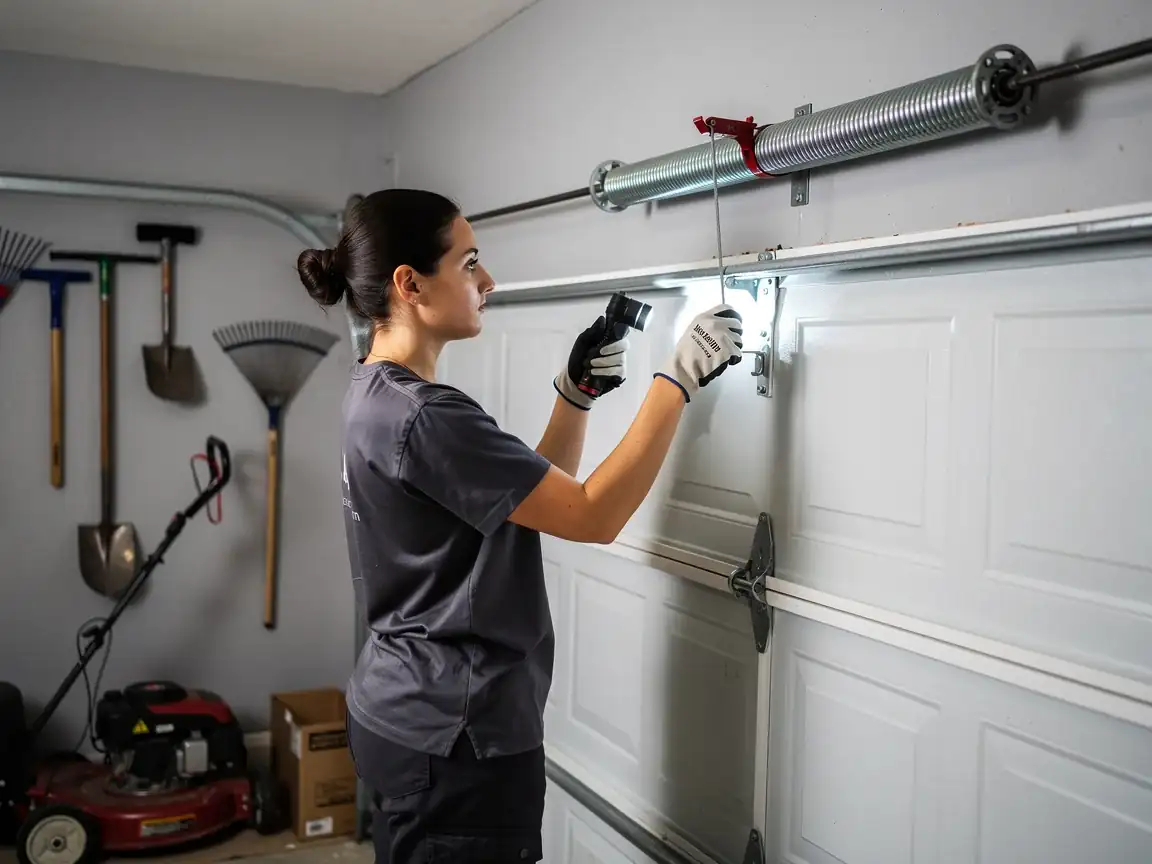
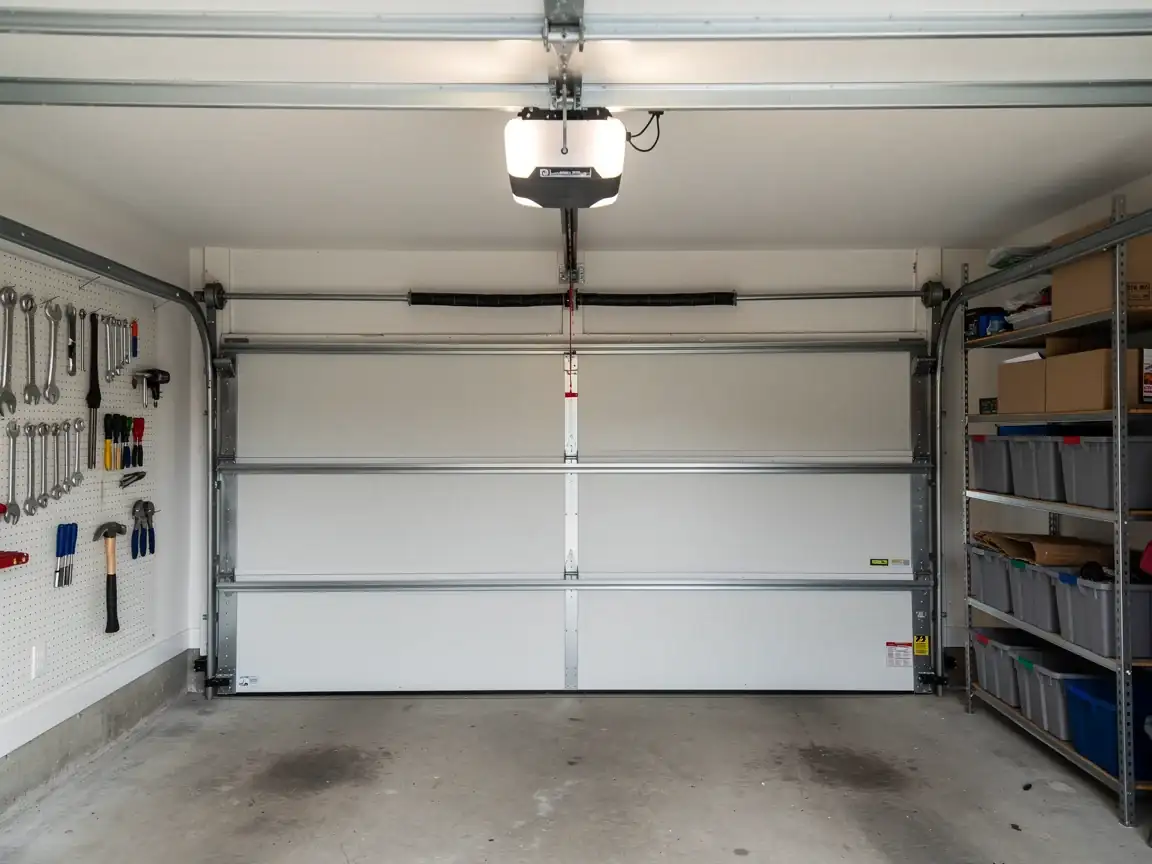
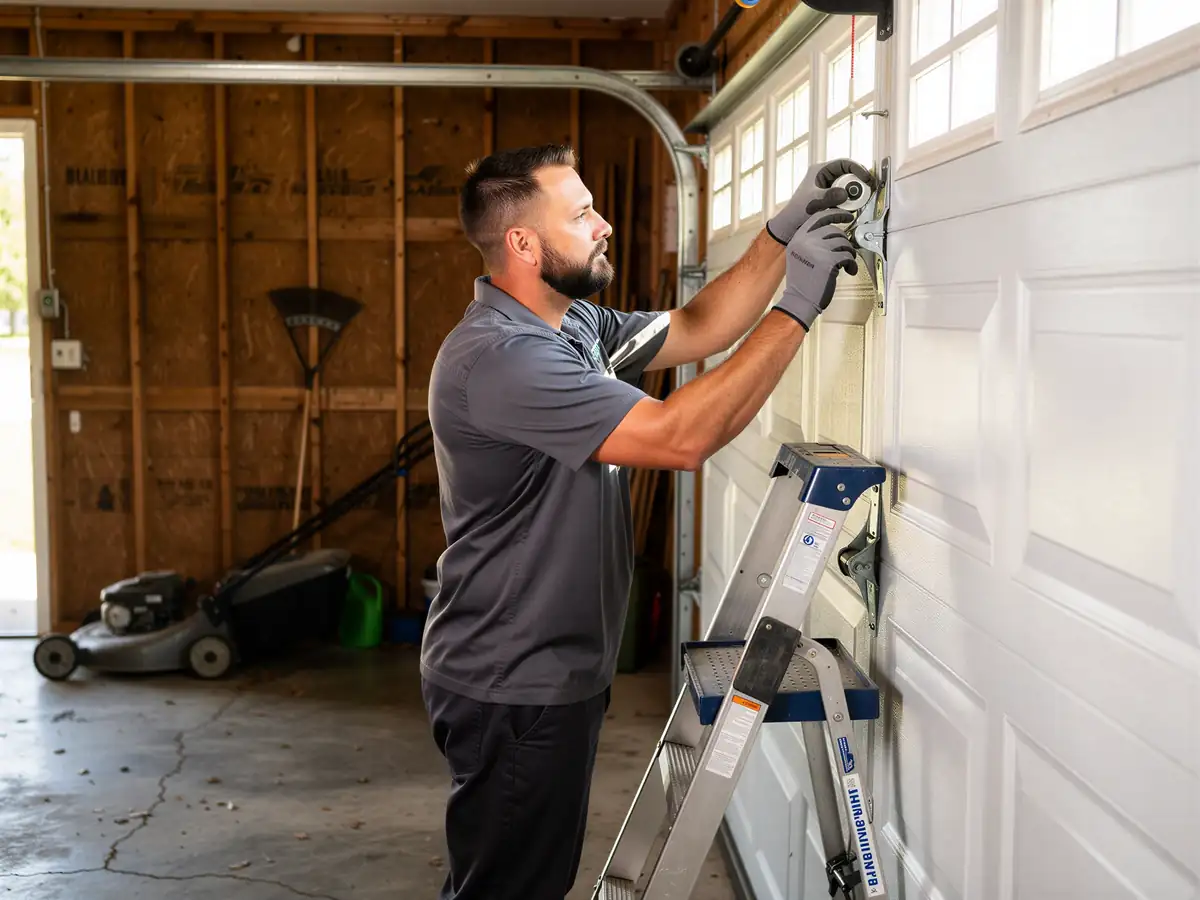
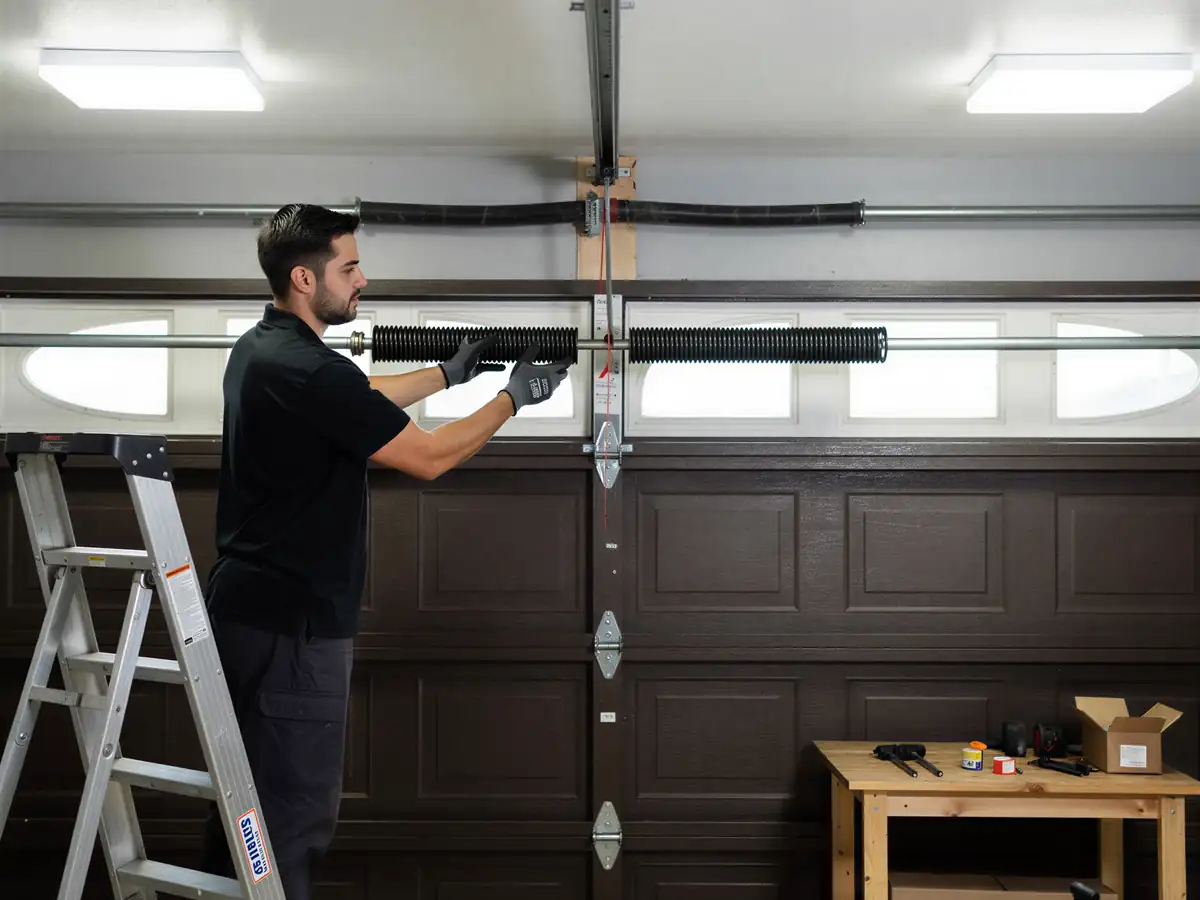
Most garages in Rancho San Diego went up around 1985, a decade past the service area's overall 1967-1992 build window, which means torsion spring systems were already standard equipment here, not an upgrade bolted on later. That matters for anyone thinking about doing this themselves. A torsion spring sits on a shaft above the door under serious tension, and winding or unwinding one with the wrong bars, or the wrong count of quarter-turns, is how people end up in the ER with a crushed hand or a broken wrist. Extension springs, the kind that run along the horizontal tracks, are a little more forgiving but still not a casual Saturday job once they let go.
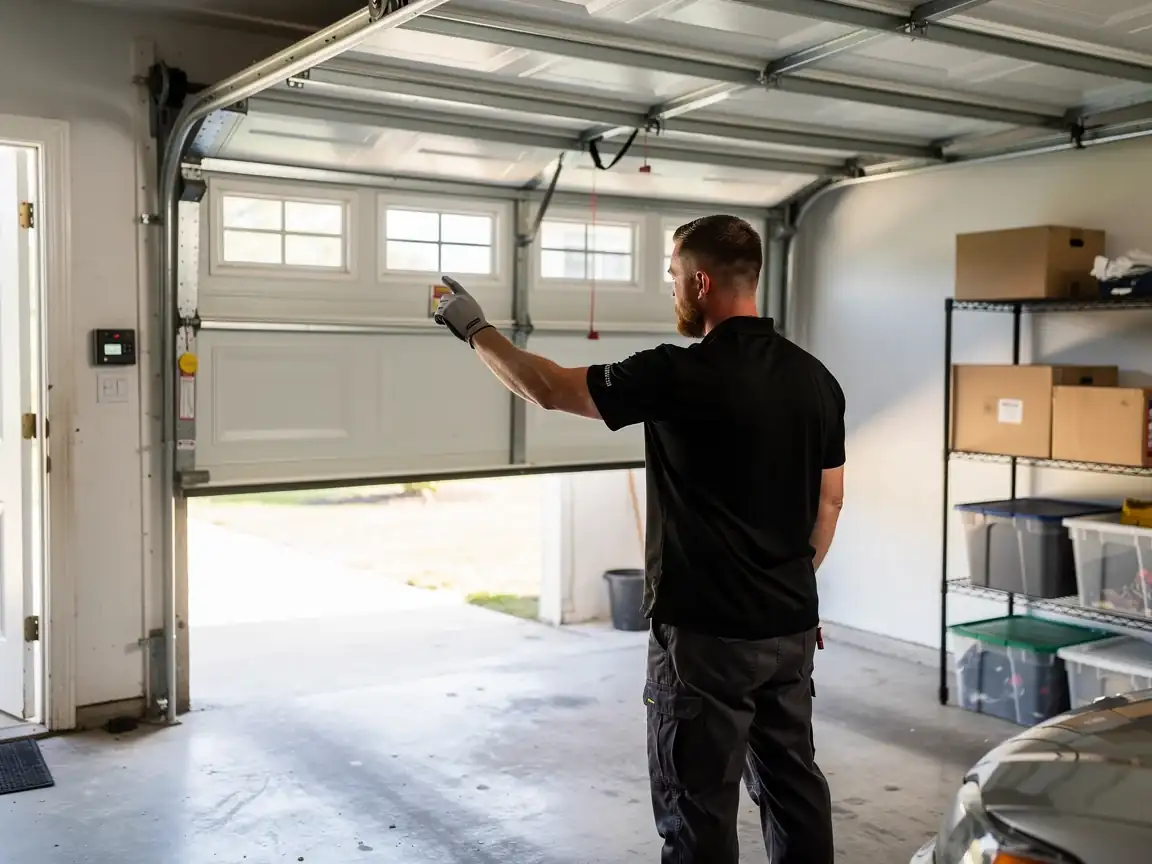
What you can safely check yourself: whether the door is noticeably harder to lift by hand with the opener disconnected, whether there's a visible gap in a coil, and whether the cable at either end looks frayed. If any of those are true, call it in rather than trying to finish the job. One limitation worth saying plainly: if the opener is original to a 1985 build, the control board and parts for it are long gone, and we don't chase down exact-match replacement parts for a 40-year-old unit. At that point you're better off replacing the opener alongside the spring.
Where This Job Goes Sideways
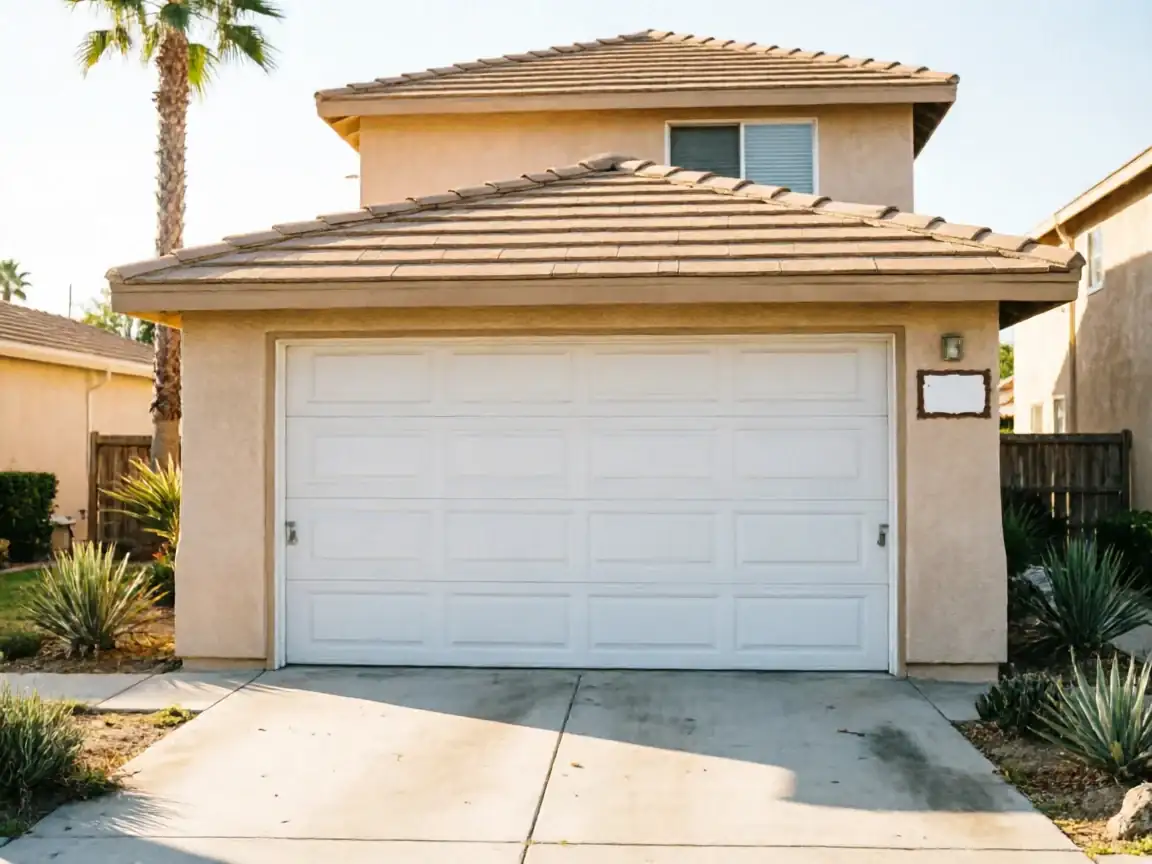
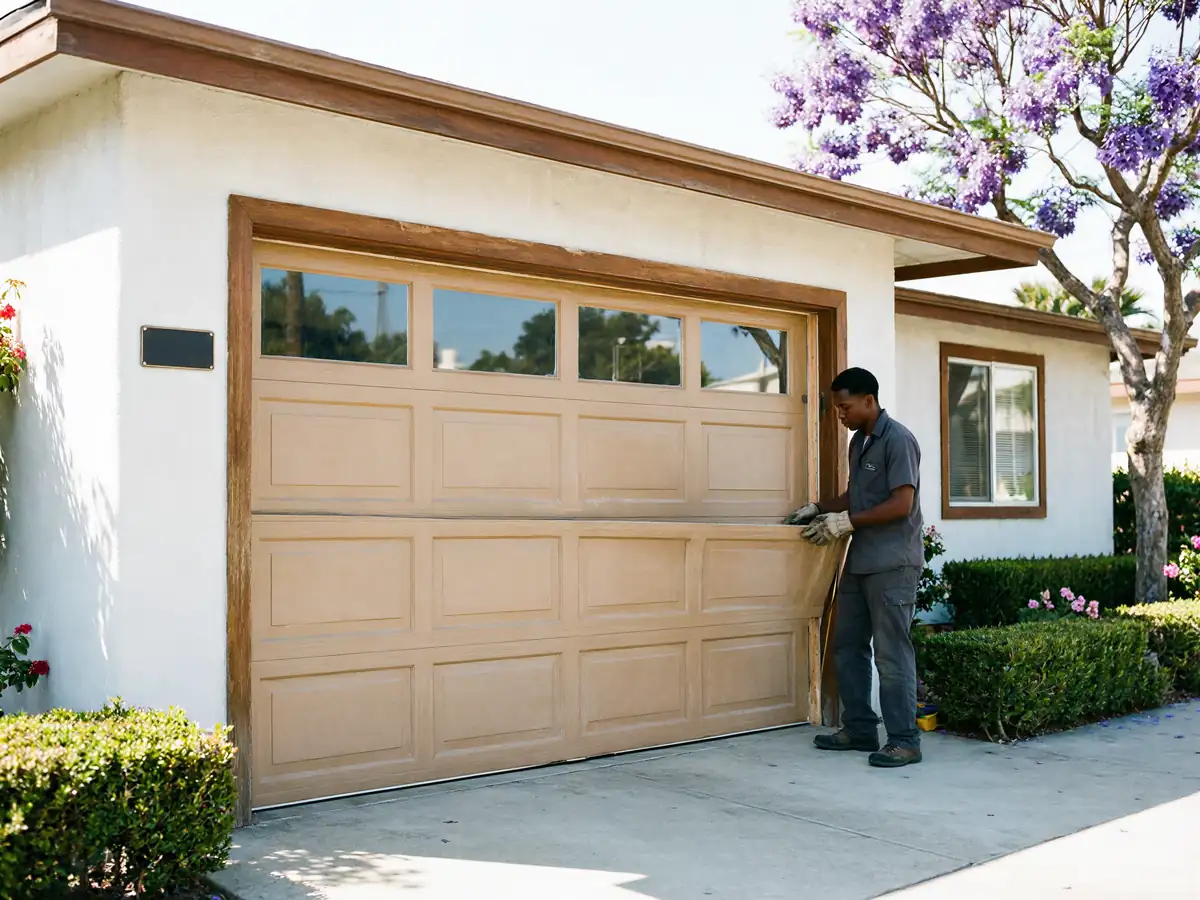
The failure we see most in this part of the service area is a mismatched spring on a double-wide door. Builders in the mid-80s were already putting up two-car garages with a single wide door rather than two single doors, and that wide door needs a torsion spring rated for roughly double the weight of a single-car door. When a spring breaks and a generic replacement goes on without checking the door weight and wind of the existing drum, the door either won't open fully or slams down fast and uneven, one side dropping before the other.
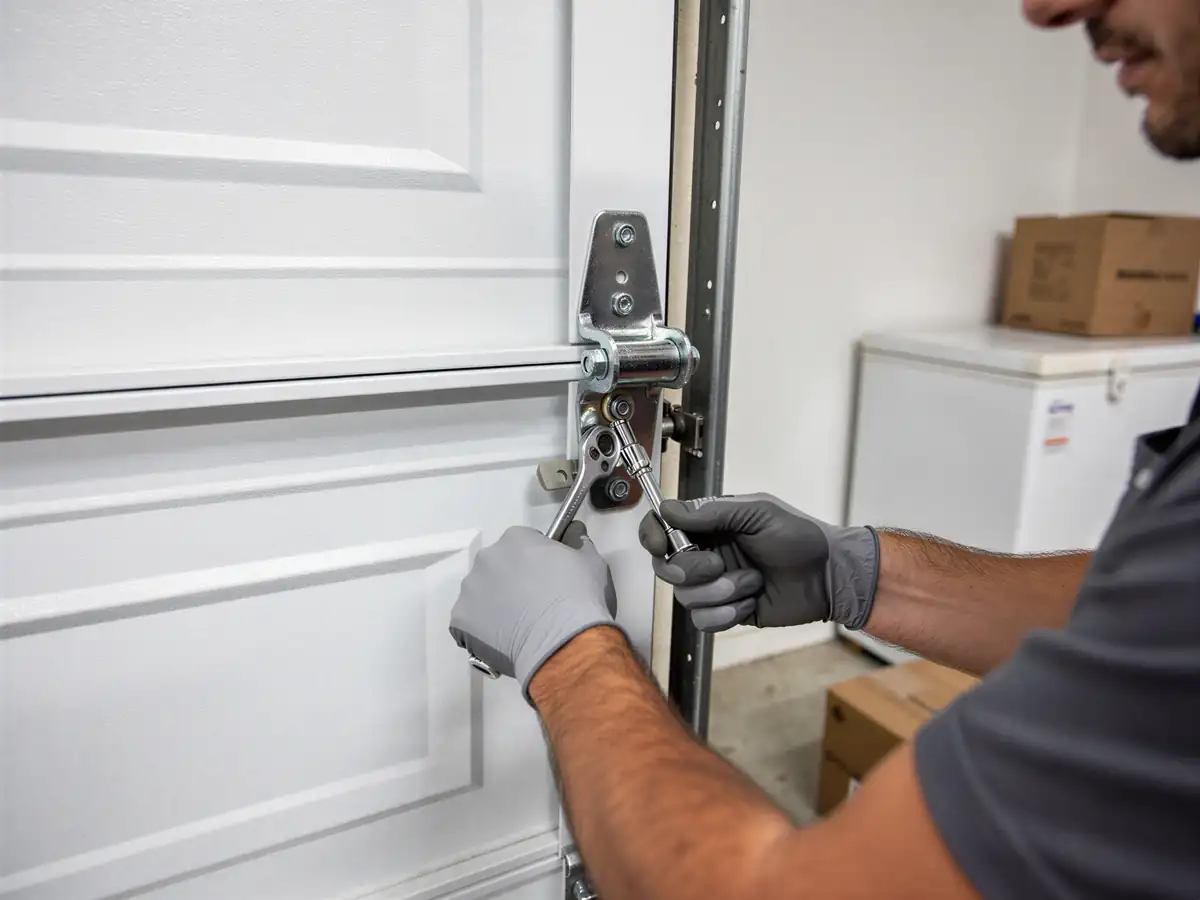
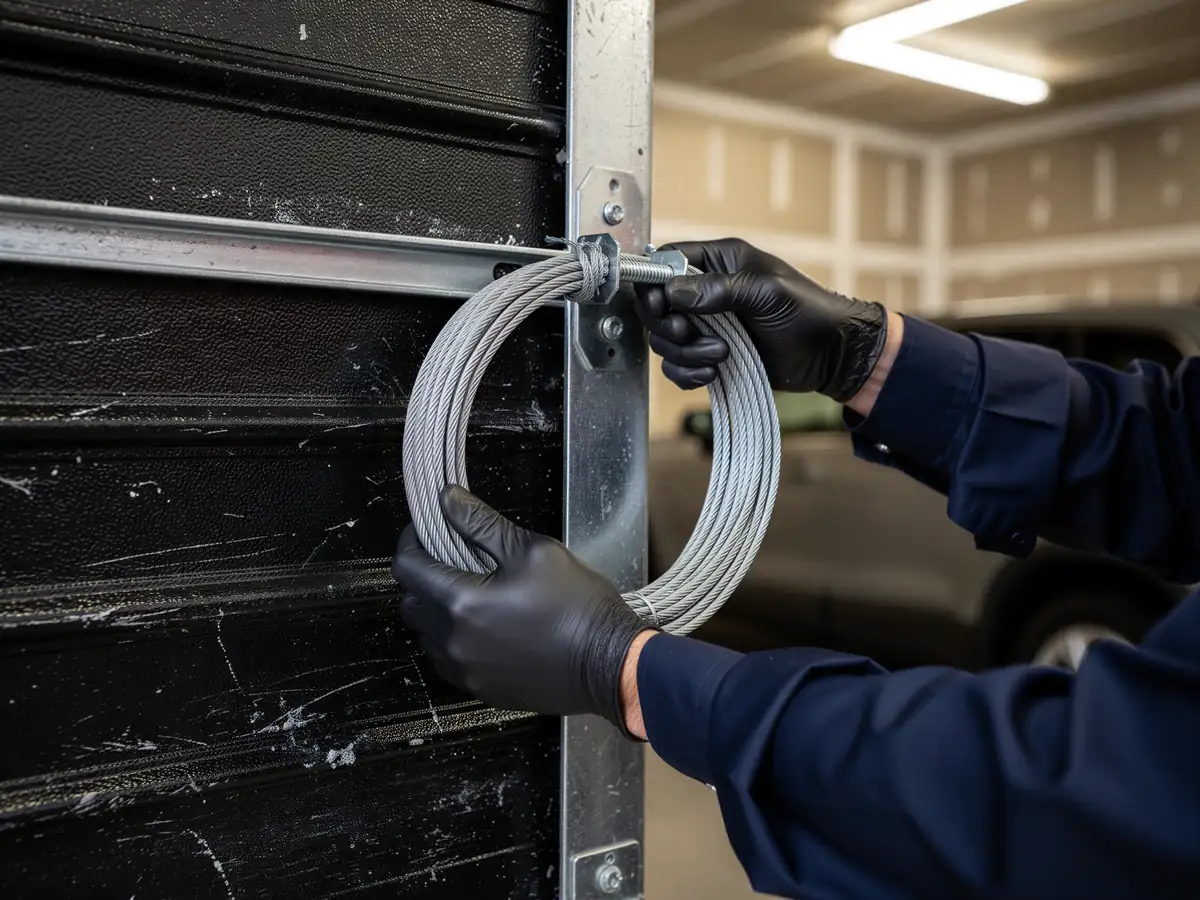
The other place it goes wrong is the cable drums. On a lot of 1985-era setups, the drums are original, and after decades of cycling they can be slightly out of round or have a groove worn where the cable sits. Swap the spring but leave a worn drum in place and the new spring wears unevenly within a year. We check both sides of the shaft, not just the broken spring, before calling the job done.
The Cost of This Job
There's no flat number that fits every call here, and we're not going to pretend otherwise
What drives the cost on a Rancho San Diego job is whether it's a single spring or a matched pair (we always recommend replacing both on a double door, since the second one is usually close behind), and whether the drums, cables, or rollers need attention at the same time.
With a median household income of $118,431
Rancho San Diego homeowners often choose replacement over a patched repair once a spring job uncovers worn rollers and a tired opener, rather than paying for two separate visits later. That's a judgment call we walk through with you on-site, not a number we quote blind over the phone. We'll tell you straight if the spring is the only real problem, and we'll tell you straight if it isn't.
- $118,431 median household income
Getting It Booked In
We run this job out of El Cajon, and Rancho San Diego sits about 4 miles out, close enough that it doesn't change how we schedule the day. With about 7,792 households in Rancho San Diego, enough driveways here still have the original 1985 opener chain drive straining against a spring that's lost half its lift, and that's the call we get most from this area: a door that's suddenly heavy, or won't stay open on its own.
If you want the broader picture on what we handle in this neighborhood beyond spring work, that's covered on our Rancho San Diego repair page. For how spring jobs are priced and scheduled out of our home shop, the El Cajon spring repair page has that detail. Either way, give us a call and describe what the door is doing - whether it's uneven, slow, or just stuck - and we'll tell you what to expect before a truck ever leaves the yard.