Can You Do This Yourself
Rancho San Diego sits four miles out from El Cajon, close enough that a truck can be on site within the same working block of time as a call in town itself. That matters less for what you can fix yourself and more for what happens if you can't.
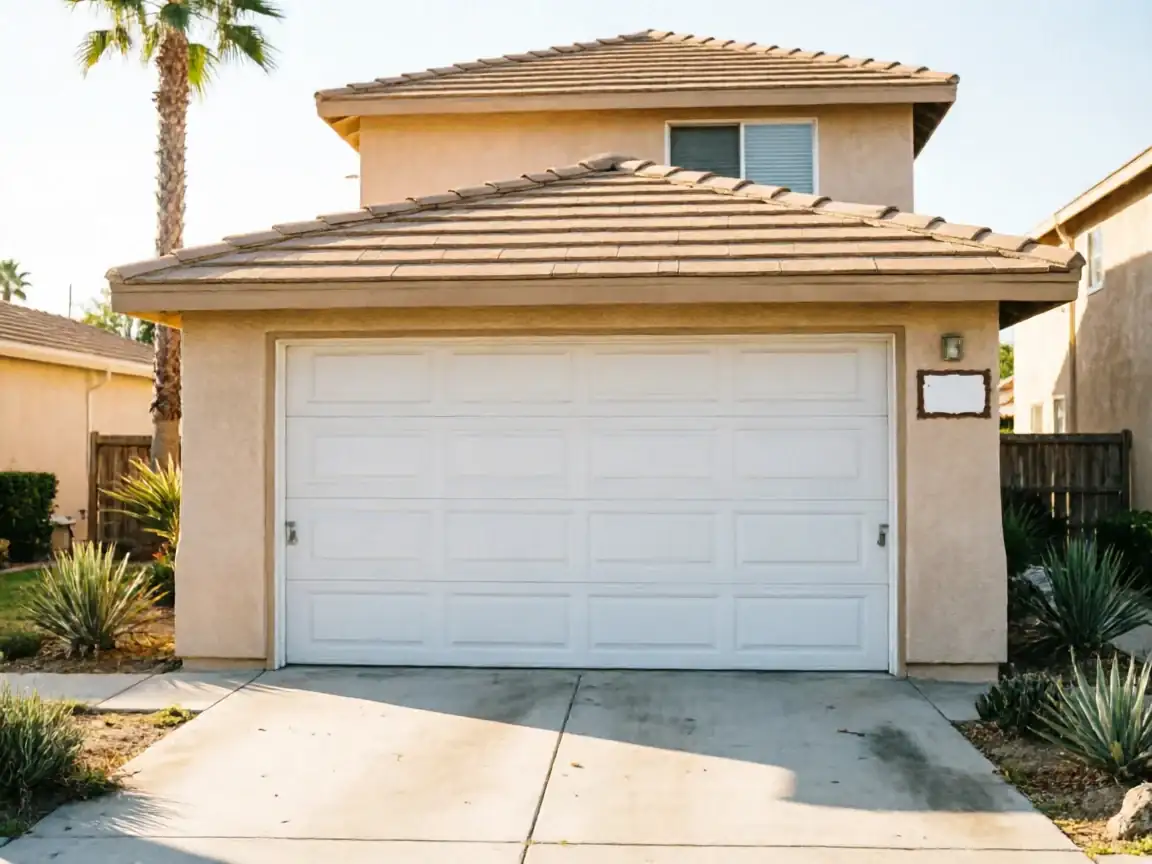
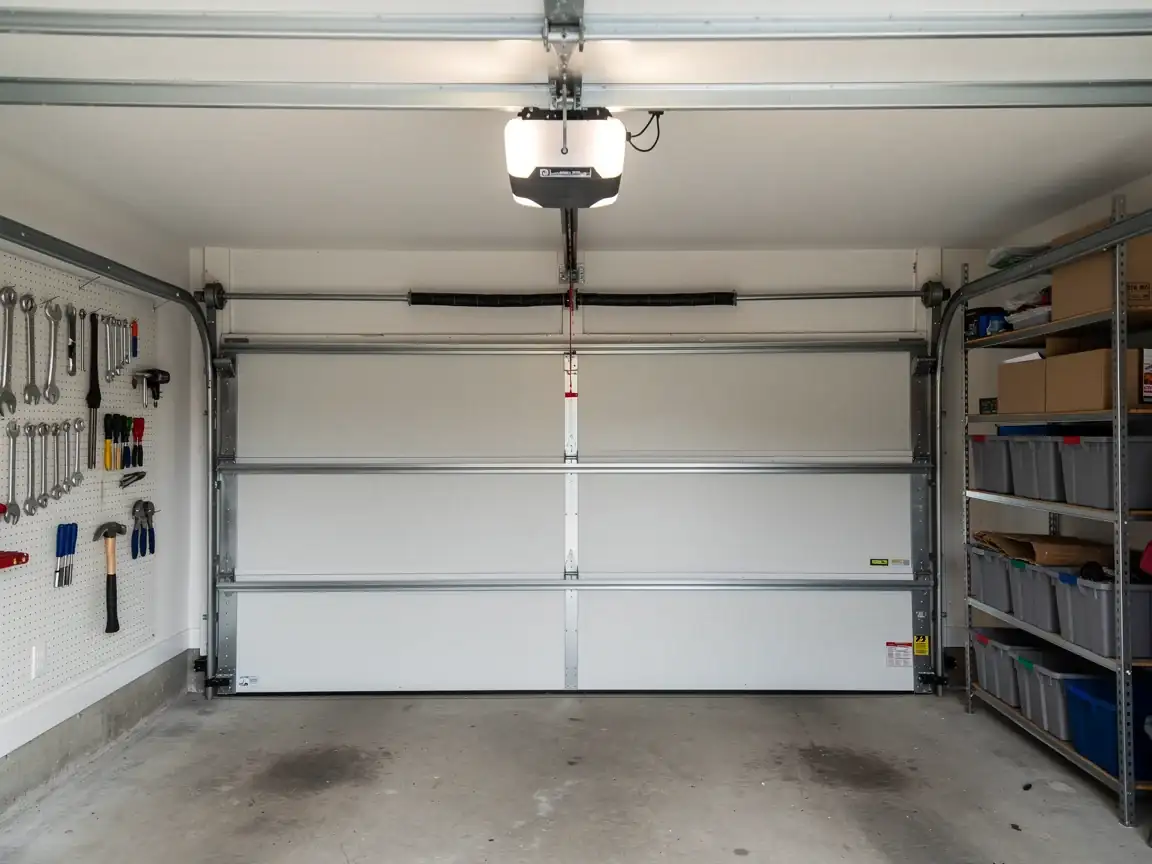
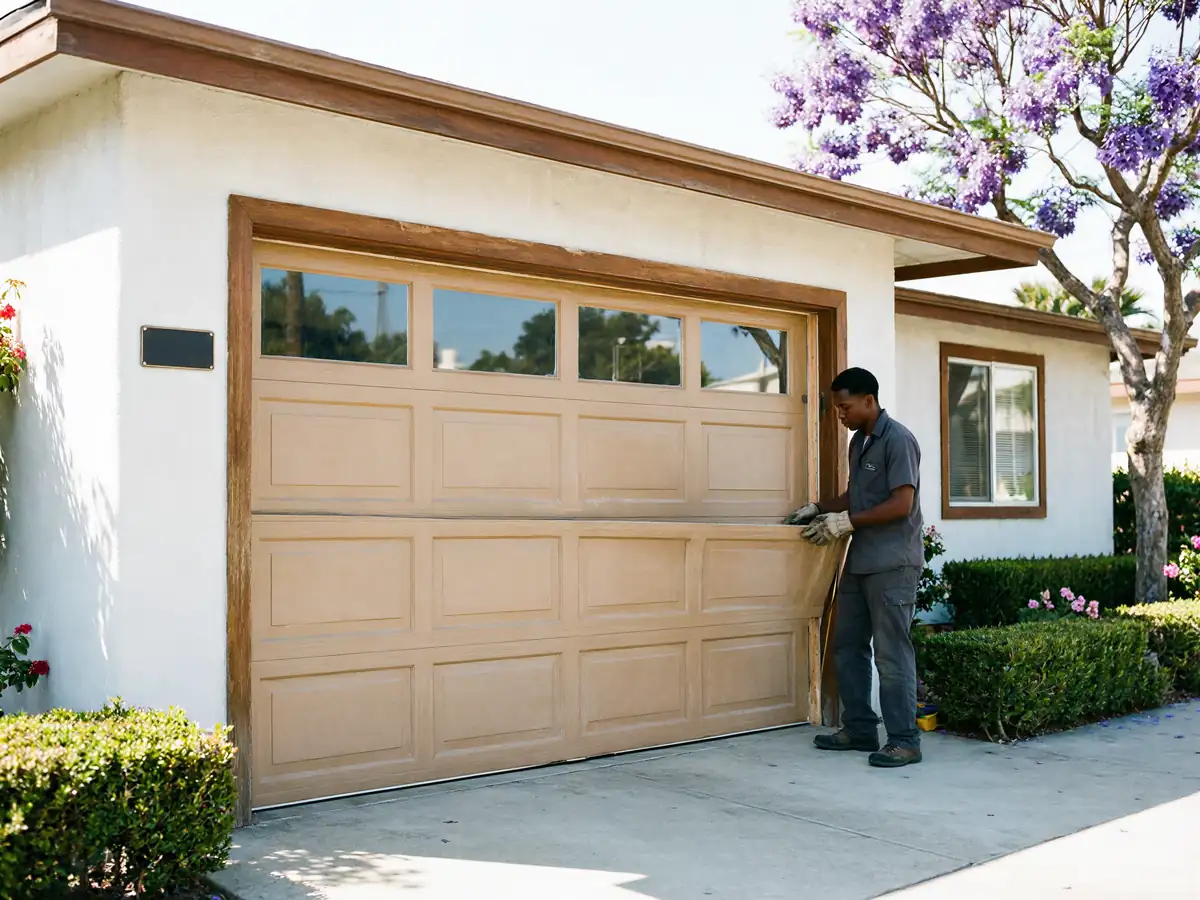
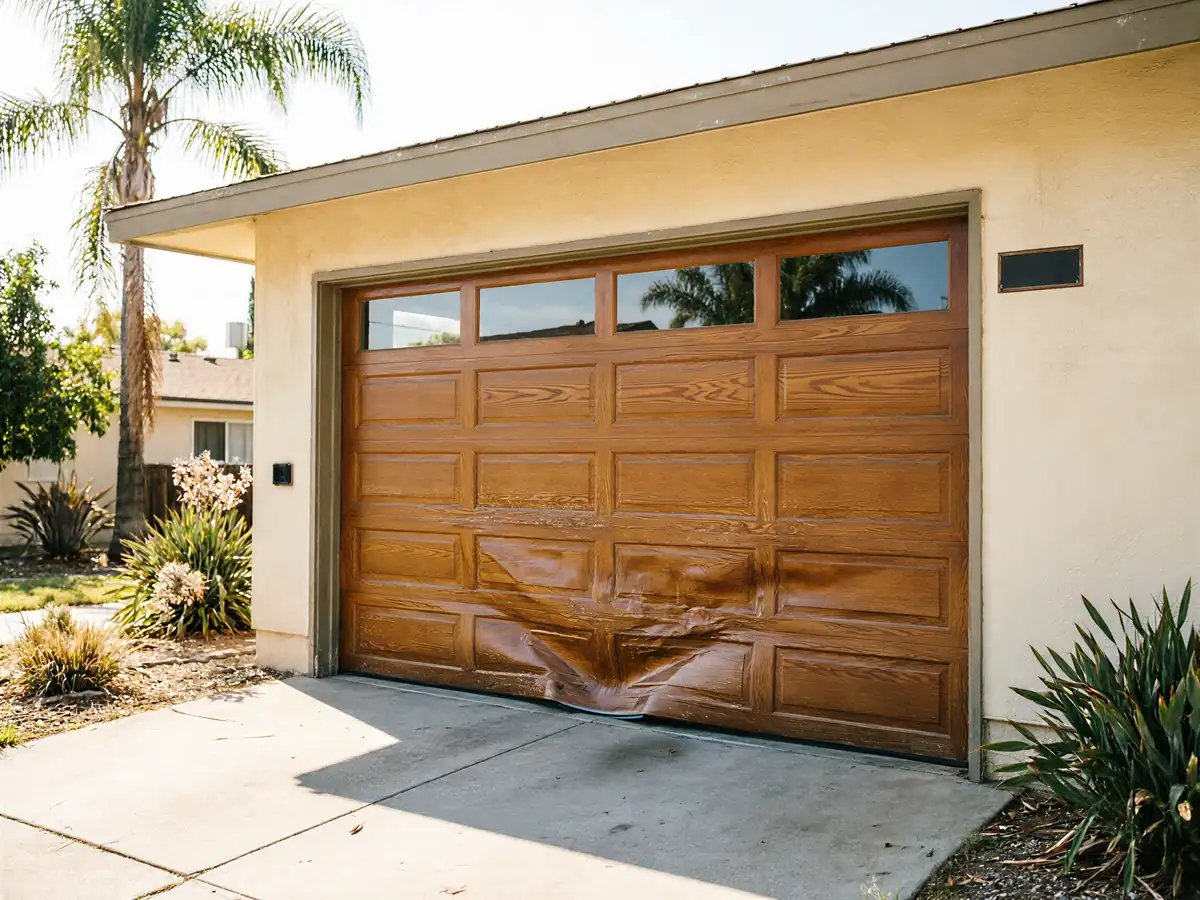
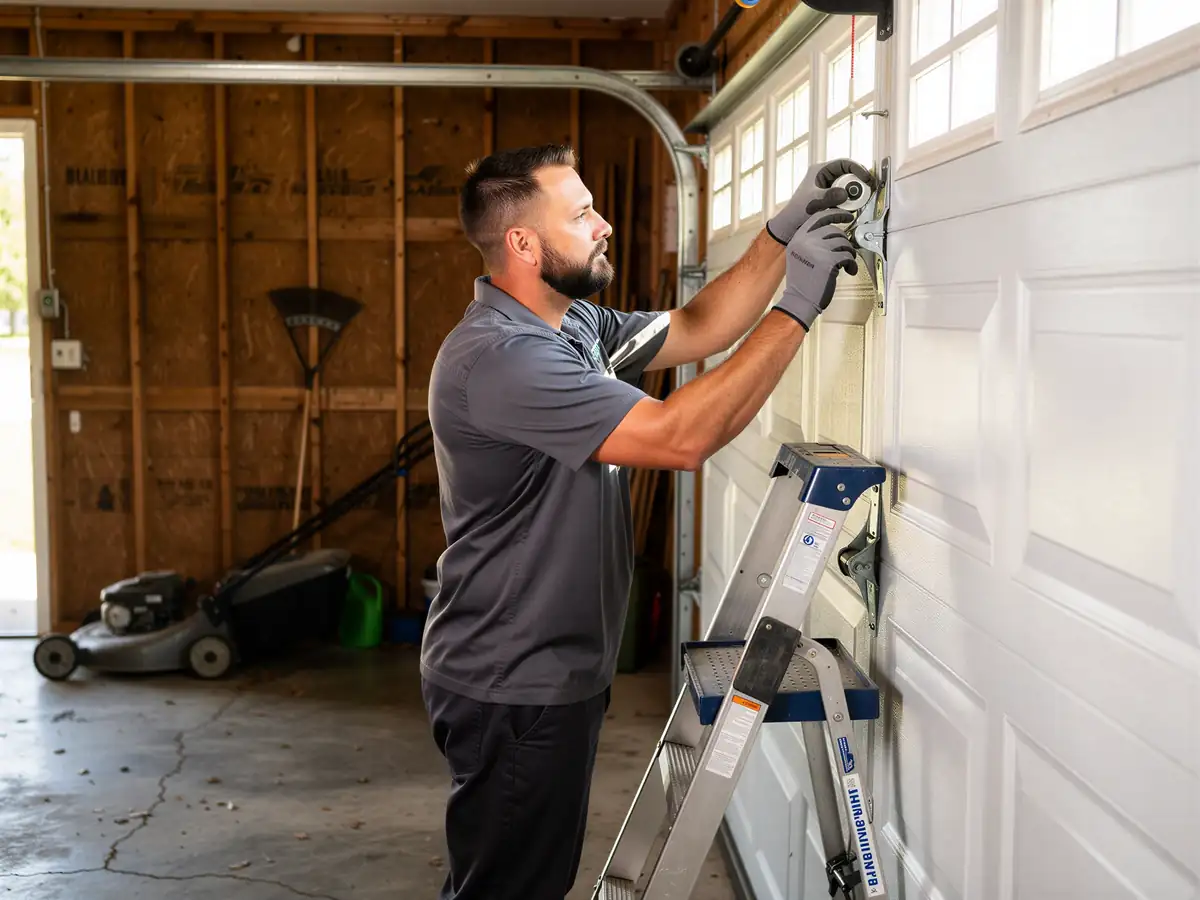
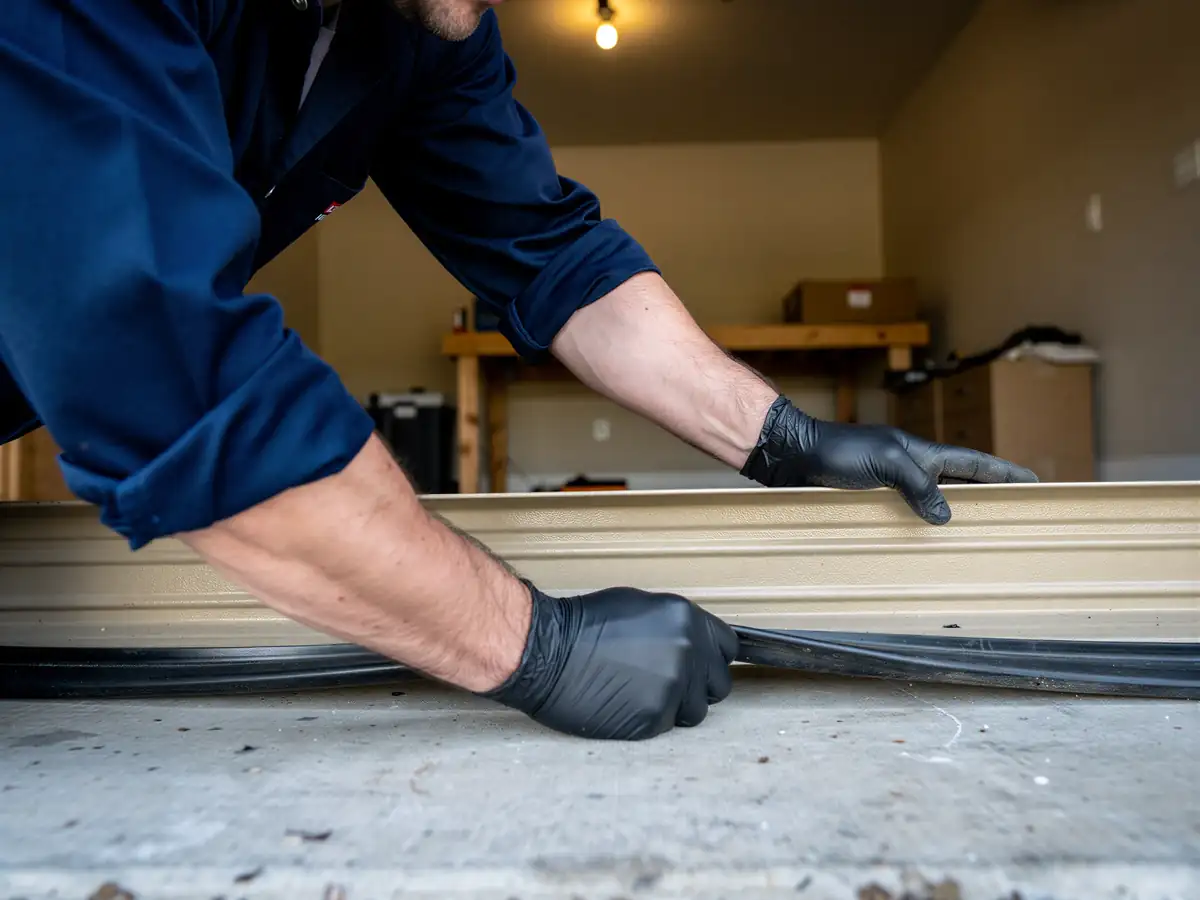
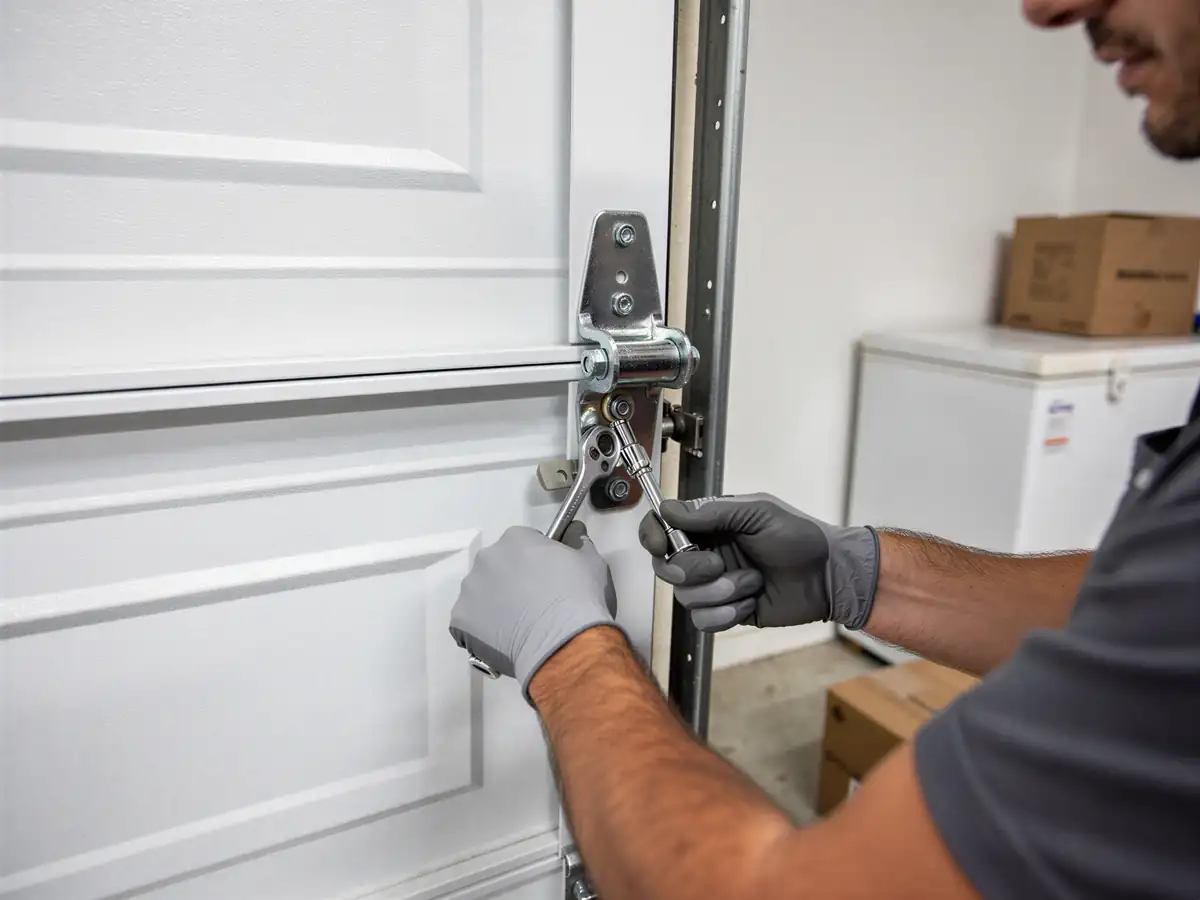
Most of the housing stock here went up around 1985, a decade or more newer than the 1967-to-1992 spread across the wider service area, which means steel sectional doors on extension or short-lift torsion springs rather than the older heavier one-piece doors with side-mount hardware you'll find in the oldest pockets nearby. That's a real difference. Sectional doors from this era are more forgiving to work on than the older stock - rollers, hinges, and weatherstripping are jobs a careful owner can handle with basic tools and a free afternoon.
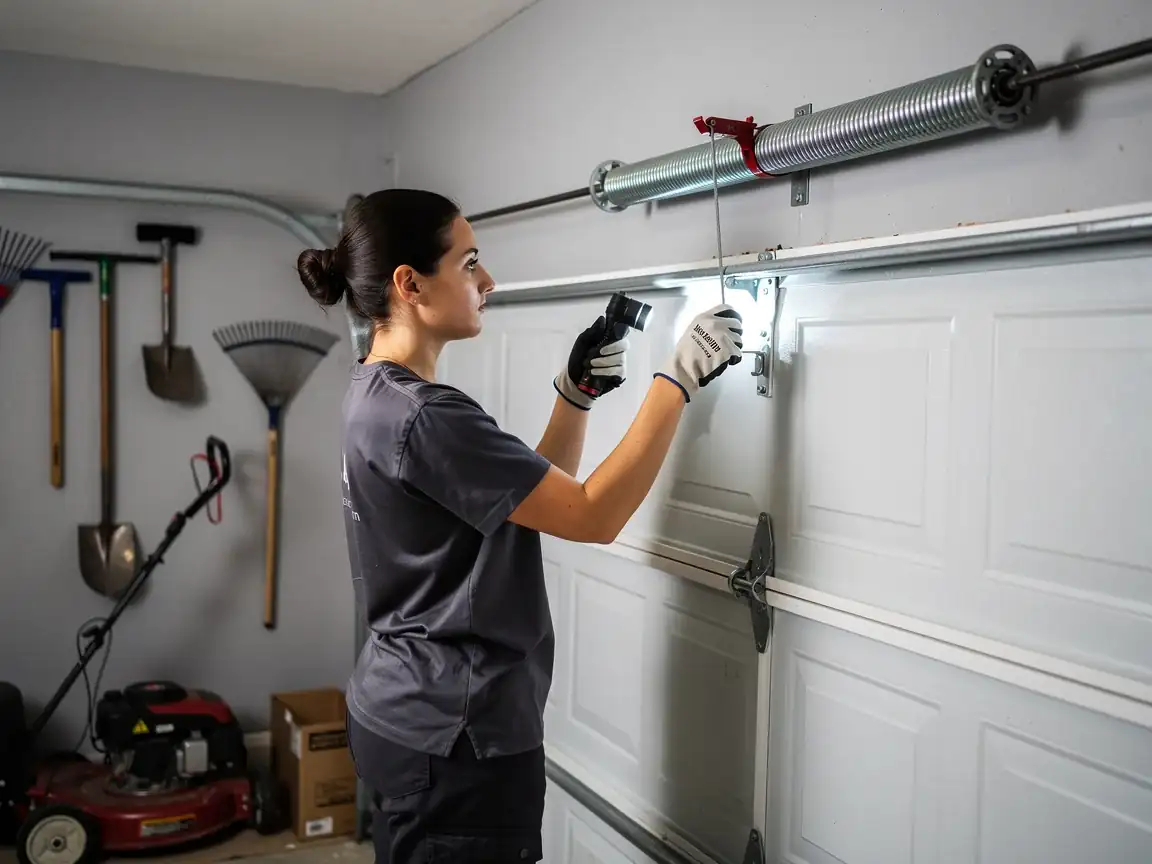
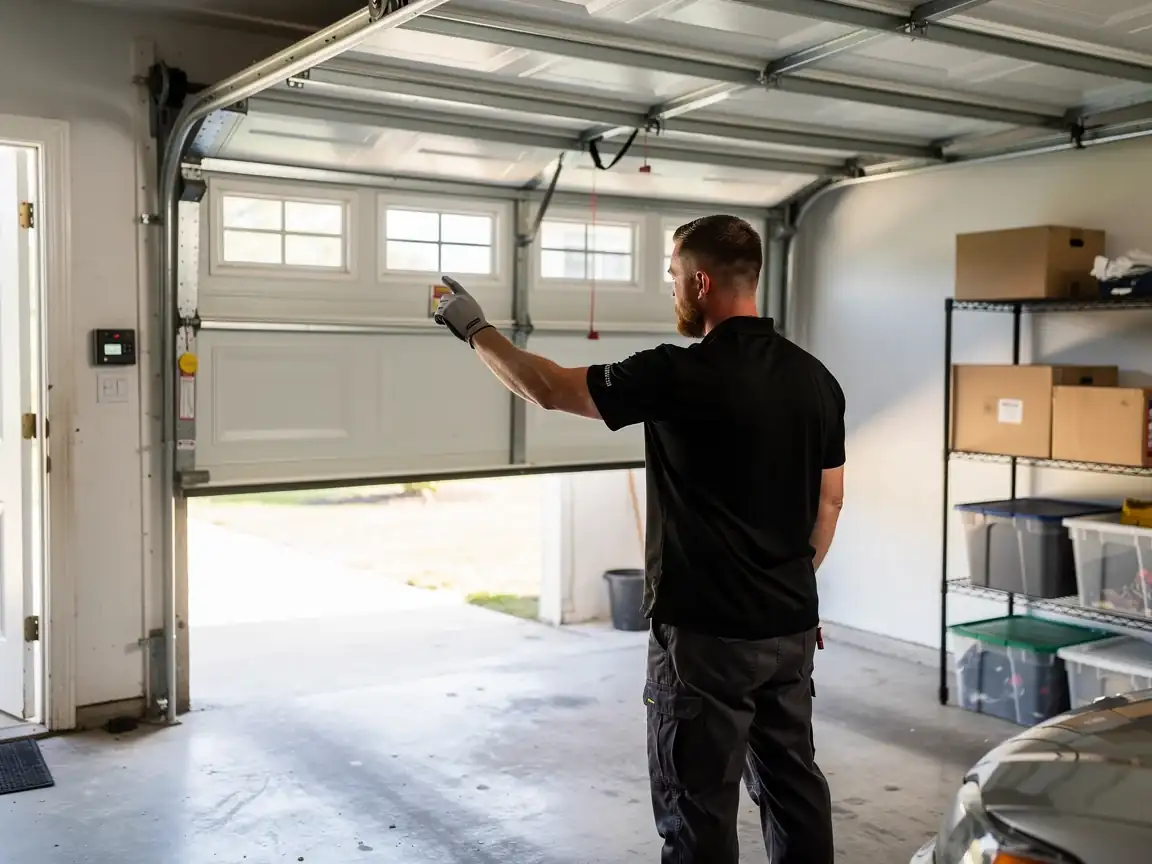
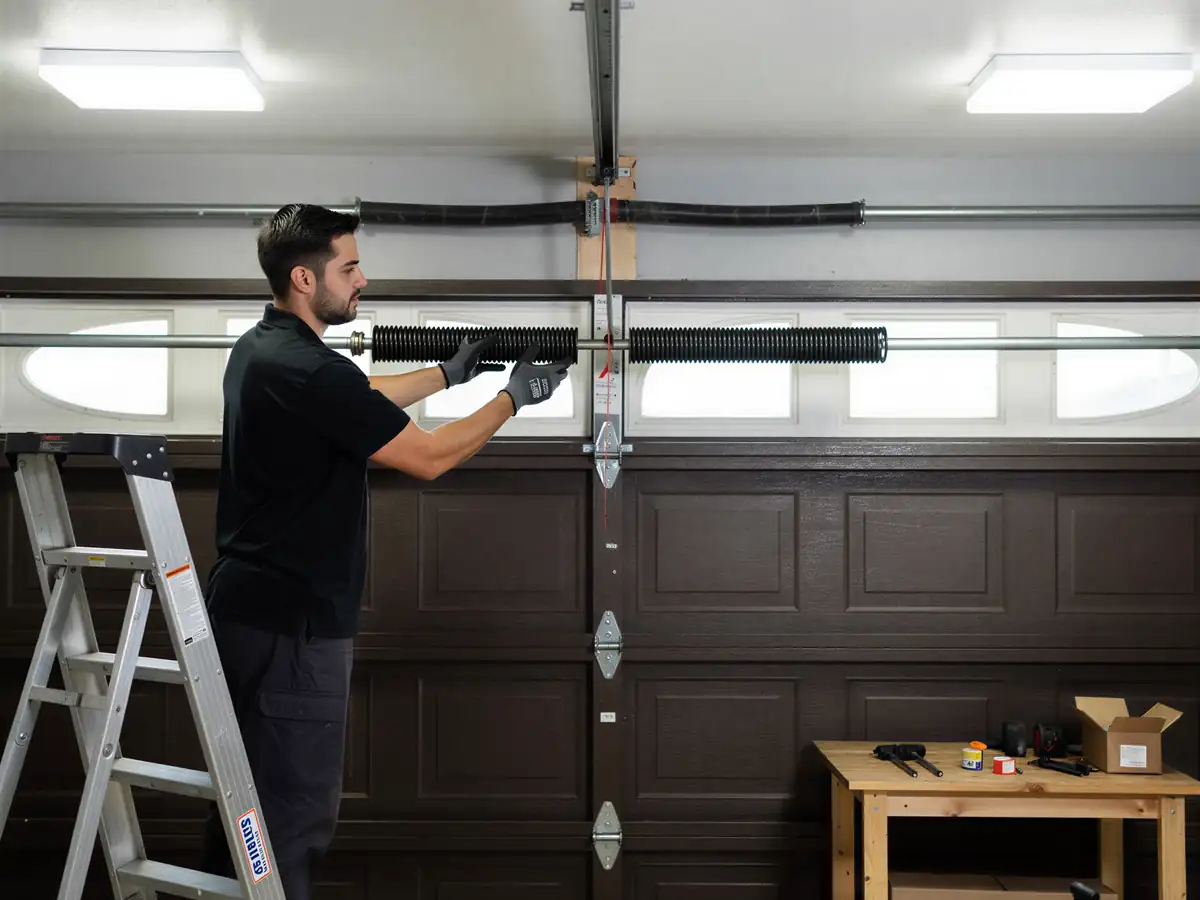
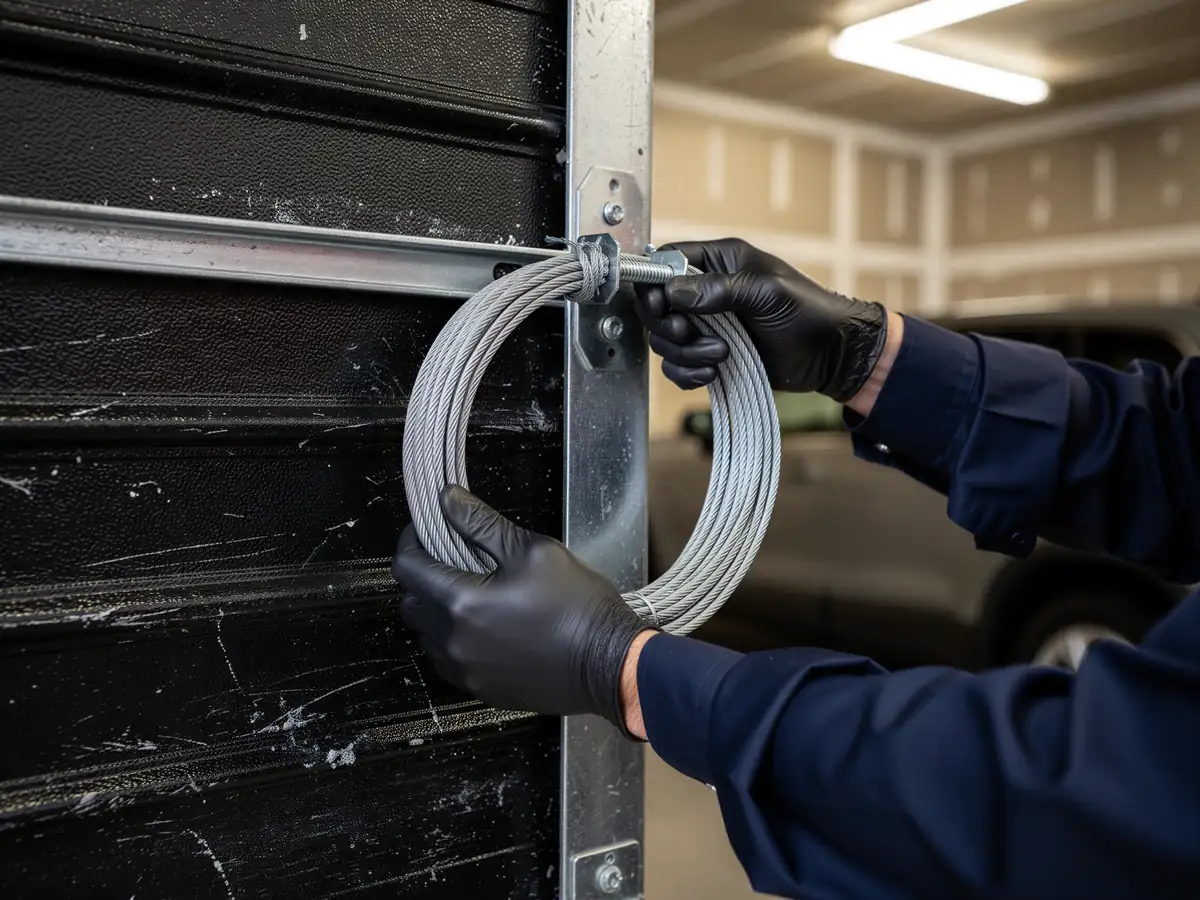
What you shouldn't touch: the torsion spring itself, even the lighter-wound kind common on these newer doors. It's still under enough tension to break a wrist or worse if the winding cone slips. Same goes for the bottom bracket on a cable under load. If the door won't budge, or one side hangs lower than the other, stop and call rather than forcing it with a pry bar - that's usually a cable or spring problem, not a track alignment you can tap back into place.
Where This Job Goes Sideways
The common failure on a 1985-era door here isn't the panel, it's the opener. Circuit boards and logic units from that generation of hardware are past their expected service life, and when one starts failing it mimics other problems: a door that reverses halfway up, a remote that works sometimes, a wall button that needs three presses. Owners often replace a spring or a sensor chasing a symptom that's actually a dying board.
The other place this goes wrong is extension springs mounted above the horizontal track. On a lot of sectional doors from this build era, the safety cables that are supposed to run through a broken extension spring were never retrofitted. If that spring snaps and there's no containment cable, the spring itself can become a projectile along the track. We check for that cable every time, because it's cheap to add and the one thing that turns