Can You Do This Yourself
La Presa is a small area as these things go - about 11,155 households, which means the maintenance calls we get out here aren't spread across a huge range of door ages. Most of the stock went up between 1967 and 1992, with the median sitting right around 1975, so what shows up on these doors tends to repeat: dry rollers, hinges worn oval instead of round, and torsion springs original to a mid-70s install that were never sized for the heavier insulated panels some owners have swapped in since.
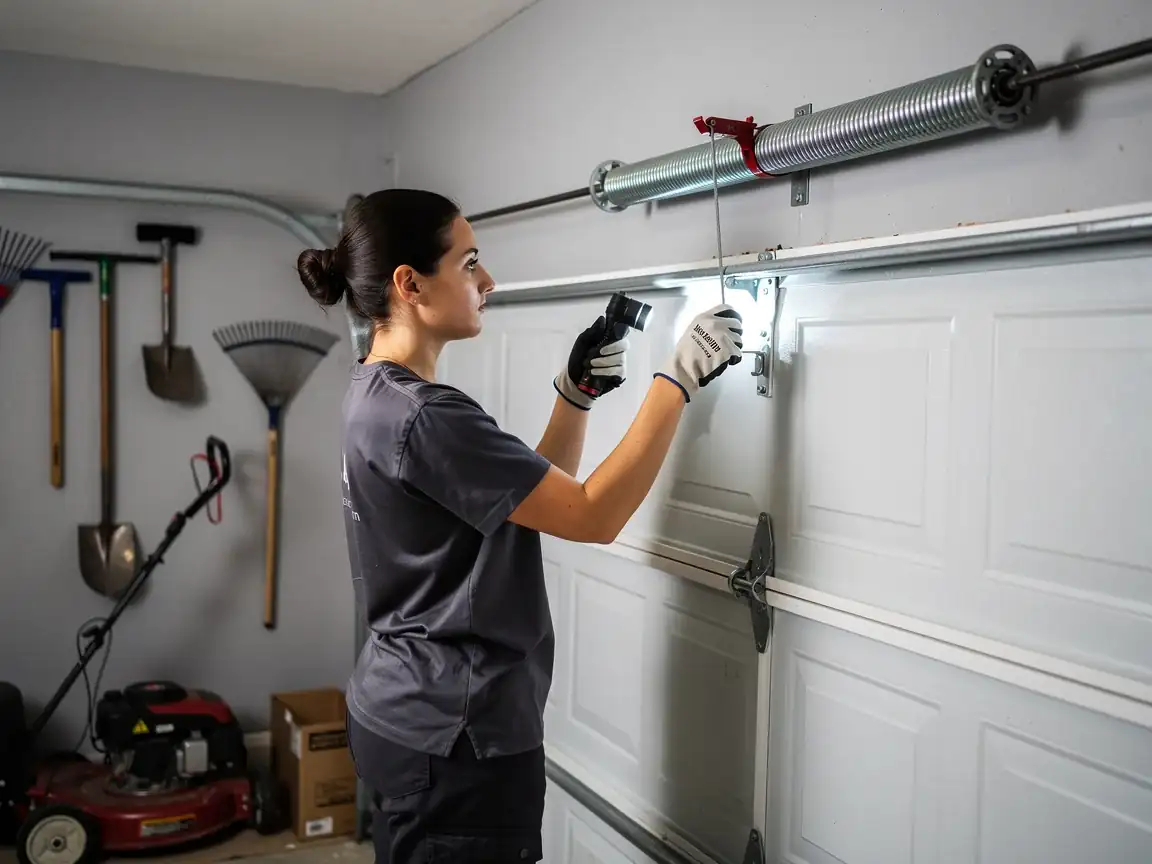
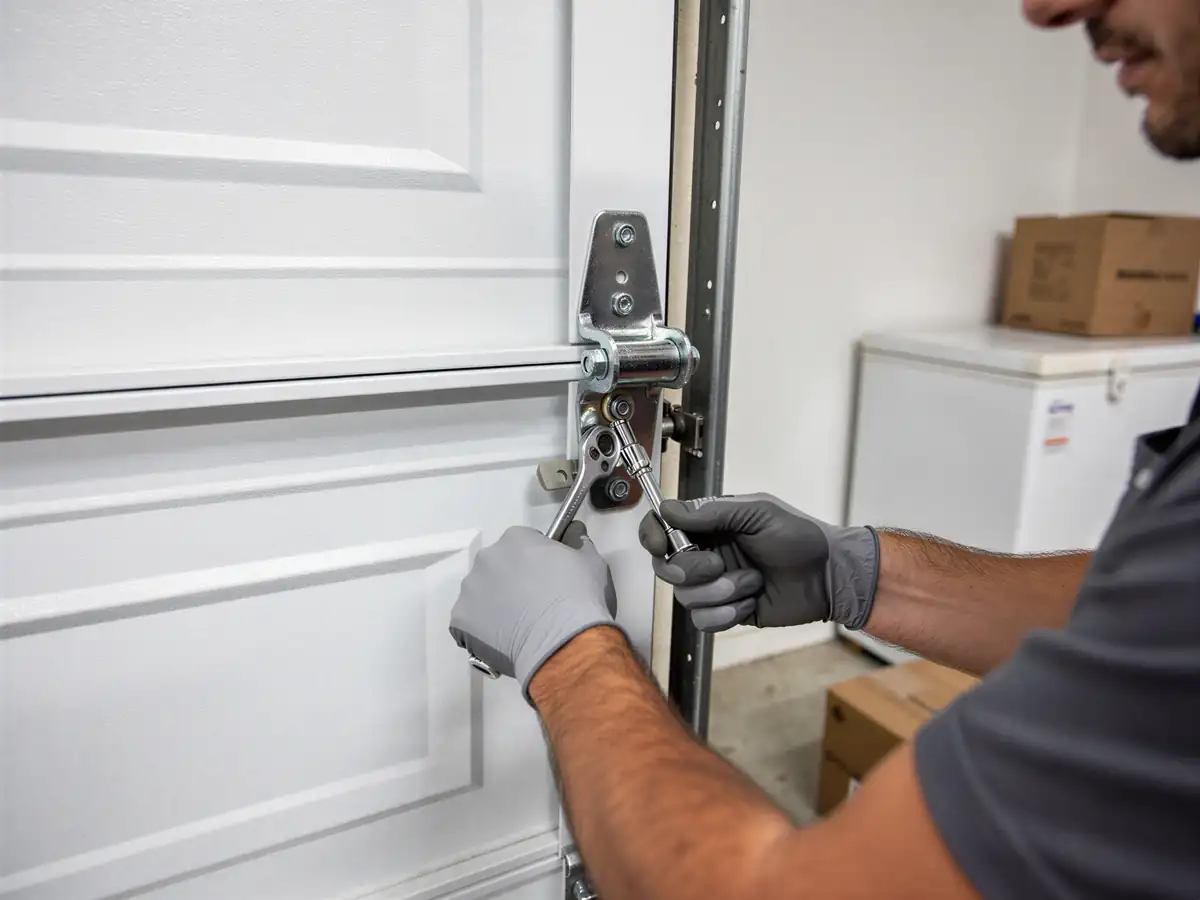
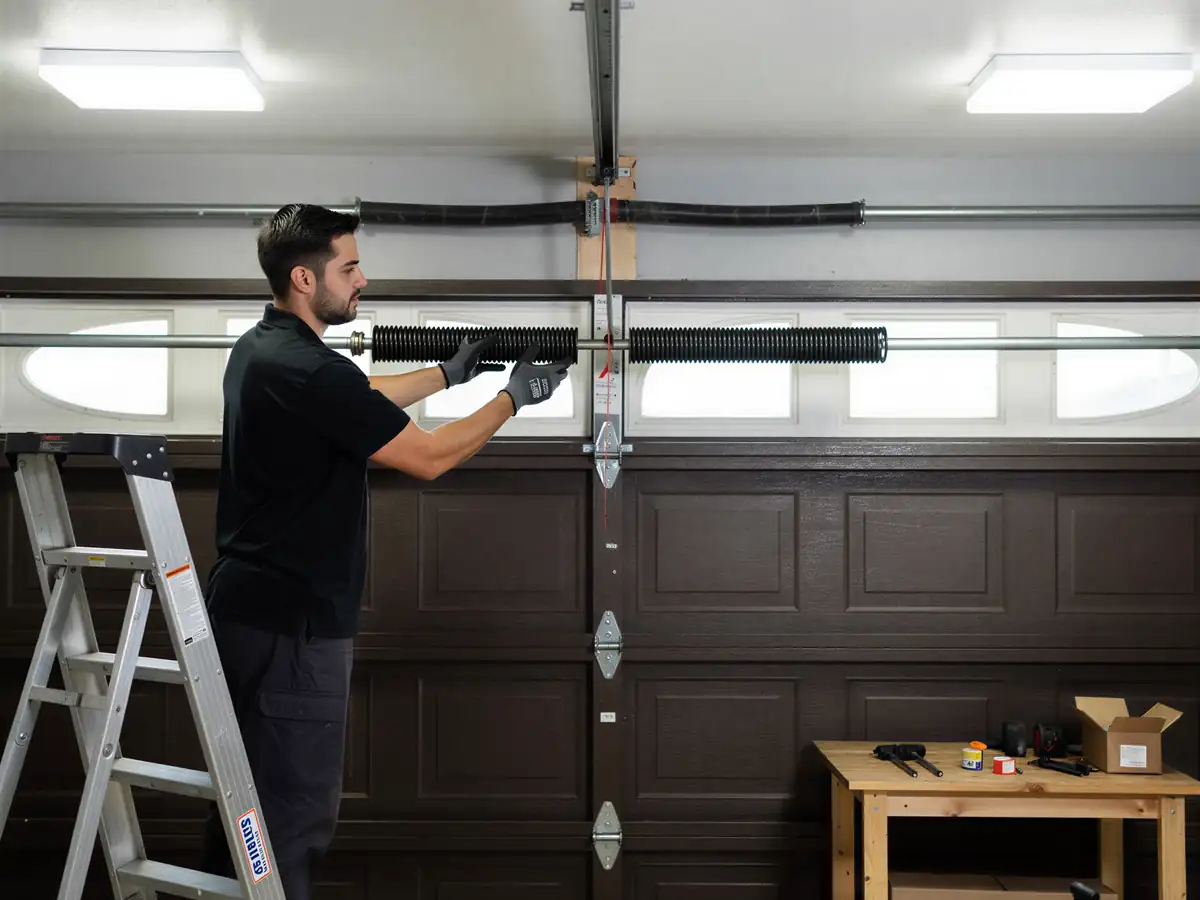
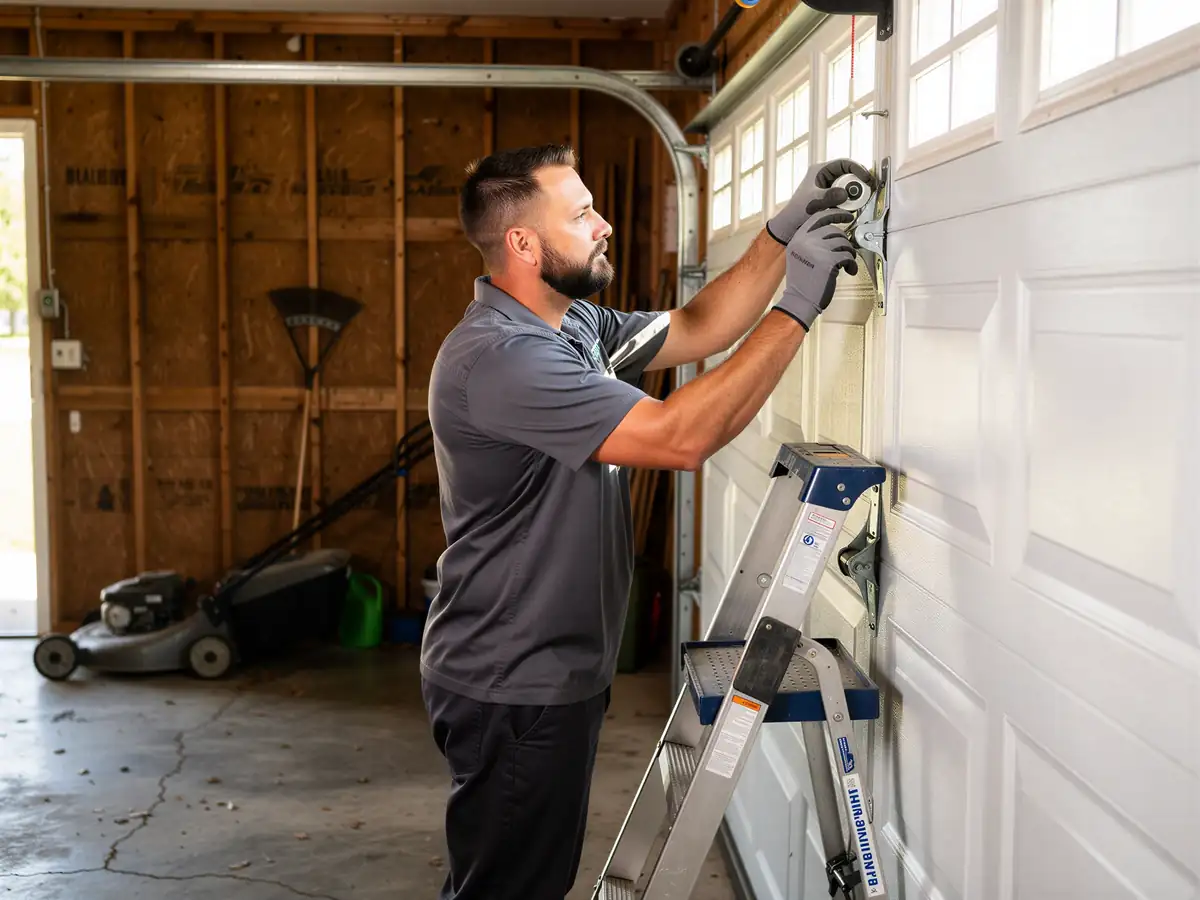
You can do some of this yourself. Wipe down the tracks, check that the rollers turn freely and aren't cracked, and look at the bottom bracket bolts for rust - the mild coastal-influenced climate out here doesn't freeze hardware the way colder regions do, so corrosion is slower, but it still happens on original steel. What you shouldn't do yourself is touch spring tension. A 1975-era torsion spring under load has enough stored energy to break a wrist, and we don't recommend DIY adjustment on any door built before the newer cable-drum standards became common. If a spring looks stretched or the door is heavy to lift by hand, that's a call, not a weekend project.
What Is on the Truck
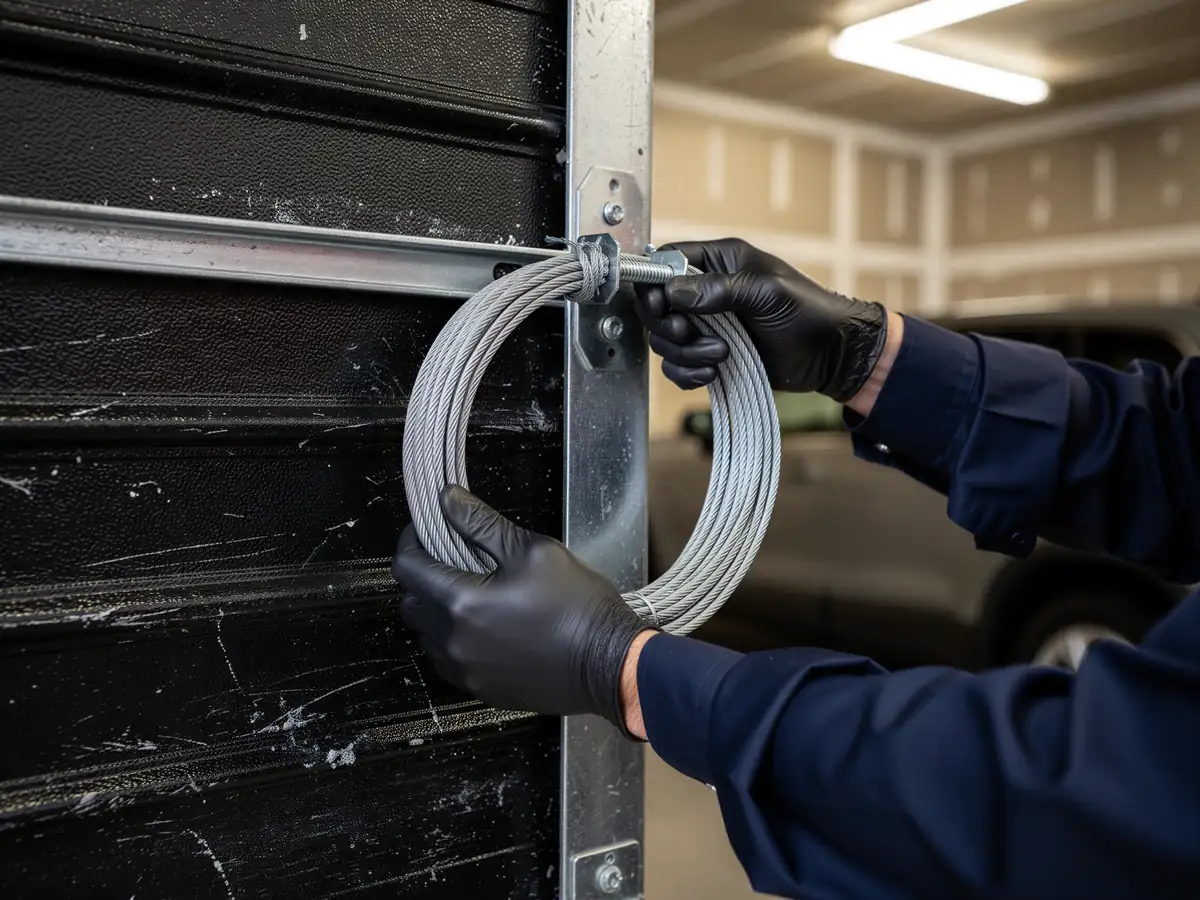
We come out from El Cajon, about 7 miles, so the truck is stocked for the visit rather than restocked mid-job. For La Presa's housing stock that means rollers and hinges sized for the older track gauge common to 1967-1992 construction, lubricant rated for steady mild-temperate use rather than freeze-thaw cycling, and cable sets that fit the shorter drums you see on doors from that era before manufacturers standardized on wider ones.
We carry general-purpose torsion springs for common door weights, but if a spring is a non-standard wind or an odd wire gauge from an original 1970s install, that's sometimes a special order rather than something sitting on the shelf. We'll tell you straight if that's the case instead of forcing a part that's close but not right - a spring that's slightly off in the wrong direction wears the opener and the hardware around it faster than no spring work at all.
How Long It Takes
A standard maintenance visit on a single door built in the 1967-1992 window usually runs under an hour once we're on site
Lubrication, hardware inspection, balance check, opener force and limit check. Add the 7-mile drive from El Cajon and you're looking at roughly that plus travel, not a half-day commitment.
Where it runs longer is when the door hasn't been serviced in years and the rollers have worn grooves into the track
Or the cables show fraying from an original install that's never been touched. We'll flag that kind of wear during the visit rather than quoting a flat time up front, because a door that's been neglected for a decade takes real minutes to put right, not just a squirt of lubricant.
Getting It Booked In
Maintenance in La Presa gets booked the same way repair calls do - we come from El Cajon, so we group visits by area when we can, which keeps the trip efficient for both of us. If your door is making noise, dragging, or just hasn't been looked at since it was installed, that's worth a call before it turns into a spring or cable failure.
If what you're actually dealing with is a door that's already stuck, off track, or not opening, that's a repair call rather than a maintenance visit - see our La Presa garage door repair page. And if you want the fuller rundown of what maintenance covers across the wider service area, that's laid out on the El Cajon maintenance page.