Can You Do This Yourself
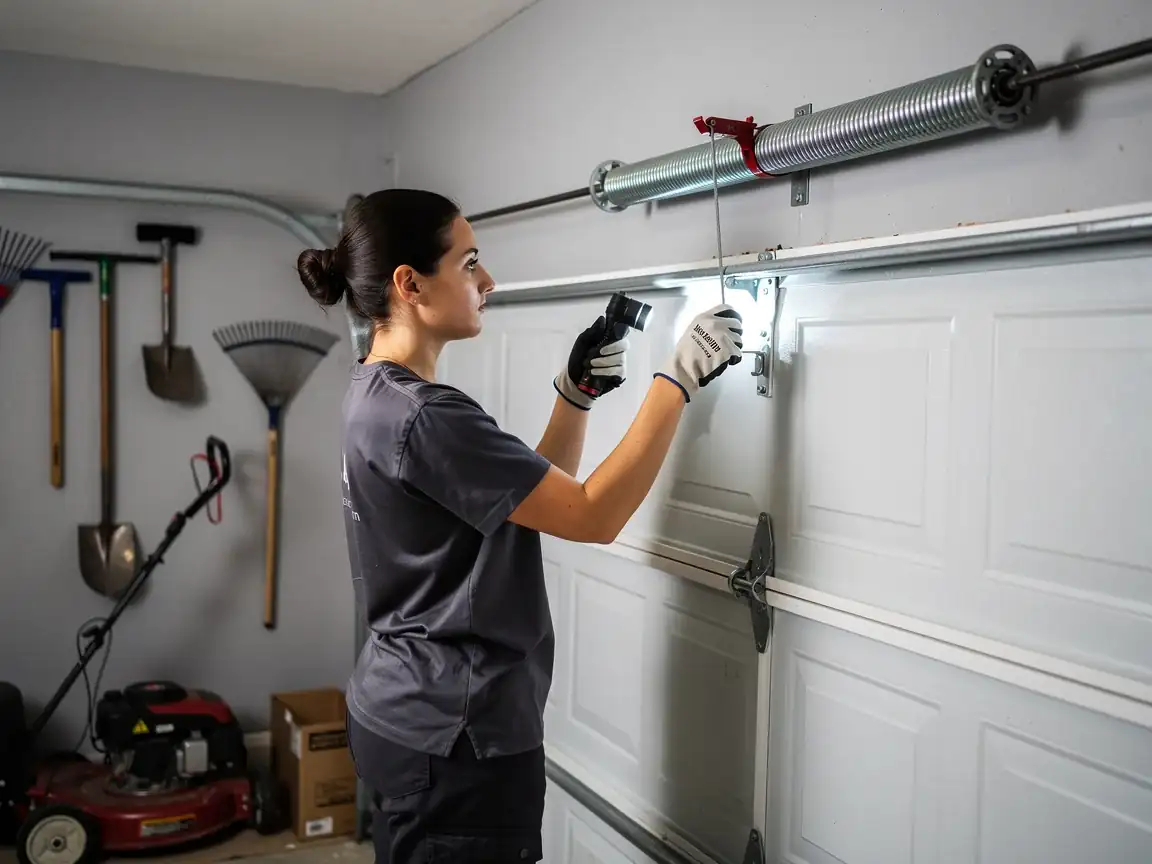
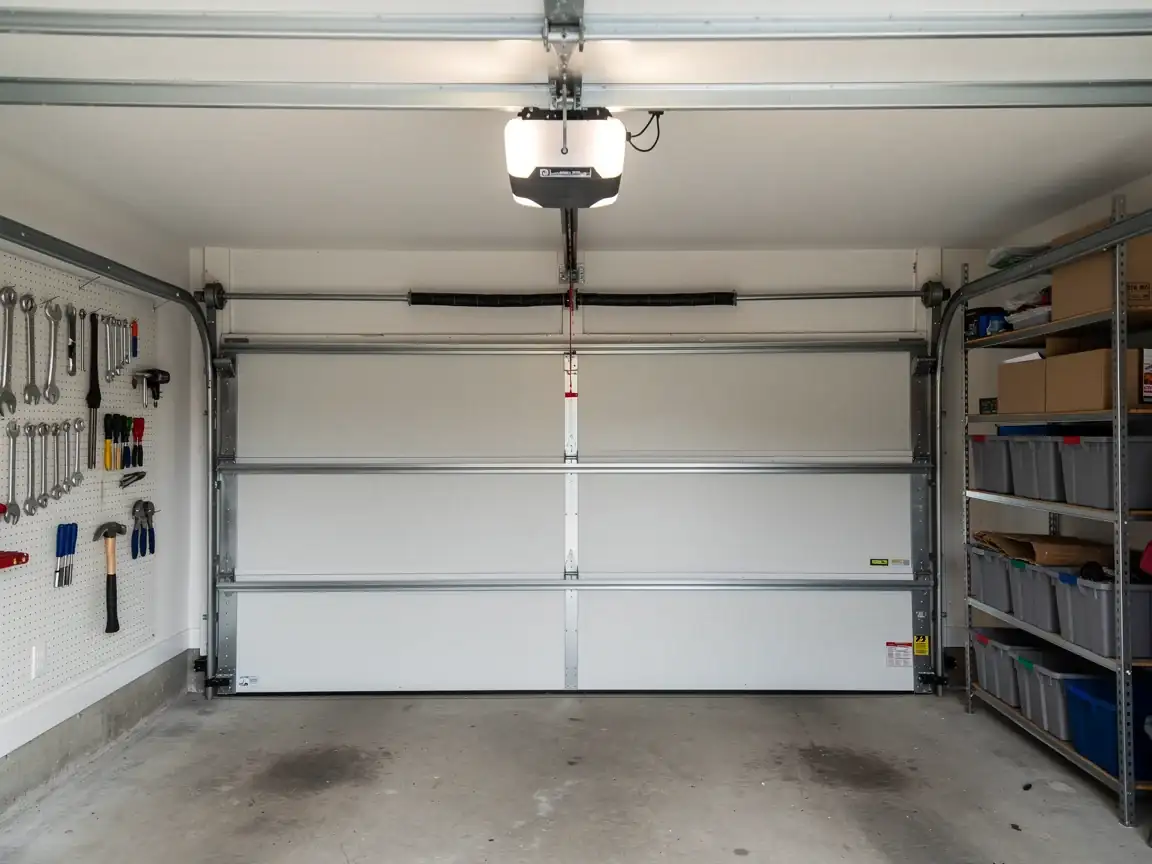
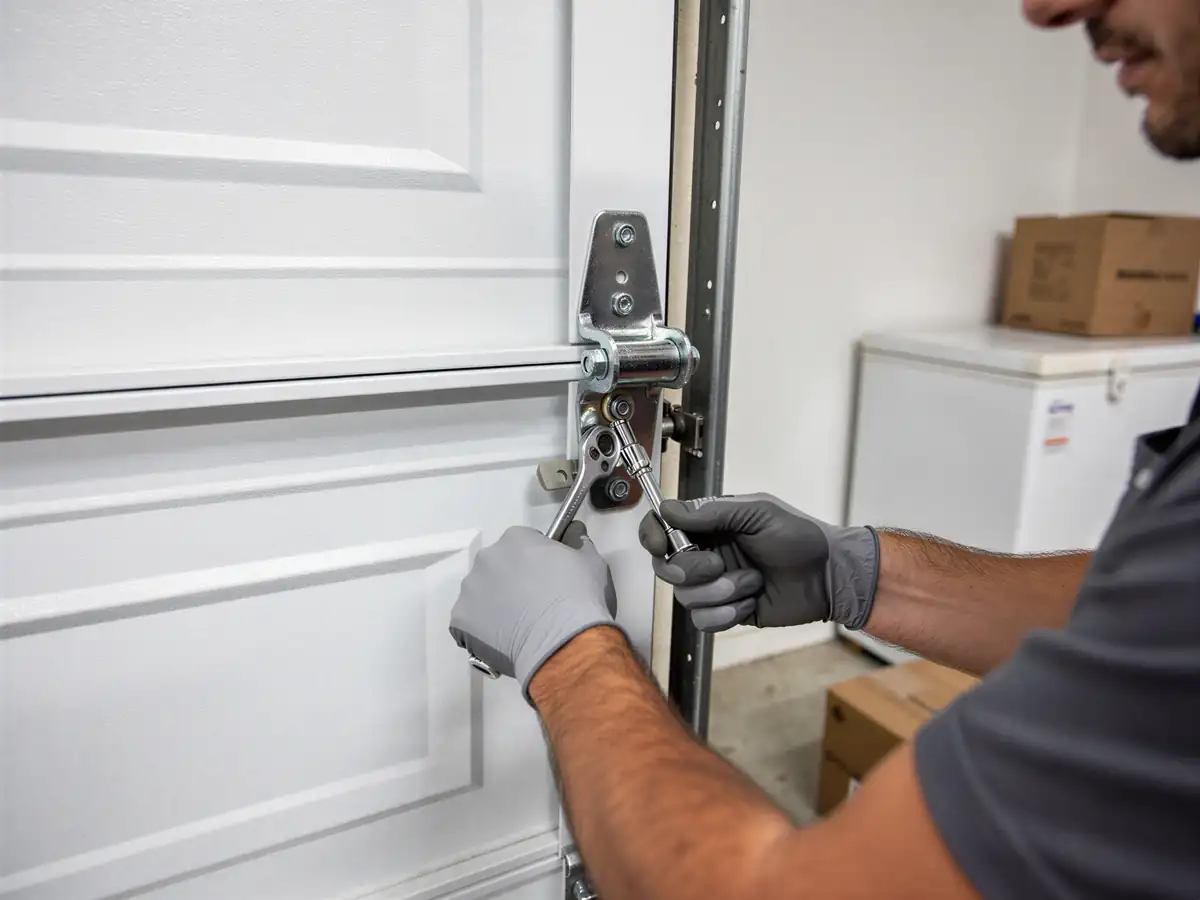
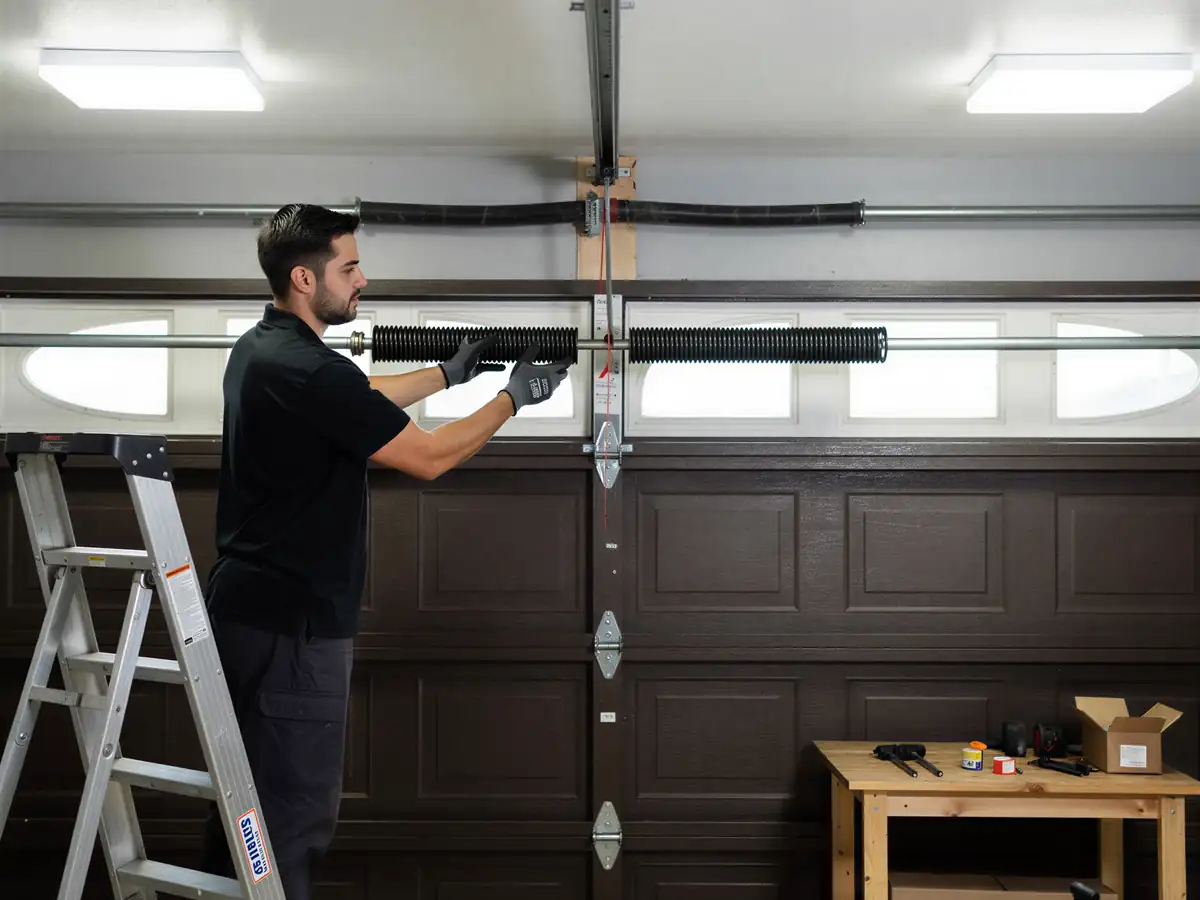
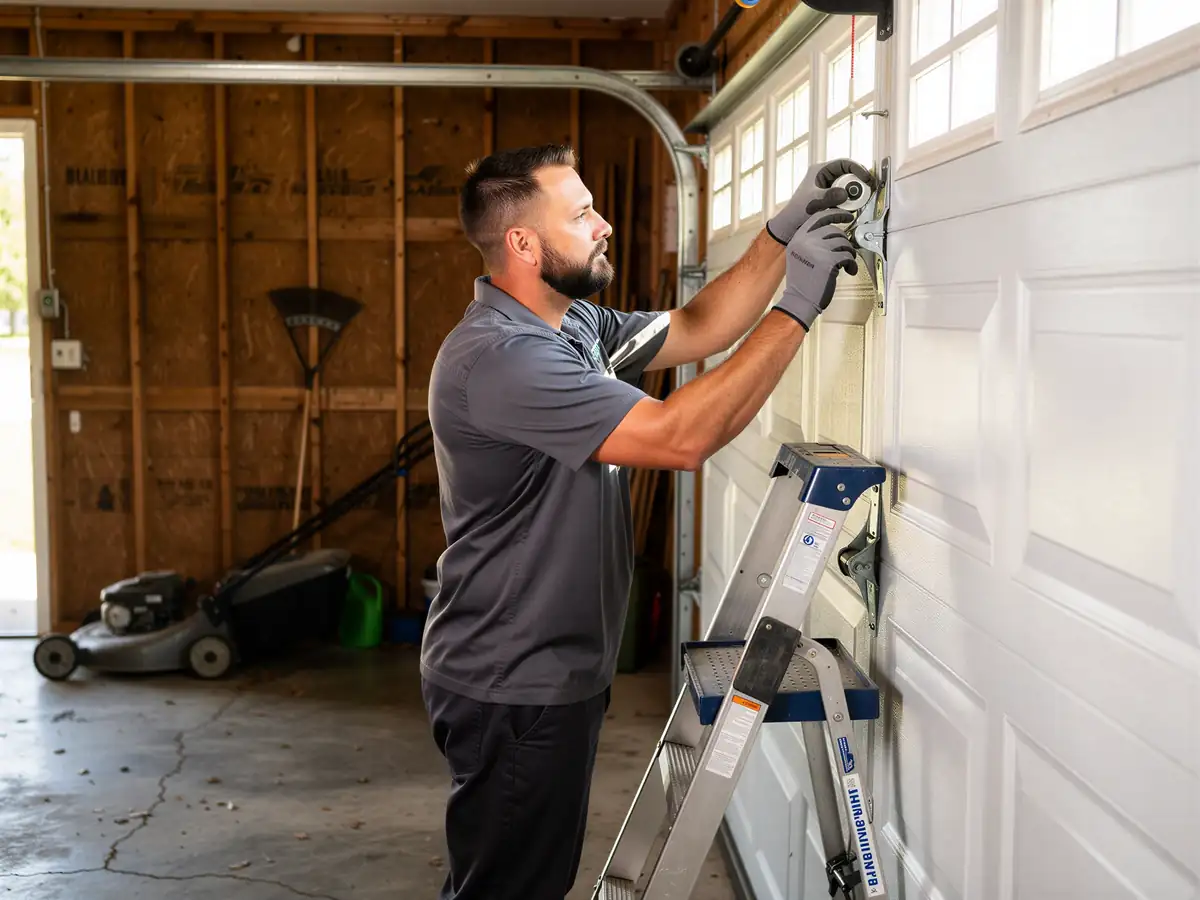
Swapping rollers is one of the more doable garage door jobs for a homeowner, and we won't pretend otherwise. If you've got a clear afternoon, a ladder, and the door is already off its track or you're comfortable pulling one roller at a time with the door down, you can do it. The honest limit is the bottom rollers nearest the cables and the spring side of the track. Those carry tension you can't see, and pulling the wrong bracket while the door is loaded can snap a finger or drop a panel on your foot.
What we see most in this part of the service area is owners trying to source rollers that match what's already on the track, then giving up and calling us anyway. That's fine - it's a short job for us either way. La Presa sits about 7 miles from El Cajon, so a roller call here isn't a special trip, it's a normal route stop. If your door is from the 1975-ish wave of construction common across this stretch, the stem length and track gauge are usually predictable, which is part of why this is a job we're comfortable quoting without seeing the door first in most cases.
What Is on the Truck
We carry both nylon and steel rollers, in the stem lengths that fit the tracks common to the 1960s-70s housing stock across this part of the county, which includes La Presa. Nylon is what we put on most residential doors now - quieter, no lube needed, and it holds up fine in this area's mild temperate climate where we're not fighting ice or extreme humidity swings that would argue for sealed bearings.
What we don't carry on the truck is every oddball track width. A handful of houses from this era got non-standard track from builders who are long out of business, and if that's what we find, the roller swap turns into a short wait on a part instead of a same-visit fix. We'll tell you on the spot if that's the case rather than force a roller that's close enough. Steel rollers with sealed bearings are also on the truck for owners who want the heavier-duty option, usually on doors that get opened and closed several times a day. Either way, we're matching stem length and wheel diameter to what's already mounted, not guessing.
How Long It Takes
A full set of rollers on a single door, done with the door down and one roller at a time
Usually runs under an hour once the truck is on site. Pulling the door off track to do all of them at once is faster per roller but adds setup time, so the total isn't that different.
What slows the job down in houses built around 1975
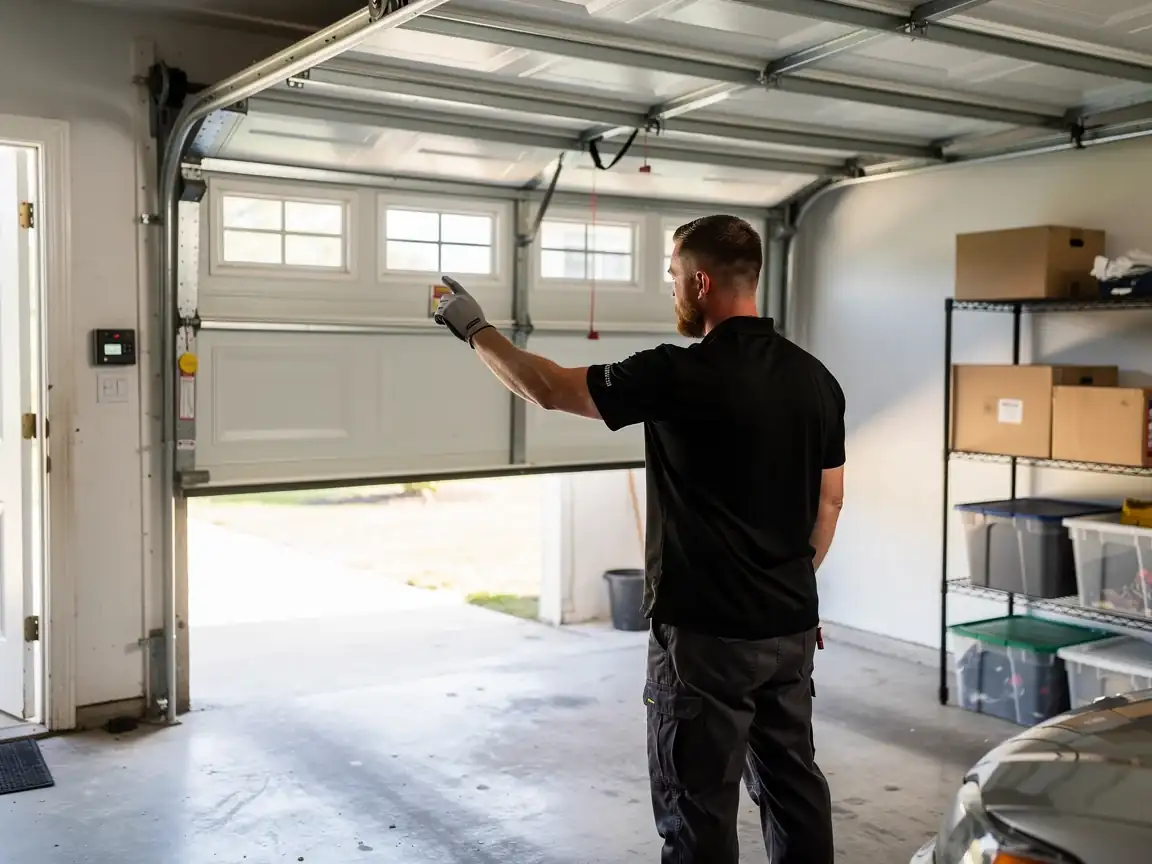
Which covers a lot of this area, is track alignment that's drifted over the decades. If the vertical track has pulled away from the jamb or the horizontal track sags where it ties into the ceiling hardware, we're not just swapping rollers - we're re-setting the track first, or the new rollers will wear the same way the old ones did. That adds time but it's the difference between a roller job that lasts and one you're paying for again in two years. We don't pad the estimate for this, but we also won't tell you it's a 20-minute job if the track needs attention, because it usually doesn't need as much as people fear, but it sometimes does.
Getting It Booked In
We run this job out of El Cajon, about 7 miles from La Presa, so there's no separate branch or local dispatch here - just a truck on the same route it already runs. Booking a roller replacement works the same as any other call: tell us the door size, whether it's already stuck or still moving but noisy, and whether anyone's tried to force it recently, since that changes what else we check once we're there.
If you're not sure whether it's the rollers or something else - a bent track, a dying opener gear, a spring going soft - that's a fair question to ask before you book, and we'd rather sort it on the phone than show up for the wrong job. For a broader look at what we cover on garage doors in this area, there's more detail on our La Presa repair page, and if you want the same roller service described for the El Cajon side of the area, that's covered separately too.