What the Fix Involves
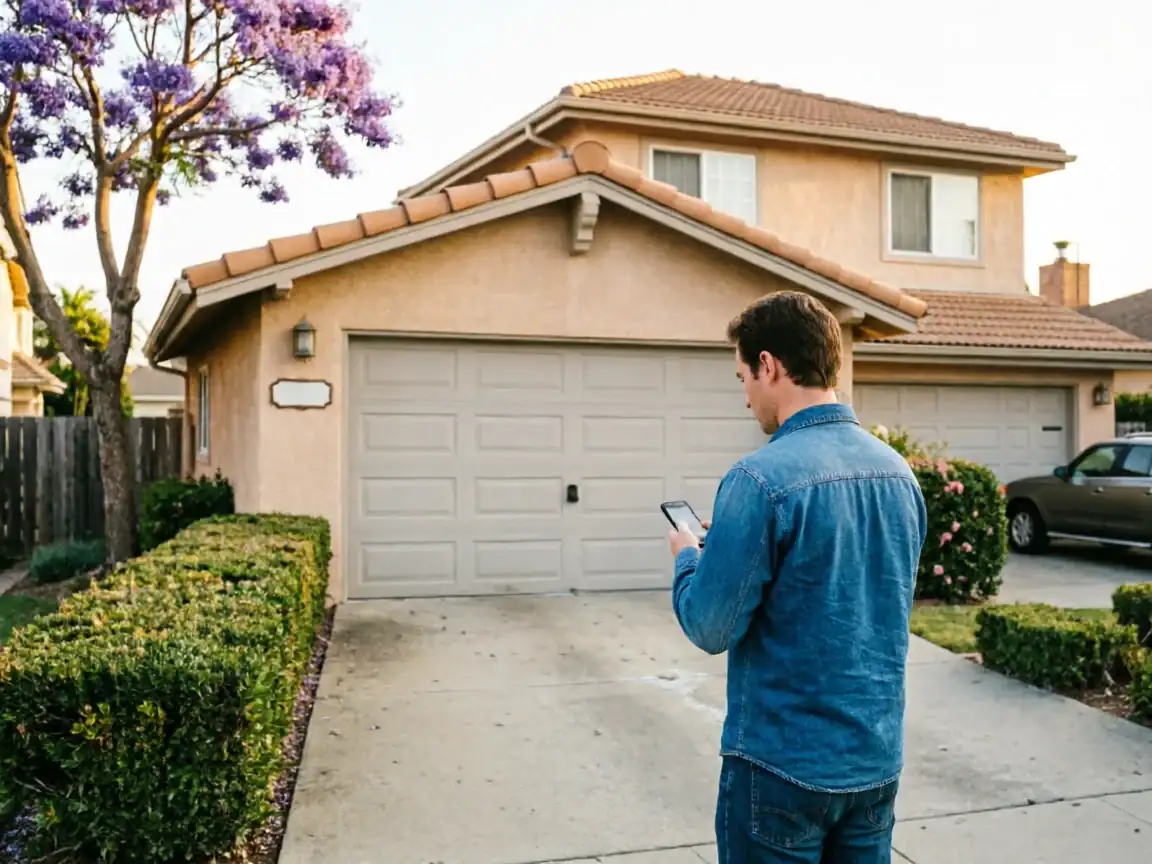
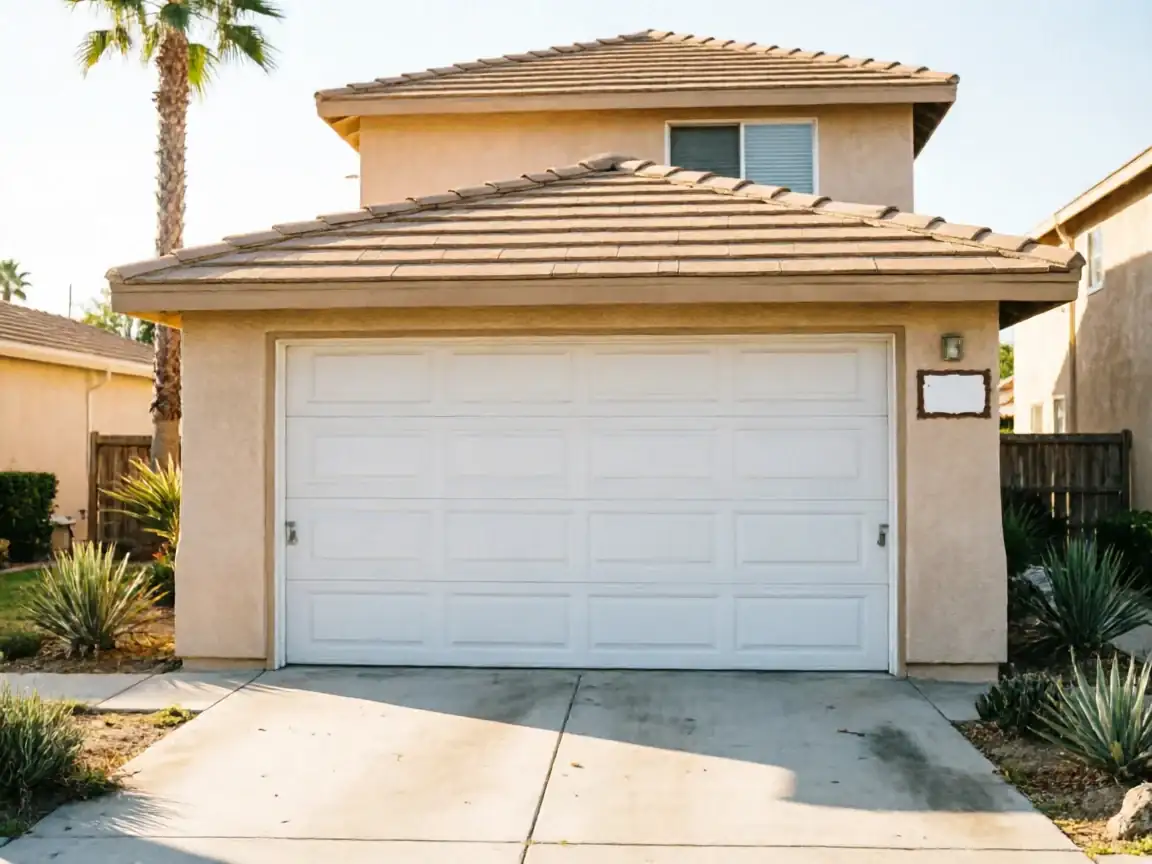
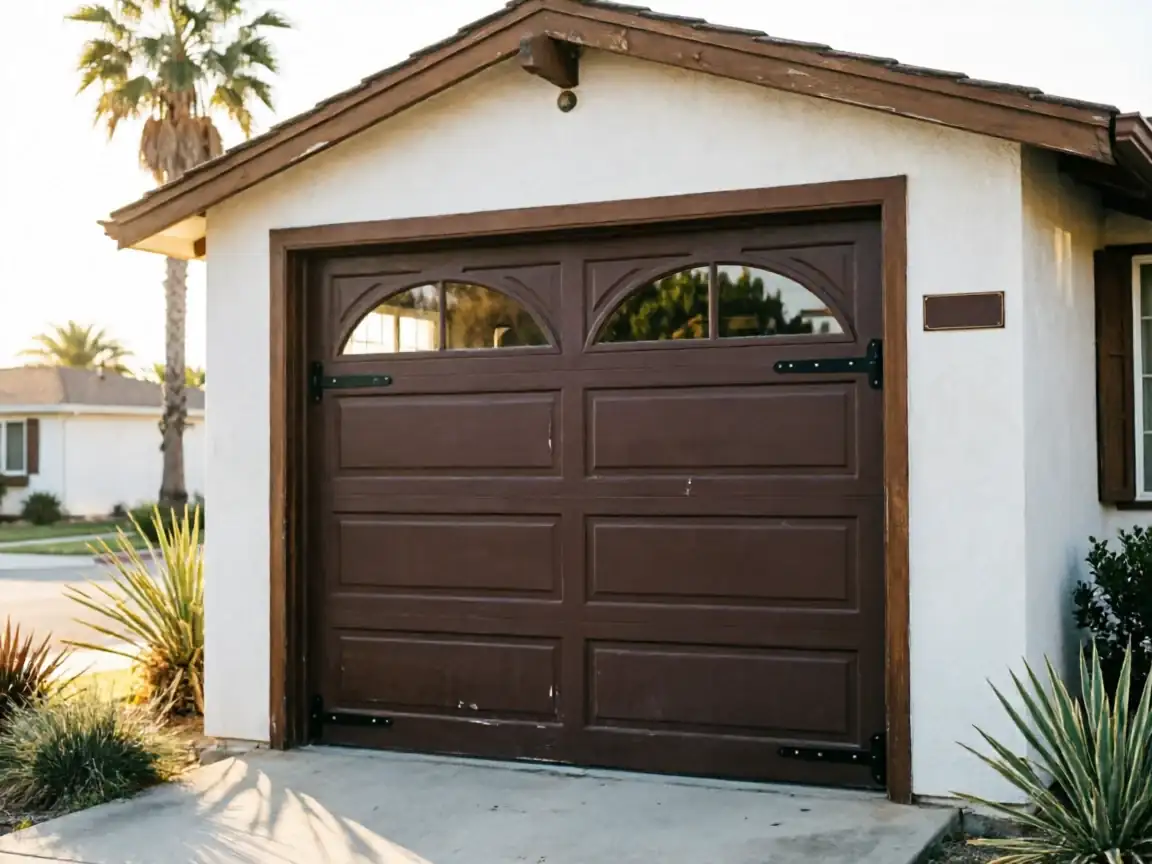
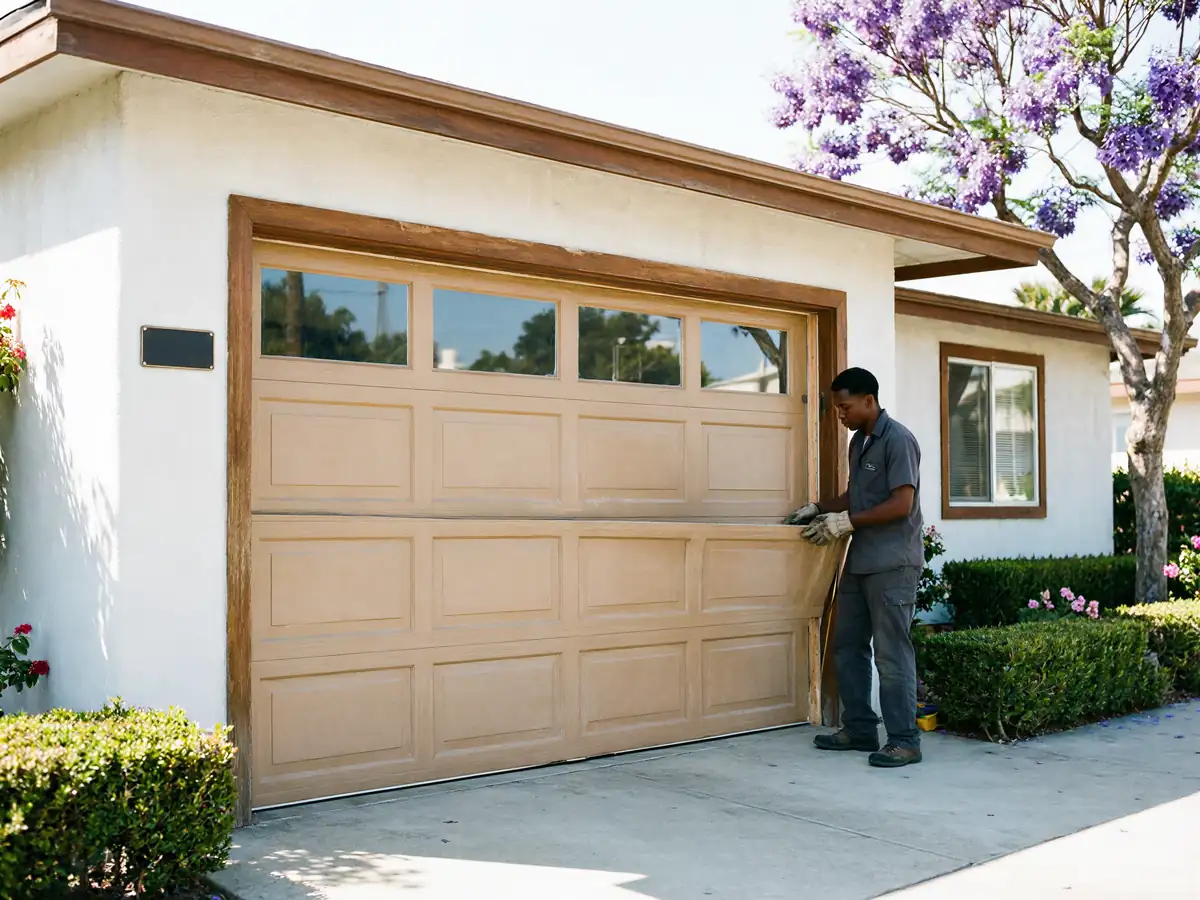
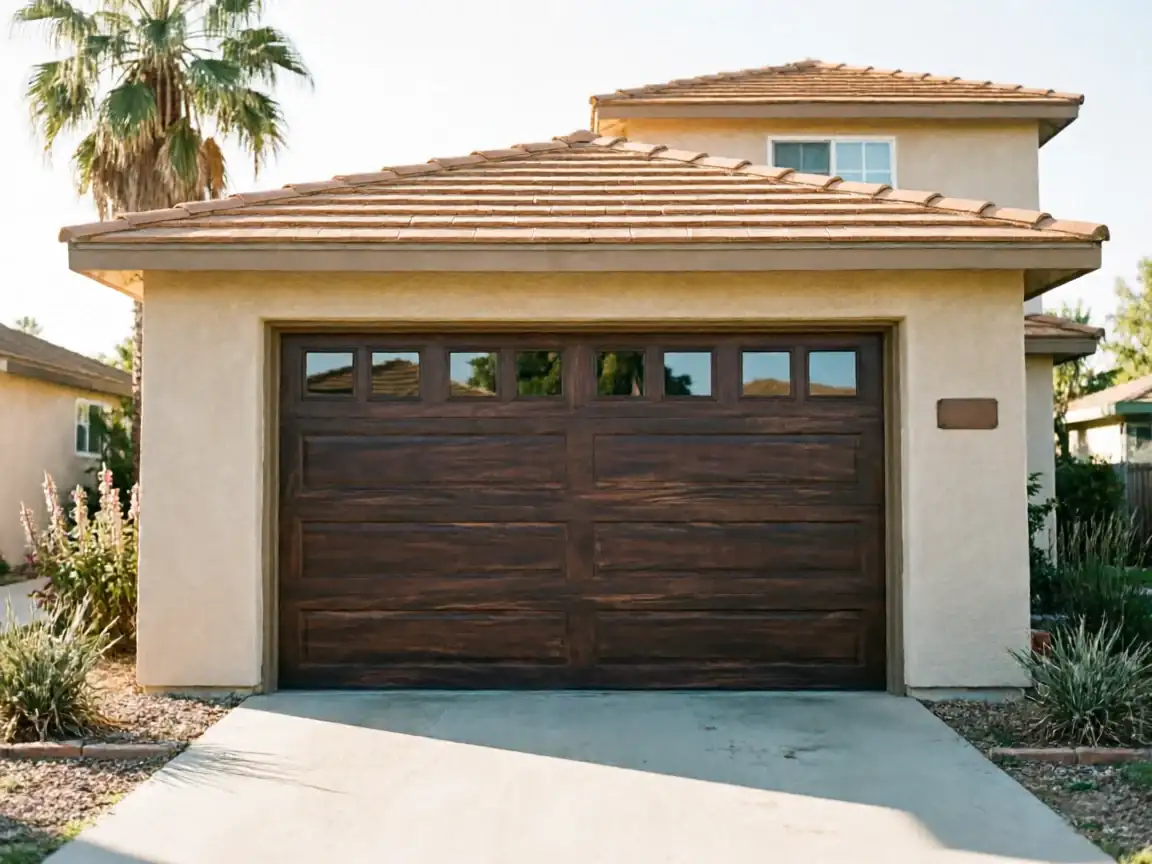
Most houses in La Mesa went up around 1970, and a lot of the garage doors on them are still running the hardware that came with the build. That's over fifty years on the same torsion spring, the same rollers, maybe the same cable that was never swapped because the door never failed outright - it just got stiffer, noisier, slower to close, year after year, until one day it doesn't.
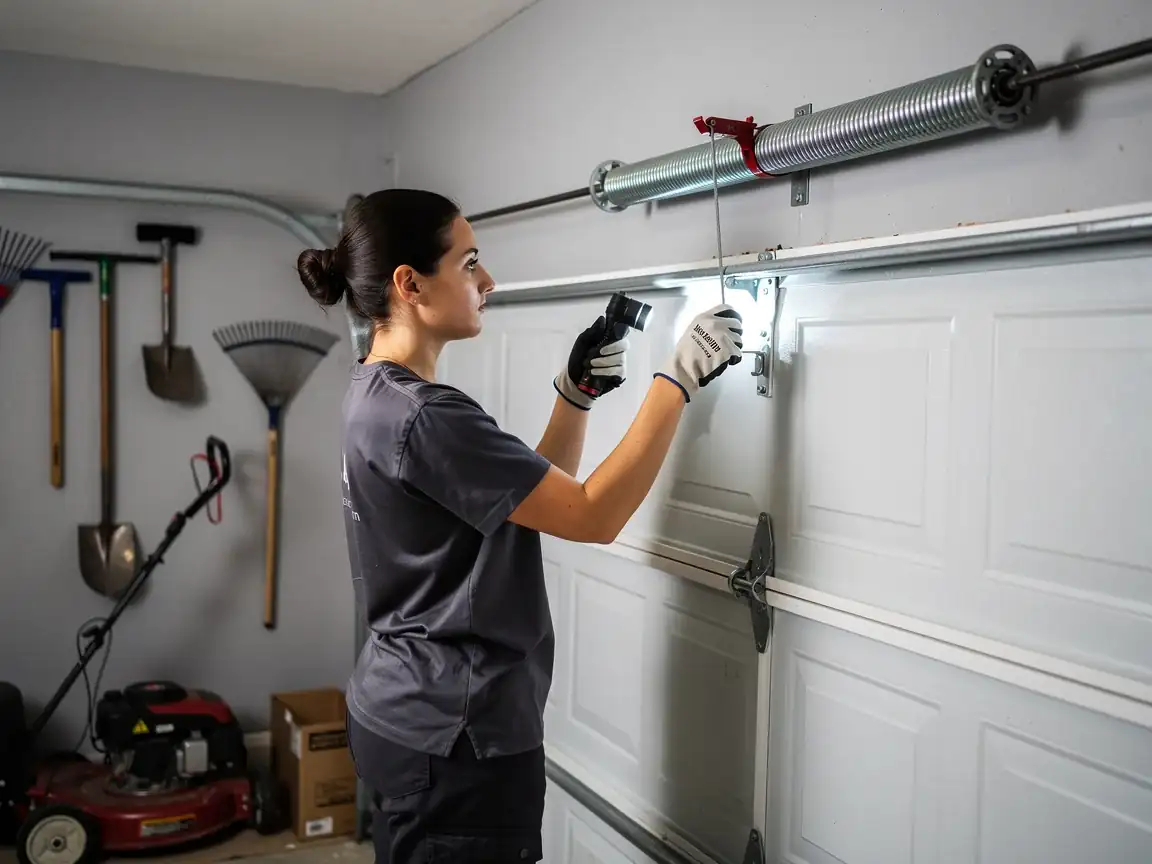
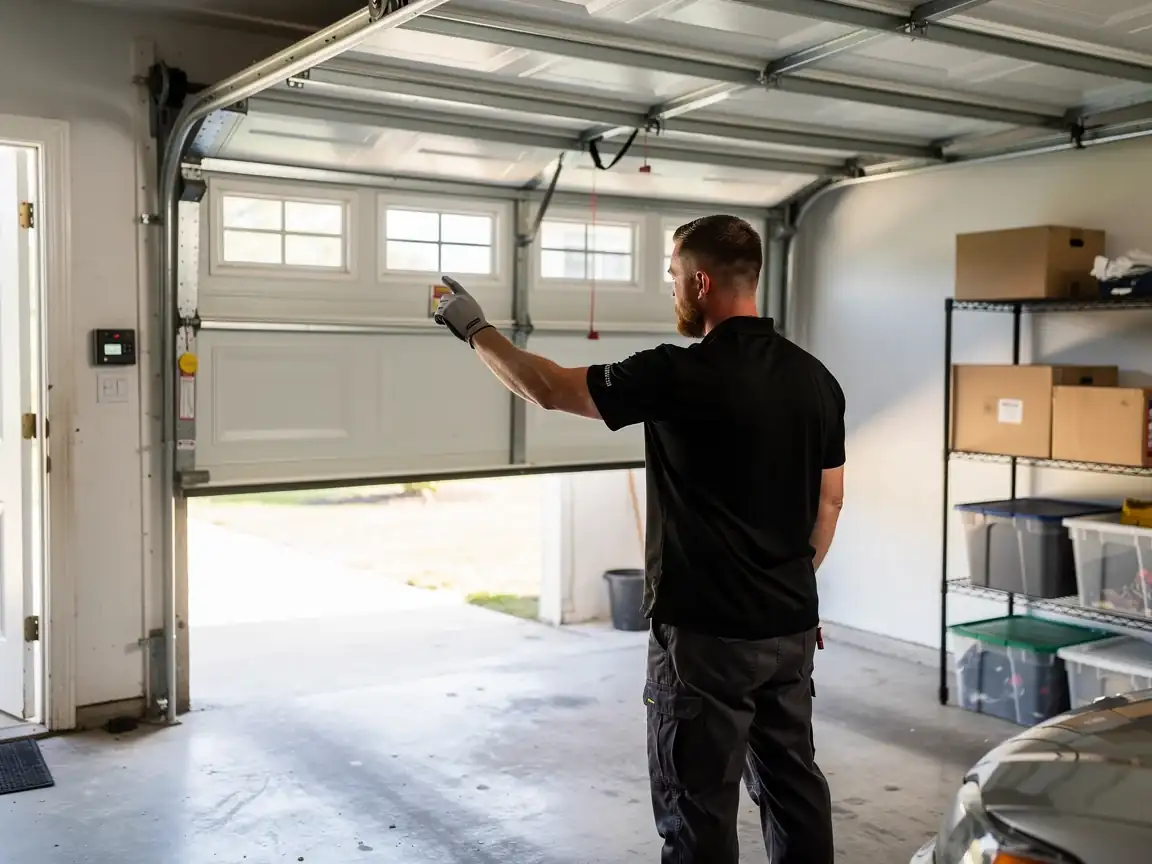
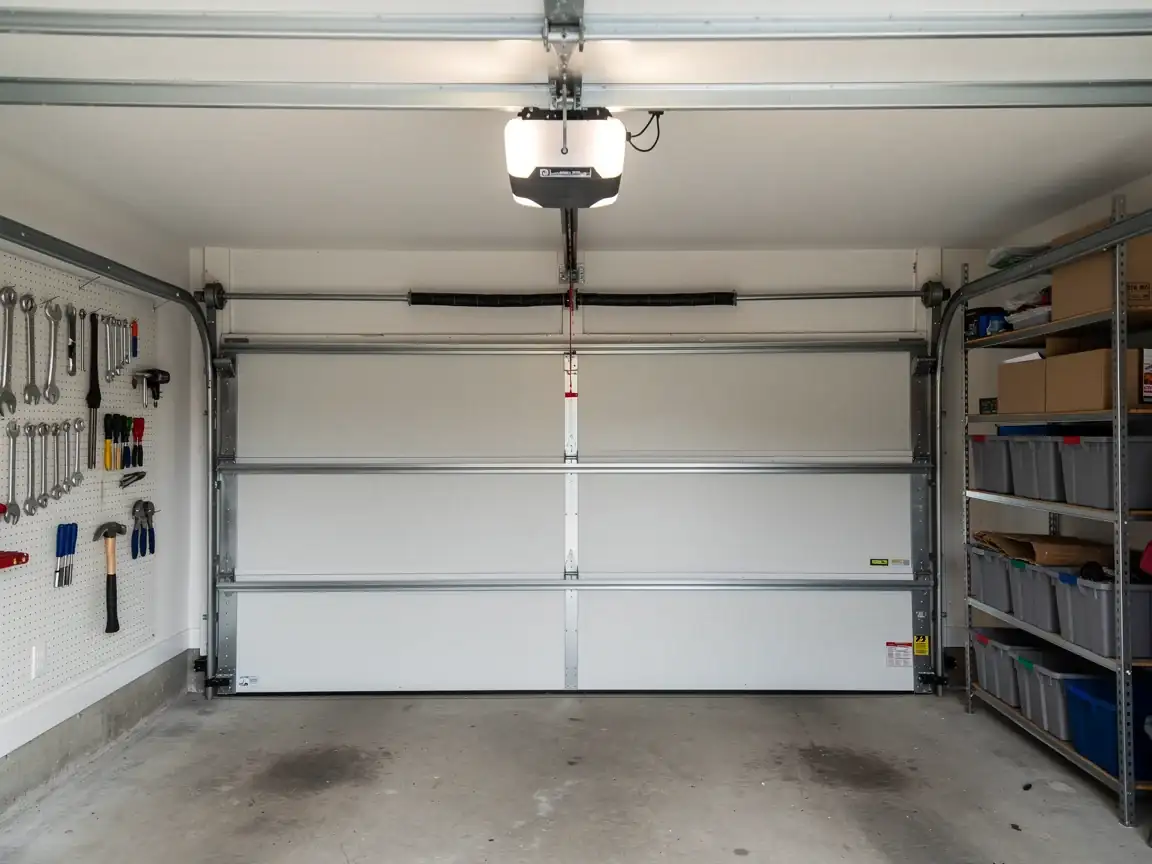
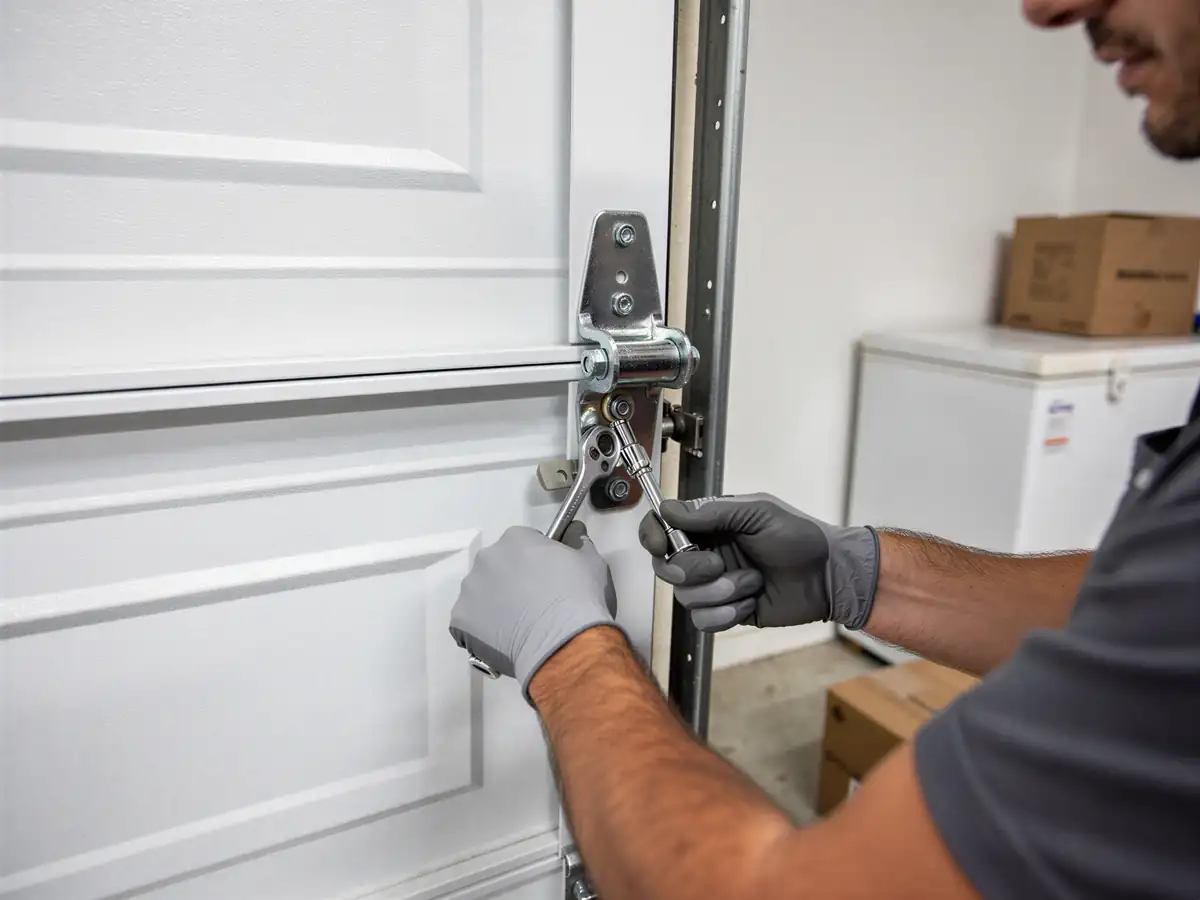
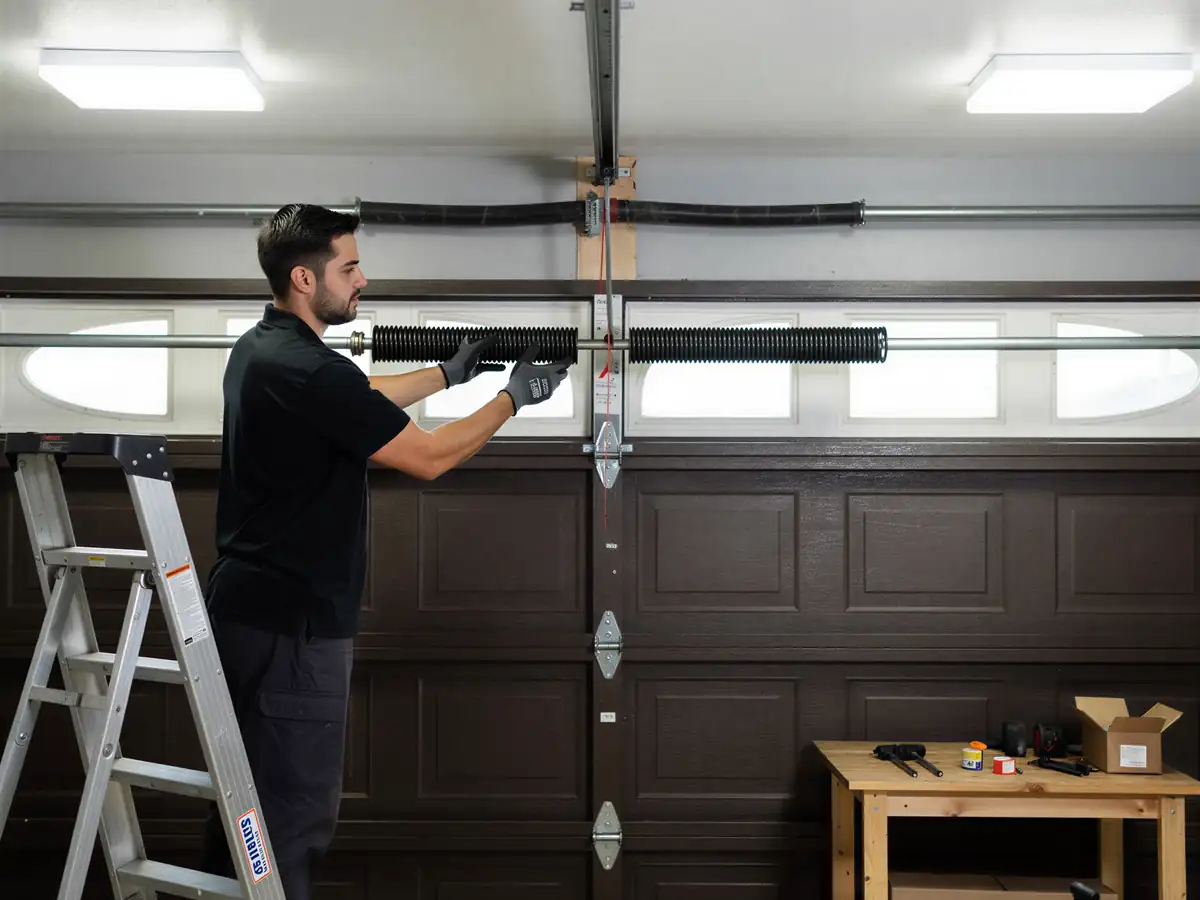
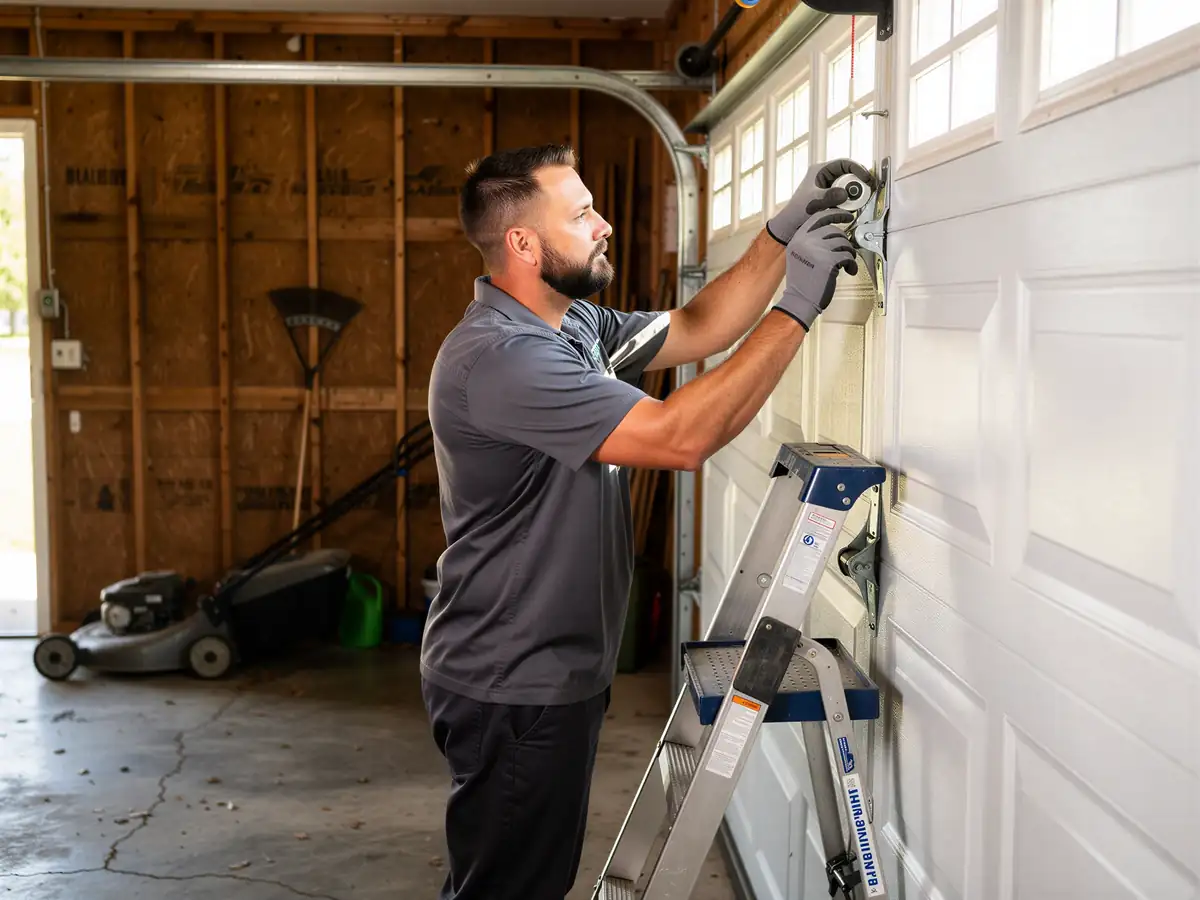
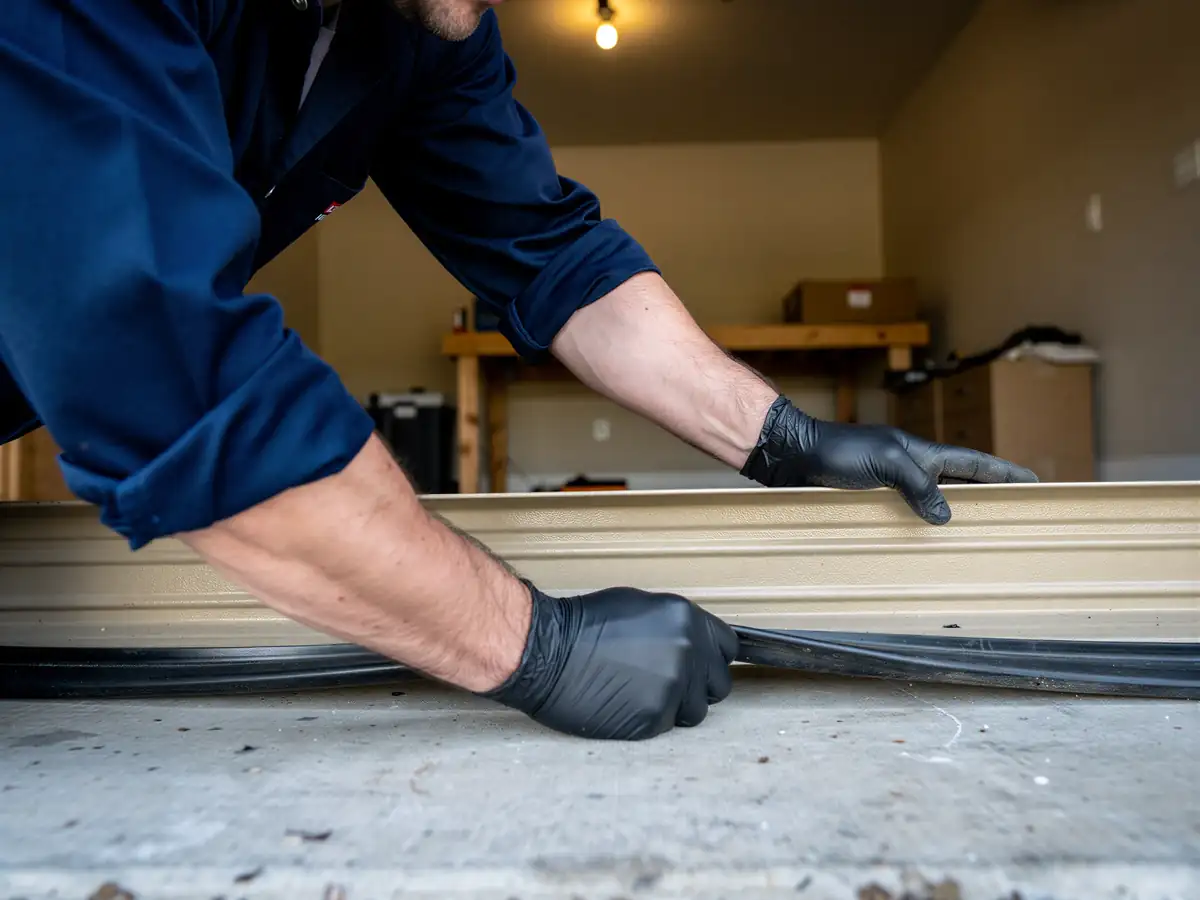
A maintenance visit on a door this old isn't a quick squirt of oil. We check the spring for wear and rust pitting, look at cable fray near the drum, check whether the track is still bolted true after decades of settling, and test the opener's force settings - a lot of 1970s-era openers have been retrofitted once or twice and the settings drift. On a door this old, we're also looking for parts that were serviceable twenty years ago and aren't now: galvanized hardware that's pitted through, hinges stretched at the pivot. The mild climate here hasn't rusted things out the way a wetter region would, which is actually why so much of this original hardware is still hanging on at all - it's worn, not corroded through.
What we won't do is talk you into replacing a door that just needs the spring reset and the track realigned. If the panel's sound and the opener's fine, a tune-up is the right call, not an upsell.
The Cost of This Job
We don't quote a number here because the real cost on a 1970s door depends on what the spring and rollers look like once we're under it, and we're not going to guess at that from a desk in El Cajon. What we can tell you is what drives the cost up versus down: a door that's had zero maintenance since 1970 usually needs more than lubrication - often a spring replacement is overdue even if it hasn't broken yet, and that's a different job than a tune-up.
La Mesa's median household income runs lower than the wider service area's - $84,337 against $114,736 - and that's worth saying plainly, because it means a lot of La Mesa homeowners are weighing a maintenance visit against a bigger repair bill down the line. A regular tune-up is the cheaper side of that bet. Catching a worn spring before it snaps, catching a cable before it frays through, costs less than the emergency call that follows when it doesn't get caught.
We'll give you the real number after we've looked at the door, not before.
What Is on the Truck
For a maintenance call on a house this age
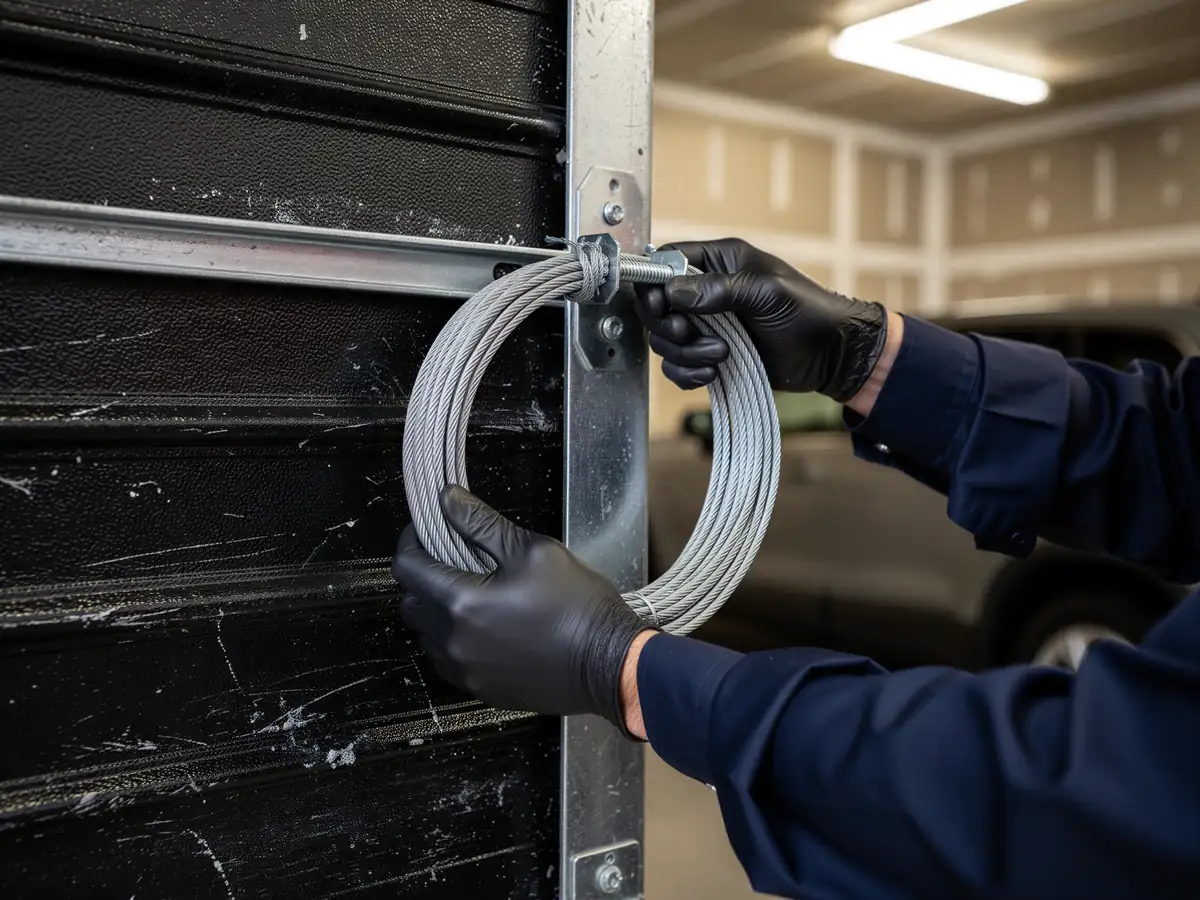
The truck carries what actually gets used on 1967-vintage hardware across this part of the service area: torsion springs in the common residential sizes, galvanized rollers, lift cable, and the lubricant that's rated for garage door track and hinge use, not the household stuff. We also carry opener force-adjustment tools, since a lot of these older units have been reset by hand over the years and drift out of safe range.
One honest limit: if your door takes a spring size or a bracket that's no longer a stock part
Which happens more on doors this old than people expect - we may need to order it rather than finish the job same-visit. That's rarer than it used to be, but it still comes up on original-to-the-house hardware, and we'd rather tell you that up front than pretend every 1970 door is a five-minute fix.
Getting It Booked In
We come out to La Mesa from our shop in El Cajon, about four miles away - close enough that it's a short run, not a special trip. Book the maintenance visit, and we'll look at the whole door while we're there: spring, cable, rollers, track, opener. If something's close to failing, we'll tell you straight, and if it's fine, we'll tell you that too.
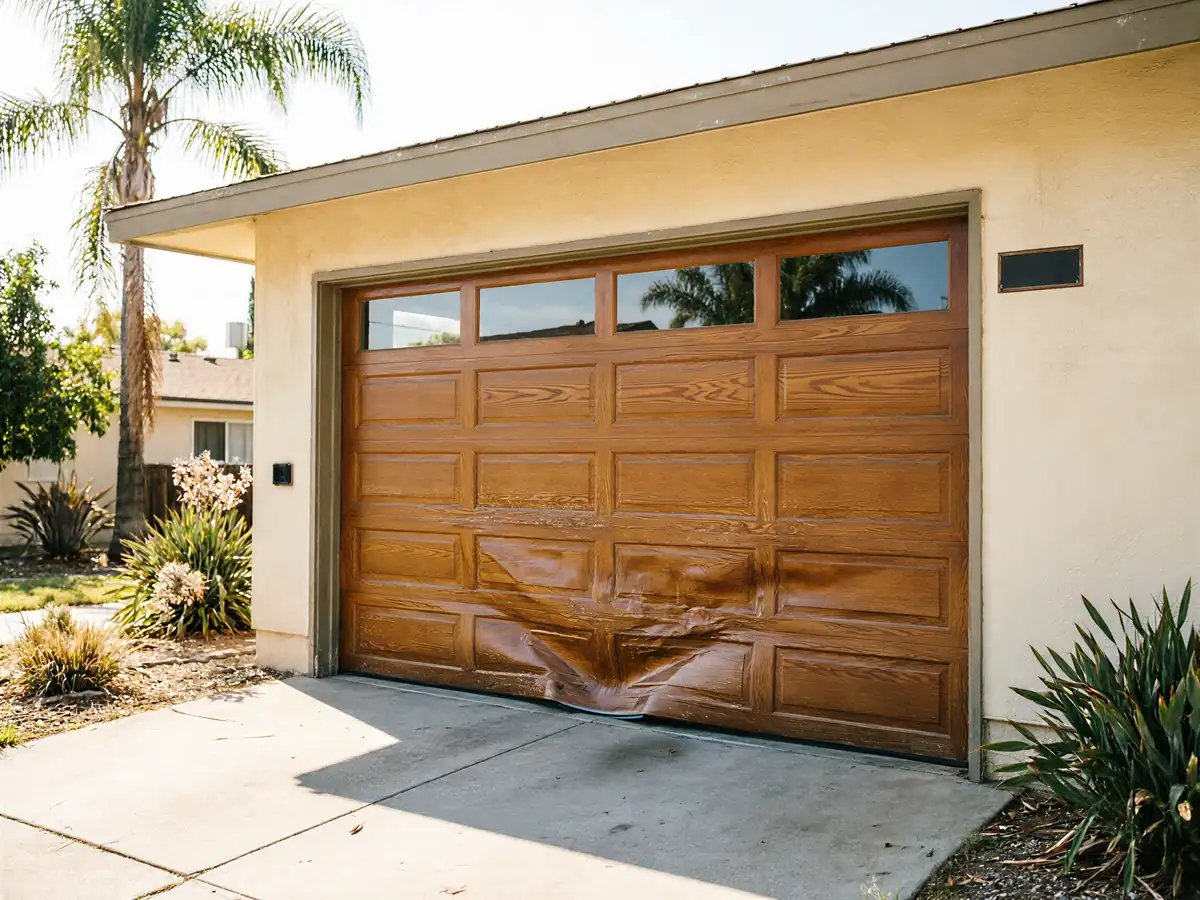
If what's actually wrong is a door that's stuck, off-track, or not responding to the opener, that's a repair call, not a maintenance one - see our La Mesa garage door repair page for that. And if you want the broader rundown on how we handle maintenance across the whole area we work out of El Cajon, that's covered on the El Cajon maintenance page.