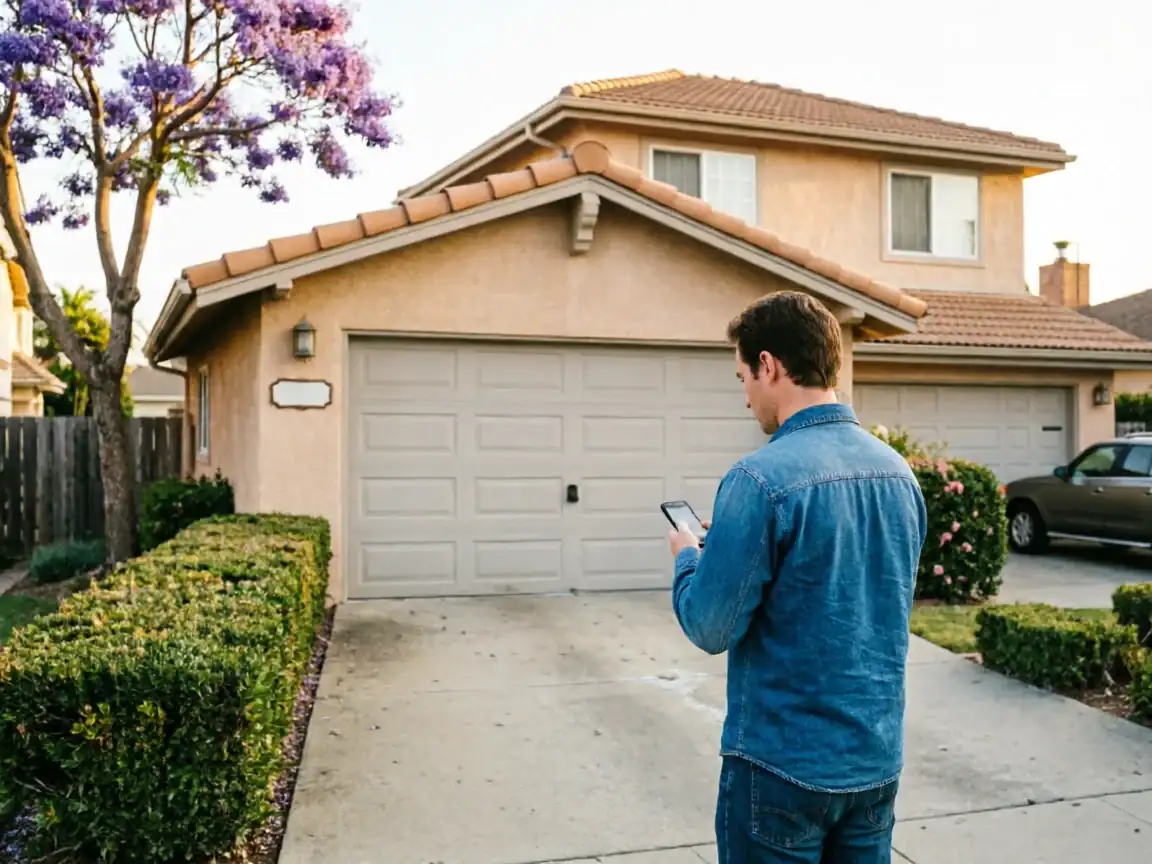
What the Fix Involves
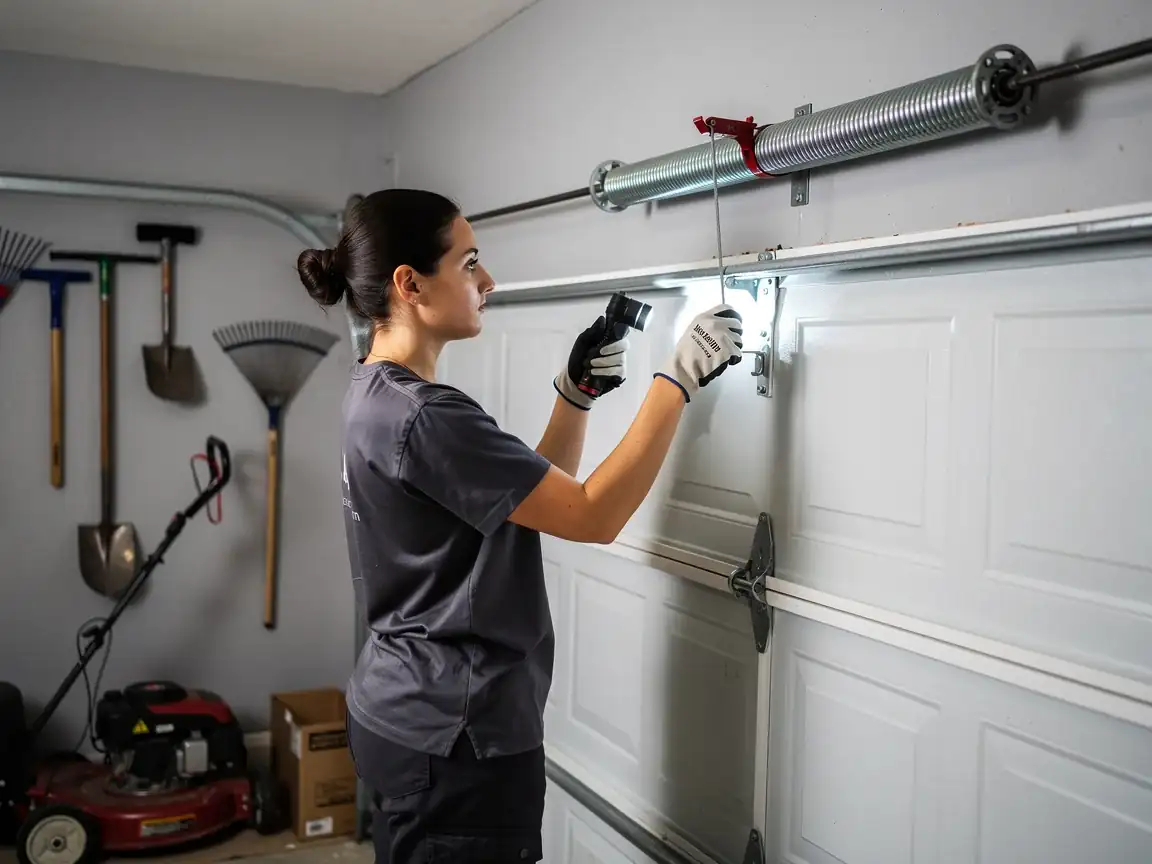
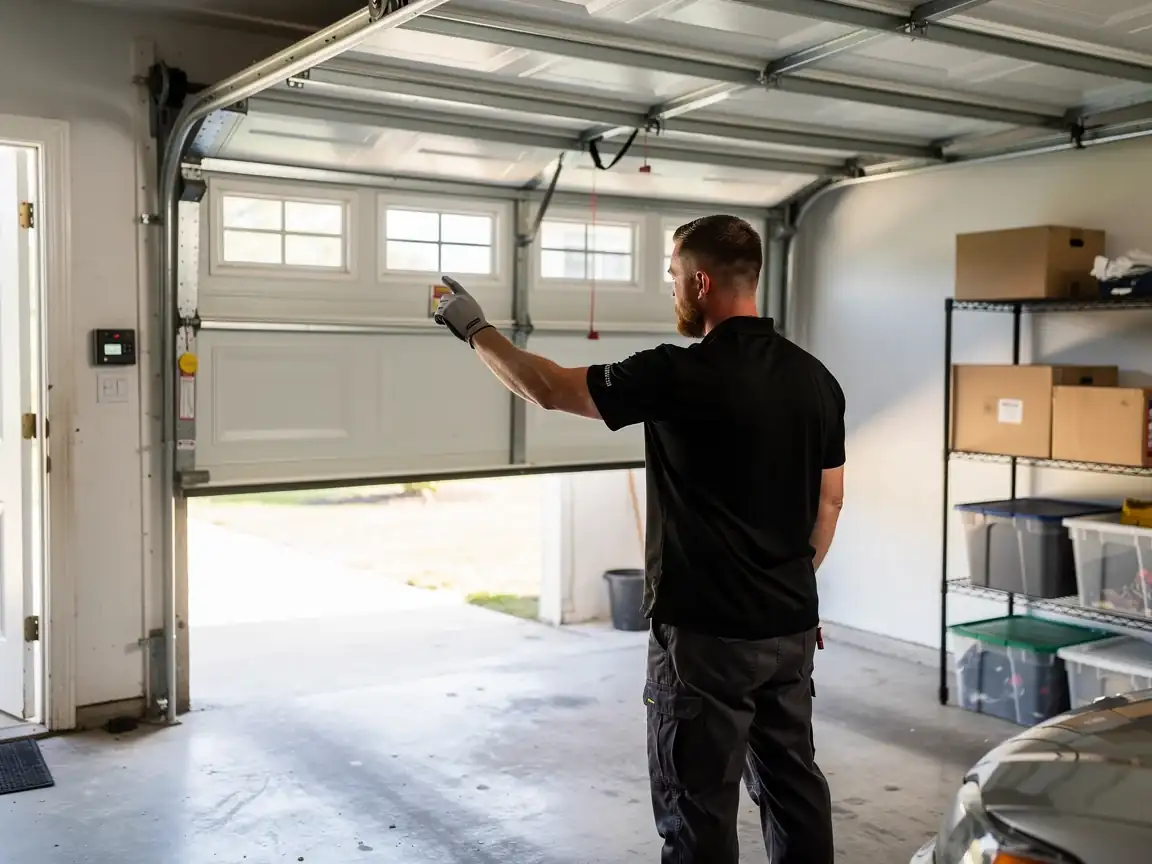
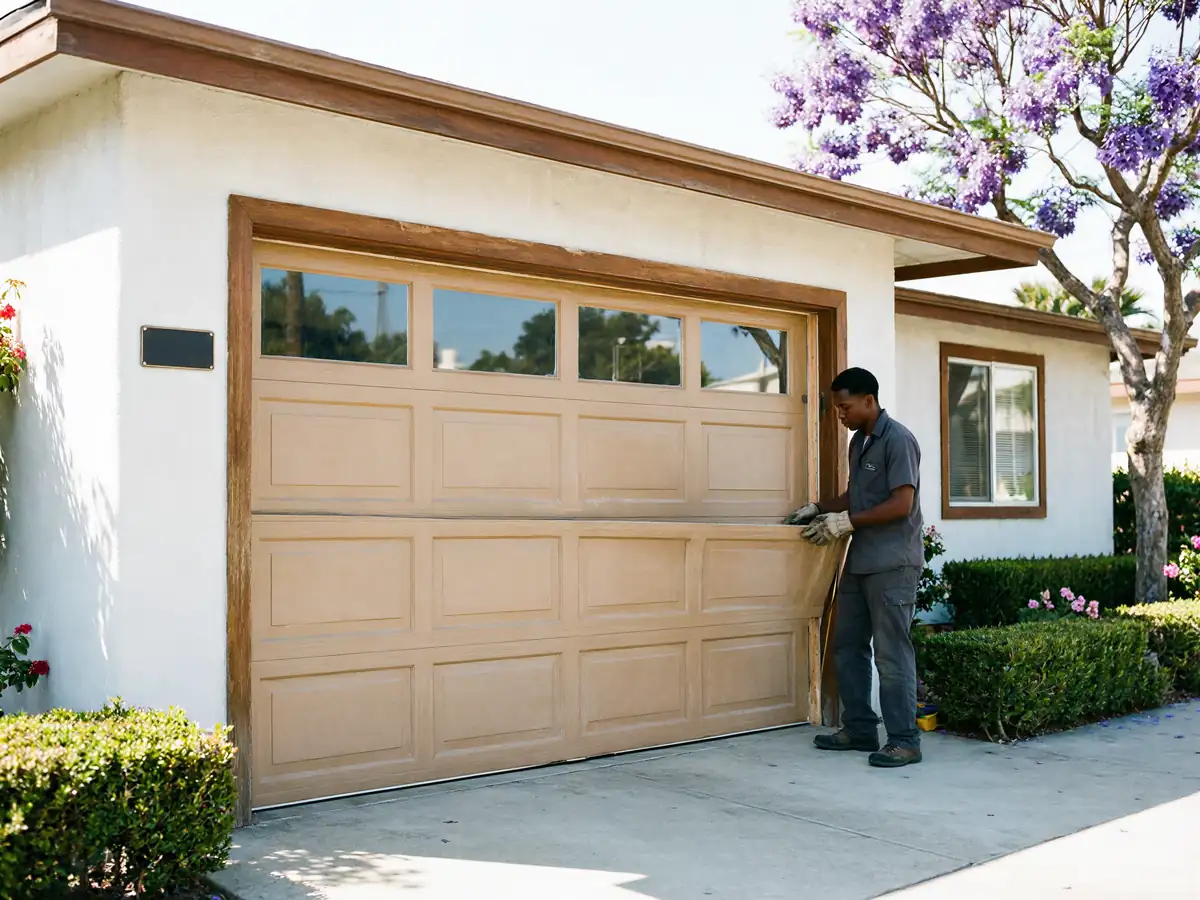
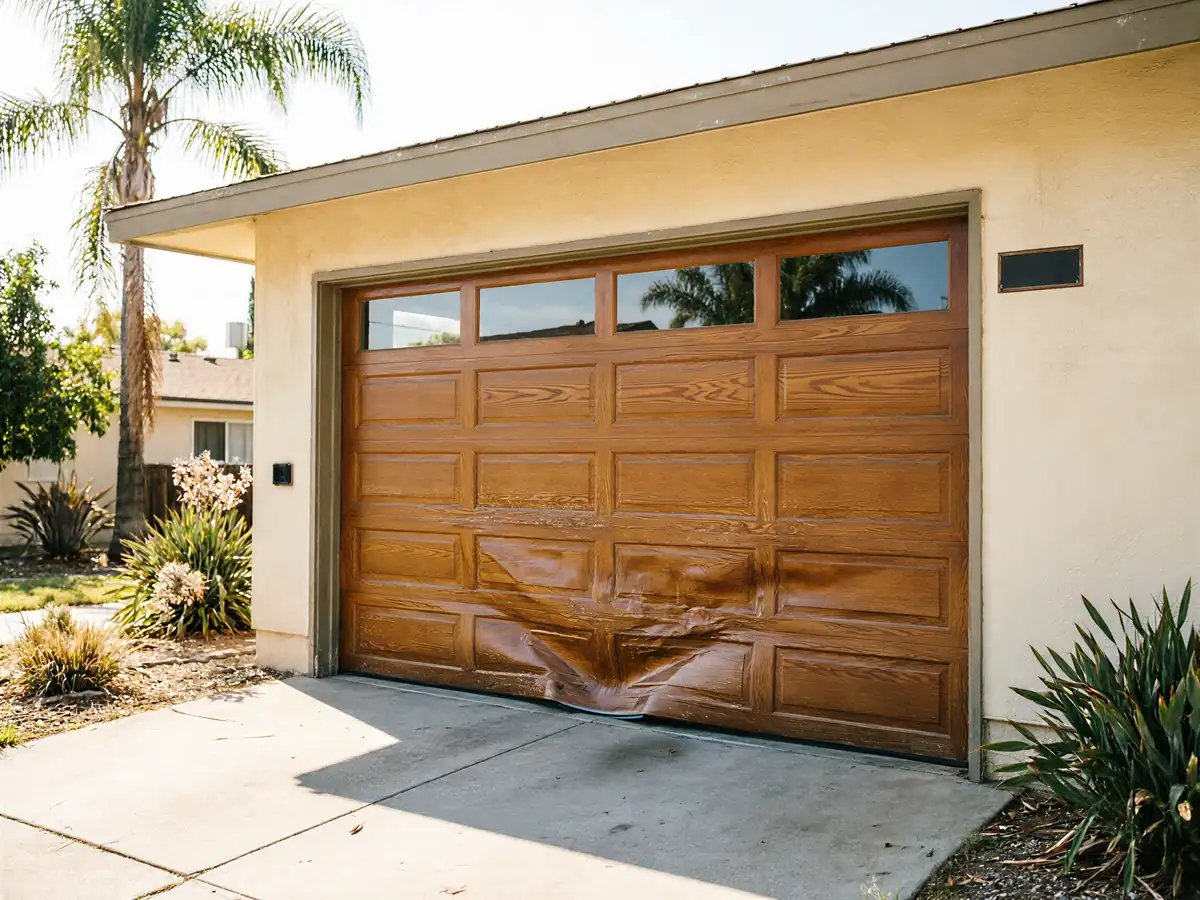
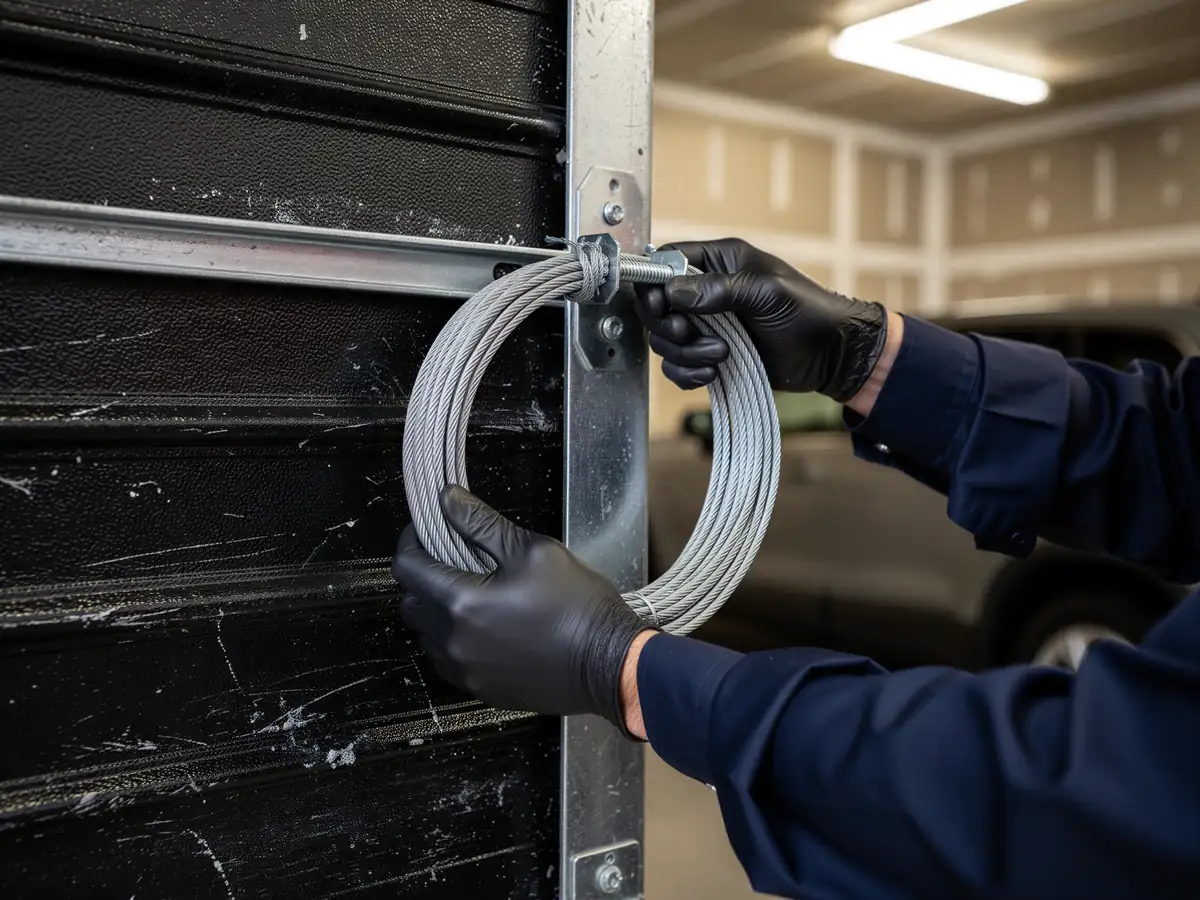
The call we get most from La Mesa is a door that drops hard on one side, or a cable that's already jumped the drum and left the door canted in the opening. On a torsion-spring door that's a broken or frayed lift cable, and it's almost always the one on the side that takes the most load from daily use.
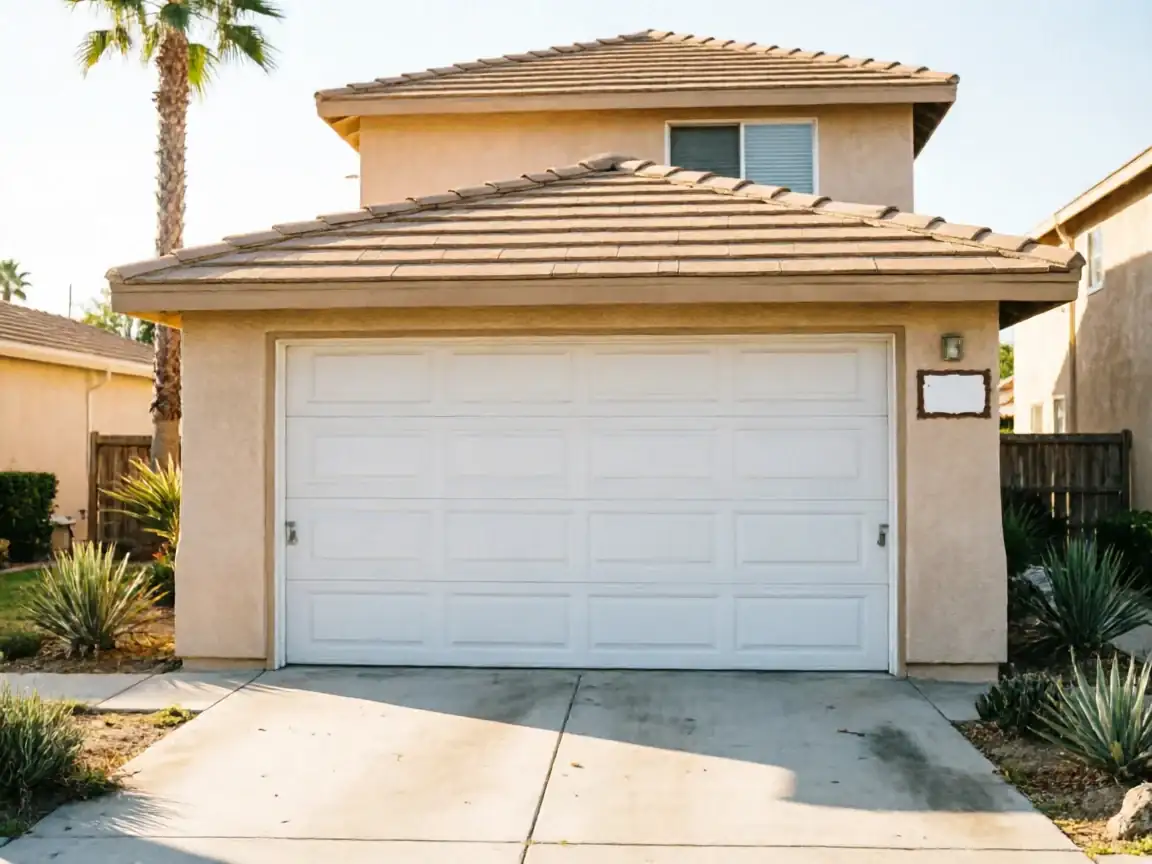
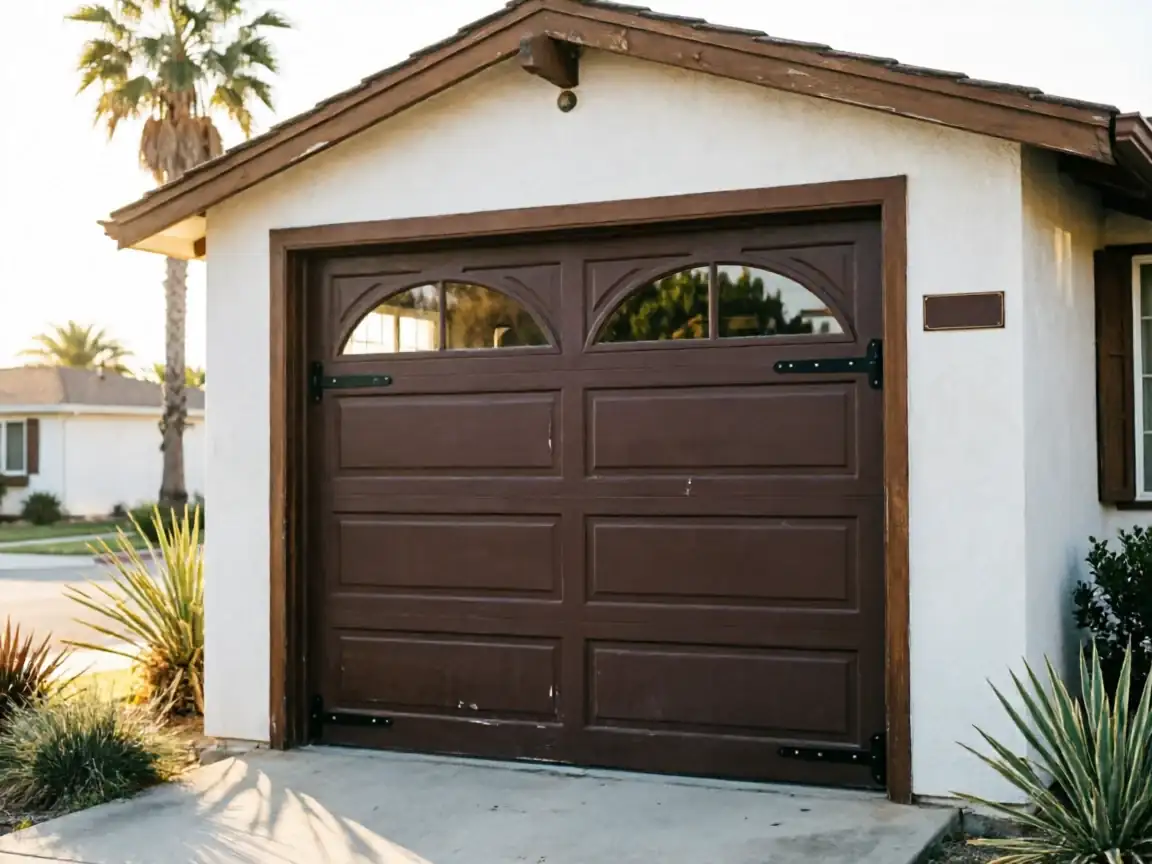
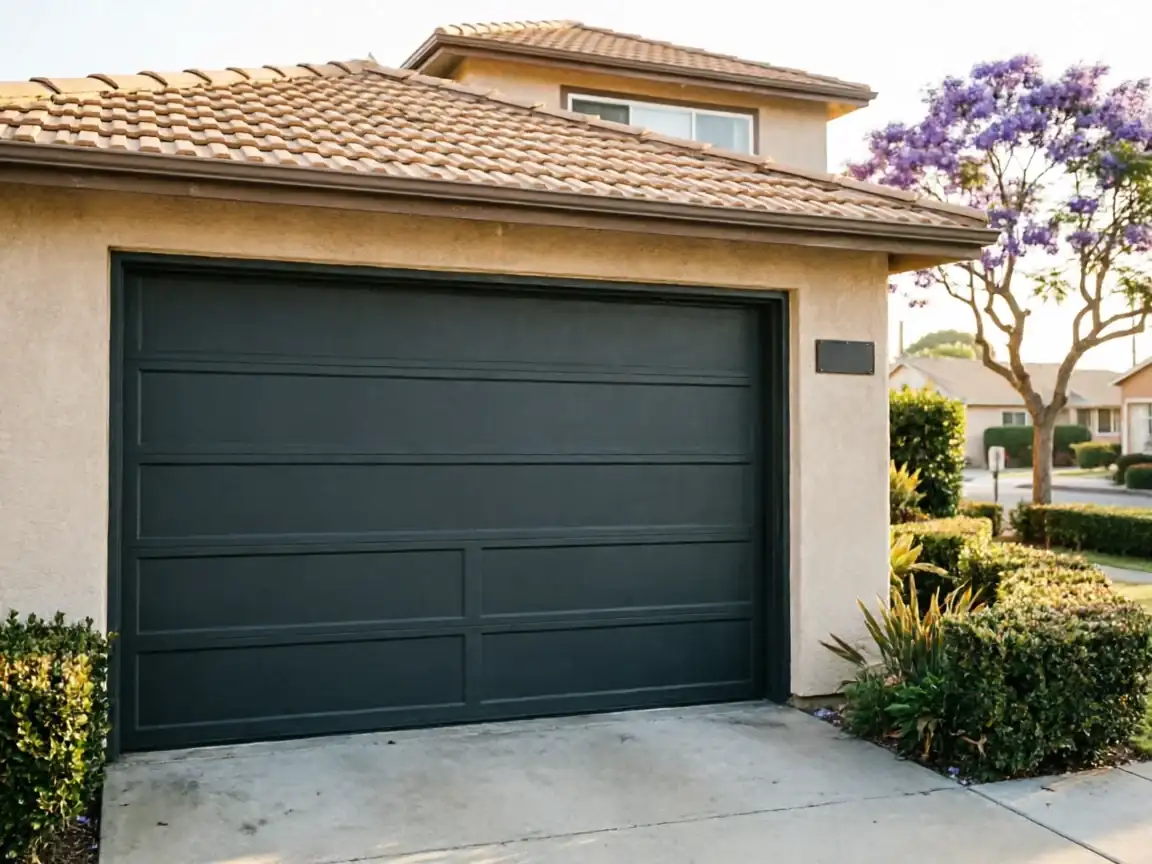
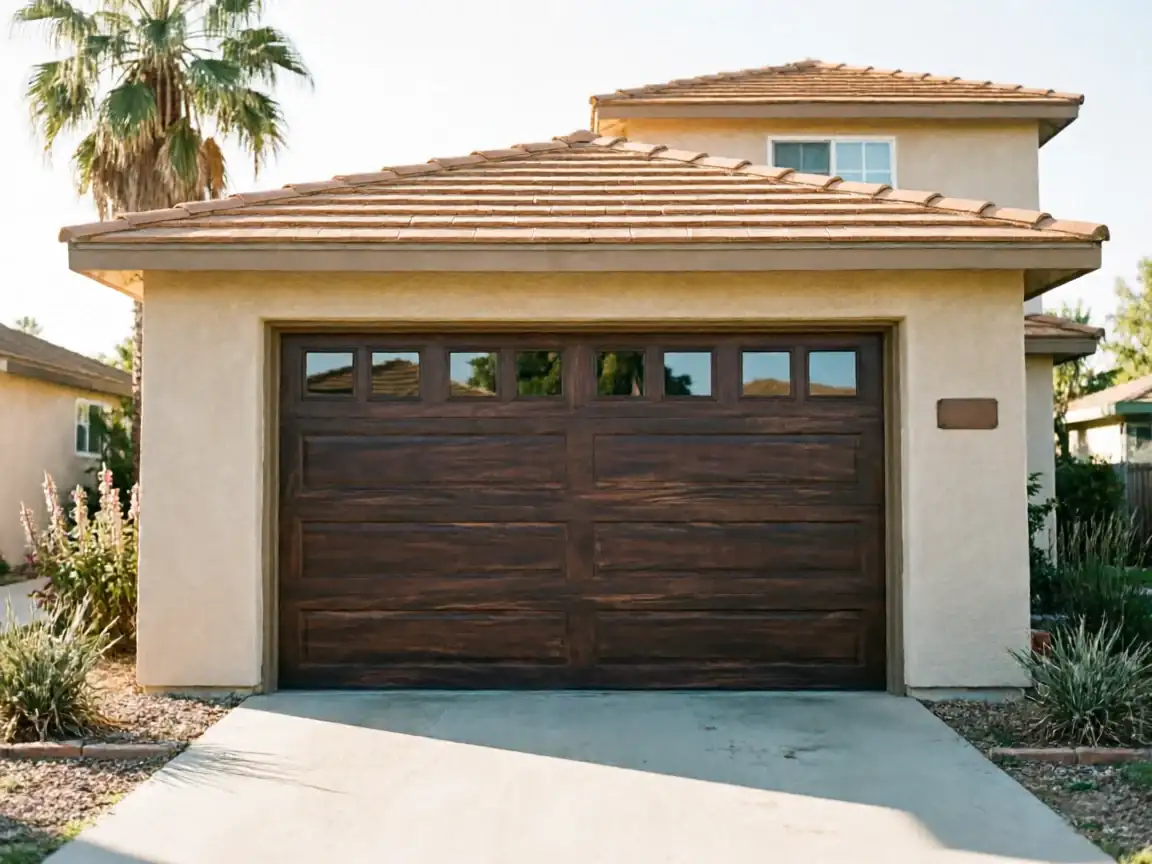
La Mesa's housing stock centers on 1970, right in the middle of the wider 1967-1992 build window across this service area. Doors from that era were set up with steel lift cables on drums sized to the original springs and panel weight. Over fifty years those cables stretch, the galvanized strands fray at the drum where the cable bends tightest, and one day a strand gives out under the last inch of travel. That's the snap people hear.
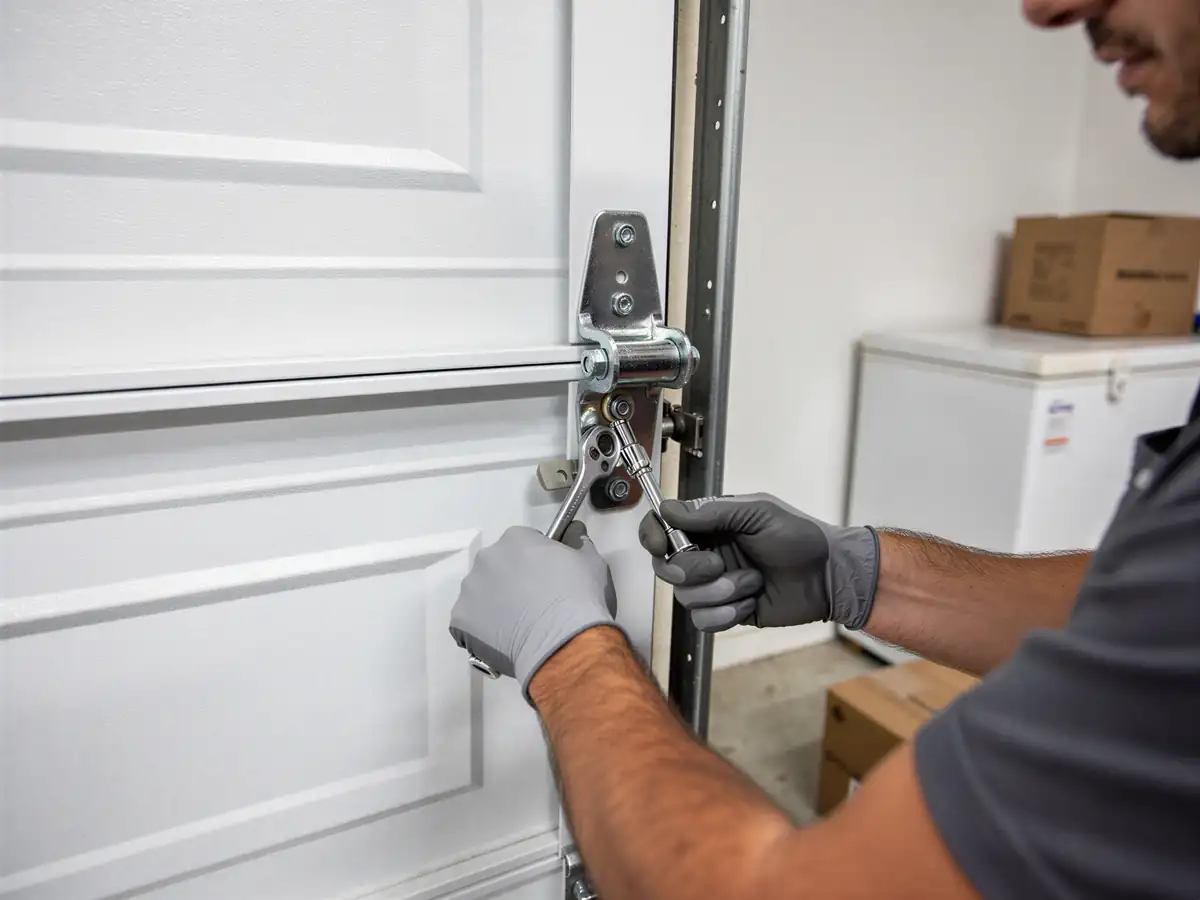
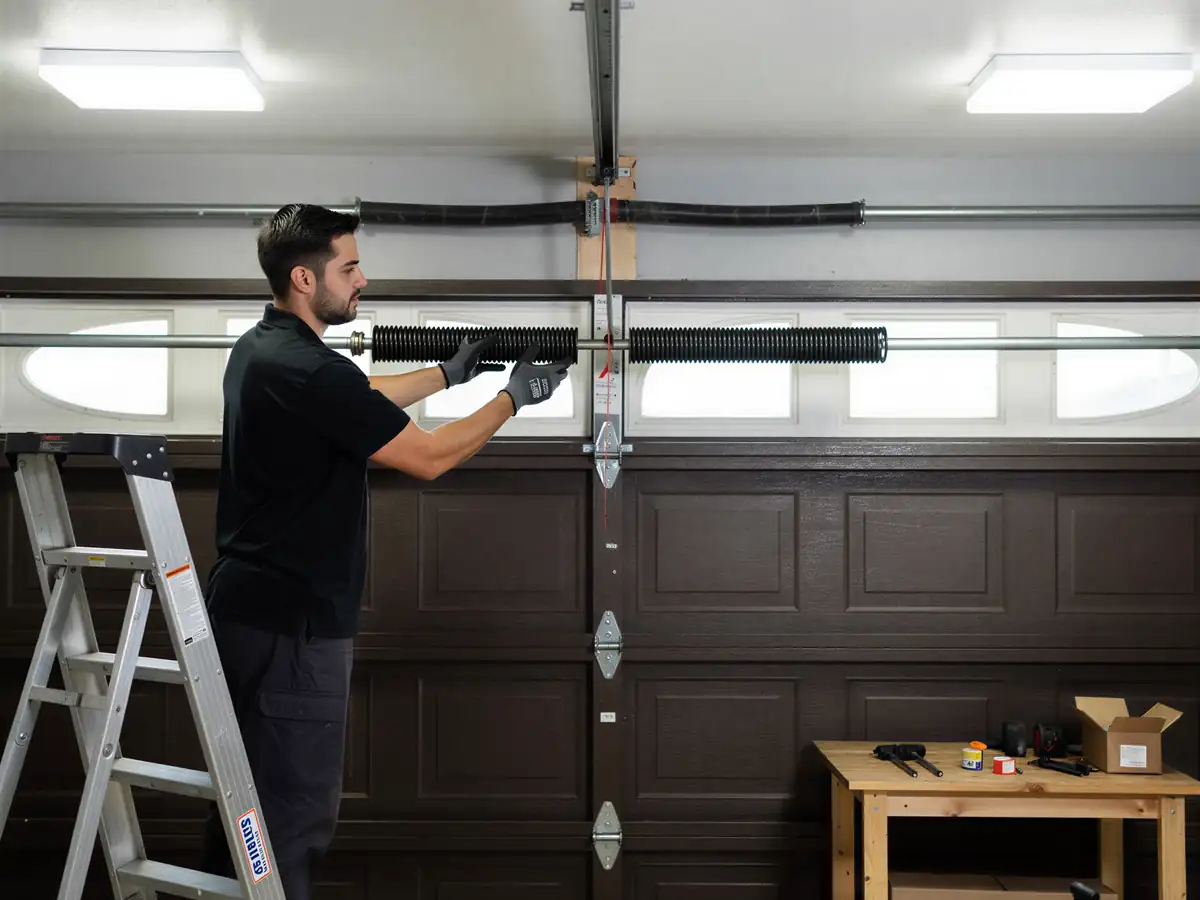
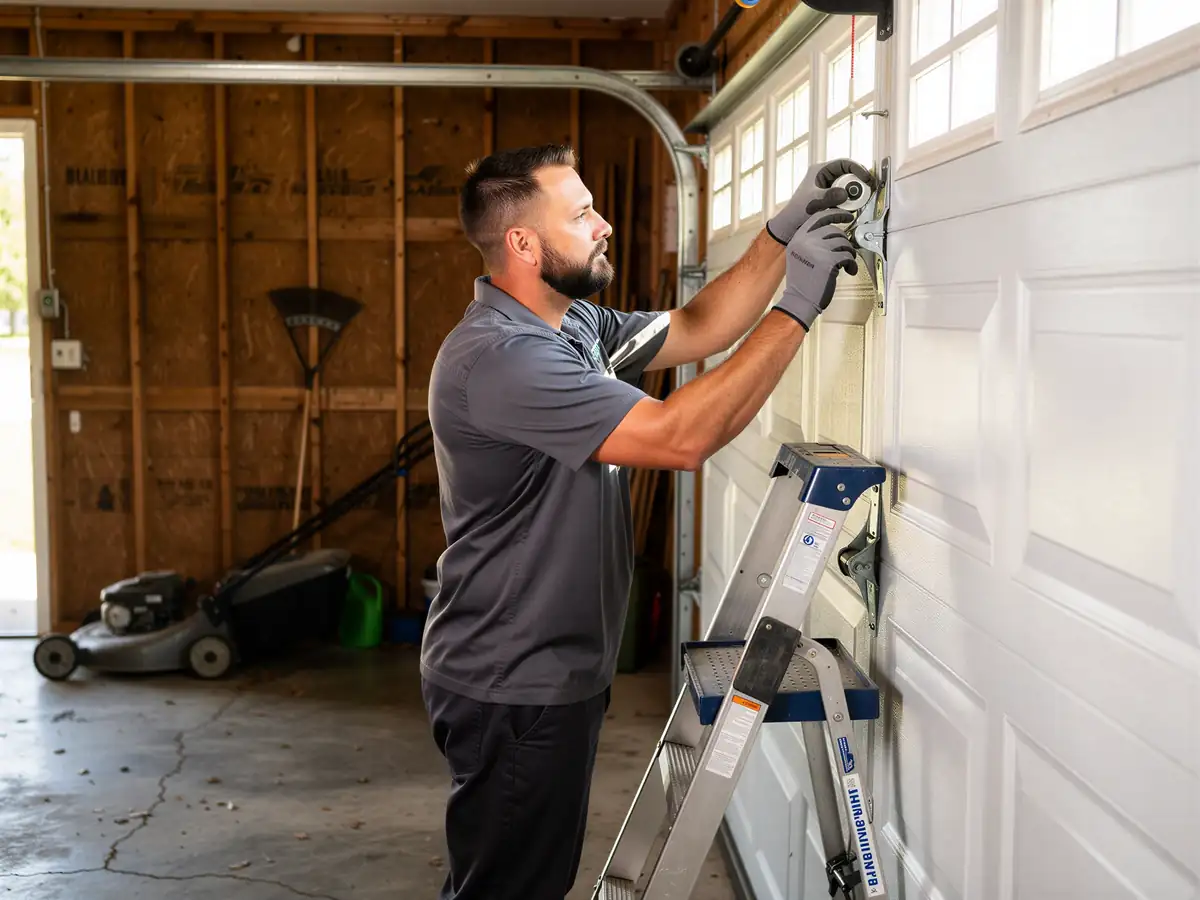
The fix itself is straightforward on most jobs: relieve spring tension safely, pull both old cables even if only one failed, set new cable to the same length, and re-tension. We replace both sides as a pair on these older doors, because if one cable is worn enough to break, the other one off the same drum and same year is close behind it. Doing one side at a time just means a second trip.
The Cost of This Job
La Mesa's median household income sits at $84,337, noticeably below the $114,736 median across the wider service area. We mention that because cable repair is one of the jobs where the math works in the homeowner's favor compared to a full door swap - a cable job is parts and labor on a few feet of steel cable and maybe a drum, not a new door and opener.
We don't have a flat price to print here, since spring tension, drum condition, and whether the track took damage when the cable let go all change the bill. What we can say is that cable replacement is one of the cheaper repairs we run, and if we get there before the second cable goes, you're not also paying for a bent track or a cracked panel from the door dropping crooked.
One honest limit: if the drums are worn or pitted where the old cable sat, or if the door's original hardware is no longer sized to anything we stock, that adds a part and a bit more labor. We'll tell you before we start, not after.
What Is on the Truck
We come from El Cajon, four miles out
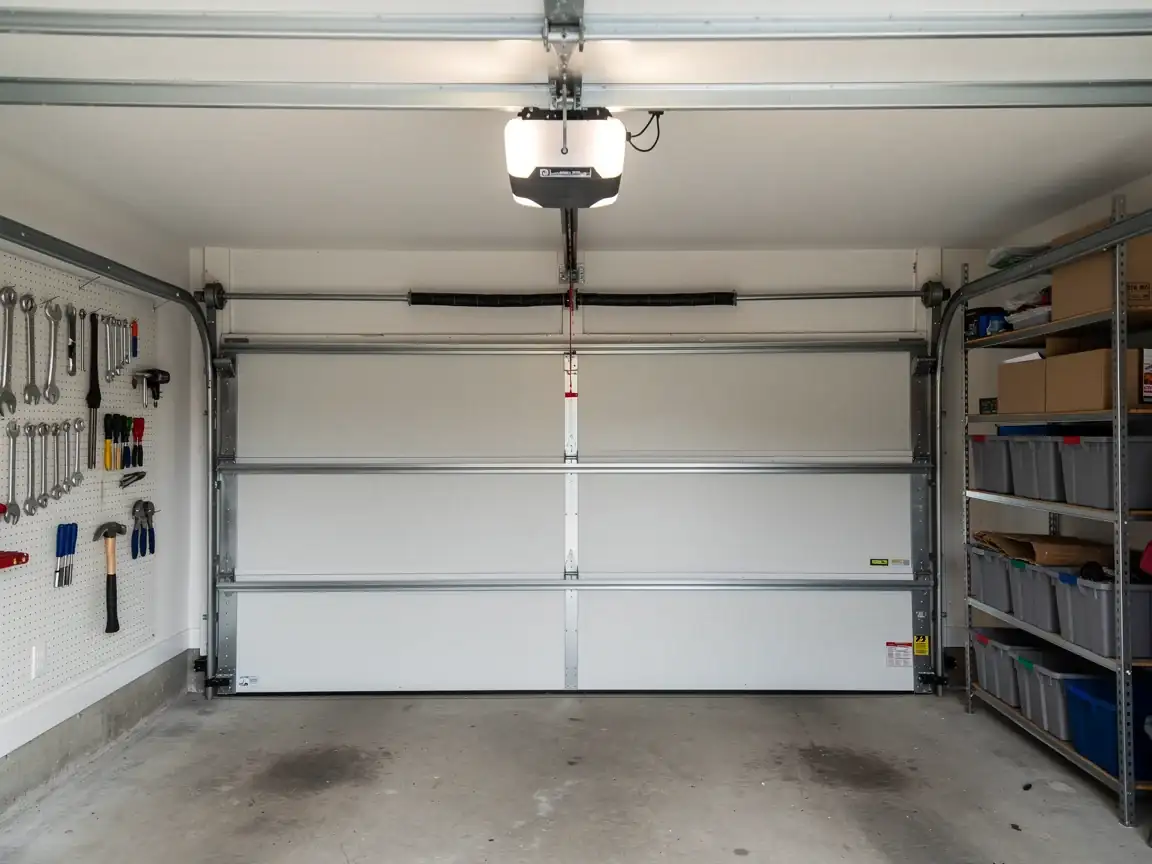
So the truck is stocked for what actually breaks on the doors we see on that drive - mostly the 1960s-70s stock that makes up most of this area's homes. That means lift cable in the common gauges, drums in the sizes that match torsion doors from that build era, and the clamps and fittings that go with them.
La Mesa sits in the same mild temperate climate band as the rest of the area we cover
So we're not loading the truck for ice or heavy humidity swings - cable wear out here is mechanical fatigue and age, not rust from a harsh winter. That keeps the parts list simple: the cable itself, the right drum, and standard torsion spring tools, rather than a long inventory of weather-specific hardware.
What we don't carry is every cable gauge made for every custom or commercial door ever installed
If a home has had non-standard hardware put in by a previous installer, we may need to source a part before we finish, and we'll say so on site rather than guess.
Getting It Booked In
Across the full service area there are 144,957 households and 54,606 owner-occupied houses; La Mesa alone accounts for 25,178 of those households, a meaningful share of the doors we're called out to. A door with a snapped cable isn't safe to run on the opener - the counterbalance is gone on one side, and trying to force it up or down can bend the track or drop the door the rest of the way.
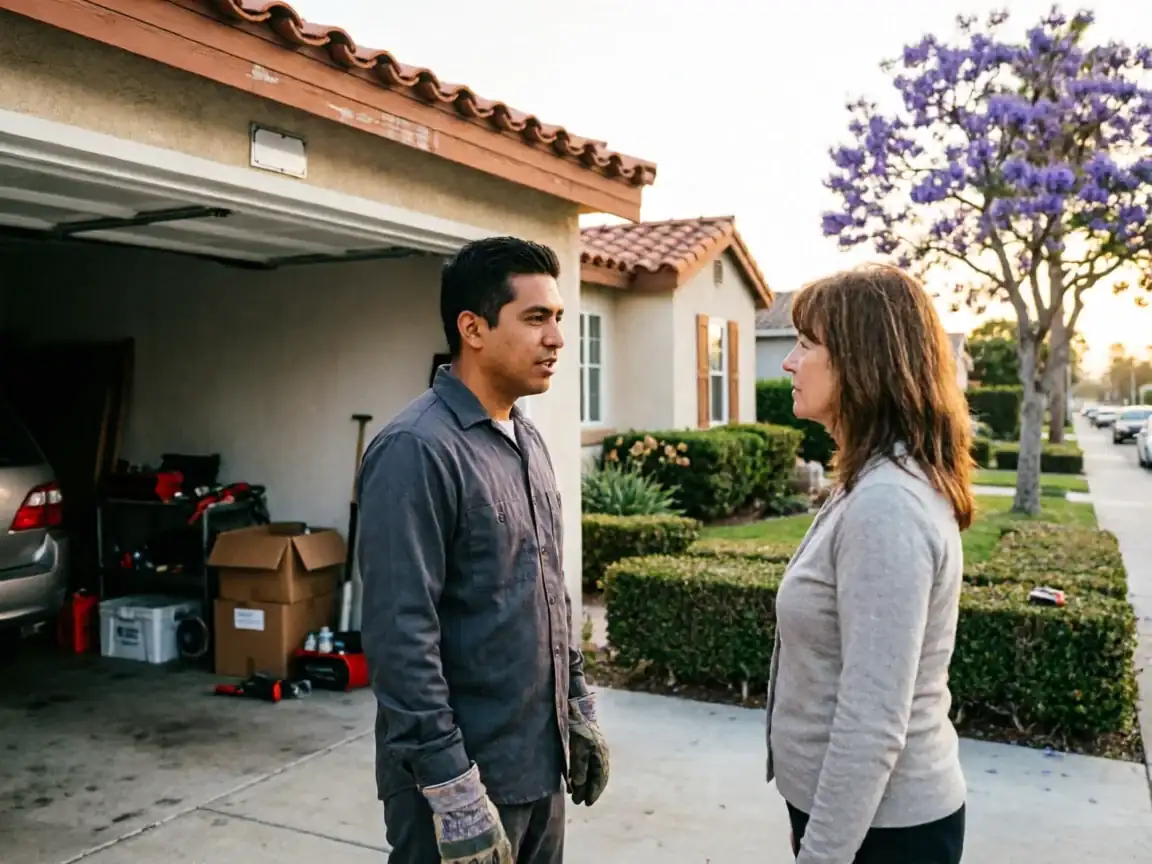
When you call, tell us if the door is stuck down, stuck up, or hanging crooked. That changes what we bring and whether we ask you to leave the opener alone until we get there. We travel to La Mesa from our El Cajon base, so give us a rough idea of timing when you book rather than expecting a same-hour drop-in.
If the door's original hardware turns out to be non-standard, we'll scope it on site and let you know what's next before any work starts.