How Long It Takes
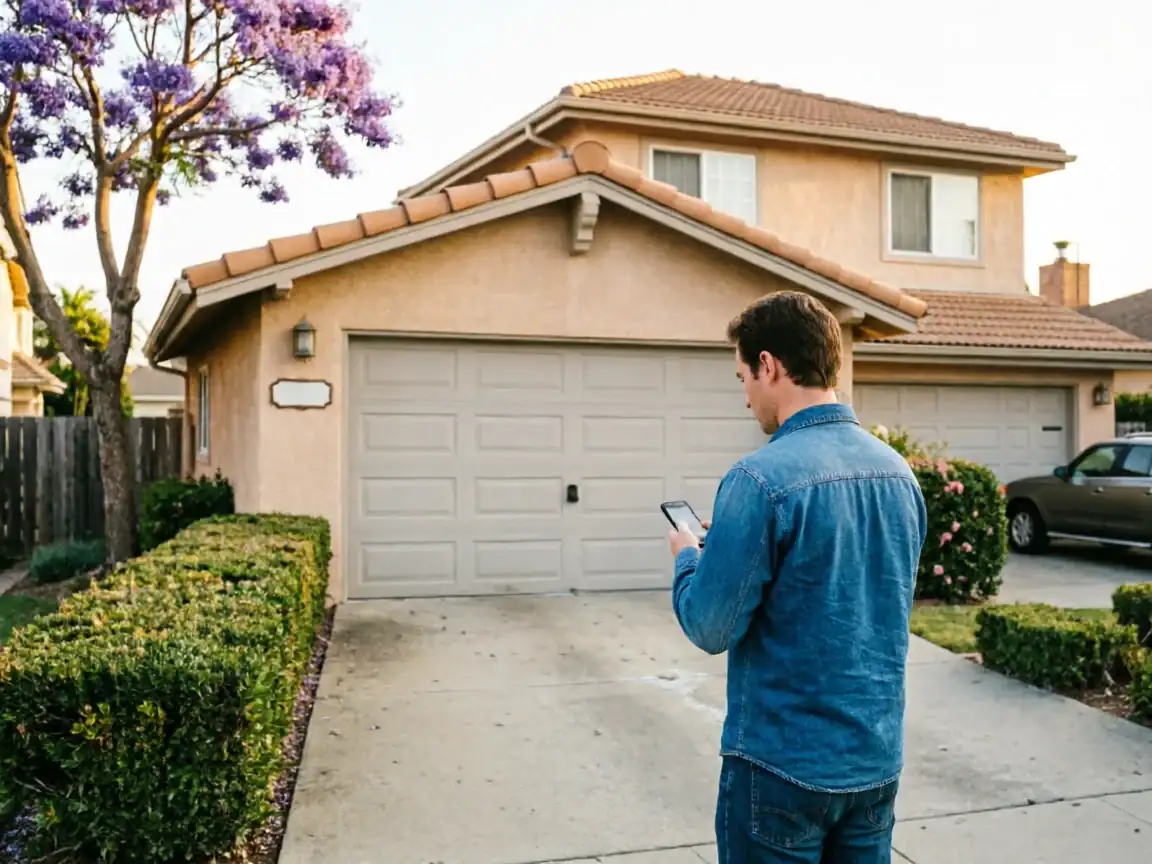
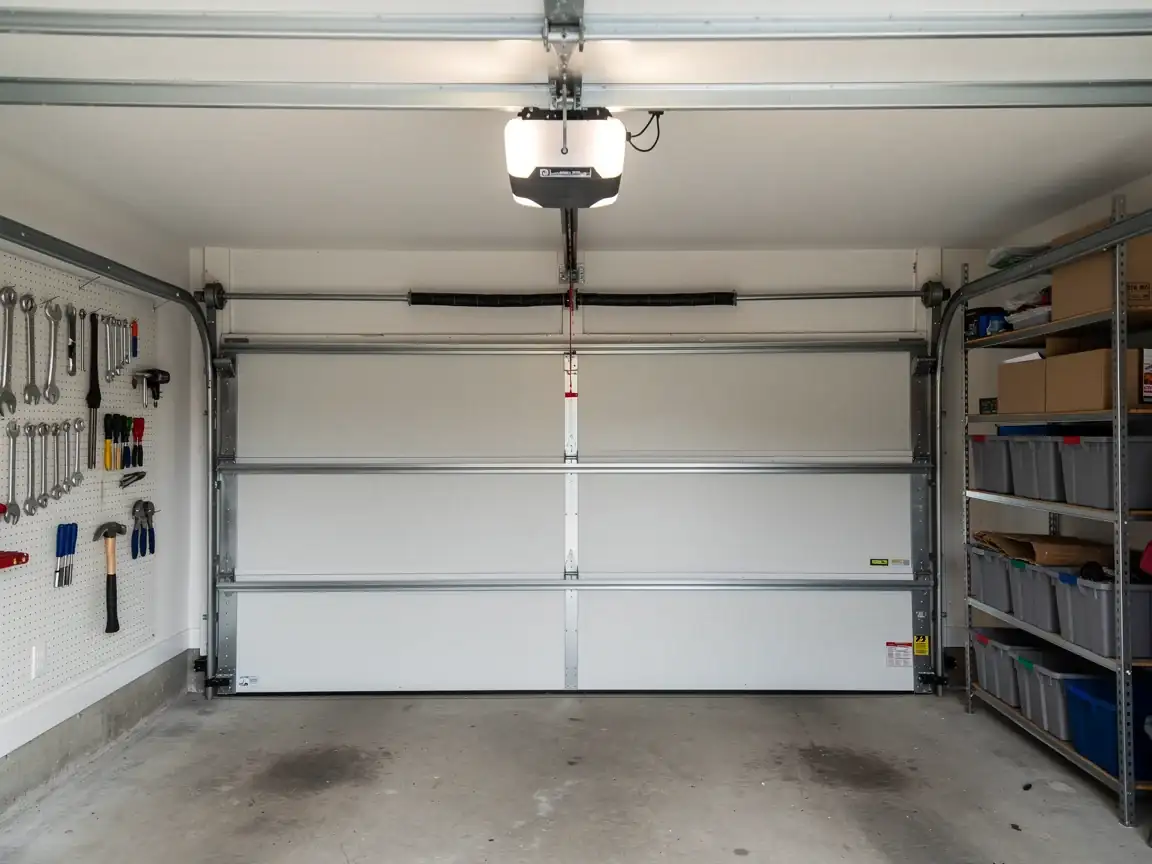
Most Bostonia rollers we pull are the original steel wheels that came with the house, and houses here mostly date to the late 1970s - the area's median build year runs around 1978. Steel rollers on that era of door ride in narrow track that wasn't made for anything wider, so when the wheel wears down and starts to egg-shape, the door starts binding on the way up instead of rolling smooth. You hear it before you see it: a grinding or popping sound right at the top of the travel.
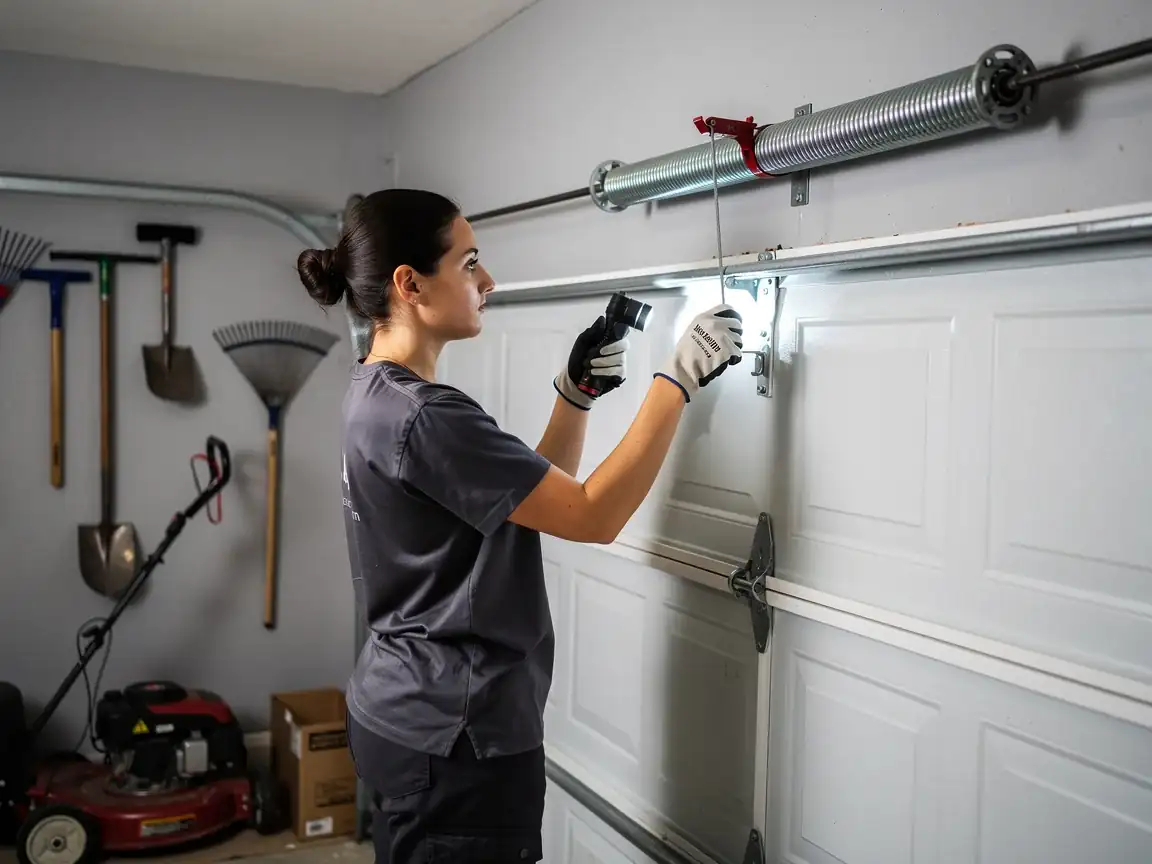
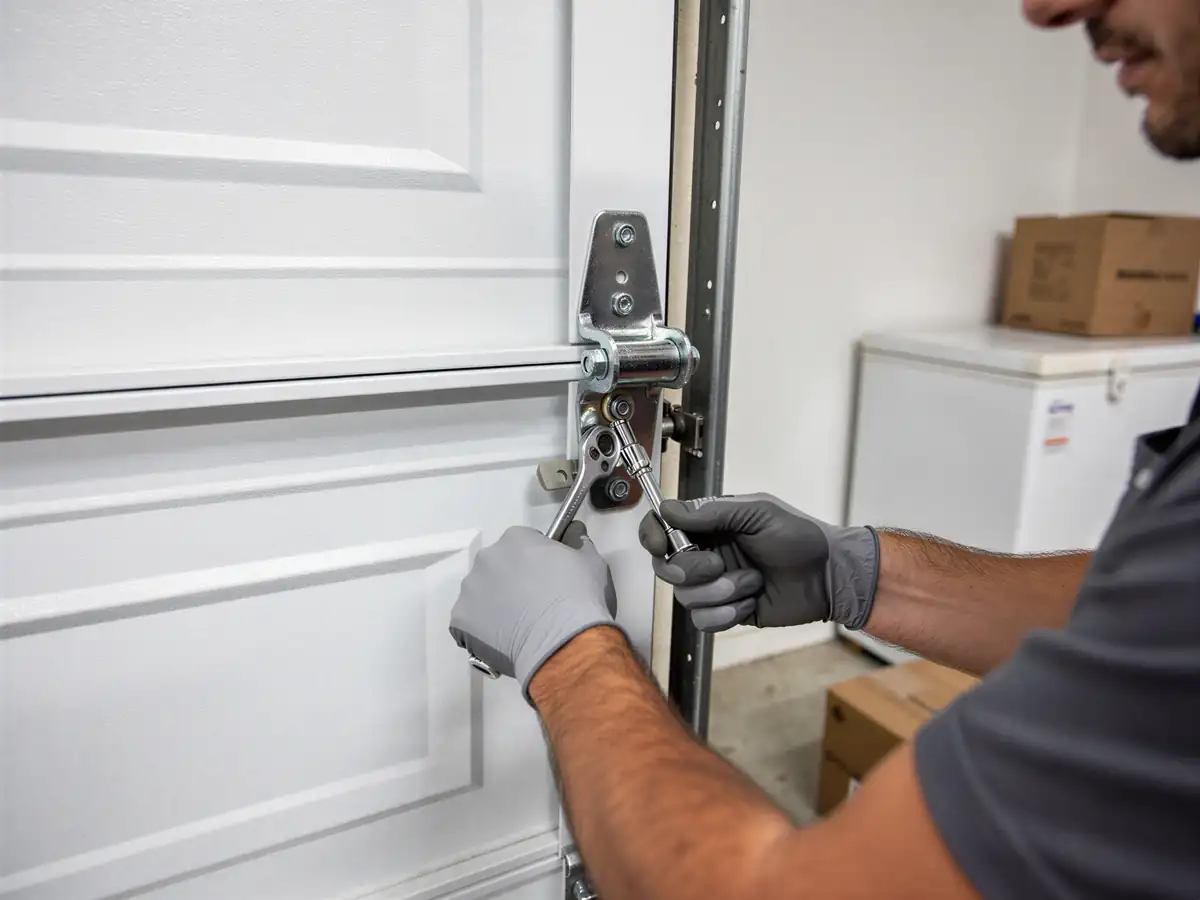
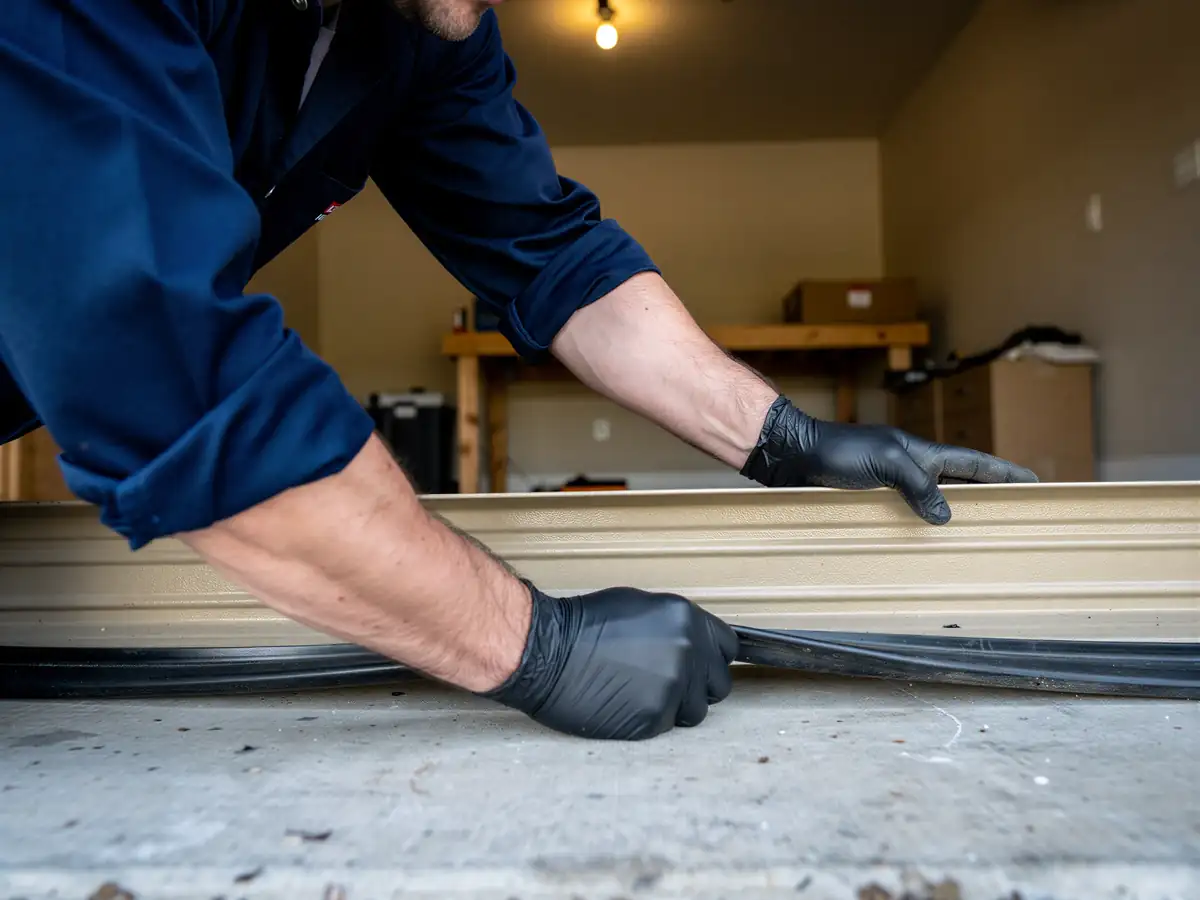
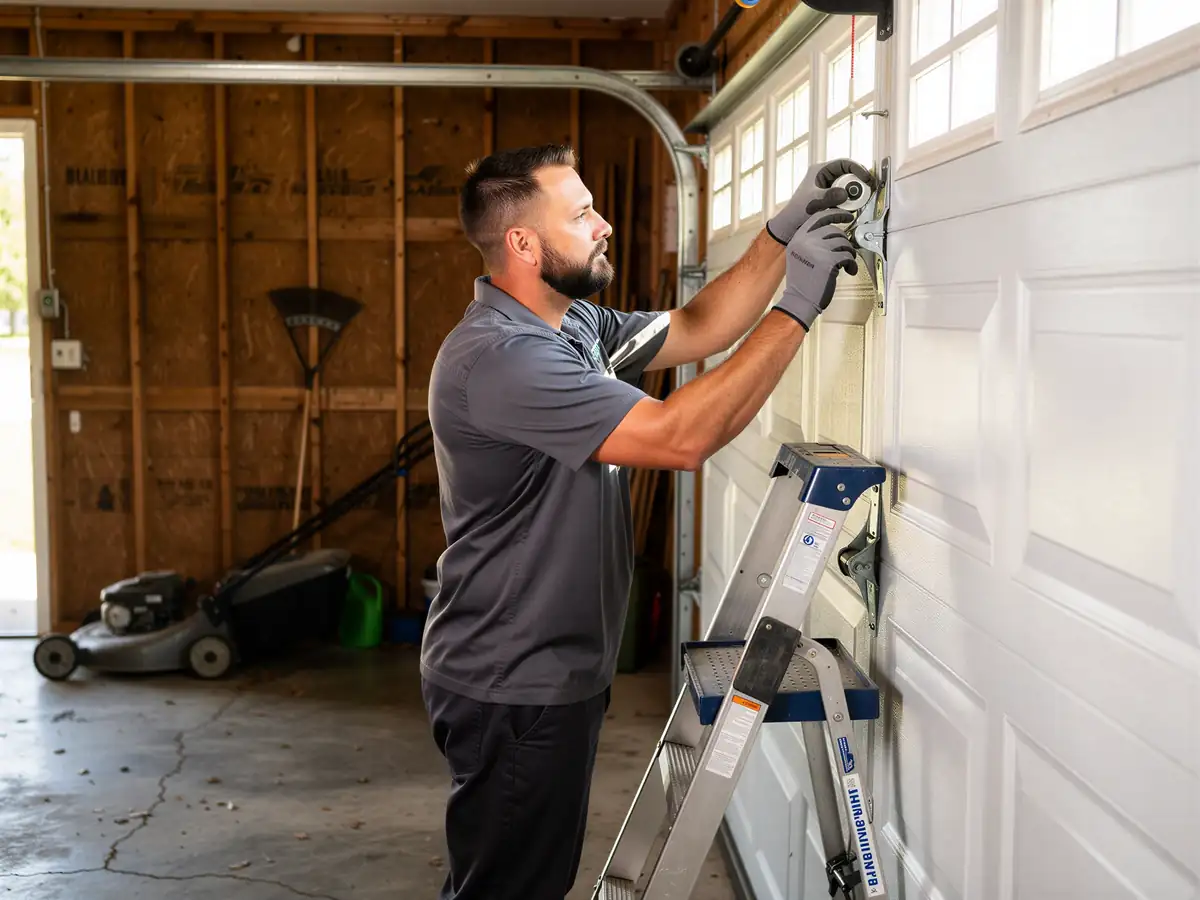
A straight roller swap on a double door, both tracks, runs about 45 minutes once we're on site - longer if the track itself has worn a groove from years of steel-on-steel contact, which it often has by now. We're coming from El Cajon, about 2 miles off, so travel isn't the bottleneck here; checking the track for damage and squaring it back up before we hang new rollers usually is. If a section of track is bent or grooved past saving, we'll say so and replace that piece rather than bolt new rollers into a track that'll chew through them again in a year.
The Cost of This Job
We don't publish a flat number for this because the track condition on a 1978-era door varies house to house - some have been kept dry and run clean, some have surface rust from the mild coastal-influenced climate working on steel over four and a half decades. What we can tell you: nylon rollers cost more up front than steel but don't need the lubrication steel does and run quieter, which matters if the garage sits under a bedroom, common in this neighborhood's layout.
Bostonia's median household income sits lower than the broader El Cajon service area - around $73,549 here versus $114,736 across the territory - so we quote the job plainly before we start and we'll tell you straight if steel-for-steel is the cheaper, sensible call versus a full nylon upgrade. We're not going to upsell a bearing-style roller kit on a door where the track itself needs replacing first; that's money spent in the wrong order.
What Is on the Truck
For roller jobs in this part of the service area we carry both 7-ball steel rollers and sealed nylon rollers in the stem lengths that fit the torsion hardware found on houses from the late 1960s through early 1990s, which covers the bulk of what we see in Bostonia
We also carry short sections of track, because a worn track is as common a reason for the call as the roller itself once a house gets past 40 years old.
- 40 years
We stock the lubricant made for garage door track, not the all-purpose can from the hardware aisle
That's a detail some skip. Mild temperate weather in this part of San Diego County means rollers here aren't fighting the freeze-thaw cycle that chews up hardware elsewhere, but UV and the occasional long dry stretch still dry out old grease and gaskets. One limit: we don't carry every obscure stem-length variant on the truck. If your door uses an odd roller we haven't seen before, we may need to order it and come back, which we'll tell you up front rather than improvise a fix that won't hold.
Can You Do This Yourself
Swapping a single roller on a door that's otherwise sound is a reasonable DIY job if you're comfortable with the door propped open and the spring tension respected - you're not touching the spring itself, just pulling a roller out of the track once the door's up. Where people get hurt is doing this with the door down and the cables under full tension, or not realizing the bottom roller bracket is also holding a cable end.
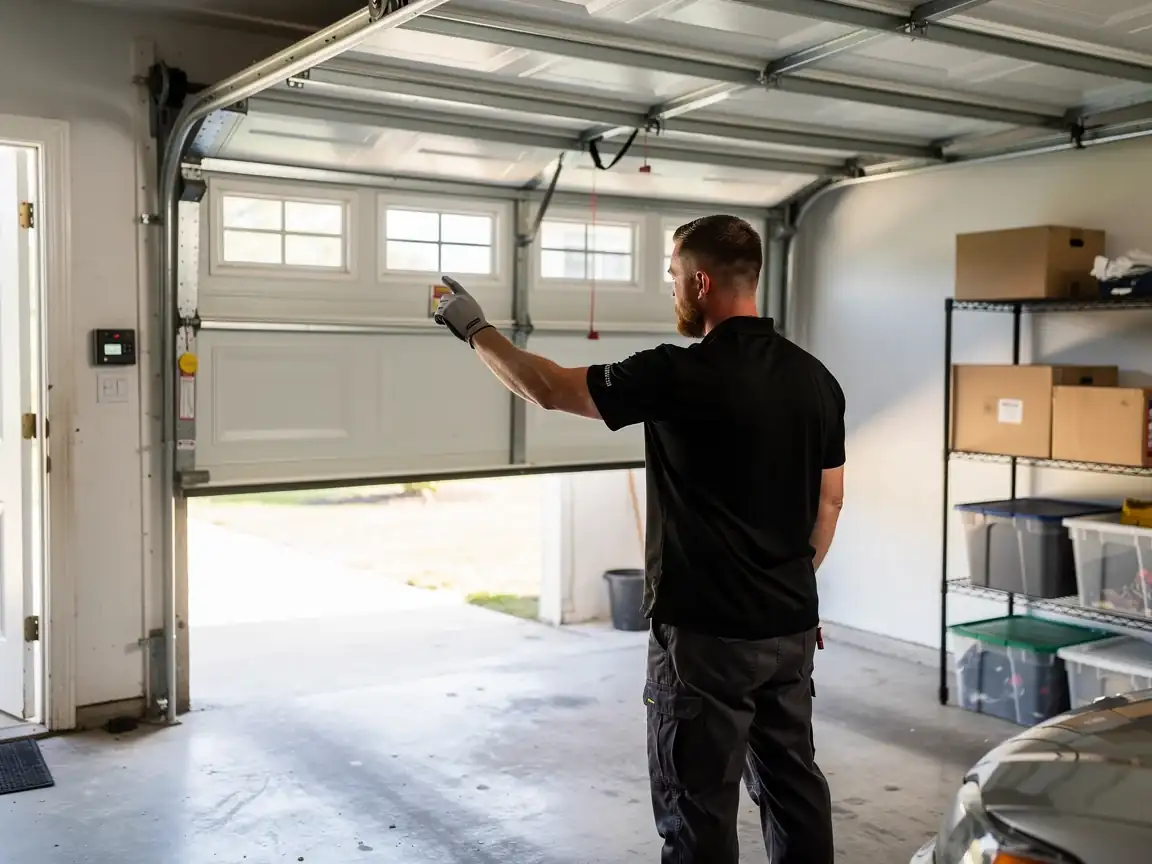
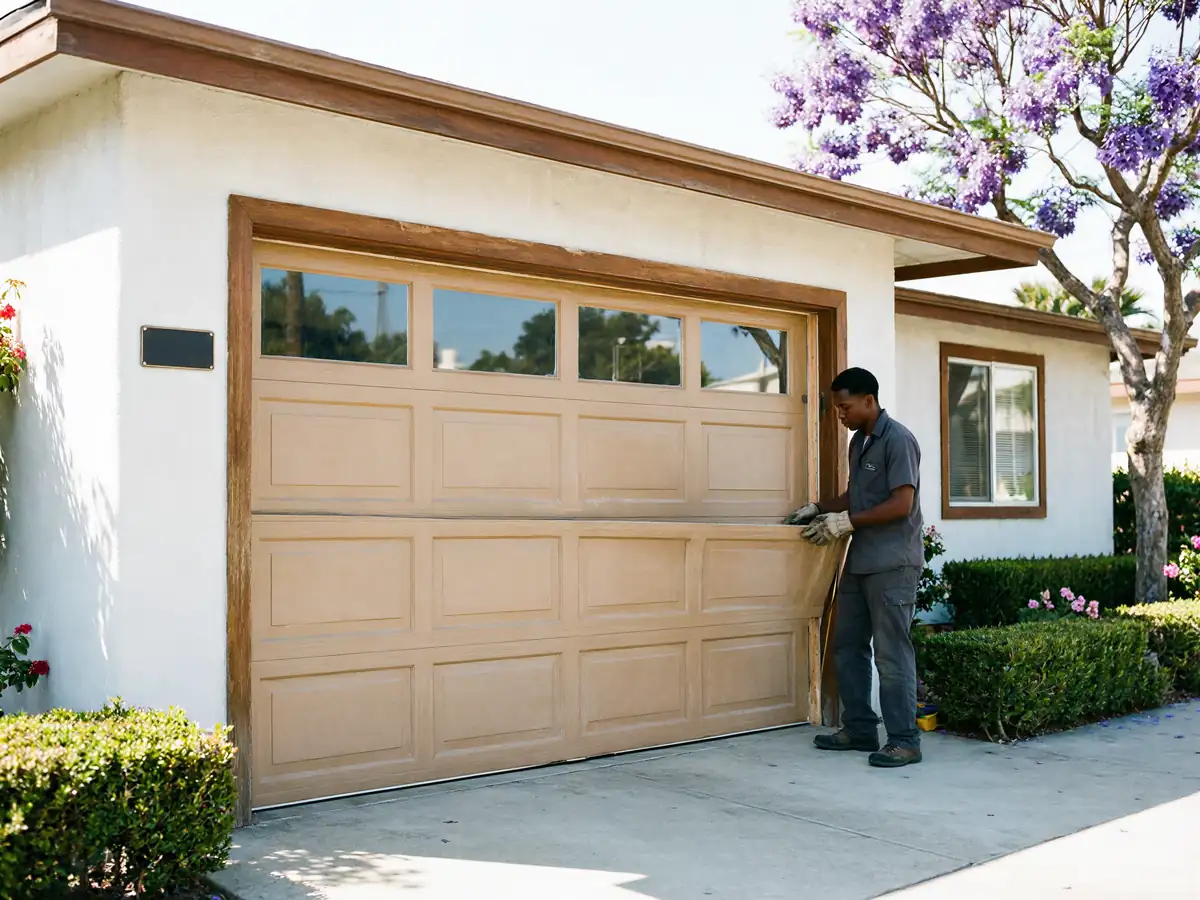
What tips it back to calling someone: if more than two rollers are failing at once, that usually means the track is the real problem, not the rollers, and track alignment on a 1970s-built door with 45 years of settling in the opening is not a first-timer job. If the door is binding, not just noisy, stop opening it. A door that's fighting a bent track can jump the track entirely and come down wrong.
Getting It Booked In
We run this job in Bostonia out of our El Cajon shop, about 2 miles off, so there's no separate branch here and no local drop-in counter - just a truck that comes to the house. If your door's grinding, popping, or hanging up partway through its travel, that's the roller call, and it's worth getting ahead of it before a worn roller drags on the track long enough to damage the track too.
If you're not sure whether what you're hearing is a roller problem or something else - an opener issue, a spring going - our broader repair page for this area covers the full range of what we see on these doors. Either way, tell us the sound and roughly when the house was built if you know it; on a street of mostly late-1970s construction, that detail alone usually tells us what hardware we're bringing before we even load the truck.